Legumes & Beans
Cannellini Bean
Large creamy white Italian kidney bean for soups, salads, and Tuscan bean dishes.
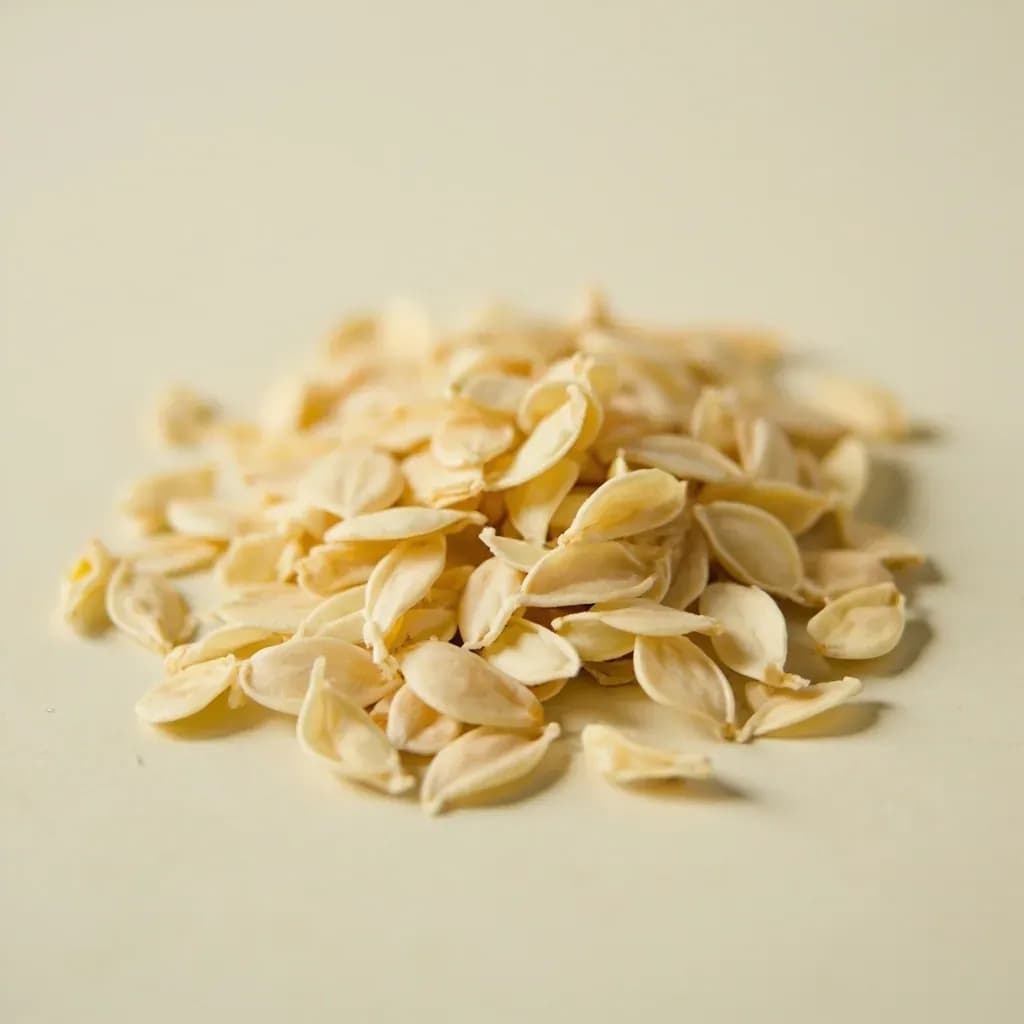
Cannellini beans are large, white kidney-shaped beans with a smooth, creamy texture and a mild, nutty flavor. A staple of central Italian cooking, they feature in minestrone, pasta e fagioli, Tuscan white-bean dishes, and bean salads. They hold their shape when cooked yet mash easily into purées and dips.
Cannellini beans are the Italian kitchen's standard-bearer for white beans—a large, curved kidney-shaped legume with a creamy ivory color, thin skin, and a buttery, subtly sweet interior. They belong to the Phaseolus vulgaris family and are most closely associated with Tuscan cuisine, where they serve as both a hearty protein source and a thickening agent in some of Italy's most beloved rustic dishes. The name cannellini derives from cannellino, Italian for "small tube," a reference to the bean's gently curved shape. Italian cooks treat dried cannellini as an essential pantry staple; the cooking liquid is starchy and deeply flavorful, invaluable for thinning soups and stews to the correct consistency. Canned cannellini are convenient for quick preparations, but they lack the depth and silky texture of properly cooked dried beans, and their liquid is unremarkable. For any dish where beans are the centerpiece—a bowl of ribollita, a pile of pasta e fagioli, a rustic bean purée—the extra time invested in cooking dried cannellini pays meaningful dividends in flavor and texture.
- Measured in
- g
- Storage
- Pantry
Types & varieties
Protected-designation bean from the Piana del Volturno area of Campania; considered one of the finest Italian white beans
Campania DOP white bean, small to medium, prized for its thin skin and exceptional creaminess
Small, delicate Tuscan white bean from Sorana in the Pescia area; very thin-skinned, cooks relatively quickly, highly prized locally
The commercial variety sold in most markets; US-grown cannellini is often actually a navy bean or large lima cross; Italian-imported maintains more authentic character
Soaking and Cooking Dried Cannellini
Proper preparation of dried cannellini is the difference between a dish that tastes remarkable and one that tastes merely acceptable. The overnight soak is essential: place beans in a large bowl, cover by at least 3 inches of cold water, and let stand at room temperature for 8–12 hours. This rehydrates the starches within the skin evenly, promoting consistent cooking throughout each bean. Discard the soaking water—it contains compounds that contribute to intestinal discomfort—and cook the beans in fresh water.
- Quick-soak method: Bring beans to a boil in fresh water, remove from heat, cover, and let stand 1 hour; useful when you haven't planned ahead
- Always cook beans in fresh water after soaking; the soaking liquid is not useful
- Add aromatics (garlic, bay leaf, halved onion) to the cooking water for added depth
- A tablespoon or two of olive oil in the pot helps keep skins intact
- Resist stirring beans frequently during cooking—agitation breaks skins
- Add salt only after beans are fully tender; early salt hardens the skins and can leave interiors firm
- Save the cooking liquid before draining; it is starchy and flavorful—use it to thin soups and stews
- Properly cooked cannellini should be tender throughout with no chalky core, and skins should still be intact and smooth
Common uses
Tips & pitfalls
- Always soak dried cannellini overnight in cold water by at least 3 inches; this reduces cooking time by roughly half and promotes even hydration of the starches within the skin
- Never salt bean cooking water until beans are fully tender—early salt toughens the skins and can leave the interiors chalky and firm
- Cook cannellini with aromatics (garlic, bay, onion) and a glug of olive oil; this adds depth and helps the skins stay intact during cooking
- Avoid stirring beans frequently while they cook—agitation breaks the skins and turns the pot into a mushy mess
- Save the cooking liquid before draining; it is starchy and flavorful, ideal for thinning soups, stews, and braises
- Canned cannellini should always be rinsed and drained thoroughly to remove the metallic taste and excess sodium before using in salads or quick preparations
- Test for doneness by biting into the largest bean—the interior should be uniformly creamy with no resistance, even in the center
- Store dried cannellini in an airtight container in a cool, dark place; they keep well for 2–3 years with no loss of quality
Nutrition
Energy
1393 kJ · per 100 g
Where the calories come from
Protein
23.4g
47% DV
Carbs
60.3g
22% DV
Fat
0.9g
1% DV
Fiber
15.2g
54% DV
Sugars
2.1g
of which
Sodium
16mg
1% DV
Source · USDA FoodData Central · approx. Beans, white, mature seeds, raw
View on FDC →In the shops
Matched grocery products
No matched grocery products for Cannellini Bean yet.
Good to know
- Botanical name
- Phaseolus vulgaris (large white kidney bean)
- Origin
- Italy; primarily associated with Tuscany and Campania
- Flavor
- Mild, nutty, subtly sweet; buttery when fully cooked
- Texture (cooked)
- Smooth thin skin; creamy interior
- Cooking time (dried)
- 60–90 minutes after overnight soak
- Yield
- 1 cup dried yields 2½–3 cups cooked
- Protein (per ½ cup cooked)
- Approximately 7–8 g
- Dietary fiber (per ½ cup cooked)
- Approximately 6 g
Substitutes
- Great Northern bean — Nearly identical in size, flavor, and texture; the closest substitute; use 1:1 in any recipe
- Baby lima bean — Similar size and creamy texture but slightly more starchy and less nutty; acceptable in soups, salads, and purées
- Navy bean — Smaller and denser but works well in soups and purées; may need slightly less cooking time
- White kidney bean — Very similar to cannellini; indistinguishable in most cooked preparations
Pairs with
Also called
White Kidney Bean · Fagioli Cannellini
Appears in these dishes
Related
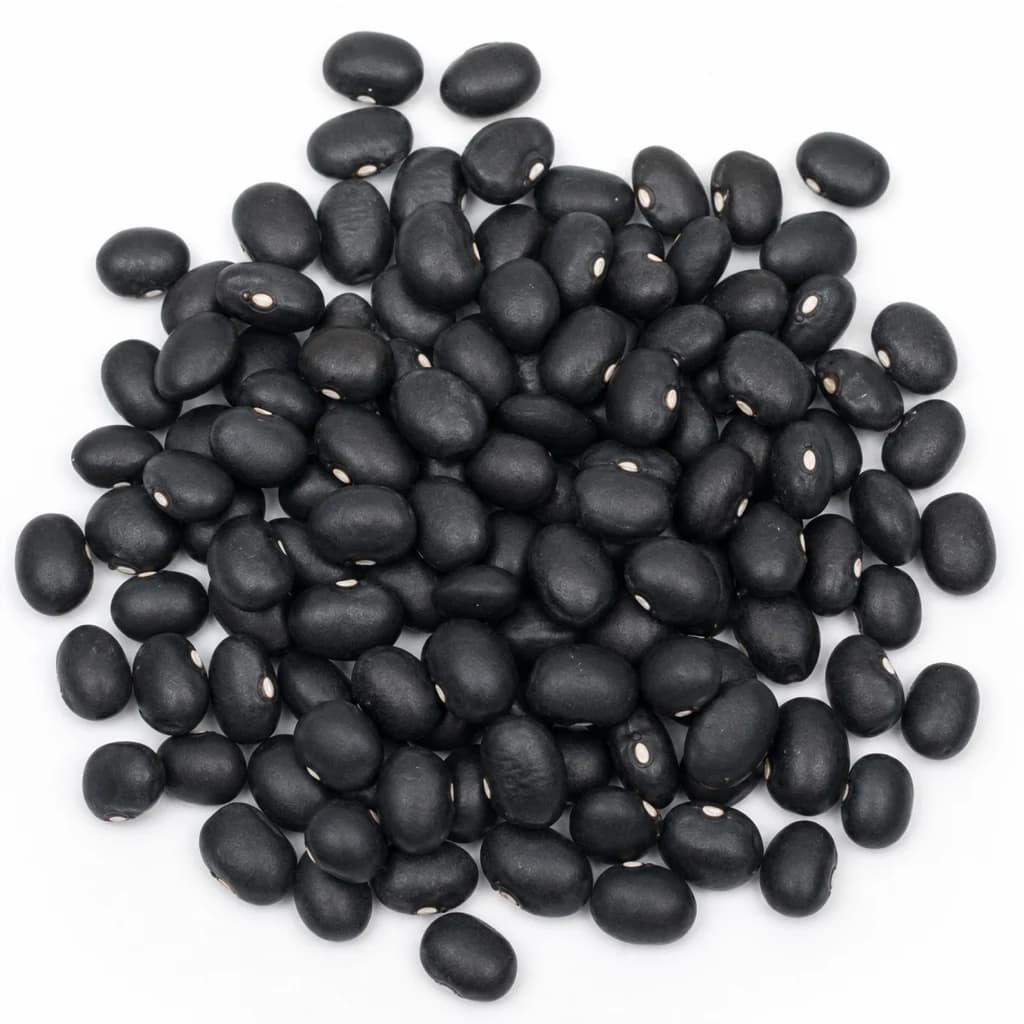
Black Beans
Earthy, creamy beans for bowls, soups, and tacos
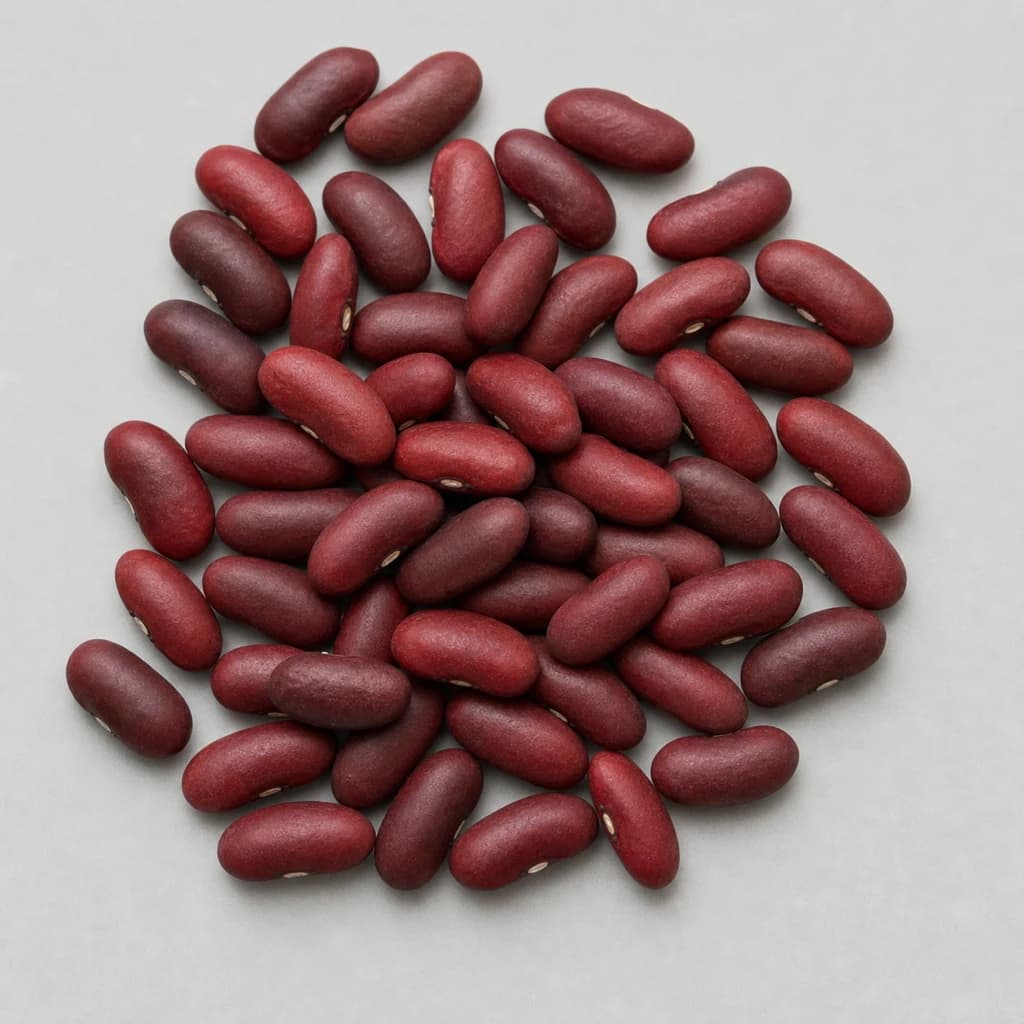
Kidney Beans
Hearty red beans that hold their shape in chili and stews
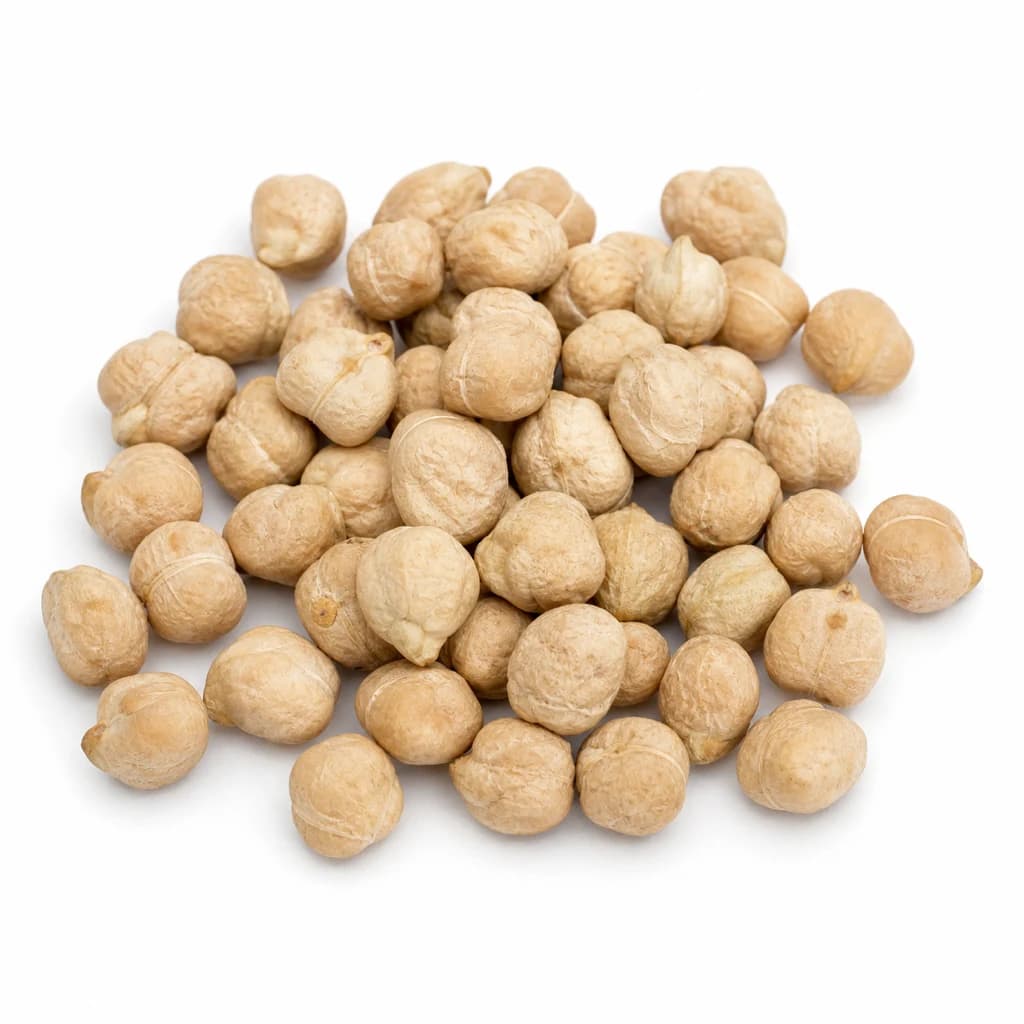
Chickpeas
Nutty, versatile beans for hummus, curries, and roasting
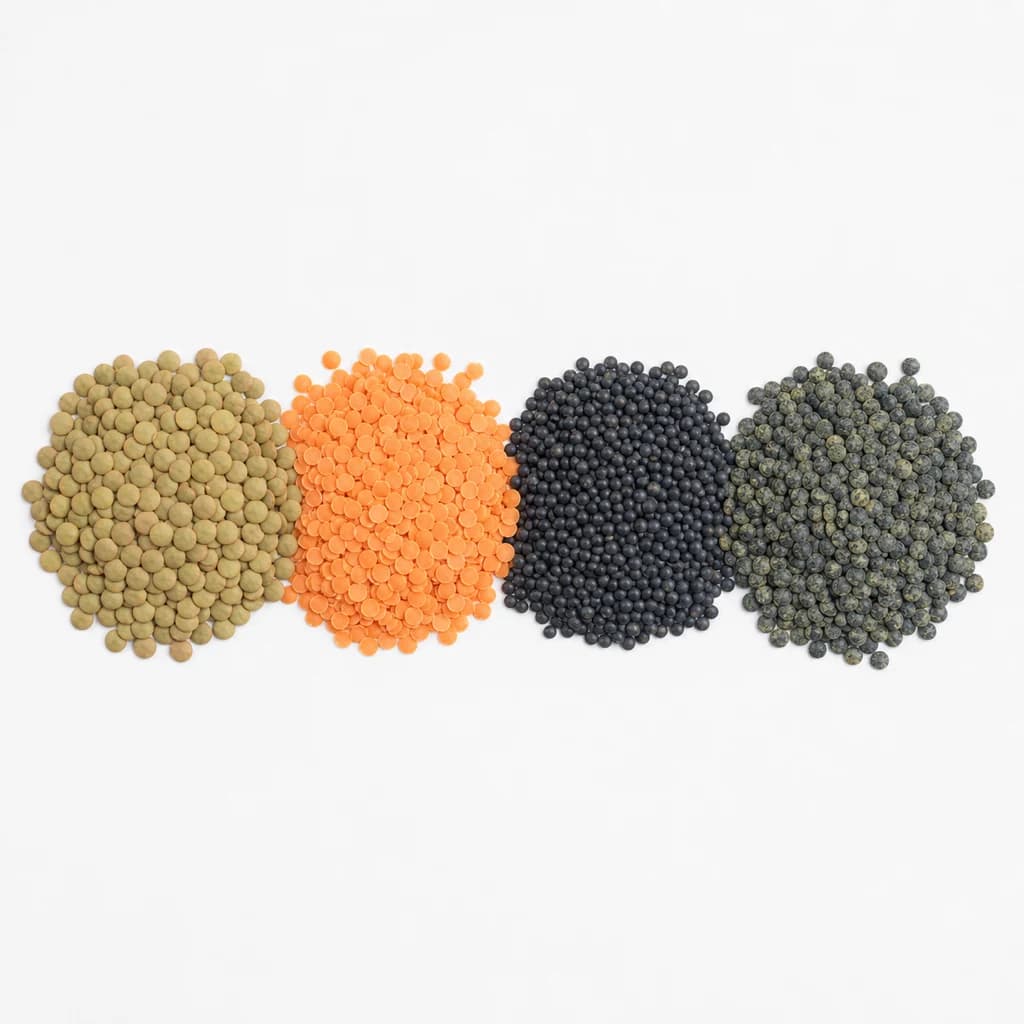
Lentils
Quick-cooking pulses for soups, dals, and hearty salads

White Beans
Creamy, mild beans for soups, stews, and silky purées
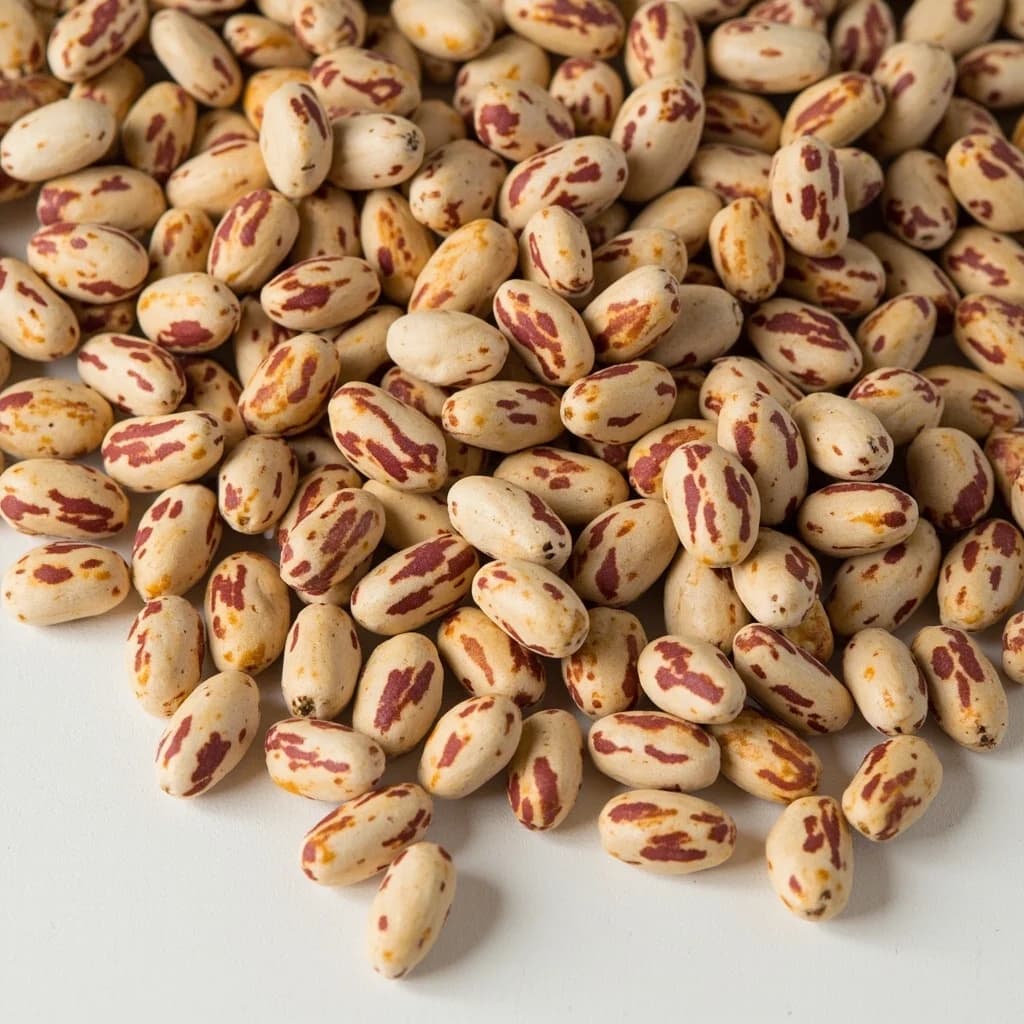
Pinto Beans
Creamy, speckled beans for refried beans and stews

Split Peas
Quick-cooking peas that melt into thick, comforting soups
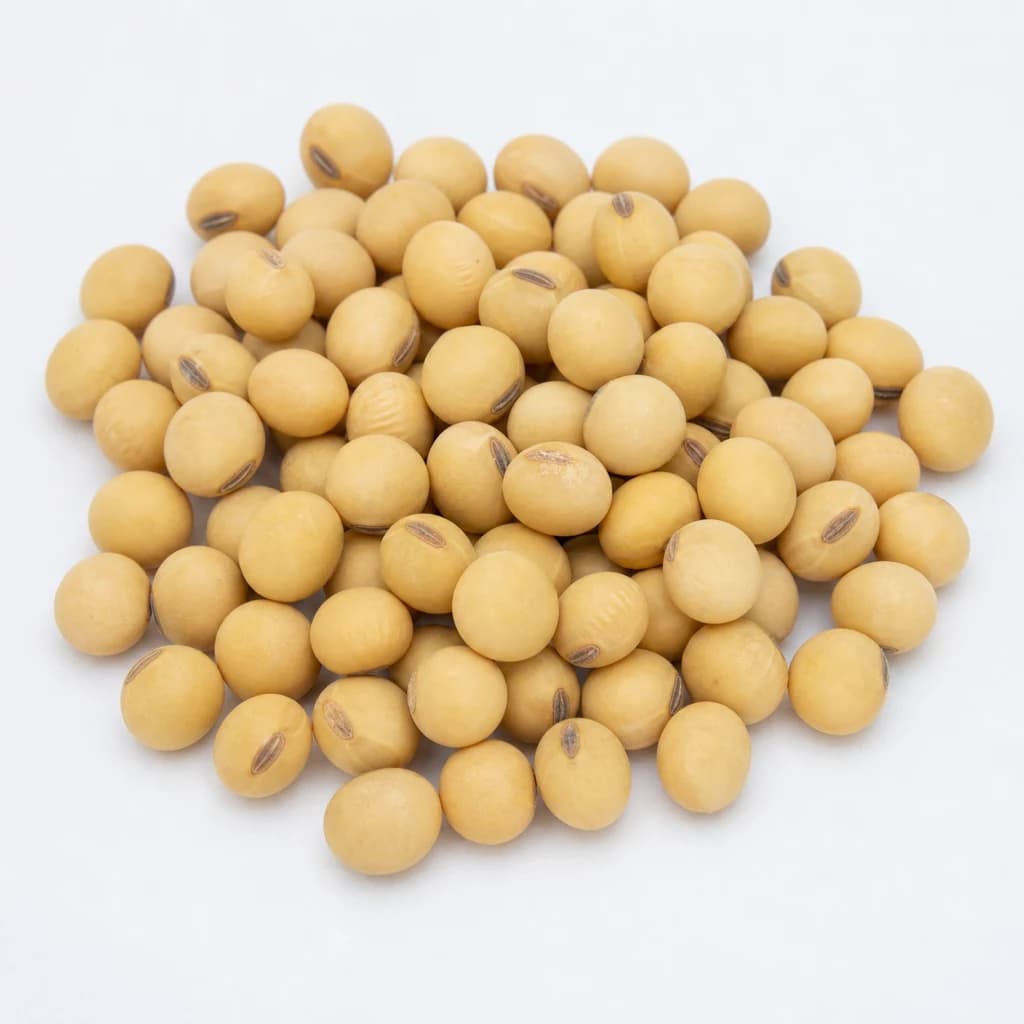
Soybeans
Protein-packed beans, the base for tofu and miso