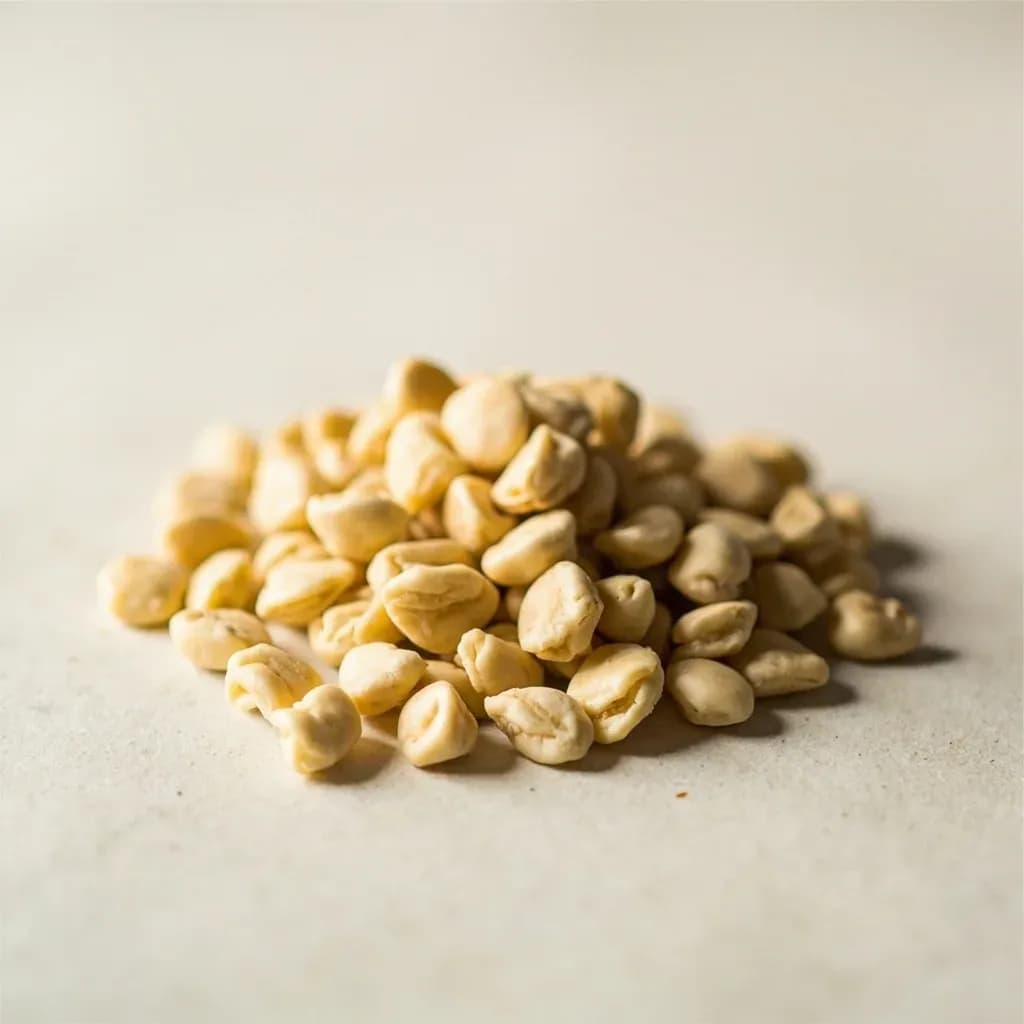
Legumes & Beans
White Bean
Creamy mild white beans for soups, stews, salads, and purees.
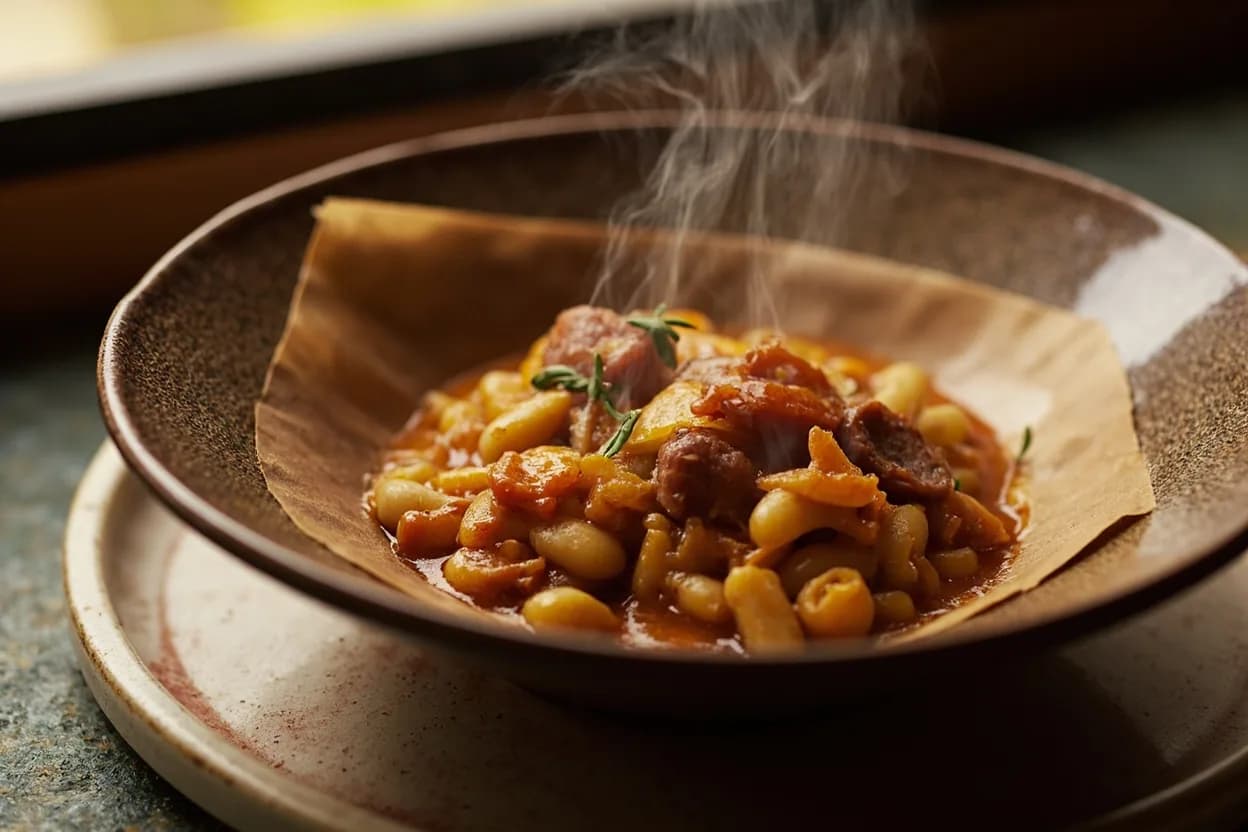
White beans is a category covering cannellini, navy, and great northern beans, all mild and creamy when cooked. They absorb flavors well and are used in Mediterranean soups, French cassoulet, Italian dishes, and bean purees. Dried white beans benefit from overnight soaking before simmering.
White beans—navy, great northern, cannellini, and their kin—are the quiet backbone of kitchens across the Americas and Mediterranean. Their appeal lies in restraint: a mild, nutty, slightly buttery flavor that asks nothing of a dish while giving everything in return. Unlike more assertive legumes, white beans absorb seasonings, stocks, and aromatics without competing, making them uniquely versatile from rustic cassoulets to refined purees. The texture distinction between varieties guides their use: navy and baby limas break down readily into creamy soups and smooth purées, while cannellini and great northern beans hold their shape better in brothy stews and salads, giving body without disappearing into the pot. When cooked properly—tender but not falling apart, with skins intact—white beans contribute a velvety richness that elevates everything from simple side dishes to celebratory braises. Whether dried, canned, or freshly cooked from scratch, they are among the most forgiving and rewarding legumes a cook can master.
- Measured in
- g
- Storage
- Pantry
Types & varieties
Small, oval, about 3/4 inch long. Creamy texture when cooked; the traditional choice for Boston baked beans and pea soup. Most common variety in the United States.
Medium-sized, slightly larger than navy, 3/4 to 1 inch. Delicate, nutty flavor. Holds shape well in soups and stews. Popular in French cassoulet and American chili.
Large, kidney-shaped, 3/4 to 1 inch long. Firm flesh with a slightly grainy texture. The standard white bean in Italian cuisine for pasta e fagioli and minestrone.
Small, flat, 1/2 to 3/4 inch. Butterier and sweeter than other white beans. Also called Henderson's beans. Excellent pureed or in succotash. Note: botanically a different species (Phaseolus lunatus).
Large, elongated kidney shape. Firm texture; requires longer cooking. Common in Mexican and Central American cooking.
Dried vs. Canned: When Each Makes Sense
Always cook dried beans from scratch when time allows. Canned beans are acceptable for convenience but often have mushy exteriors and metallic notes that compromise texture in finished dishes. When using canned, rinse thoroughly under cold water to reduce sodium by 40% or more, and pat dry before adding to soups or salads where texture matters. For smooth purees, canned beans work fine since the blending process masks any textural compromise.
- Dried beans: cook day before or morning of; they keep 3–5 days cooked
- Canned beans: rinse, drain, and pat dry for salads and composed dishes
- For smooth purées, canned beans are acceptable; the blender equalizes texture
Salt Timing: The Critical Detail
Add salt only AFTER beans are fully tender. Salt added early can prevent beans from softening and cause the skins to burst, leaving you with mushy beans and cloudy cooking liquid. Season generously at the end of cooking, then adjust as the beans absorb and the liquid reduces.
- Test for doneness by pressing a bean between your fingers—it should be creamy inside with skin intact
- The exception: beans cooked in flavorful stocks for soups, where the stock provides seasoning
Common uses
Tips & pitfalls
- Add salt only AFTER beans are fully tender; salt added early prevents softening and bursts skins
- Use plenty of water—beans should be submerged by 2–3 inches during cooking
- Skim foam during the first 10–15 minutes of cooking for clearer broth
- Never cook dried beans in the soaking liquid, as it may contain compounds that cause flatulence—discard and use fresh water
- Add a dried bay leaf or kombu seaweed to cooking water to help beans cook more evenly and improve digestibility
- For firmer beans in salads, undercook slightly and shock in ice water to stop cooking immediately
- To reduce cooking time by half, use a pressure cooker: 20–30 minutes at high pressure after soaking
- Rinse canned beans thoroughly to reduce sodium content by 40% or more
- Older dried beans take longer to cook and may never fully soften; use beans within 1–2 years of purchase
- Test doneness by pressing a bean between your fingers—it should be creamy inside with skin intact
Nutrition
Energy
1393 kJ · per 100 g
Where the calories come from
Protein
23.4g
47% DV
Carbs
60.3g
22% DV
Fat
0.9g
1% DV
Fiber
15.2g
54% DV
Sugars
2.1g
of which
Sodium
16mg
1% DV
Source · USDA FoodData Central · Beans, white, mature seeds, raw
View on FDC →In the shops
Matched grocery products
No matched grocery products for White Bean yet.
Good to know
- Primary Varieties
- Navy, Great Northern, Cannellini, Baby Lima, White Kidney
- Flavor
- Mild, nutty, slightly buttery; neutral enough to absorb seasonings
- Texture When Cooked
- Creamy interior, thin skin that holds shape when cooked properly
- Protein Content
- 15g per cooked cup
- Fiber Content
- 11g per cooked cup
- Typical Soak Time
- 6–8 hours (or quick-soak 1 hour in boiling water)
- Typical Cook Time
- 45–90 minutes after soaking, until tender but not falling apart
- Yield
- 2–2.5 cups cooked per cup dried
- Dried Storage
- 1–2 years in airtight container in cool, dry place
- Cooked Storage
- 3–5 days refrigerated; 2–3 months frozen
Substitutes
- Other White Beans — Any white bean variety can substitute for another with minor adjustments in cooking time based on size. Navy and Great Northern are most interchangeable.
- Chickpeas — Firmer texture and nuttier flavor; noticeably different mouthfeel from white beans. Works in soups and salads but not ideal for smooth purées.
- Pinto Beans — Similar size and texture but with a slightly earthy, more pronounced bean flavor and mottled appearance.
- Small Red Beans — Nearly identical cooking properties and mild flavor; the visual difference is the only significant change.
Pairs with
Also called
Fasule · Haricots Blancs · White Beans · Cannellini Bean · Navy Bean
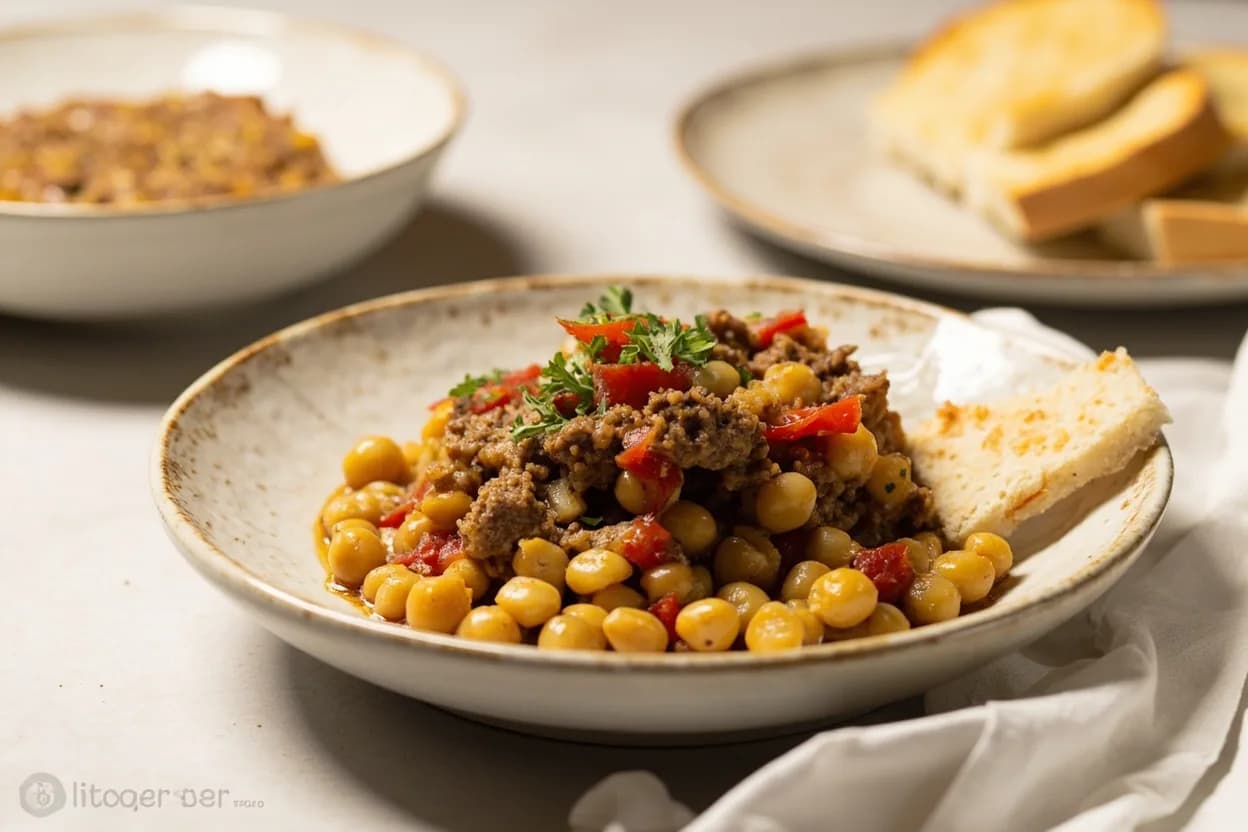
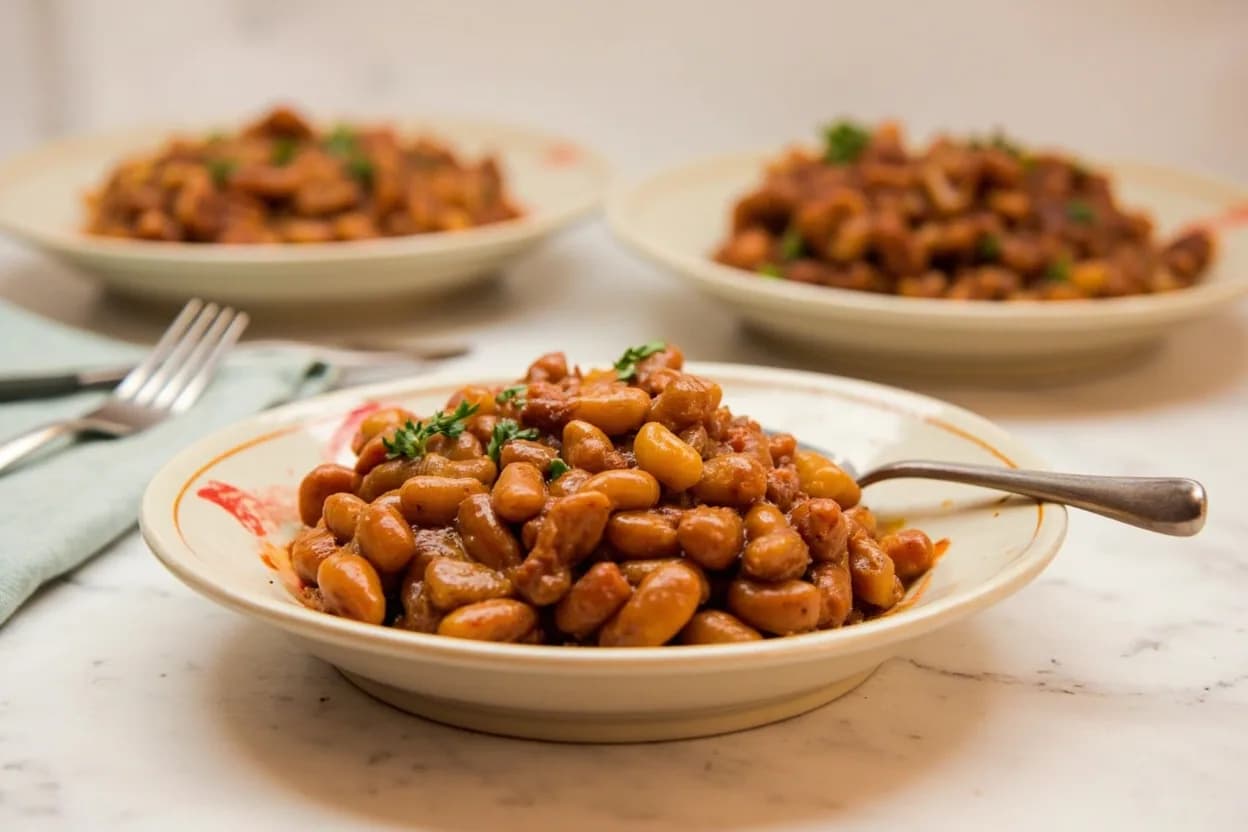
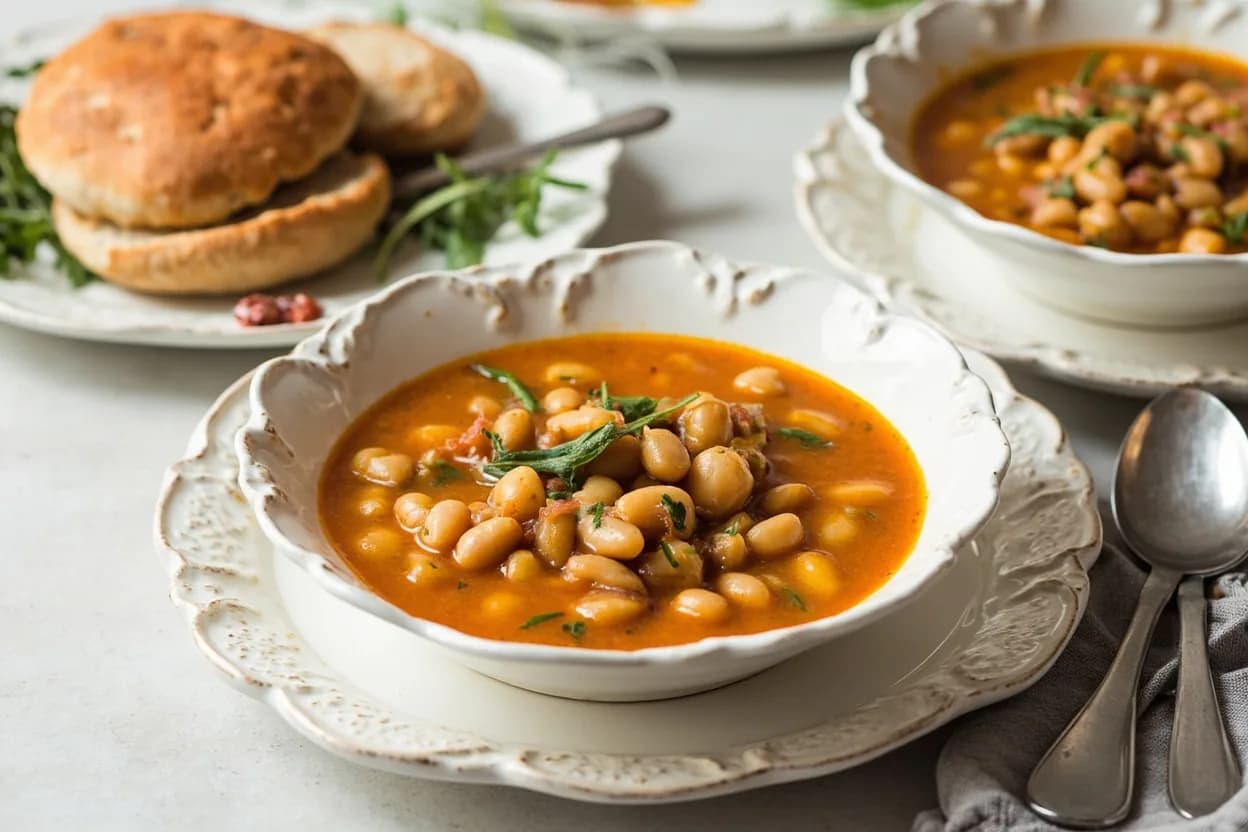
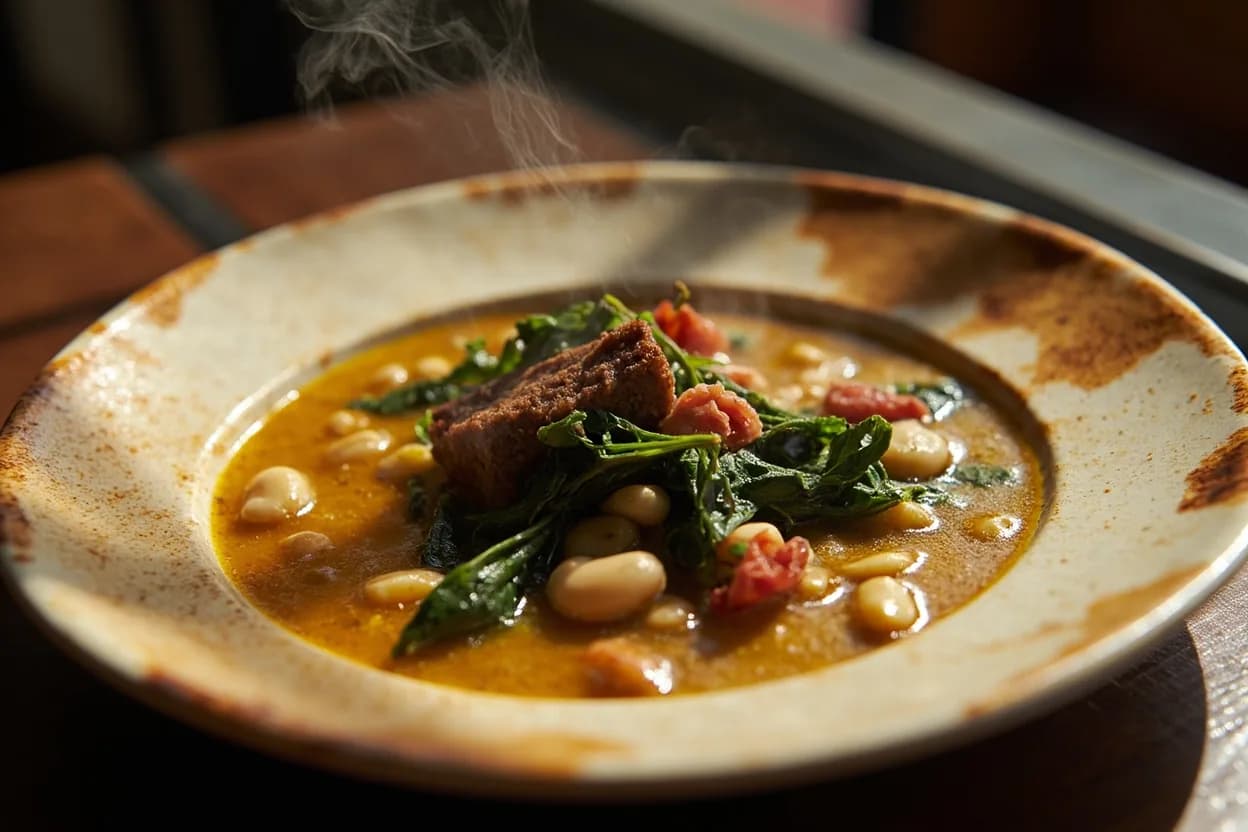
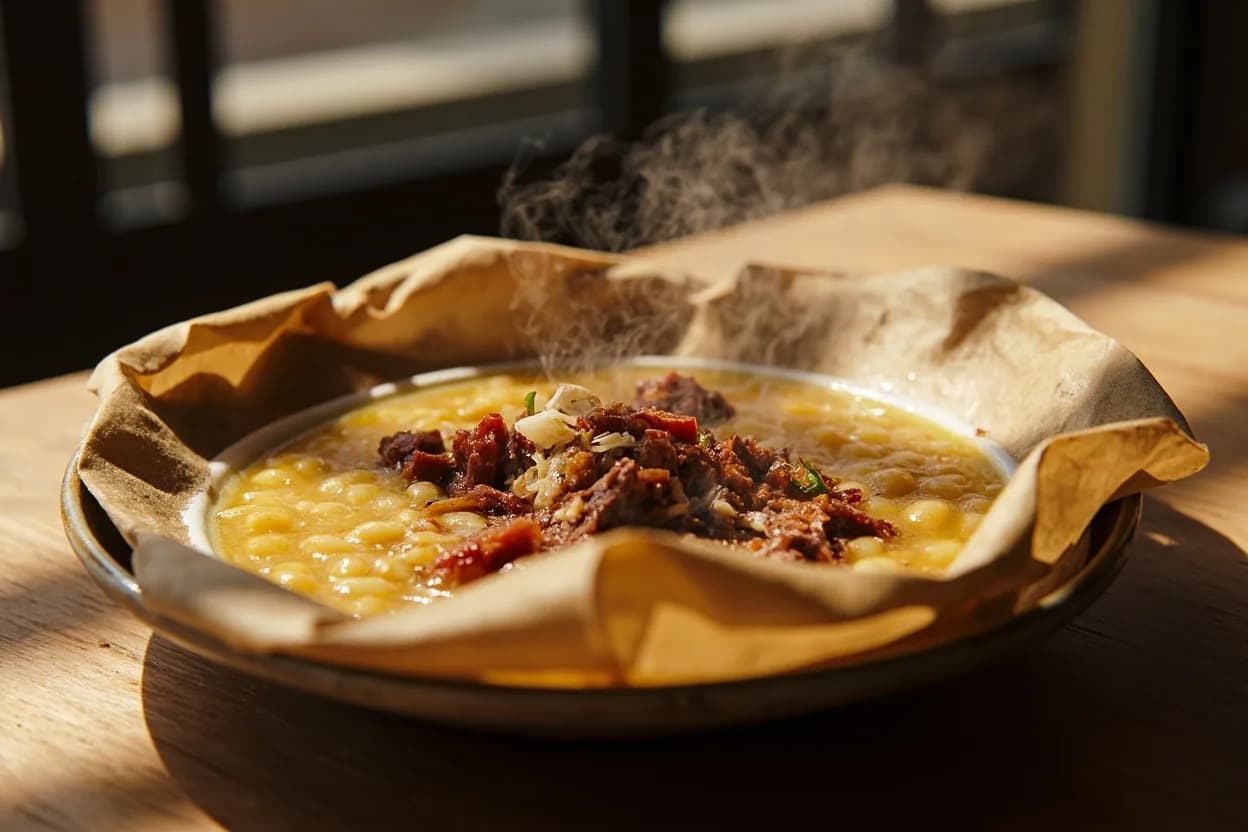
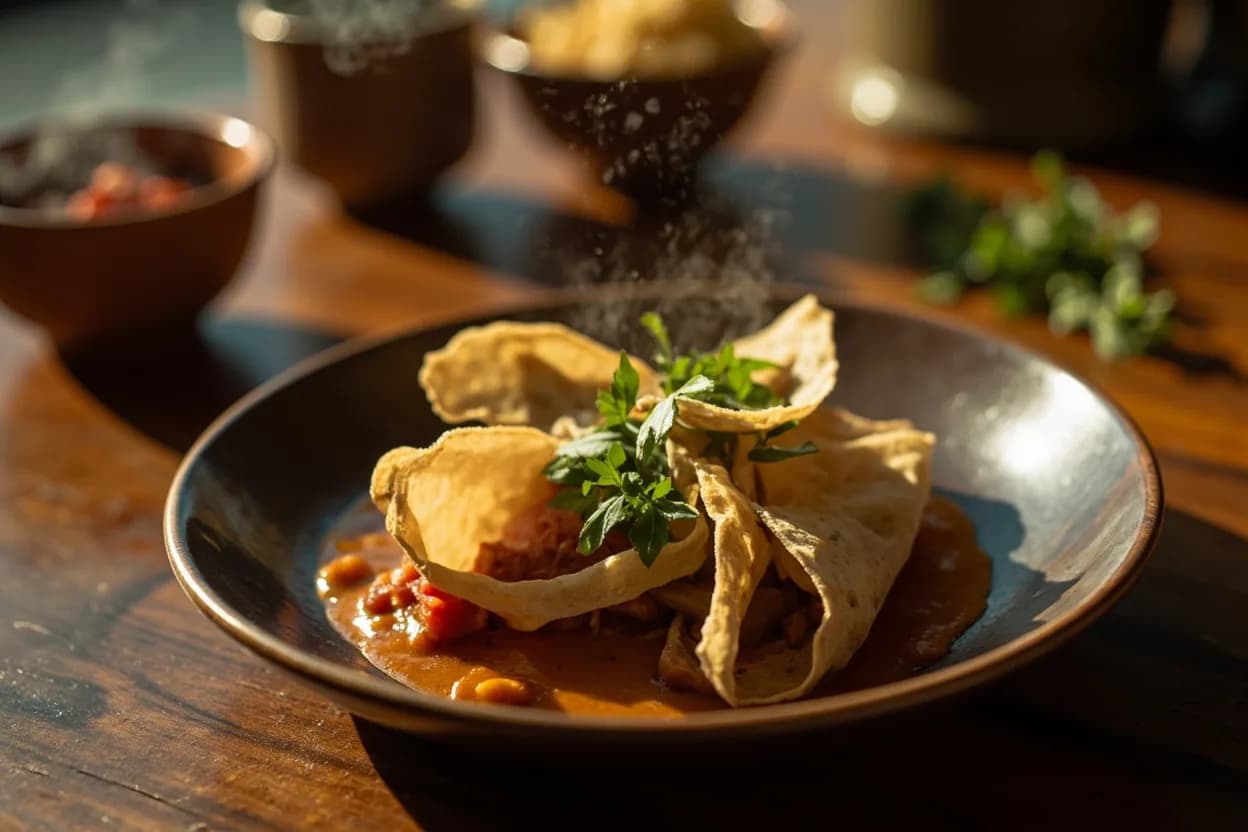
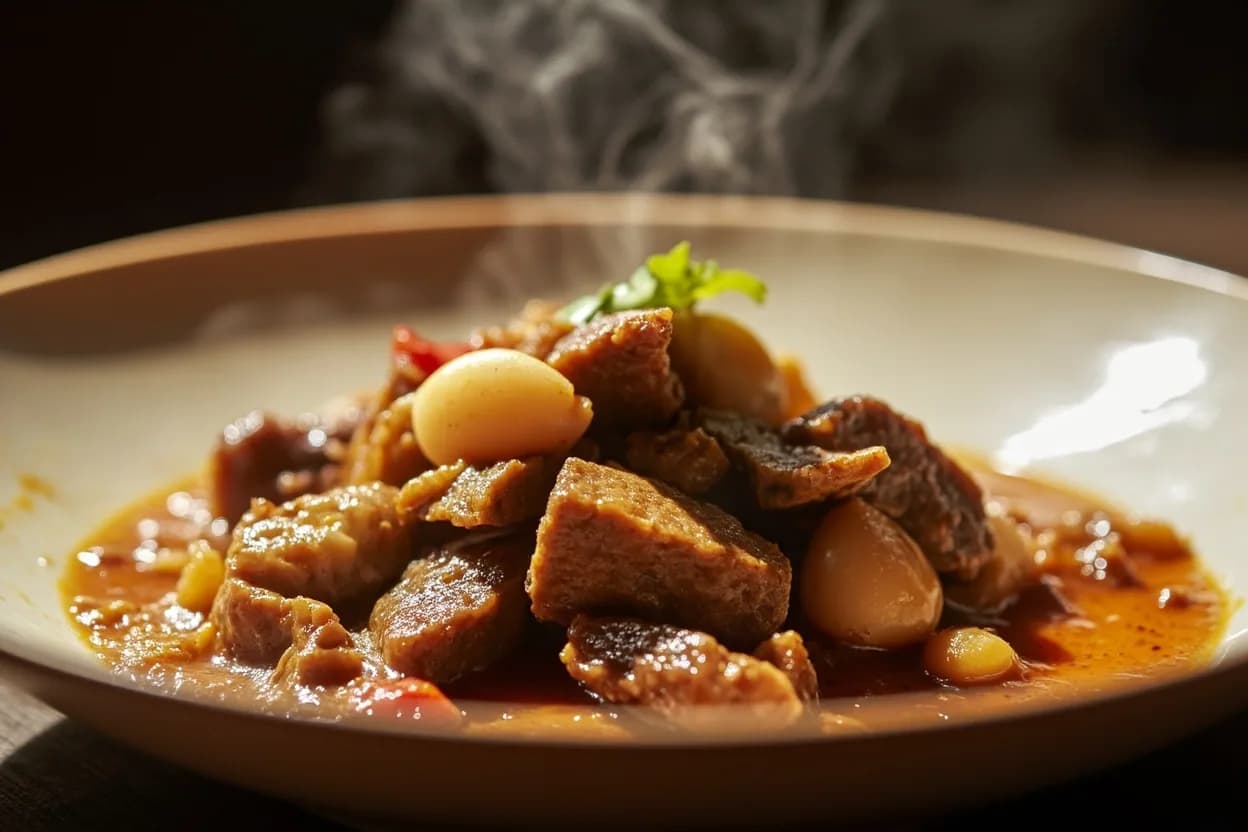
Appears in these dishes
Related
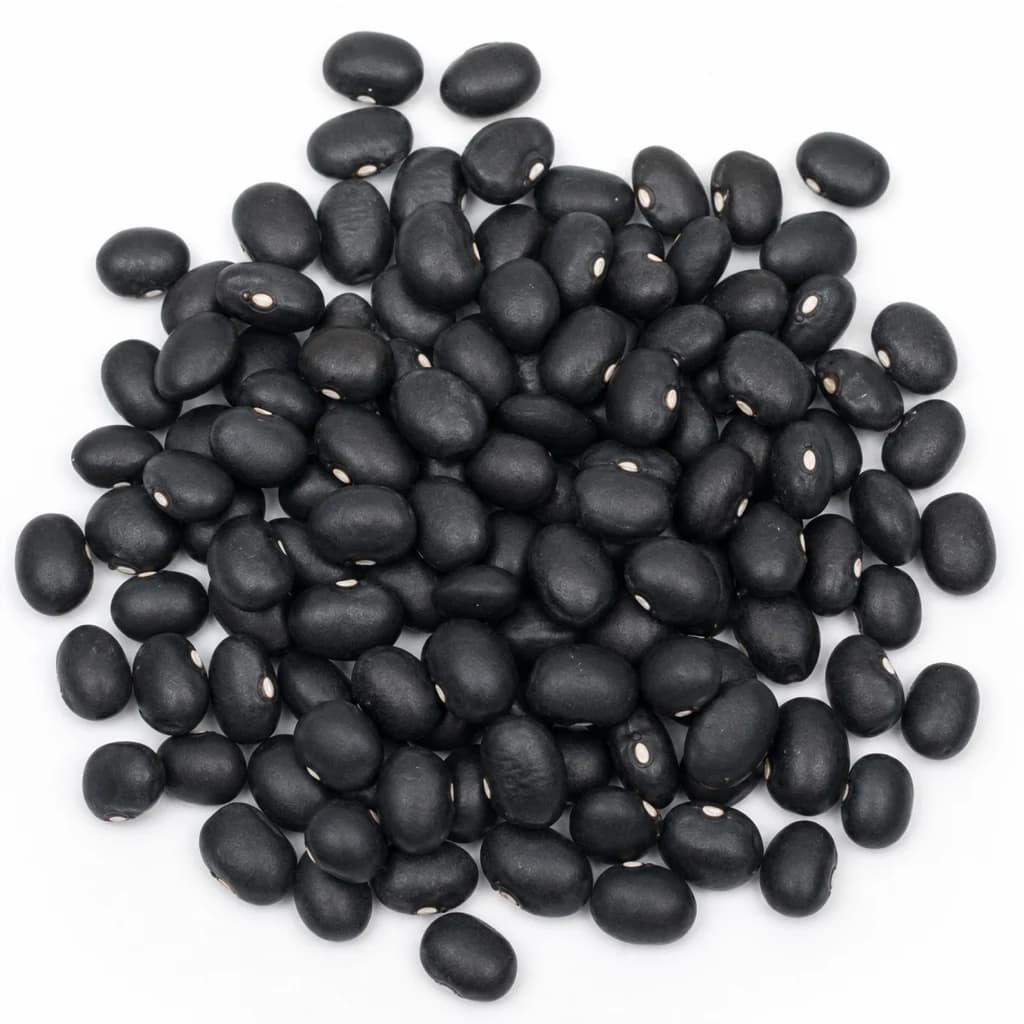
Black Beans
Earthy, creamy beans for bowls, soups, and tacos
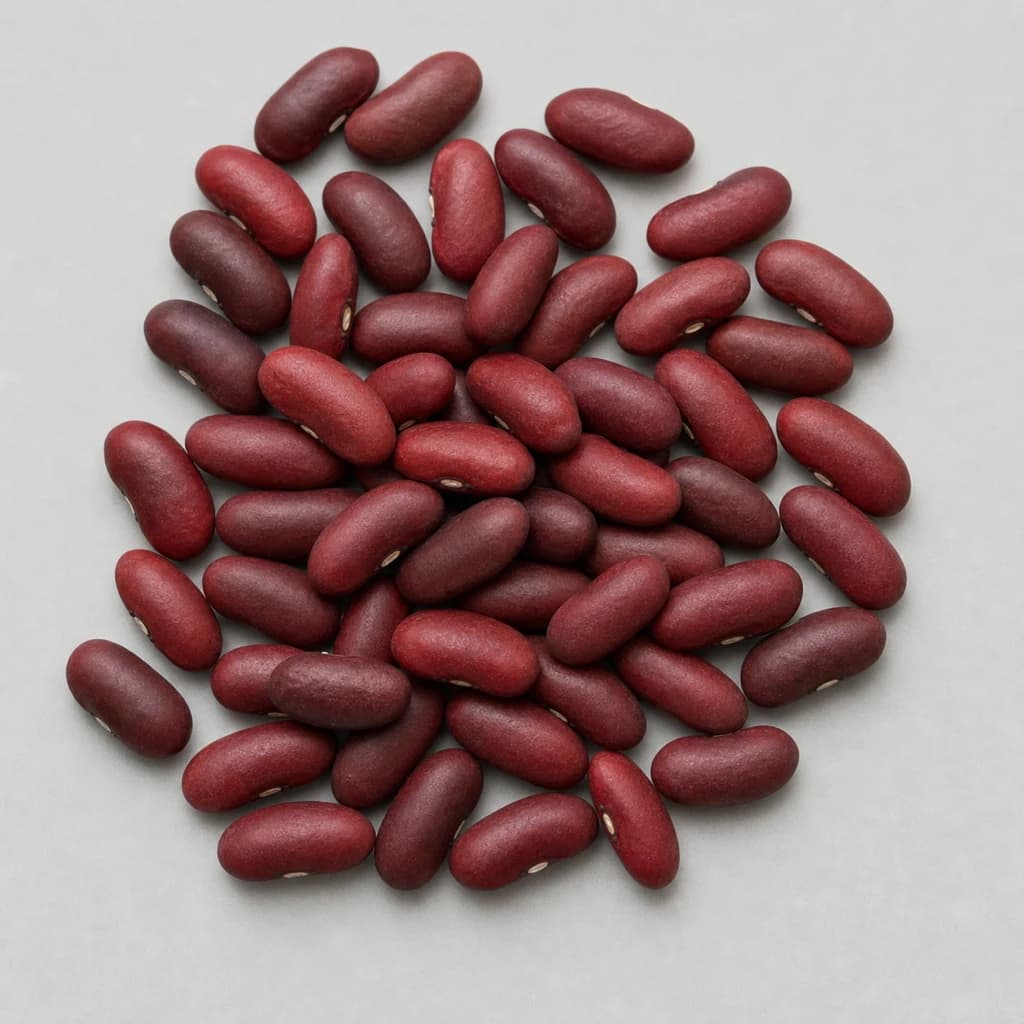
Kidney Beans
Hearty red beans that hold their shape in chili and stews
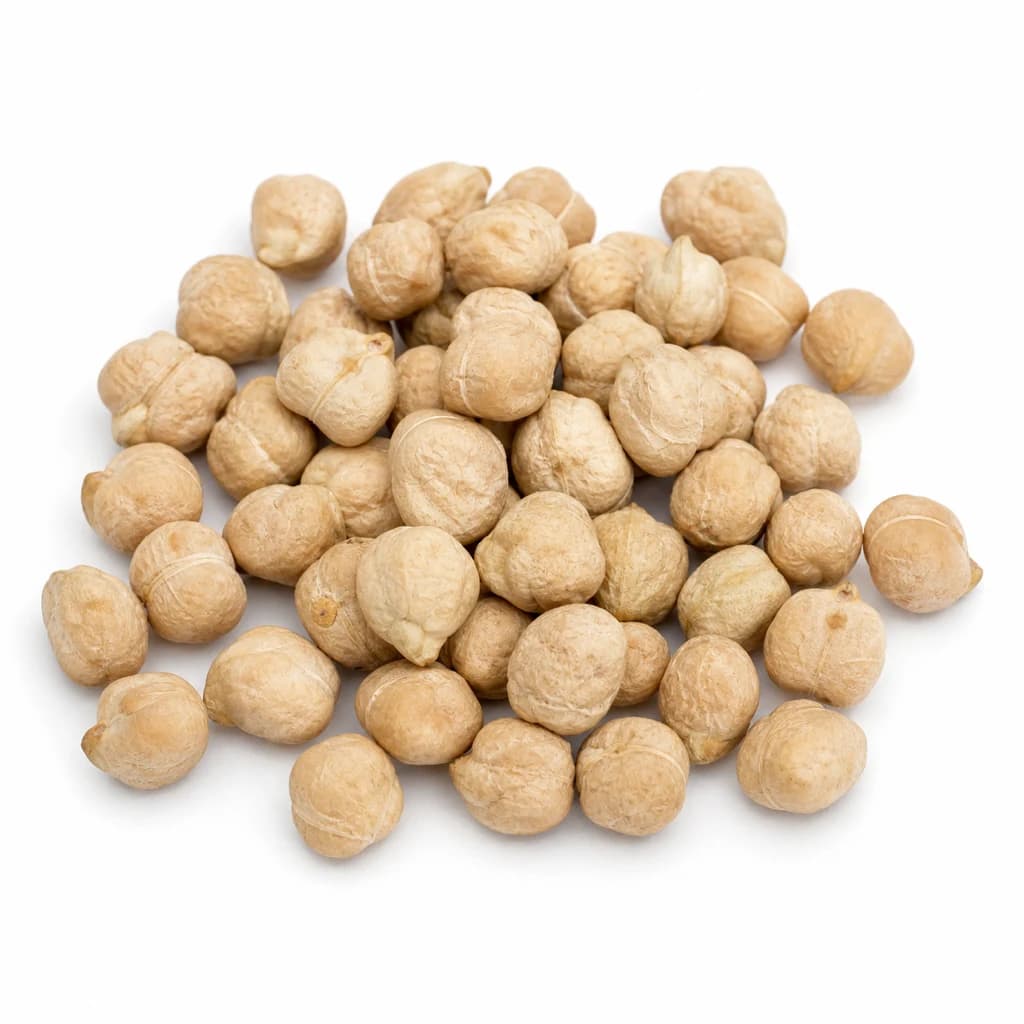
Chickpeas
Nutty, versatile beans for hummus, curries, and roasting
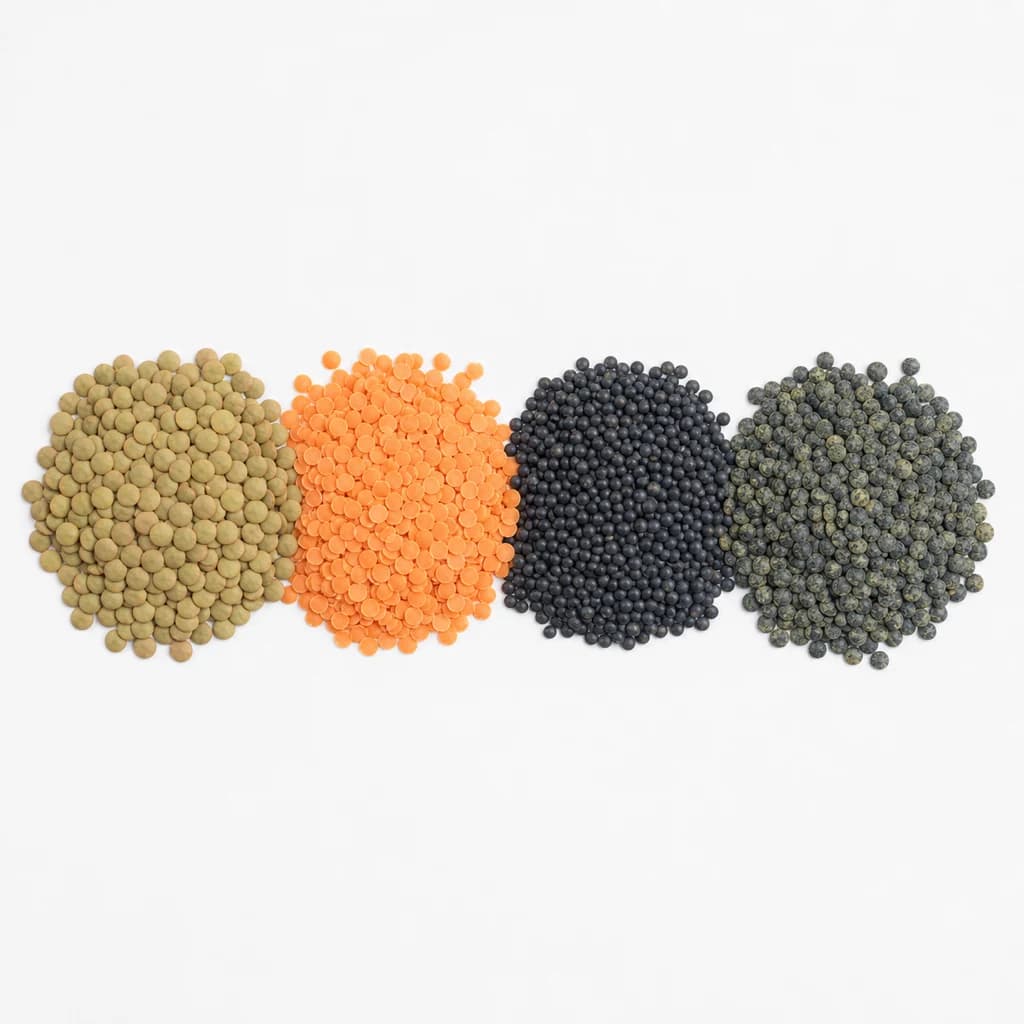
Lentils
Quick-cooking pulses for soups, dals, and hearty salads

White Beans
Creamy, mild beans for soups, stews, and silky purées
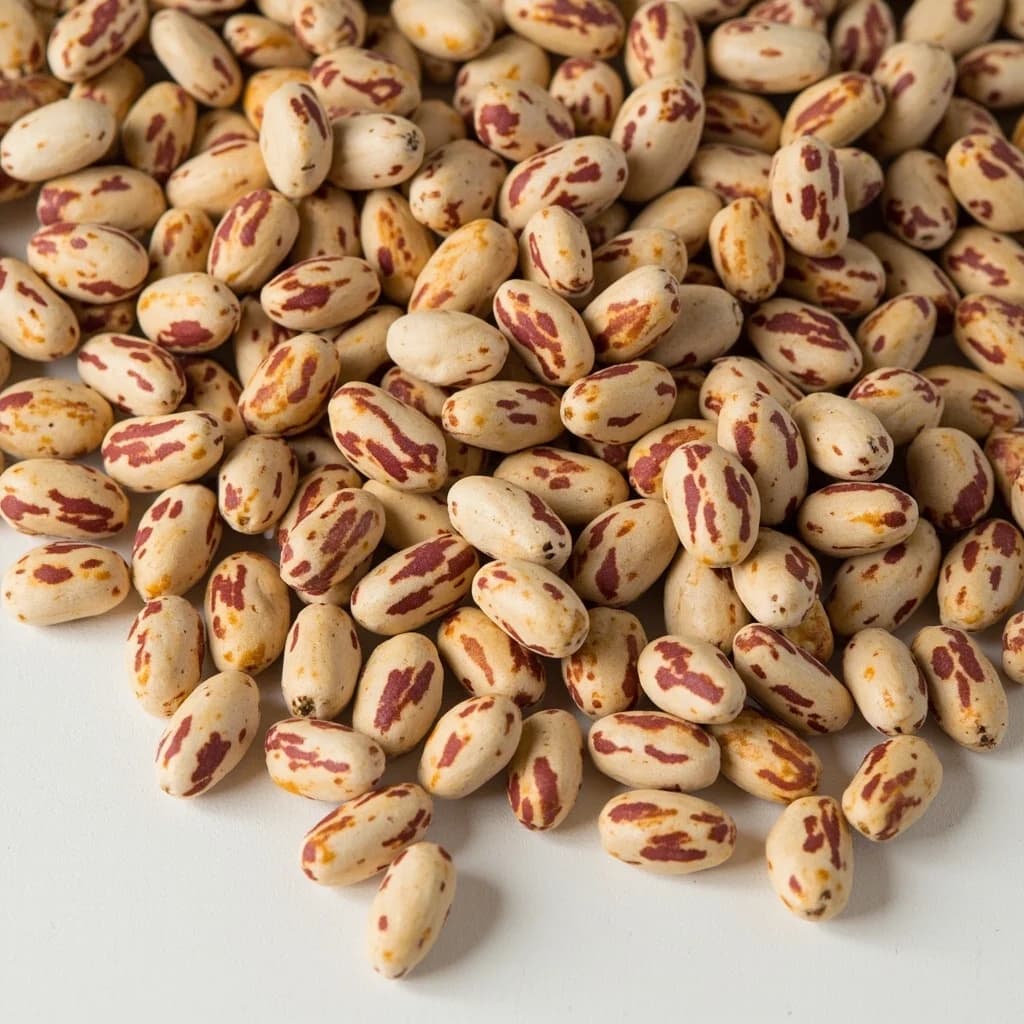
Pinto Beans
Creamy, speckled beans for refried beans and stews

Split Peas
Quick-cooking peas that melt into thick, comforting soups
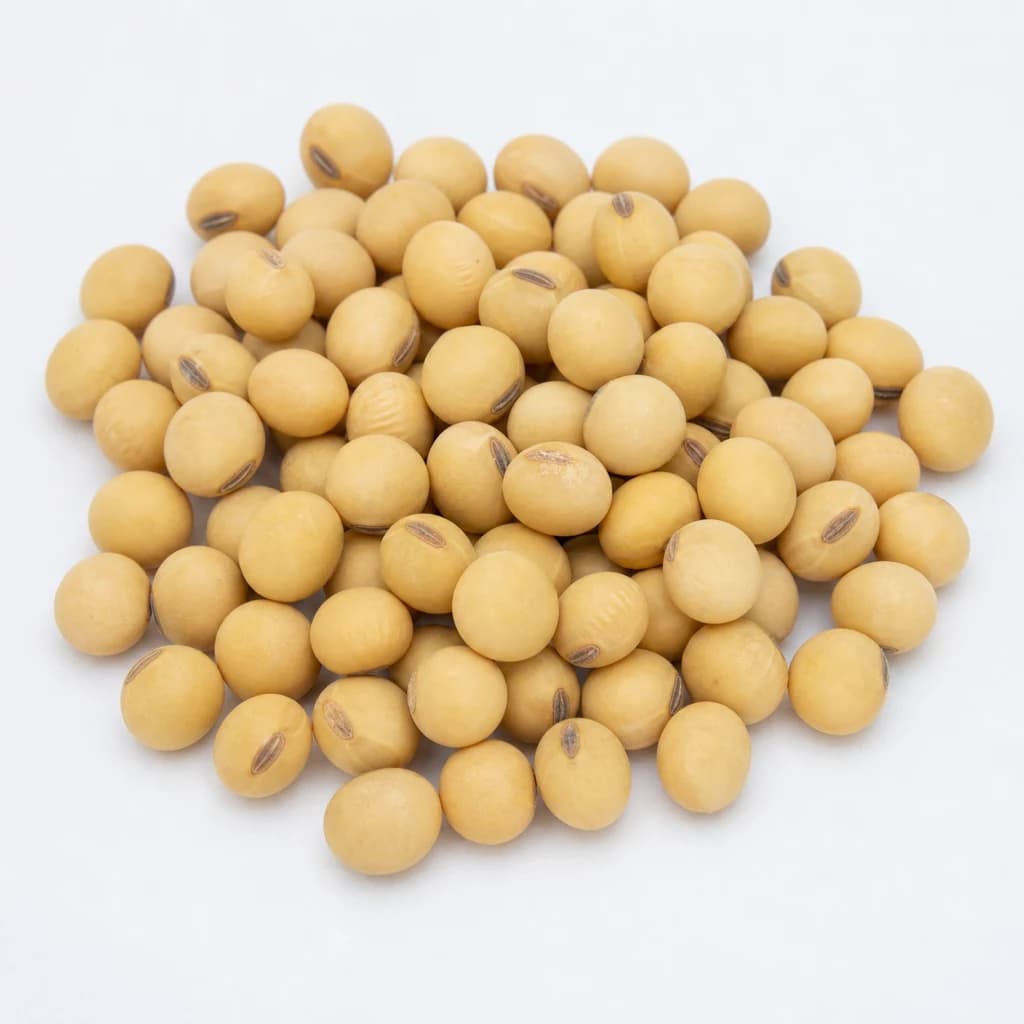
Soybeans
Protein-packed beans, the base for tofu and miso