Legumes & Beans
Navy Bean
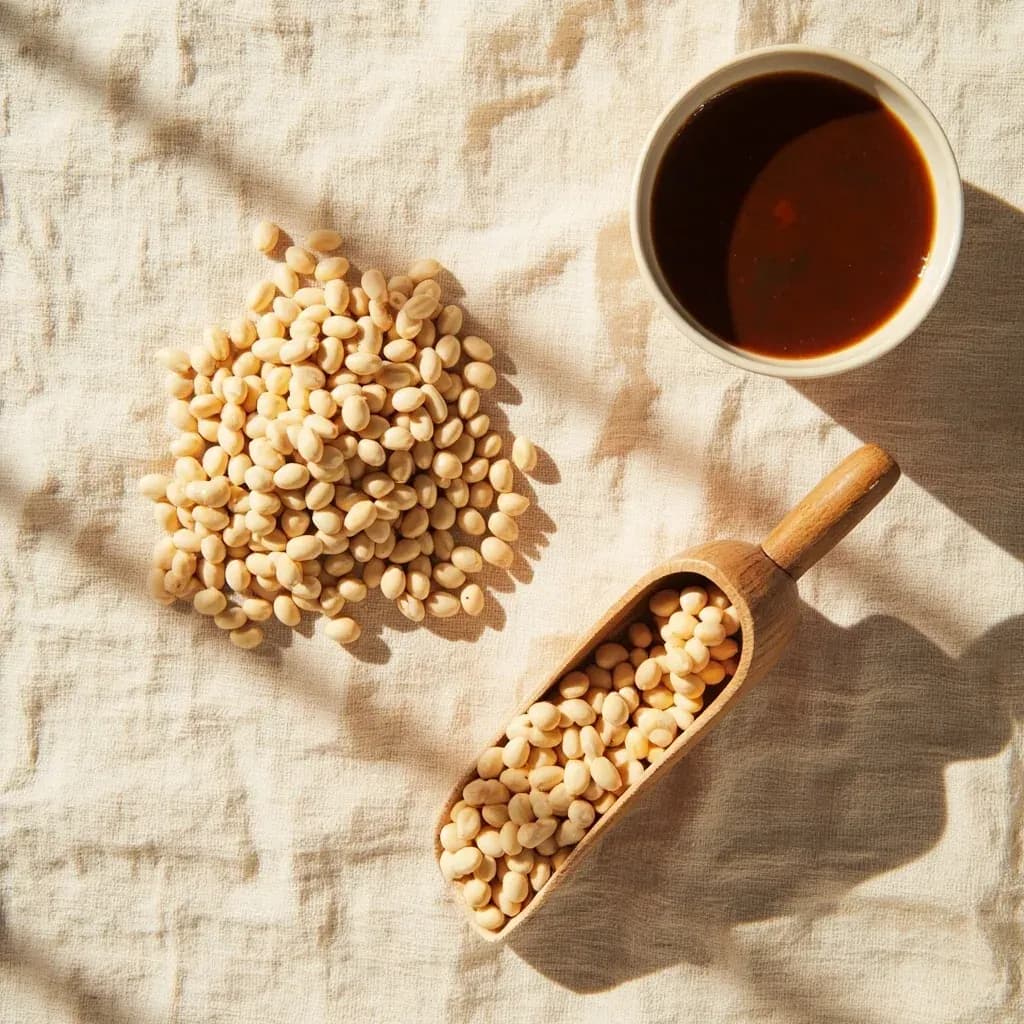
Small, mild white beans that break down to a creamy thickness, the classic for Boston baked beans, senate bean soup, and slow-simmered cassoulet bodies.
Few dried beans behave the way navy beans do in the pot. Small, oval, and creamy white — a strain of Phaseolus vulgaris known variously as haricot bean, haricot blanc, pea bean, Boston bean, or Yankee bean — they earned their American name by becoming a dietary staple aboard U.S. Navy ships in the late 19th century, prized because they stored well dry and cooked down into hearty, protein-rich meals. The bean carries almost no flavor of its own; what it offers instead is texture: when simmered long enough, the skins soften and largely dissolve, and the starchy interior breaks into a dense, velvety purée. That melting quality is the entire reason certain dishes exist.
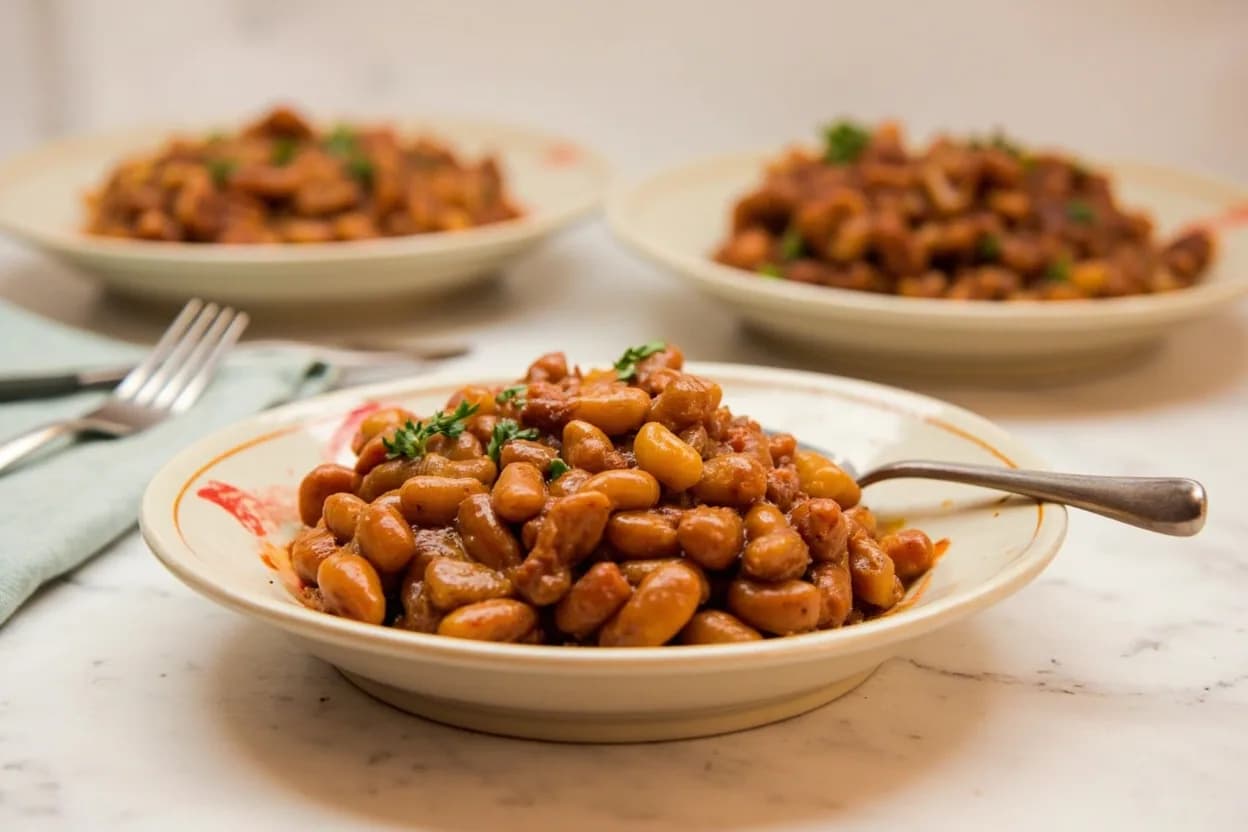
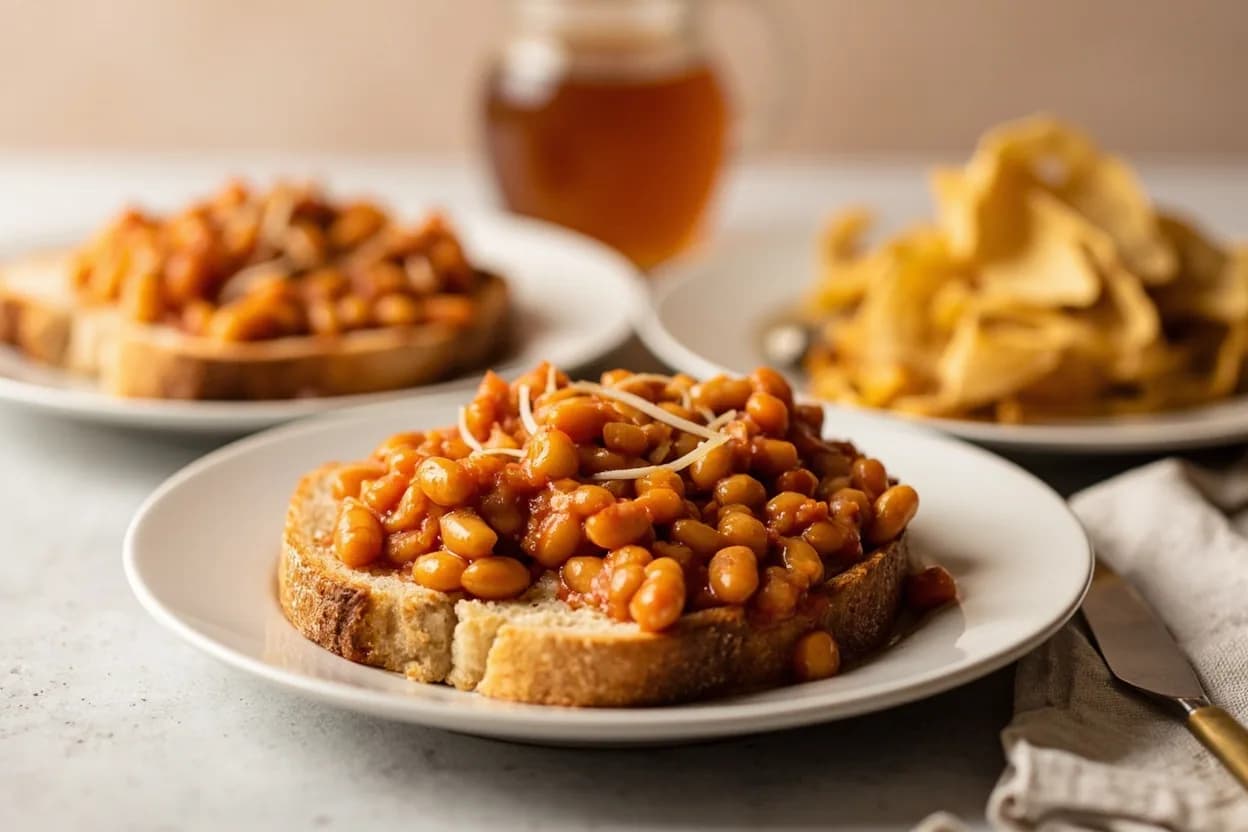
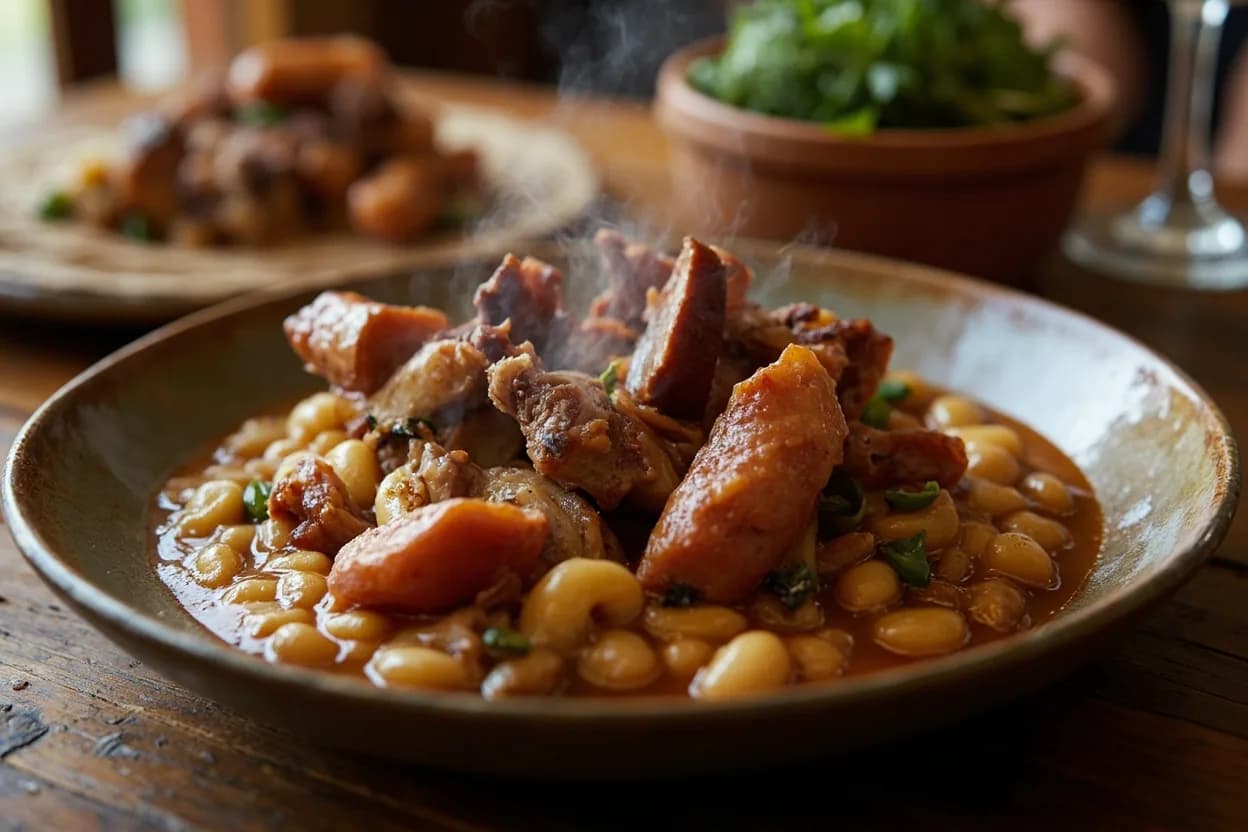
That disintegration is the bean's defining kitchen virtue and the reason it sits at the heart of Boston-style baked beans, Senate bean soup, and the body of a long-simmered cassoulet. Navy beans carry whatever surrounds them — molasses and salt pork, smoked ham hock, sage and garlic — and they thicken a pot without flour or cornstarch. Culturally the bean links New England Yankee cookery, the U.S. Senate dining room, and the southwest of France, three places that arrived at similar conclusions through different kitchens: this is the bean that becomes sauce.
The trade-off is discipline. Navy beans must be soaked well, simmered gently, salted only when tender, and kept away from acid until they have softened. Mishandled, they stay chalky, split their skins, or foam up into a starchy mess. Handled right — with patience and the right aromatic backbone — they reward the cook with a velvet body few other dried legumes can match.
- Measured in
- g
- Storage
- Airtight
Find it in
Suits
Types & varieties
The traditional smaller, rounder navy strain, once common in Maine and the Maritimes; the original "Boston bean."
Same species, larger and more delicate-skinned; the readiest substitute for baked-bean style.
Italian white kidney bean; larger, firmer, more chestnutty — acceptable but holds shape rather than melting.
French white bean from the Southwest, often used in cassoulet; larger and more intact than navy but similar color.
A heritage strain tied to Senate bean soup lore; creamier and slightly smaller than standard navy.
The salt-and-acid timing rule
Two ingredients change the way navy beans cook, and both act on the skins and cell walls rather than on flavor. Salt, added to the soaking or simmering water early, tightens the skins and lengthens cooking time — sometimes by an hour — without improving texture. Acid (tomato, vinegar, citrus, wine) does the same thing faster and more severely, and can leave beans mealy or stubbornly firm even after hours of simmering. The remedy is sequencing: soak and simmer the beans in plain or lightly salted water with aromatics like onion, garlic, bay, or a strip of kombu; taste for tenderness near the end of cooking; only then stir in molasses, mustard, tomato, vinegar, or finishing salt. Boston baked beans and Senate bean soup both work because they layer sweetness, smoke, and acid onto beans that are already soft.
- Soak and simmer in plain water or a lightly salted aromatic base only.
- Hold molasses, tomato, vinegar, citrus, and wine until the beans are fully tender.
- Add finishing salt and acid in the last 10–15 minutes to season without toughening.
Common uses
Tips & pitfalls
- Never salt the soaking water, and hold acid (tomato, vinegar, citrus) until beans are tender — both toughen the skins and stall softening.
- Simmer gently. A hard boil ruptures skins, releases starch in clumps, and yields foamy, split beans.
- Skim the gray surface foam in the first 10 minutes for a cleaner-tasting pot and clearer cooking liquid.
- Use dried beans within 1–2 years of harvest — older beans stay tough no matter how long you cook them, because the cell walls have dried too rigid to soften again.
- Reserve a cup of cooking liquid and stir it back in at the end for a glossy, restaurant-style finish.
- Add a small piece of kombu or a bay leaf to the simmer for improved digestibility and a savory backbone.
- For ultra-creamy baked beans, hand-mash about a quarter of the cooked beans back into the pot before the bake.
- Soak in the refrigerator in summer; warm counter soaks can sour within hours and invite bacterial growth.
Nutrition
Energy
1410 kJ · per 100 g
Where the calories come from
Protein
22.3g
45% DV
Carbs
60.8g
22% DV
Fat
1.5g
2% DV
Fiber
15.3g
55% DV
Sugars
3.9g
of which
Sodium
5mg
0% DV
Source · USDA FoodData Central · Beans, navy, mature seeds, raw
View on FDC →In the shops
Matched grocery products
No matched grocery products for Navy Bean yet.
Good to know
- Other names
- Haricot bean, haricot blanc, pea bean (the smaller, round-seeded strain), Boston bean, Yankee bean
- Species
- Phaseolus vulgaris
- Soak
- Overnight 8–12 hours in cool water, or quick-soak: boil 1–2 minutes, rest off heat 1 hour
- Stovetop simmer
- 45–75 minutes for soaked beans; 1¼–2 hours unsoaked
- Pressure cooker
- About 22–28 minutes at high pressure after a 1-hour soak (varies by machine)
- Dried yield
- 1 cup dried ≈ 2½–3 cups cooked; 1 lb (≈2¼ cups dried) yields roughly 5–6 cups
- Storage – dried
- Airtight container in a cool, dark place, 12+ months; discard if buggy or musty
- Storage – cooked
- Refrigerated 3–4 days; frozen up to 2–3 months in cooking liquid
Substitutes
- Great Northern bean — Closest match in color and creaminess; cooks slightly faster and holds its shape a touch more.
- Cannellini bean — Works in salads and soups but stays firmer; will not dissolve into a baked-bean sauce the way navy does.
- Flageolet — Pale green rather than white and holds shape firmly; choose only when texture, not color, matters.
- Baby lima — Creamy when cooked but distinctly different in flavor; reserve for puréed soups only.
Pairs with
Also called
navy beans · haricot bean · pea bean · alubia blanca
Appears in these dishes
Related
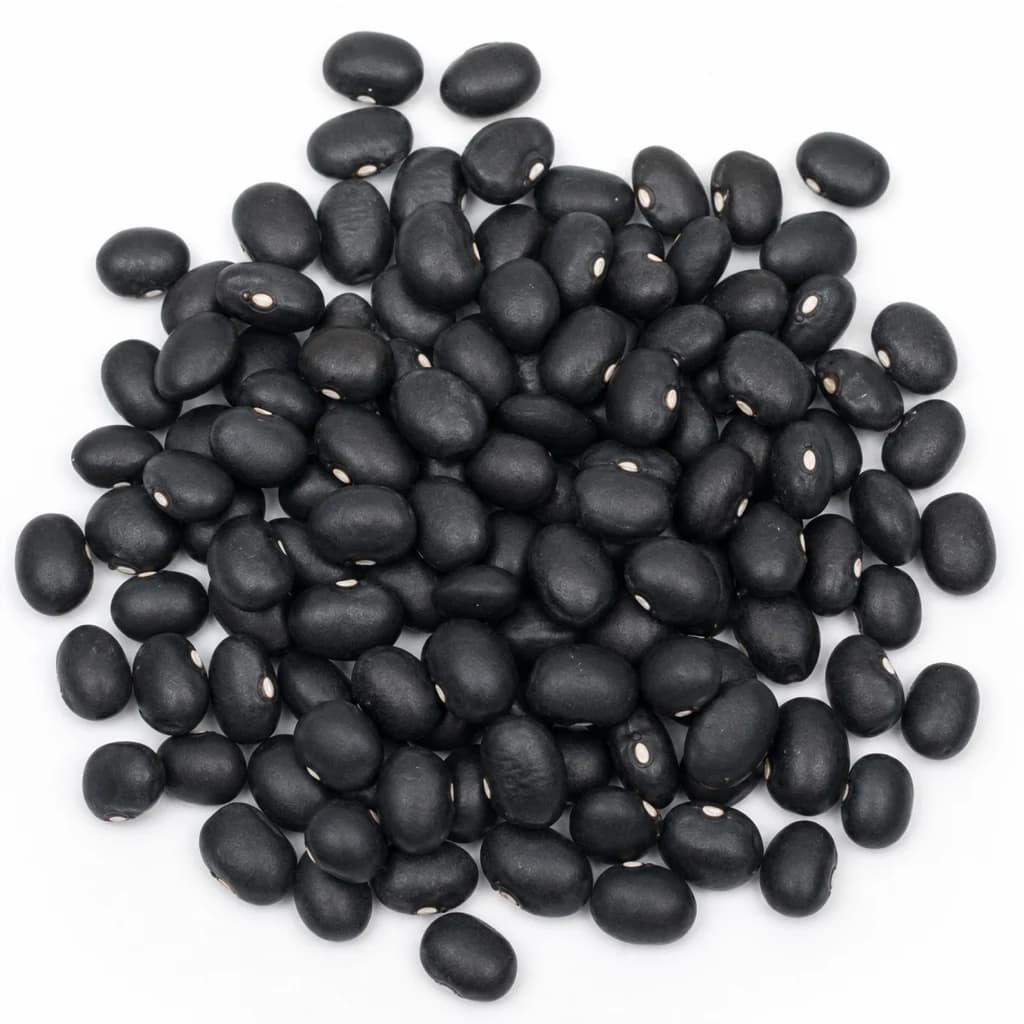
Black Beans
Earthy, creamy beans for bowls, soups, and tacos
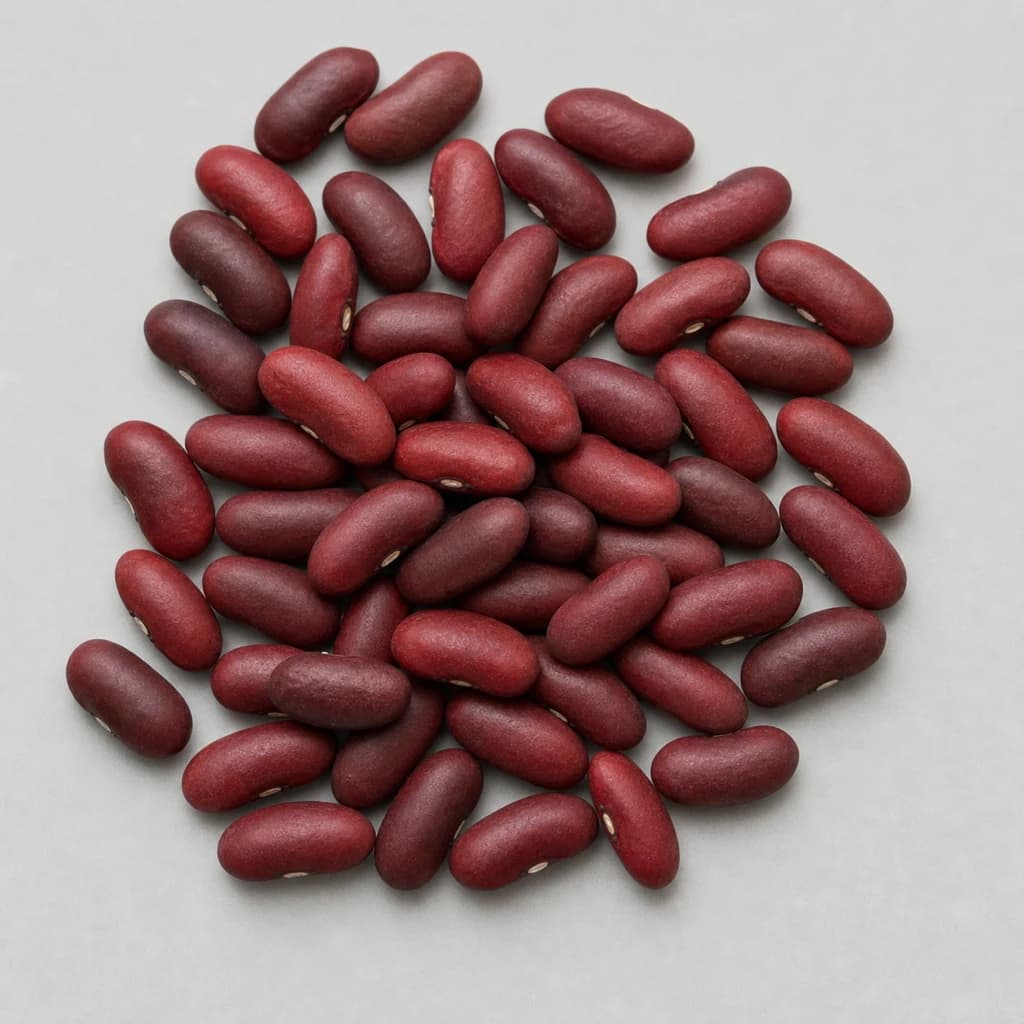
Kidney Beans
Hearty red beans that hold their shape in chili and stews
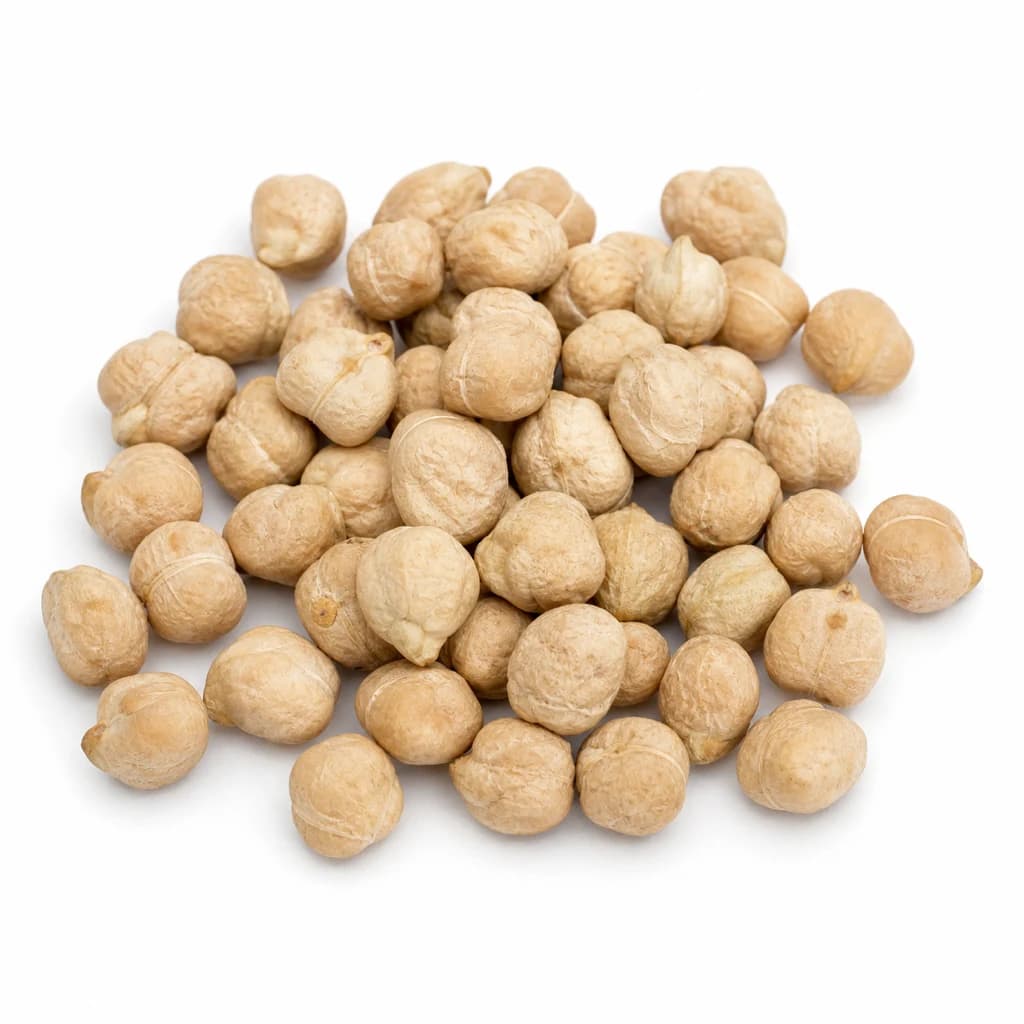
Chickpeas
Nutty, versatile beans for hummus, curries, and roasting
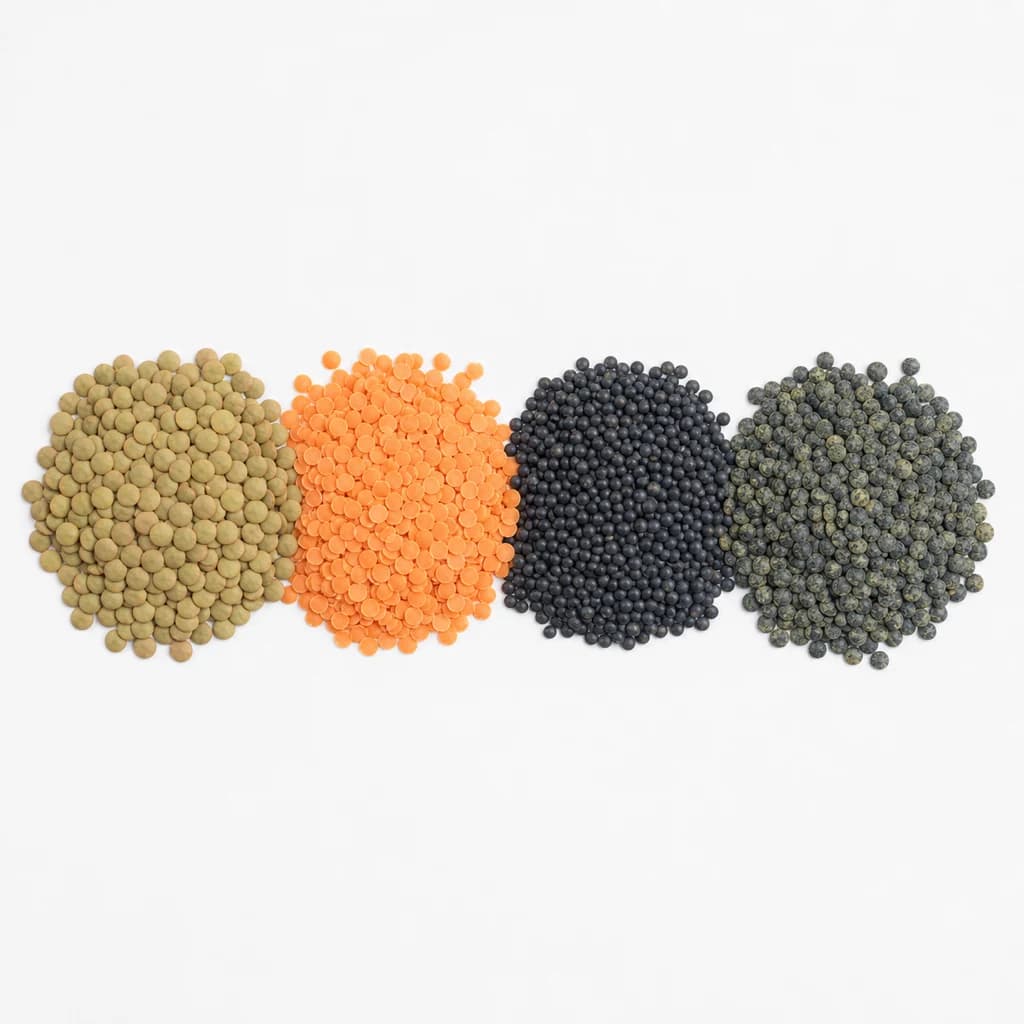
Lentils
Quick-cooking pulses for soups, dals, and hearty salads

White Beans
Creamy, mild beans for soups, stews, and silky purées
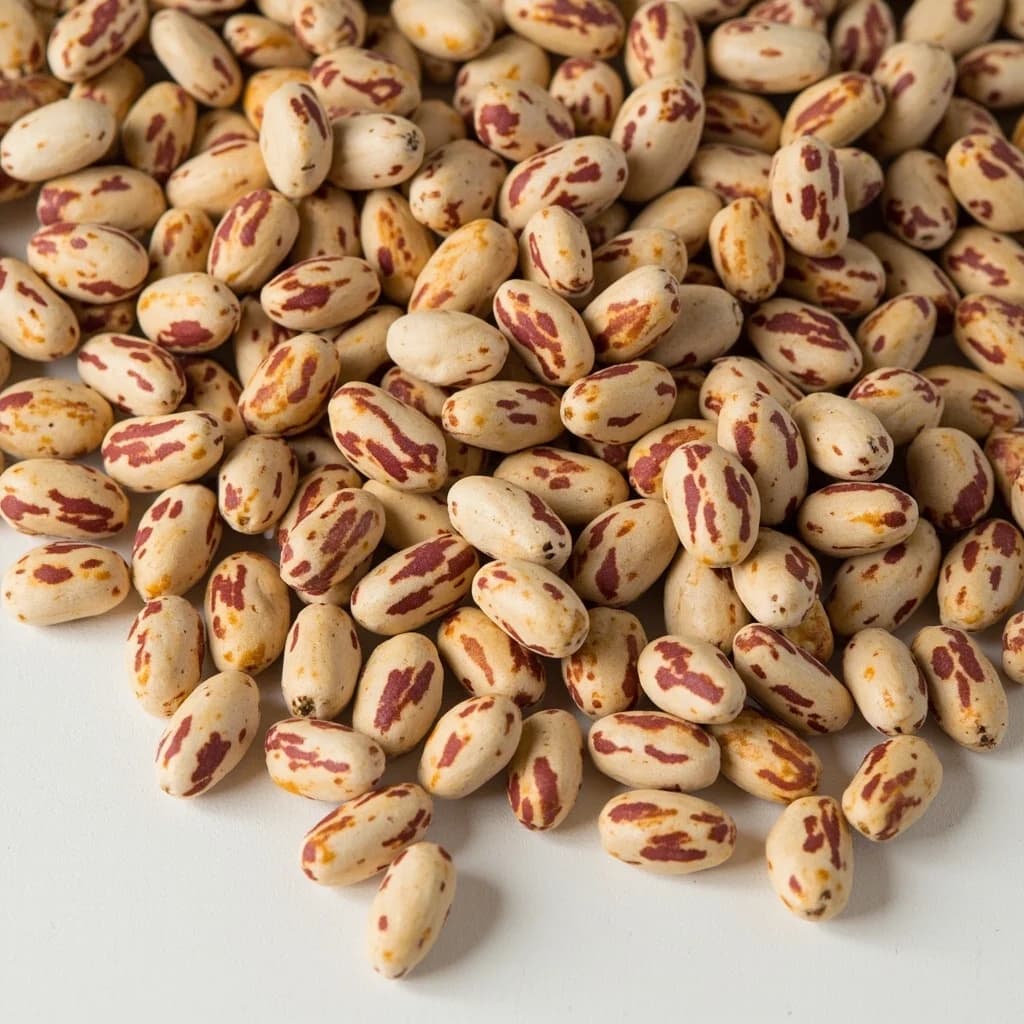
Pinto Beans
Creamy, speckled beans for refried beans and stews

Split Peas
Quick-cooking peas that melt into thick, comforting soups
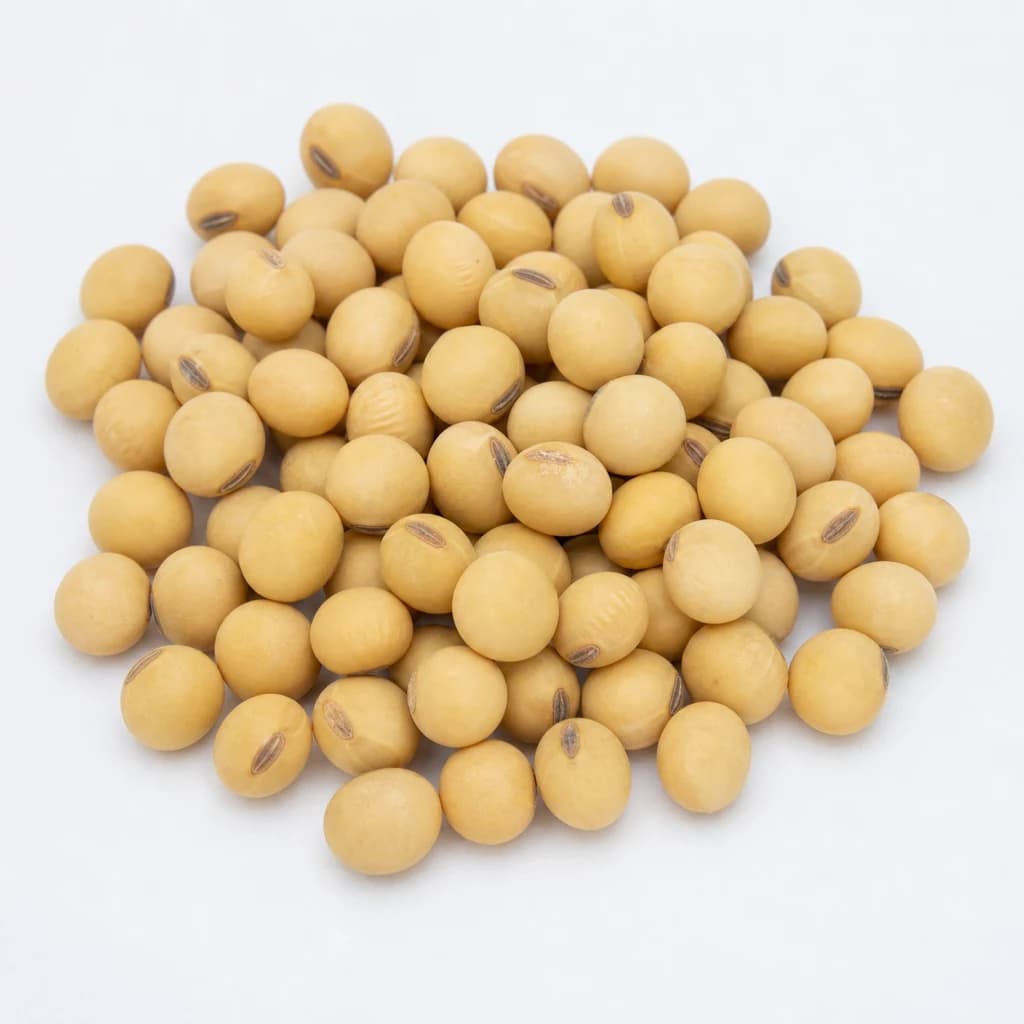
Soybeans
Protein-packed beans, the base for tofu and miso