Legumes & Beans
Flageolet Bean
Small, pale-green French bean harvested young; delicate and creamy with a tender skin, traditionally simmered with herbs to accompany roast lamb.
The flageolet is a small, kidney-shaped dried bean — a cultivar of the common bean — prized in French cooking for a quality most legumes never achieve: a tender, almost silken skin wrapped around a creamy, faintly buttery interior. Unlike mature white beans that dry hard and chalky, flageolets are harvested at full size but before true maturity, then dried slowly so the seed retains its chlorophyll. That pale, almost jade-green color is the bean's signature — a visible sign of careful handling, and the reason French cooks sometimes call it the caviar of beans. In the kitchen, the flageolet behaves more like a fresh shelling bean than a starchy pantry staple: it holds its shape, absorbs herbal aromatics cleanly, and finishes with a delicate, grassy sweetness that larger white beans can never quite match.
Because the skin is thin, the flageolet is less forgiving than a cannellini or navy bean. A hard boil, an early salting, or even a few minutes too long on the heat will split the skins and turn the cooking liquid cloudy. Cooked with patience — a gentle simmer, aromatics added alongside, salt introduced only near the end — the bean yields to the tooth without falling apart, and the starchy cooking liquid becomes a flavorful base for soups, potages, and light pan sauces.
- Measured in
- g
- Storage
- Store Dried Beans Airtight In A Cool, Dry Pantry.
Find it in
Suits
Types & varieties
The classic pale-green bean; the color signals it was dried at immature maturity, preserving chlorophyll.
A whiter variant of the same type; slightly starchier and less prized, but cooks identically.
The most famous named cultivar, developed in the 19th century in Artois by Gabriel Chevrier; small, slender, and pale green — the one to seek out.
Choosing, storing, and the meaning of green
When buying dried flageolets, color is the first thing to assess. A pale, jade-tinged green means the beans were harvested at full size but before the seed fully matured, then dried slowly in cool air to hold onto chlorophyll. Creamy white beans are simply flageolets left to mature further on the plant; they will cook the same way but the visual signature of the dish — that soft, herbaceous green against a confit leg or a piece of grilled fish — will be lost. The Chevrier cultivar is the most reliable source of true green color, and many French producers now package under that name.
Stored in an airtight container away from light and heat, dried flageolets keep for up to a year. Beyond that, they cook unevenly and lose their delicate flavor. Cooked beans keep 3–4 days refrigerated in their cooking liquid, and freeze well for up to six months; freeze them just barely covered in liquid to prevent drying out at the edges.
Cooking method, the traditional way
The French method treats flageolets almost like a court bouillon. A cold-water soak of 6–8 hours is followed by a gentle simmer — never a boil — in fresh water with a peeled onion studded with a clove, a bouquet garni of thyme, bay, and parsley stems, and a smashed garlic clove. Salt goes in only in the last five to ten minutes. The beans are done when a pressed seed yields to the finger but the skin remains whole.
- Soak 6–8 hours in cool water; drain and rinse.
- Cover with 2 inches of fresh water; add onion, garlic, and bouquet garni.
- Bring to a bare shiver, then reduce to a gentle simmer — no bubbles breaking the surface.
- Cook 30–45 minutes, until tender; salt the water in the last 5–10 minutes.
- Drain, reserving the cooking liquid, and dress while warm.
Common uses
Tips & pitfalls
- Salt the cooking water only in the last 5–10 minutes — adding salt early toughens the skins and lengthens cooking time noticeably.
- Simmer gently rather than boil; a rolling boil will split the thin skins and turn the pot cloudy with starch.
- For a traditional French result, cook with a whole peeled onion studded with a clove, a bouquet garni (thyme, bay, parsley stems), and a smashed garlic clove.
- An overnight cold-water soak yields more even cooking than a quick boil-soak; if you must use the quick method, watch carefully for split skins.
- Save the cooking liquid — it carries flavor and starch, and makes an excellent base for soups or a quick potage.
- If using canned, drain and rinse only if the recipe demands it; the canning liquid carries a lot of the characteristic flavor and body.
- Do not overcook — the bean should hold its shape and have a soft, almost creamy bite, not collapse into purée.
Nutrition
Energy
130 kJ · per 100 g
Where the calories come from
Protein
1.8g
4% DV
Carbs
7g
3% DV
Fat
0.2g
0% DV
Fiber
2.7g
10% DV
Sugars
3.3g
of which
Sodium
6mg
0% DV
Source · USDA FoodData Central · Beans, snap, green, raw
View on FDC →In the shops
Matched grocery products
No matched grocery products for Flageolet Bean yet.
Good to know
- Type
- Dried legume, a cultivar of Phaseolus vulgaris (common bean)
- Color
- Pale green to creamy white; the green hue is preserved by drying the immature, fully formed seeds
- Size
- Small and kidney-shaped, roughly 1 cm long — larger than a navy bean but smaller than a cannellini
- Flavor
- Delicate, mild, slightly nutty and grassy; less starchy than navy or cannellini
- Texture
- Tender thin skin with a creamy, almost buttery interior when properly cooked
- Origin
- Brought to Europe from the Americas; cultivated in France since at least the 19th century
- Main growing region
- Northern France — Picardy, Artois, and the Beauce; also grown in Italy and the Americas
- Cook time
- 30–45 minutes simmering after soaking; 50–60 minutes unsoaked
- Yield
- About 1 cup dried yields roughly 2 to 2½ cups cooked
Substitutes
- Cannellini beans — The closest in size and texture; slightly starchier and more neutral, but excellent when flageolets are unavailable.
- Navy beans (haricots blancs) — Small and creamy, closer in scale to flageolets than cannellini, with a similarly mild flavor.
- Great Northern beans — Mild and tender; work in salads and warm sides, though the skins are slightly thicker and the flavor less grassy.
- Baby lima (butter) beans — A different family, but the buttery texture works in warm salads; not appropriate where you want flageolet's herbaceous note.
Pairs with
Also called
flageolet · flageolet vert · green kidney bean
Related
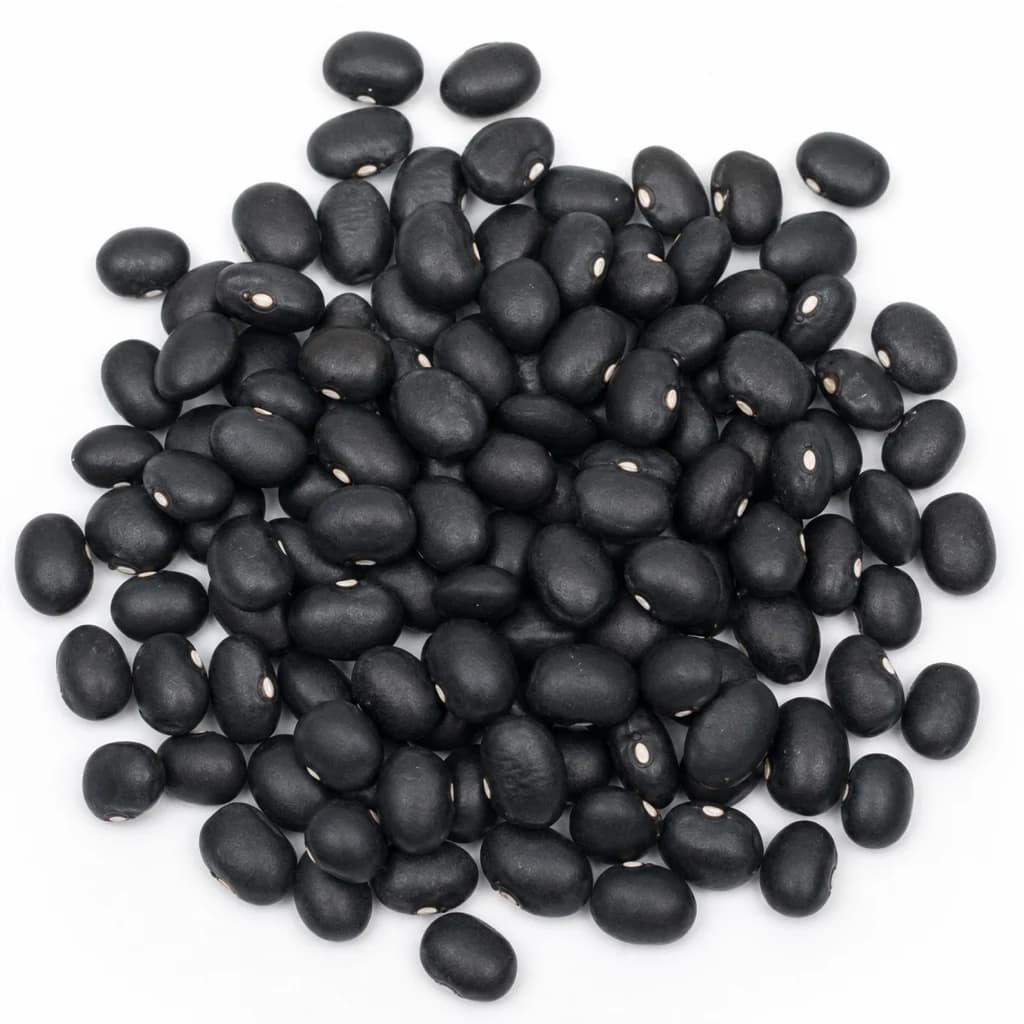
Black Beans
Earthy, creamy beans for bowls, soups, and tacos
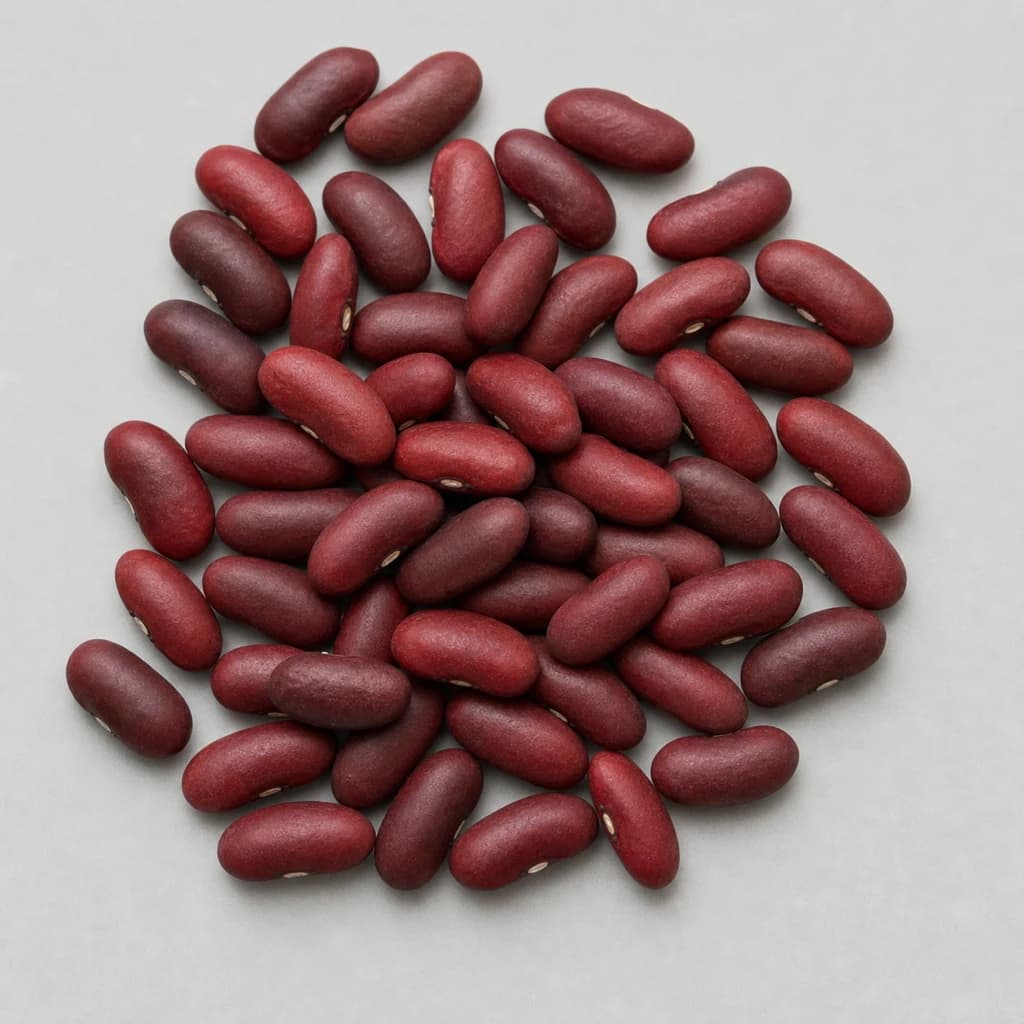
Kidney Beans
Hearty red beans that hold their shape in chili and stews
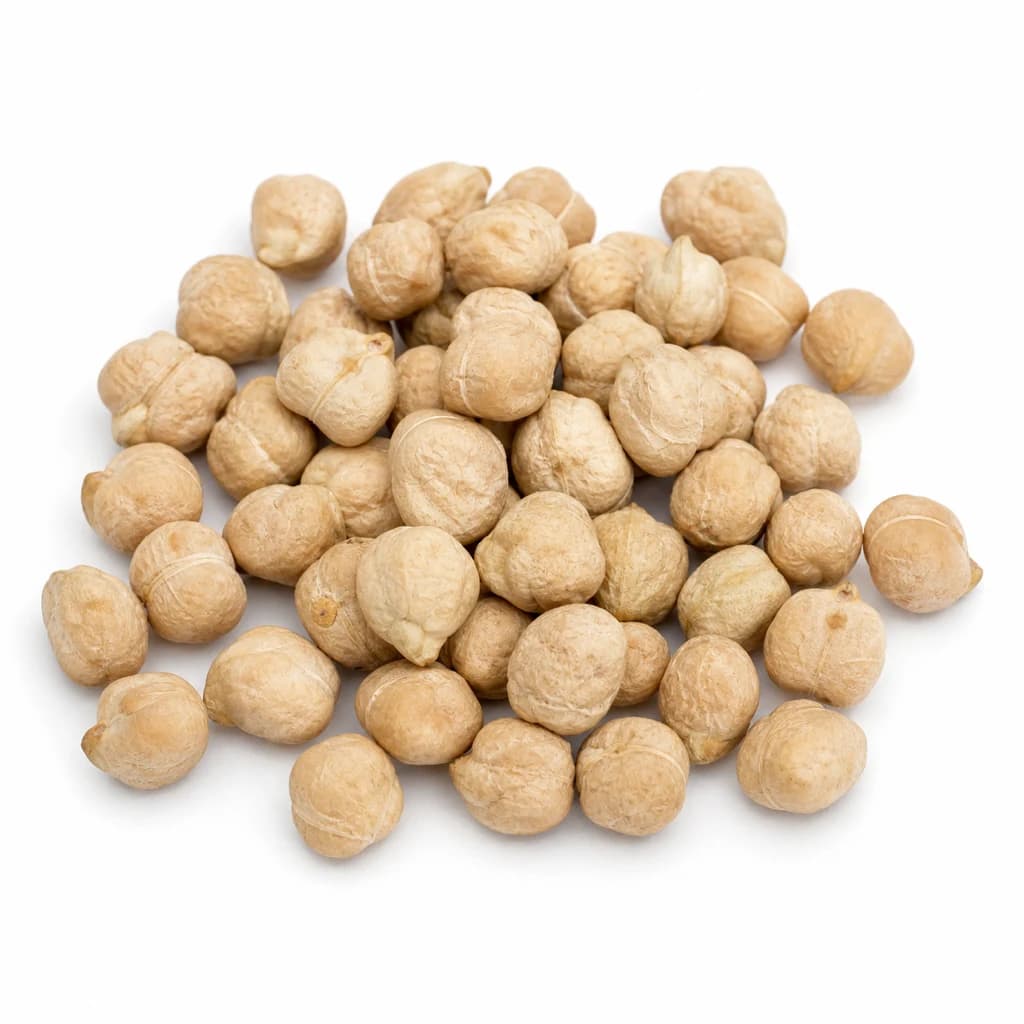
Chickpeas
Nutty, versatile beans for hummus, curries, and roasting
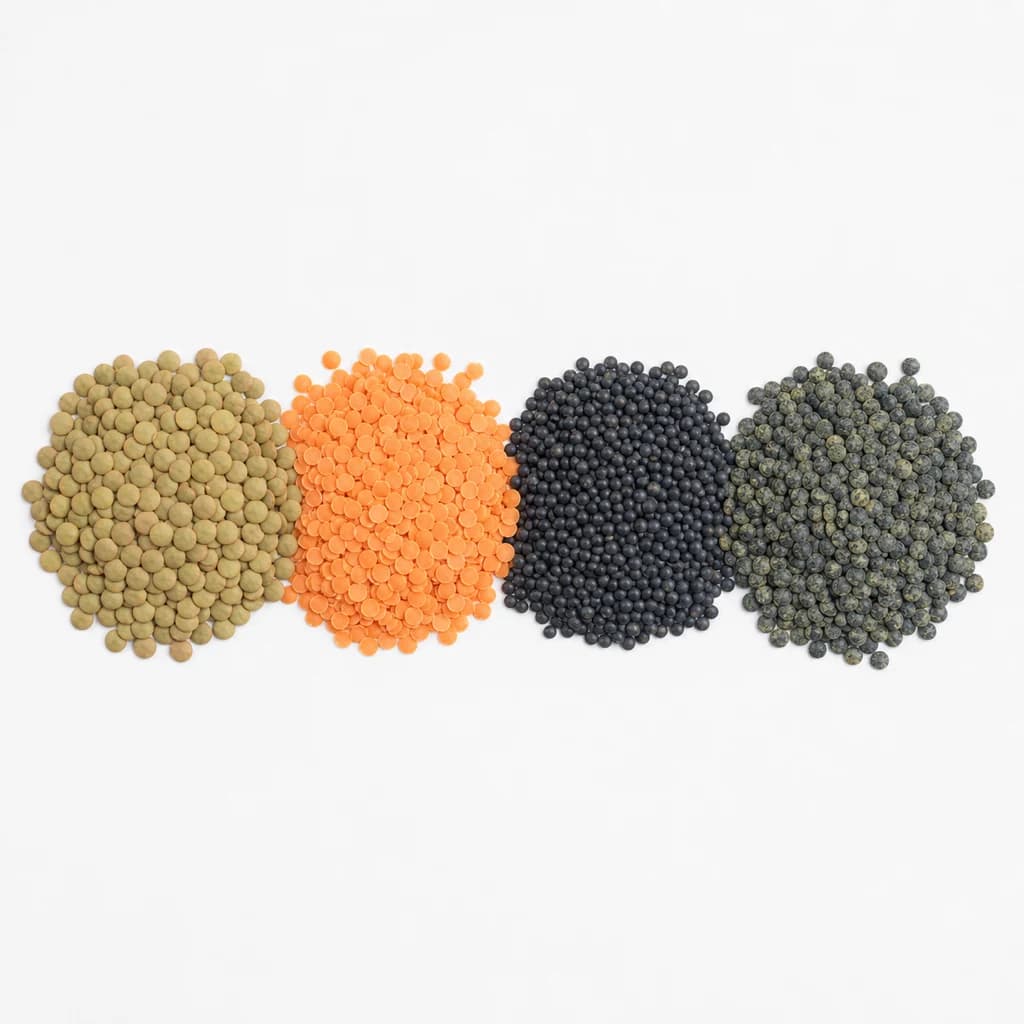
Lentils
Quick-cooking pulses for soups, dals, and hearty salads

White Beans
Creamy, mild beans for soups, stews, and silky purées
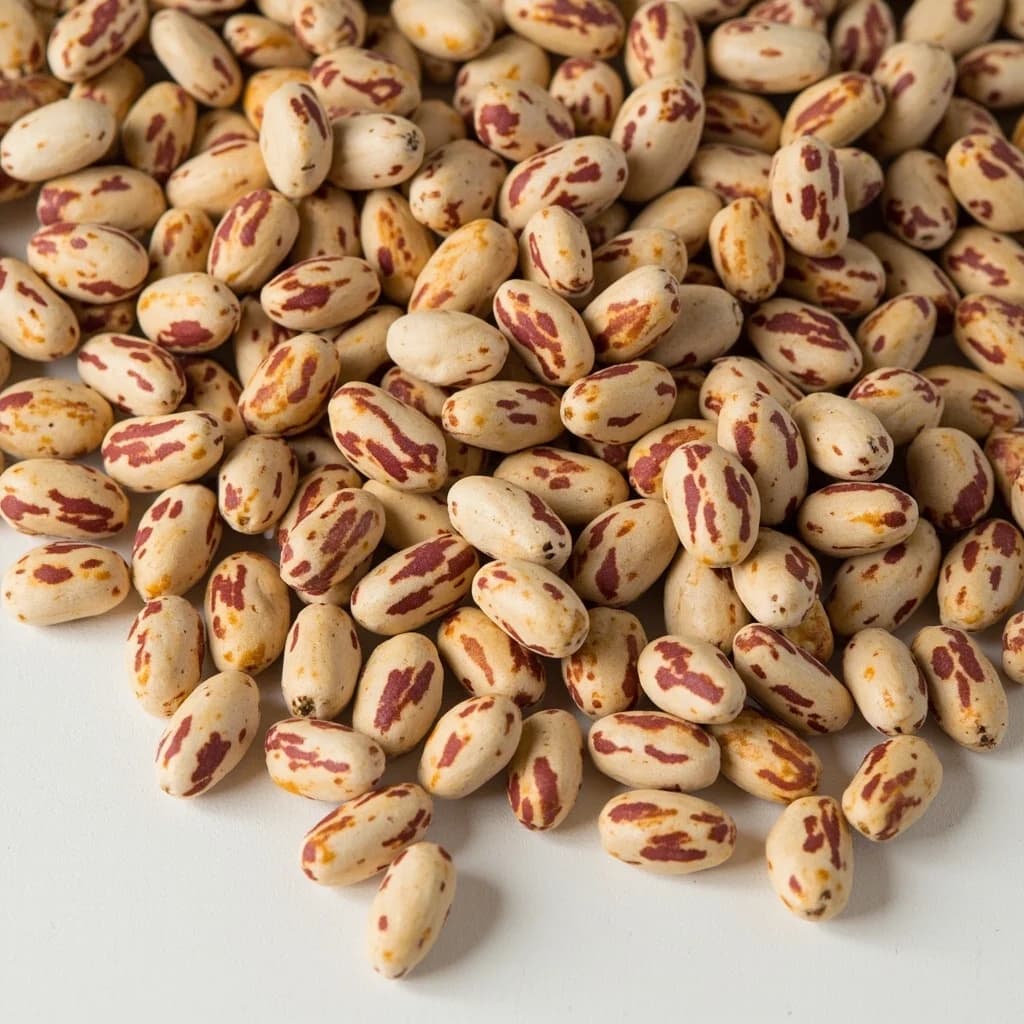
Pinto Beans
Creamy, speckled beans for refried beans and stews

Split Peas
Quick-cooking peas that melt into thick, comforting soups
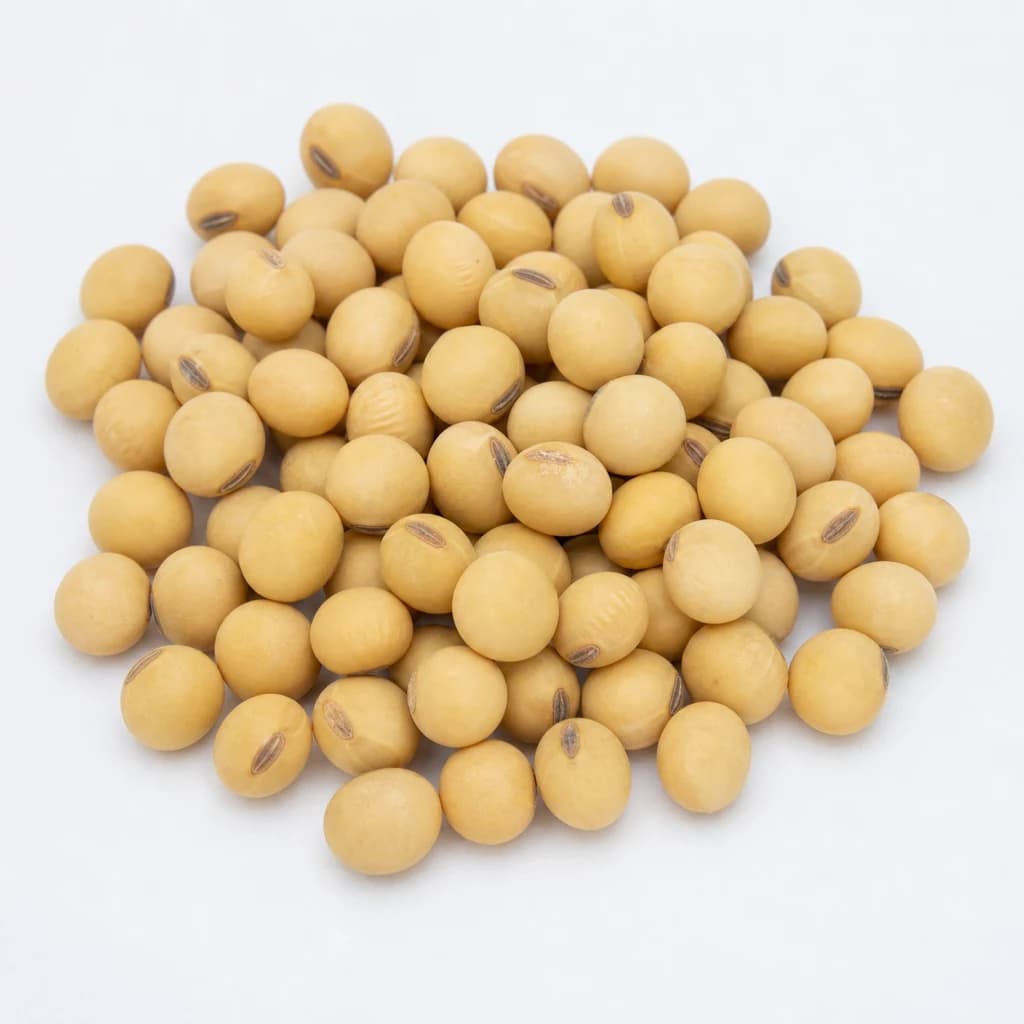
Soybeans
Protein-packed beans, the base for tofu and miso