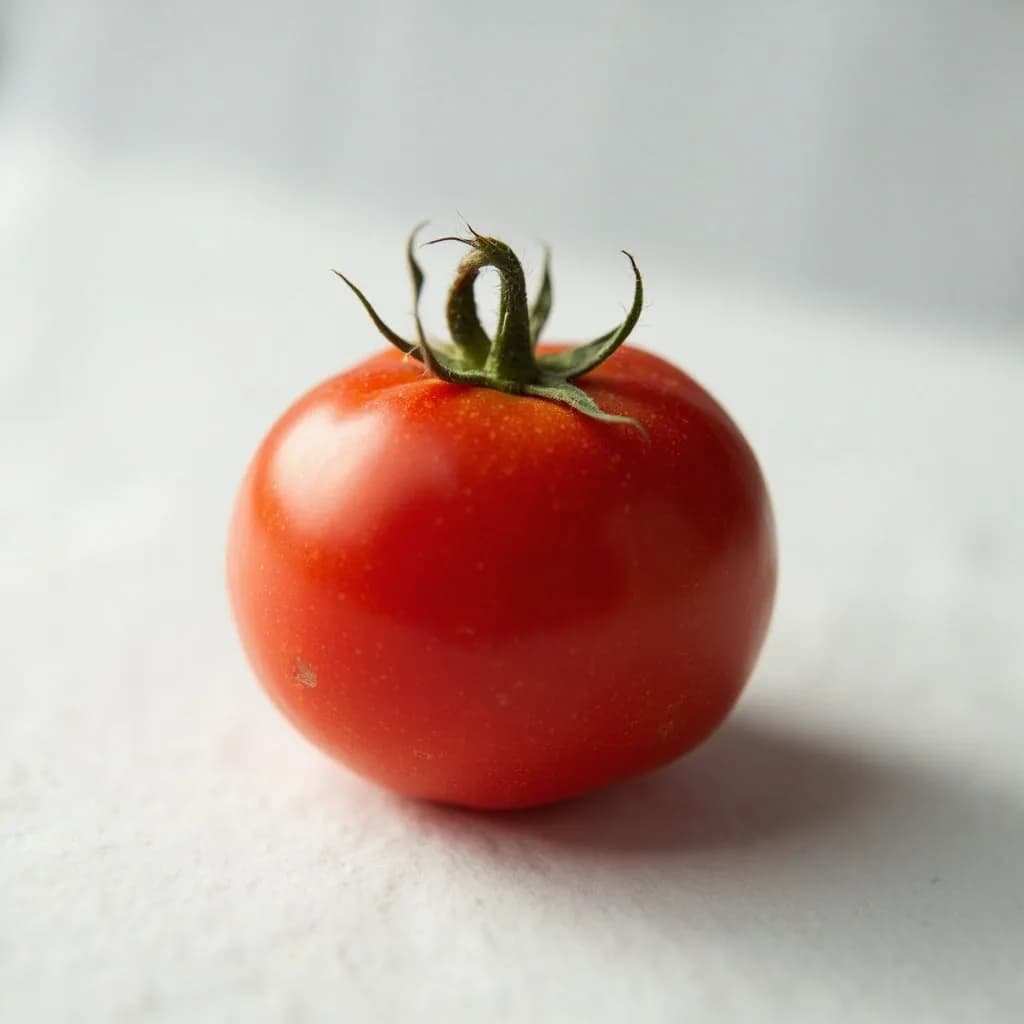
Natural form
A ripe globe tomato showing its characteristic red skin, smooth surface, and green calyx.
Establishes the baseline appearance — color, shape, size, and stem attachment — that identifies a tomato at a glance.
Produce
Tomato
Juicy, sun-sweet fruit for sauces, salads, and slow-cooked depth
Ripe tomatoes are equally at home raw in a salad or simmered into a deep red sauce. Keep them at room temperature for the fullest flavor — the fridge dulls their sweetness.
Botanically a fruit and emotionally a vegetable, the tomato is the most generous ingredient in the kitchen — sweet, acidic, and packed with savory umami from natural glutamates that make it taste like more than the sum of its parts. A peak-summer tomato, eaten warm off the vine with nothing but salt, is one of cooking's great pleasures; the same tomato, simmered for an hour, collapses into the deep red foundation of half the world's comfort food. Cooks prize it for that range — it's bright and juicy raw, and concentrated and meaty cooked. The catch is that a tomato's flavor is fragile and seasonal: a hard, pale supermarket tomato in January is a different food entirely from a ripe August beefsteak.
- Measured in
- piece
- Storage
- Room Temperature
- Shelf life
- 7 days
Find it in
Types & varieties
Dense, low-seed, low-water paste tomatoes — the gold standard for sauce and canning.
Big, meaty slicers for burgers and sandwiches; ripe ones are intensely tomatoey.
Small, sweet, reliable even off-season; great roasted, raw, or blistered.
Open-pollinated old varieties (Brandywine, Cherokee Purple, Green Zebra) — ugly, fragile, and the best-tasting of all.
Medium all-rounders sold on the truss; a fair everyday choice.
Picked and packed ripe — often better than fresh for cooking out of season.
Small, thick-skinned hanging tomato from Spain — the one to grate for pan con tomate.
Concentrated, twice-cooked tomato reduced to a thick brick-red paste; a teaspoon caramelized in the pan deepens sauces, braises, and soups with umami.
Smooth, uncooked strained raw tomatoes with no seeds or skins; a pourable base that simmers quickly into fresh-tasting pasta sauce, pizza, and shakshuka.
Large, meaty tomato with broad slices and few seeds; holds its shape stacked in sandwiches and burgers, or roasted, where smaller varieties go to mush.
Canned tomatoes broken into a coarse, juicy pulp between whole and pureed; the quick base for marinara and pizza sauce, needing only a short simmer to thicken.
Medium round tomatoes sold still attached to the green stem, ripened on the vine for balanced acidity and aroma; versatile for slicing, roasting, and sauces.
How to choose
Smell the stem end — a ripe tomato is fragrant; a flavorless one smells of nothing. It should feel heavy for its size and yield slightly to a gentle squeeze. Lumpy, cracked, or 'ugly' heirlooms usually taste better than flawless supermarket spheres.
- Out of season, good canned tomatoes beat sad fresh ones for any cooked dish.
- For sauce, pick paste types (Roma/San Marzano) — less water means less reducing.
- Choose by use: firm green-shouldered for slicing and salad, soft ripe red for sauce, tomate de colgar for rubbing on bread.
How to store
Never refrigerate a whole ripe tomato — cold below ~12°C destroys its aroma compounds and turns the flesh mealy. Keep them on the counter, stem-side down, out of direct sun, and only chill cut leftovers (then bring back to room temperature before eating).
How to prep
To peel, score an X on the base, dunk in boiling water for 15–30 seconds, then into ice water — the skins slip off. Salting sliced tomatoes 10 minutes before serving draws out water and concentrates flavor. The jelly and seeds hold most of the umami, so don't discard them needlessly.
Common uses
Tips & pitfalls
- Salt sliced tomatoes and let them sit — it seasons them and pulls out excess water for a juicier, more intense bite.
- A pinch of sugar tames the acidity of an underripe or aggressively tart sauce.
- Roast cherry tomatoes hot (220°C) until they burst and caramelize for instant sweet-savory depth.
- Tomato paste needs to be 'bloomed' — fry it in oil for a minute until it darkens to unlock its umami.
- Save and freeze tomato skins and cores to simmer into a quick stock or sauce base.
- Grate a halved tomato against a box grater to make instant pulp for pan con tomate or sauce.
Nutrition
Energy
75 kJ · per 100 g
Where the calories come from
Protein
0.9g
2% DV
Carbs
3.9g
1% DV
Fat
0.2g
0% DV
Fiber
1.2g
4% DV
Sugars
2.6g
of which
Sodium
5mg
0% DV
Source · USDA FoodData Central · Tomatoes, red, ripe, raw, year round average
View on FDC →In the shops
Matched grocery products
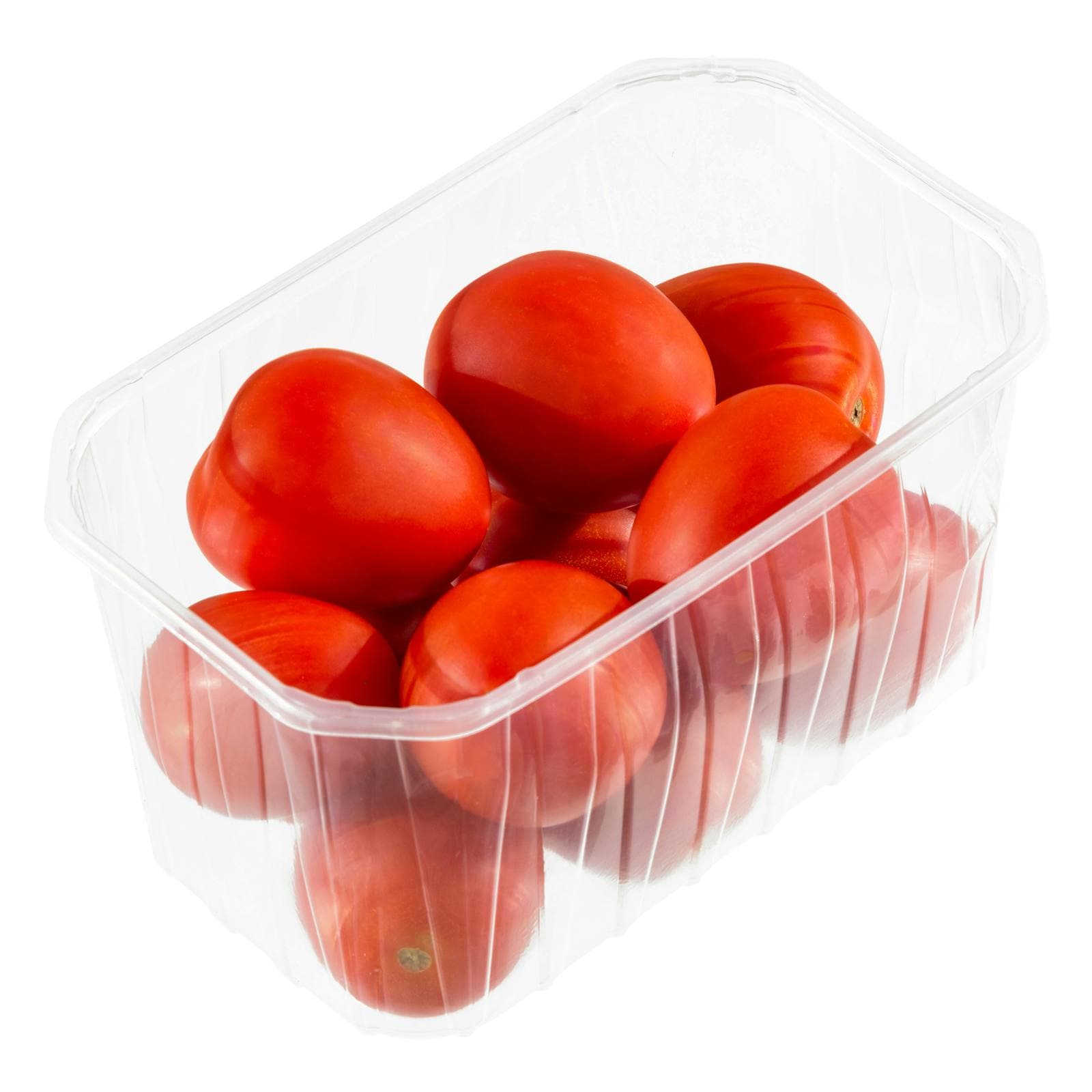 €2.62
€2.62Pear Tomatoes
1.14 kg · Mercadona
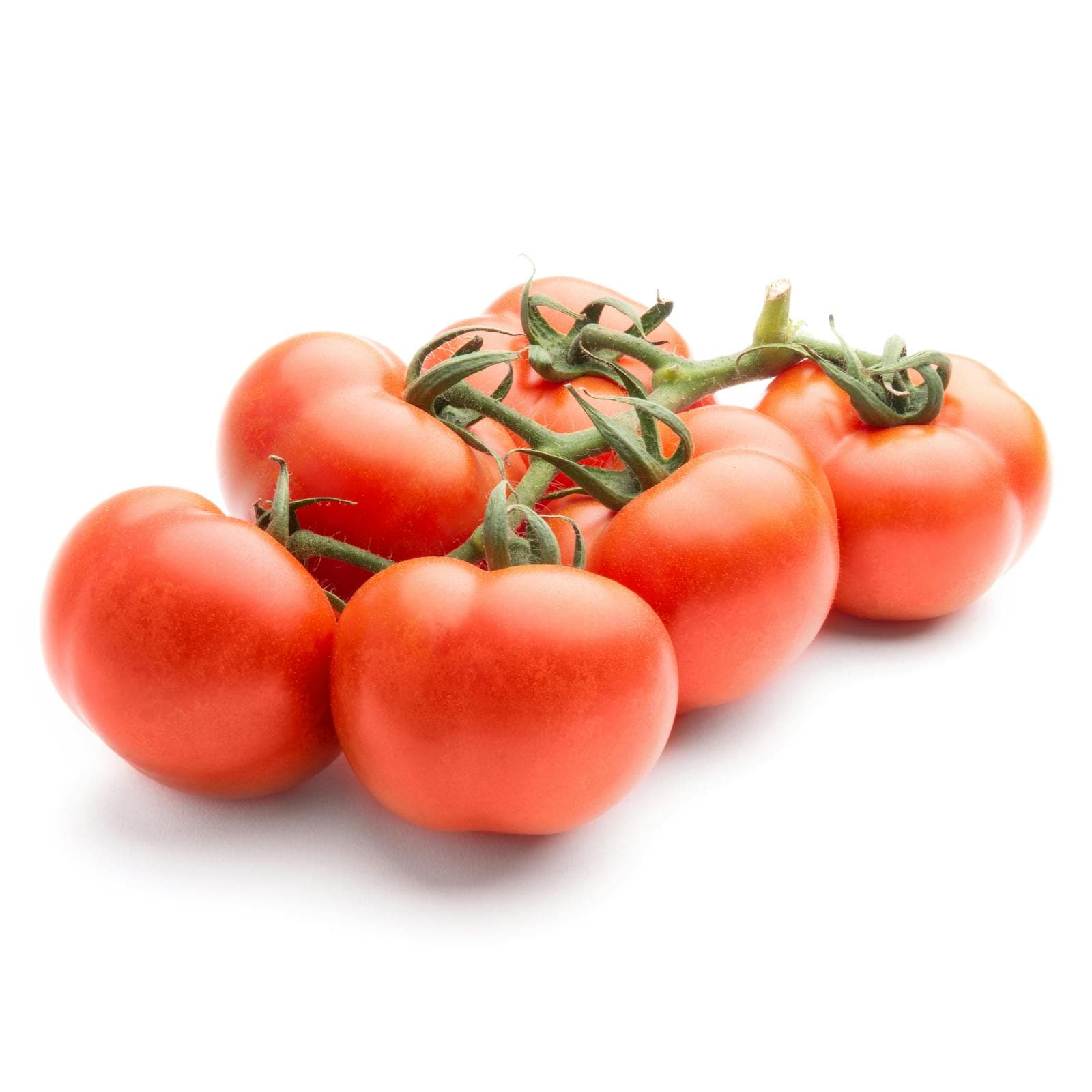 €1.49
€1.49Truss Tomatoes
550 g · Mercadona
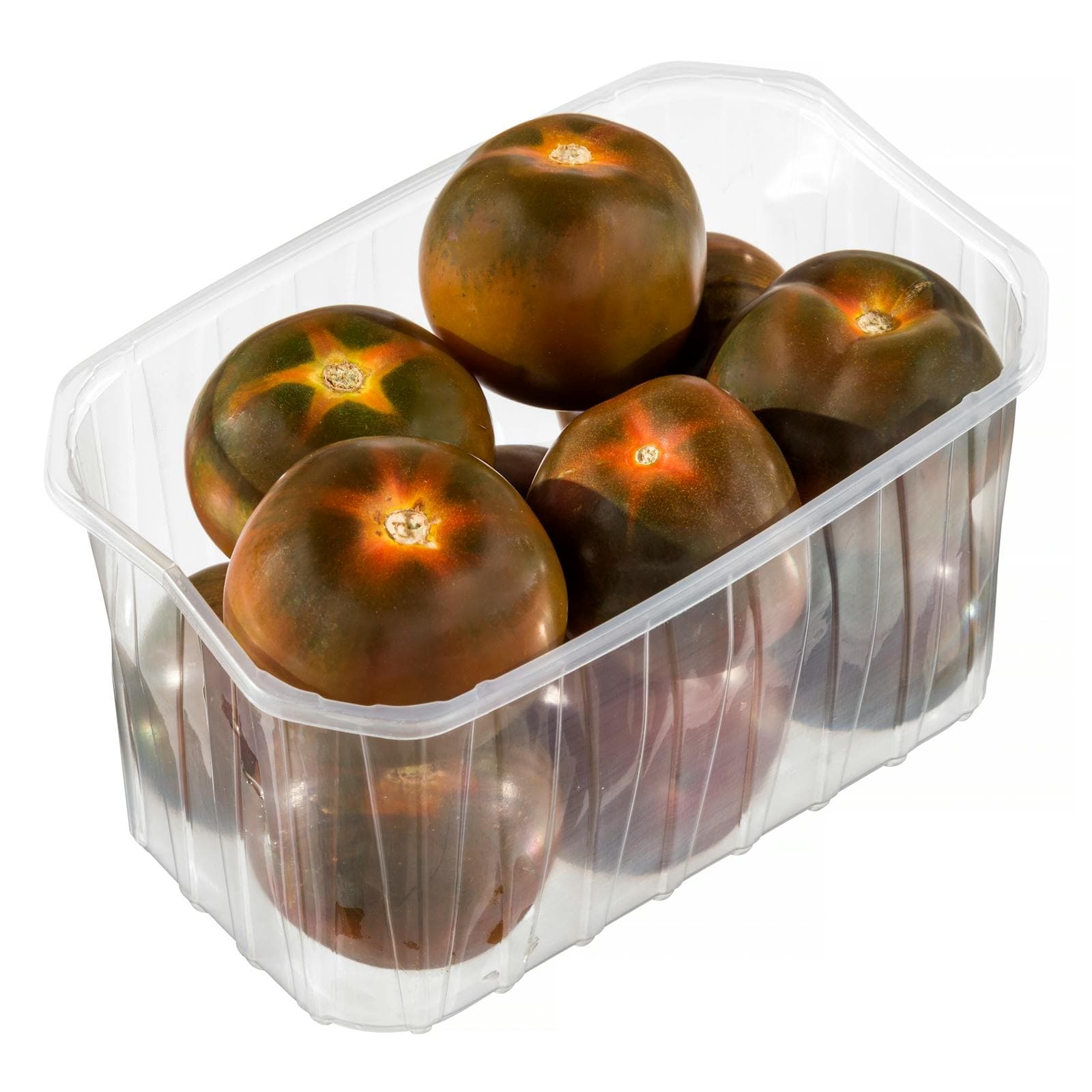 €2.60
€2.60Black Tomatoes
1 kg · Mercadona
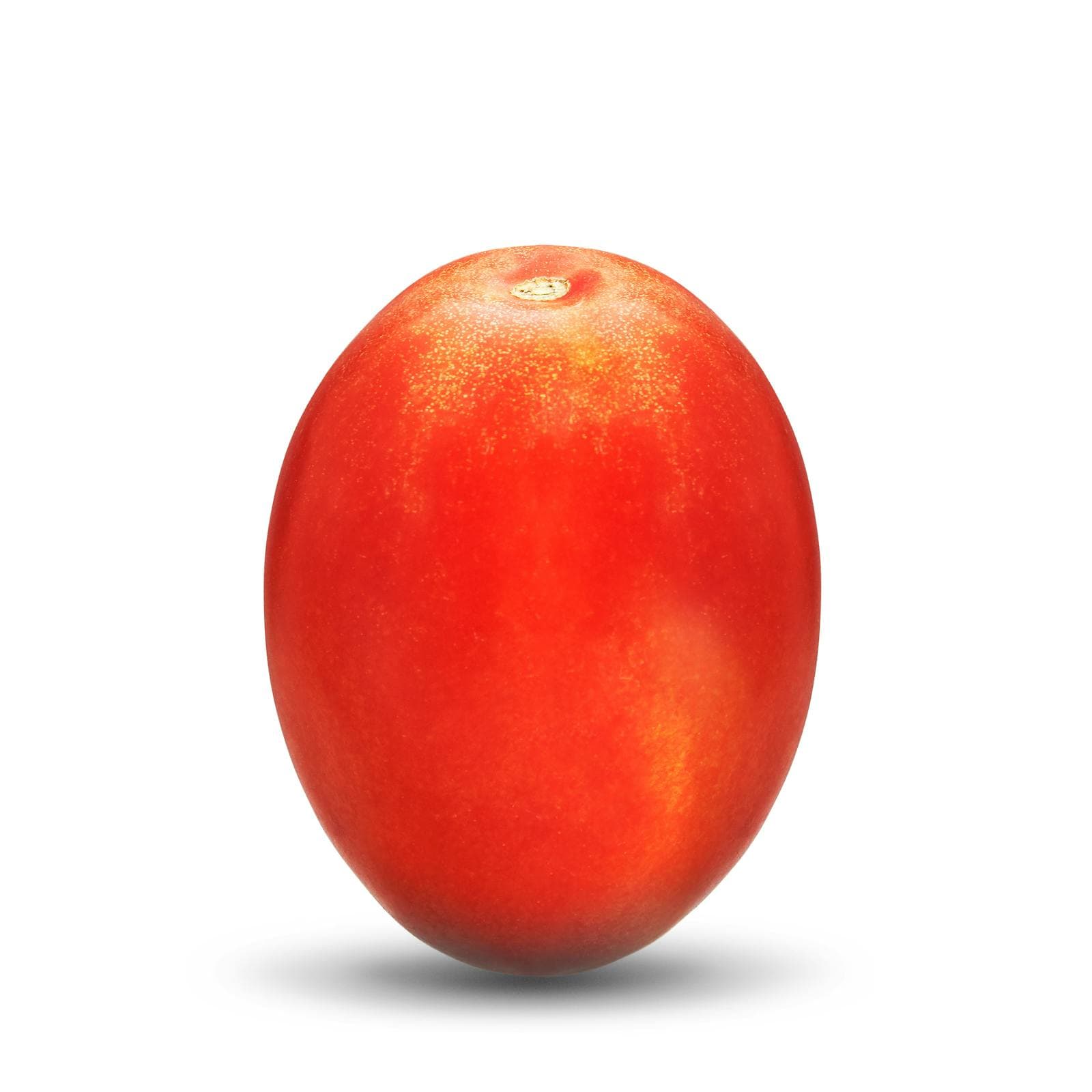 €0.29
€0.29Plum Tomato
130 g · Mercadona
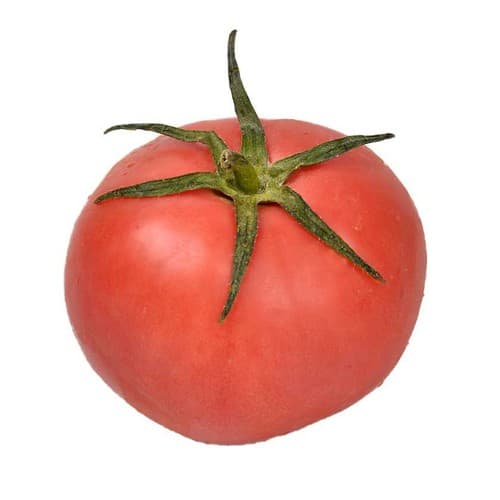 €1.07
€1.07Pink Tomato
ud · Bonpreu
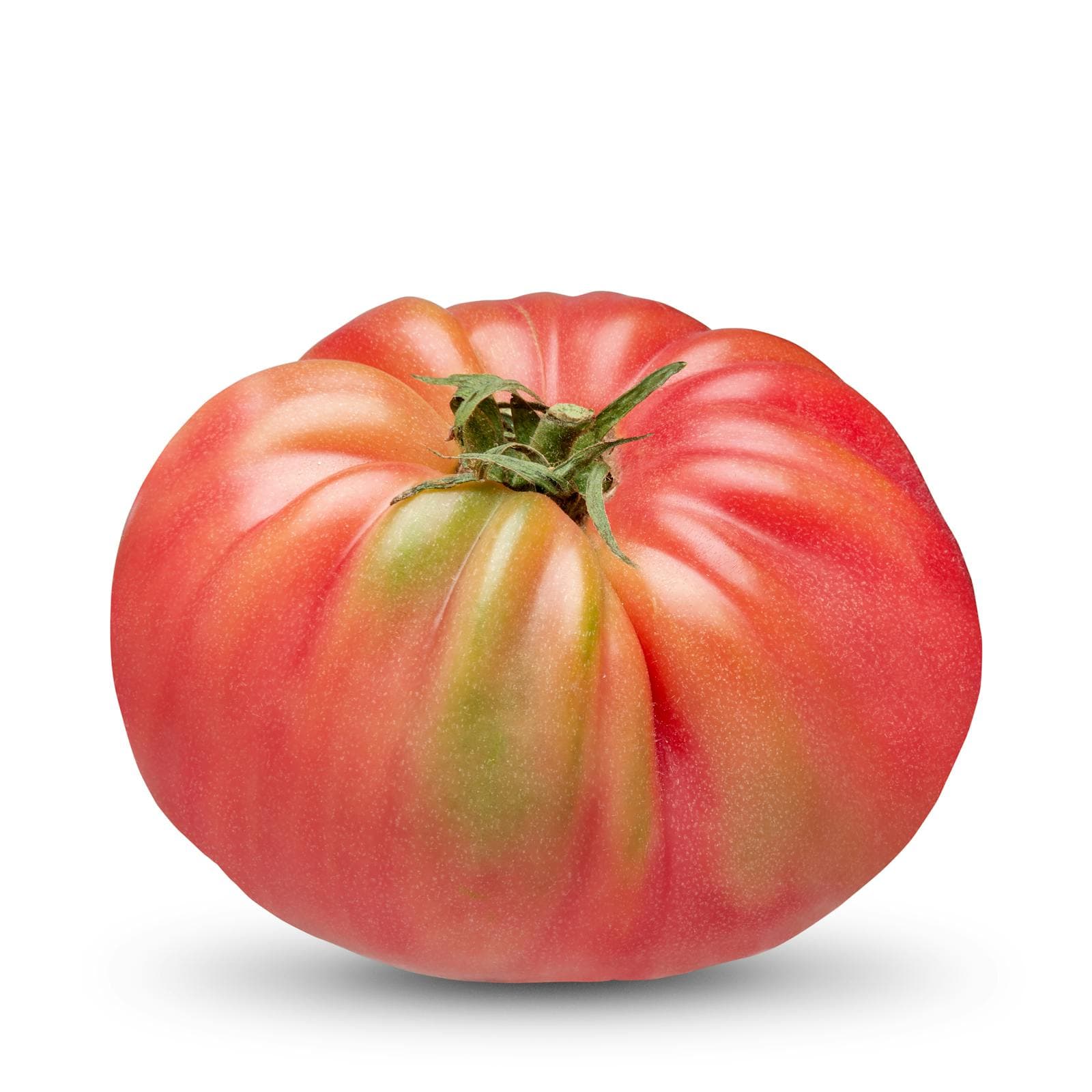 €1.16
€1.16Pink Tomato
340 g · Mercadona
Good to know
- Flavor
- Sweet, acidic, juicy, umami-rich
- Peak season
- Summer (peak flavor); available year-round, but winter fruit (much grown under plastic in Almería) is firmer and less sweet
- Origin
- Andes (Peru/Ecuador); domesticated in Mexico
- Nutrition
- ~18 kcal/100g; high in vitamin C and lycopene
- Store
- Room temperature, stem-side down, out of the fridge
- Buy
- Heavy for its size, fragrant at the stem, slight give
Substitutes
- Canned tomatoes / passata — Best swap for any cooked use; roughly 400g can = 5–6 fresh medium tomatoes.
- Sun-dried tomatoes — For concentrated flavor in raw or quick dishes; rehydrate and use sparingly.
- Red bell pepper — In fresh salads where you want crunch and sweetness without the acidity.
Also called
tomatoes · tomate · tomates · jitomate
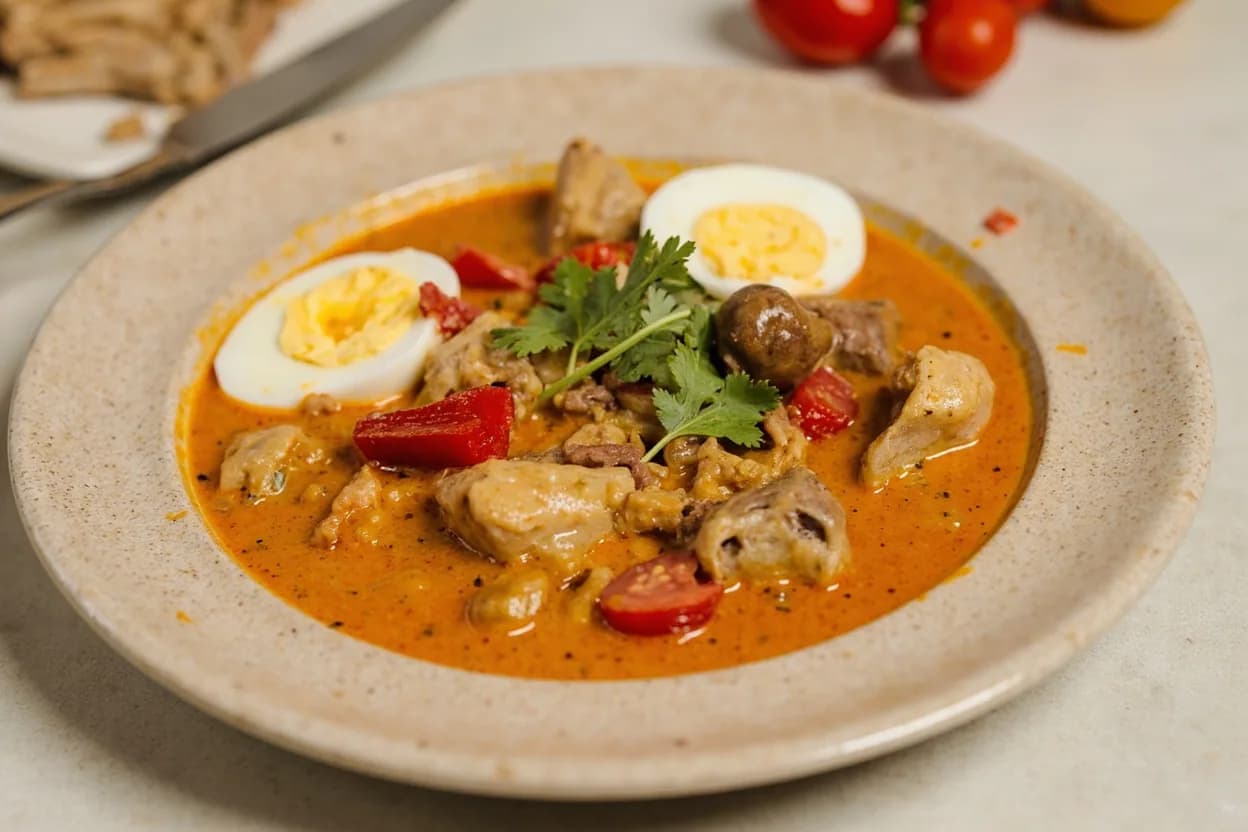
Appears in these dishes
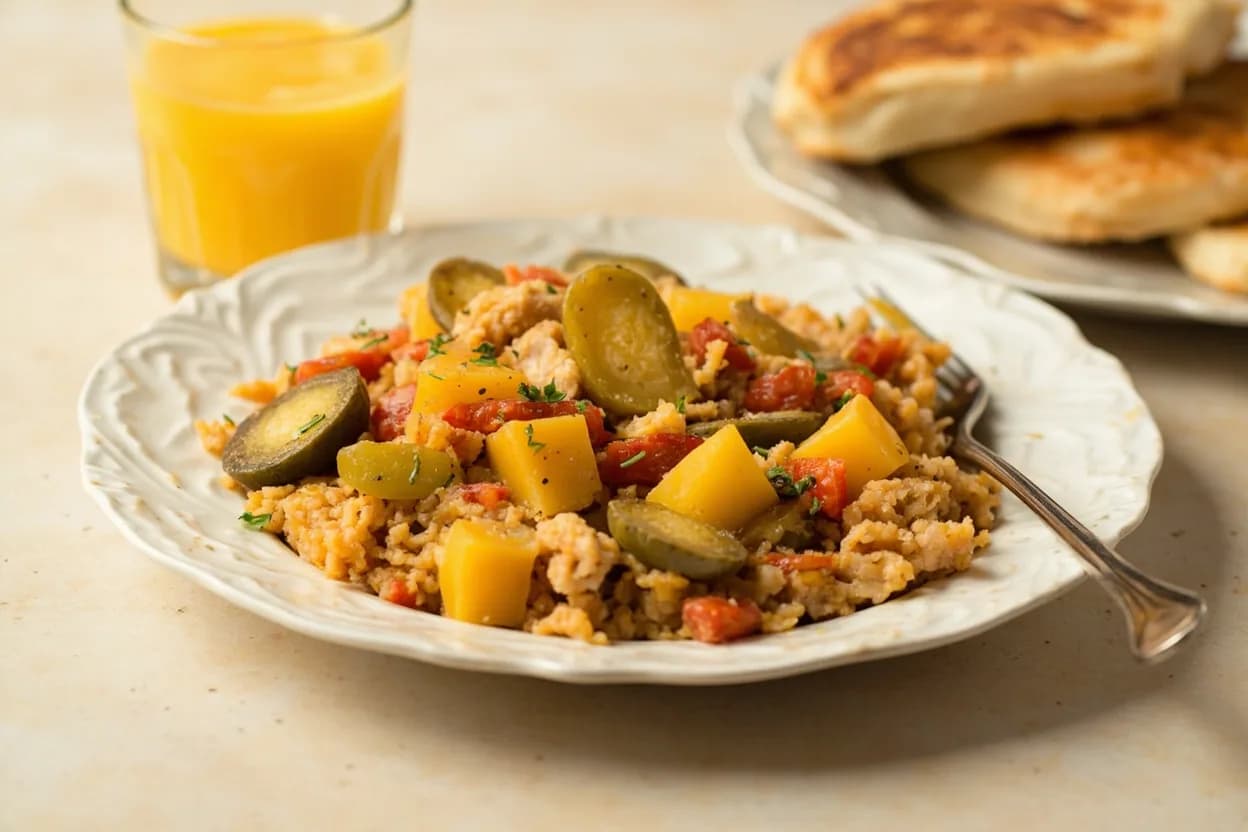
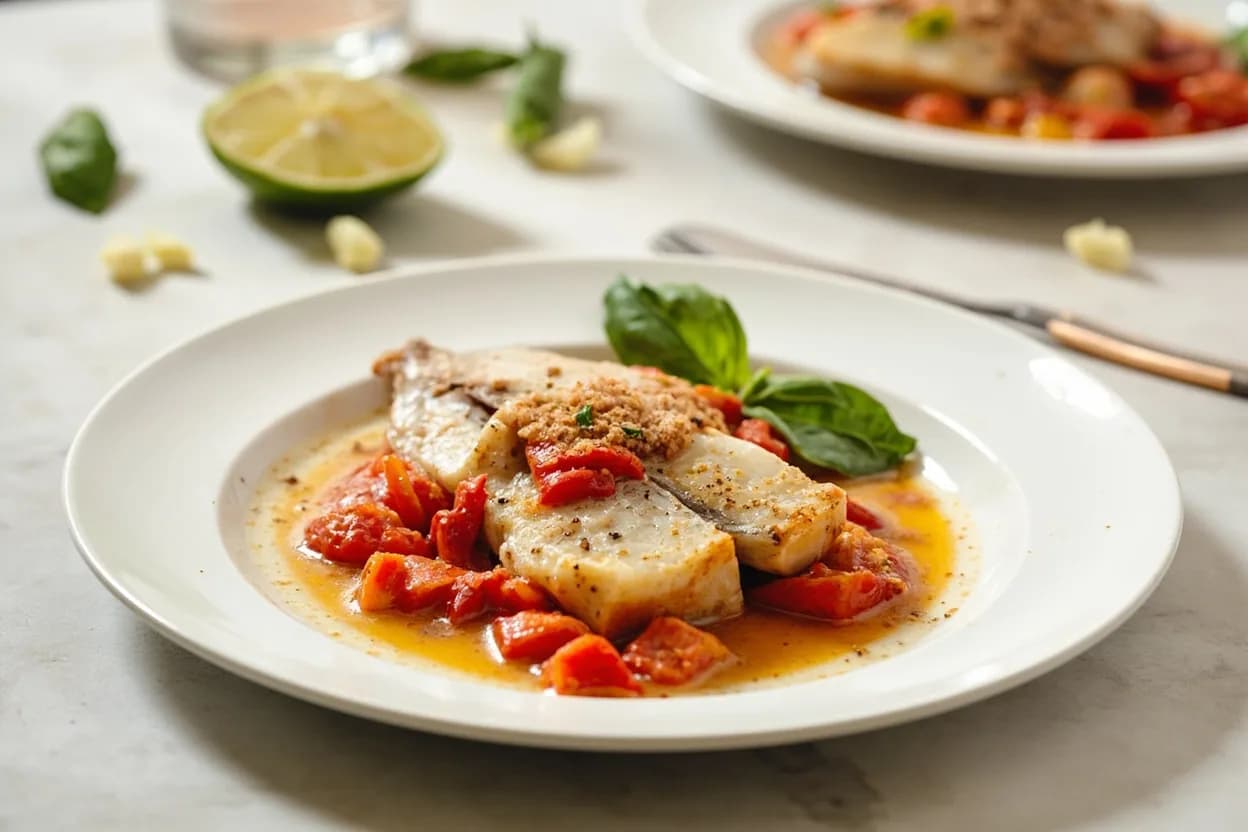
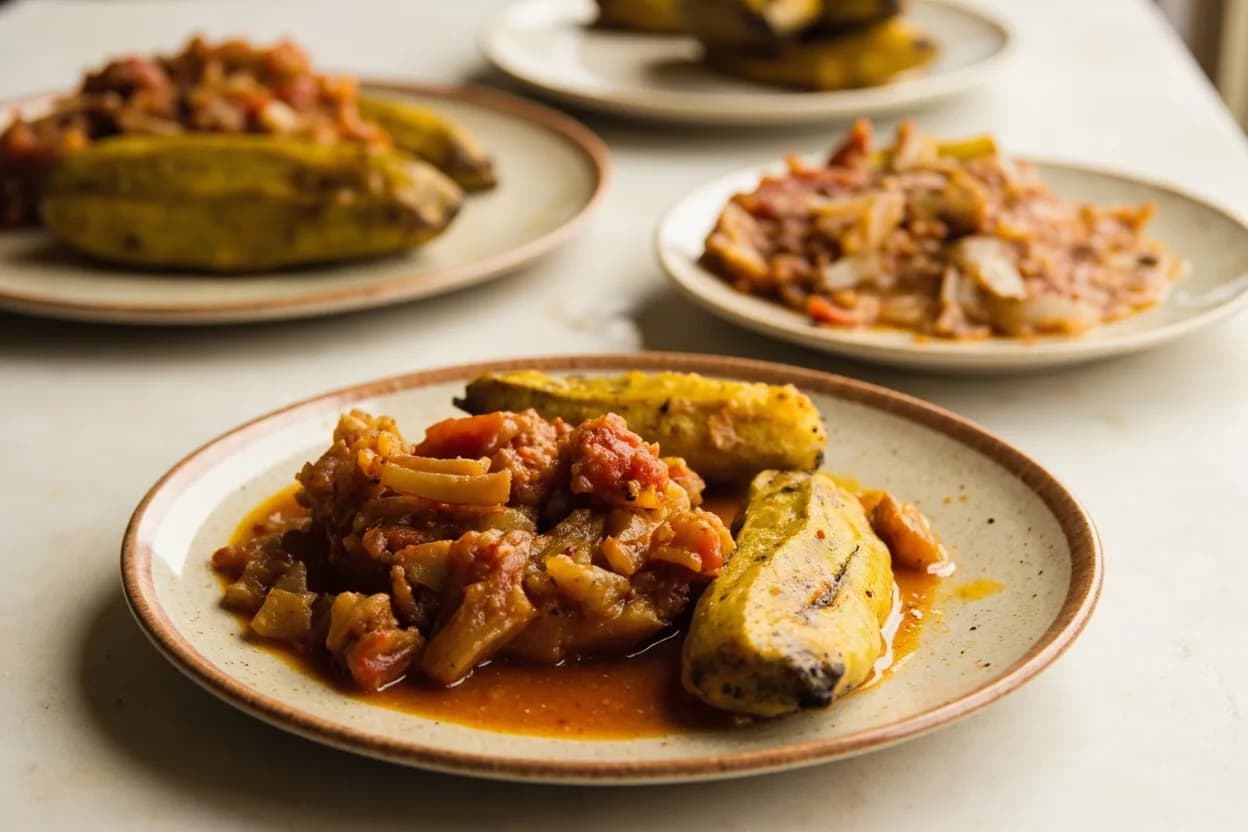
Related
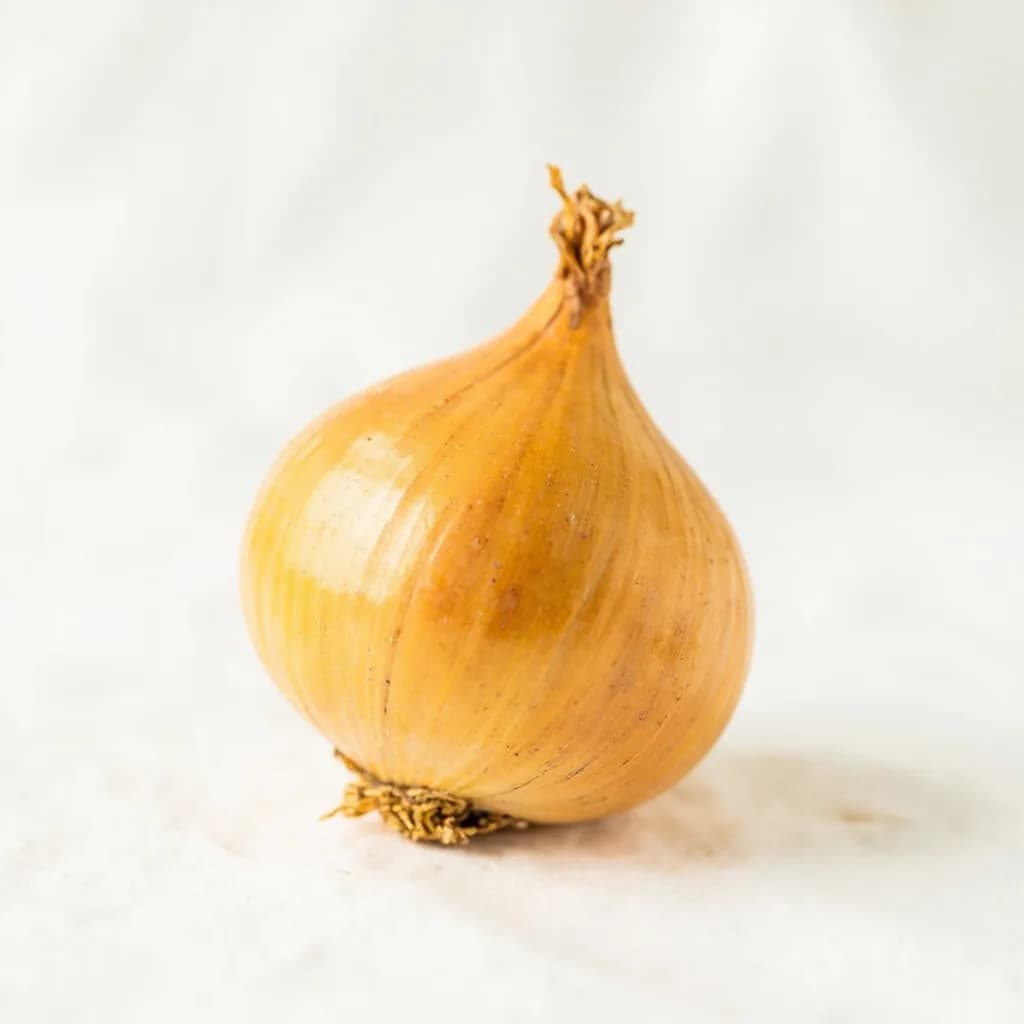
Yellow Onion
The aromatic backbone of soups, sofritos, and braises
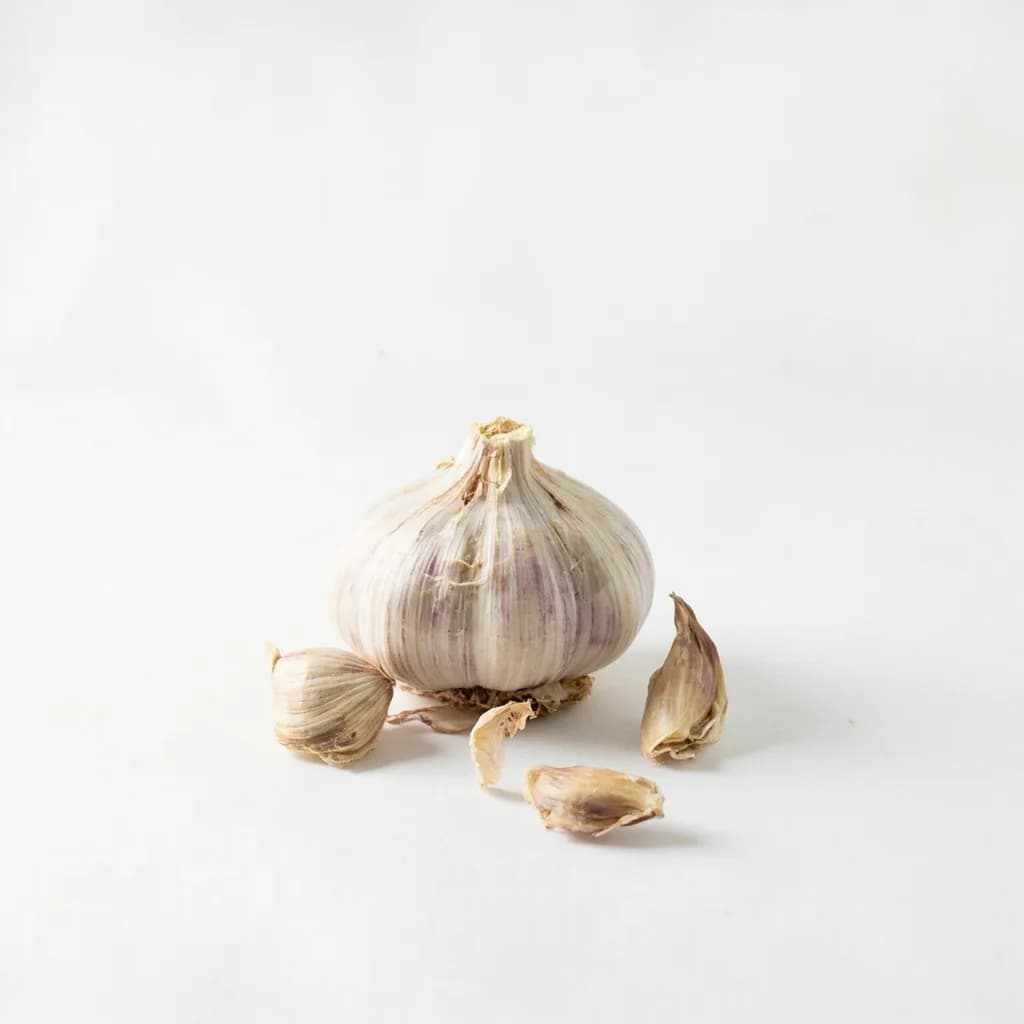
Garlic
Pungent cloves that perfume nearly every savory dish
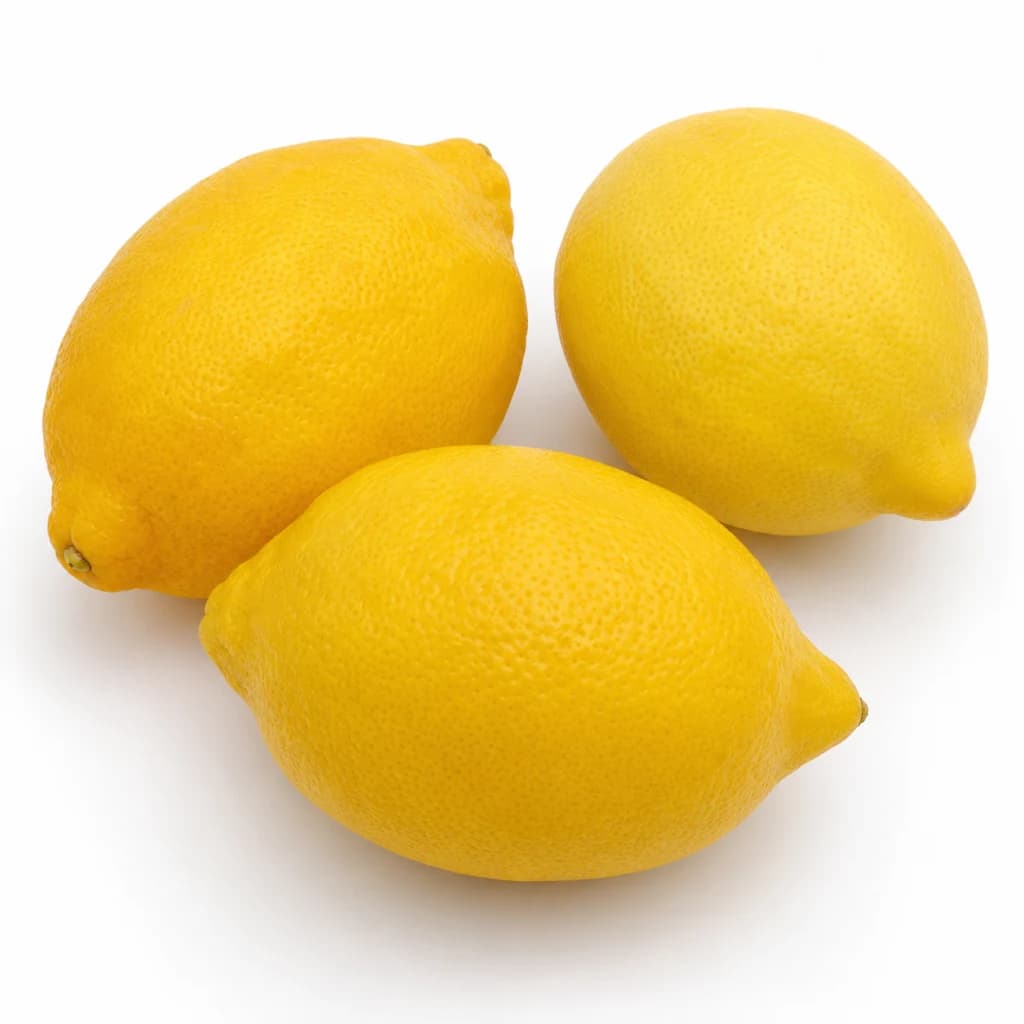
Lemon
Bright, acidic citrus that wakes up almost any dish
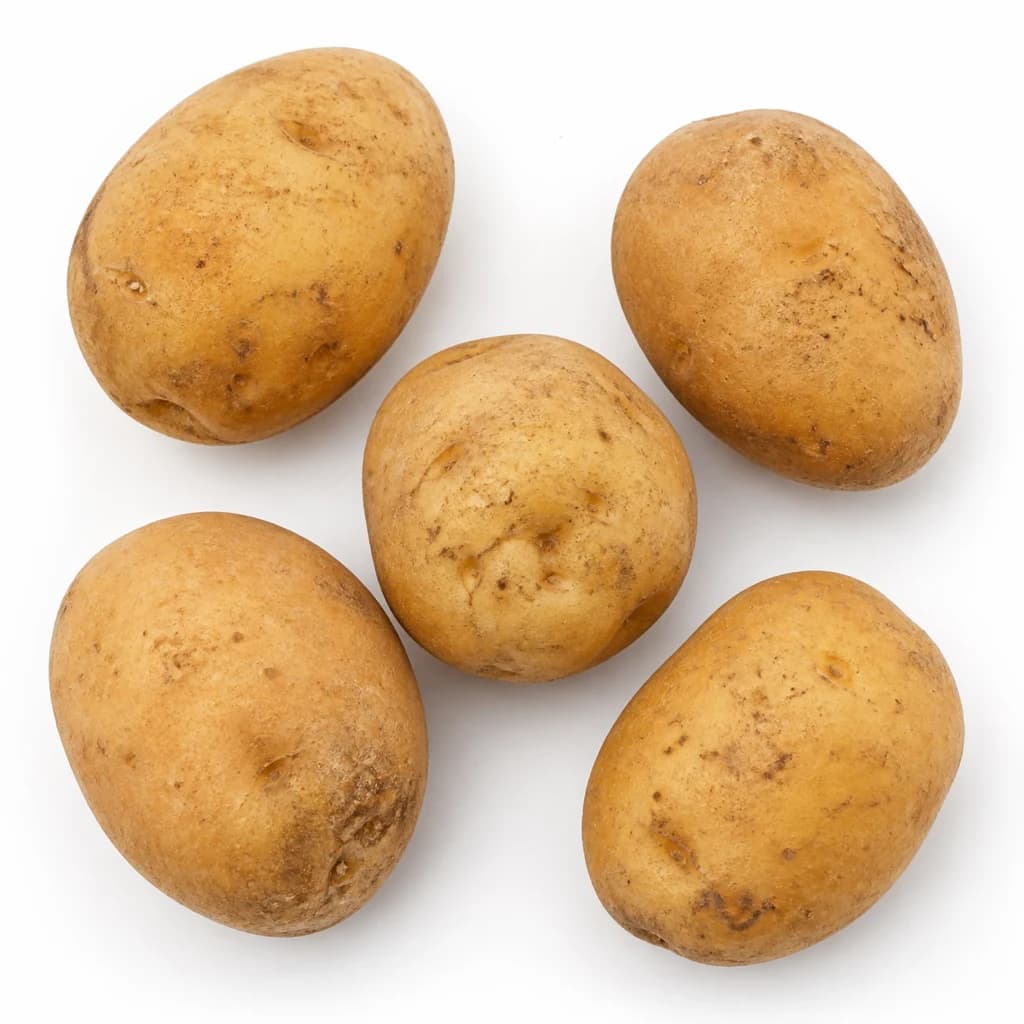
Potato
Humble, hearty staple — roast, mash, fry, or boil
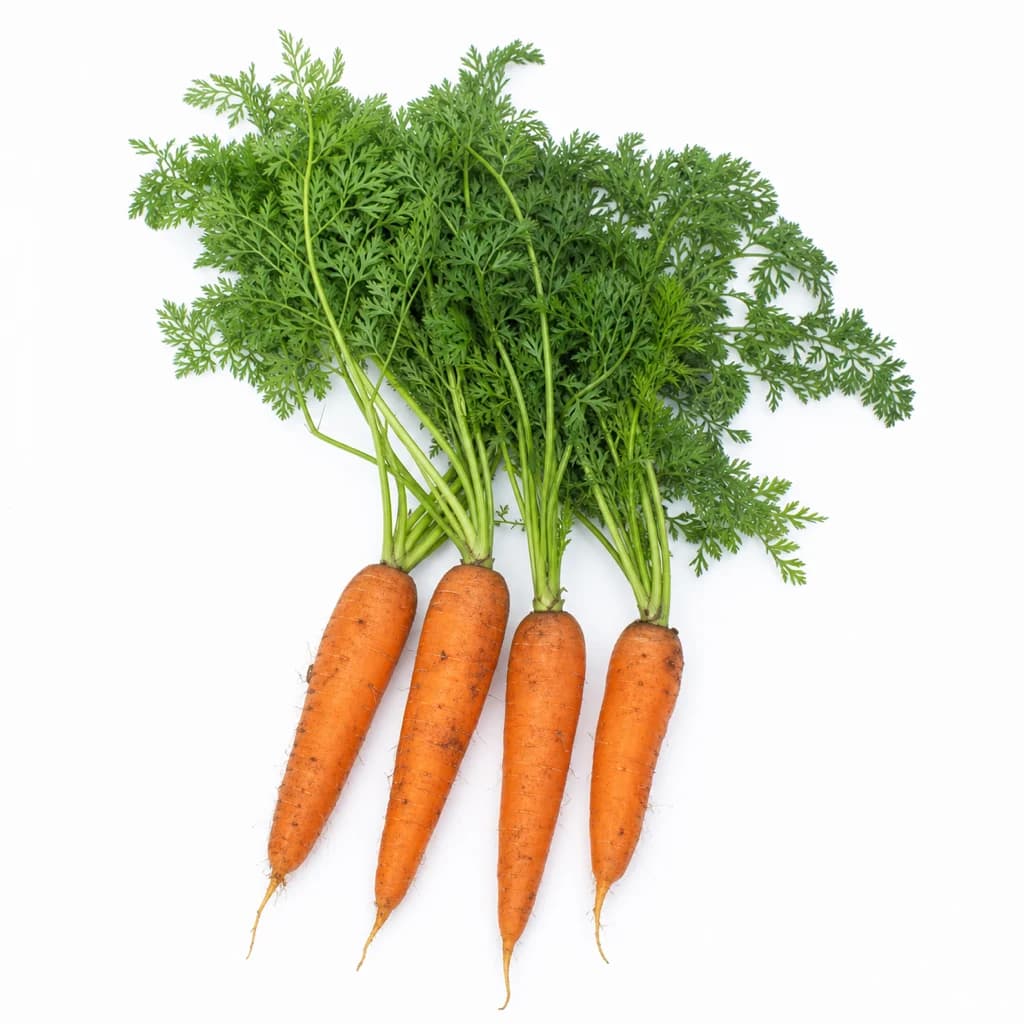
Carrot
Sweet, crunchy root — raw, roasted, or the base of a sofrito
Cucumber
Cool, crisp, and watery — for salads, pickles, and tzatziki

Lettuce
Crisp leaves for salads, wraps, and a fresh crunch
Apple
Crisp orchard fruit eaten fresh, baked, or pressed for cider.