Sauces & Pastes
Tomato Paste
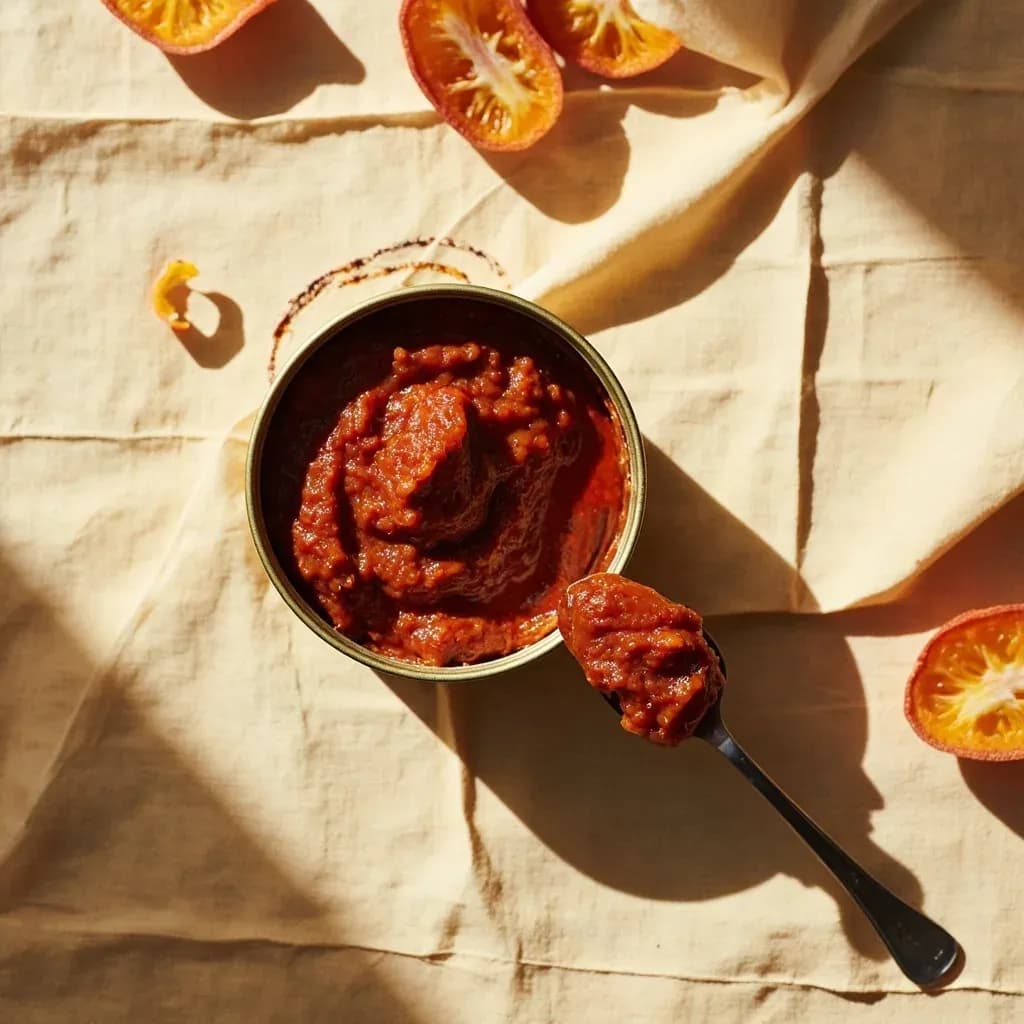
Concentrated, twice-cooked tomato reduced to a thick brick-red paste; a teaspoon caramelized in the pan deepens sauces, braises, and soups with umami.
Tomato paste is the most concentrated commercial form of tomato on the shelf — ripe tomatoes crushed, briefly cooked, strained of seeds and skins, then cooked a second time to drive off most remaining water. The result is a dense, brick-red paste carrying at least 24% natural tomato solids (US standard), holding its shape on a spoon and delivering an intensity that puree and sauce simply cannot match. Because so much water has been removed, paste behaves differently from any other canned tomato product: eaten raw it often tastes tinny or metallic, but bloomed in hot fat it transforms, developing a deep, almost meaty sweetness that anchors long-cooked sauces, braises, and stews.
The single most important technique with tomato paste is to fry it. A minute or two in olive oil, butter, or rendered meat fat turns the paste from brick red to a darker oxblood, and the sugars and amino acids undergo Maillard-style browning that is responsible for the savory depth of great Italian ragù, chili, and Spanish sofrito. Most flat, vaguely acidic tomato sauces are missing this step. Treated like a condiment — a teaspoon or two for a dish serving four — paste quietly does the work of hours of slow reduction.
Packaging matters more than most cooks realize. Cans are economical but spoil within days of opening, while squeeze tubes and small jars keep for weeks in the fridge and reduce waste. Premium Italian pastes made from San Marzano or similar long plum tomatoes list little more than tomatoes (and sometimes salt), whereas American canned paste typically includes citric acid for color stability and added salt. The choice changes how a finished dish tastes and how much you have to adjust seasoning downstream.
- Measured in
- g
- Storage
- Pantry
Find it in
Suits
Types & varieties
The US supermarket default; 6 oz or 12 oz cans, around 24–29% solids, often lightly salted and acidified with citric acid for color stability.
Sold in squeeze tubes, sometimes labeled 'tomato concentrate'; higher solids, denser flavor, and a format that stays fresh in the fridge for weeks — favored by most professional cooks.
Made from San Marzano or similar plum tomatoes; typically lists only tomatoes (sometimes salt), no citric acid; deeper, sweeter flavor and more uniform color.
Lets the cook control seasoning; preferred for baking, soups, and reductions where added salt would throw off the balance.
Glass jars (often around 7 oz); shelf-stable before opening, easy to spoon out, generally comparable to canned.
Artisanal product with tomatoes cold-smoked before concentration; adds a campfire note to sauces, beans, and braises.
The Art of Blooming
Blooming — frying paste in a small amount of fat until it darkens and smells nutty — is the move that separates good tomato cookery from great tomato cookery. It is not optional in serious kitchens, and it is the single biggest upgrade a home cook can make to a familiar sauce. The browning happens fast because paste has almost no water to keep temperatures down, so attention matters as much as technique.
- Heat 1–2 tablespoons of olive oil, butter, or rendered fat in a wide pan over medium heat. Add 1–4 tablespoons of paste and break it up with a wooden spoon.
- Stir constantly. Within 1–3 minutes the paste will shift from brick red to a darker oxblood and release a fragrant, almost caramelized smell. Stop there — a few seconds more and it scorches.
- Add aromatics like garlic, onion, anchovies, or dried chili either at the start of the bloom (hearty items) or after the paste has darkened (delicate items like garlic, which burns easily).
- Bloom ground spices — cumin, chili powder, smoked paprika, coriander — with the paste for an extra layer of flavor before any liquid goes in; the fat carries their oils into the sauce.
- Deglaze the pan with wine, stock, or water immediately after blooming, scraping up the dark fond; this is where deep flavor lives.
Common uses
Tips & pitfalls
- Bloom the paste in oil or butter over medium heat for 1–3 minutes, stirring constantly, until it darkens from brick red to oxblood — this browning is where most of the flavor lives.
- Stir nonstop while blooming; paste scorches fast because its low water content lets pan temperatures climb quickly.
- A teaspoon is usually plenty for a dish serving four; treat paste like a condiment, not a sauce, and adjust upward only after tasting.
- Freeze leftover paste in ice-cube trays, then transfer the frozen cubes to a zip-top bag — single-tablespoon portions ready whenever you need them.
- Never store leftover paste in the open can; transfer to a glass jar or food-grade plastic container with a tight lid, otherwise the metal and oxidation turn it tinny within a day or two.
- Choose tube paste if you only use small amounts at a time; it stays fresh in the fridge for weeks, while an opened can goes off in under a week.
- Read the label: avoid pastes with added sugar or high-fructose corn syrup if you want clean tomato flavor — a short ingredient list of just tomatoes (and maybe salt) is usually best.
- Add paste early enough that any raw, tinny taste cooks off — usually at least 5–10 minutes of simmering, longer in big batches.
- In chili and braises, bloom the paste together with your ground spices before adding liquid; the fat carries spice aromatics into the sauce and lifts the whole pot.
- If a finished dish tastes flat but is otherwise seasoned correctly, a small amount of bloomed paste almost always fixes it — that flatness is usually missing umami, and paste is the cheapest fix.
Nutrition
Energy
159 kJ · per 100 g
Where the calories come from
Protein
1.7g
3% DV
Carbs
9g
3% DV
Fat
0.2g
0% DV
Fiber
1.9g
7% DV
Sugars
4.8g
of which
Sodium
202mg
9% DV
Source · USDA FoodData Central · approx. Tomato products, canned, puree, with salt added
View on FDC →In the shops
Matched grocery products
 €2.55
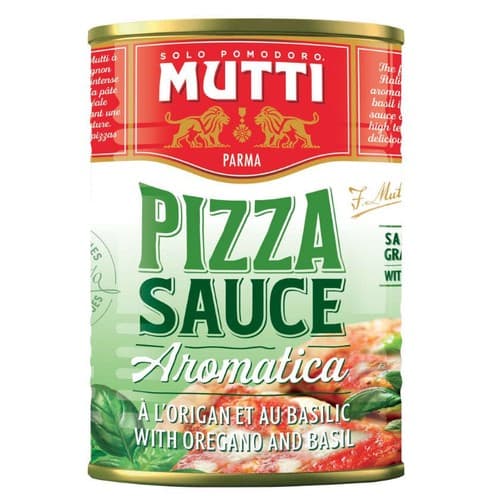
€2.55Pizza Tomato Sauce
MUTTI · kg · Bonpreu
 €1.90
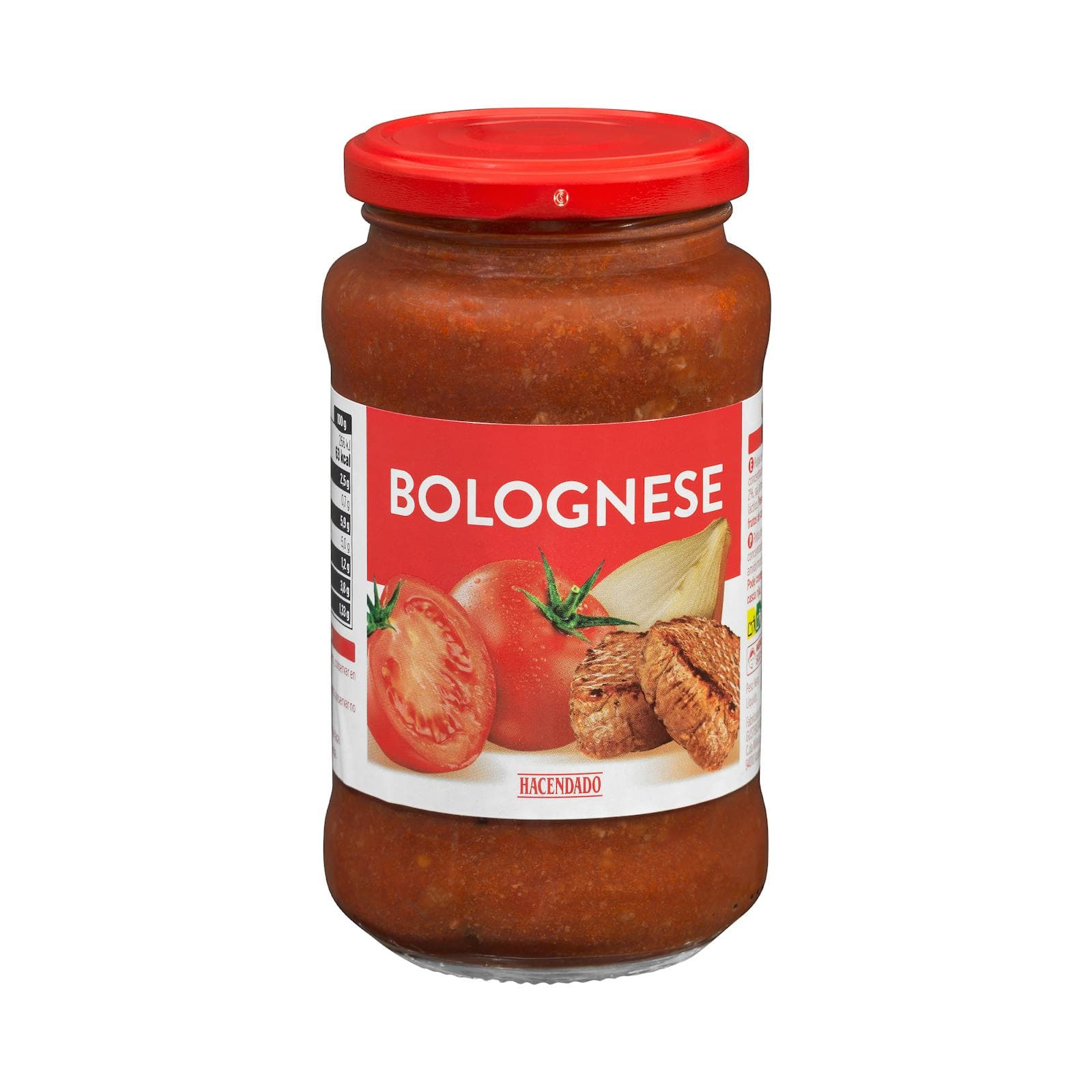
€1.90Bolognese Tomato Sauce
Hacendado · 400 g · Mercadona
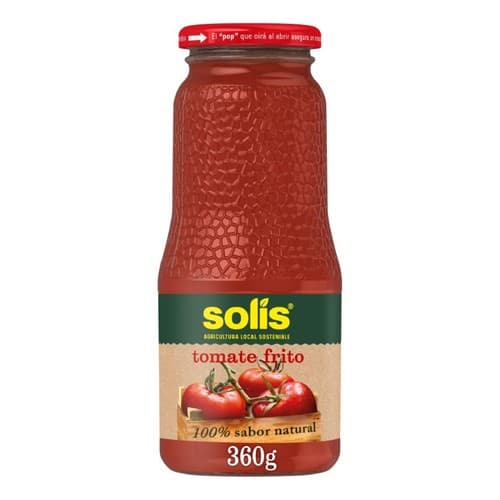 €1.49
€1.49Solís Fried Tomato Sauce
SOLIS · kg · Bonpreu
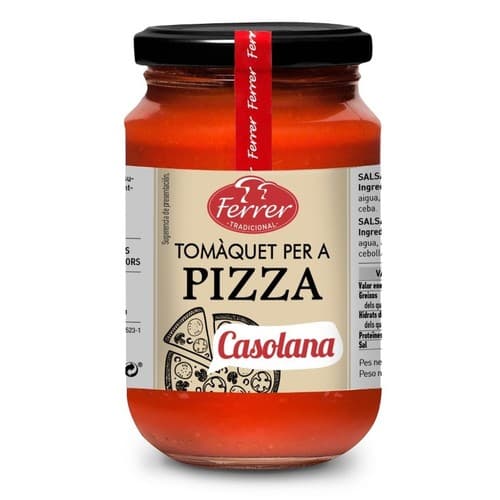 €2.25
€2.25Ferrer Pizza Tomato Sauce
FERRER · kg · Bonpreu
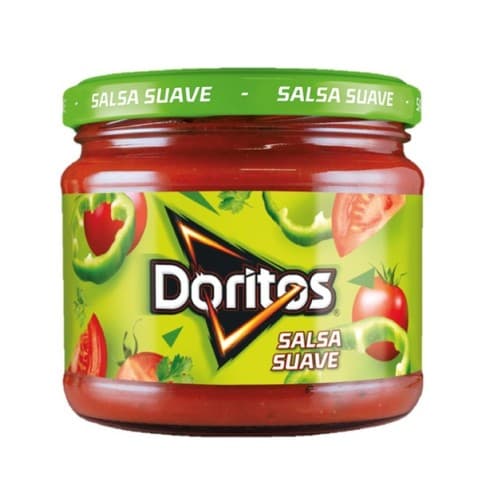 €2.99
€2.99Doritos Mild Tomato Sauce
DORITOS · kg · Bonpreu
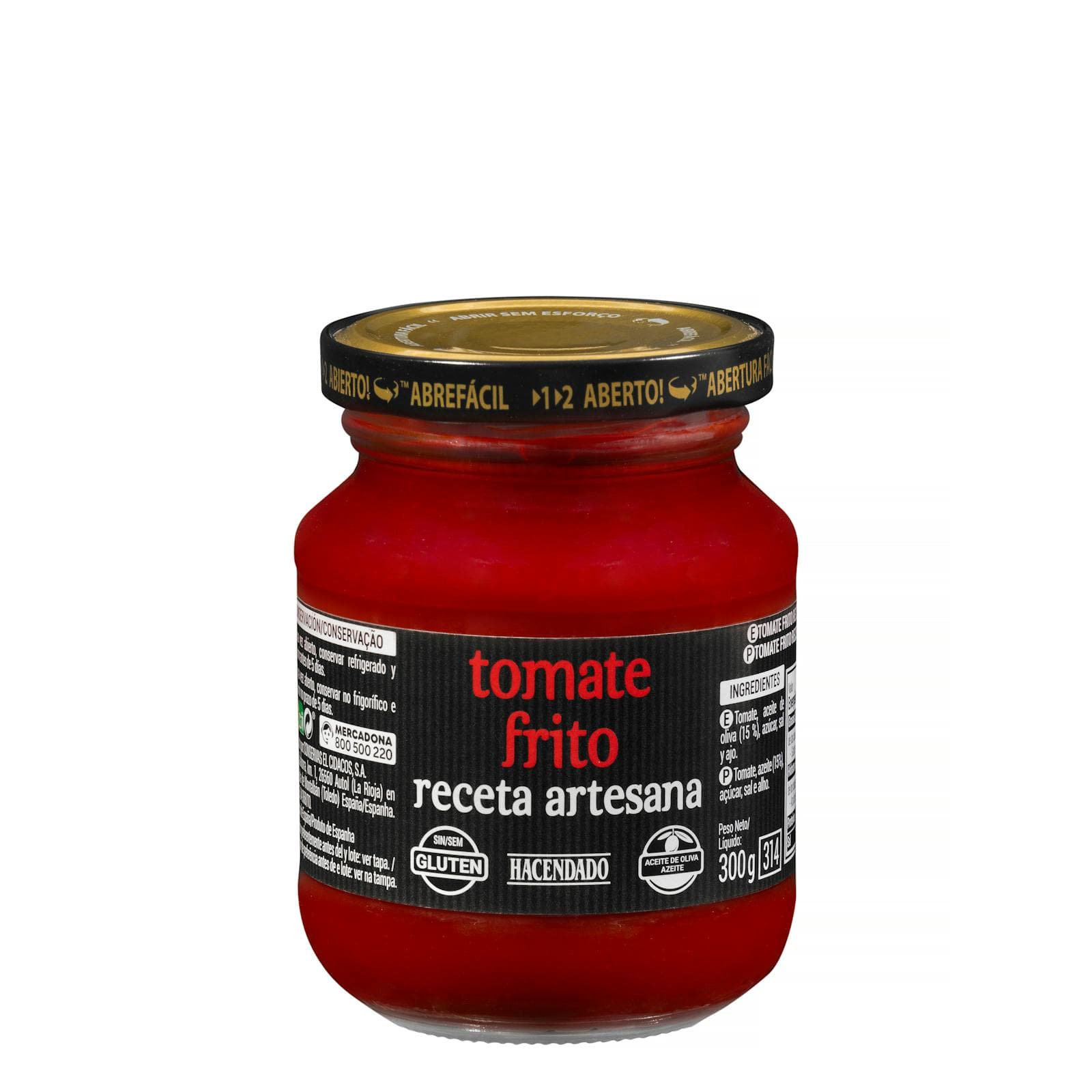 €1.40
€1.40Artisan Fried Tomato Sauce
Hacendado · 300 g · Mercadona
Good to know
- Definition (US standard)
- Concentrated tomatoes containing at least 24% natural tomato soluble solids (USDA 21 CFR 155.191); thicker and more concentrated than puree or sauce.
- How it's made
- Ripe tomatoes are crushed, briefly cooked, strained to remove seeds and skins, then cooked a second time — often under vacuum — to drive off water.
- Solids content
- Regular canned paste runs 24–29% solids; double-concentrated tube versions are commonly 28–32%+ solids with denser flavor.
- Flavor profile
- Intensely savory with concentrated umami, mild sweetness, and lower acidity than raw tomato; raw it can taste tinny or metallic until cooked.
- Color change when cooked
- Deep brick red straight from the container; darkens to an almost oxblood hue when bloomed in fat, signaling developed flavor.
- Common packaging (US)
- 6 oz (170 g) and 12 oz cans; 4.5–5.5 oz (130–160 g) squeeze tubes; 7 oz glass jars.
- Storage once opened
- Transfer canned paste to a glass or food-grade plastic container with a tight lid and refrigerate for 5–7 days; tubes last several weeks to a few months sealed; frozen paste keeps 3–6 months.
- Yield from fresh
- Roughly 5–7 lb (2.3–3.2 kg) of fresh tomatoes per 6 oz can of paste, depending on variety and moisture content.
Substitutes
- Tomato puree — Thinner at roughly 9–12% solids; use about double and simmer to concentrate, though flavor will be less intense and more acidic.
- Tomato sauce — Already seasoned and very thin; needs significant reduction and may throw off the salt and herb balance of the dish.
- Passata (strained raw tomatoes) — Bright and uncooked; reduce hard to mimic paste's cooked depth, and expect a fresher, less savory result.
- Ketchup — Emergency substitute only — adds sugar and vinegar; workable in meatloaf or sloppy joes, wrong for delicate Italian sauces.
- Sun-dried tomato paste — Much more concentrated and intensely flavored than regular paste; use roughly a third as much and taste as you go.
- Harissa or other chili paste — Different flavor profile but provides similar concentrated savory-sweet depth; works well in North African and Middle Eastern dishes.
- Red or dark miso — Not tomato, but adds comparable umami depth in meat dishes and stews — a useful savory stand-in when you have no tomato product at all.
Pairs with
Also called
tomato concentrate · double concentrate · tomato puree (UK)