
Natural form
A poured glass of red wine showing its deep ruby color and clarity.
Shows the immediate visual identity of red wine — its color, clarity, and translucency — so readers recognize it on sight.
Beverages
Red Wine
Full-bodied wine for sipping, braising, and pan sauces
Rich and tannic, red wine sips alongside a meal and deepens braises, ragùs, and pan sauces with body and fruit. Cook with one you'd drink. Store the bottle cool and dark.
Red wine is fermented from dark-skinned grapes, with the skins left in during fermentation to give color, tannin, and bold fruit. In the glass it ranges from light and bright (Pinot Noir) to dense and powerful (Cabernet, Syrah), all carrying notes of dark fruit, spice, and an astringent tannic grip. In cooking, red wine is one of the great flavor builders: its acidity, tannin, and fruit deepen braises, ragùs, stews, and pan sauces, tenderize and flavor marinades, and reduce into glossy, complex reductions. The cardinal rule — cook with a wine you'd happily drink, but not your finest bottle. As an alcoholic ingredient, much of the alcohol cooks off in reductions but not all — worth keeping in mind for dishes served to anyone avoiding alcohol.
- Measured in
- ml
- Storage
- Room Temperature
Allergens
Find it in
Types & varieties
Bright, low tannin — delicate sauces
Versatile all-rounders
Bold, tannic — beef and game braises
How to use in cooking
Red wine works through long, slow reduction. Deglaze a fond with it, then simmer down braises like boeuf bourguignon, coq au vin, and short ribs until the harsh alcohol and raw tannin mellow into deep, savory fruit. A quick pan-sauce reduction needs just minutes; a marinade uses the acid and tannin to flavor and slightly tenderize. Reduce it well — under-cooked red wine tastes sharp and boozy.
How to choose
Pick a dry, fruit-forward, medium-bodied red without heavy oak — a basic Côtes du Rhône, Merlot, or Chianti is ideal. Avoid 'cooking wine' (salted and low quality) and avoid very tannic or very oaky bottles, which can turn bitter when reduced. Light reds suit delicate sauces; bold reds suit beef and game.
Common uses
Tips & pitfalls
- Cook with a wine you'd drink — flaws concentrate as it reduces.
- Reduce thoroughly; under-cooked wine tastes harsh and boozy.
- Avoid salted 'cooking wine' and overly tannic bottles.
- Match weight: light reds for delicate dishes, bold reds for beef.
Nutrition
Energy
79 kJ · per 100 g
Where the calories come from
Protein
0g
0% DV
Carbs
0.3g
0% DV
Fat
0g
0% DV
Fiber
0g
0% DV
Sugars
0g
of which
Sodium
8mg
0% DV
Source · USDA FoodData Central · approx. Vinegar, red wine
View on FDC →In the shops
Matched grocery products
No matched grocery products for Red Wine yet.
Good to know
- Flavor
- Dark fruit, tannic, spicy, acidic
- Use in cooking
- Braises, stews, ragù, pan sauces, marinades
- Alcohol?
- Yes — ~12–15% ABV
- Substitute base
- Beef stock + red grape juice + splash of vinegar
- How to store
- Cool and dark sealed; refrigerate opened, use in days
Substitutes
- Beef stock + red grape juice + vinegar — Non-alcoholic: body, fruit, and acidity
- Dry sherry or Marsala — Fortified swap for richer sauces
- Pomegranate juice + stock — Non-alcoholic: tannic, fruity depth
Also called
red wine · vino tinto · vi negre
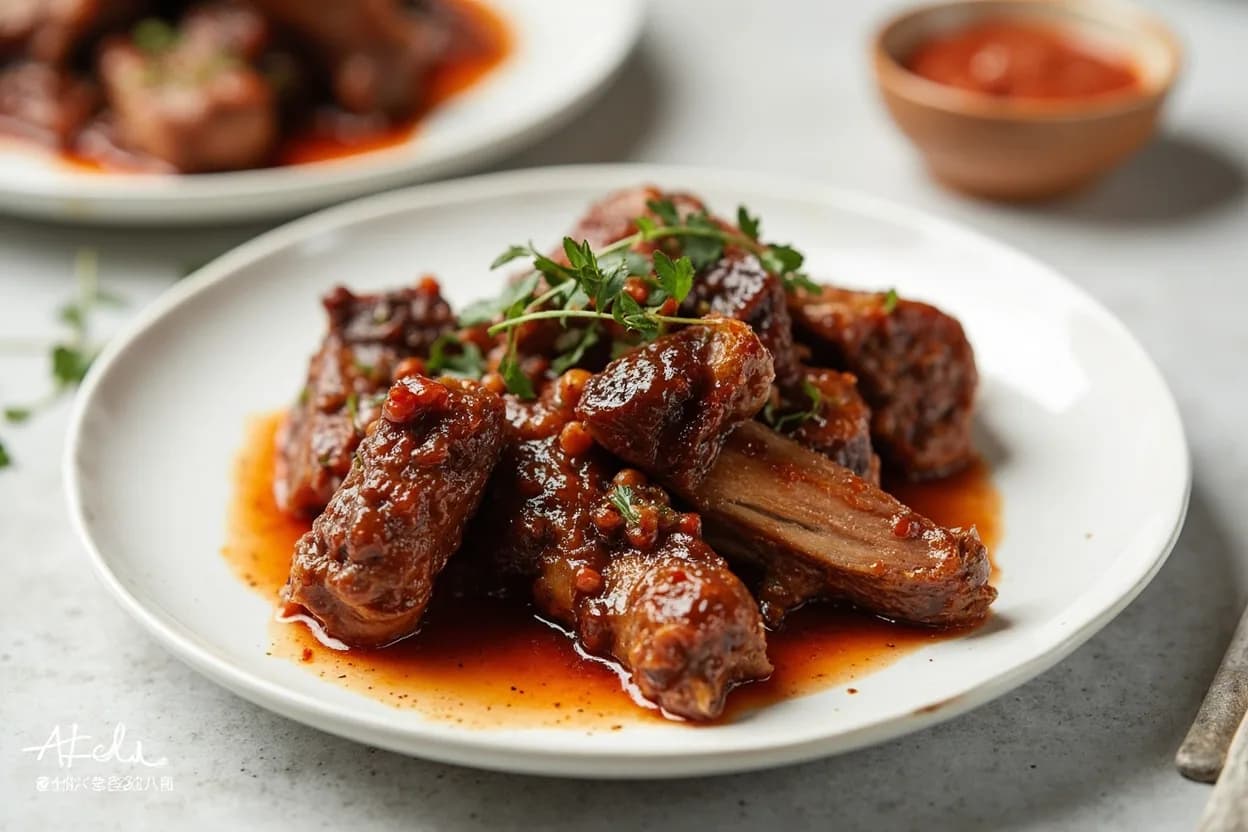
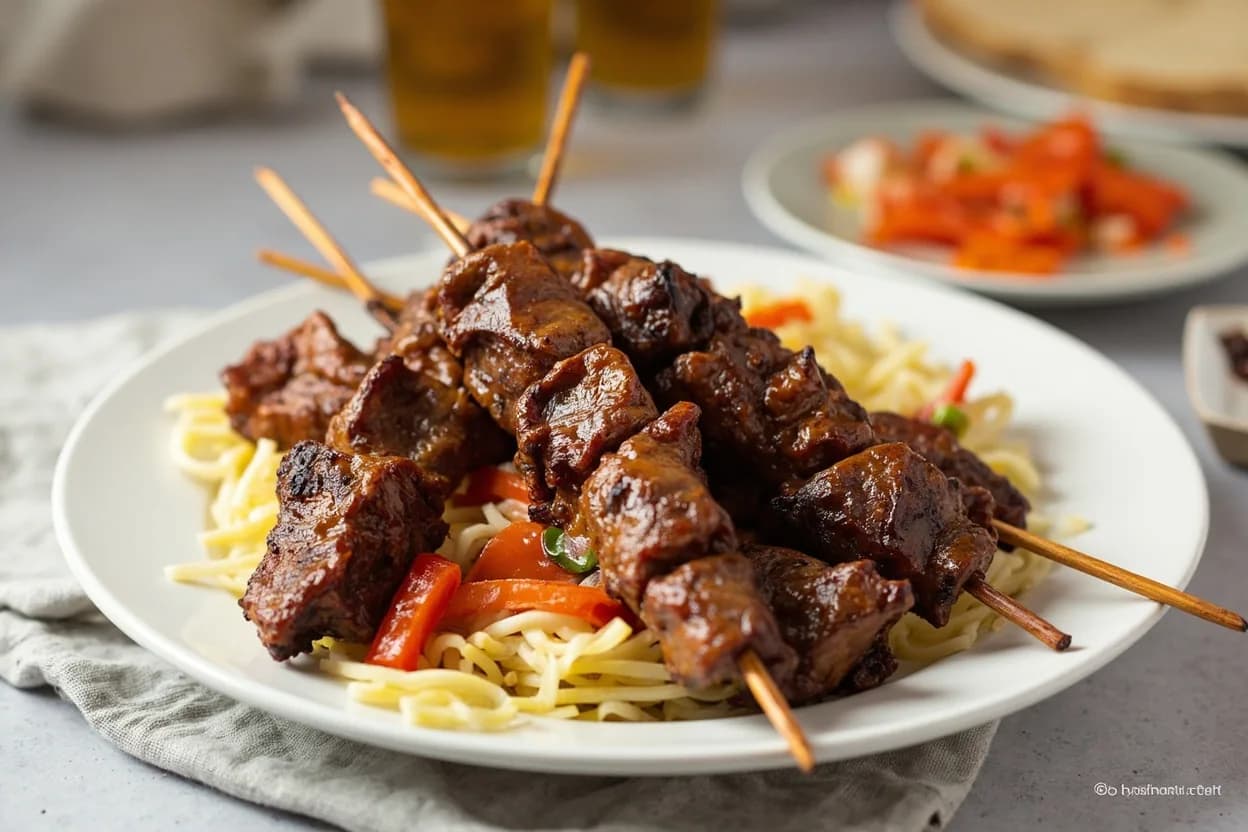
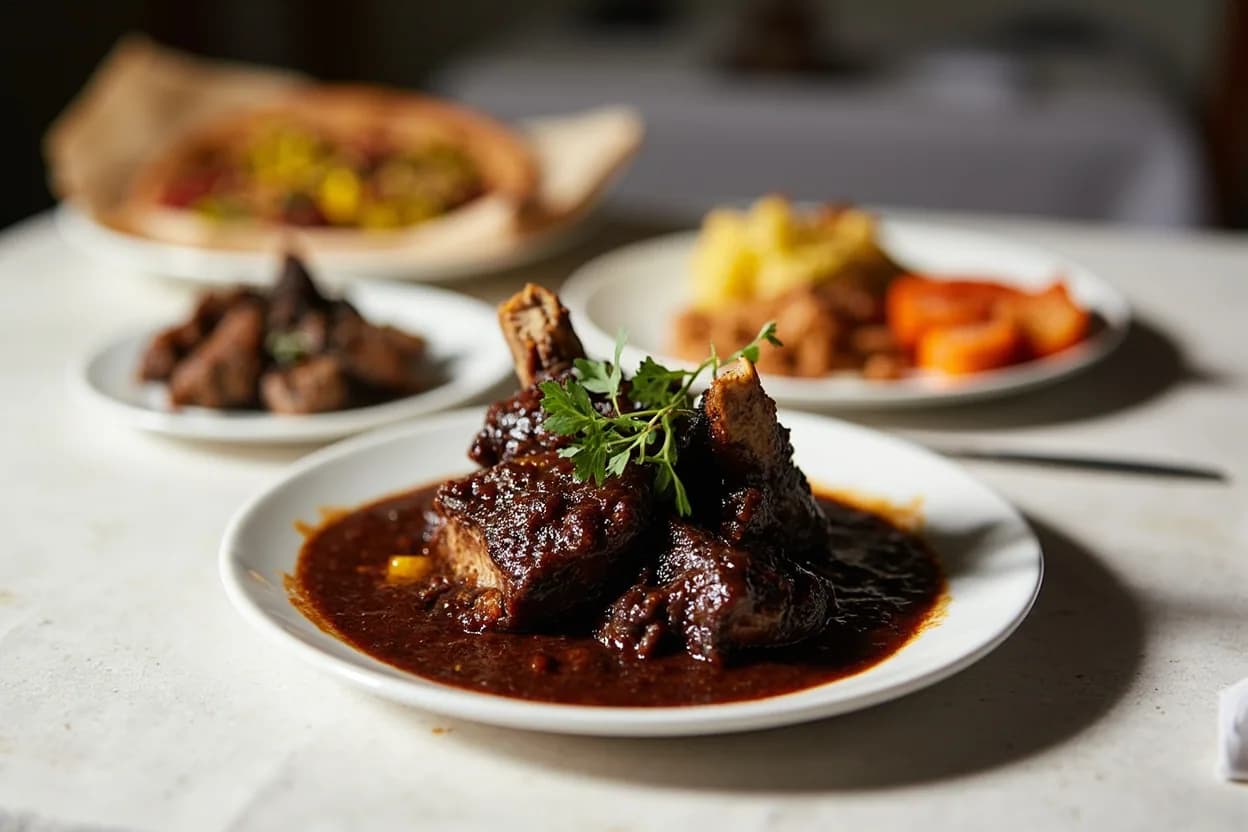
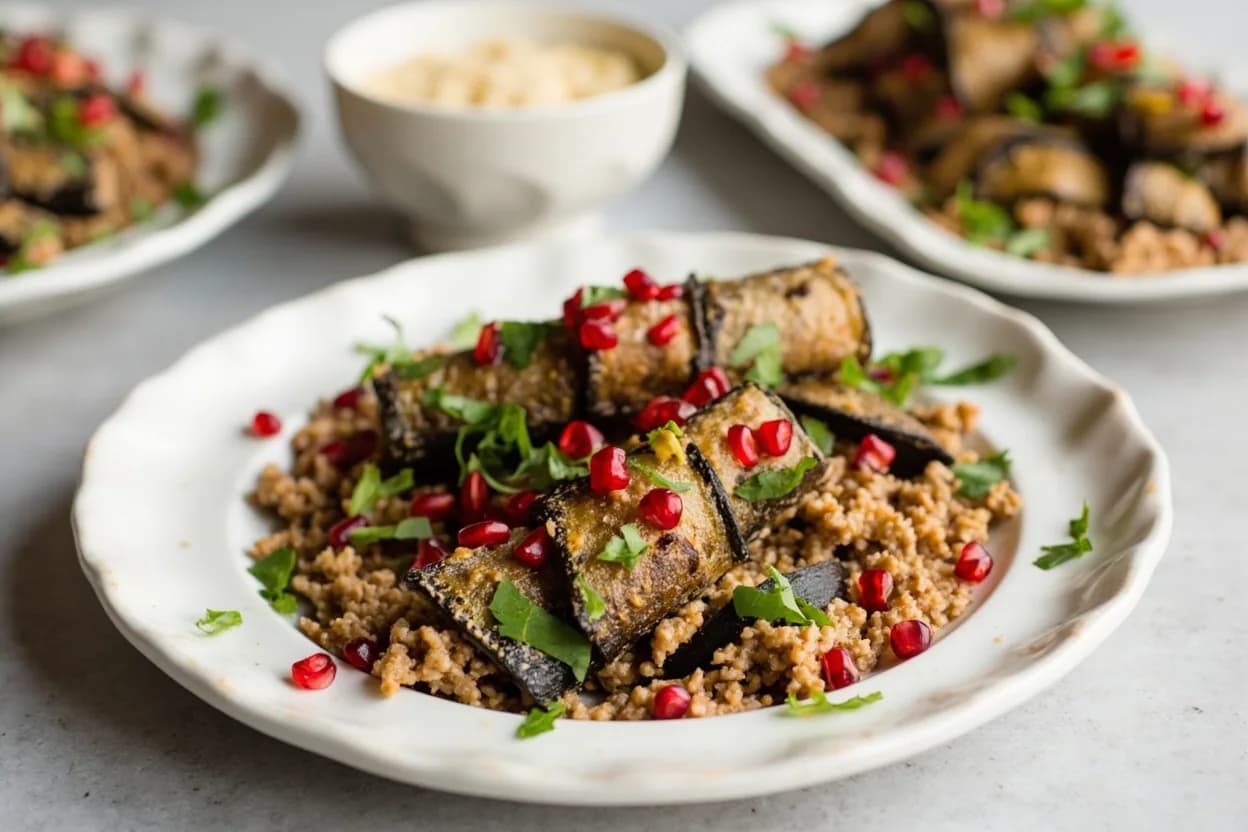
Appears in these dishes
Related

White Rum
Light, clean rum for mojitos, daiquiris, and piña coladas

Dark Rum
Rich, molasses-deep rum for tiki drinks and sipping

Tequila
Bright agave spirit for margaritas, palomas, and shots
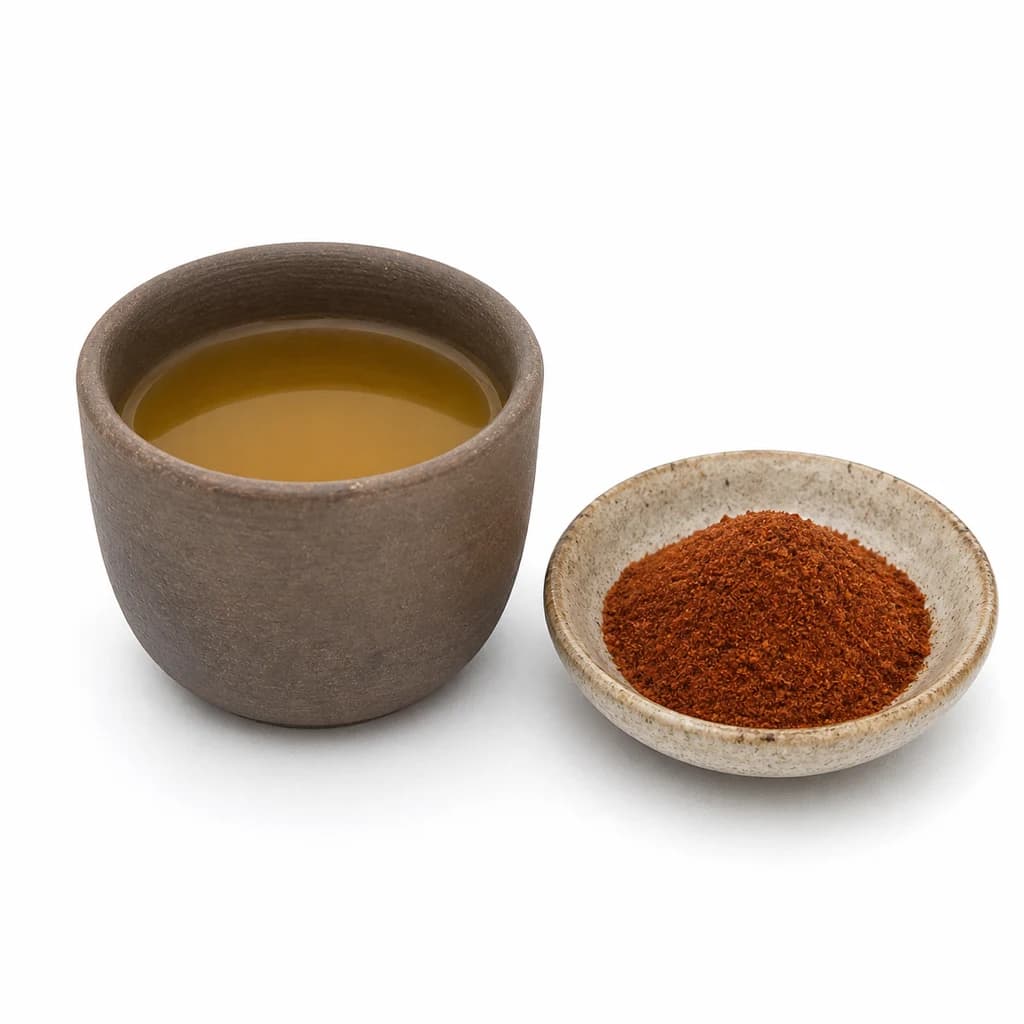
Mezcal
Smoky agave spirit for sipping and smoldering cocktails
Vodka
Clean, neutral spirit for mixing into almost any cocktail
Gin
Botanical, juniper-forward spirit for G&Ts and martinis
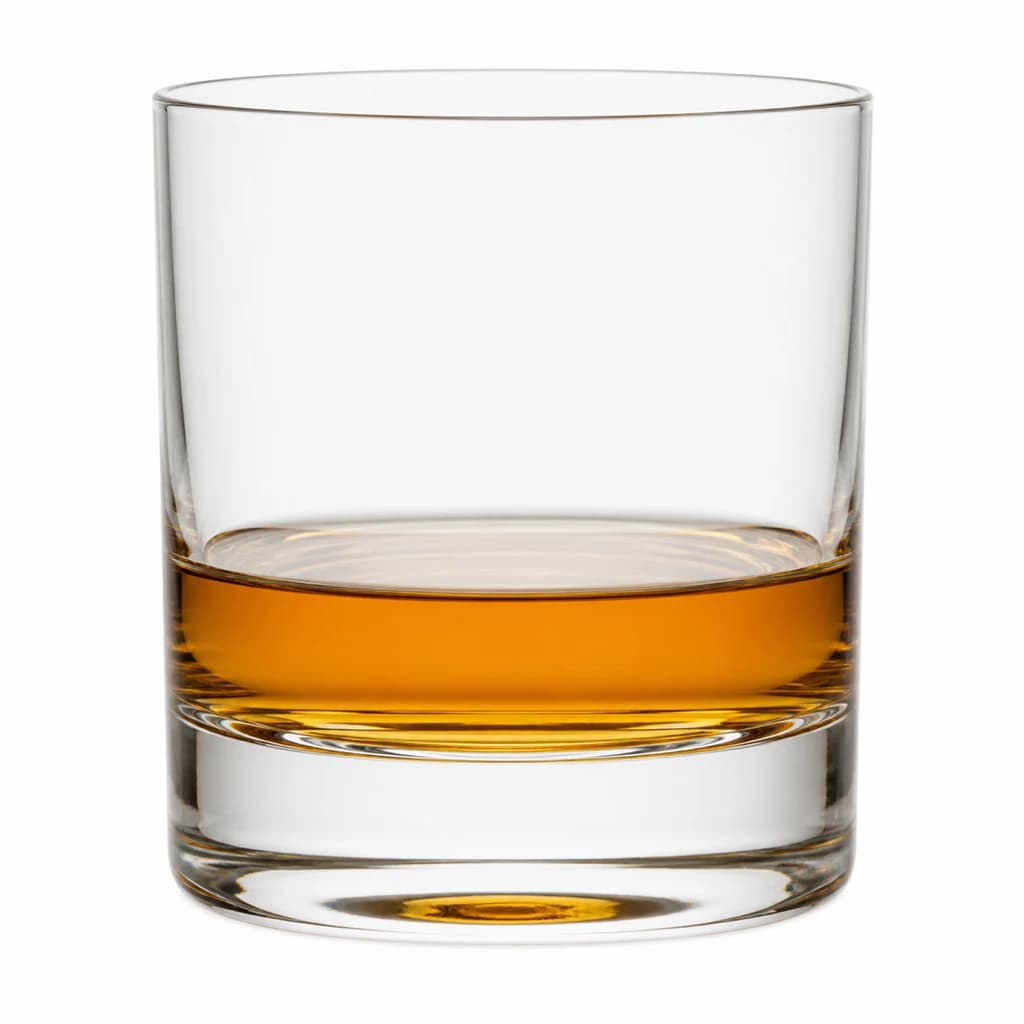
Whisky
Warm, oak-aged spirit for sipping and classic cocktails

Brandy
Rich, fruity grape spirit for sipping, sauces, and flambé