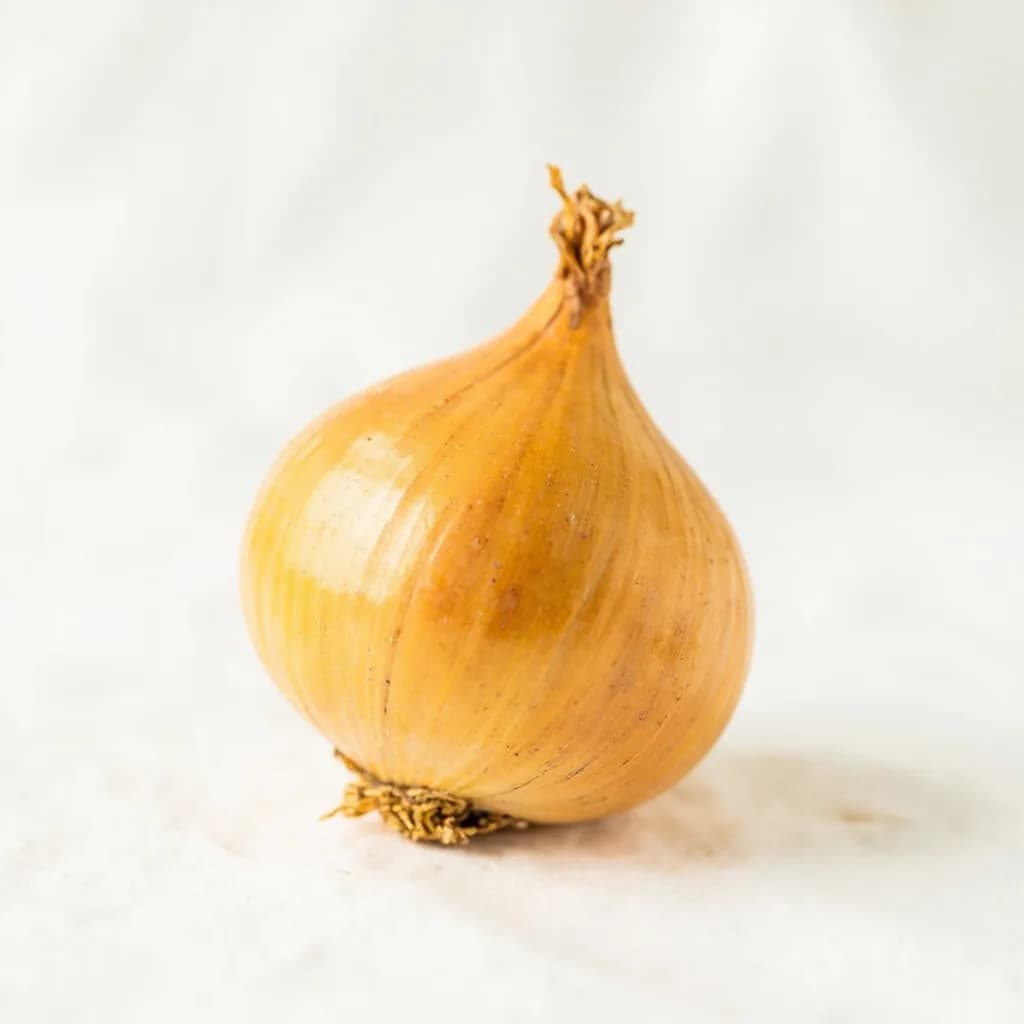
Natural form
A single yellow onion showing its papery amber-golden skin and rounded bulb form.
Shows the exterior identification markers — dry papery skin, amber-gold color, and bulb shape — that distinguish yellow onions from white or red varieties.
Produce
Yellow Onion
The aromatic backbone of soups, sofritos, and braises
Sharp and pungent raw, sweet and golden once caramelized, the yellow onion starts more dishes than any other vegetable. Keep it somewhere dark and dry and it'll last a month.
The yellow onion is the quiet engine of the kitchen — sharp and eye-watering raw, but slowly coaxed in fat it turns sweet, golden, and deeply savory. A balance of sulfur compounds (the bite) and sugars (the sweetness) makes it the default base for stocks, soups, sofrito (a slow-cooked aromatic base), mirepoix (the onion-carrot-celery base), and braises across nearly every cuisine. Few dishes start without it.
- Measured in
- piece
- Storage
- Dark Cool
- Shelf life
- 30 days
Find it in
Types & varieties
Larger, milder, juicier — good for rings and gentle cooking
Sharper, cleaner bite; common in Mexican cooking
Milder and pretty raw; bleeds color when cooked
Low sulfur, high sugar; best raw or lightly cooked
How to choose
Pick onions that feel heavy and rock-hard with tight, dry, papery skin and a small neck. Avoid any that give under pressure, show green sprouts at the top, or smell musty — those are breaking down inside.
- Heavy for its size = dense and fresh
- Dry, crackly skin
- No soft neck or sprouting
How to store
Keep whole onions in a cool, dark, dry, airy spot — a basket or mesh bag in the pantry, never sealed in plastic. Don't store them next to potatoes; the moisture and gases they swap speed spoilage in both. Cut onions go in a sealed container in the fridge for a few days.
How to prep (and stop crying)
Trim the top, halve through the root, peel, then slice or dice with the root left intact to hold the layers together. The root holds the most sulfur compounds, so cutting it last means fewer tears. A sharp knife bruises fewer cells (less released irritant), and chilling the onion 15 minutes first helps too.
Common uses
Tips & pitfalls
- Sweat onions low and slow for a sweet, translucent base; brown them harder for depth in soups and ragùs
- True caramelized onions take 40+ minutes on medium-low — anything faster is just browned
- A pinch of salt early draws out moisture and speeds softening
- Soak raw onion slices in cold water 10 minutes to tame harshness for salads and sandwiches
- Save peels and trimmings in the freezer for stock
Nutrition
Energy
167 kJ · per 100 g
Where the calories come from
Protein
1.1g
2% DV
Carbs
9.3g
3% DV
Fat
0.1g
0% DV
Fiber
1.7g
6% DV
Sugars
4.2g
of which
Sodium
4mg
0% DV
Source · USDA FoodData Central · Onions, raw
View on FDC →In the shops
Matched grocery products
 €2.40
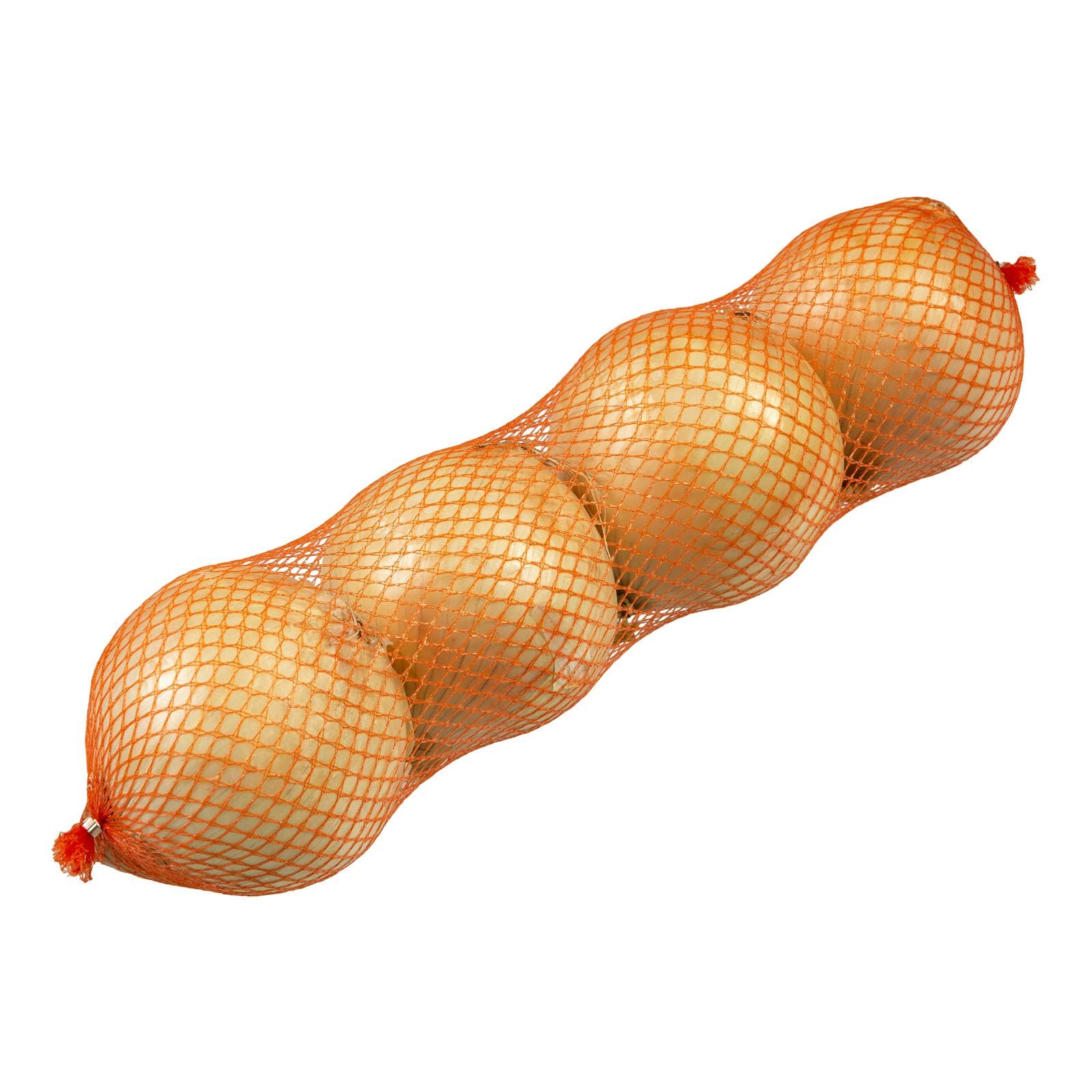
€2.40Onions
1 kg · Mercadona
 €2.50
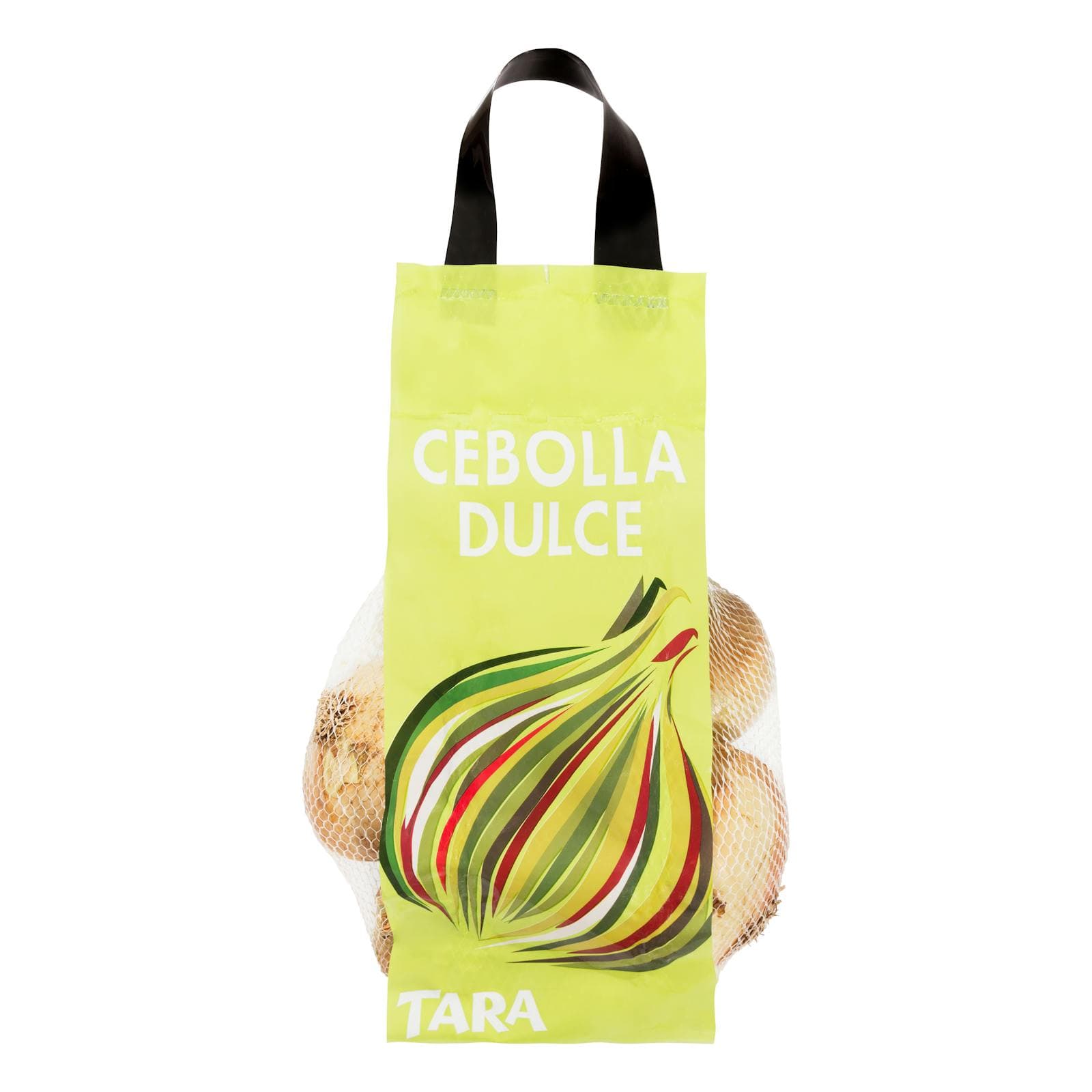
€2.50Sweet Onions
1 kg · Mercadona
 €3.90
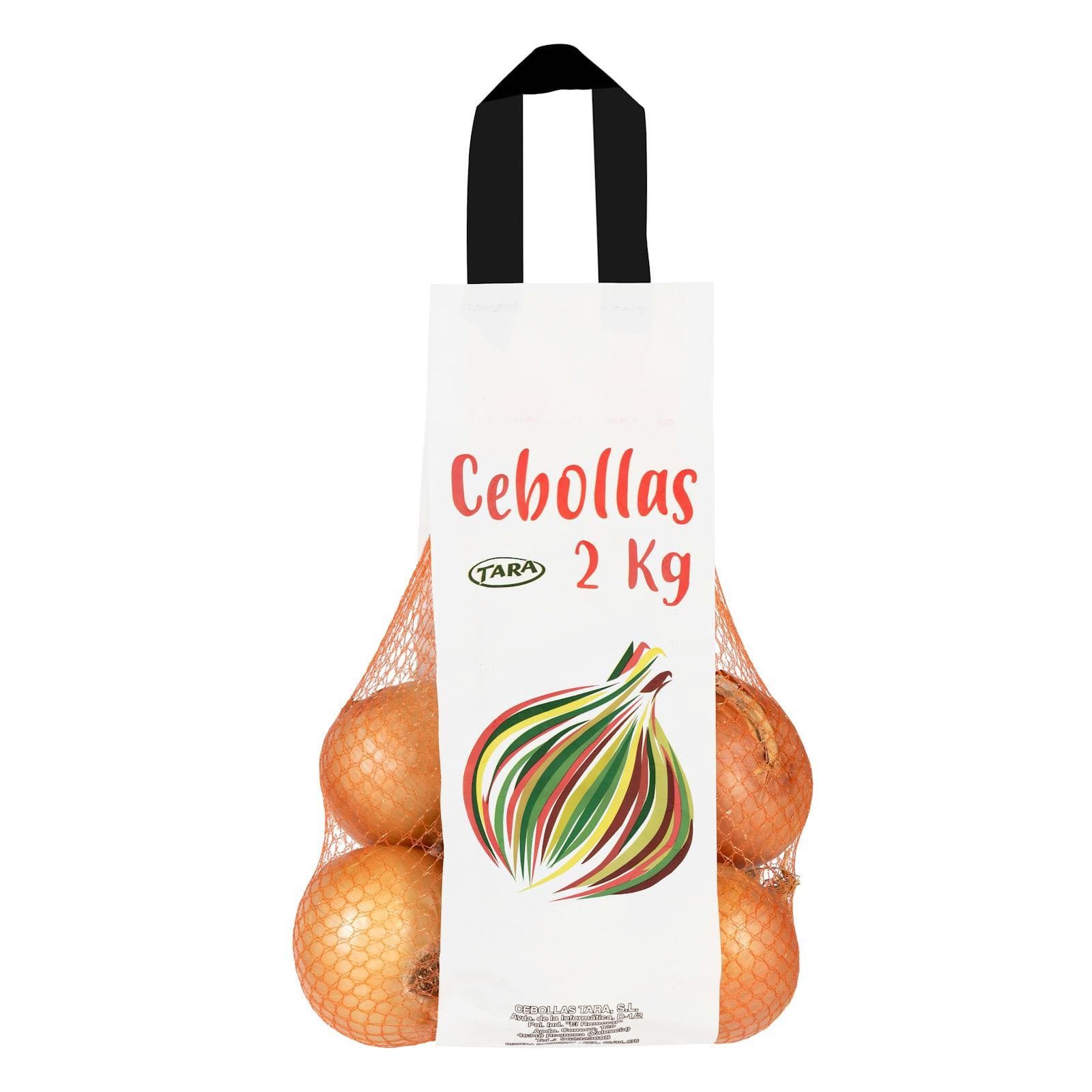
€3.90Onions
2 kg · Mercadona
 €2.00
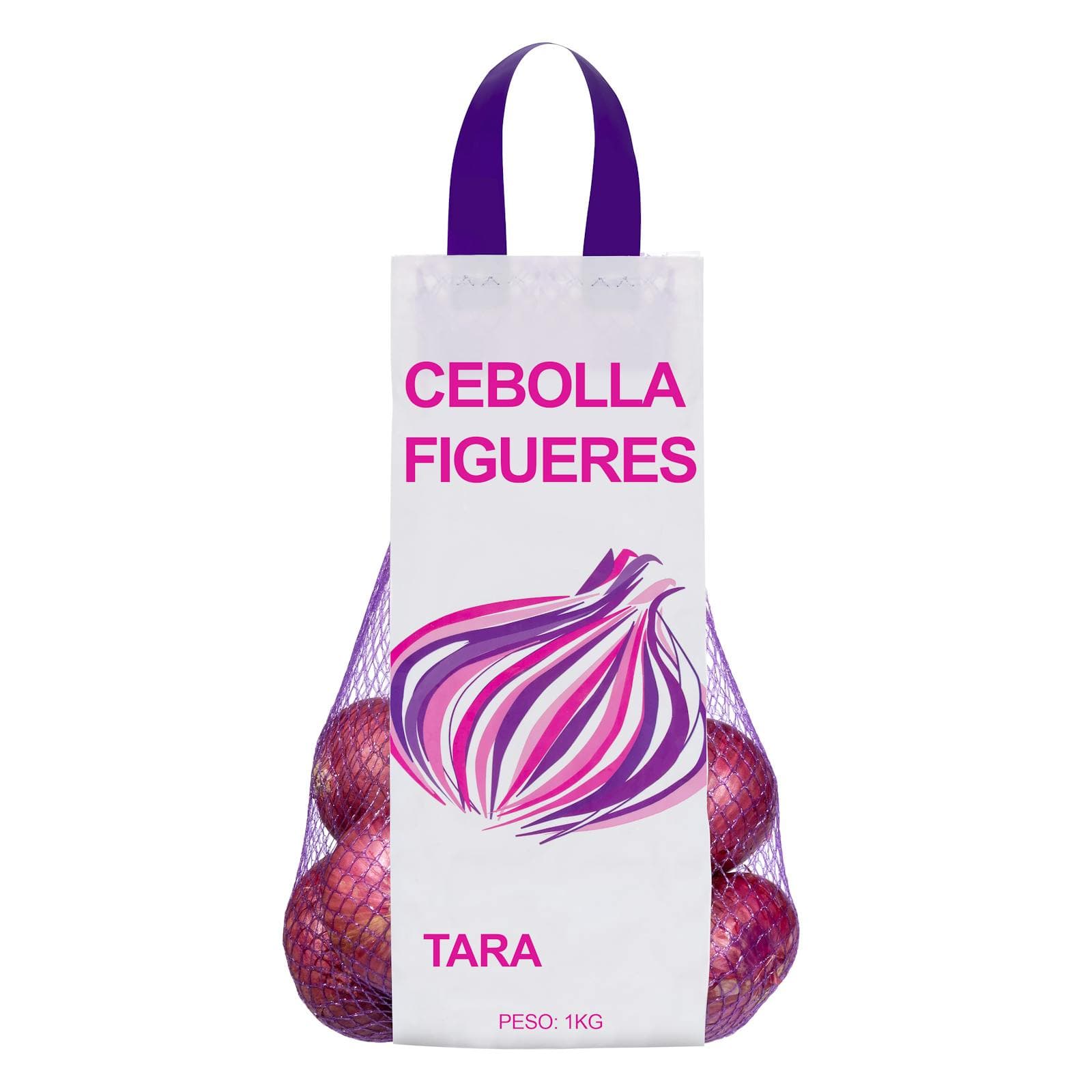
€2.00Red Onions
1 kg · Mercadona
 €1.00
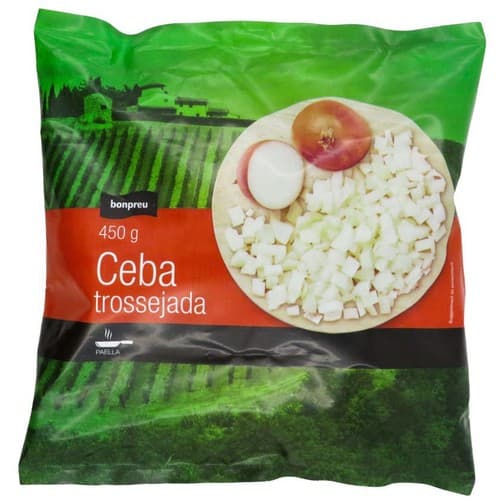
€1.00Diced Onion
BONPREU · kg · Bonpreu
 €0.68
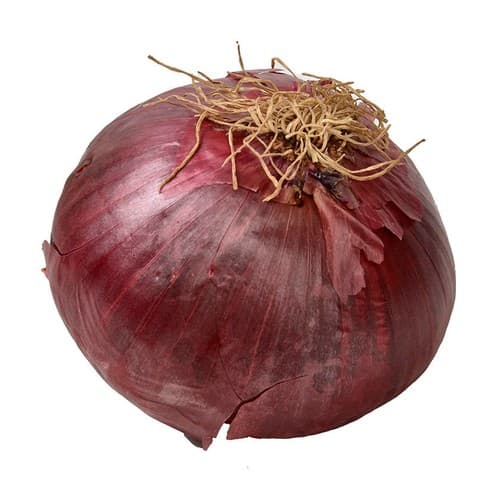
€0.68Red Onion 1 unit
ud · Bonpreu
Good to know
- Peak season
- Storage onions year-round; harvested late summer/fall
- Flavor
- Pungent and sharp raw; sweet, mellow, savory when cooked
- Origin
- Central Asia; cultivated for over 5,000 years
- Nutrition
- ~40 kcal/100g; vitamin C, fiber, quercetin
- How to buy
- Firm, heavy, dry papery skin; no soft spots, sprouts, or musty smell
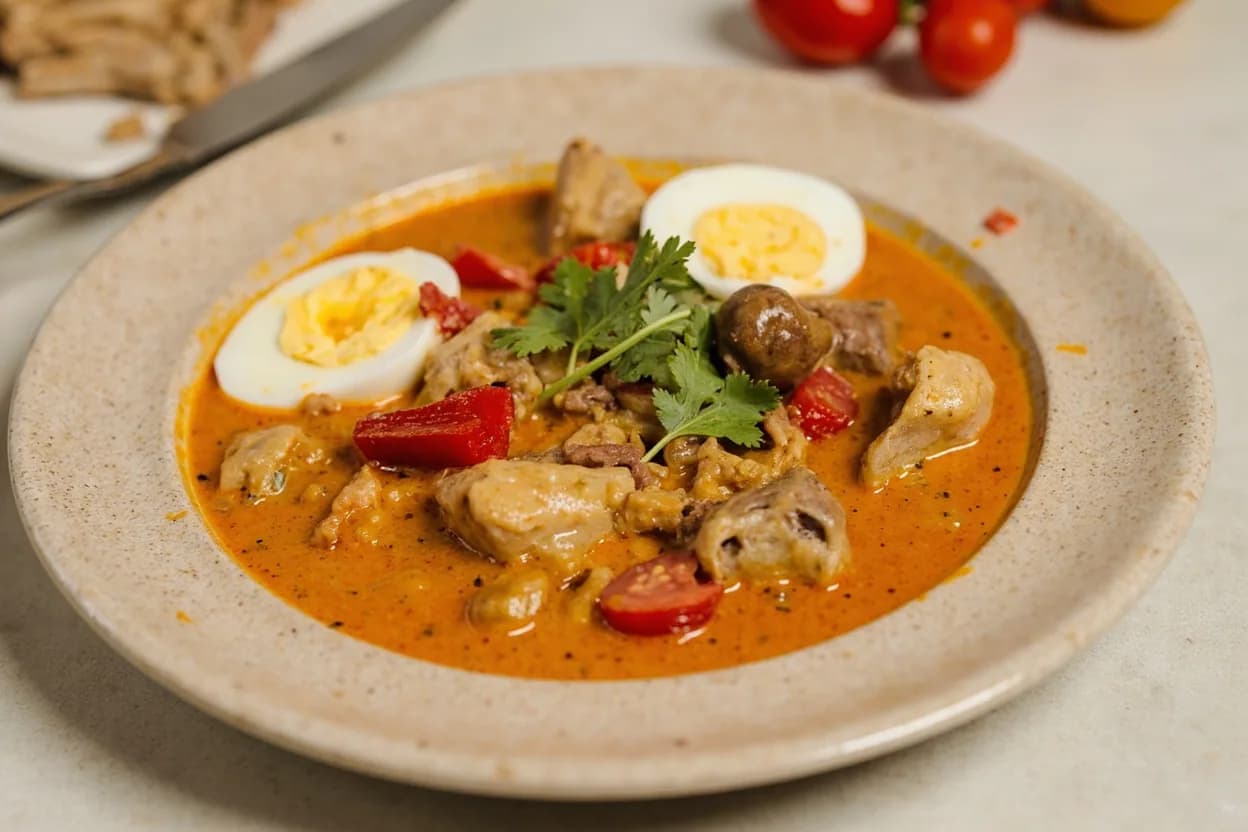
Appears in these dishes
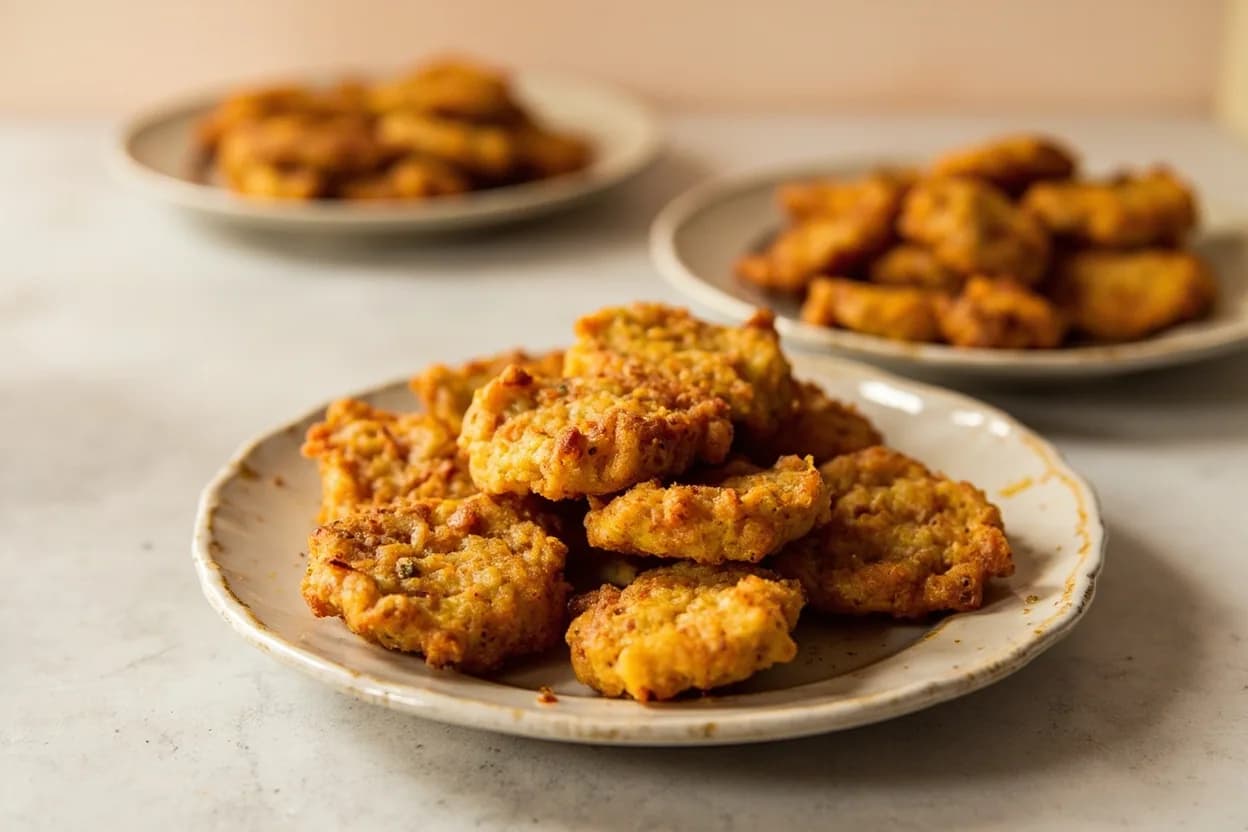
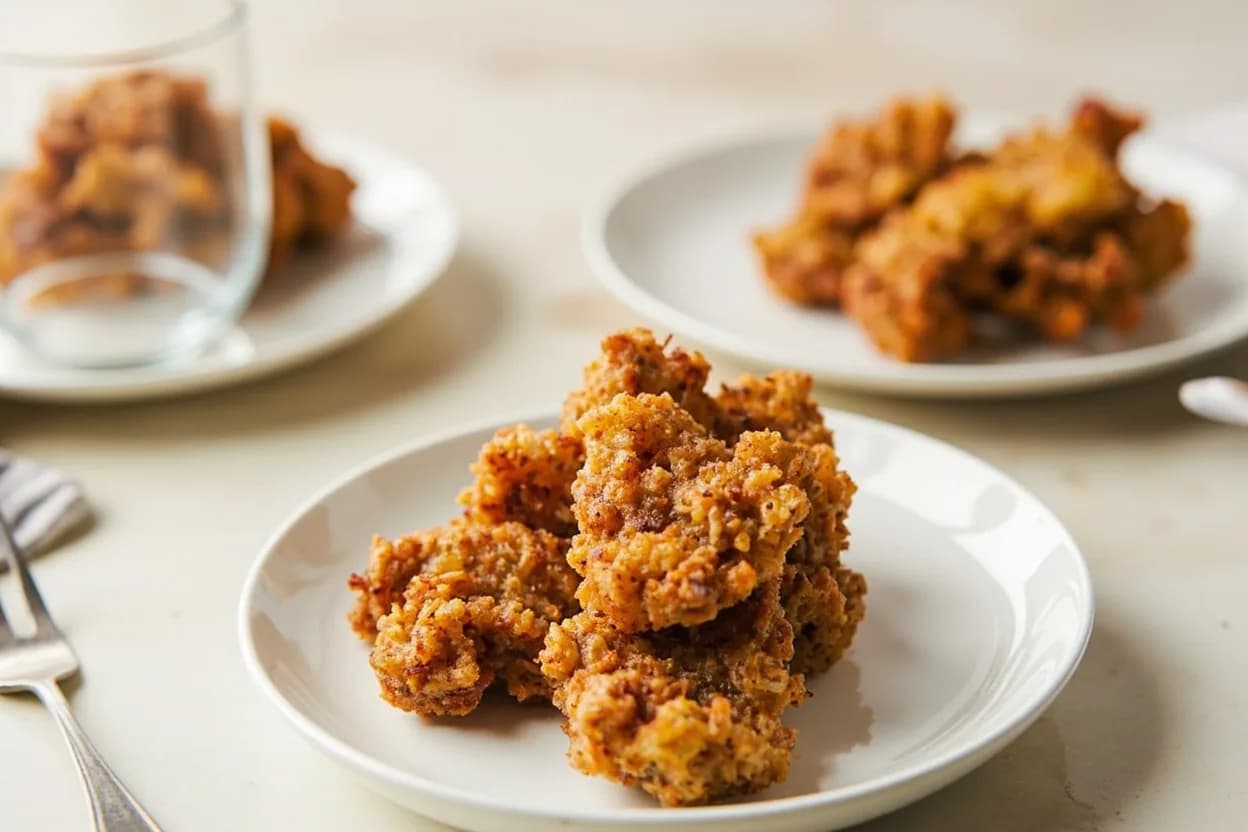
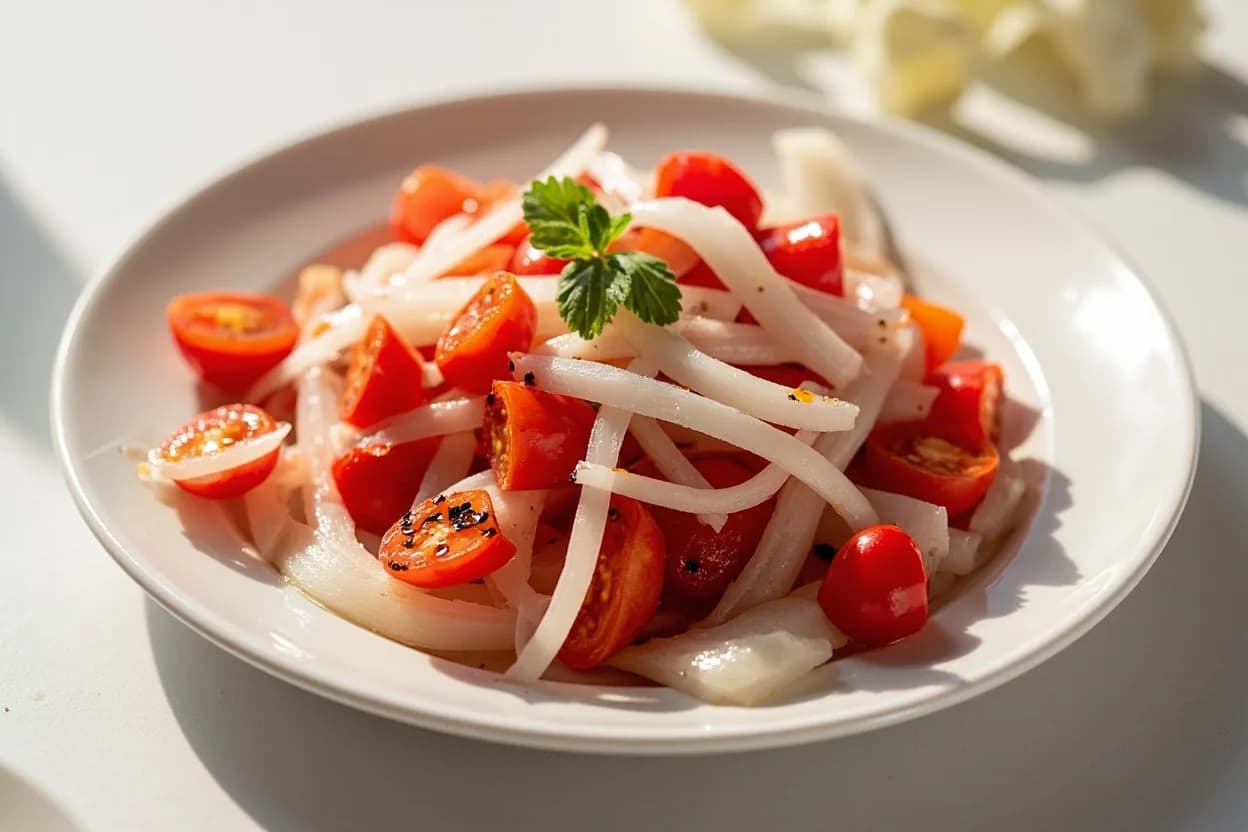
Related
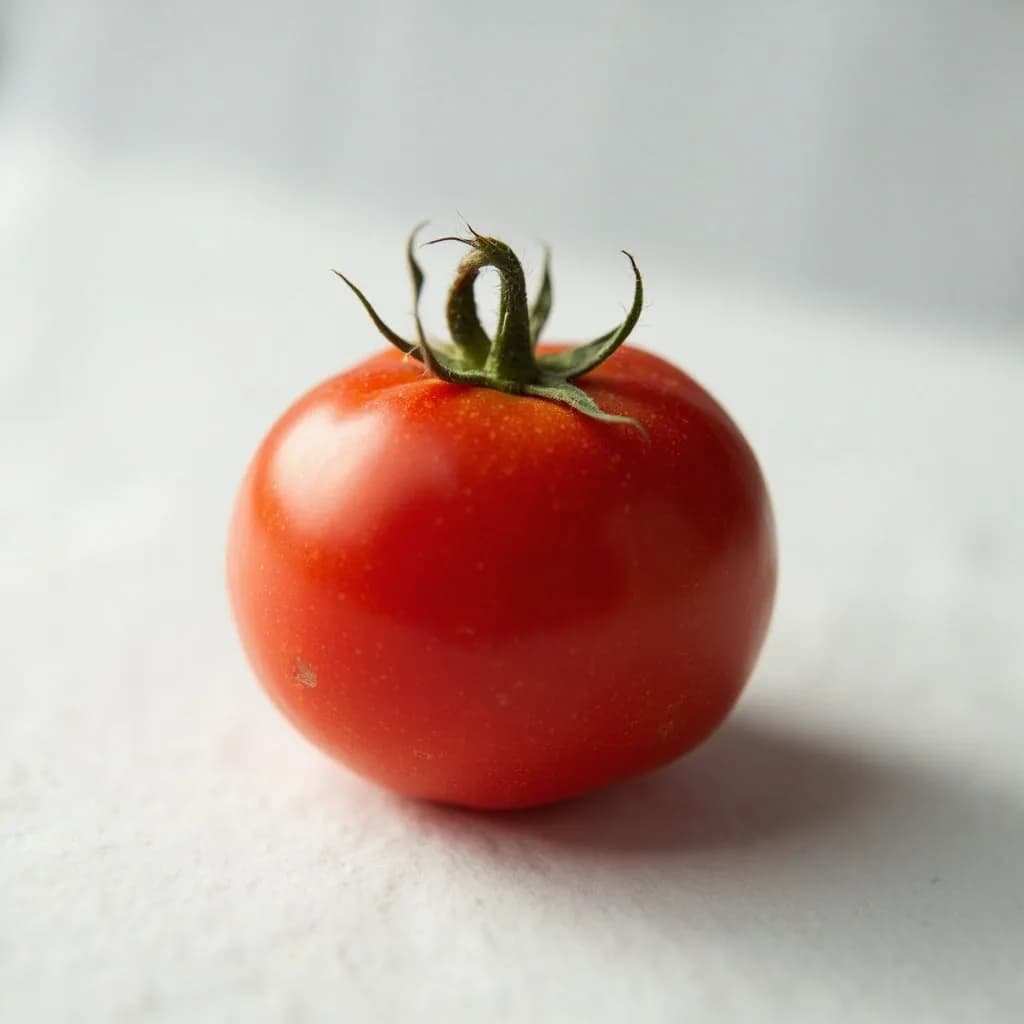
Tomato
Juicy, sun-sweet fruit for sauces, salads, and slow-cooked depth
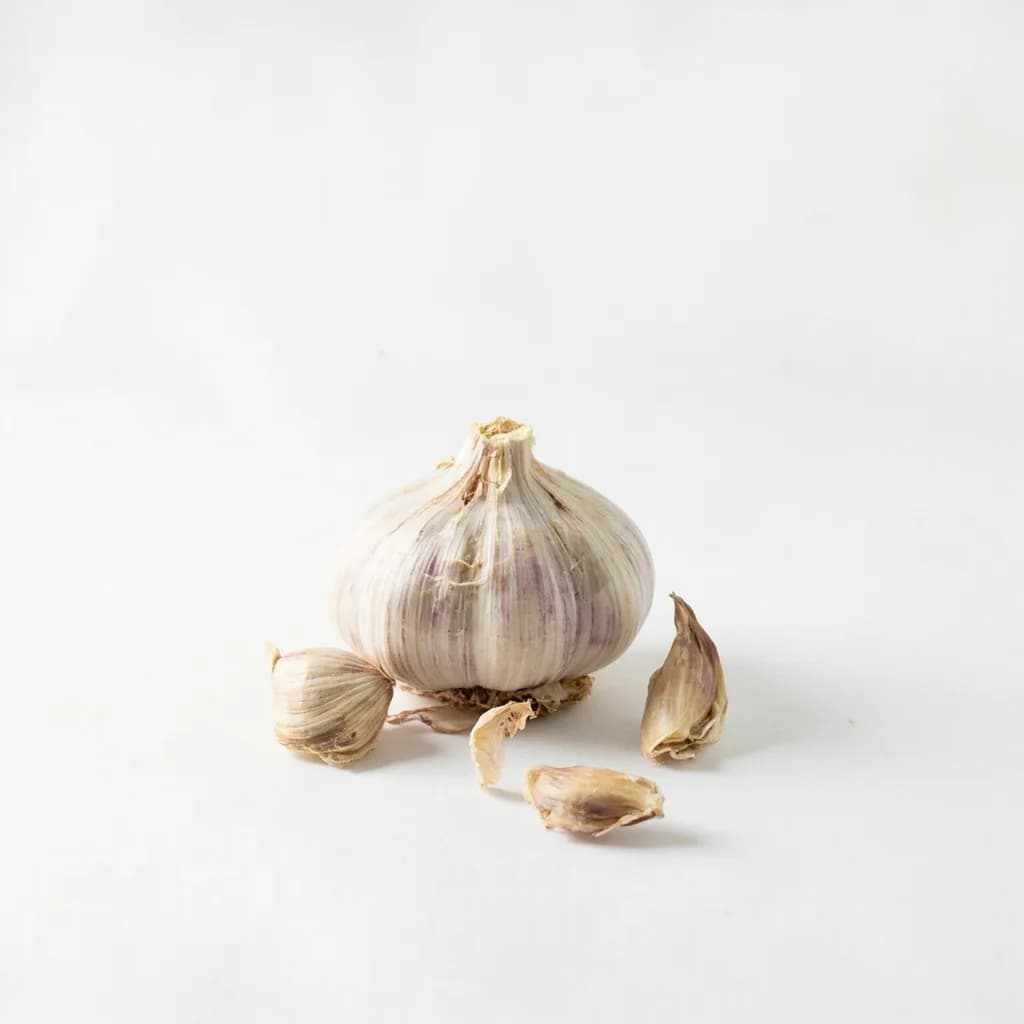
Garlic
Pungent cloves that perfume nearly every savory dish
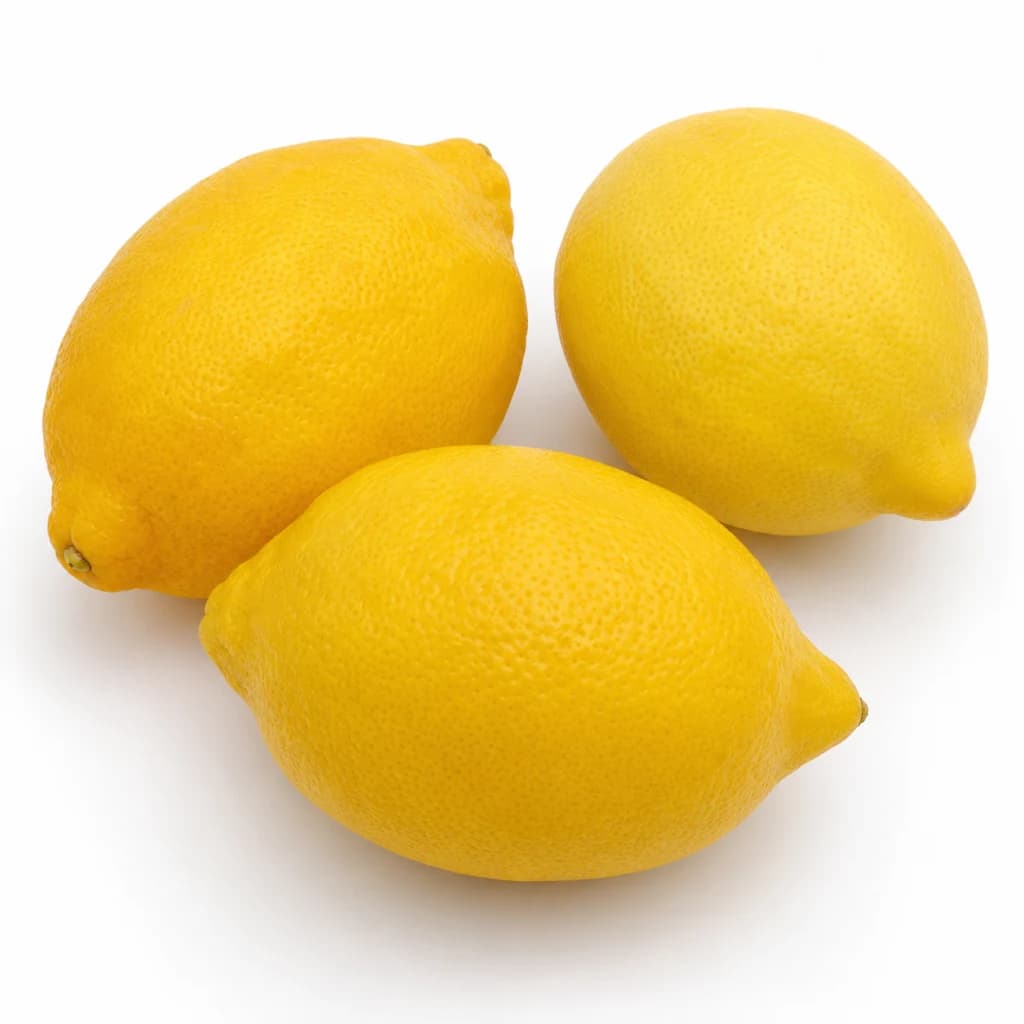
Lemon
Bright, acidic citrus that wakes up almost any dish
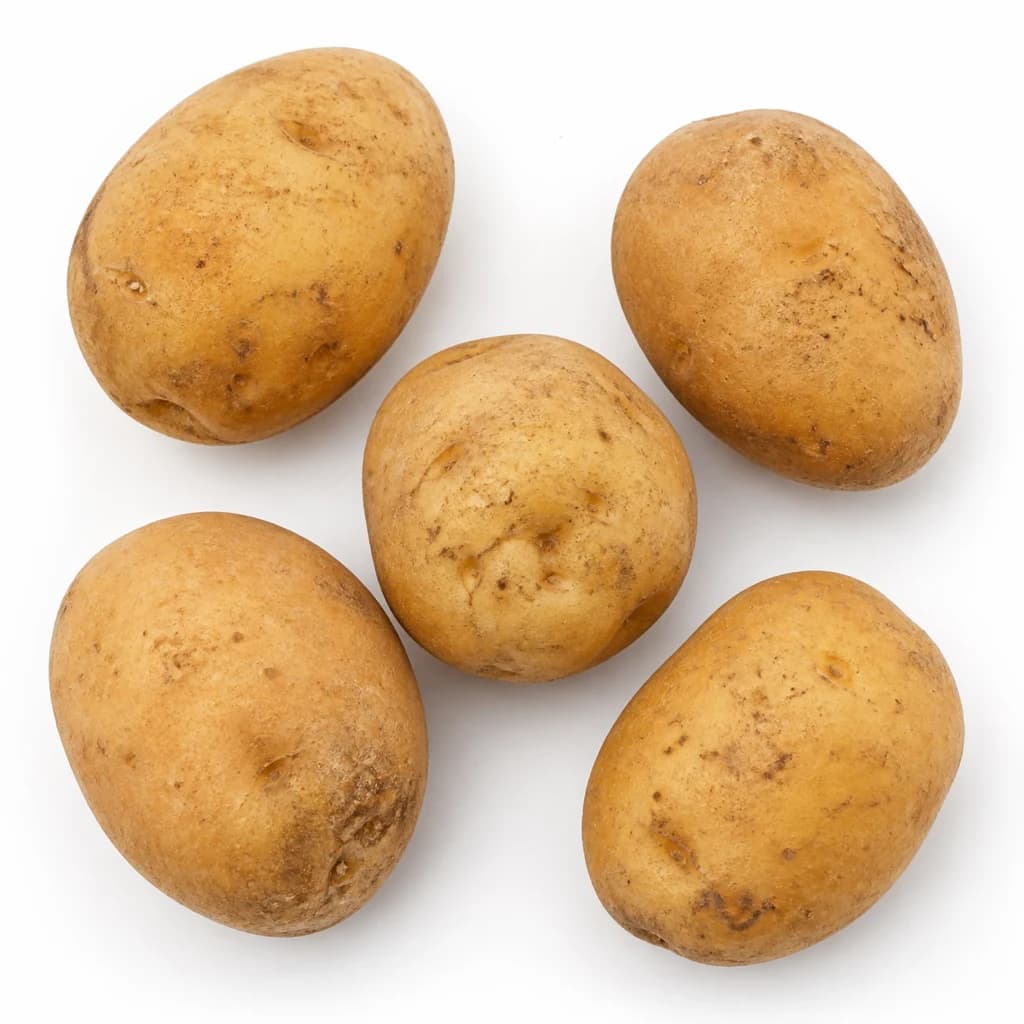
Potato
Humble, hearty staple — roast, mash, fry, or boil
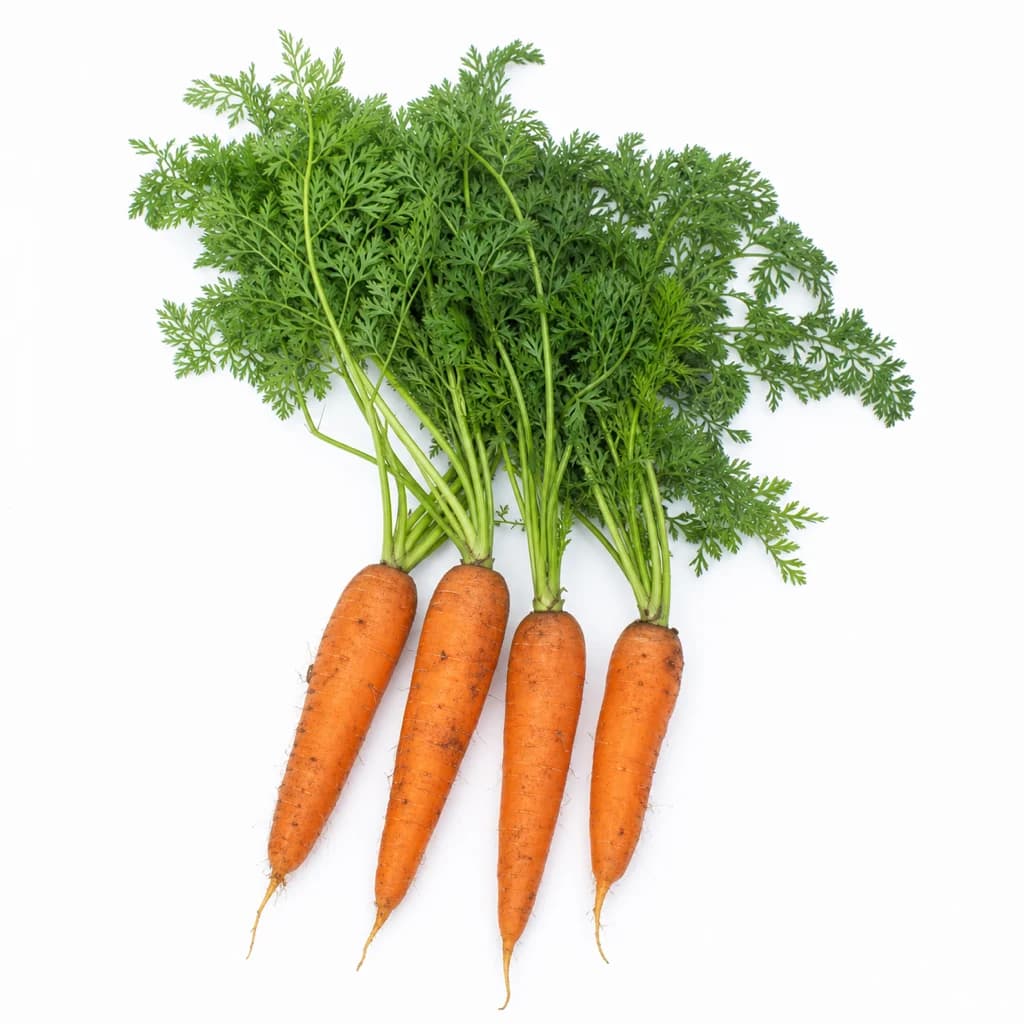
Carrot
Sweet, crunchy root — raw, roasted, or the base of a sofrito
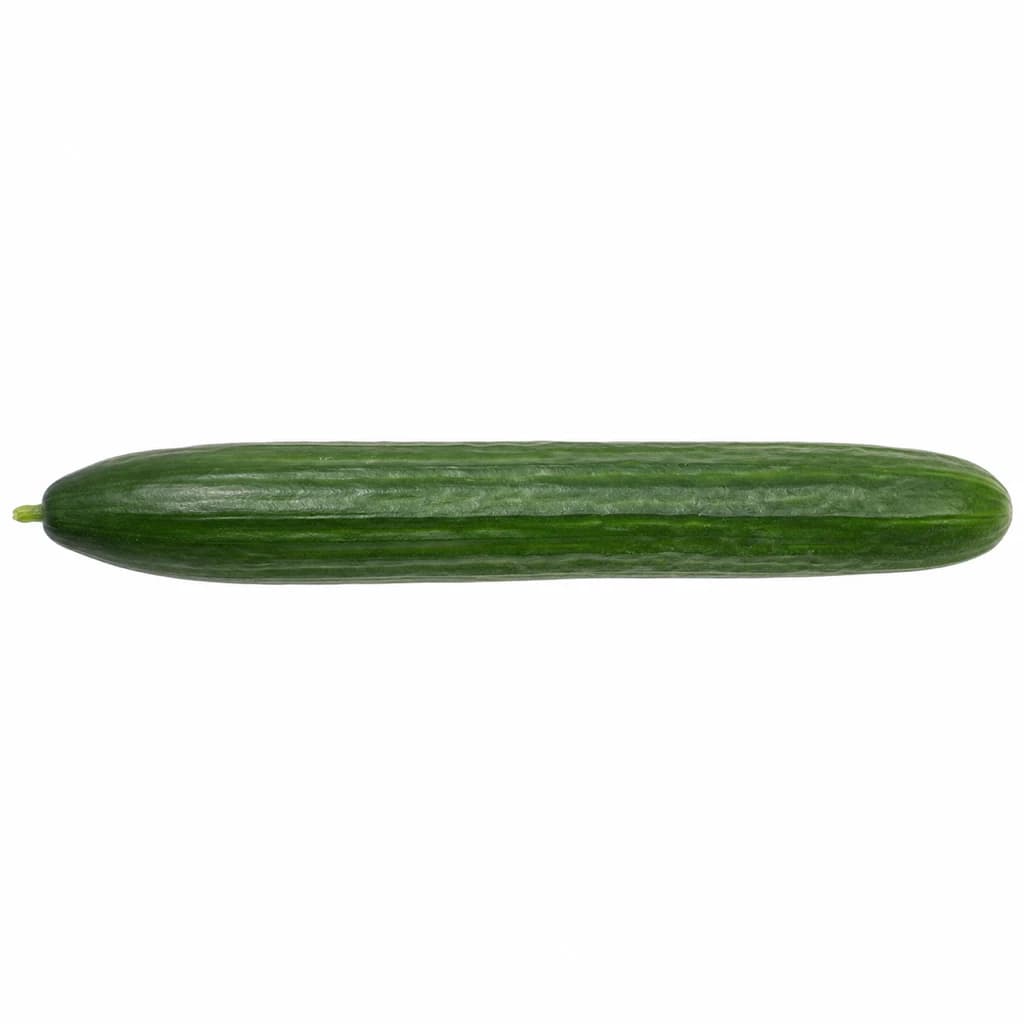
Cucumber
Cool, crisp, and watery — for salads, pickles, and tzatziki

Lettuce
Crisp leaves for salads, wraps, and a fresh crunch
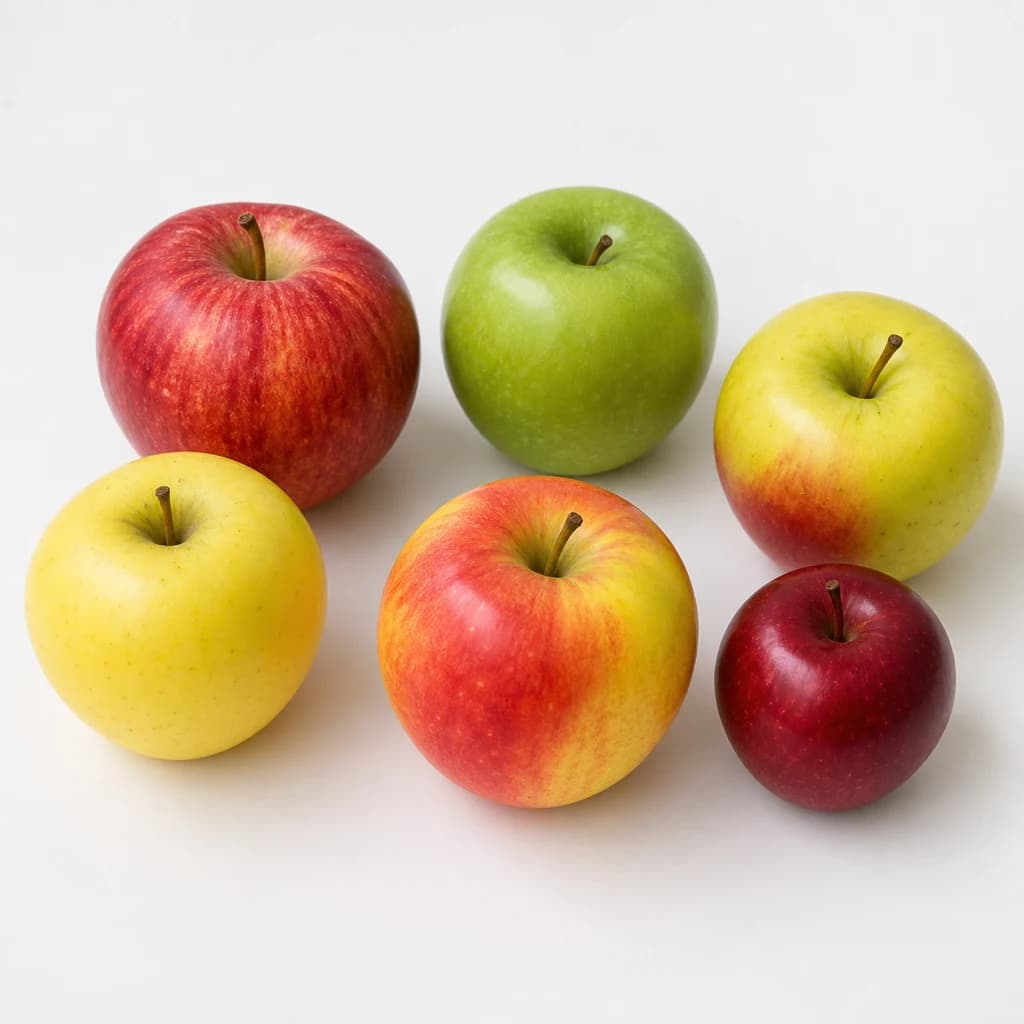
Apple
Crisp orchard fruit eaten fresh, baked, or pressed for cider.