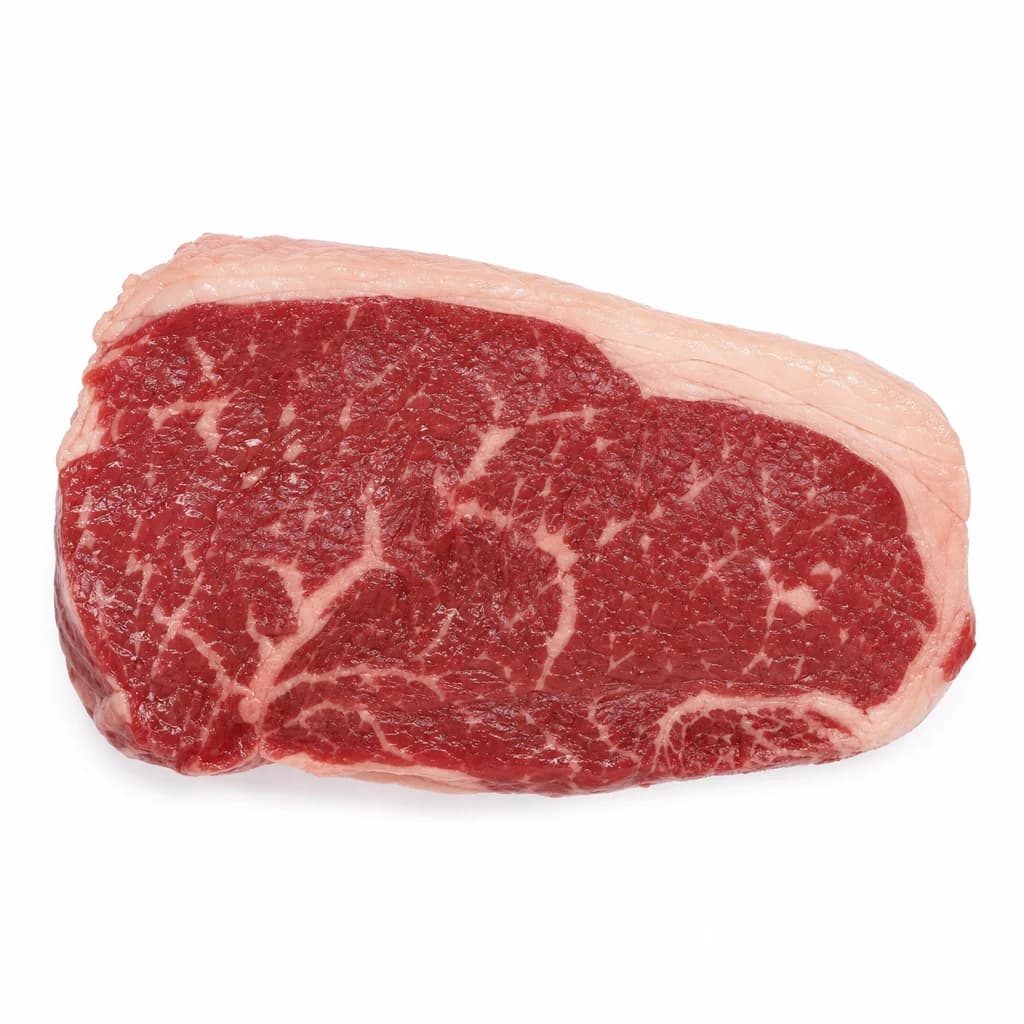
Natural form
A raw beef sirloin steak showing the characteristic deep red color and visible fat marbling.
Shows the raw form, color, and marbling that identify beef as a distinct red meat.
Proteins
Beef
Red meat from cattle, used everywhere from quick-seared steaks to long-braised stews and minced for burgers and ragùs.
Beef is the meat of cattle, cut into a wide range of grades from tender steaks to tough, collagen-rich braising joints. Lean cuts like sirloin are seared hot and fast, while chuck and brisket reward slow, moist cooking that breaks down connective tissue. It carries deep, savory umami and is ground for burgers, koftas, and sauces worldwide.
Beef is the culinary term for meat from cattle (Bos taurus domesticus), domesticated from aurochs roughly 10,000 years ago in the Fertile Crescent and now raised worldwide. It is the most consumed red meat globally, with annual production exceeding 70 million metric tons, centered in the US, Brazil, and China. From Argentine asado to Japanese yakiniku, beef occupies a central role in nearly every culinary tradition because of its rich, distinct flavor and remarkable versatility: it can be quick-seared over blazing heat, roasted to a rosy center, braised low and slow until collagen dissolves into glossy gelatin, or ground and seasoned into burgers, meatballs, and Bolognese.
The single most important fact about beef is that cut location determines cooking method. Muscles that do heavy work—chuck, brisket, shank, and round—contain abundant connective tissue (collagen) that breaks down only with sustained moist heat, yielding fork-tender results. Muscles that do little work—tenderloin, rib, top sirloin—stay naturally tender and demand quick, high-heat cooking to develop a crust without overcooking the center. Fat content and marbling (intramuscular fat) follow a similar gradient: the more marbling, the richer and more forgiving the cut.
Beef's deep red color comes from myoglobin, an oxygen-storing protein far more abundant than in pork or poultry. Always purchase from reputable sources, keep beef cold below 40°F (4°C), avoid cross-contamination with other foods, and cook to USDA safe temperatures (160°F/71°C for ground; see doneness guide for intact cuts).
- Measured in
- g
- Storage
- Fridge
Types & varieties
Chuck (stew, pot roast, ground), rib (ribeye, short ribs), short loin (T-bone, NY strip), sirloin (top sirloin, tri-tip), round (roasts, cube steak), brisket (smoked, braised), plate (skirt, short ribs), flank (flank steak, ground), shank (soup, osso buco)
Veal (8–20 weeks, pale and tender), bob veal (under 3 weeks), calf (3 weeks–9 months), yearling, mature beef
Grass-fed (leaner, earthy flavor), grain/corn-fed (pronounced marbling, buttery), finished (specific diet targeting flavor profile)
Angus (dominant US breed, marbling genetics), Hereford, Charolais, Wagyu/Kobe (extreme marbling, Japanese), Hanwoo (Korean), Piedmontese (lean yet tender, Italian)
Chuck 80/20 (juicy burgers), round 85/15 (balance), sirloin 90/10 (leaner), extra-lean 95/5 (low-fat cooking)
Tender loin steak with a firm bite and a fat cap along one edge; sears fast and stays juicy. Best grilled or pan-seared hot to medium-rare, rested before slicing.
Tender, well-marbled shoulder cut (top blade) with a center gristle line removed. Sears fast and hot like a steak; slice across the grain. Great value alternative to ribeye.
Lean, flavorful rump cap with a thick fat lid (picanha). Roast or grill fat-side first to render, then slice thin against the grain. Centerpiece of Brazilian churrasco.
Loose-grained, well-marbled flank-area steak with deep beefy flavor; takes marinade well and must be seared hot then sliced thin across the grain to stay tender.
The Tenderness Principle
Understanding where a cut comes from on the animal is the single most practical skill in beef cookery. The working muscles—chuck, brisket, shank, and round—do heavy labor supporting the animal's weight, so they develop thick connective tissue (collagen) that must dissolve into gelatin through sustained moist heat. These are your braising and stewing cuts. The lazy muscles—the tenderloin, ribeye, and upper sirloin—do almost no work, so the meat stays tender and wants quick, high-heat cooking.
- Loin and rib primal cuts = tender muscles = sear, grill, or roast high and fast
- Chuck, brisket, round, shank = working muscles = braise, stew, or smoke low and slow
- Skirt and flank = flavorful but lean and fibrous = quick sear across the grain, then slice thin
- Marbling is concentrated within muscles, not just on the surface; the fat veins melt during cooking, basting the meat from within
Buying and Storing Beef
Practical purchasing decisions start at the case. For steaks, buy whole subprimals and portion them yourself: you control thickness, save money, and get uniform cooking. For ground beef, buy from the butcher counter where you can specify leanness; pre-packaged 80/20 chuck is reliable for burgers. Color is a reliable freshness indicator: bright cherry-red for fresh beef; avoid grayish-brown surfaces that signal prolonged exposure to air.
- Raw steaks keep 3–5 days refrigerated; ground beef 1–2 days; cook or freeze promptly
- Cooked beef keeps 3–4 days refrigerated; reheat gently to 165°F (74°C)
- Freezer: double-wrap to prevent burn; ground beef 3–4 months, whole cuts 6–12 months at 0°F (-18°C)
- Thaw in the refrigerator for best texture; never on the counter
- Dry-aging at home: salt the surface and refrigerate uncovered on a rack 1–3 days for a mild concentrated effect
Common uses
Tips & pitfalls
- Buy whole primal or subprimal cuts and portion yourself: cheaper, and you control thickness to match your cooking method
- Understand cut location = tenderness: the less work a muscle does, the more tender (tenderloin > rib > chuck > round)
- Fat is flavor: marbling matters, and a well-marbled chuck outperforms a lean sirloin for braising
- Season aggressively with salt: 40 minutes to 24 hours ahead for thick cuts—the meat first releases moisture, then reabsorbs it seasoned from within
- Never skip resting: cutting early releases juices, yielding dry, gray meat; rest steaks 5–10 minutes flat, roasts 15–20 minutes tented loosely with foil
- Use a probe thermometer: pull the beef 5–10°F below target temperature to account for carryover rise during rest
- Let beef reach room temperature (30–45 minutes) before high-heat cooking for even results throughout the interior
- Dry the surface thoroughly with paper towels before searing: surface moisture steams instead of browns
- Sear in a ripping-hot cast-iron or carbon-steel pan with high smoke-point oil: avocado, grapeseed, or clarified butter; never crowd the pan
- Braising basics: sear hard on all sides first to build fond, add aromatics and liquid to one-third to halfway up the meat, cover, and cook in a 275–325°F (135–160°C) oven
- Ground beef safety: never press or puncture burgers while cooking—releases juices and increases pathogen contact surface; cook to 160°F (71°C) throughout
- Avoid common mistakes: overcooking (most beef is far better at rare to medium than well-done), flipping too frequently (2 flips per inch of thickness is plenty), and using dull knives that crush fibers instead of slicing cleanly
Nutrition
Energy
828 kJ · per 100 g
Where the calories come from
Protein
19.4g
39% DV
Carbs
0g
0% DV
Fat
12.7g
16% DV
Fiber
0g
0% DV
Sugars
0g
of which
Sodium
68mg
3% DV
Source · USDA FoodData Central · Beef, grass-fed, ground, raw
View on FDC →In the shops
Matched grocery products
No matched grocery products for Beef yet.
Good to know
- Source
- Cattle (Bos taurus domesticus)
- Primary Category
- Red meat, complete protein
- Key Nutrients
- Heme iron, B12, zinc, selenium
- USDA Grades (US)
- Prime (abundant marbling), Choice (good marbling), Select (leaner, firmer)
- Primal Cuts
- Chuck, rib, short loin, sirloin, round, brisket, short ribs, plate, flank, shank (10 total)
- Aging
- Wet aging (vacuum-sealed, 7–14 days) or dry aging (exposed, 14–35+ days)
- Doneness Temps
- Rare 125°F (52°C); medium-rare 130–135°F (54–57°C); medium 140–145°F (60–63°C); well-done 160°F+ (71°C+)
- Rest Time
- Carryover raises internal temp 5–10°F; rest steaks 5–10 min, roasts 15–20 min
Substitutes
- Lamb — Similar texture in chops and leg; stronger, gamier flavor; comparable technique for grilling, roasting, braising
- Pork — Pork shoulder for braising; pork loin or tenderloin for quick cooking; milder flavor but broadly similar technique
- Venison — Leaner and gamier; best from loin cuts or tenderized from working muscles; reduce cooking temperature and time to prevent drying
- Bison/Buffalo — Significantly leaner than beef (7% fat vs 15%+); gamier flavor; cook at lower temperature and shorter time to avoid drying out
- Portobello or King Trumpet Mushrooms — For umami depth and meaty texture in vegetarian preparations; cannot replicate beef's protein, iron, or mouthfeel
- Seitan (wheat gluten) — Closest texture to cooked meat among plant proteins; neutral flavor absorbs marinades well; unsuitable for gluten-free diets
- Tempeh — Fermented soy with nutty, firm texture; slice thin and marinate thoroughly; crumbles well for tacos, chili, or Bolognese-style dishes
Pairs with
Also called
Beef (Goshte Gaw) · Irish Beef (Striploin / Roasting Joint) · Zebu Beef (Hen'omby) · Stewing Beef · Beef Sirloin · Thin-Sliced Beef · Shawarma Meat
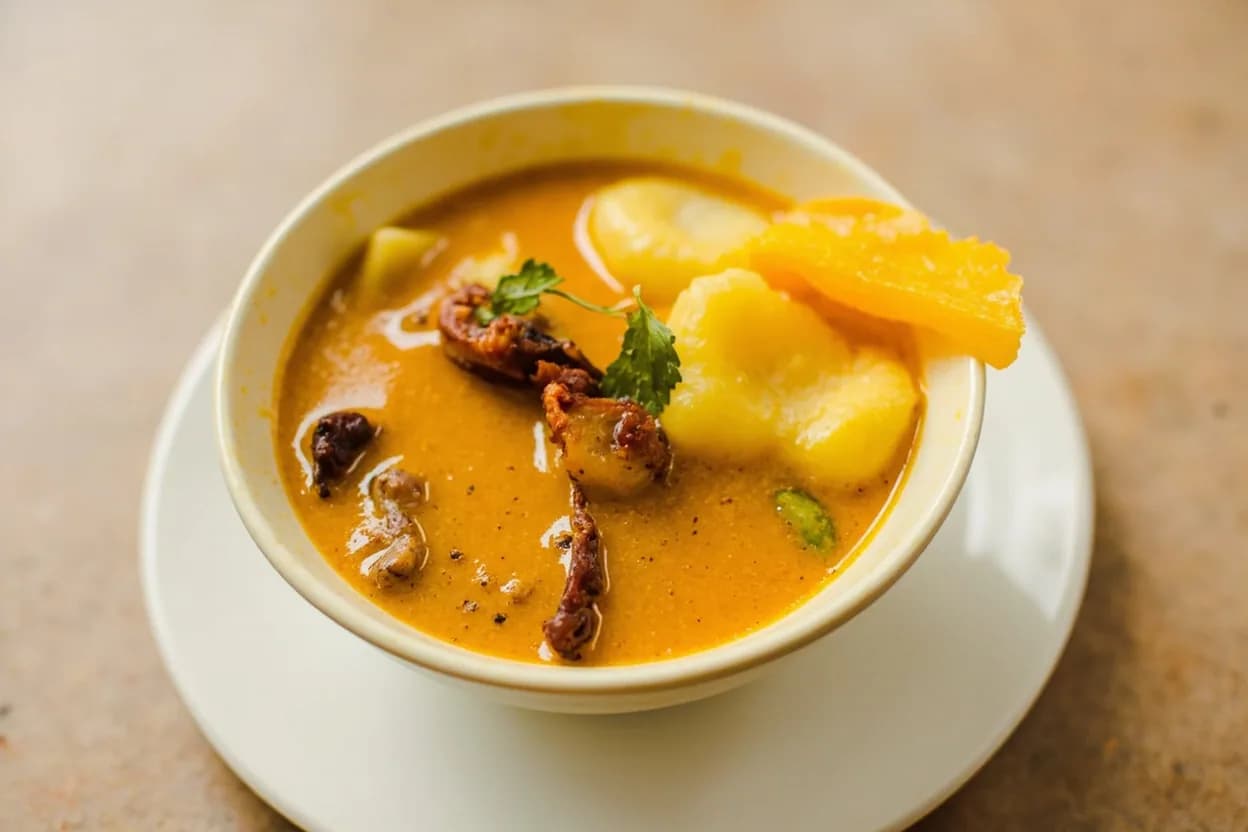
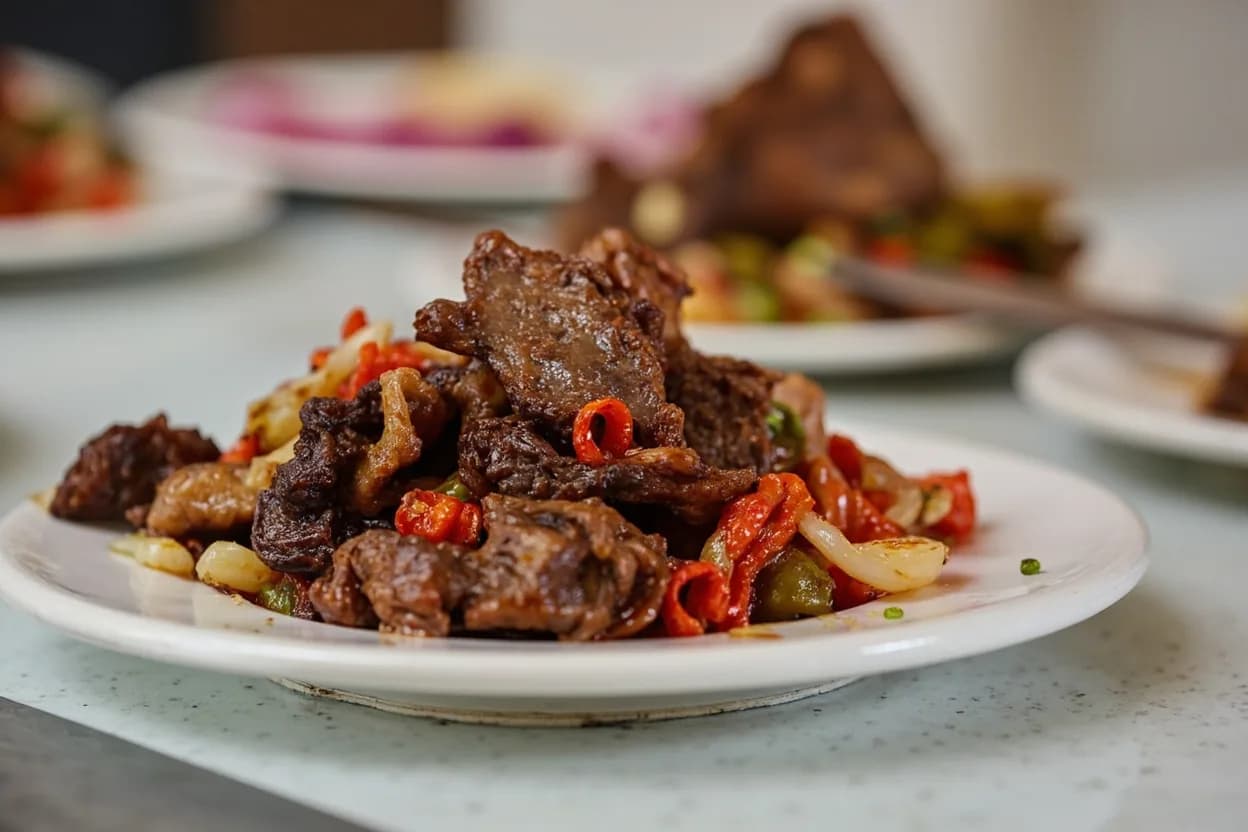
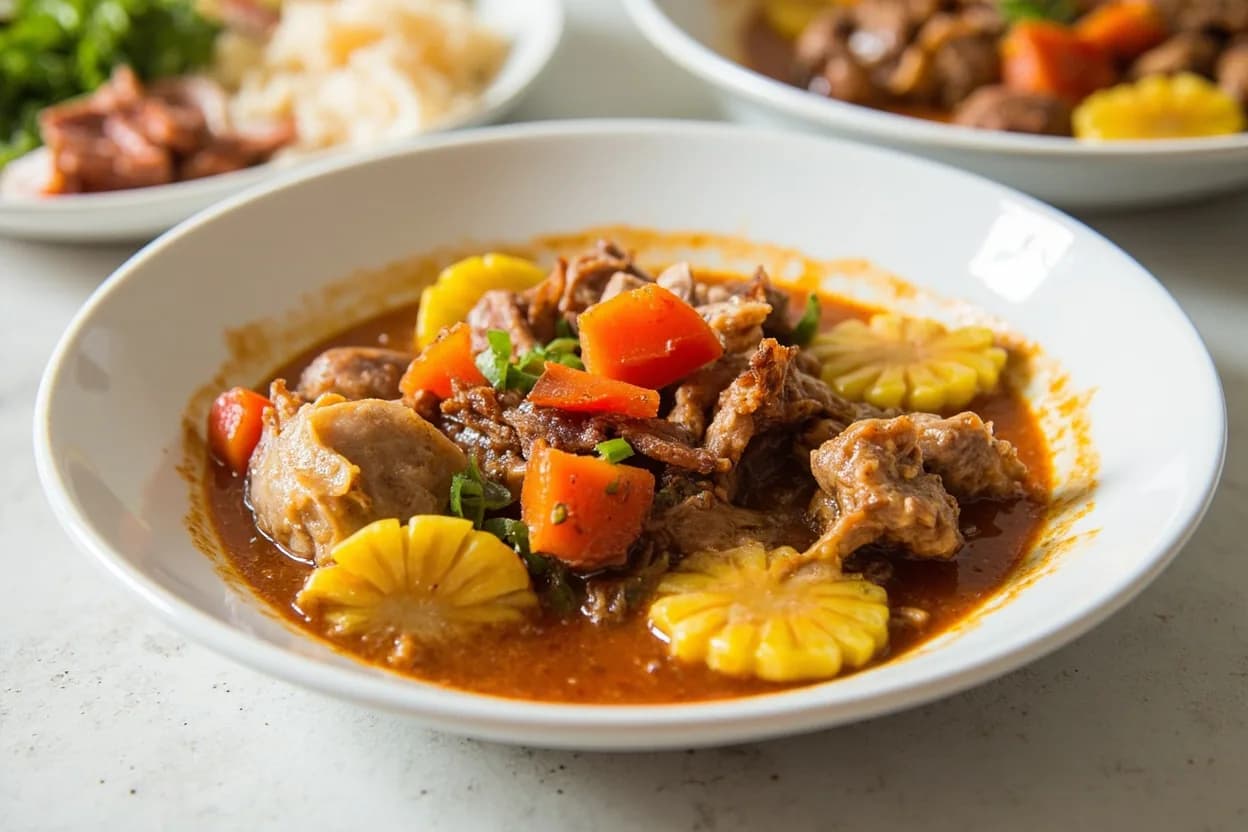
Appears in these dishes
Related
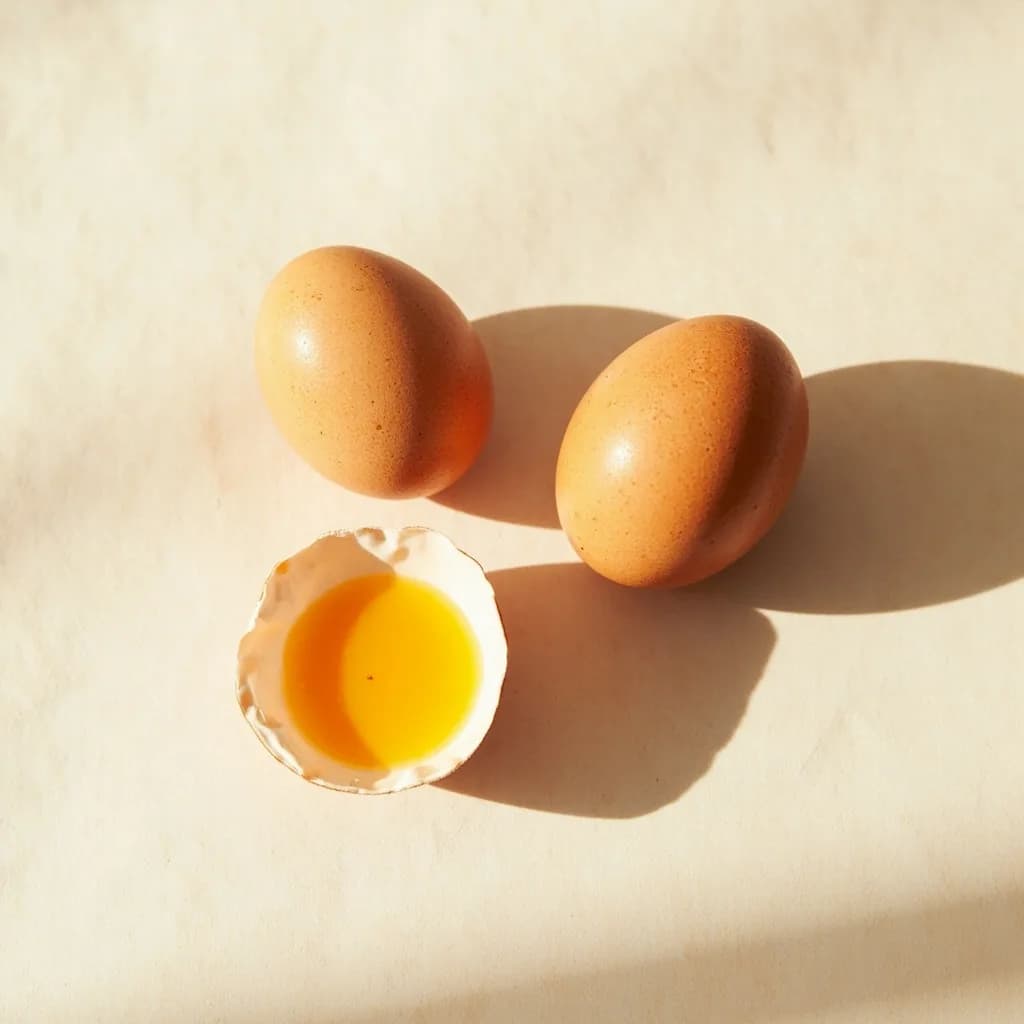
Egg
The kitchen's everything ingredient — bind, leaven, enrich, or fry
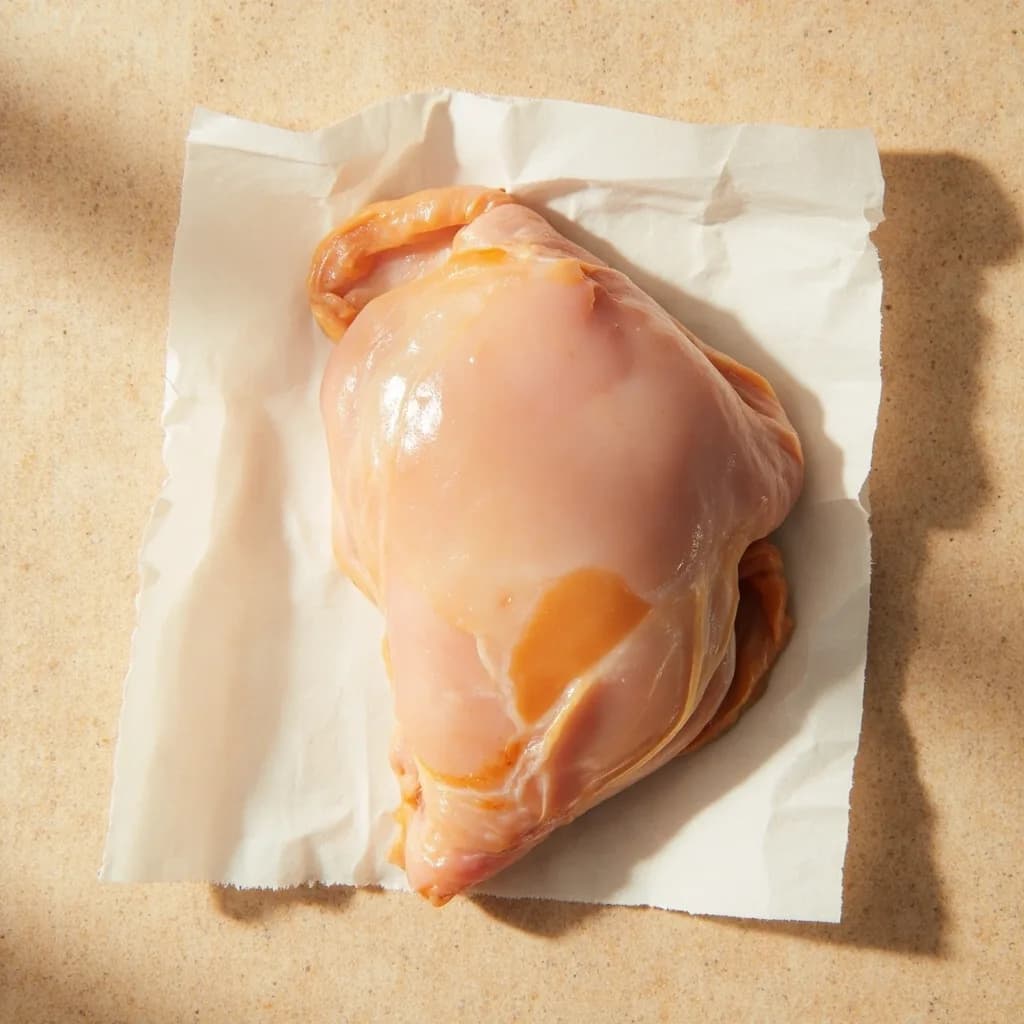
Chicken Breast
Lean, quick-cooking white meat for everyday dinners

Ground Beef
Versatile minced beef for burgers, ragù, tacos, and meatballs
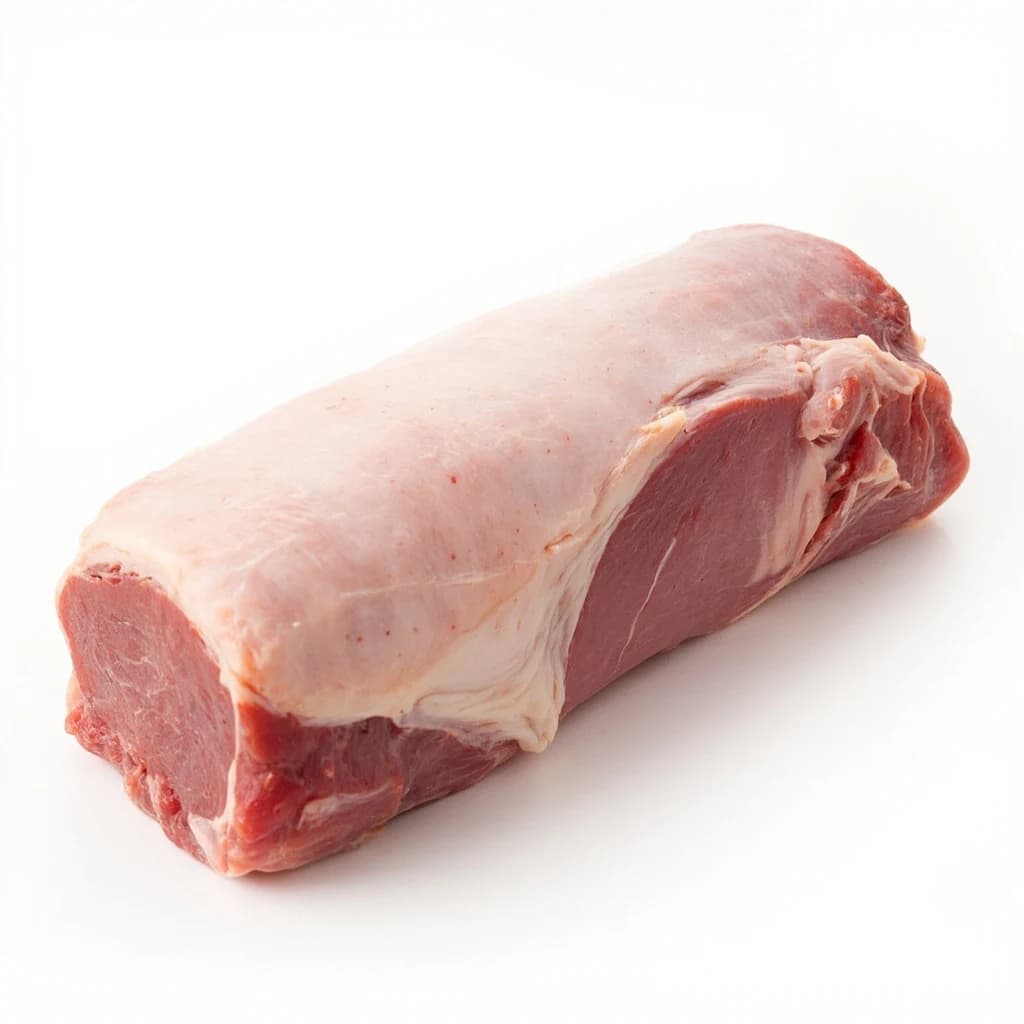
Pork Loin
Lean, tender roasting cut that stays juicy with care
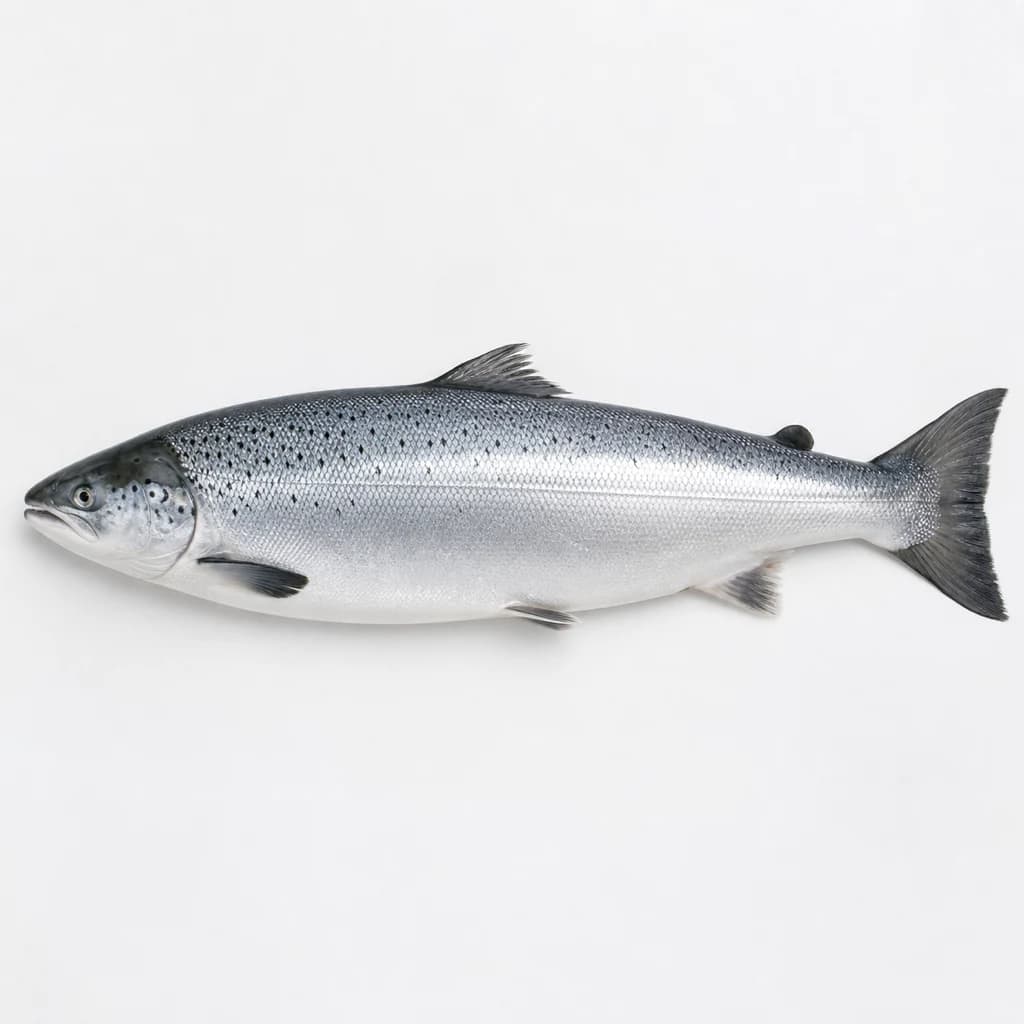
Salmon
Rich, rosy fish that roasts, grills, or cures beautifully

Egg White
Pure protein that whips to airy peaks for meringue and more
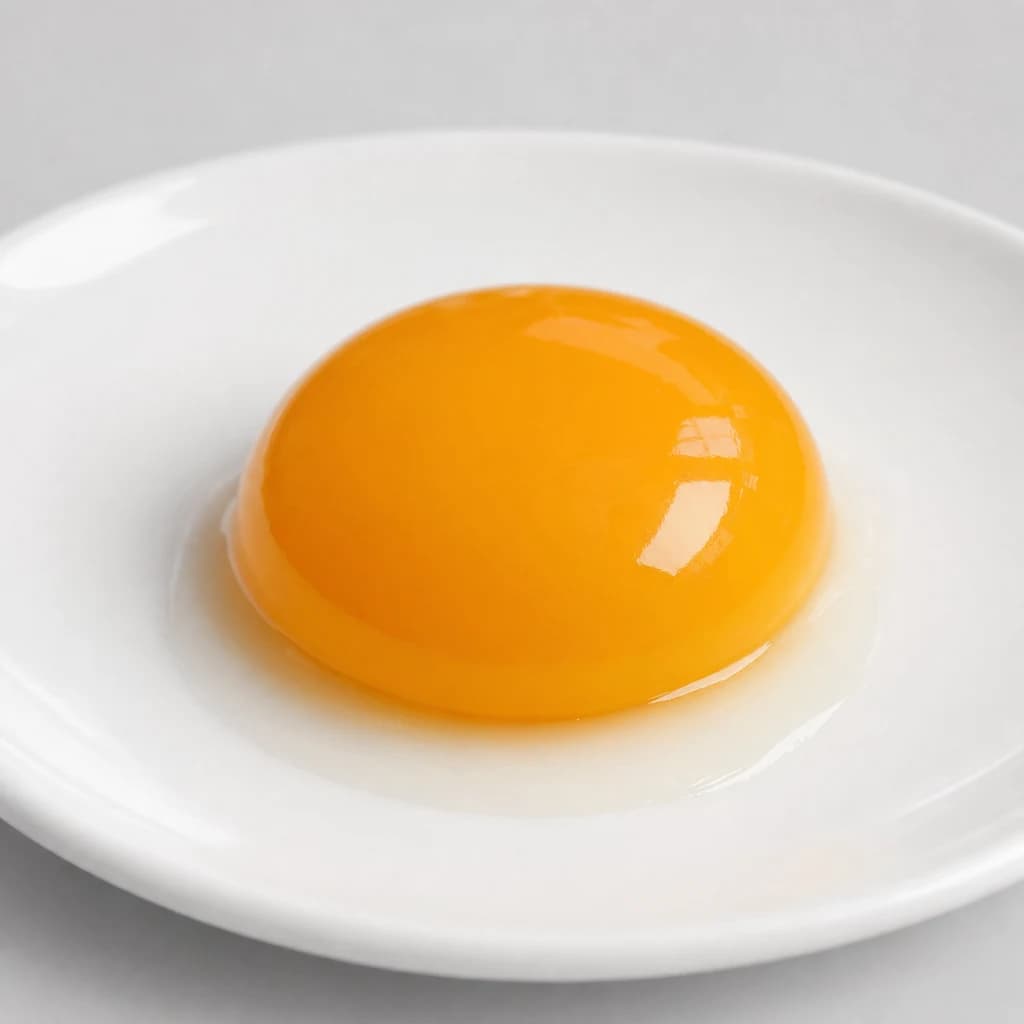
Egg Yolk
Rich, golden yolk for custards, mayonnaise, and pasta

Quail Egg
Tiny, speckled eggs for garnishing and elegant bites