
Ready to use
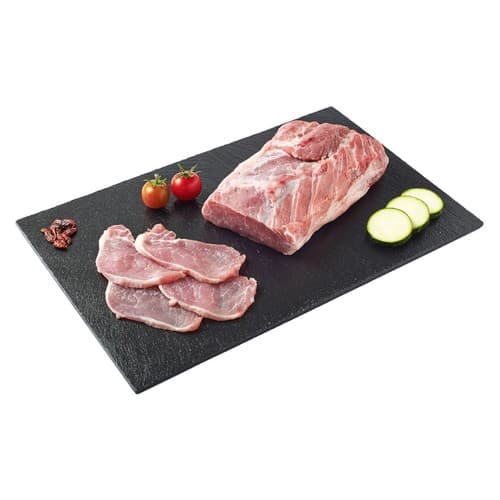
Whole boneless pork loin roast showing pale pink lean flesh and thin fat cap.
Shows the cut's defining characteristics — uniform cylindrical shape, pale pink lean flesh, and thin fat cap — so readers can identify it at the butcher counter.
Proteins
Pork Loin
Lean, tender roasting cut that stays juicy with care
A clean, lean cut that roasts to a rosy center or slices into quick chops. Brine or sear it well to keep it moist. Refrigerate and cook within a few days.
Pork loin is the long, lean muscle running along the pig's back — a tender, mild roasting cut that gives clean white slices but, being lean, dries out if overcooked. (It's the larger roast; don't confuse it with the small, even leaner tenderloin.) The modern approach is to roast or sear it to a juicy 63°C with a rest, leaving a faint blush, rather than cooking it gray. It loves a brine, a fat cap left on for self-basting, and sweet-savory partners — apple, mustard, fennel, sage. Bone-in loin roasts (pork rack) stay especially moist and make a handsome centerpiece.
- Measured in
- g
- Storage
- Refrigerate
- Shelf life
- 3 days
Find it in
Types & varieties
Easy to carve; keep the fat cap for moisture.
Stays juicier and looks impressive roasted.
The same muscle cut into chops for quick cooking.
Center-cut is leanest; blade-end has more fat and flavor.
How to choose
Pick firm, pinkish-red loin with a good white fat cap (leave it on for basting) and avoid pale, soft, watery meat. Bone-in roasts hold moisture better. Tie a boneless roast for even cooking.
How to store / food safety
Refrigerate at or below 4°C and use within a couple of days, or freeze. Cook to 63°C with a 3-minute rest — a slight pink blush is safe and far juicier than the old well-done standard. Use a thermometer in the thickest part.
How to cook
Because it's lean, the loin needs protection from drying: brine it, sear for color, then roast at moderate heat to 63°C and rest 10 minutes (carryover keeps climbing). Leave or score the fat cap to baste it. Stuffing the loin (apple, herbs) and glazing with mustard or maple add moisture and flavor. Slice across the grain into clean medallions.
Common uses
Tips & pitfalls
- Brine the lean loin to keep it juicy.
- Leave the fat cap on to self-baste, and score it for crackling.
- Pull at 63°C and rest — don't cook it gray.
- Bone-in roasts stay moister than boneless.
- Stuff and glaze (apple, mustard, maple) for flavor and moisture.
Nutrition
Energy
598 kJ · per 100 g
Where the calories come from
Protein
21.4g
43% DV
Carbs
0g
0% DV
Fat
5.7g
7% DV
Fiber
0g
0% DV
Sugars
0g
of which
Sodium
52mg
2% DV
Source · USDA FoodData Central · Pork, fresh, loin, whole, separable lean only, raw
View on FDC →In the shops
Matched grocery products
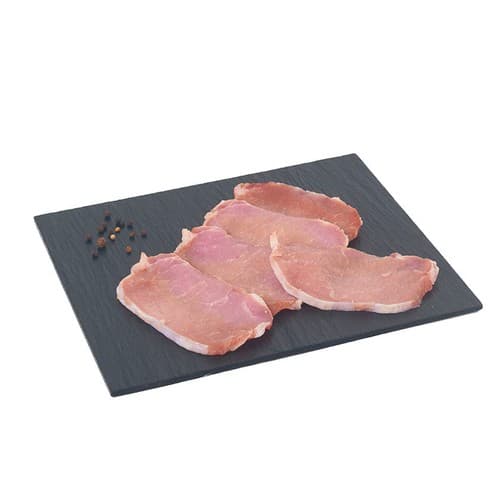 €3.15
€3.15Pork Loin
BONPREU · ud · Bonpreu
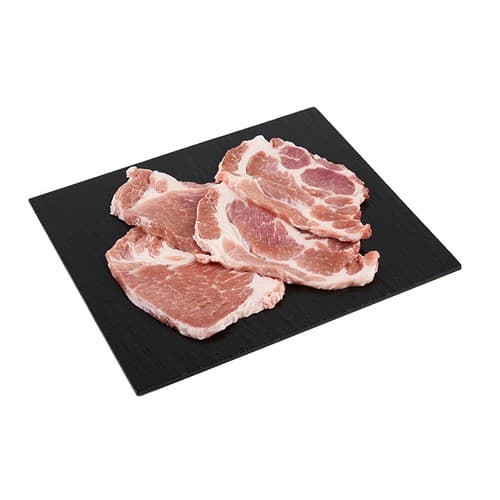 €3.59
€3.59Pork Loin
BONPREU DE L'ERA · ud · Bonpreu
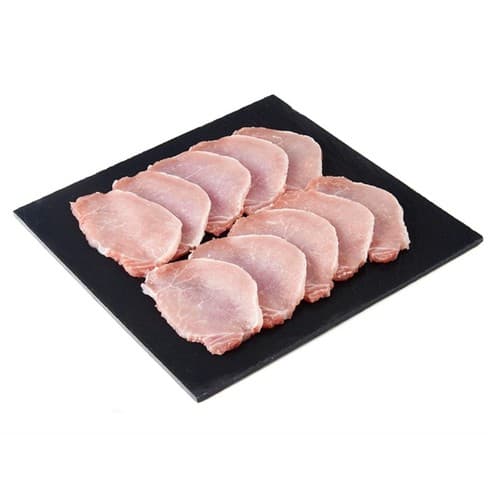 €4.49
€4.49Pork Loin
BONPREU · kg · Bonpreu
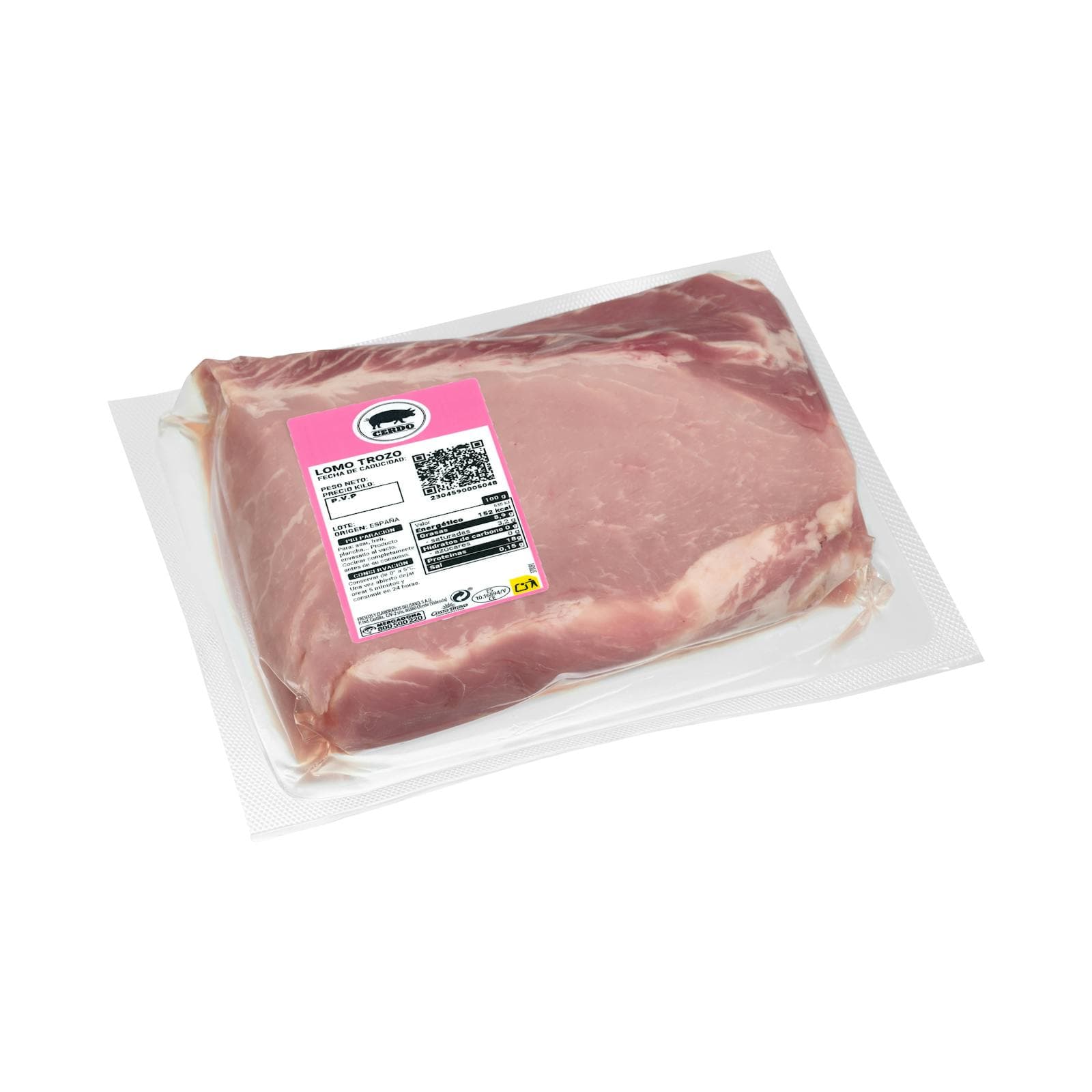 €5.15
€5.15Pork Loin Piece
1.04 kg · Mercadona
 €1.27
€1.27Duroc Pork Loin
ud · Bonpreu
 €5.95
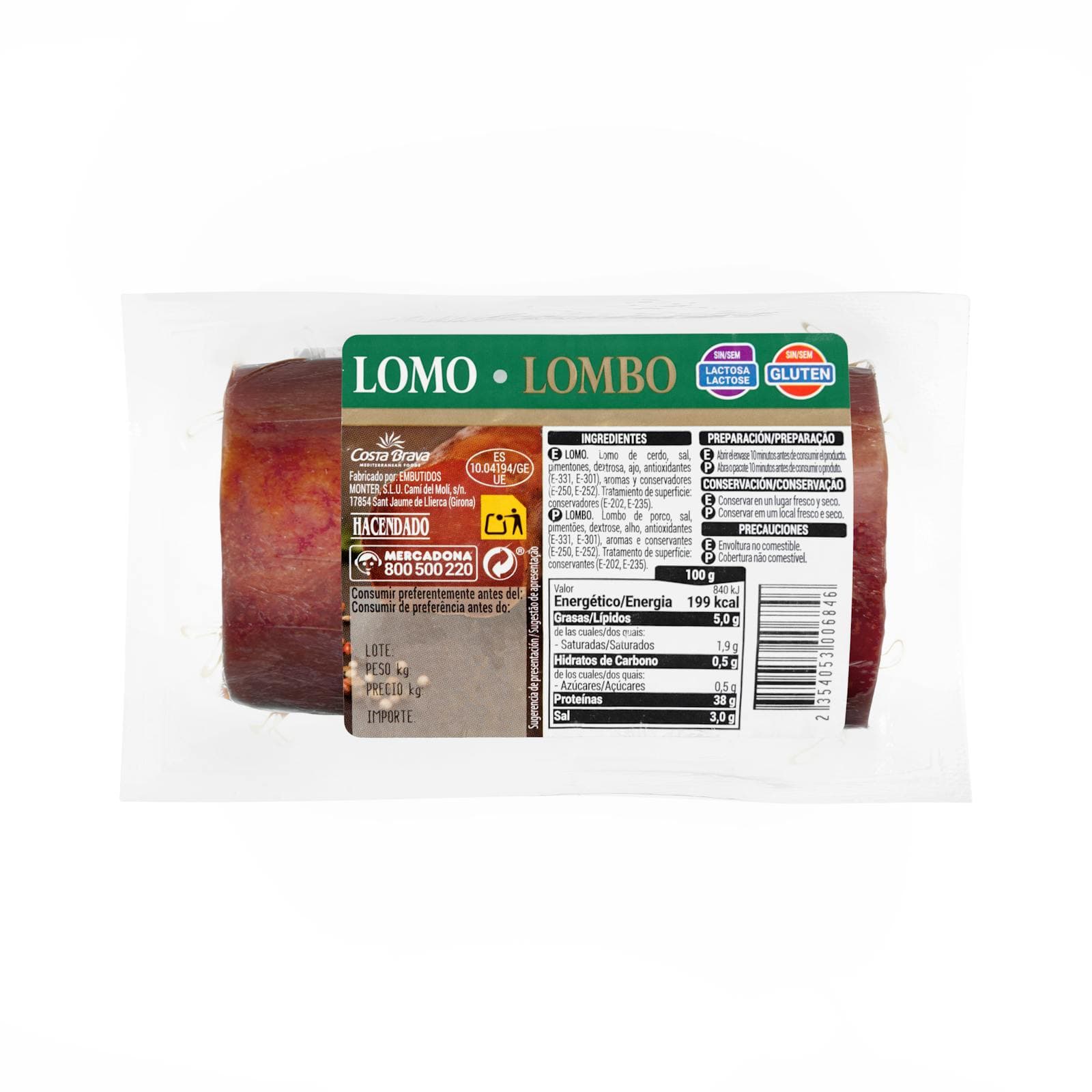
€5.95Cured Pork Loin
Hacendado · 340 g · Mercadona
Good to know
- Cut/type
- Lean loin roast (back muscle); bone-in or boneless
- Flavor
- Mild, clean, faintly sweet
- Cook to
- 63°C (145°F) + 3-min rest for juicy, slight blush
- Nutrition
- ~210 kcal/100g cooked, ~27g protein, ~10g fat
- Buy
- Pinkish, firm, even fat cap; not pale or watery
Substitutes
- Pork tenderloin — Leaner and faster; smaller portions.
- Turkey breast — Lean roasting white meat alternative.
- Chicken breast — For quick lean cooking when sliced.
Also called
pork loin · pork roast · lomo de cerdo
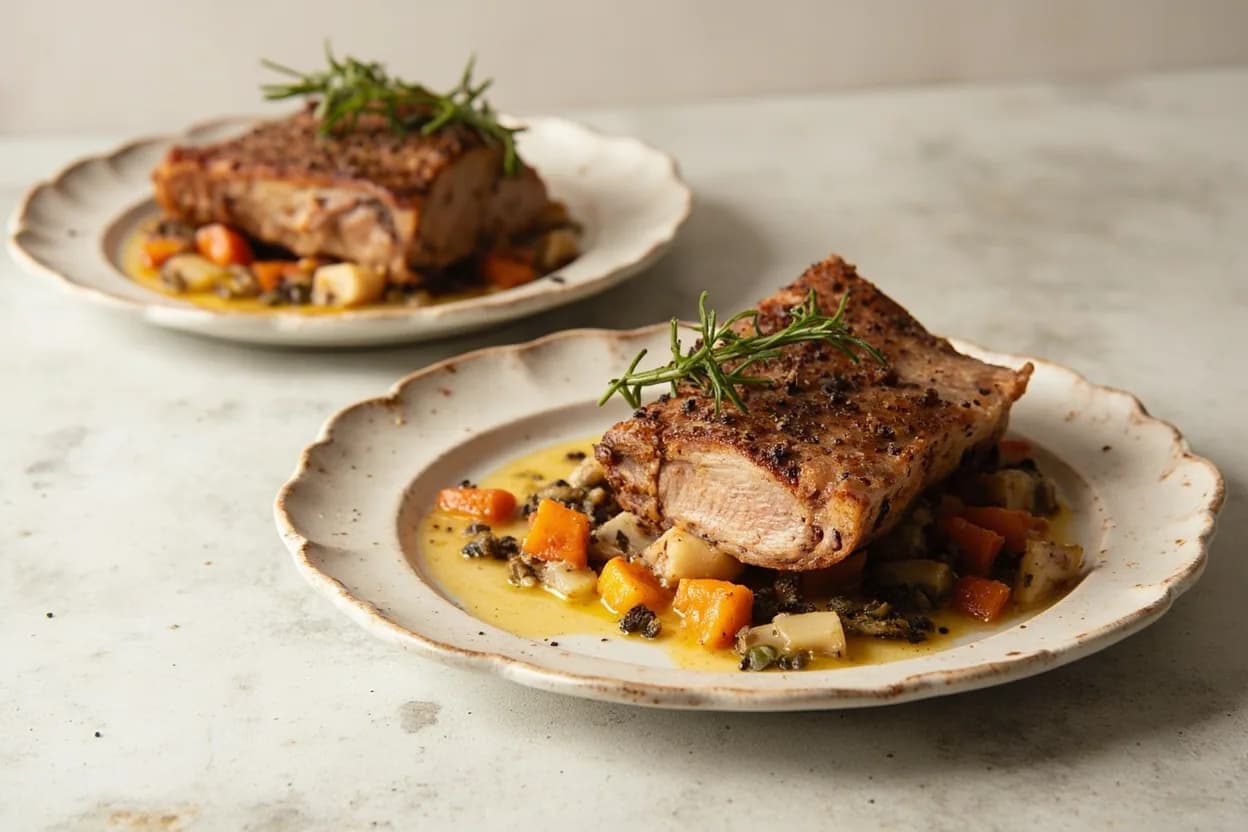
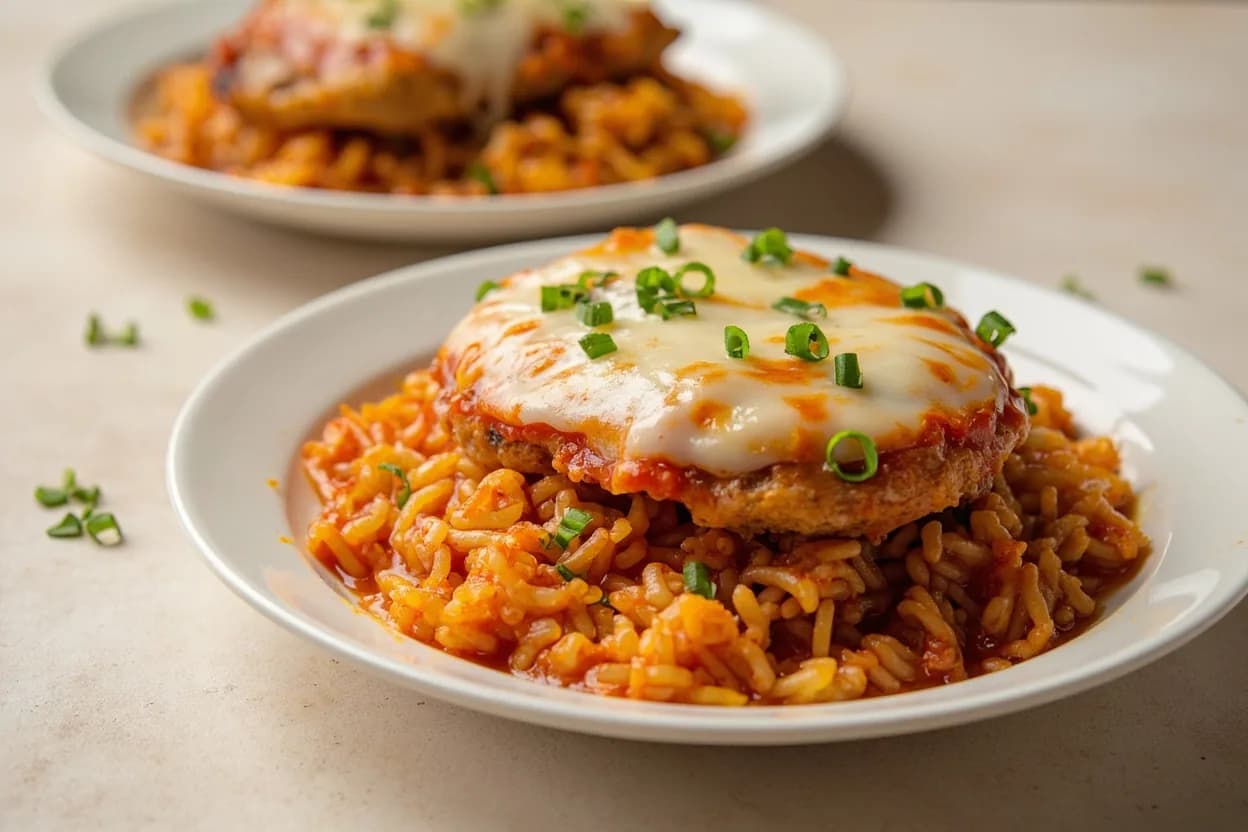
Appears in these dishes
Related

Egg
The kitchen's everything ingredient — bind, leaven, enrich, or fry

Chicken Breast
Lean, quick-cooking white meat for everyday dinners

Ground Beef
Versatile minced beef for burgers, ragù, tacos, and meatballs

Salmon
Rich, rosy fish that roasts, grills, or cures beautifully

Egg White
Pure protein that whips to airy peaks for meringue and more

Egg Yolk
Rich, golden yolk for custards, mayonnaise, and pasta

Quail Egg
Tiny, speckled eggs for garnishing and elegant bites
Chicken Thigh
Juicy, forgiving dark meat for braises, roasts, and grills