Natural form
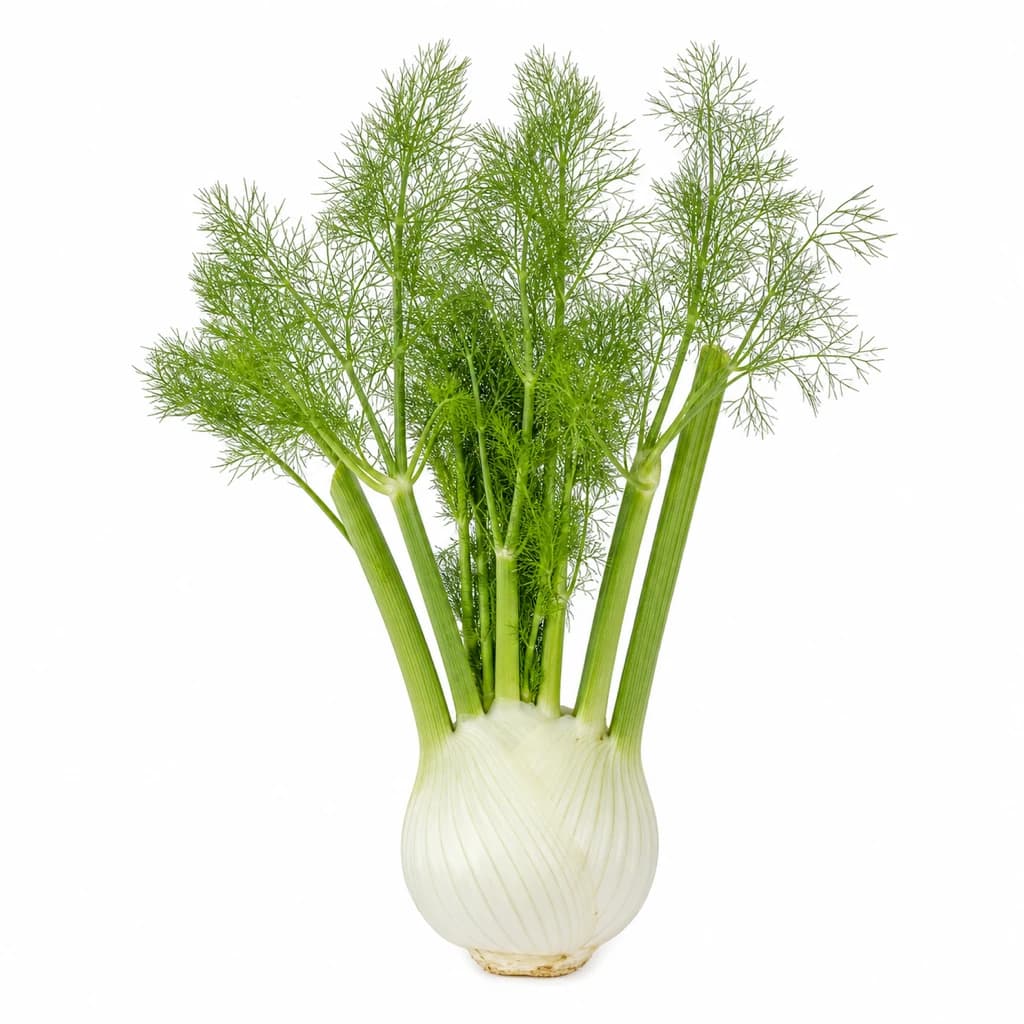
Whole fennel plant with bulb, ridged stalks, and feathery fronds intact.
Shows the complete plant structure — bulb, celery-like stalks, and dill-like fronds — so readers recognize fennel at every part.
Produce
Fennel
Crisp, anise-scented bulb for slicing raw or roasting sweet
Crunchy with a clean licorice note raw, fennel turns mellow and sweet when roasted or braised. Shave it thin into a salad or caramelize it. Keep the bulb cold.
Fennel is a pale, bulbous vegetable with a crisp texture and a clean anise (licorice) aroma that softens and sweetens dramatically with cooking. Shaved paper-thin it's a refreshing, crunchy salad component; roasted or braised it turns meltingly tender and mellow, the licorice note fading to gentle sweetness. The feathery fronds are a delicate herb and the seeds a warm spice — the whole plant earns its keep.
- Measured in
- piece
- Storage
- Refrigerate
- Shelf life
- 7 days
Find it in
Types & varieties
The bulb variety eaten as a vegetable
Grown for fronds and seeds, not a bulb
Small, tender bulbs; great roasted or grilled whole
How to choose
Want firm, plump, white-to-pale-green bulbs with tightly layered, unblemished layers and crisp, bright-green fronds (a sign of freshness) if attached. Avoid bulbs that are browning, splitting, dried-out, or have flowering stalks, which signal it's old and woody. Squat, rounder bulbs are often more tender than long, flat ones.
How to store and prep
Fresh fennel bulb (hinojo) is seasonal and not always stocked in Spanish supermarkets — fennel seed (semilla de hinojo) is the more reliably available form. Keep the bulb in the crisper, loosely bagged, for up to a week or so; trim the long stalks but save the fronds. To prep, cut off the stalks, trim the base, halve through the core, and remove the tough triangular core if cooking in wedges (keep it to hold the layers together for roasting). Slice across the bulb for thin shavings.
- Refrigerate, use within a week
- Halve and core; keep core for wedges
- Shave thin across the grain for salads
Raw vs. cooked
Raw, fennel is all crunch and bright licorice — shave it wafer-thin on a mandoline, dress with lemon and oil, and it's a refreshing salad, especially against citrus and rich fish. Cooked, it transforms: roasting, braising, or caramelizing tames the anise into a soft, sweet, almost onion-like mellowness. Both modes are worth knowing.
Common uses
Tips & pitfalls
- Shave it paper-thin on a mandoline for the best raw texture
- Roast or braise to mellow the licorice into sweetness
- Don't waste the fronds — use them like dill as a fresh herb
- Pairs naturally with citrus, fish, and pork
- Caramelize wedges slowly for a sweet, silky side
Nutrition
Energy
130 kJ · per 100 g
Where the calories come from
Protein
1.2g
2% DV
Carbs
7.3g
3% DV
Fat
0.2g
0% DV
Fiber
3.1g
11% DV
Sugars
3.9g
of which
Sodium
52mg
2% DV
Source · USDA FoodData Central · Fennel, bulb, raw
View on FDC →In the shops
Matched grocery products
 €3.49
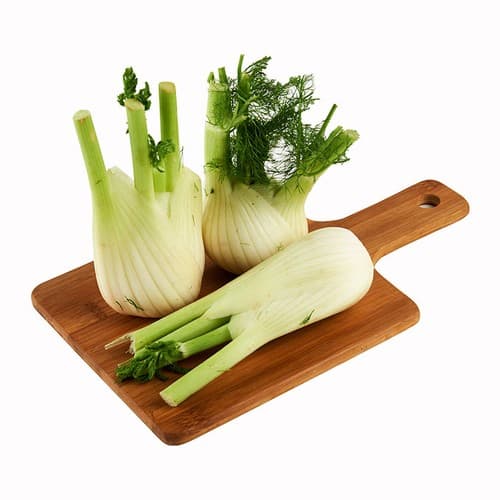
€3.49Fennel Km0 in 700g Tray
LA COLLITA · kg · Bonpreu
Good to know
- Peak season
- Fall through early spring
- Flavor
- Crisp and anise-like raw; sweet and mellow when cooked
- Origin
- Mediterranean; central to Italian and Provençal cooking
- Nutrition
- ~31 kcal/100g; vitamin C, fiber, potassium
- How to buy
- Firm, white, tightly layered bulb; fresh green fronds; no browning
Appears in these dishes
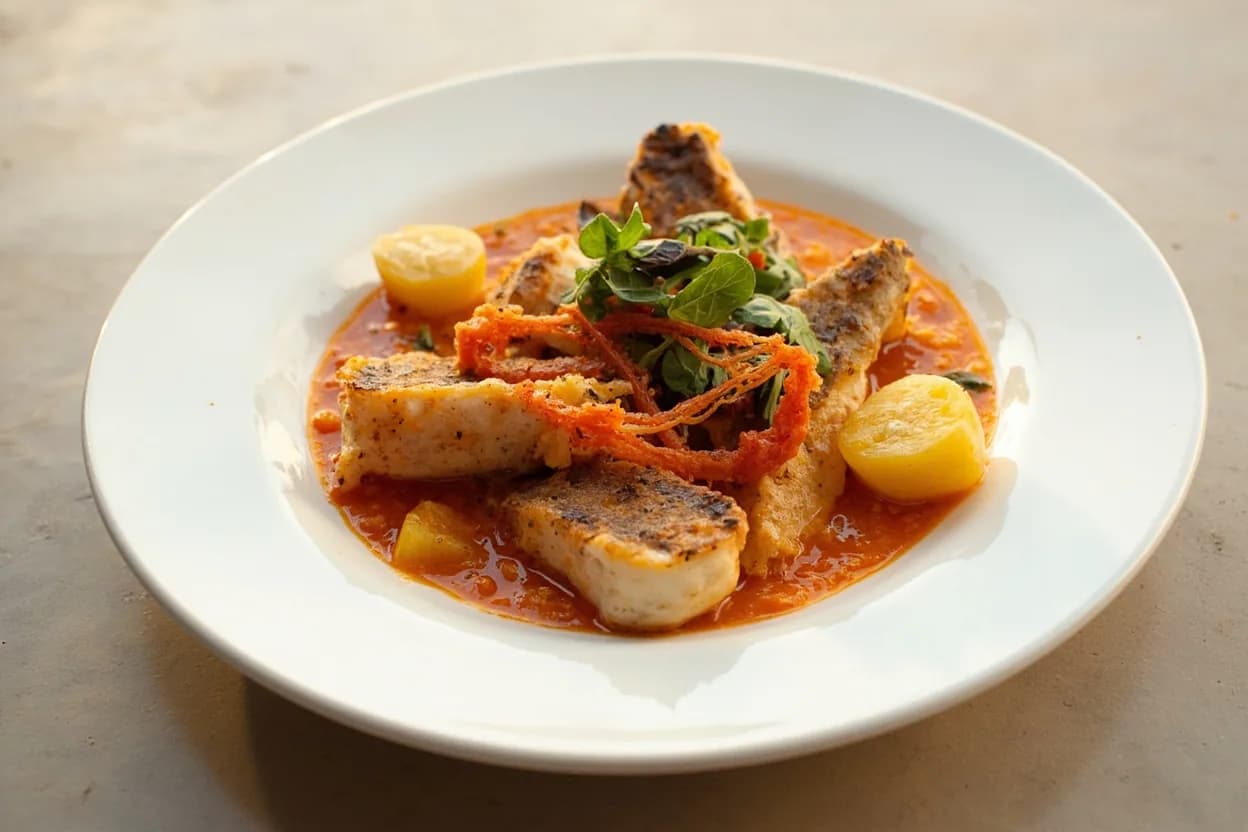
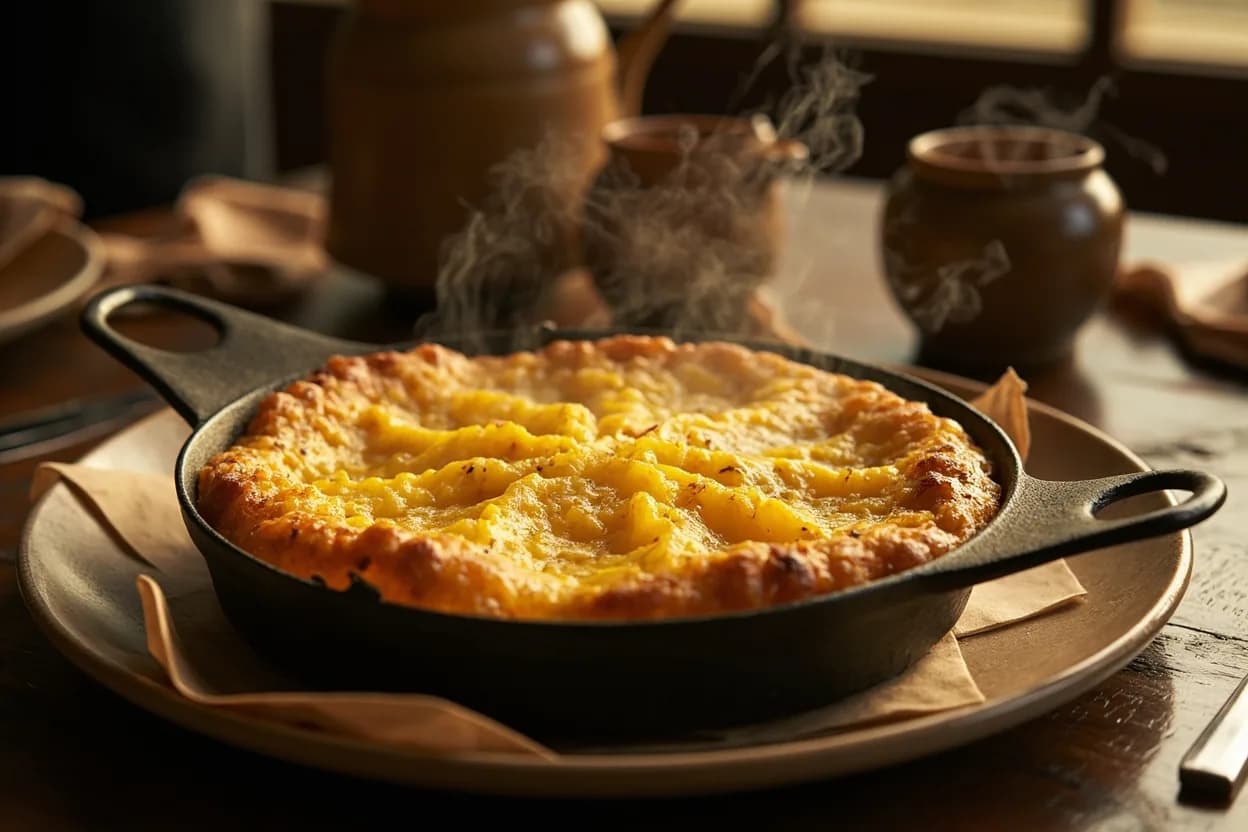
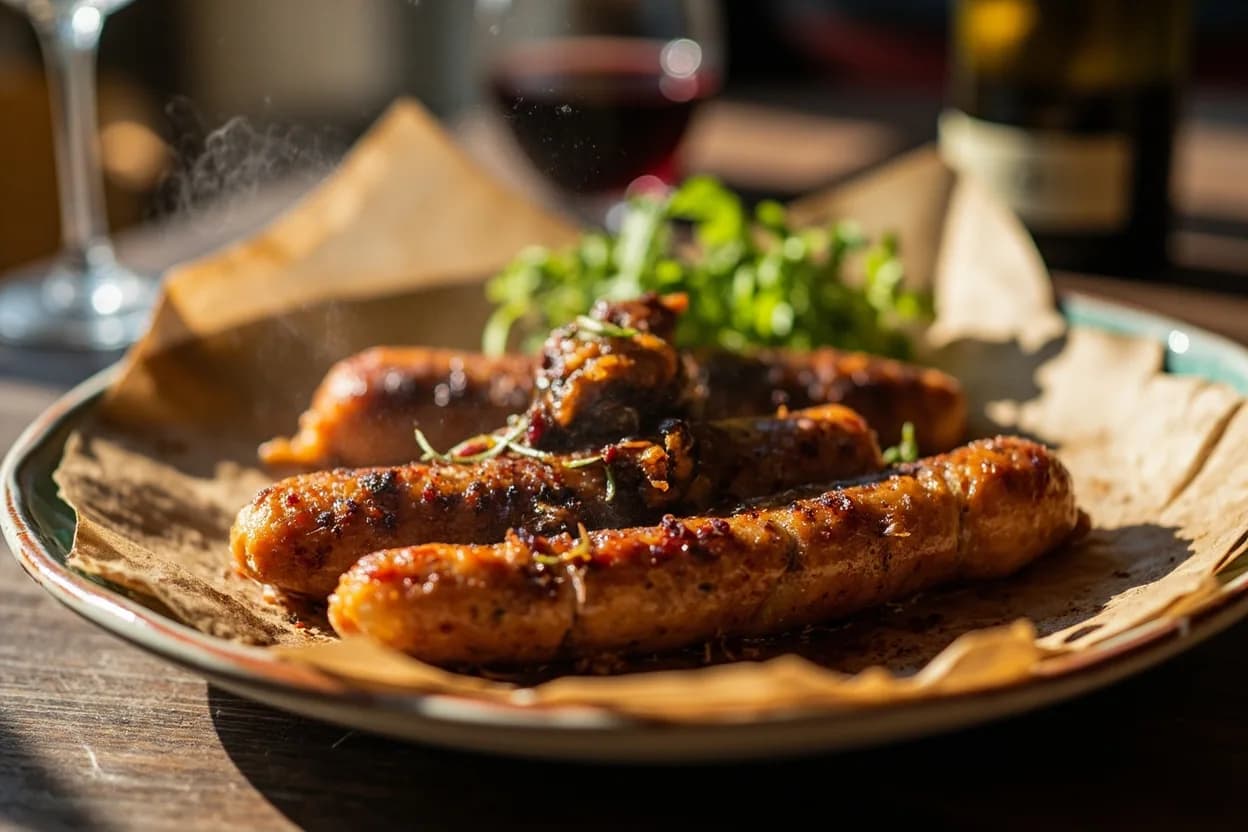
Related
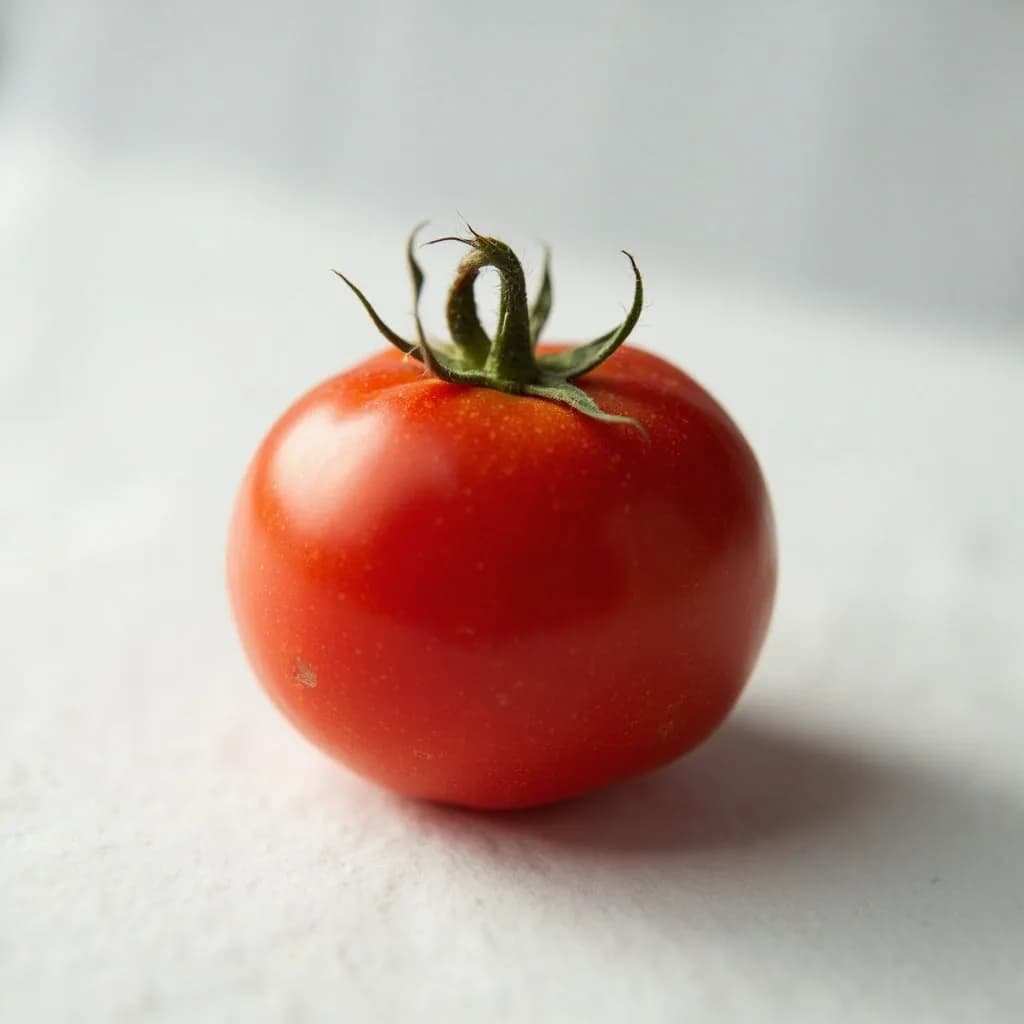
Tomato
Juicy, sun-sweet fruit for sauces, salads, and slow-cooked depth
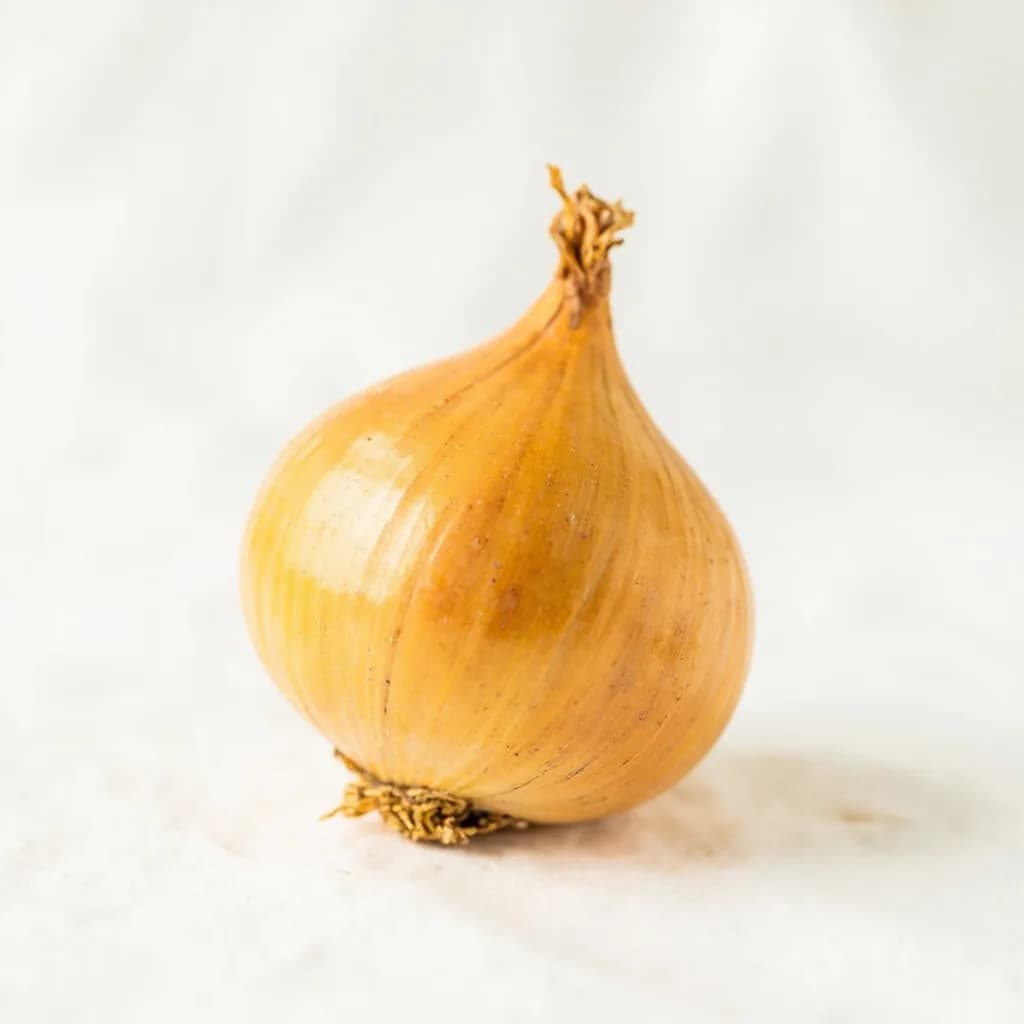
Yellow Onion
The aromatic backbone of soups, sofritos, and braises
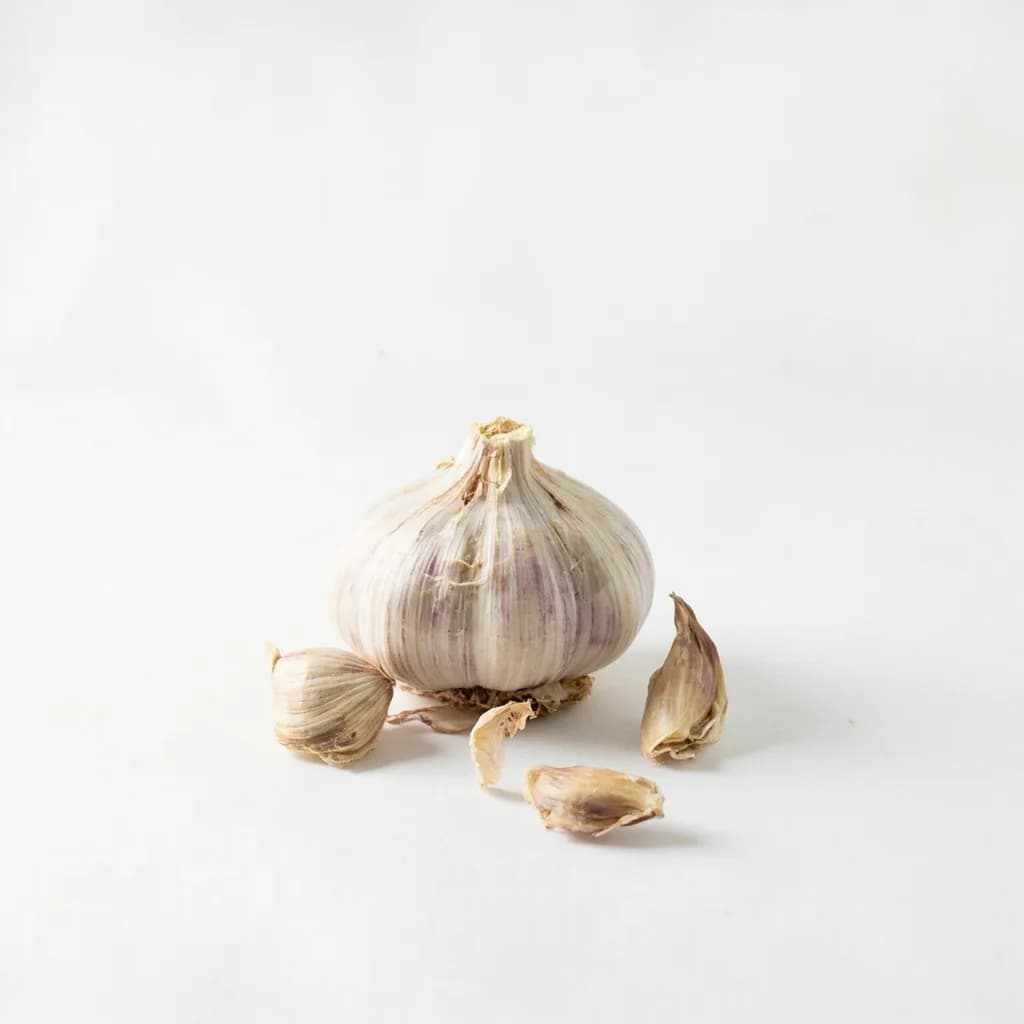
Garlic
Pungent cloves that perfume nearly every savory dish
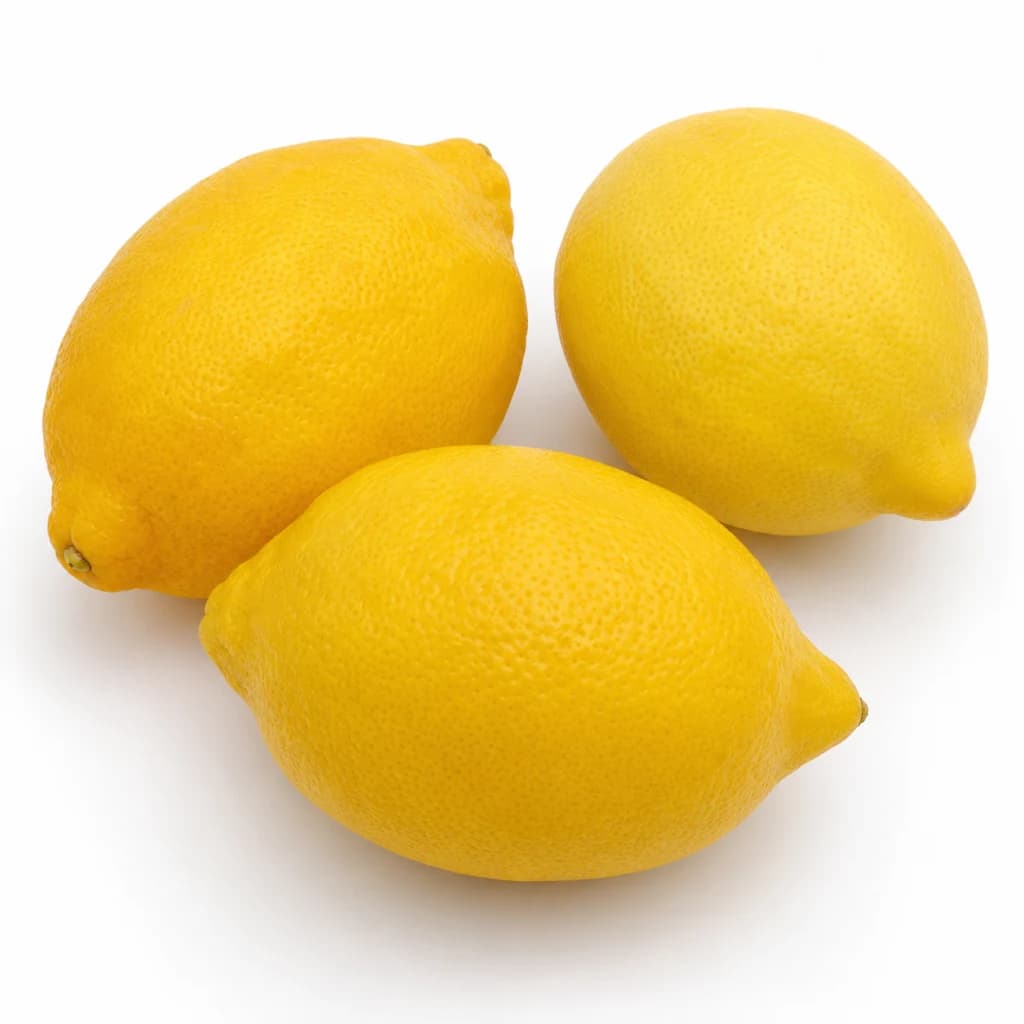
Lemon
Bright, acidic citrus that wakes up almost any dish
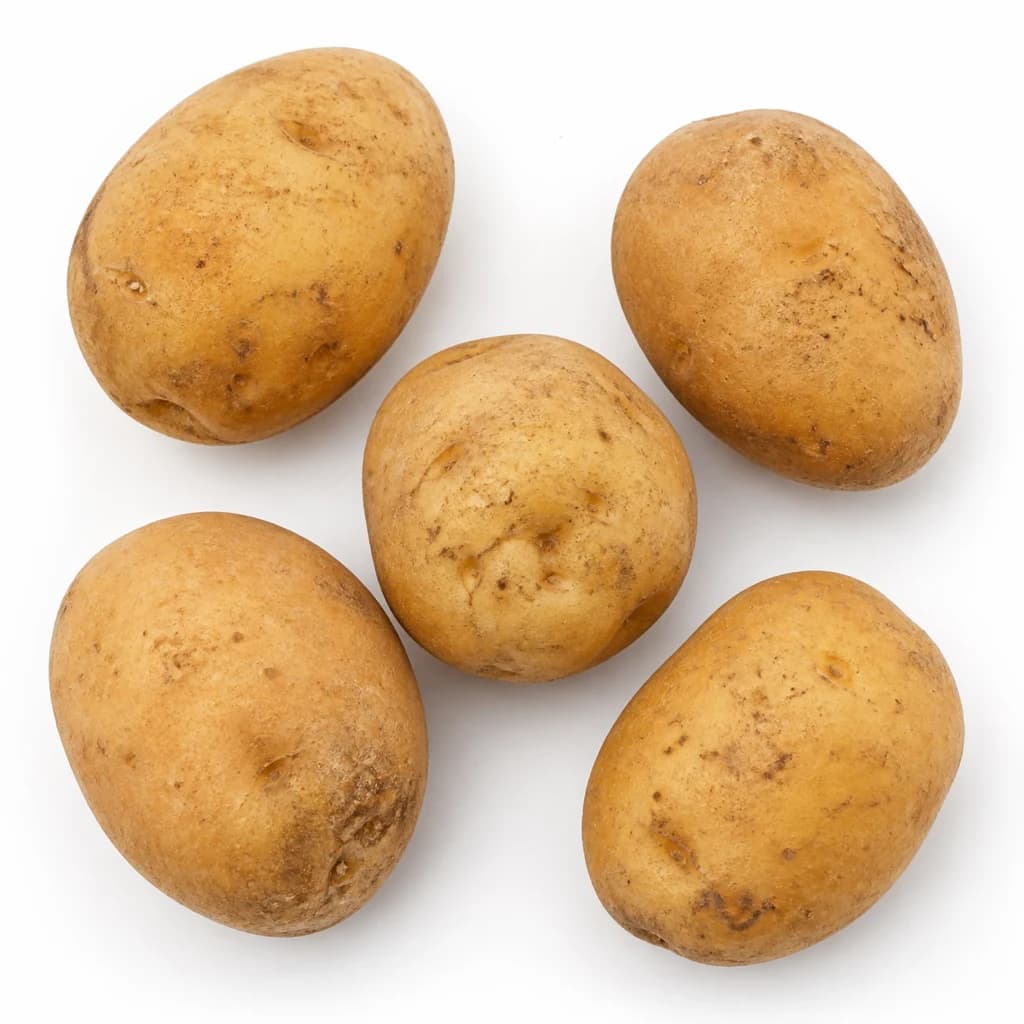
Potato
Humble, hearty staple — roast, mash, fry, or boil
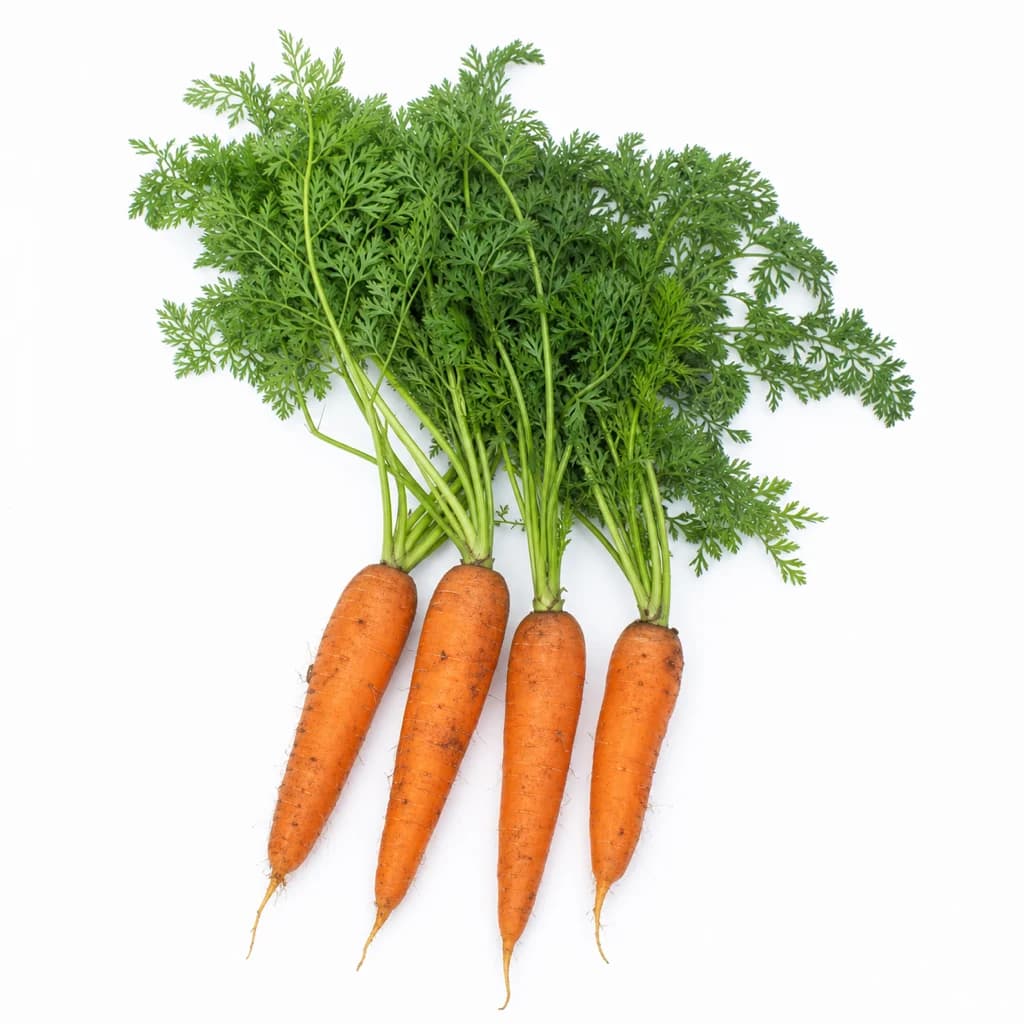
Carrot
Sweet, crunchy root — raw, roasted, or the base of a sofrito
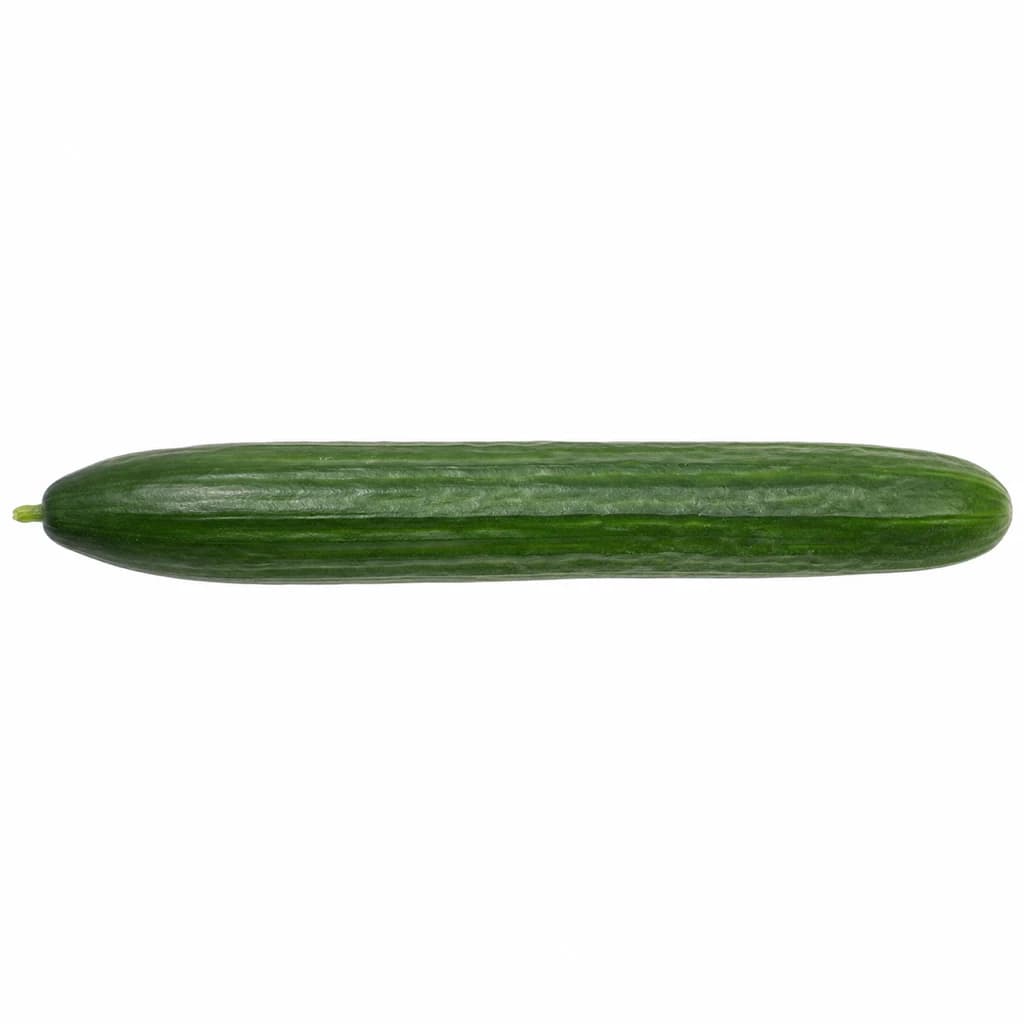
Cucumber
Cool, crisp, and watery — for salads, pickles, and tzatziki

Lettuce
Crisp leaves for salads, wraps, and a fresh crunch