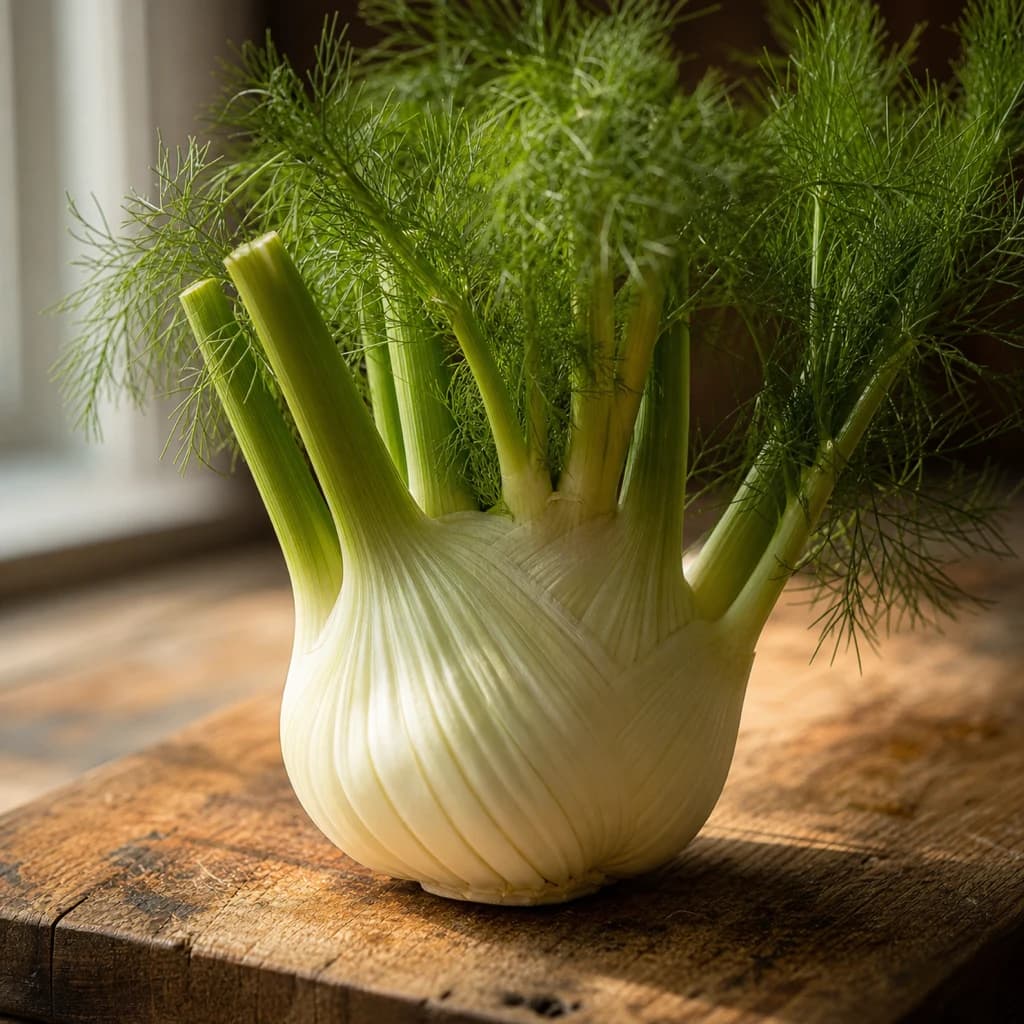
Natural form
A whole fennel bulb with stalks and feathery fronds still attached, showing its full structure.
Shows the reader the complete plant as found at market — pale layered bulb, ridged stalks, and delicate fronds — so the ingredient is immediately recognizable in any form.
Produce
Fennel Bulb
Crisp white bulb with a sweet anise flavor, eaten raw, braised or roasted.
Fennel bulb is the swollen base of the fennel plant, with a pale, layered structure and a sweet, licorice-like anise flavor. It is sliced thin and shaved raw into salads, or braised, roasted and caramelized to mellow its flavor in Mediterranean cooking. The feathery fronds are used as an herb garnish.
Fennel bulb (Foeniculum vulgare var. azoricum) is a Mediterranean vegetable selected and cultivated over centuries for its enlarged, succulent leaf base—a swollen petiole, not a true root or tuber. This distinction matters in the kitchen: the high water content that makes it crisp when raw also means it turns mushy if overcooked, so timing is everything. The entire plant is edible—the bulb as a vegetable, the hollow stalks as a flavoring agent, the feathery fronds as a finishing herb, and the seeds as a spice—but it is the ivory-white bulb that most cooks seek. Its flavor is sweet and aromatic with a distinctive anise or licorice note, milder than actual anise seed, with a texture that shifts from crunchy-raw to silky-cooked. Fennel belongs to the Apiaceae family alongside carrots, parsley, and dill, which explains its aromatic kinship with these ingredients. In Italian, Provençal, and Spanish cooking it is a foundational vegetable: raw it provides brightness and crunch; cooked, it mellows into something almost caramelized and savory, a transformation that rewards patient roasting or braising.
- Measured in
- piece
- Storage
- Fridge
Types & varieties
The standard bulb fennel; most common in markets. Compact white bulb with crisp texture and pronounced anise flavor.
A hybrid variety bred for uniform bulb shape and high yield; common in commercial production.
Italian heirloom with particularly sweet flavor and dense bulb; favored by chefs.
Grown primarily for its ornamental copper-bronze foliage and seeds; bulb is smaller and less developed.
Anatomy of a Fennel Bulb
Understanding the structure helps you use the whole vegetable efficiently. The bulb consists of tightly overlapping leaf bases arranged in concentric layers around a central core. The outer layers are the firmest and most fibrous; the inner core is the tenderest but also the slowest to cook because it is denser. The fronds emerge from the top and are finely divided like dill. The stalks are hollow and connect to the bulb base. When you buy fennel, you typically receive the bulb with a short section of stalk still attached and the fronds intact—use them all.
- Bulb: Primary edible portion; slice, dice, or roast whole
- Core: Edible but denser; score deeply when cooking whole to ensure even tenderizing
- Stalks: Hollow; retain for stocks or use as a bed for roasting fish
- Fronds: Delicate herb-like finish; chop and scatter over finished dishes just like dill
Choosing and Storing Fennel
Select bulbs that feel heavy for their size—density indicates high water content and freshness. The bulb should be firm and compact with no signs of splitting or browning on the outer layers. Avoid bulbs that feel light or puffy, as this signals a woody, dried-out core. The fronds should be bright green and perky, not wilted. Once home, store unwashed in a loose plastic bag in the refrigerator's crisper drawer for up to a week. Wash and trim just before use. If you need to hold cut fennel, store it cut-side down on a plate to prevent moisture from pooling in the core, which promotes softening.
- Heavy for size = fresh; light and puffy = woody core
- Bright green fronds indicate freshness
- Refrigerate unwashed; trim and wash just before using
- Cut-side down storage prevents core softening
Common uses
Tips & pitfalls
- Slice from the bottom upward toward the fronds to maintain the bulb's structure for roasting or grilling whole
- Always remove the outer layer if it shows any browning, dryness, or tough texture before cooking
- For raw applications, slice paper-thin on a mandoline—the texture difference between thick and thin slices is substantial
- Do not discard the fronds; they are edible and work as a finishing herb like dill or tarragon
- The hollow stalks can be retained and used as a subtle flavoring in stocks or as a bed for roasting
- To mellow the anise flavor for sensitive eaters, briefly blanch slices in boiling water for 30 seconds, then shock in ice water
- When buying, select dense, compact bulbs that feel heavy for their size—light, puffy bulbs indicate woody or dried-out cores
- For braising, add a splash of Pernod or pastis to the liquid to reinforce the fennel flavor without adding sharpness
- The core is edible but cooks more slowly; score it with a cross to help it soften evenly
- Sliced fennel oxidizes quickly but this has negligible effect on flavor or appearance; a squeeze of lemon can slow browning if serving raw for presentation purposes
Nutrition
Energy
130 kJ · per 100 g
Where the calories come from
Protein
1.2g
2% DV
Carbs
7.3g
3% DV
Fat
0.2g
0% DV
Fiber
3.1g
11% DV
Sugars
3.9g
of which
Sodium
52mg
2% DV
Source · USDA FoodData Central · Fennel, bulb, raw
View on FDC →In the shops
Matched grocery products
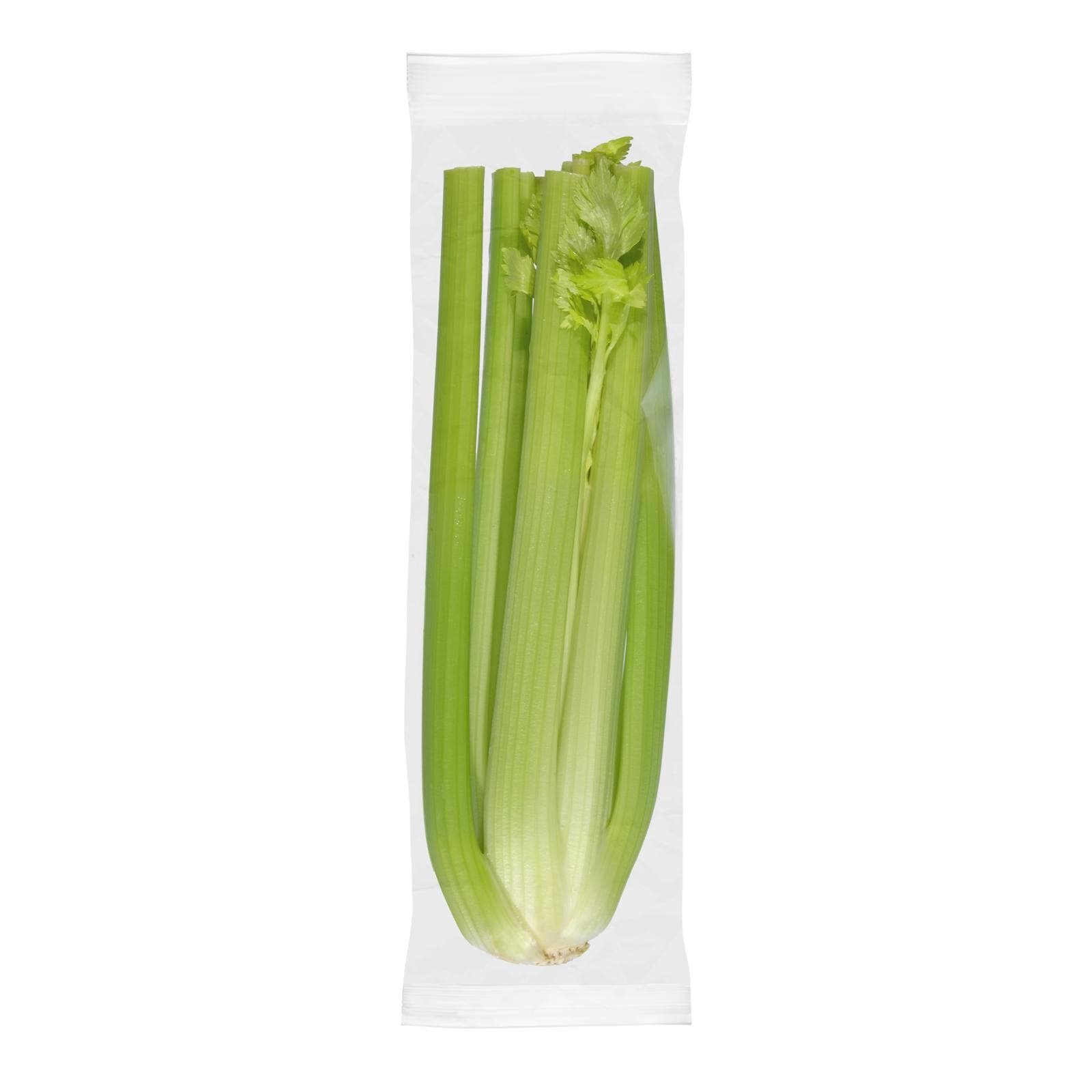 €1.32
€1.32Green Celery
660 g · Mercadona
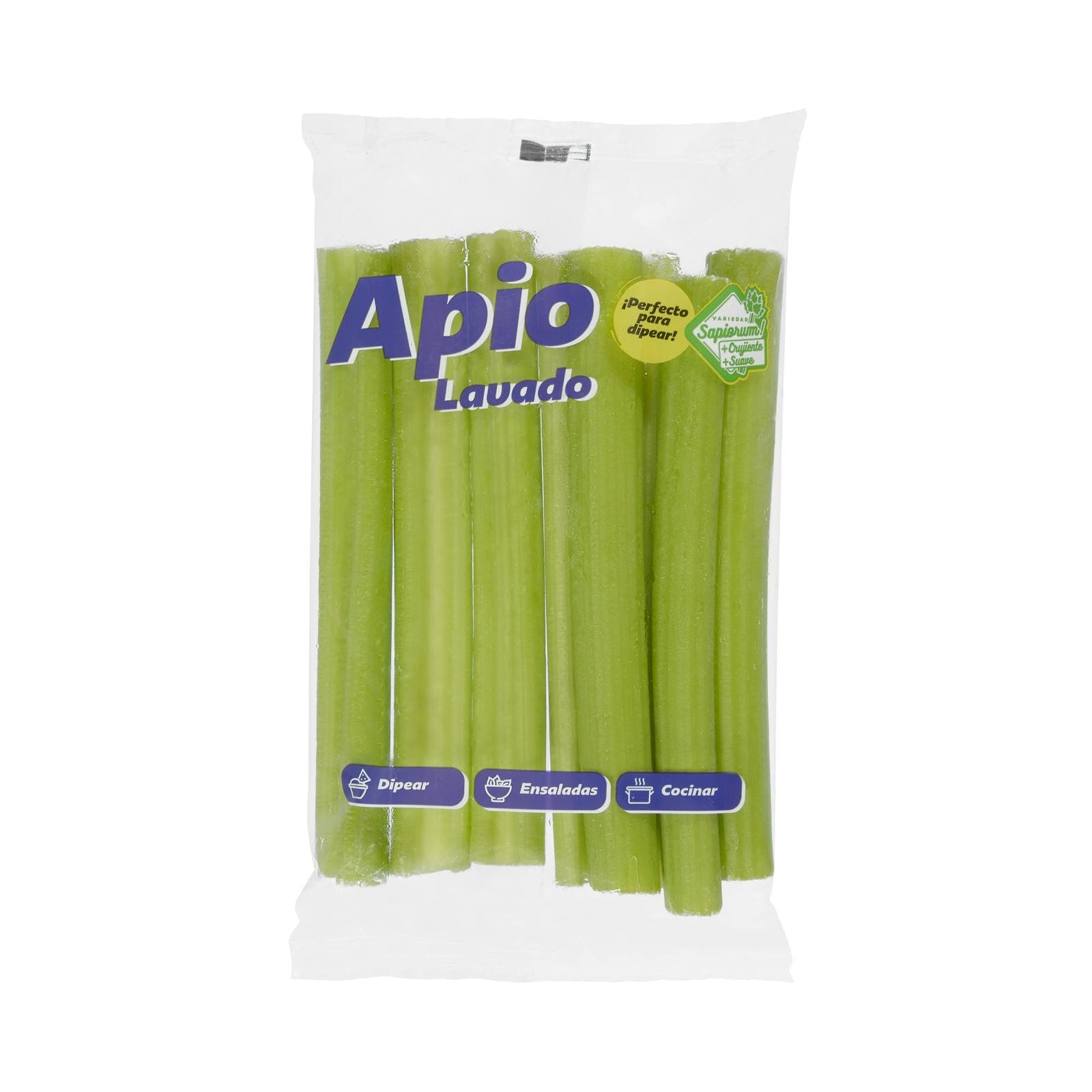 €1.15
€1.15Cut and Washed Celery
210 g · Mercadona
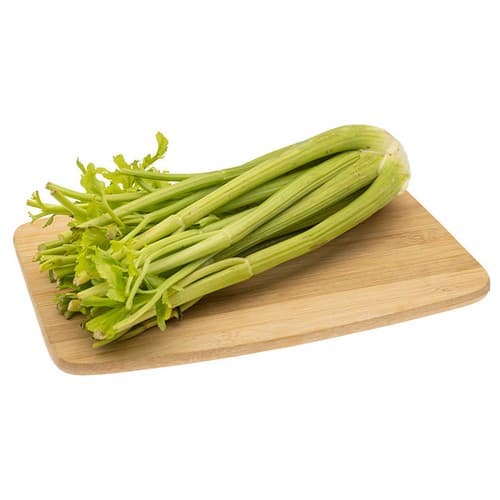 €2.19
€2.19Organic Celery in Bag
kg · Bonpreu
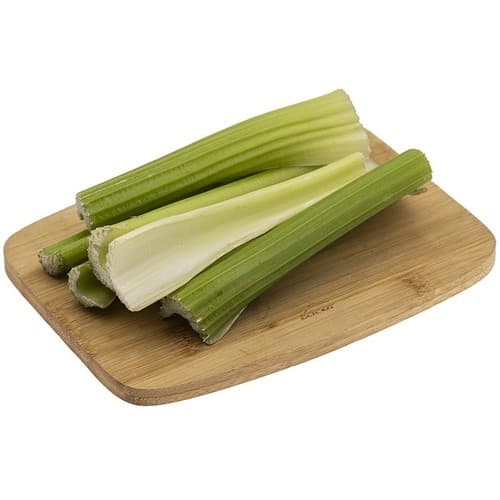 €1.15
€1.15Celery Sticks 200g bag
LA COLLITA · kg · Bonpreu
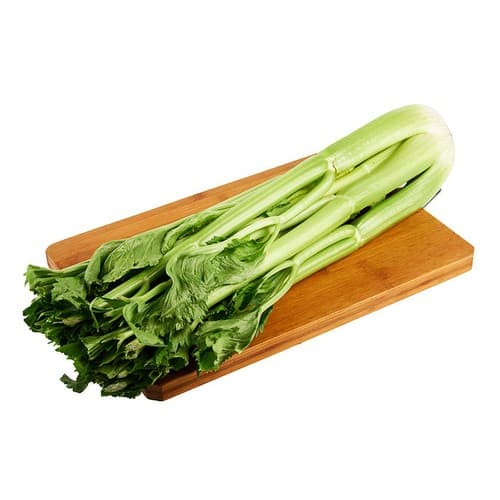 €1.89
€1.89LA COLLITA Celery Km0 1 unit
LA COLLITA · kg · Bonpreu
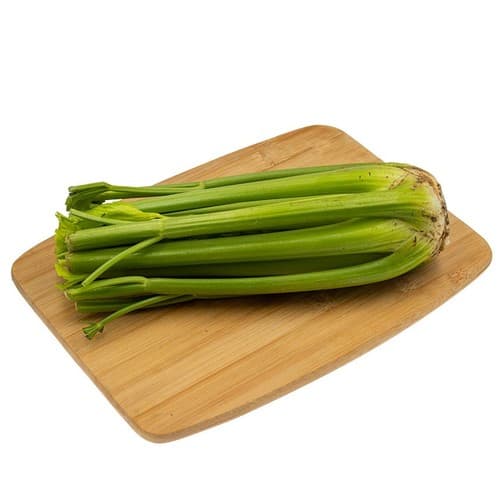 €1.95
€1.95Cut Celery Km0 in a 400g Bag
LA COLLITA · kg · Bonpreu
Good to know
- Scientific Name
- Foeniculum vulgare var. azoricum (Florence fennel)
- Origin
- Mediterranean basin, cultivated since ancient Rome
- Peak Season
- Fall through early spring; available year-round in mild climates
- Flavor Profile
- Sweet anise/liquorice, mildly woody, slightly celery-like
- Edible Parts
- Bulb (primary), stalks, fronds (feathery greens), seeds
- Storage
- Refrigerate unwashed in a plastic bag for up to 7–10 days
- Yield
- Approximately 70–80% edible after trimming outer layers
- Typical Size
- 3–6 inches in diameter; golf ball to large grapefruit
- Preparation Time
- 5–10 minutes to clean and slice
- Equipment
- Sharp knife, mandoline (optional for thin slicing)
- Difficulty
- Easy; requires basic knife skills
Substitutes
- Celery — Best for texture in salads; lacks anise flavor but provides similar crunch. Use 1:1 ratio.
- Anise Seed — For flavor matching only; not a textural substitute. Use a pinch of seeds to approximate one bulb's flavor contribution.
- Sweet Onion — Partial substitute for cooked applications where the anise note is background. Lacks the distinctive flavor entirely.
- Jicama — Provides similar crunch for raw uses; neutral flavor lets other ingredients dominate. Use 1:1 ratio.
Pairs with
Also called
Florence Fennel · Finocchio
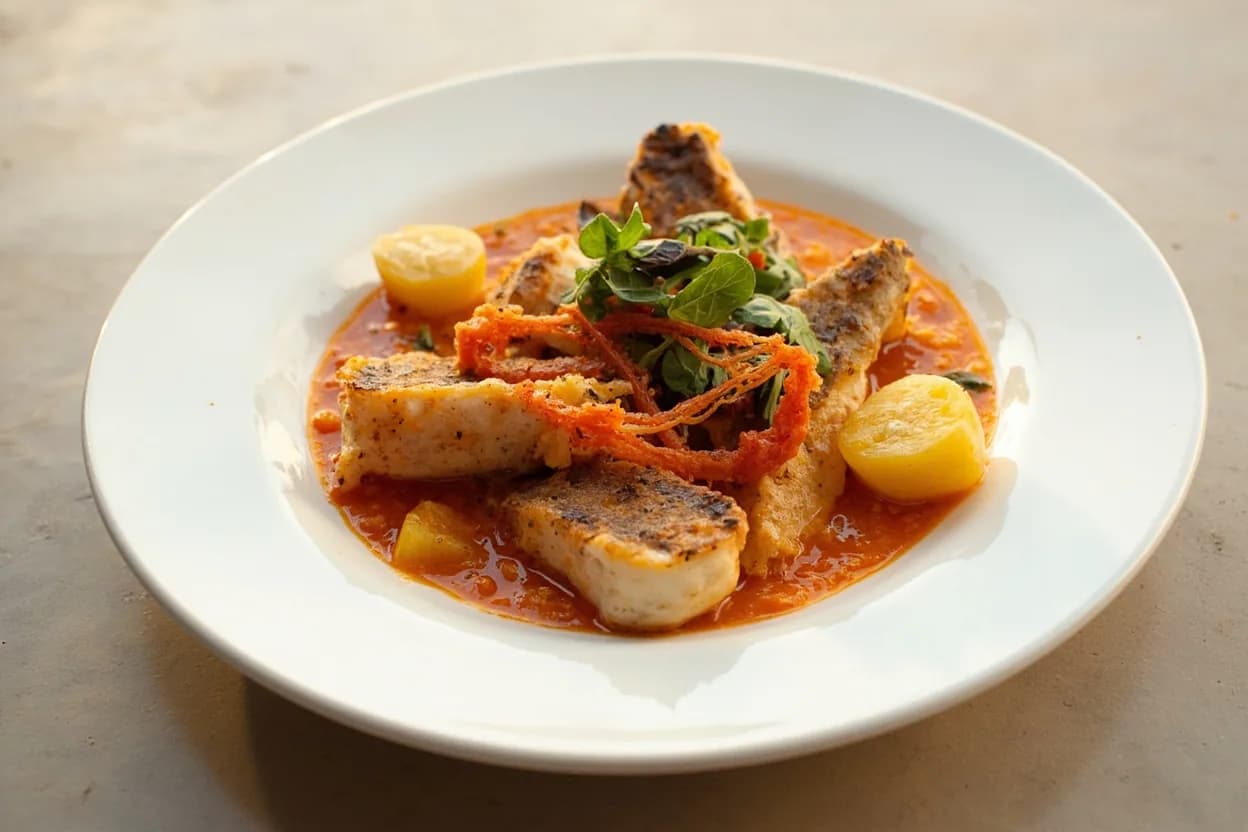
Appears in these dishes
Related
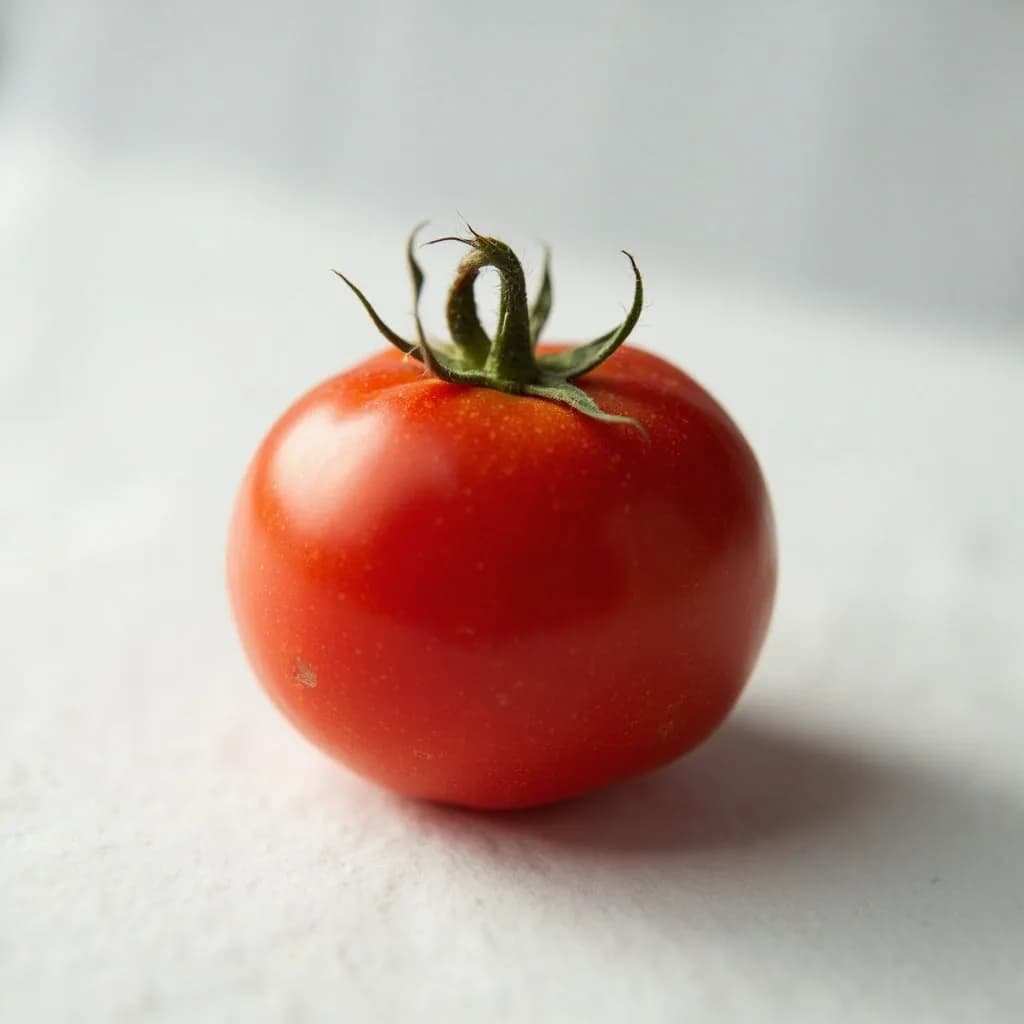
Tomato
Juicy, sun-sweet fruit for sauces, salads, and slow-cooked depth
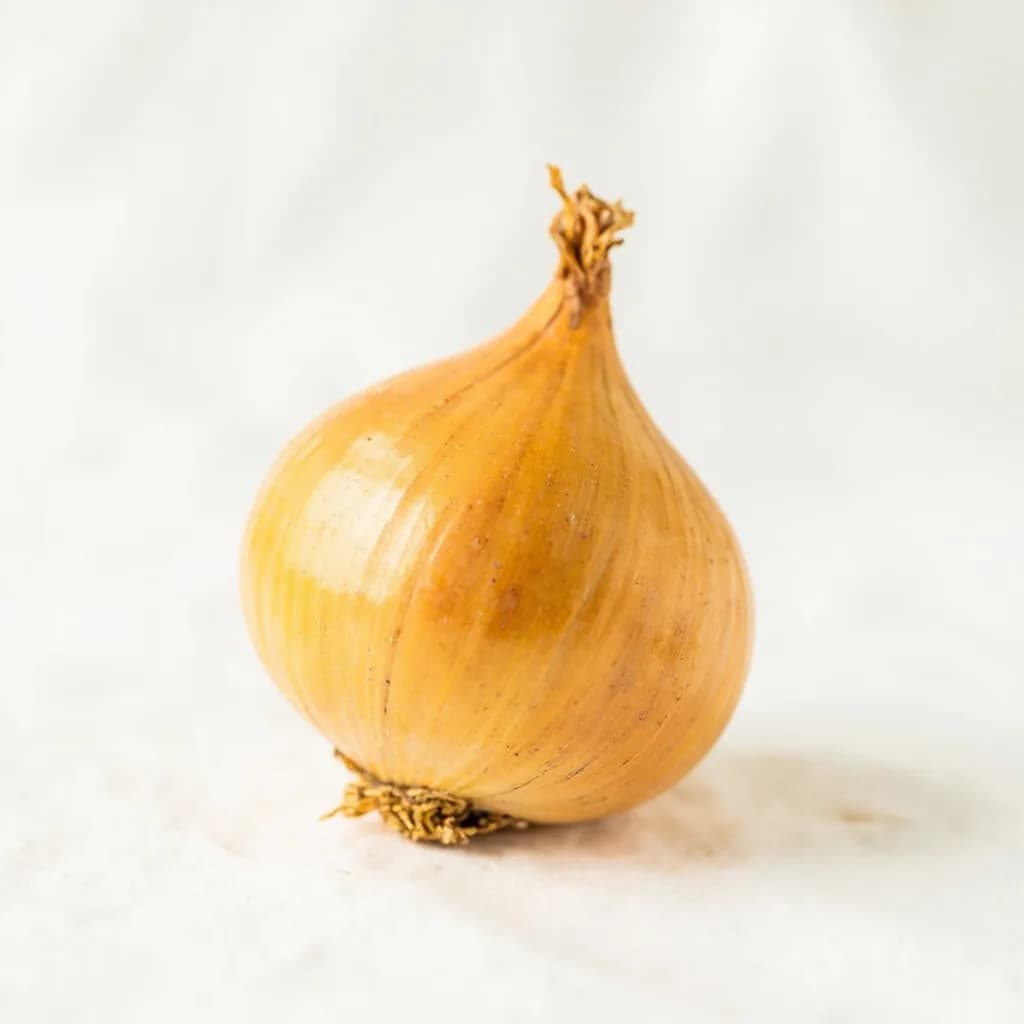
Yellow Onion
The aromatic backbone of soups, sofritos, and braises
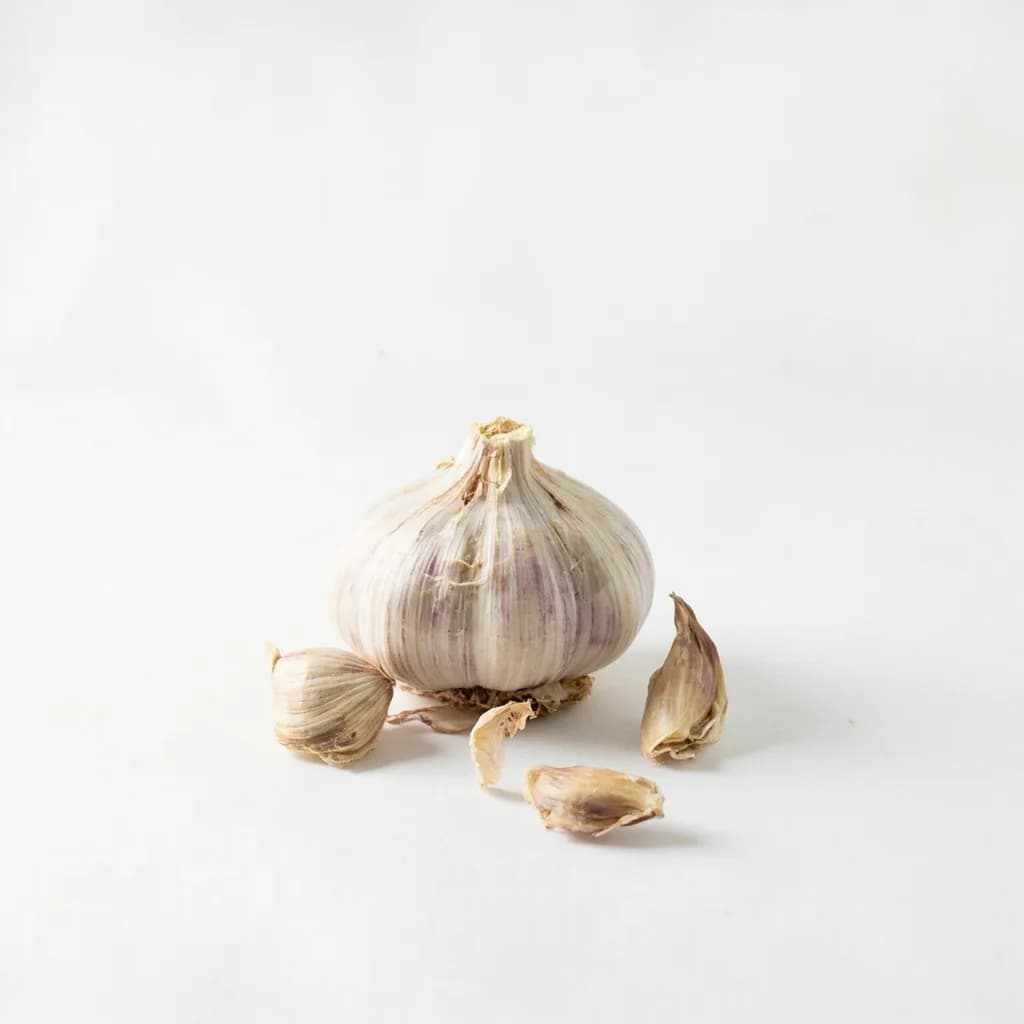
Garlic
Pungent cloves that perfume nearly every savory dish
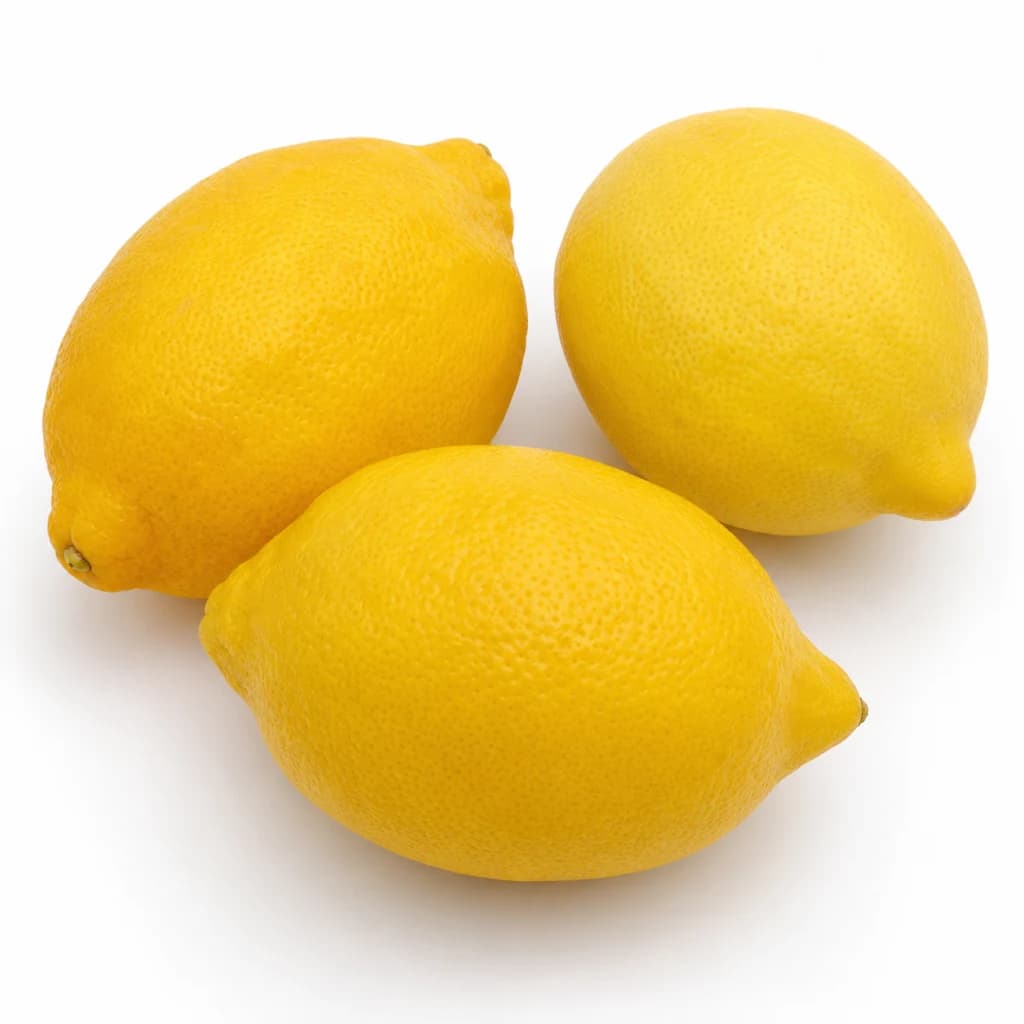
Lemon
Bright, acidic citrus that wakes up almost any dish
Potato
Humble, hearty staple — roast, mash, fry, or boil
Carrot
Sweet, crunchy root — raw, roasted, or the base of a sofrito
Cucumber
Cool, crisp, and watery — for salads, pickles, and tzatziki

Lettuce
Crisp leaves for salads, wraps, and a fresh crunch