Baking
Breadcrumbs
Dried or fresh crushed bread for crispy coatings, binding, and topping gratins.
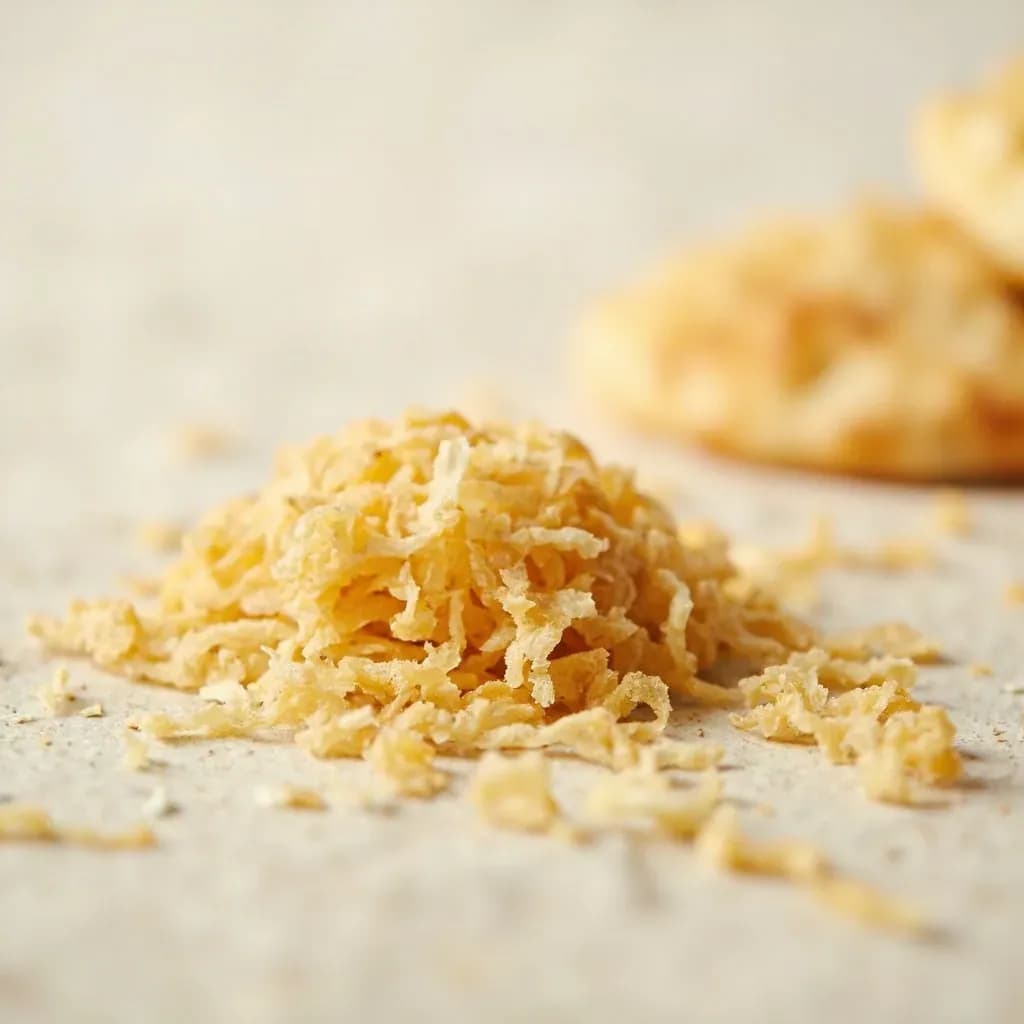
Breadcrumbs are made from dried or fresh bread crushed to crumbs, sold fine, coarse, or as airy Japanese panko. They form crunchy coatings for fried foods like schnitzel and cutlets, bind meatballs and fillings, and top baked pasta and gratins. Toasted (pangrattato) they add crunch sprinkled over finished dishes.
Breadcrumbs are a foundational baking and cooking essential made from dried or fresh bread processed into crumbs of varying sizes. They serve two distinct functional roles: when moistened and combined with other ingredients, the starches and gluten in bread act as a binding agent that holds mixtures together and retains moisture; when applied as a dry coating, they absorb frying fat and transform into a crisp, golden crust. Understanding which type to reach for—and when—separates competent cooking from careless cooking.
Dried breadcrumbs are produced from stale bread that is dried in a low oven or food dehydrator and then ground to the desired texture. Fresh breadcrumbs are simply crumbled or grated from soft bread without any drying step. The distinction matters enormously in practice: fresh breadcrumbs excel at binding—meatballs, meatloaf, crab cakes—because their retained moisture helps them meld into a cohesive mixture. Dried and panko breadcrumbs are engineered for crispness, and their drier, firmer structure fries or bakes to a crunchier, more durable crust than fresh crumbs could ever produce. Panko, a Japanese invention from the 1950s made from crustless white bread, is the standout performer for coatings: its lighter, flakier architecture yields a noticeably airier crunch that stays crisper longer, making it the preferred choice for tonkatsu, fried chicken, and eggplant parmesan.
The panade—a paste of breadcrumbs soaked in milk or stock—is one of the most effective and underused techniques in home cooking. Folded into ground meat mixtures, the bread absorbs liquid, swells, and then releases it slowly during cooking, preventing the protein from drying out and tightening. This single technique is the difference between a meatloaf that is dense and mealy and one that is juicy and tender. Use fresh breadcrumbs for panade; panko is too airy and open-structured to absorb liquid effectively.
- Measured in
- g
- Storage
- Pantry
Allergens
Types & varieties
Soft and moist, processed from fresh bread with no drying required. Best for binding—meatballs, meatloaf, crab cakes—where a tender, cohesive result is the goal.
Japanese-style, made from crustless white bread. Lighter, flakier, and noticeably crispier than standard dried breadcrumbs. Produces a more open, airy crunch that holds up well over time. Preferred for tonkatsu, fried chicken, and eggplant parmesan.
The standard supermarket variety, ground from dried bread, typically white. Medium texture and versatile for all purposes, from coatings to stuffings.
Pre-seasoned with parmesan, garlic, parsley, oregano, and salt. Convenient for coating chicken, eggplant, or topping pasta bakes. Be aware that salt content varies widely between brands.
Larger crumb size that delivers distinct, chunky texture. Ideal for toppings and stuffings—gratins, pork chops, roasted vegetables—where you want visible, textural contrast.
Made from gluten-free bread, rice crackers, or quinoa. Functions identically to standard breadcrumbs; check the label for exact crumb size and whether seasoning has been added.
The Panade Technique
A panade is a paste of breadcrumbs soaked in milk or stock that is folded into ground meat mixtures to add moisture, tenderness, and cohesion. The bread acts as a sponge: it absorbs liquid before cooking, then releases it gradually as the meat cooks, preventing the protein from drying out and becoming tight. Use ¼ to ⅓ cup breadcrumbs per 450 g (1 lb) of ground meat. Fresh breadcrumbs are strongly preferred for this application—panko is too airy and does not absorb liquid effectively enough to function as a panade. Fold the panade in gently just until combined; overworking turns the mixture dense and mealy.
- Use fresh breadcrumbs for panade; panko does not absorb liquid effectively
- Use ¼–⅓ cup breadcrumbs per 450 g (1 lb) ground meat
- Soak breadcrumbs in milk or stock for 10 minutes before folding into meat
- Fold in gently—do not overwork or the result will be dense and tough
The Standard Three-Step Breading Procedure
The classic breading method uses three stations in sequence: seasoned flour, an egg wash (or egg-and-milk mixture), and breadcrumbs. Each layer serves a purpose. Flour provides a dry surface that the egg adheres to and creates the first layer of the crust. The egg wash acts as the adhesive. The breadcrumbs form the visible, crispy outer layer. The critical step most home cooks skip is letting the breaded item rest on a rack for 5 minutes after the final coating—this allows the breading to set and adhere properly, preventing it from sliding off the moment it hits the hot oil.
- Station 1: Seasoned flour (salt, pepper, any spices)
- Station 2: Egg wash (whole eggs beaten with a splash of milk or water)
- Station 3: Breadcrumbs (plain, seasoned, or panko depending on the dish)
- Let breaded items rest on a rack for 5 minutes before cooking
- For baked applications, spray or brush lightly with oil or melted butter before baking at 400°F (200°C)
Common uses
Tips & pitfalls
- Toast dried breadcrumbs in melted butter or oil over medium heat until lightly golden before using—this drives off residual moisture and guarantees maximum crispness when frying or baking.
- Seasoned breadcrumbs contain added salt. If your dish includes parmesan, soy sauce, or other salty components, taste before adding more salt—the dish may not need it.
- For extra-crunchy baked coatings, spray or brush the breaded item lightly with oil or melted butter before baking at 400°F (200°C).
- Store fresh breadcrumbs flat in freezer bags in the freezer; break off what you need directly from frozen—no thawing required.
- When making meatballs or meatloaf, a 50/50 mix of fresh and dried breadcrumbs gives both cohesion and a light crust when seared.
- Panko cannot substitute for fresh breadcrumbs in a panade—the airy, open structure does not absorb and hold liquid the way standard fresh crumbs do.
Nutrition
Energy
1602 kJ · per 100 g
Where the calories come from
Protein
14.1g
28% DV
Carbs
68.5g
25% DV
Fat
5.5g
7% DV
Fiber
4.9g
18% DV
Sugars
5.7g
of which
Sodium
2100mg
91% DV
Source · USDA FoodData Central · Bread, crumbs, dry, grated, seasoned
View on FDC →In the shops
Matched grocery products
 €0.85
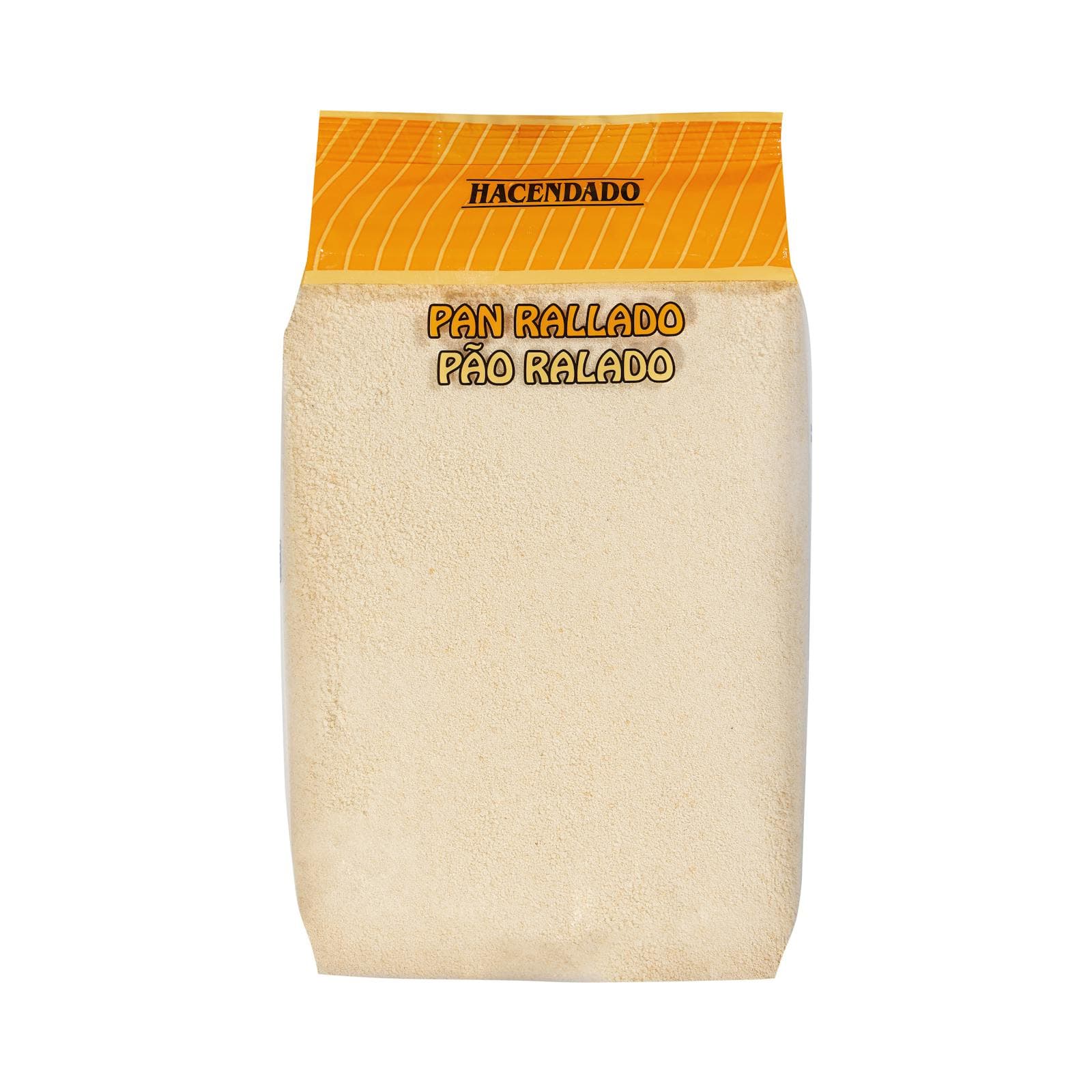
€0.85Breadcrumbs
Hacendado · 750 g · Mercadona
 €1.00
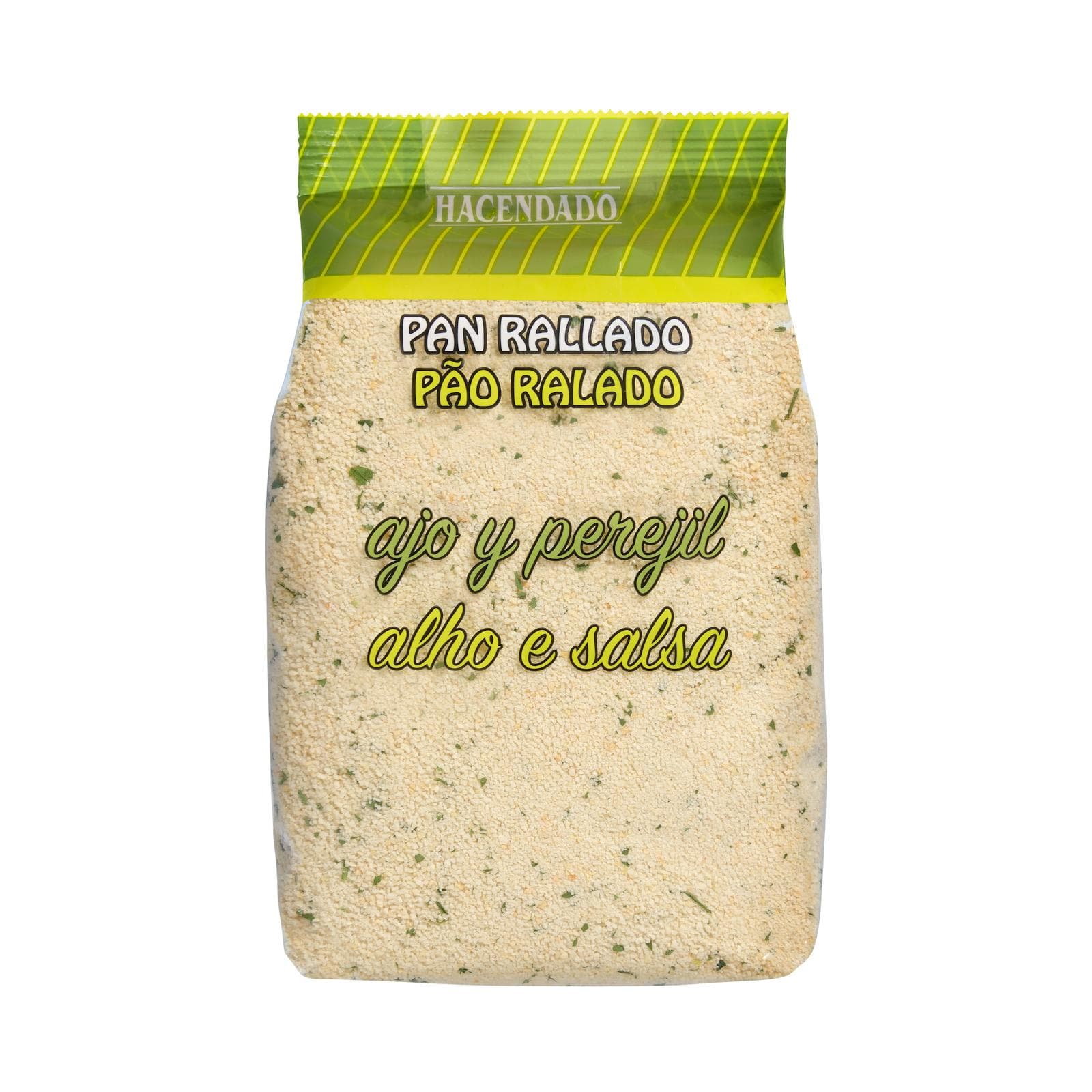
€1.00Breadcrumbs with Garlic and Parsley
Hacendado · 500 g · Mercadona
 €1.00
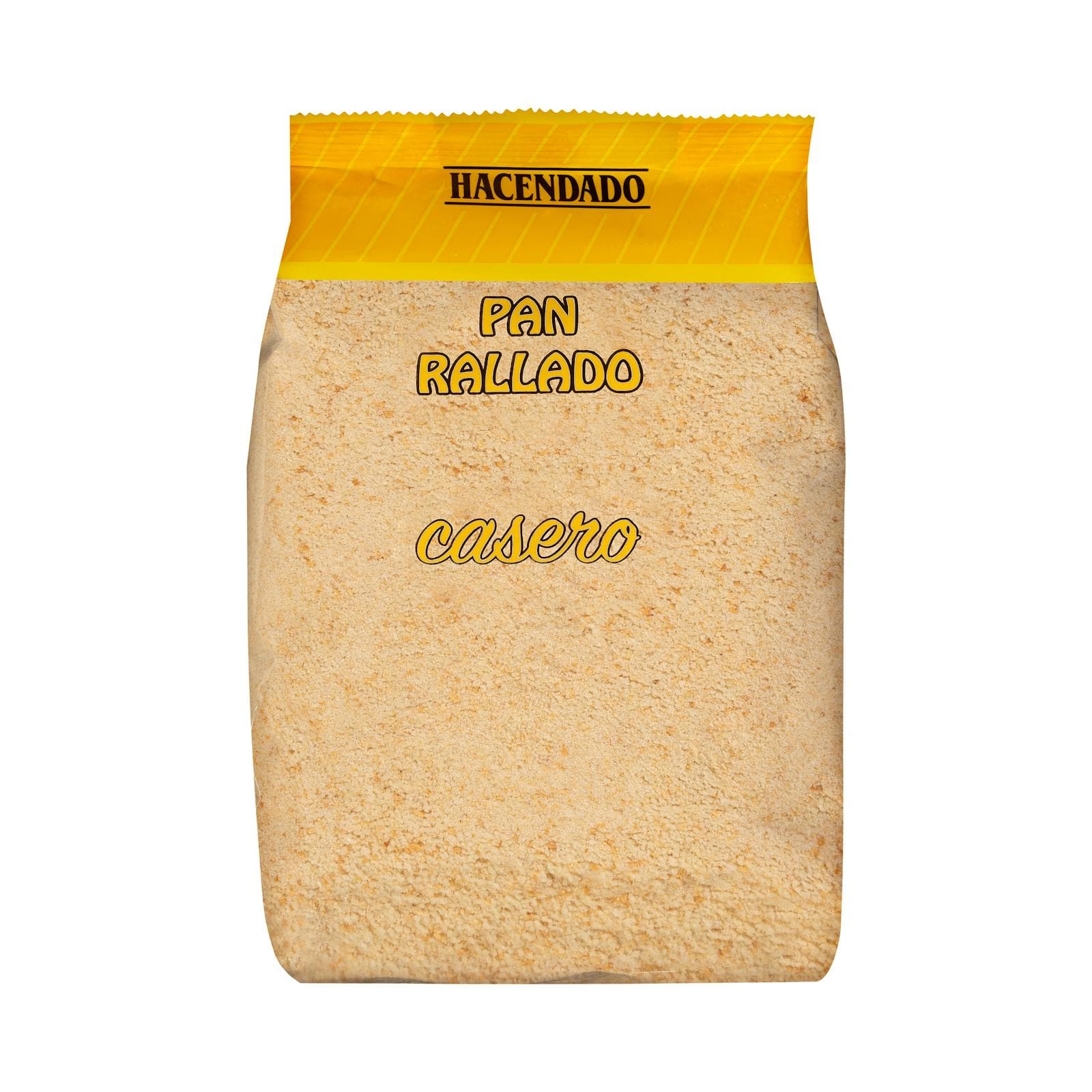
€1.00Homemade Breadcrumbs
Hacendado · 500 g · Mercadona
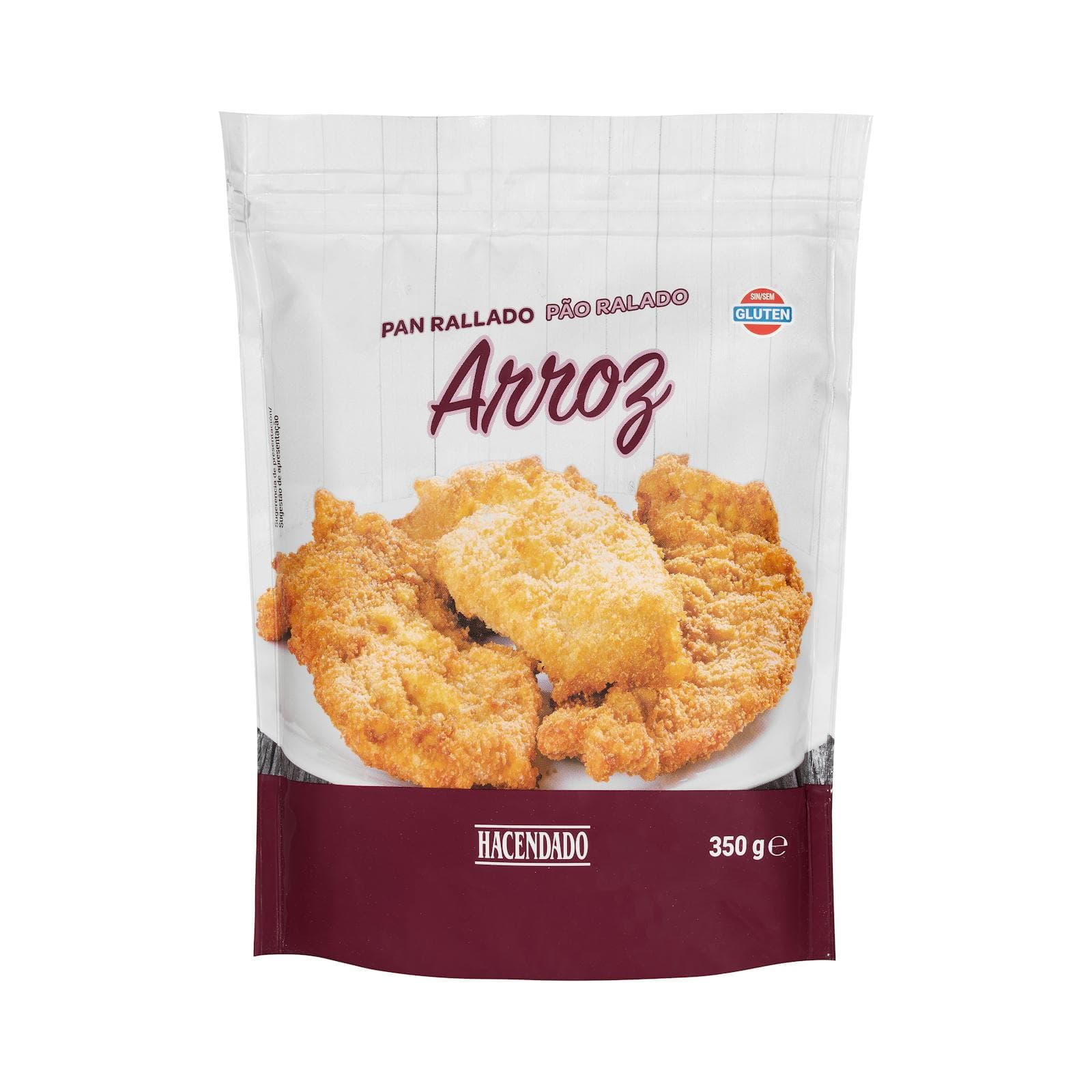 €2.00
€2.00Rice Breadcrumbs
Hacendado · 350 g · Mercadona
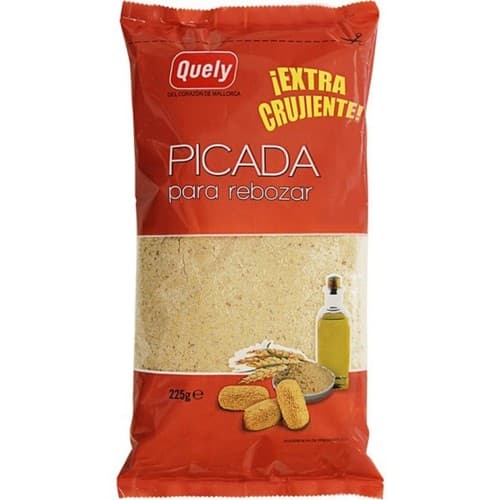 €1.29
€1.29Breading Breadcrumbs
QUELY · kg · Bonpreu
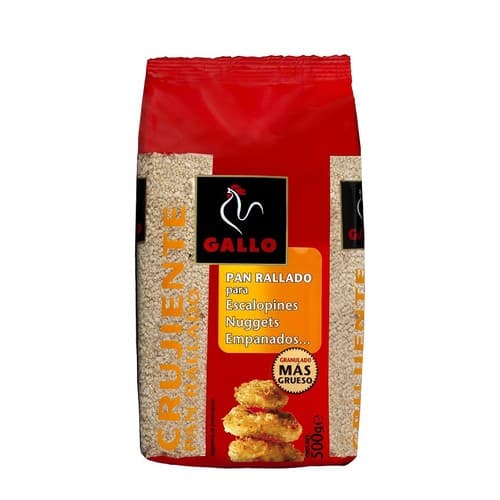 €1.39
€1.39GALLO Crunchy Breadcrumbs
GALLO · kg · Bonpreu
Good to know
- Shelf life (dried, airtight container, room temperature)
- 3–6 months
- Shelf life (fresh, room temperature)
- 1–2 days; up to 3 months frozen
- Texture categories
- Fine (3 mm or less), medium (3–6 mm), coarse (6+ mm)
- Key functional properties
- Absorbs fat when fried; provides crispness; binds mixtures and retains moisture when moistened
- Primary bread types used
- White, whole wheat, sourdough, rye, challah
- Seasoning status
- Plain (unseasoned) or seasoned with herbs, garlic, onion, cheese, and salt
- Panko origin
- Japan, 1950s; made from crustless white bread for a lighter, flakier crunch
Substitutes
- Crushed crackers or melba toast — Good textural match for binding and coatings. Salt and flavor vary by product—crush to the same crumb size as the breadcrumb type you're replacing.
- Crushed cornflakes or rice cereal — Crispier than breadcrumbs when fried or baked. Works well for coatings; omit the milk-dipping step to avoid sweetness.
- Ground oats or quick oats — Adds a mild nutty flavor; reliable for binding in meatballs and burgers. Not suitable for crispy coatings—they turn soft rather than crisp.
- Ground almonds or almond flour — Gluten-free option with a mild, slightly sweet flavor. Produces a less crispy, denser coating. Best used mixed 50/50 with breadcrumbs for better texture.
- Fine polenta (cornmeal) — Adds crunch when fried; suitable for coatings. Use coarse polenta for a more pronounced grainy texture. Does not serve as a binding substitute.
- Panko (for plain dried breadcrumbs) — Panko substitutes plain dried breadcrumbs at a 1:1 ratio without issue. The reverse substitution is less ideal—plain dried breadcrumbs are denser and produce a heavier, less airy crust than panko.
Pairs with
Also called
Semmelbrösel · Pangrattato · Panko · Bread Crumbs
Appears in these dishes
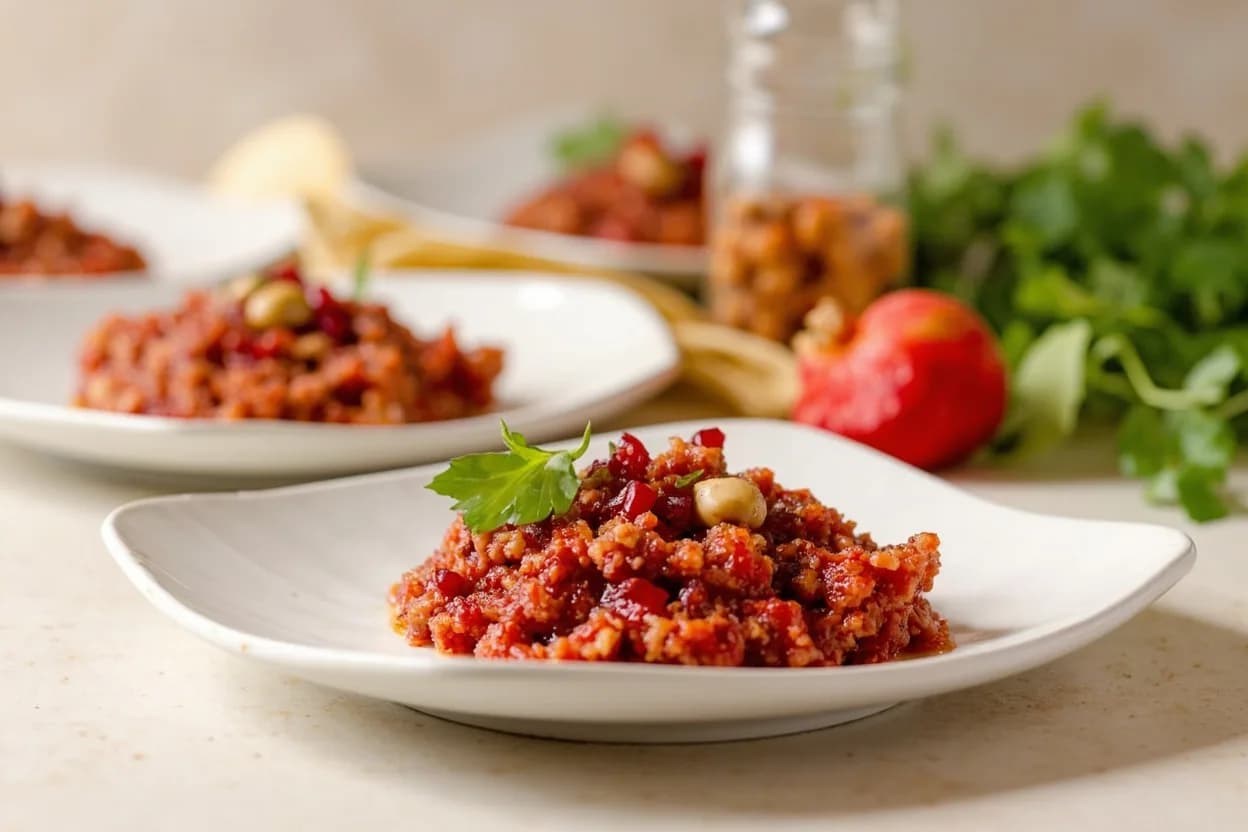
Related

All-Purpose Flour
The do-anything flour for bread, cakes, sauces, and dredging

Bread Flour
High-protein flour for chewy, well-risen breads
Whole Wheat Flour
Nutty, whole-grain flour for hearty breads and bakes
Cake Flour
Fine, low-protein flour for tender, delicate cakes
Almond Flour
Nutty, gluten-free flour for macarons and tender bakes

Baking Powder
All-in-one leavener for fluffy cakes, pancakes, and biscuits

Baking Soda
Pure leavener that needs acid to lift — and tenderize
Yeast
Living leaven that makes bread rise and dough come alive