
Natural form
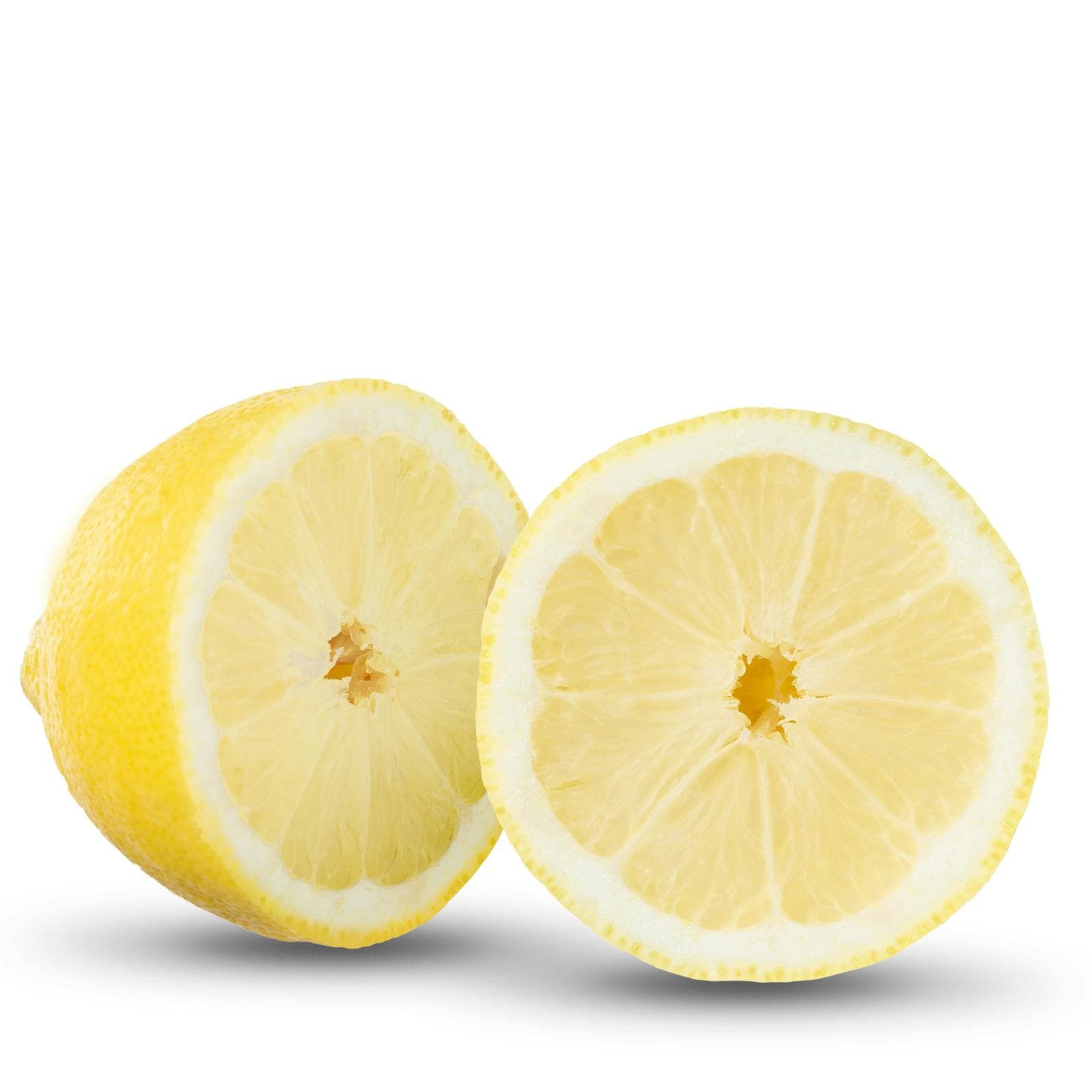
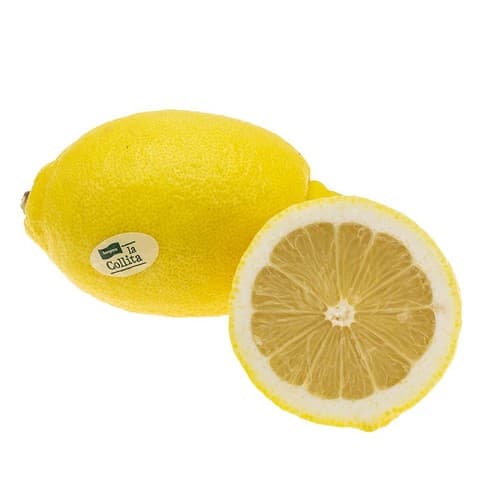
Fresh lemons whole and halved, showing the bright yellow aromatic outer rind.
Shows the source of lemon peel in its most recognizable form so readers understand what part of the fruit is used.
Produce
Lemon Peel
Aromatic outer rind of lemon, grated or pared to add bright citrus flavor without acidity.
Lemon peel is the fragrant yellow outer layer of the lemon, removed as fine zest or wide strips and packed with citrus oils. It brightens baked goods, marinades, pastas, and dressings, and is candied or steeped into syrups and infusions. Cooks avoid the bitter white pith beneath it, using only the colored zest for clean lemon aroma.
Lemon peel—specifically the colored outer layer called the zest or flavedo—is where a lemon concentrates its essential oils and aromatic compounds. While the juice provides acidity, the zest delivers citrus fragrance: a bright, floral intensity that bears little resemblance to sourness. This is why recipes often call for both juice and zest separately, and why cooks who skip the zest miss the very element that makes a dish taste genuinely lemony. The volatile oils in zest (principally d-limonene, which can comprise up to 70% of lemon oil) are extraordinarily sensitive to heat and time. Add zest early in cooking and the aromatics mellow and integrate; add it at the end and it sings. Understanding this behavior is the difference between a dish that tastes merely citrus-flavored and one that tastes freshly, vibrantly lemon.
The distinction between 'zest' and 'peel' matters in the kitchen. Zest is only the thin colored layer; the white pith beneath (the albedo) is bitter, spongy, and will ruin both texture and flavor if included. Most cooking applications specify zest for this reason. When a recipe calls for finely grated lemon peel or 'scorza grattugiata' in Italian cooking, a microplane grater produces the ideal fine, almost fluffy texture that distributes evenly through batters and sauces without incorporating bitter pith.
Fresh zest always outperforms dried, sometimes dramatically. The essential oils begin degrading the moment the lemon is broken, and dried peel loses the volatile top notes that make fresh zest so distinctive. For recipes where lemon flavor is central—not just present—a microplane and a fresh lemon are worth the extra effort.
- Measured in
- g
- Storage
- Fridge
Types & varieties
Standard commercial variety; thick, bright yellow skin; available year-round in most markets
Similar to Eureka; slightly more acidic; deeply textured skin yields zest efficiently
Thinner, smoother skin; sweeter, less acidic; inner pith also milder—whole peel more forgiving
Thick-skinned, highly aromatic; prized for lemon oil extraction; essential in Italian cooking
Spanish origin; medium-thin skin; bright, intense citrus flavor; excellent all-purpose variety
Pink flesh with striped skin; peel has subtle berry-like undertone; striking as garnish
Large, thick-skinned hybrid; very juicy; peel has intense, slightly tart lemon flavor
Common uses
Tips & pitfalls
- Always wash lemons under hot water and scrub with a brush before zesting to remove any wax or pesticide residue, whether conventionally or organically grown.
- Use only the colored outer layer—the white pith beneath is bitter and will ruin both texture and flavor in your dish.
- A microplane grater produces the finest, most aromatic zest by rupturing oil glands without shredding pith; this is the most versatile tool for most kitchen tasks.
- For maximum fragrance in cooked dishes, add zest early to allow oils to develop and integrate; for brightness and aroma, add at the very end as a finishing touch.
- When a recipe calls for both juice and zest, always zest first—once juiced, the lemon's structure collapses and zest becomes nearly impossible to extract cleanly.
- Frozen lemons can be grated directly from frozen without thawing; the pith becomes tender enough that it doesn't impart bitterness, making frozen citrus practical for zesting.
- If using dried lemon peel, grind to powder and reduce quantity by approximately 75%; dried peel loses most of its aromatic intensity and the flavor becomes flat and resinous.
- For candied peel, blanch in simple syrup multiple times, changing the syrup each time, to properly draw out bitter compounds before crystallizing.
- Avoid zesting lemons that have been frozen solid if you also plan to juice them—freezing ruptures cell walls and causes bitterness to migrate into the juice.
Nutrition
Energy
197 kJ · per 100 g
Where the calories come from
Protein
1.5g
3% DV
Carbs
16g
6% DV
Fat
0.3g
0% DV
Fiber
10.6g
38% DV
Sugars
4.2g
of which
Sodium
6mg
0% DV
Source · USDA FoodData Central · Lemon peel, raw
View on FDC →In the shops
Matched grocery products
 €0.69
€0.69Lemon
230 g · Mercadona
 €2.70
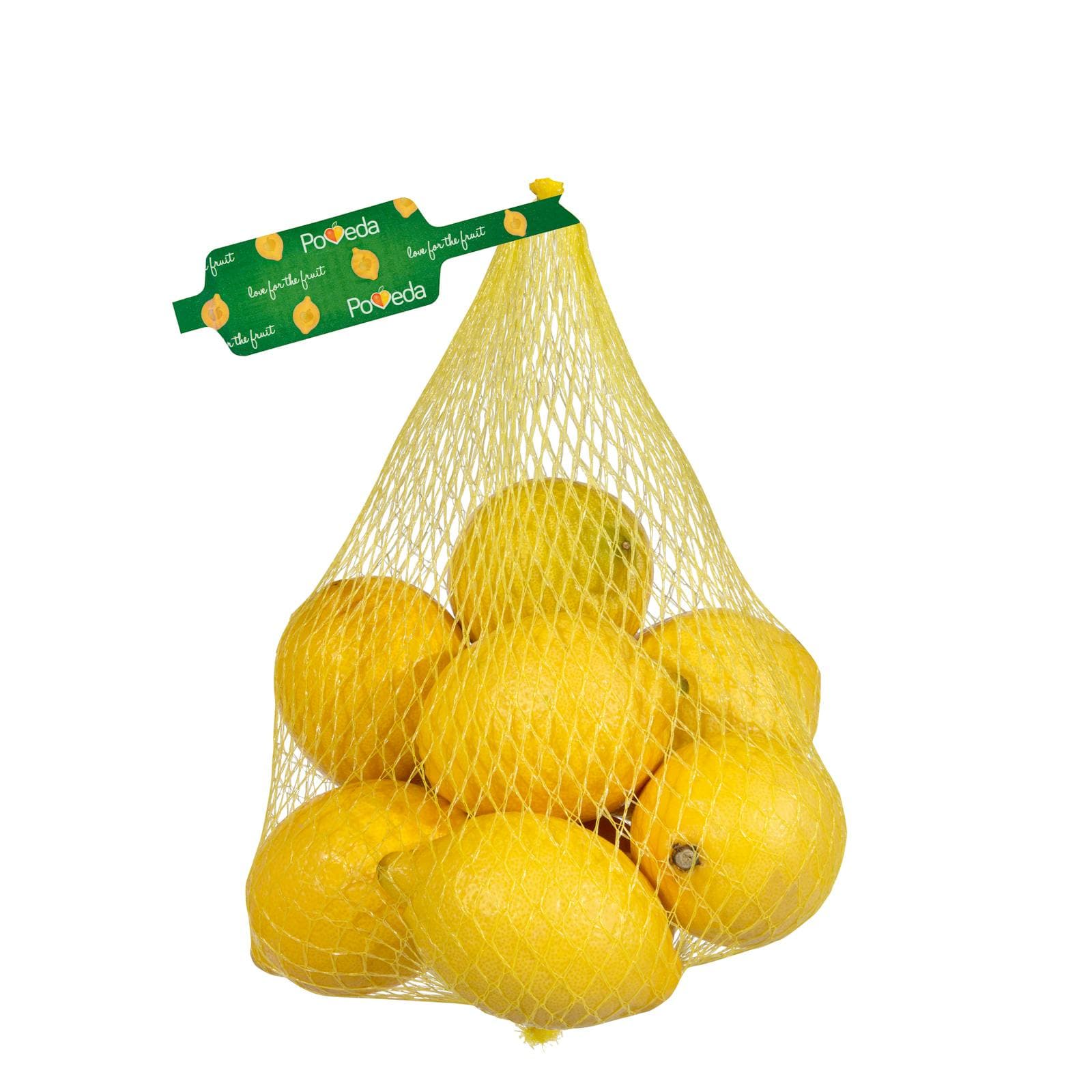
€2.70Lemons
1 kg · Mercadona
 €0.40
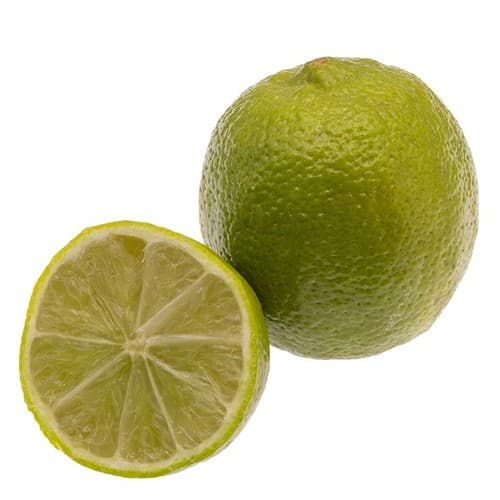
€0.40Lemon 1 unit
ud · Bonpreu
 €0.59
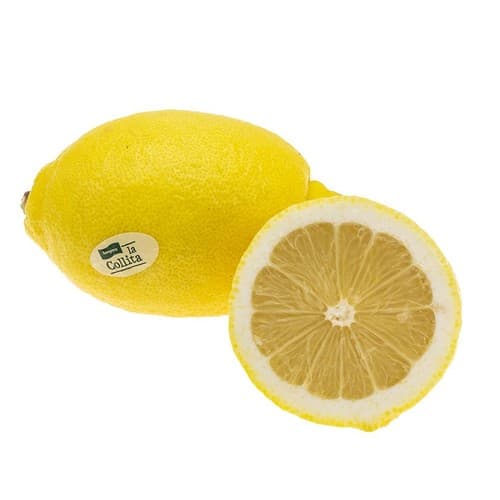
€0.59Lemon 1 unit
Bonpreu
 €0.88
€0.88Lemon 1 unit
ud · Bonpreu
 €3.19
€3.19Lemon Mesh Bag 1 kg
LA COLLITA · kg · Bonpreu
Good to know
- Part used
- Outer zest only (colored flavedo, not bitter white pith)
- Primary aroma compounds
- d-Limonene (up to 70% of oil), citral, linalool, geranial, neral
- Acidity
- Contains minimal citric acid; adds brightness without sourness
- Yield
- One medium lemon yields approximately 2–3 teaspoons packed zest
- Best extraction tool
- Microplane grater for fine texture; vegetable peeler for strips; box grater for larger shreds
- Fresh-to-dried ratio
- 1 tablespoon fresh ≈ 1 teaspoon dried ≈ 1/4 teaspoon ground
- Storage (fresh)
- Refrigerate in airtight container up to 1 week; freeze whole lemons indefinitely
- Storage (dried)
- Airtight container in cool, dark place up to 6 months
- Wax warning
- Conventionally grown lemons may be waxed; use organic or scrub under hot water before zesting
Substitutes
- Lime zest — Similar intensity with more tropical, floral notes; use 1:1 in most applications; acceptable across sweet and savory dishes
- Orange zest — Sweeter, less acidic; best for desserts, beverages, and light savory dishes; use 1:1 or slightly less depending on desired citrus character
- Grapefruit zest — More bitter and assertive; use sparingly in savory contexts; not ideal for sweet preparations where lemon's brightness is desired
- Lemon zest paste (jarred) — Convenient but noticeably less aromatic than fresh; acceptable in long-cooked dishes where fresh zest isn't practical
- Lemon oil (cold-pressed, food-grade) — Very potent—1 to 2 drops replace approximately 1 tablespoon fresh zest; useful for baking and finishing but lacks texture
- Lemon extract — Concentrated flavor but lacks aromatic complexity; use 1/4 teaspoon per tablespoon fresh zest in baked goods only
- Dried lemon peel — Reconstitute in warm water for 10 minutes; inferior aroma to fresh but functional in soups, braises, and long-cooked stews
Pairs with
Also called
Pell de Llimona · Lemon Zest · Lemon Rind
Appears in these dishes

Related
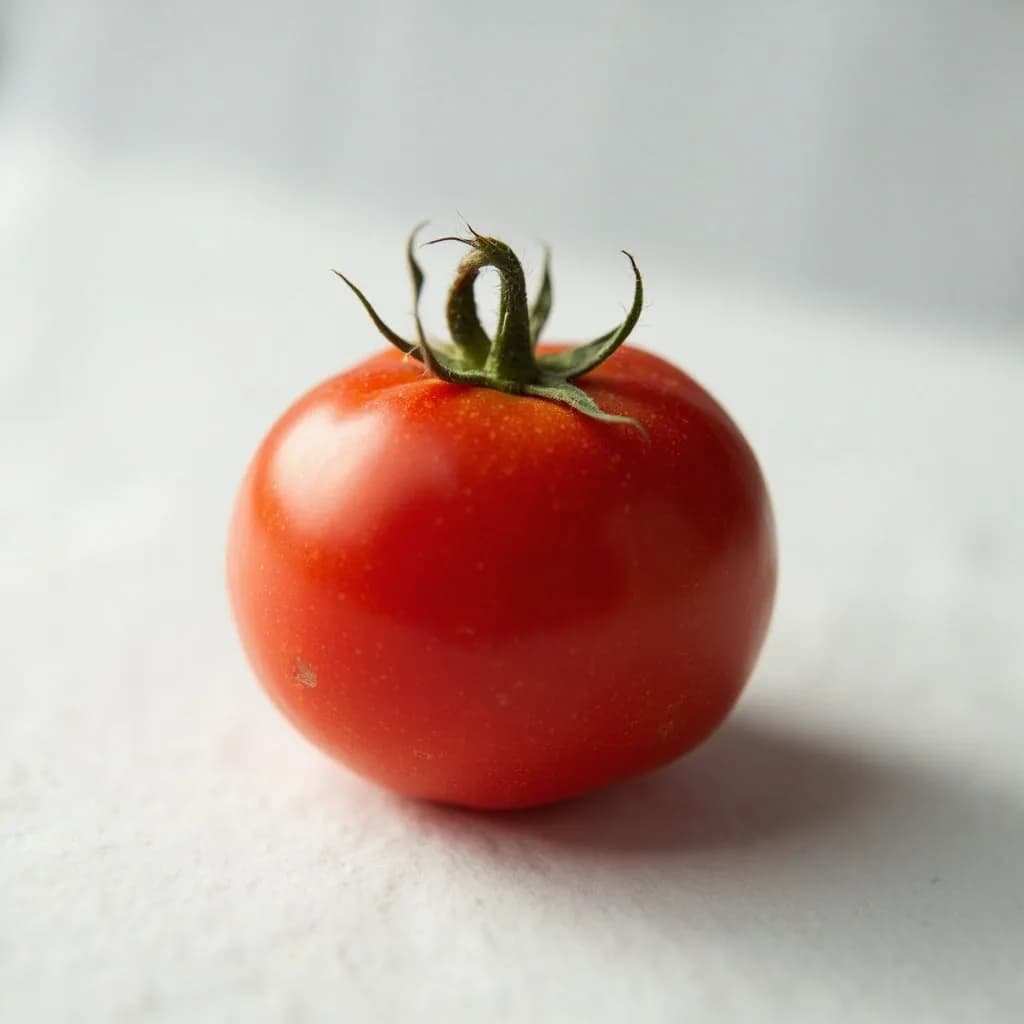
Tomato
Juicy, sun-sweet fruit for sauces, salads, and slow-cooked depth
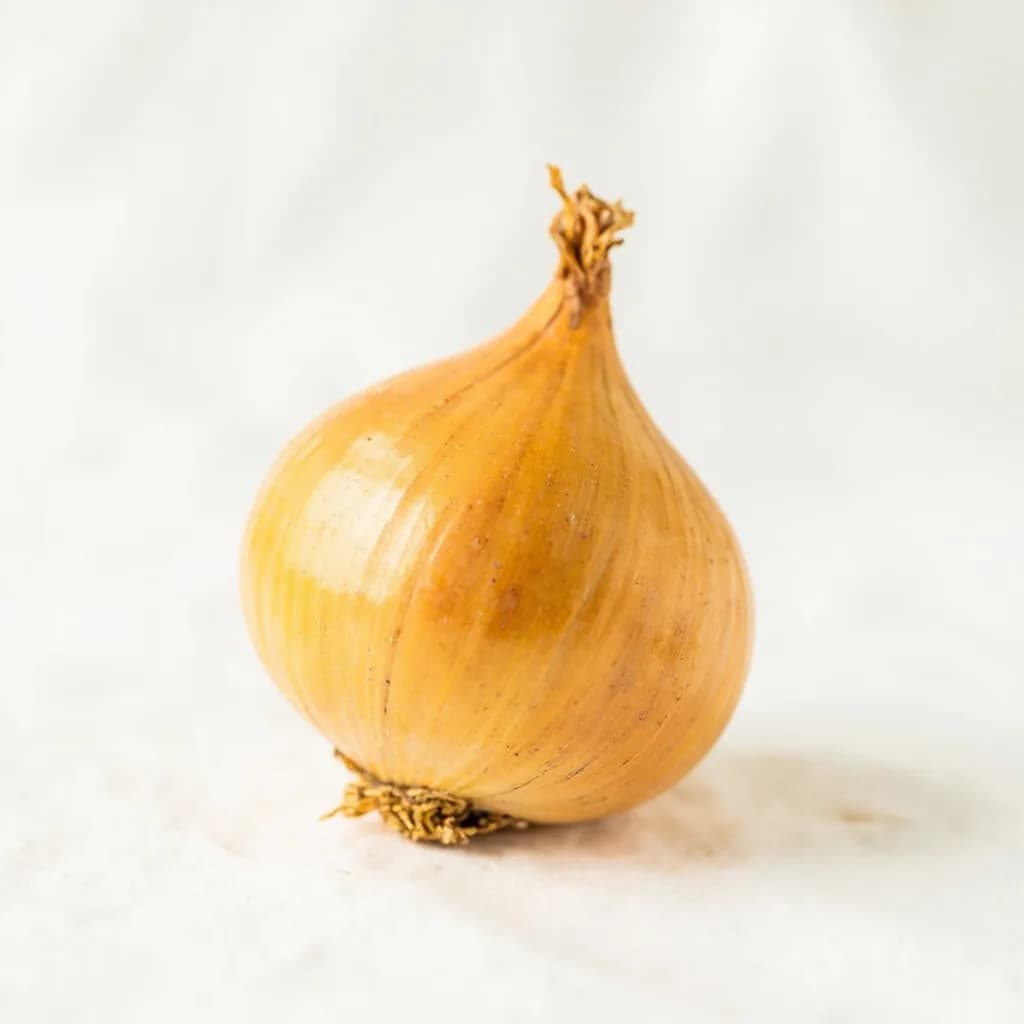
Yellow Onion
The aromatic backbone of soups, sofritos, and braises
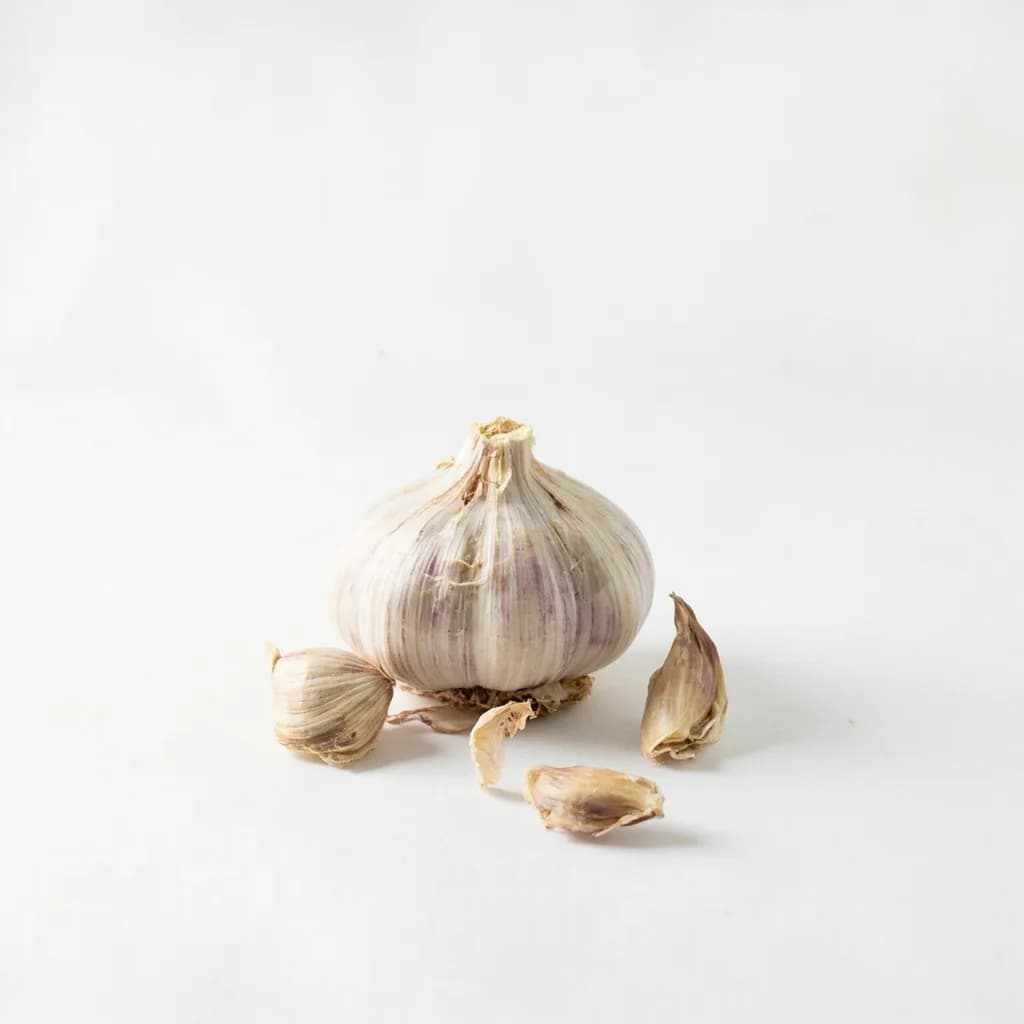
Garlic
Pungent cloves that perfume nearly every savory dish
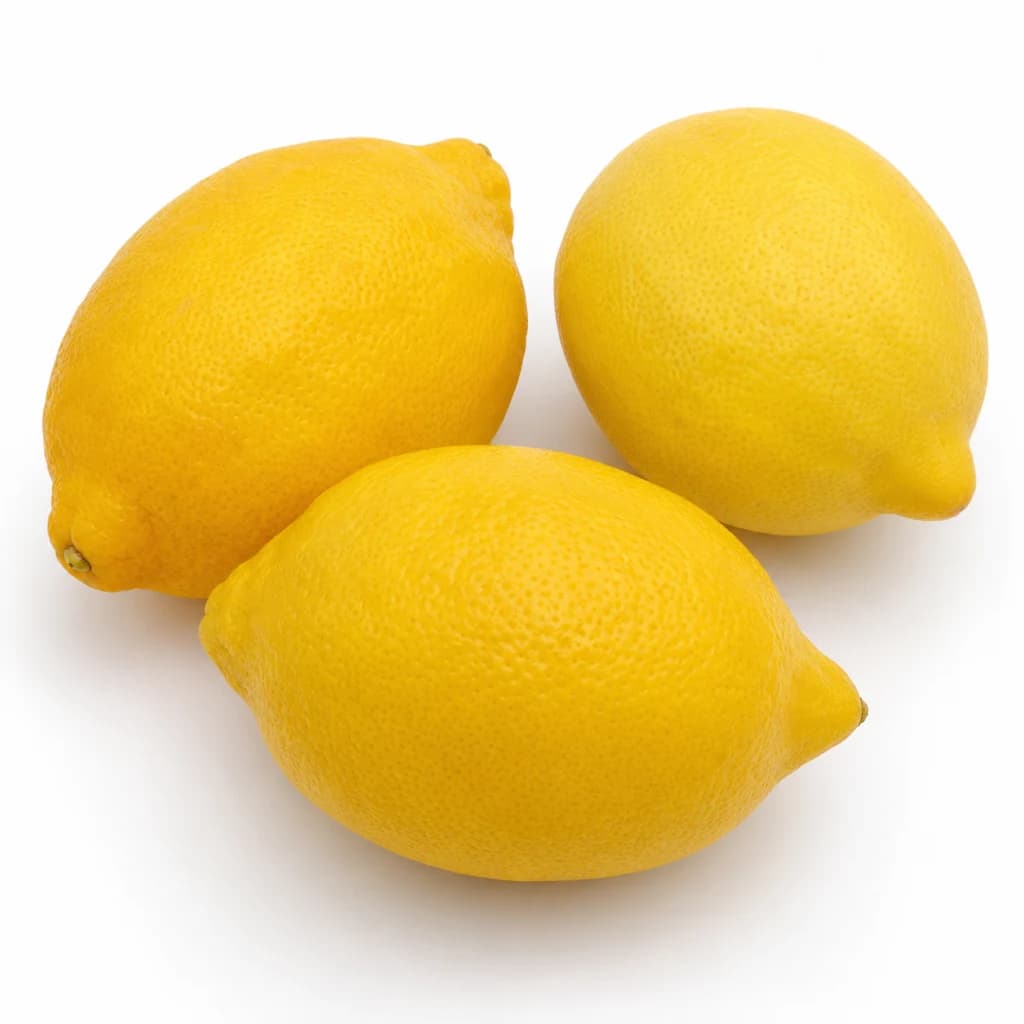
Lemon
Bright, acidic citrus that wakes up almost any dish
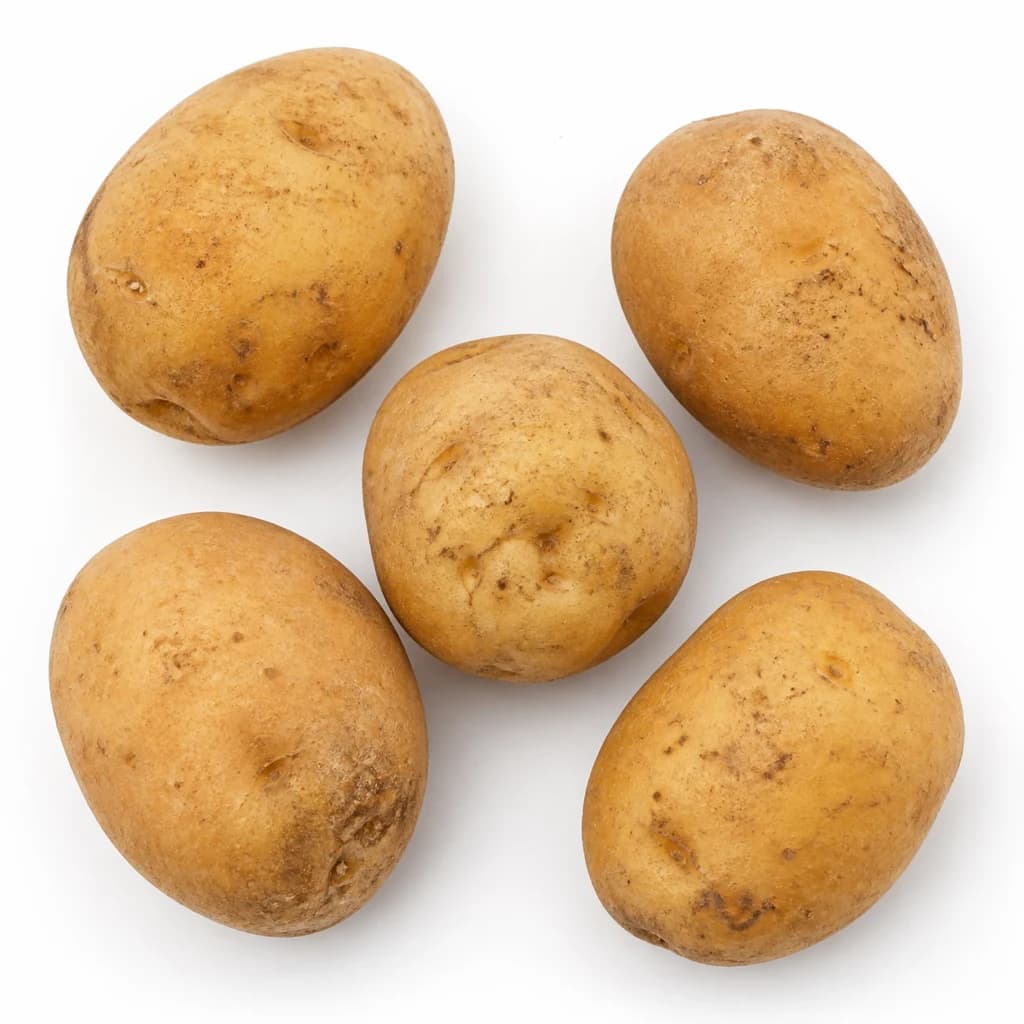
Potato
Humble, hearty staple — roast, mash, fry, or boil
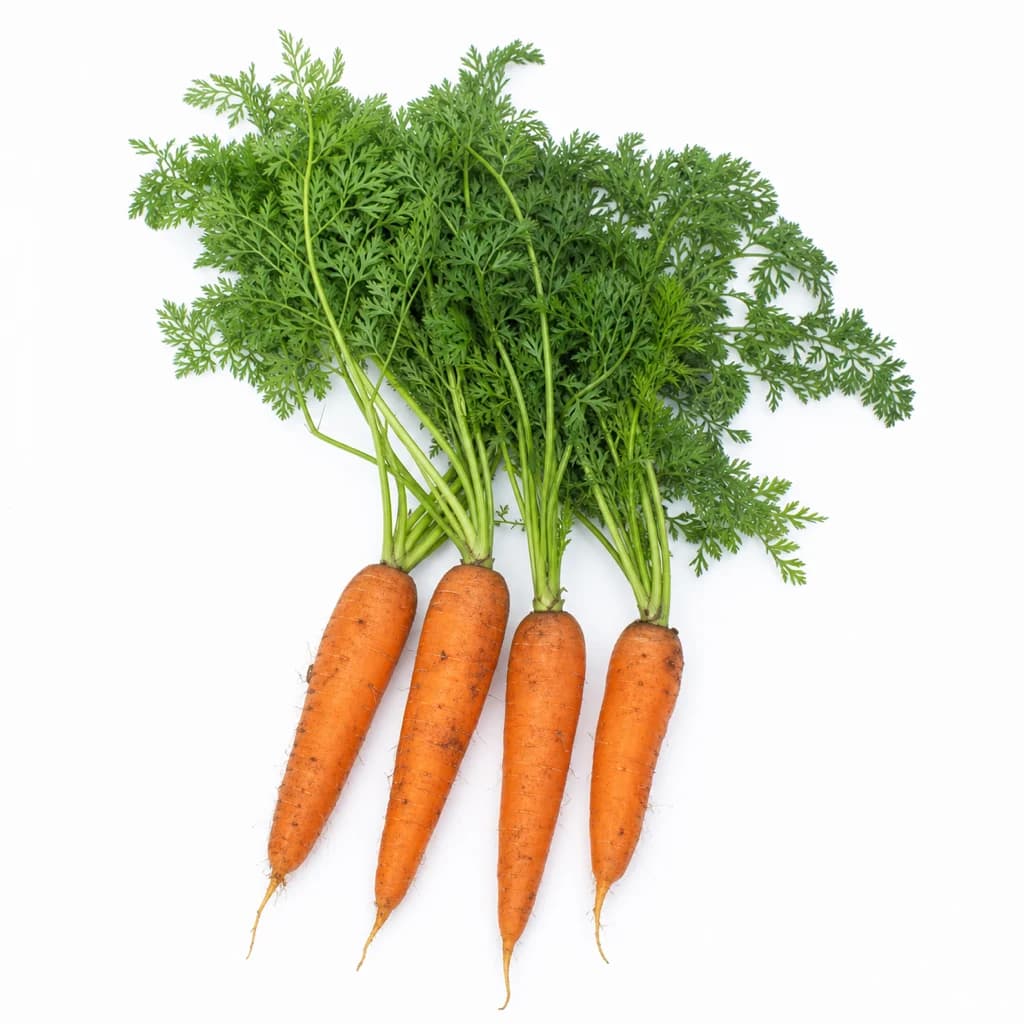
Carrot
Sweet, crunchy root — raw, roasted, or the base of a sofrito
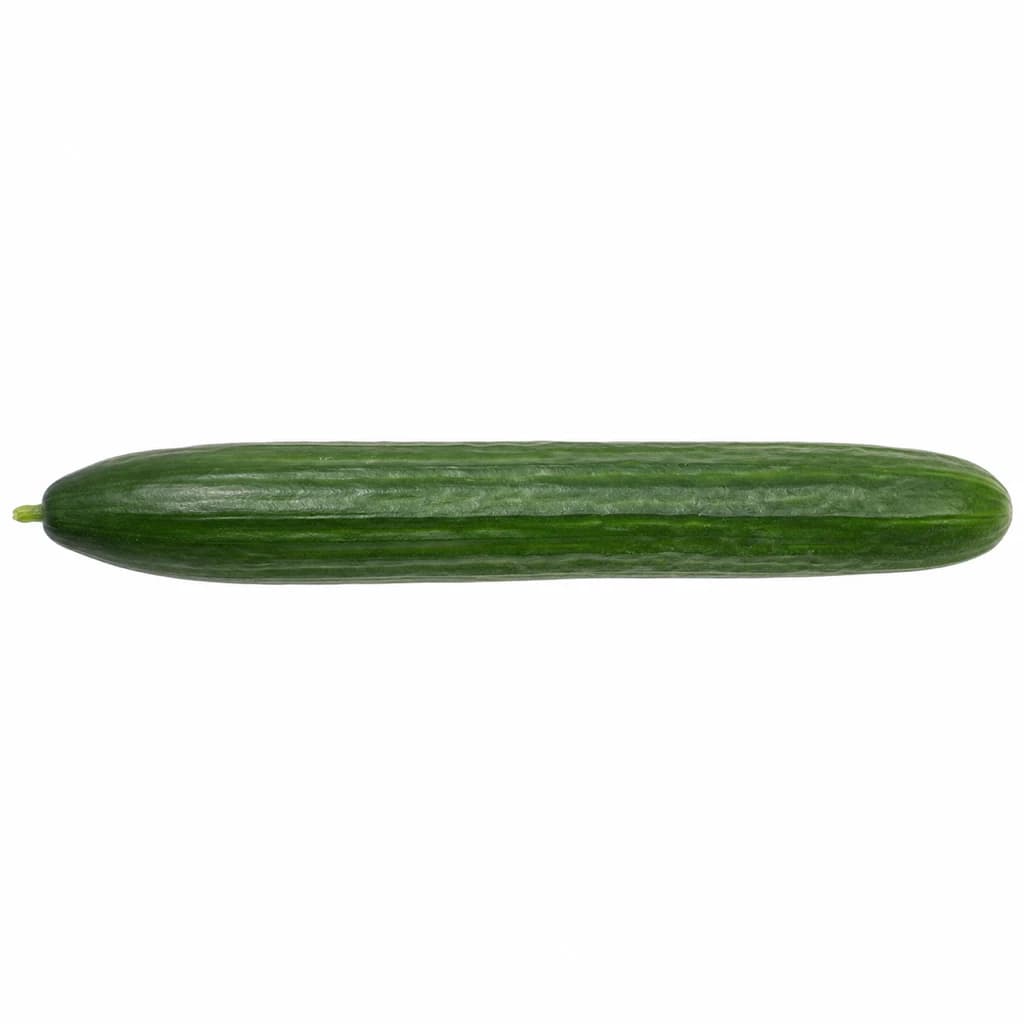
Cucumber
Cool, crisp, and watery — for salads, pickles, and tzatziki

Lettuce
Crisp leaves for salads, wraps, and a fresh crunch