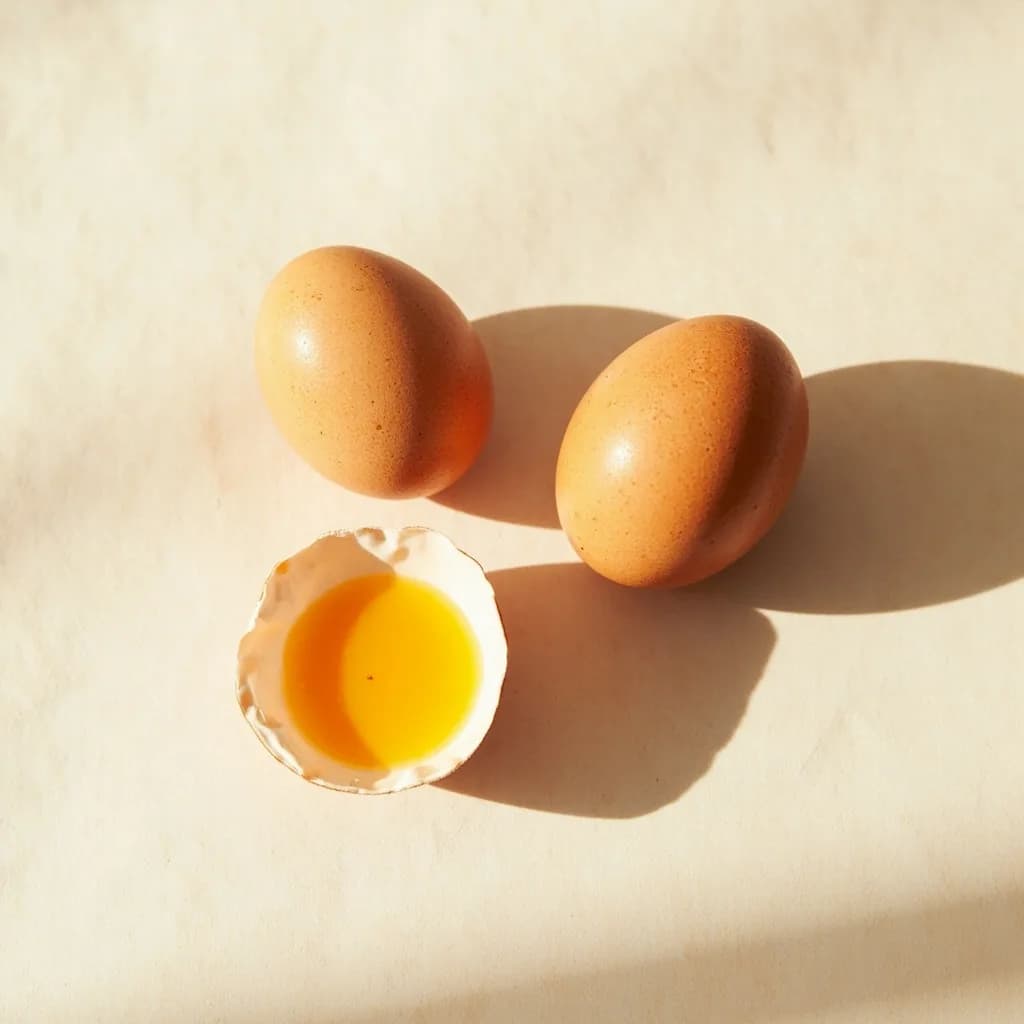
Natural form
Whole eggs in their shells — the form most shoppers recognize at a glance.
Shows the intact egg in its natural protective shell, establishing the foundational visual identity of the ingredient before any preparation.
Proteins
Egg
The kitchen's everything ingredient — bind, leaven, enrich, or fry
Scrambled, poached, or whisked into batter, eggs do it all: they bind meatballs, leaven cakes, and crown a bowl of rice. Keep them refrigerated and they'll stay good for weeks.
The egg is the most quietly virtuosic ingredient in any kitchen — a single, cheap, self-contained package that can bind, leaven, emulsify, thicken, glaze, clarify, and enrich, and that also happens to make a perfect meal on its own in minutes. Its magic is structural: the proteins in the white set firm with heat or whip into a stable foam, while the fatty yolk emulsifies sauces and lends custards their silk. A cook who truly understands eggs — when to use whole versus separated, how gentle heat keeps them tender, why a fresh one poaches neatly — can do half of pastry and most of breakfast. They are graded by size, keep for weeks refrigerated, and reward technique more than almost any other food.
- Measured in
- piece
- Storage
- Refrigerate
- Shelf life
- 28 days
Allergens
Find it in
Types & varieties
The default — sized small to jumbo; 'large' is what recipes assume unless told otherwise.
Larger, with a bigger, richer yolk and more fat — prized by bakers for tender, golden results.
Tiny and speckled; a delicate garnish for canapés, ramen, and salads.
Purely a function of the hen's breed — no difference in taste, nutrition, or quality.
Hens with outdoor access; often deeper-orange, firmer yolks and a fuller flavor.
From hens fed flax or algae; a modest nutritional bump, same in the pan.
Plant-based binder (aquafaba, flax or commercial powder) standing in for eggs. Works for binding and moisture in bakes; aquafaba whips to a meringue, but none fully replace eggs in custards.
How to choose & check freshness
Open the carton and check for cracks before buying. To test an egg at home, drop it in water: a fresh one sinks and lies flat, an older one tilts up, and a spoiled one floats (the air cell grows as it ages) — discard floaters. Fresher eggs have tight, domed yolks and thick whites; older eggs spread thin.
- Fresh eggs are best for poaching and frying (the white holds together).
- Slightly older eggs peel far more easily after hard-boiling.
How to store
Keep eggs in their original carton (it shields them from odors and light) in the coldest part of the fridge body, not the door, where temperature swings shorten their life. Don't wash them before storing — that strips the protective bloom. Separated whites and yolks keep a few days covered, or freeze whites for months.
How to cook
Eggs reward gentleness: low, slow heat gives tender scrambles and creamy custards, while high heat turns them rubbery and weepy. Whites set around 63°C and yolks around 70°C — that gap is what lets you poach a runny yolk inside a firm white. Bring eggs to room temperature before whipping or boiling for the best results.
Common uses
Tips & pitfalls
- Crack eggs on a flat surface, not the bowl's edge, to avoid driving shell shards into the egg.
- For silky scrambled eggs, cook low and slow and pull them off the heat while still slightly underdone — they finish from carryover.
- A splash of vinegar in poaching water helps the whites coagulate quickly around the yolk.
- To separate cleanly, crack into your hand and let the white slip through your fingers — or pass the yolk between shell halves.
- Add a pinch of cream of tartar (acid) when whipping whites for a more stable, glossy meringue.
- Steam or pressure-cook eggs instead of boiling for easier peeling, especially with farm-fresh eggs.
Nutrition
Energy
598 kJ · per 100 g
Where the calories come from
Protein
12.6g
25% DV
Carbs
0.7g
0% DV
Fat
9.5g
12% DV
Fiber
0g
0% DV
Sugars
0.4g
of which
Sodium
142mg
6% DV
Source · USDA FoodData Central · Egg, whole, raw, fresh
View on FDC →In the shops
Matched grocery products
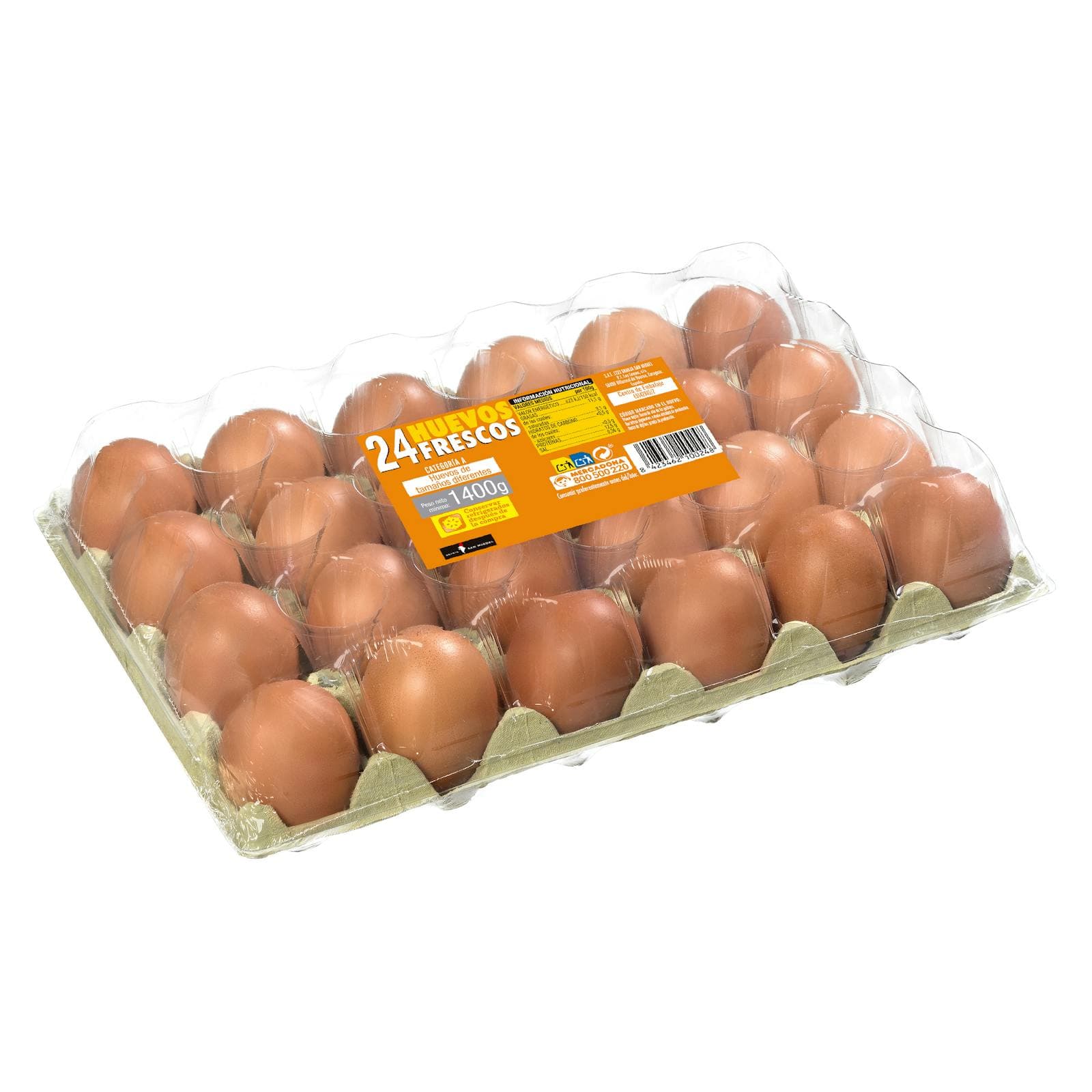 €5.60
€5.60Eggs
24 dz · Mercadona
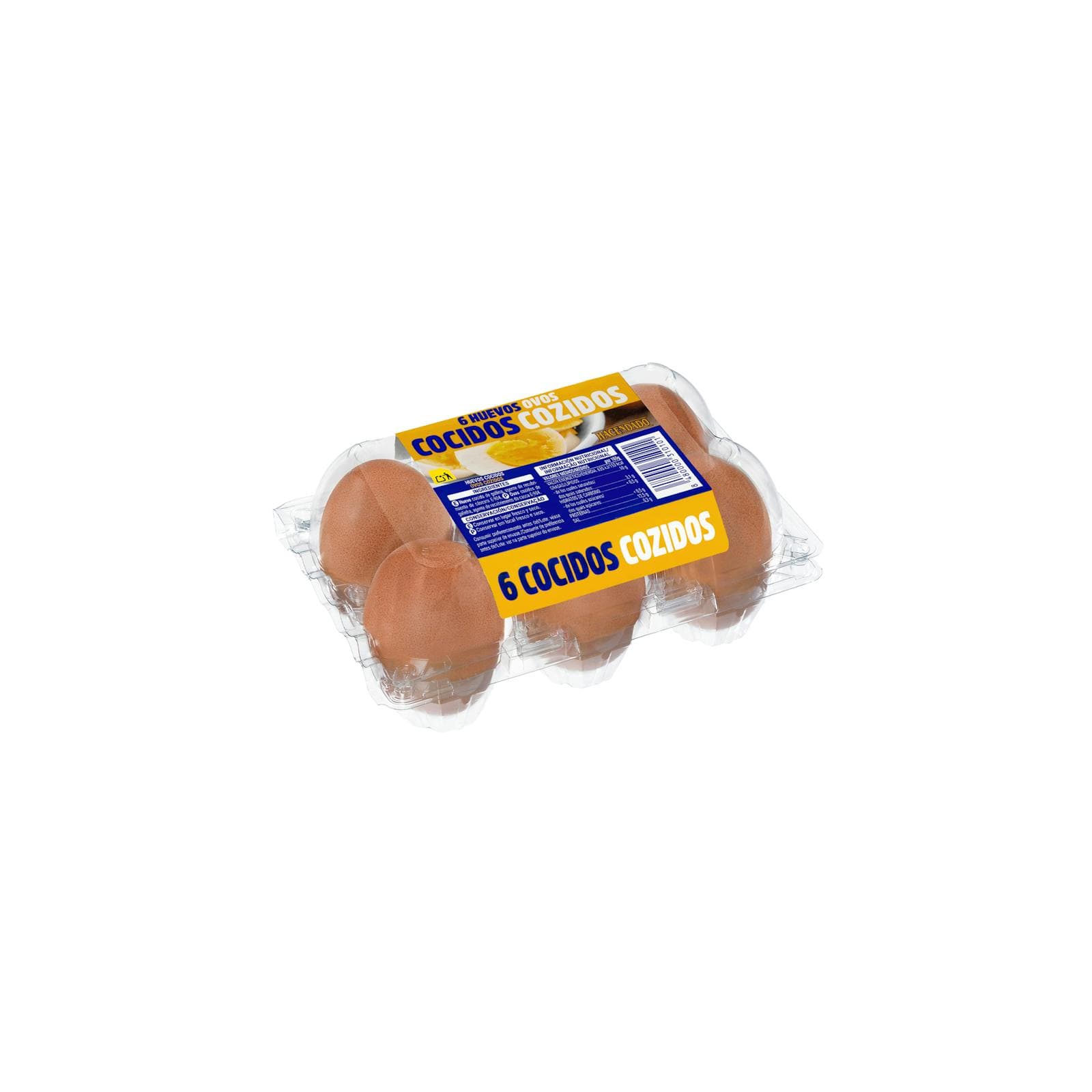 €2.20
€2.20Cooked Eggs
6 dc · Mercadona
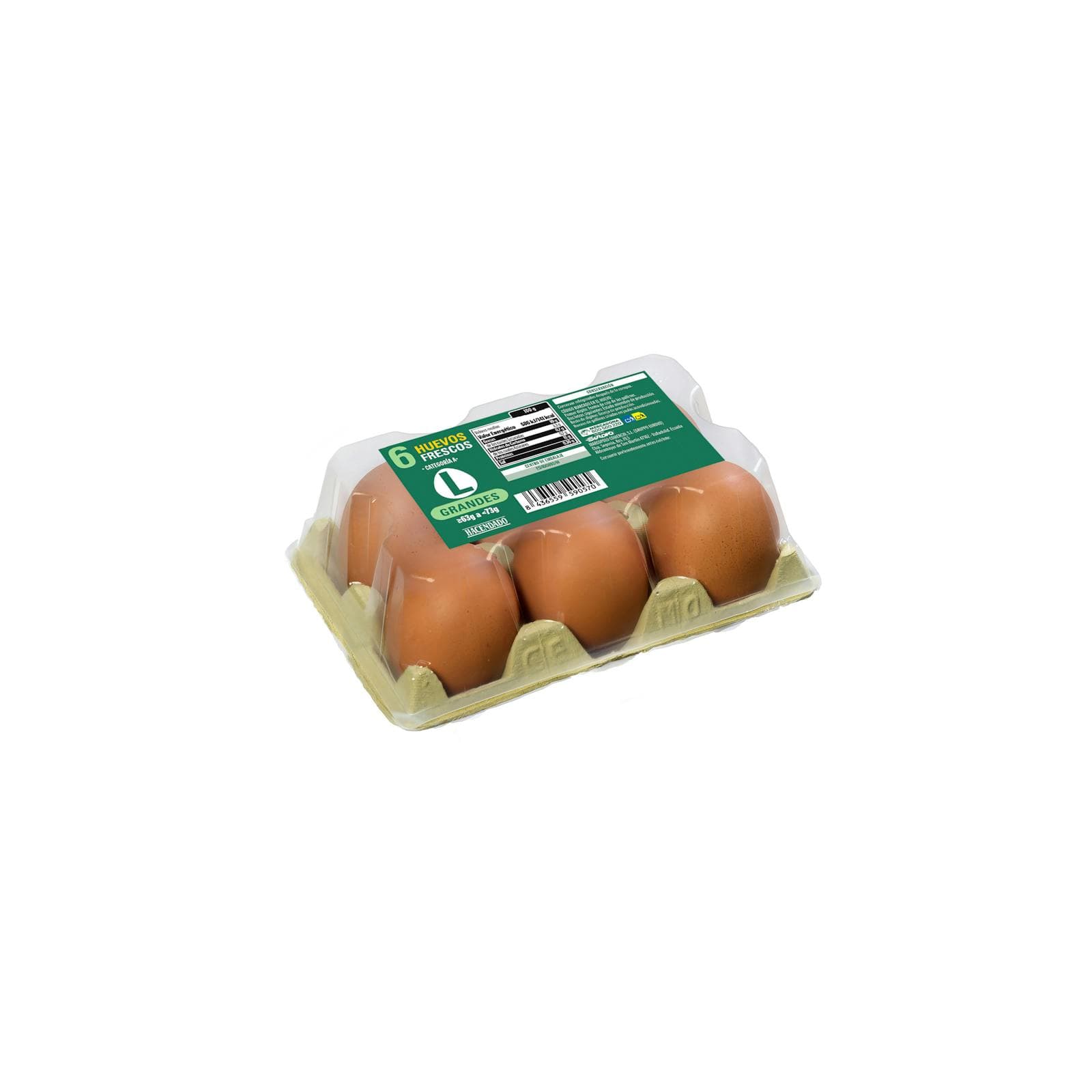 €1.80
€1.80Large Eggs
6 dc · Mercadona
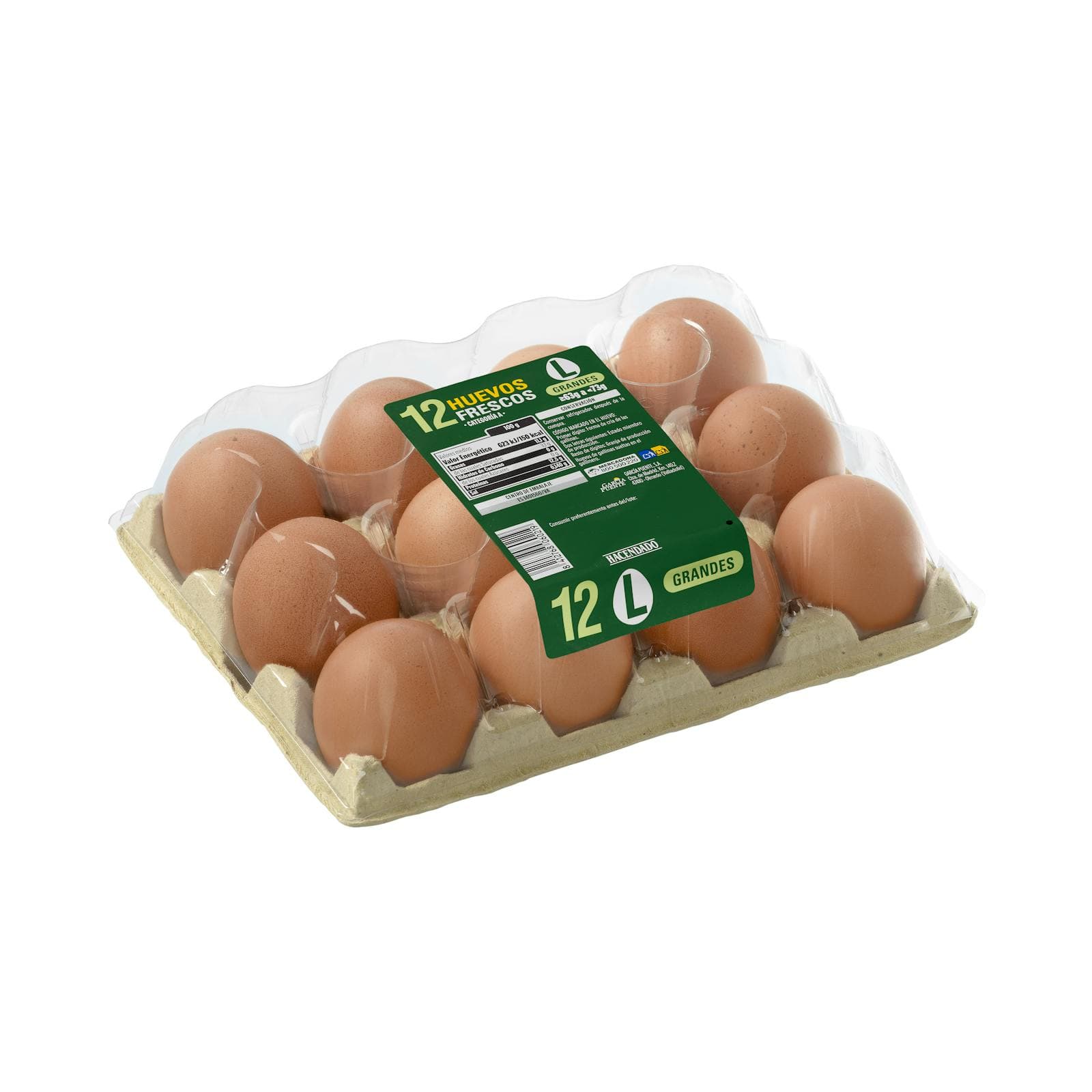 €3.20
€3.20Large Eggs
12 dc · Mercadona
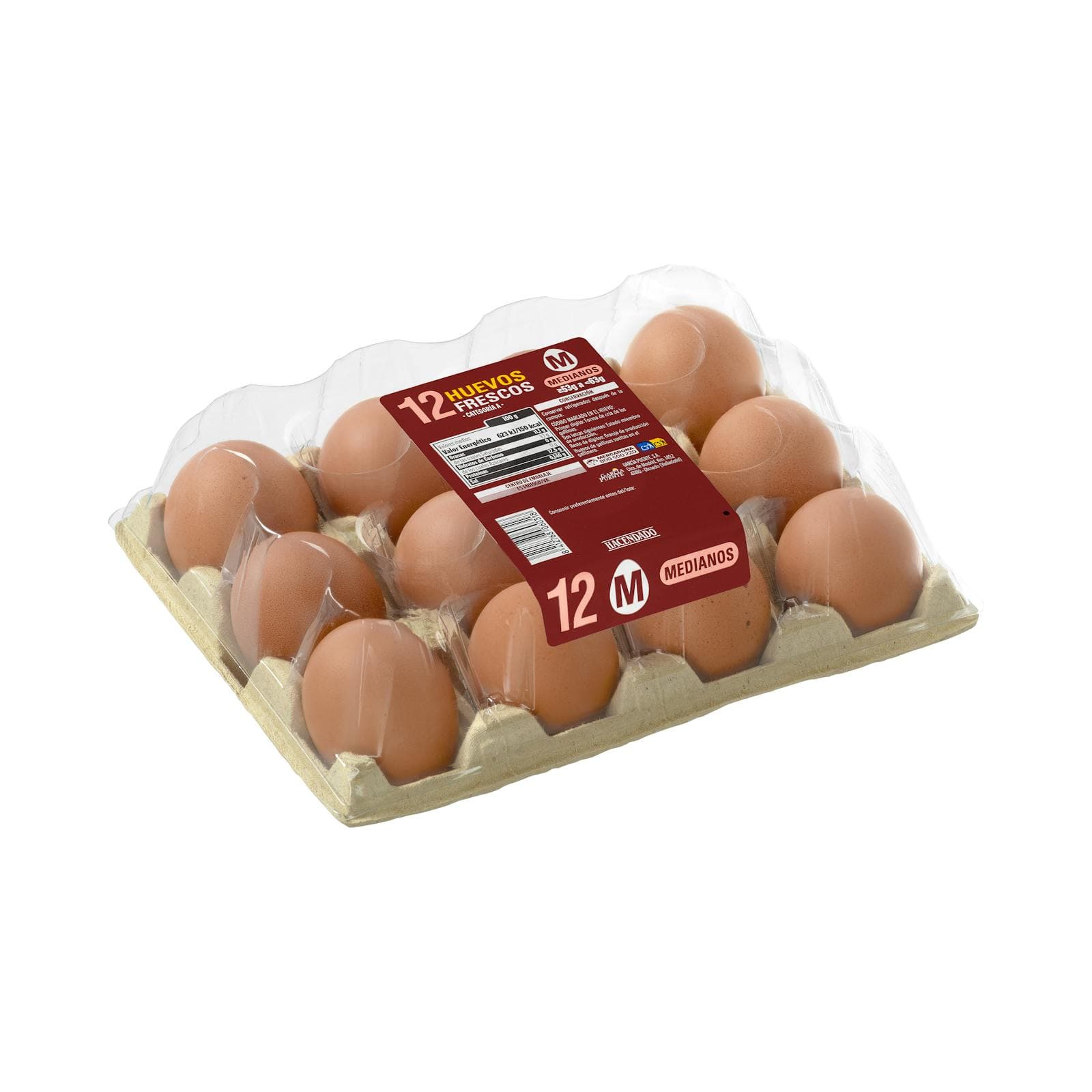 €3.00
€3.00Medium M Eggs
12 dc · Mercadona
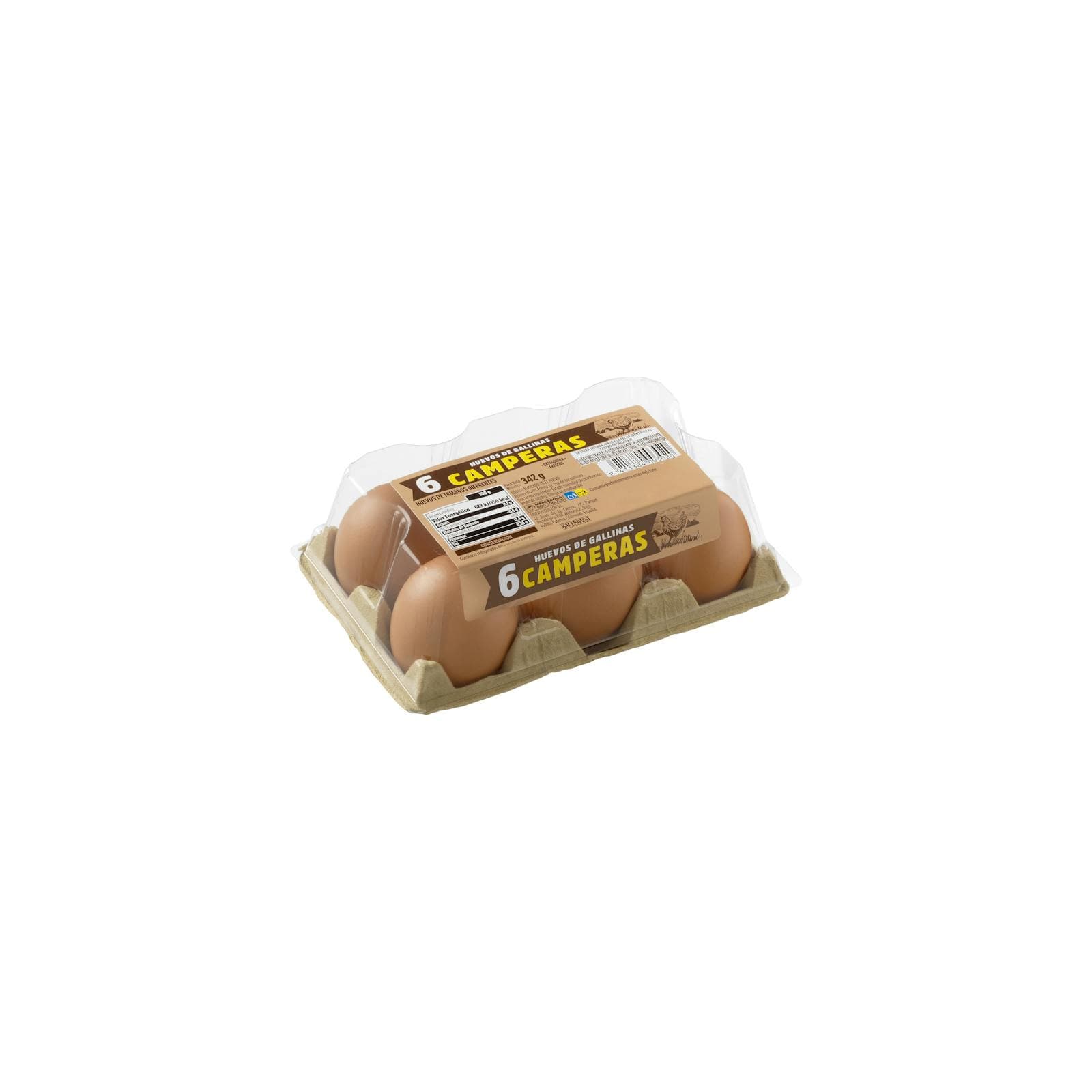 €2.10
€2.10Free-Range Eggs
6 dc · Mercadona
Good to know
- Flavor
- Mild, savory, rich; yolk buttery, white neutral
- Sizes
- Small to jumbo; 'large' (~50g) is the baking standard
- Nutrition
- ~155 kcal/100g cooked; ~6g complete protein per egg
- Shelf life
- 3–5 weeks refrigerated past the pack date
- Store
- In the carton, in the body of the fridge — not the door
- Freshness test
- Fresh sinks and lies flat; old floats (toss floaters)
Substitutes
- Flax 'egg' — 1 tbsp ground flax + 3 tbsp water per egg; binds in bakes but won't leaven or whip.
- Aquafaba — 3 tbsp chickpea-can liquid per egg; whips like whites for vegan meringues and mousses.
- Mashed banana or applesauce — 1/4 cup per egg for moisture and binding in sweet bakes; adds flavor.
Also called
chicken egg · eggs · huevo · huevos · huevo de gallina
Appears in these dishes
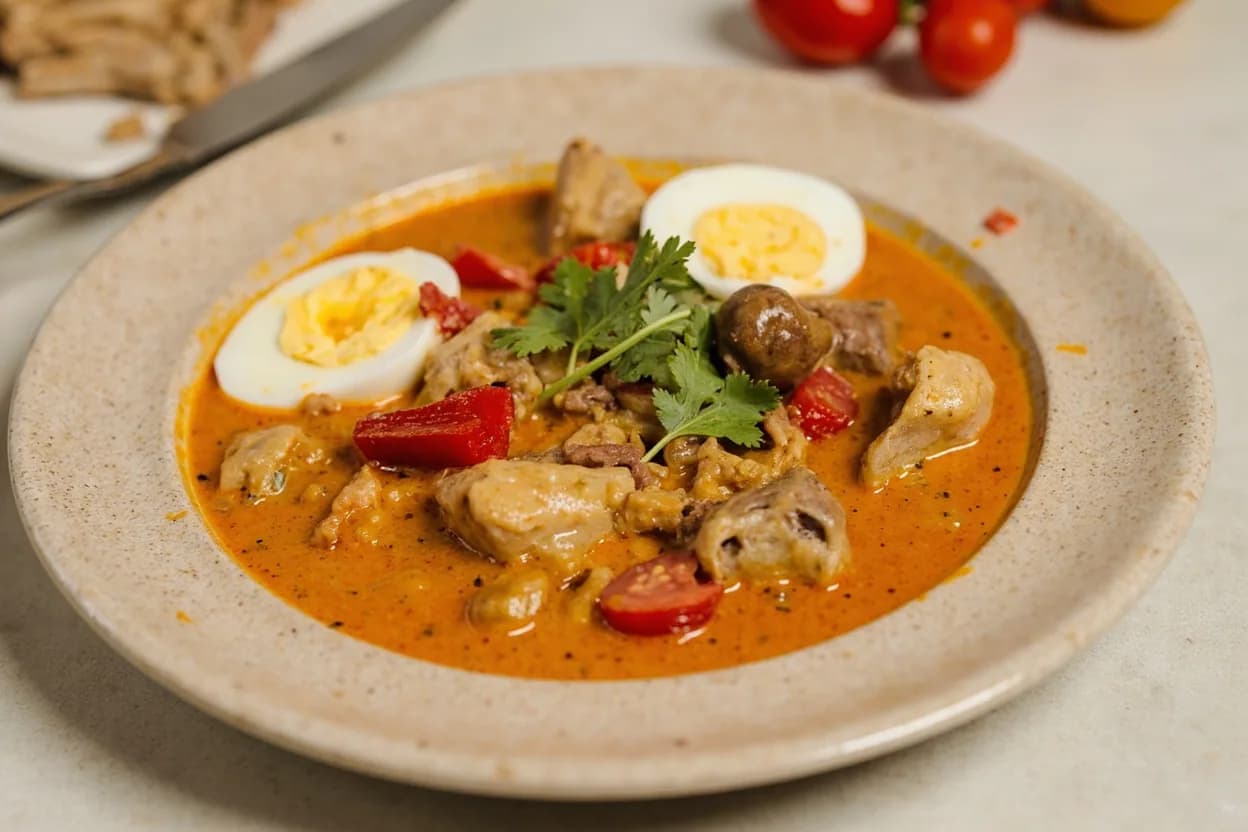
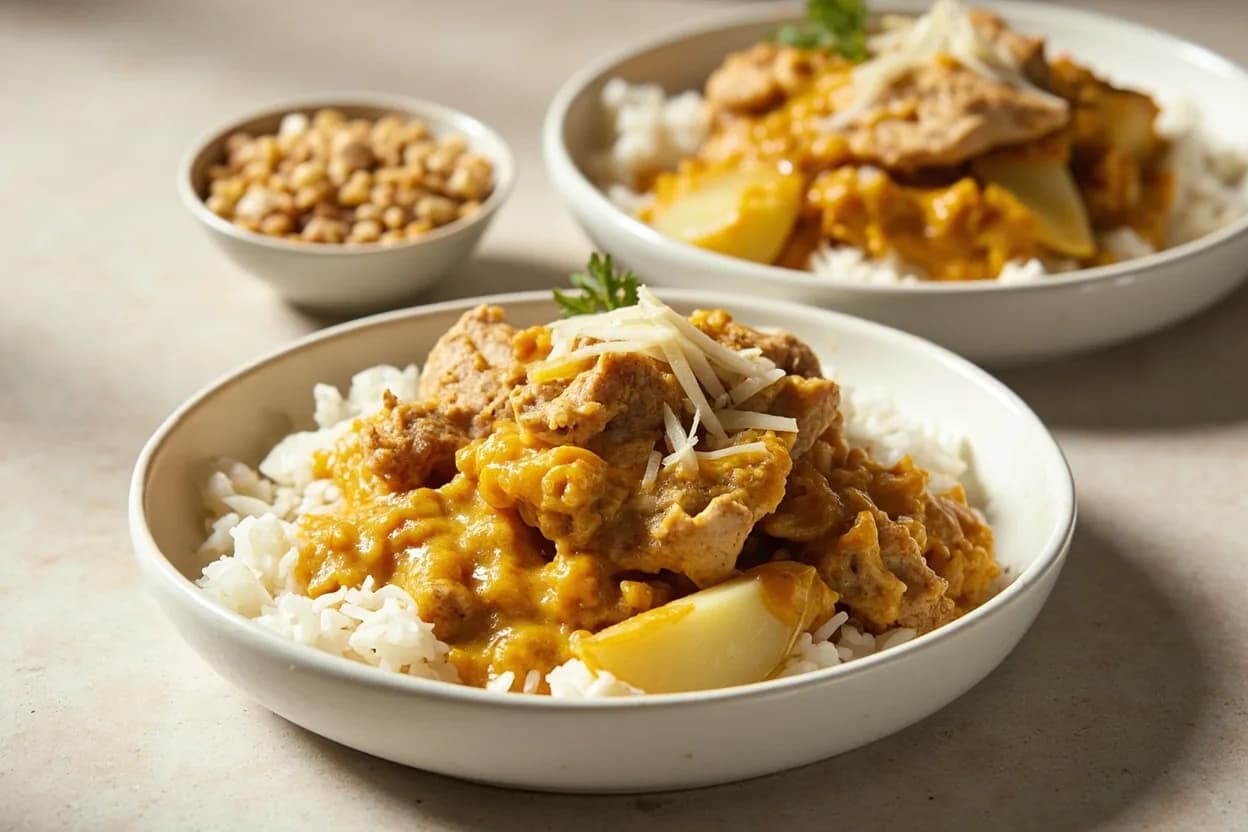
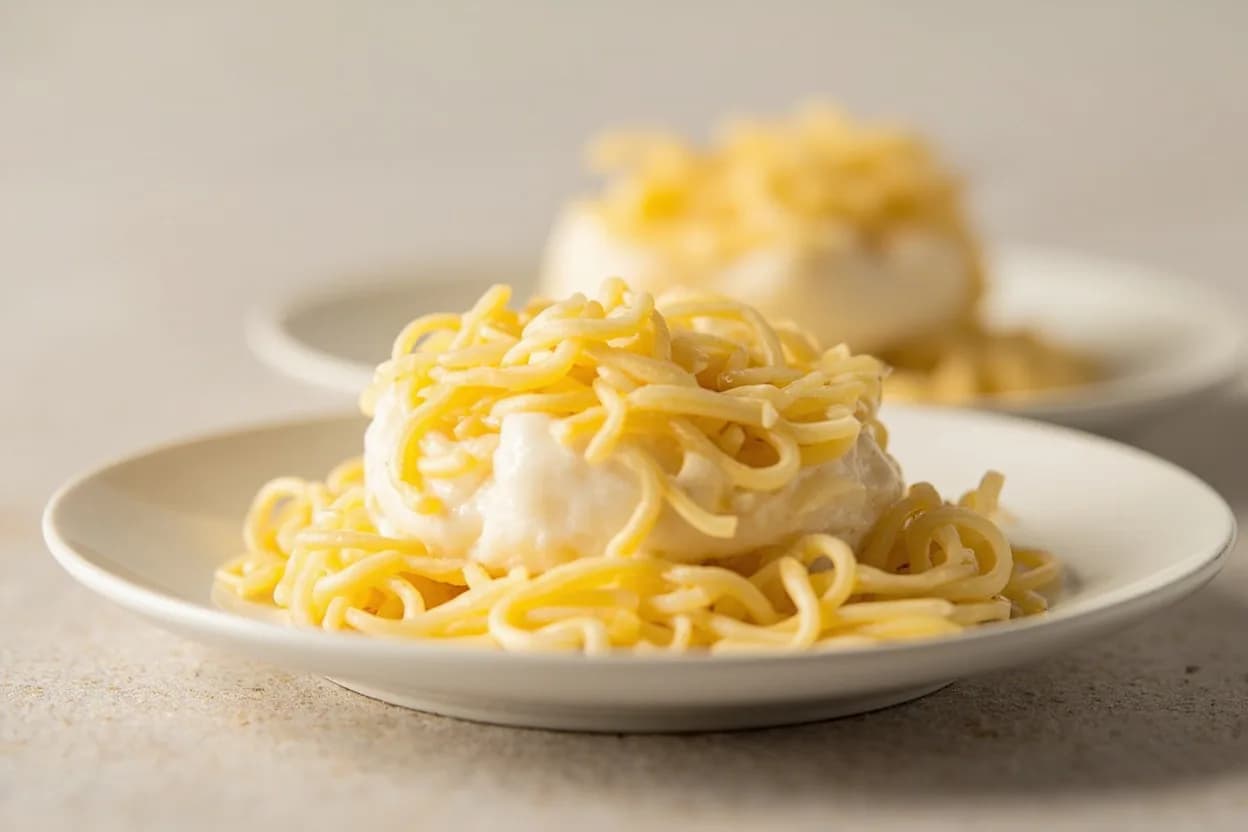
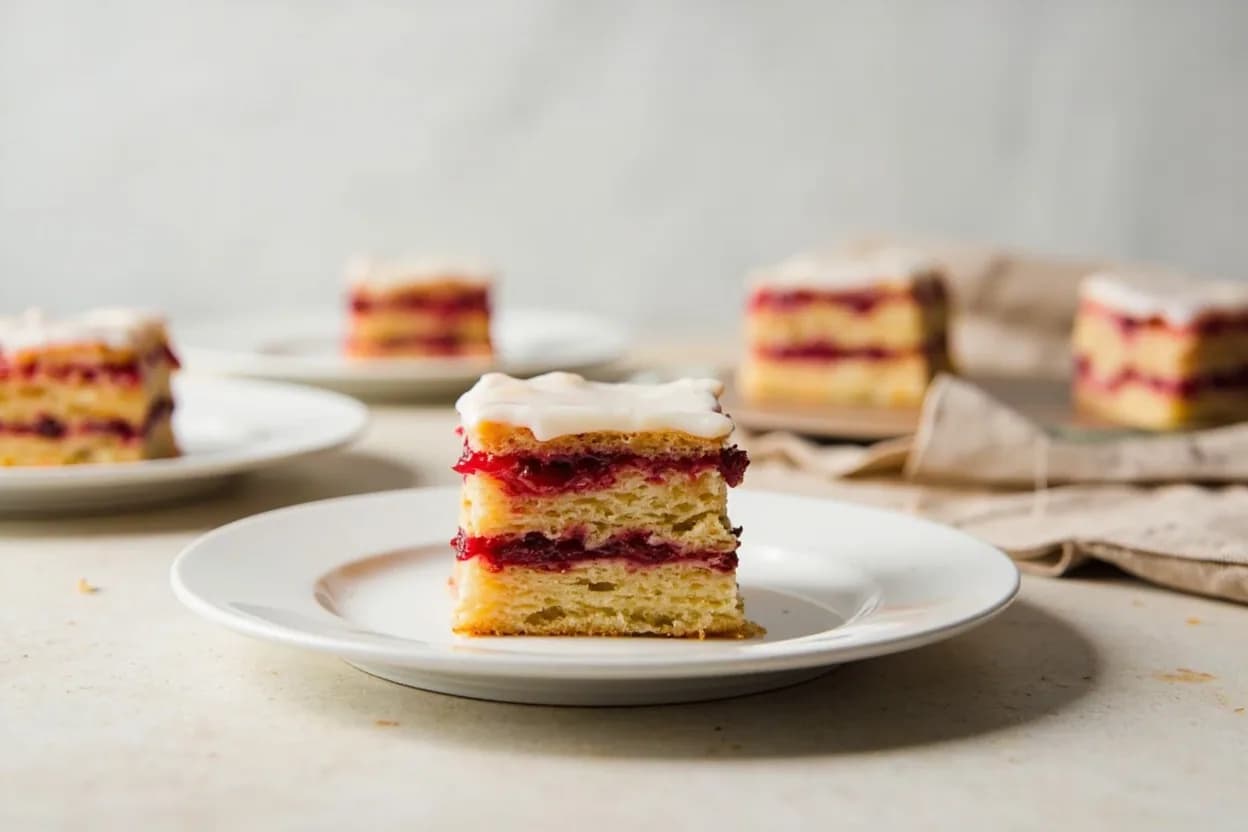
Related
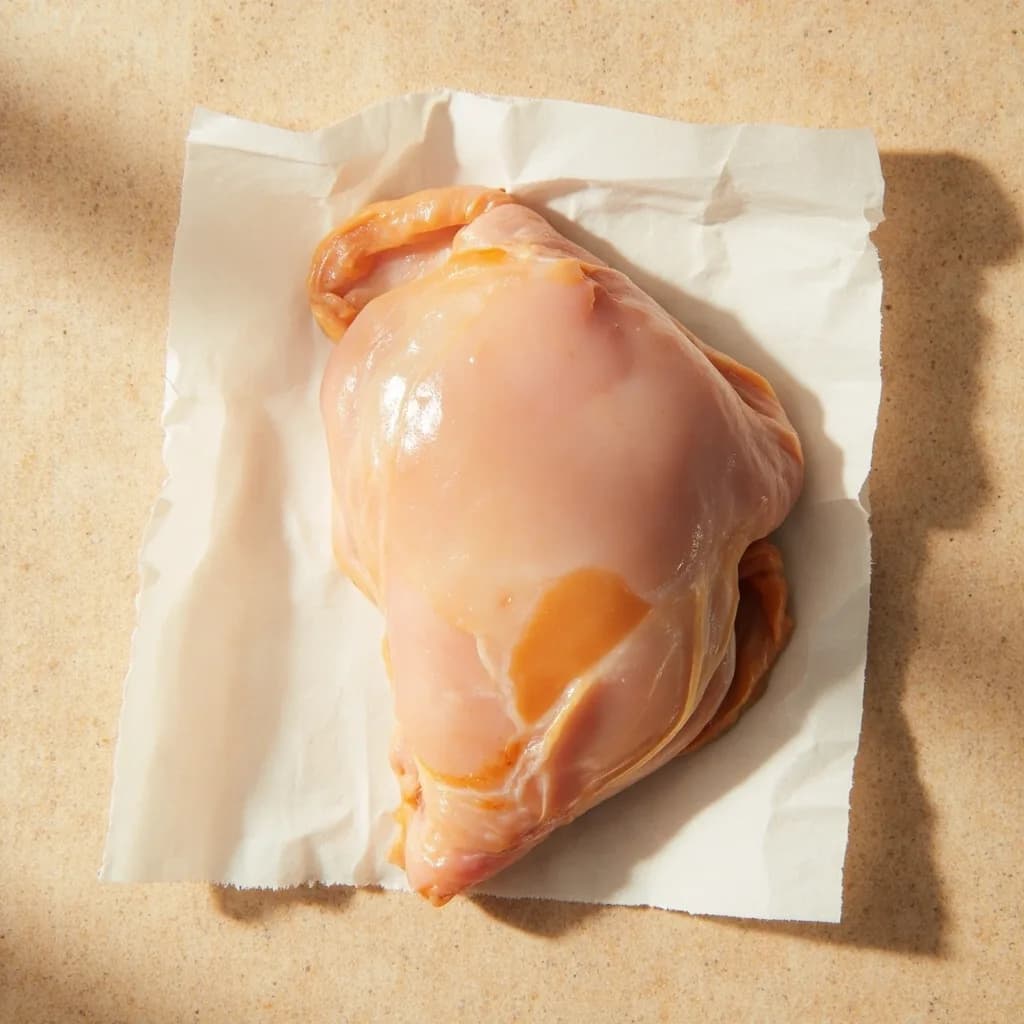
Chicken Breast
Lean, quick-cooking white meat for everyday dinners

Ground Beef
Versatile minced beef for burgers, ragù, tacos, and meatballs
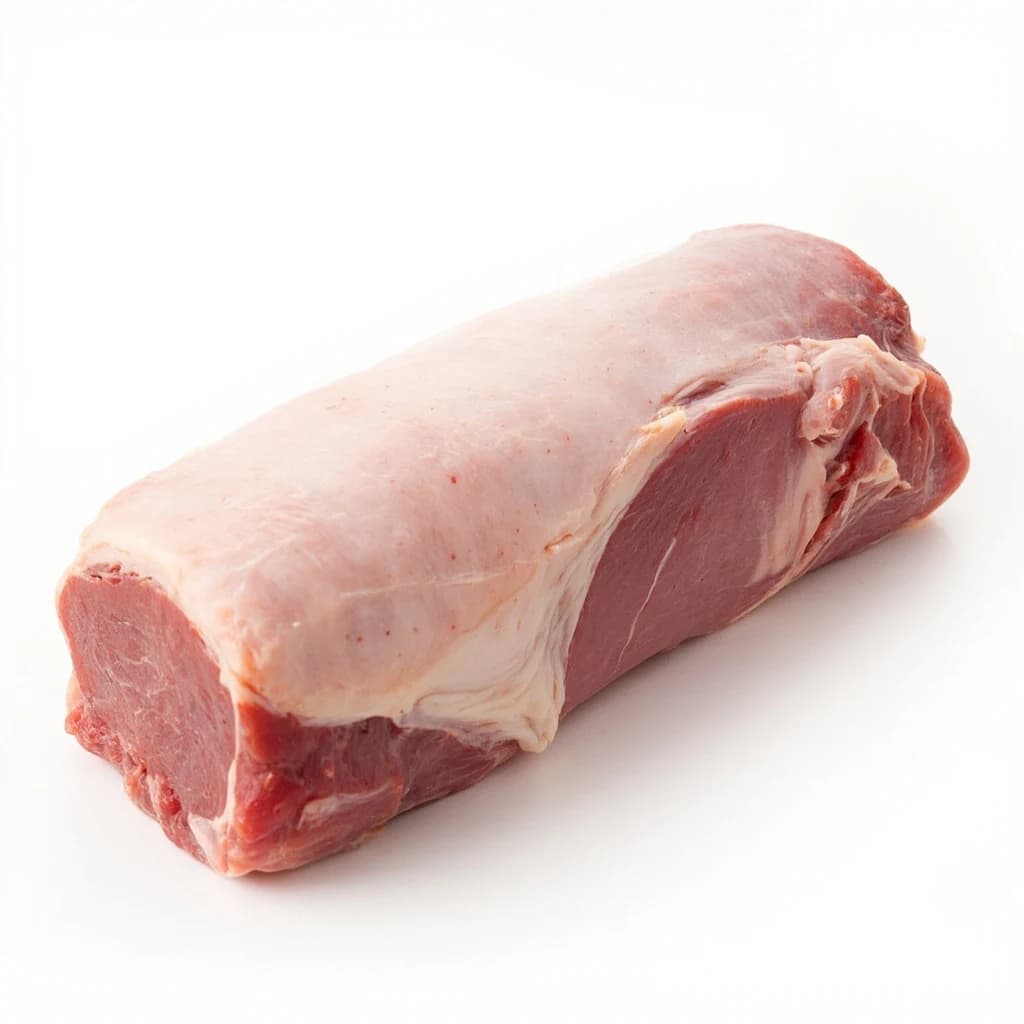
Pork Loin
Lean, tender roasting cut that stays juicy with care
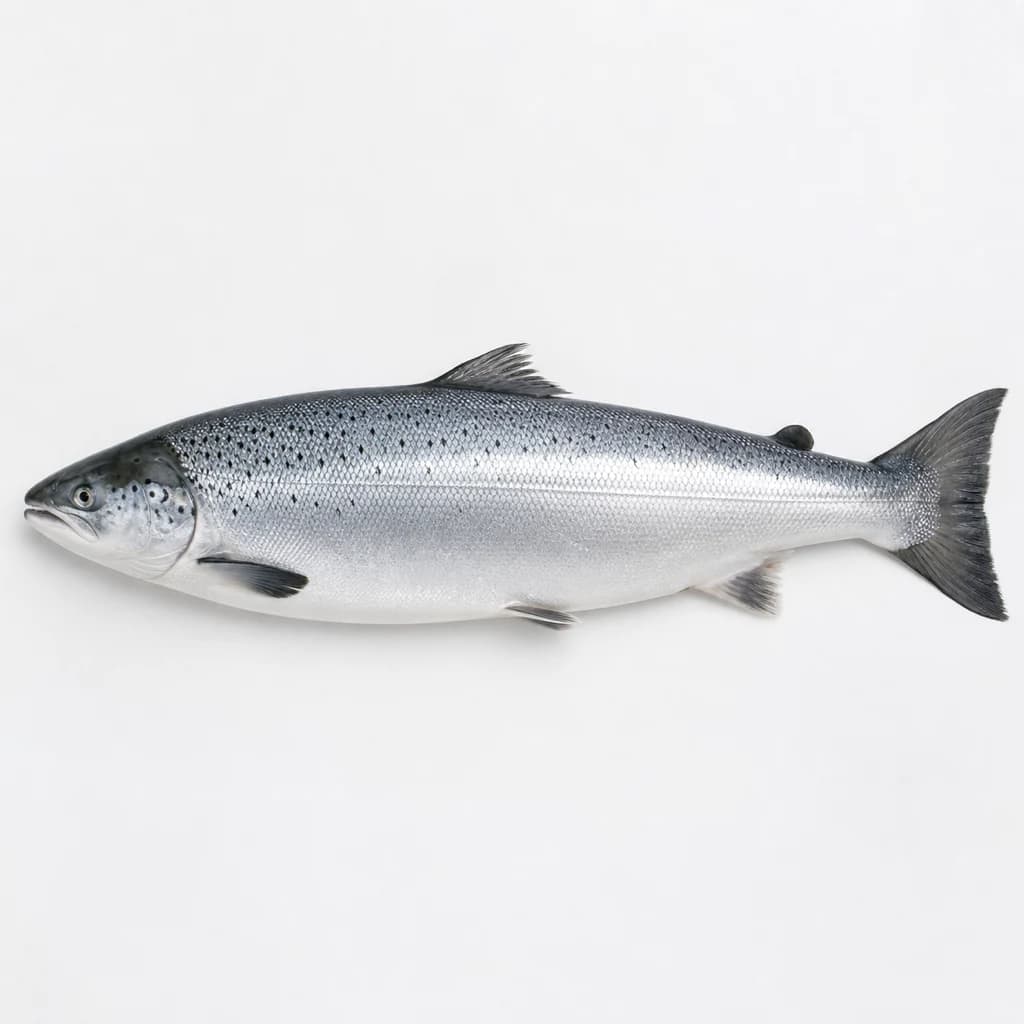
Salmon
Rich, rosy fish that roasts, grills, or cures beautifully

Egg White
Pure protein that whips to airy peaks for meringue and more
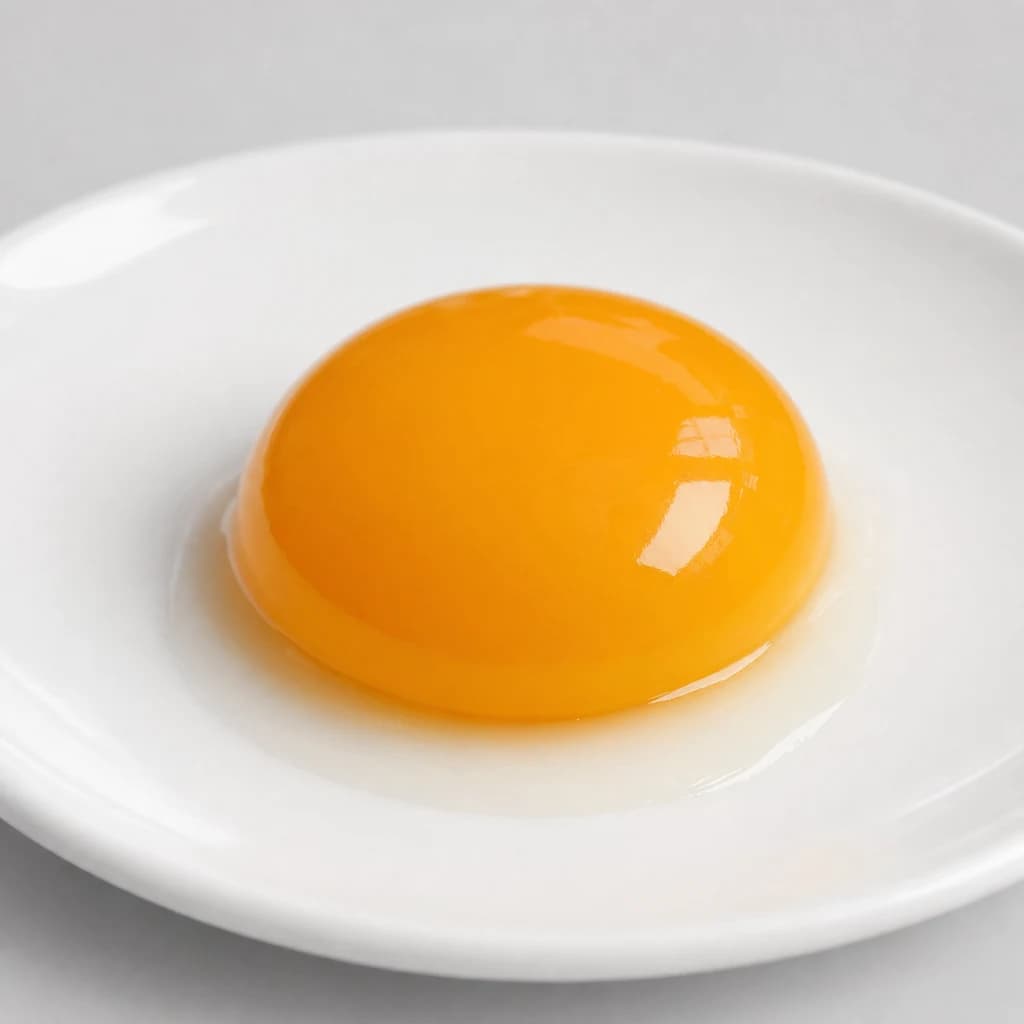
Egg Yolk
Rich, golden yolk for custards, mayonnaise, and pasta

Quail Egg
Tiny, speckled eggs for garnishing and elegant bites
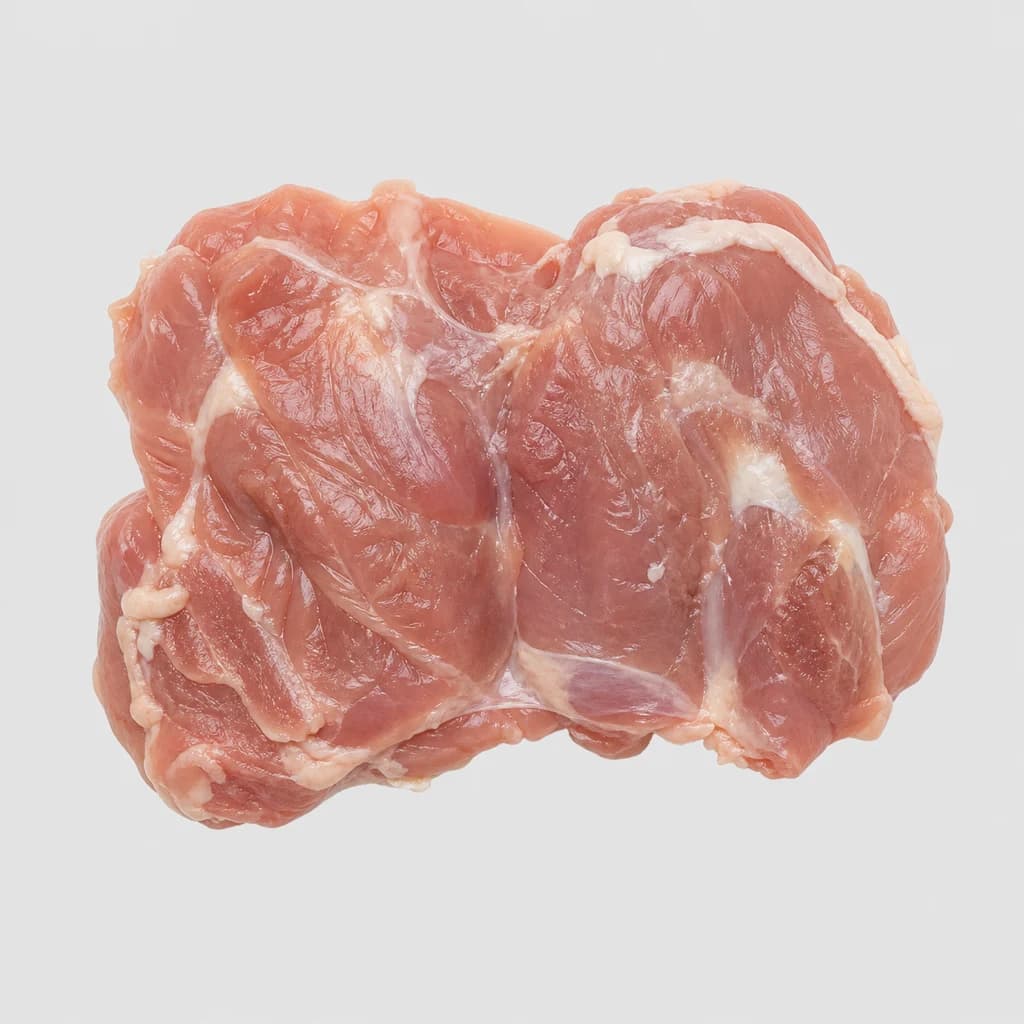
Chicken Thigh
Juicy, forgiving dark meat for braises, roasts, and grills