
Natural form
Cold-smoked salmon slices fanned out showing translucent, silky flesh and deep orange-pink color.
Shows the defining visual characteristics of smoked salmon — translucency, color, and thin-sliced texture — so a reader can identify it immediately.
Proteins
Smoked Salmon
Cold-cured, thinly sliced salmon with silky texture — served on bread, with eggs, or over pasta.
Smoked salmon is salmon fillet cured with salt and gently cold-smoked, yielding silky, translucent slices eaten without further cooking. It is served on bread with cream cheese, folded into eggs, or draped over pasta and salads. Related cures like gravlax use salt, sugar, and dill instead of smoke for a similar texture.
Smoked salmon is salmon that has been cured and then exposed to wood smoke, a technique developed in Nordic and British Isles cuisines as a way to preserve the fish before refrigeration. Today it is valued not for preservation alone but for the complex, silky texture and deep, savory flavor the process imparts. The key distinction every cook must understand is between cold-smoked and hot-smoked salmon: cold-smoked salmon is cured at temperatures below 90°F (32°C) and remains essentially raw, with a silky, translucent texture that slices beautifully. Hot-smoked salmon cooks at 120–150°F (49–66°C), yielding a firm, flaky texture similar to cooked fish. These are not interchangeable — cold-smoked salmon is meant to be served chilled or barely warm, while hot-smoked salmon can go into cooked dishes, salads, and warm preparations. Most recipes calling for "smoked salmon" assume cold-smoked unless specified. The smoking process concentrates the salmon's natural oils and amplifies its umami character, making even small amounts intensely flavorful. High sodium content is a practical consideration: typical cold-smoked salmon runs 500–700mg sodium per 100g, so adjust seasoning accordingly when cooking or building dishes.
Atlantic salmon (Salmo salar) is the primary species for premium smoked salmon, though Pacific salmon (Oncorhynchus spp.) is also used. The finest examples — such as Scottish smoked salmon, which carries PDO protection under EU law — are hand-sliced from the side, producing thin, even pieces with a clean bite. Lesser grades may be machine-sliced and include trimmings. Cold-smoked salmon slices range from paper-thin to about ¼ inch; the thinner the slice, the more pronounced the melt-in-mouth quality. When purchasing, seek suppliers who flash-freeze their fish or source from controlled environments, since cold-smoked salmon is not cooked and carries a theoretical parasite risk if the source is questionable.
Smoked salmon is an ingredient of remarkable versatility. It anchors brunch traditions (the smoked salmon bagel is nearly universal), elevates canapés to something elegant, and integrates into cooked dishes when hot-smoked. Its richness and pronounced flavor mean it works best alongside ingredients that either complement (dill, lemon, cream cheese) or cut through its richness (capers, pickled onion, cucumber). Leftovers are practical: cold-smoked salmon keeps 2–3 weeks sealed in the refrigerator and freezes well for up to three months when properly wrapped.
Understanding the difference between smoked salmon and its cousins matters for procurement and application. Gravlax is cured with salt, sugar, and dill but never smoked — it works in all cold applications where smoked salmon appears but lacks the smoky dimension. Lox is salt-cured belly salmon with no smoke at all; it is denser, saltier, and requires different handling. Neither should be substituted mindlessly for smoked salmon in recipes that depend on smoky flavor.
Whether you are composing a canape, tossing flaked hot-smoked salmon into pasta, or building a classic bagel, the principles are the same: respect the texture of cold-smoked salmon by keeping it cold and slicing it thin; use hot-smoked salmon where you need cooked, flaked fish; and always taste before seasoning, because the curing process already adds significant salt.
- Measured in
- g
- Storage
- Fridge
Allergens
Types & varieties
PDO-protected; cold-smoked, hand-sliced, mild and silky. True Scottish smoked salmon must be produced in Scotland from Scottish-farmed or wild salmon.
Leading global producer; typically cold-smoked, often machine-sliced; widely available in supermarkets.
Cold-smoked Atlantic salmon from eastern Canada; widely used in North America; labeled as Nova or Nova Scotia lox.
Hot-smoked, thinner-cut, more intensely flavored; also called finnan haddie when referring to haddock.
Japanese hot-smoked salmon; often marinated with sake and mirin before smoking for a sweeter, more complex flavor.
Smoked over oak wood; common in Scandinavia; produces a richer, deeper smoky flavor than fruit woods.
Smoked over whisky-soaked wood chips; a Scottish specialty with subtle malt and smoke complexity.
Technically not smoked — salt-sugar-dill cured only; often grouped with smoked salmon for serving but lacks smoke flavor; works in virtually all cold applications.
Salt-cured only, no smoke; typically from belly portions; much saltier and denser than smoked salmon; not interchangeable in recipes requiring smoky flavor.
Common uses
Tips & pitfalls
- Cold-smoked salmon is not cooked — purchase from reputable suppliers that use flash-frozen or controlled-source fish if serving raw or lightly warmed.
- Slice cold-smoked salmon in uniform pieces, working perpendicular to the natural fiber direction for the most tender, melt-in-mouth texture; slices should be translucent when held to light.
- Hot-smoked salmon flakes easily — reserve it for cooked dishes, salads, and pizza topping rather than sliced for presentation.
- Remove cold-smoked salmon from vacuum packaging promptly after purchase; it can develop a sulfurous off-odor if left sealed.
- Pat slices dry with paper towels before serving on bread or as canapés — excess moisture dilutes flavor and makes bread soggy.
- Serve cold-smoked salmon well-chilled (38–40°F) and bring to the table just before eating; it should not sit at room temperature.
- Never cook cold-smoked salmon — heat above 110°F renders the fat and destroys the silky texture; use only in raw or barely warm applications.
- Buy only what you can use within a week or two; cold-smoked salmon quality degrades noticeably after the sell-by date and the texture becomes mealy.
- Freeze leftover smoked salmon in single layers between parchment paper; it thaws quickly in the refrigerator overnight and maintains quality for up to 3 months.
Nutrition
Energy
490 kJ · per 100 g
Where the calories come from
Protein
18.3g
37% DV
Carbs
0g
0% DV
Fat
4.3g
6% DV
Fiber
0g
0% DV
Sugars
0g
of which
Sodium
672mg
29% DV
Source · USDA FoodData Central · approx. Fish, salmon, chinook, smoked
View on FDC →In the shops
Matched grocery products
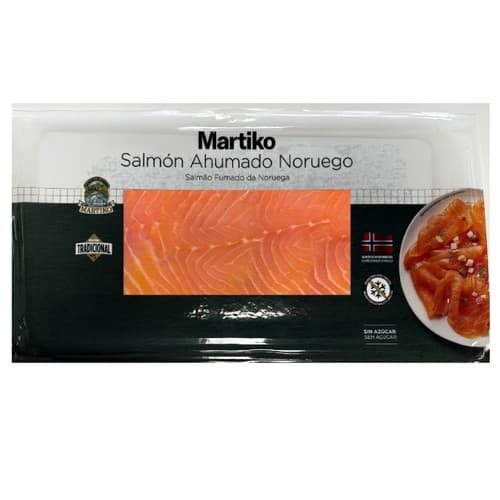 €11.99
Smoked Atlantic Salmon
MARTIKO · kg · Bonpreu
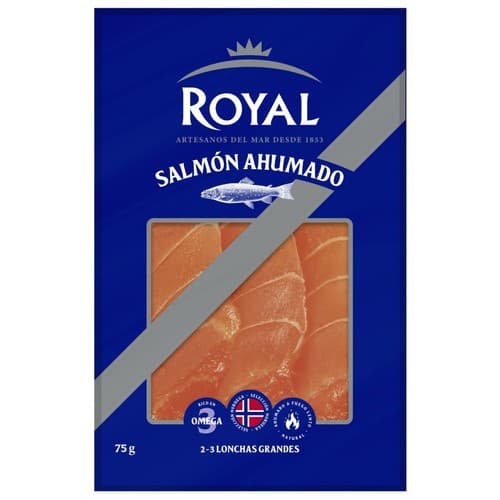 €5.49
€5.49Royal Smoked Atlantic Salmon
ROYAL · kg · Bonpreu
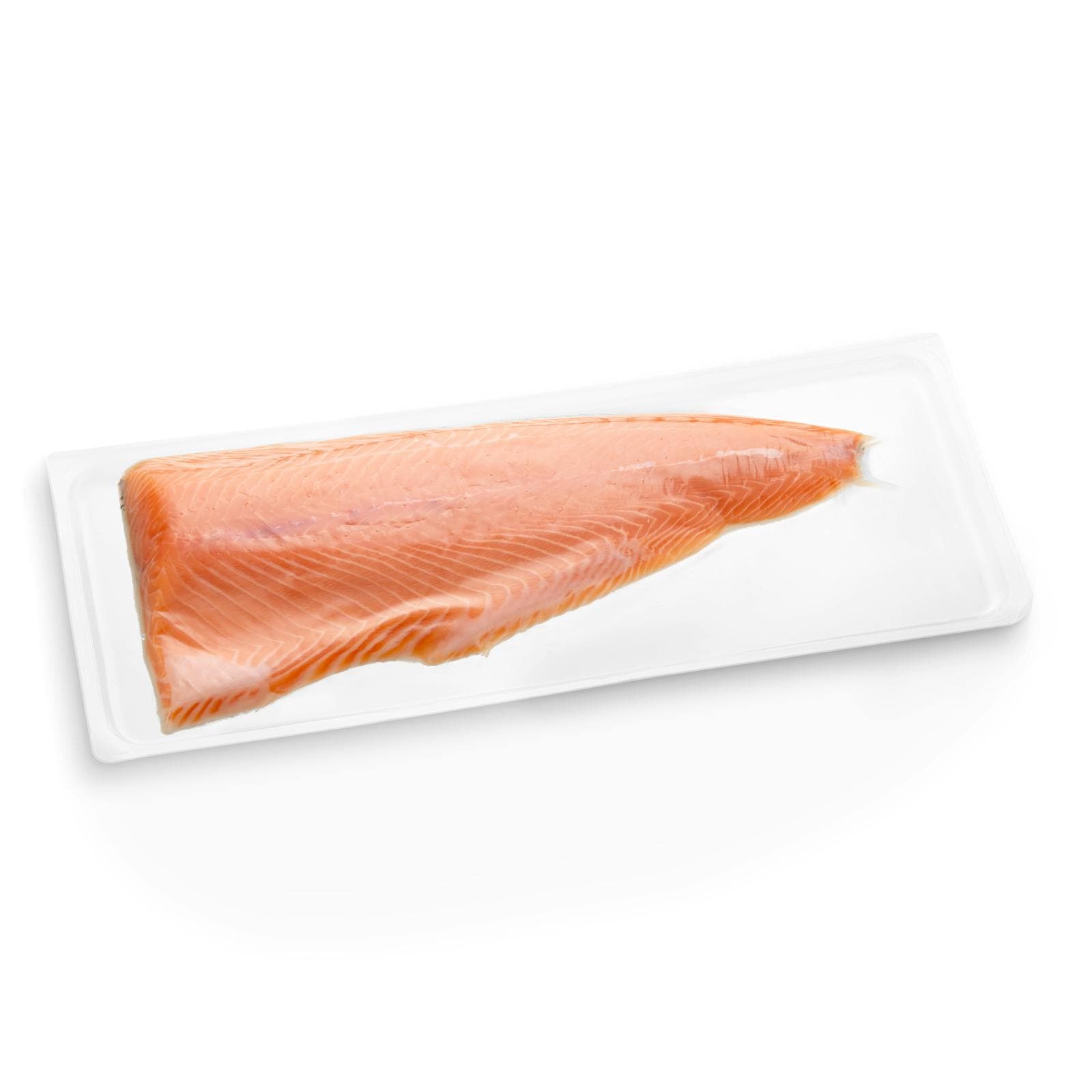 €17.85
Half Salmon
850 g · Mercadona
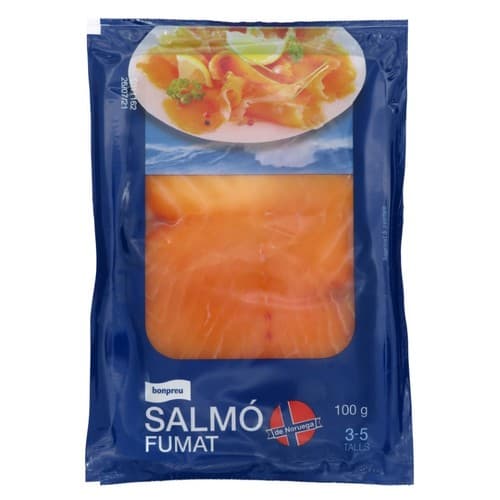 €3.80
€3.80Smoked Salmon
BONPREU · kg · Bonpreu
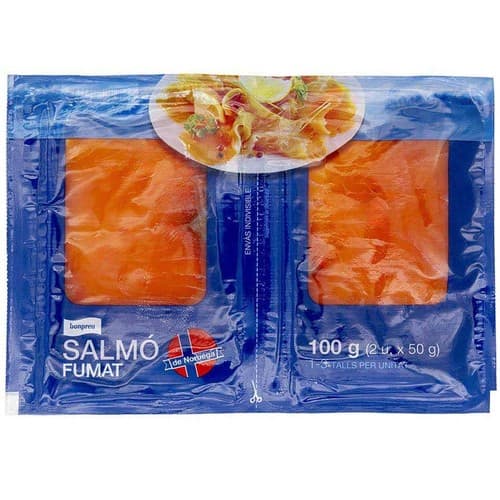 €4.69
€4.69Smoked Salmon
BONPREU · kg · Bonpreu
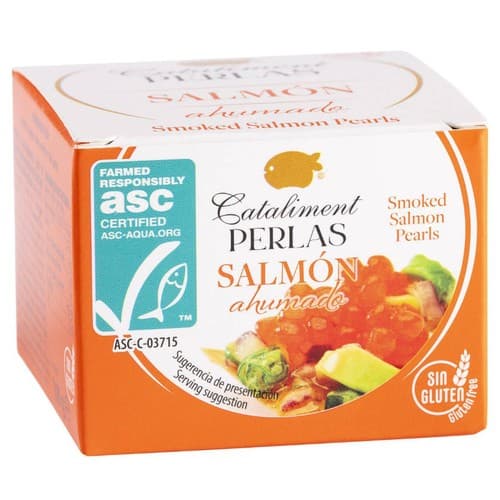 €5.29
€5.29Salmon Pearls
CATALIMENT · kg · Bonpreu
Good to know
- Type
- Cured and smoked salmon (cold or hot process)
- Origin
- Nordic countries and British Isles; medieval preservation technique still practiced today
- Primary Species
- Atlantic salmon (Salmo salar); also Pacific salmon (Oncorhynchus spp.)
- Cold-Smoked Temp
- Below 90°F (32°C) — product remains raw, silky texture
- Hot-Smoked Temp
- 120–150°F (49–66°C) — fully cooked, flaky texture
- Typical Sodium
- 500–700mg per 100g — always check label and adjust seasoning
- Protein
- Approximately 20g per 100g serving
- Cold-Smoked Shelf Life
- 2–3 weeks sealed in refrigerator; 1–2 days after opening
- Frozen Storage
- Up to 3 months in airtight packaging; thaw overnight in refrigerator
- Parasite Risk
- Cold-smoked salmon is not cooked — source from reputable suppliers using flash-frozen or controlled-source fish
- Typical Cut
- Side slices, paper-thin to ¼ inch; hand-sliced commands premium price
Substitutes
- Gravlax — Cured without smoke; works in virtually all cold applications; slightly less savory depth but excellent texture match.
- Hot-smoked salmon — Use in cooked dishes only; not a substitute for cold-sliced applications; adds smoky, fully-cooked element where needed.
- Smoked trout, sliced — Milder flavor, smaller flakes; use 1:1 in recipes; significantly cheaper and widely available.
- Smoked sablefish (black cod) — Richer, oilier, more buttery; excellent on bagels and canapés; commands higher price point.
- Prosciutto — Completely different flavor but similar silky texture and salt level; works in canapés, pasta, and as a pizza topping.
- Lox — Saltier, denser, no smokiness; acceptable in bagel and canape contexts where smoky flavor is not critical; adjust seasoning.
Pairs with
Also called
Cured Salmon (Gravlaks) · Cold-Smoked Salmon (Graavilohi/Savulohi) · Lox · Gravlax
Appears in these dishes
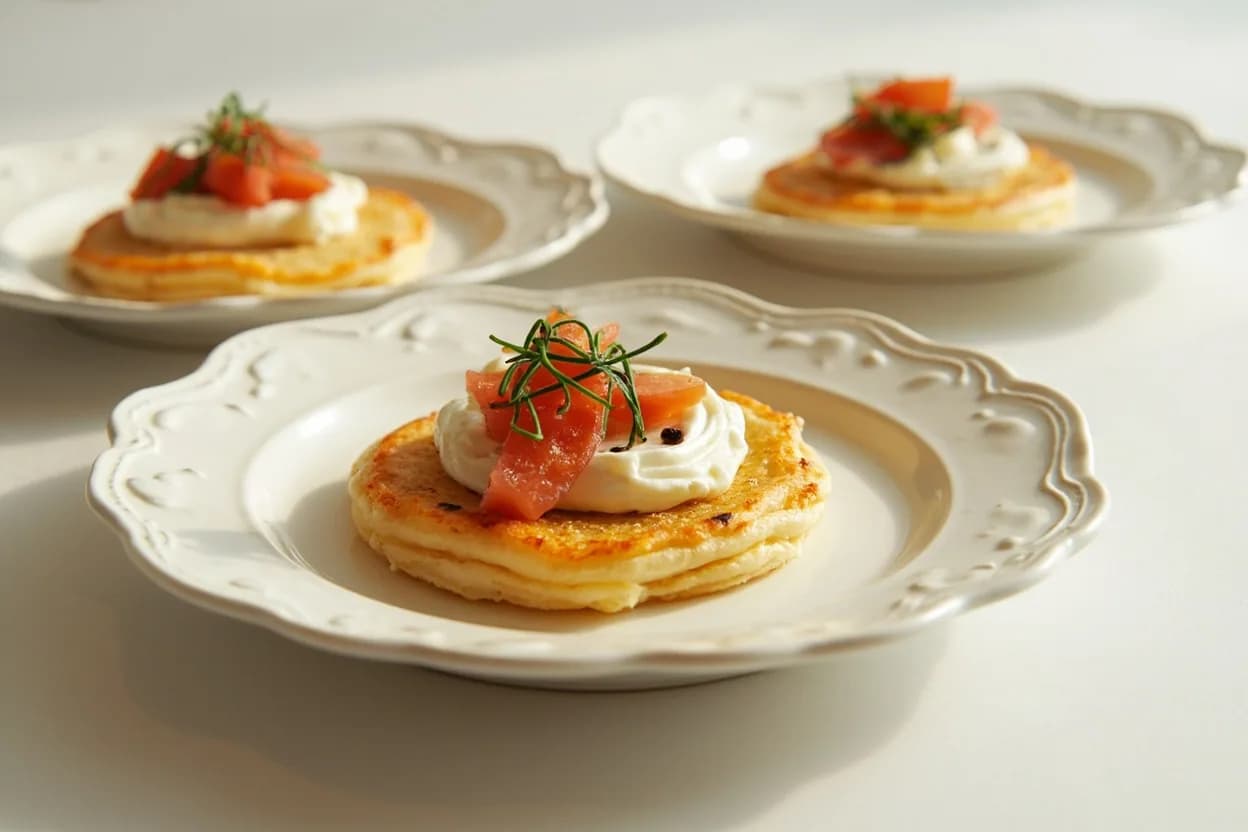
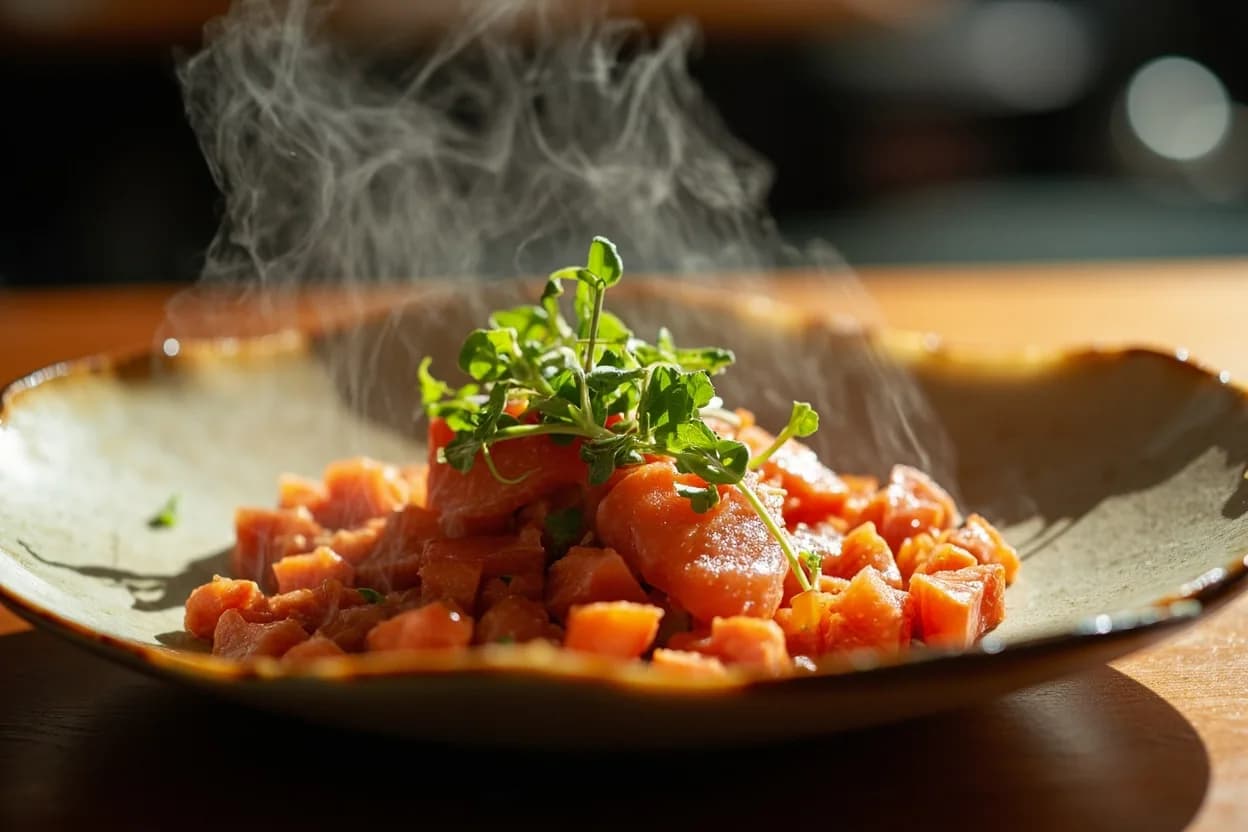
Related
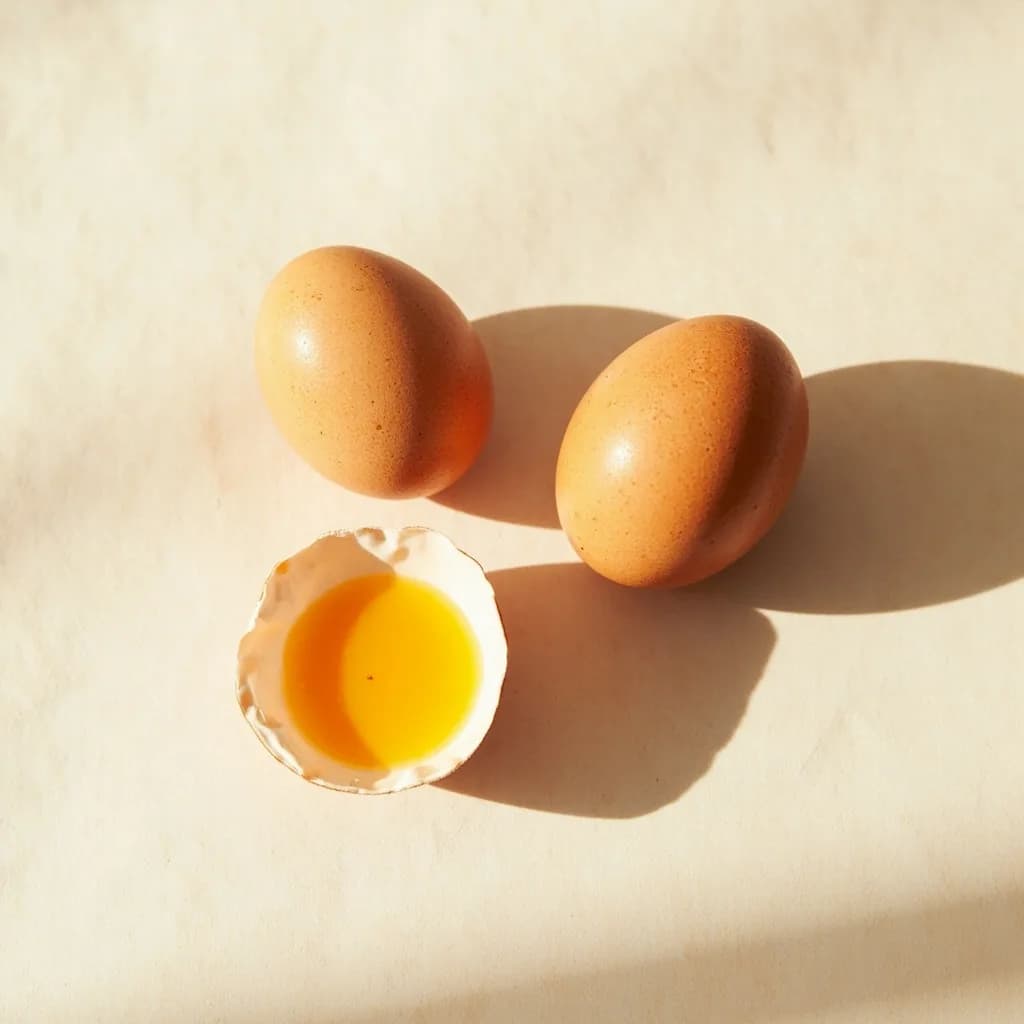
Egg
The kitchen's everything ingredient — bind, leaven, enrich, or fry
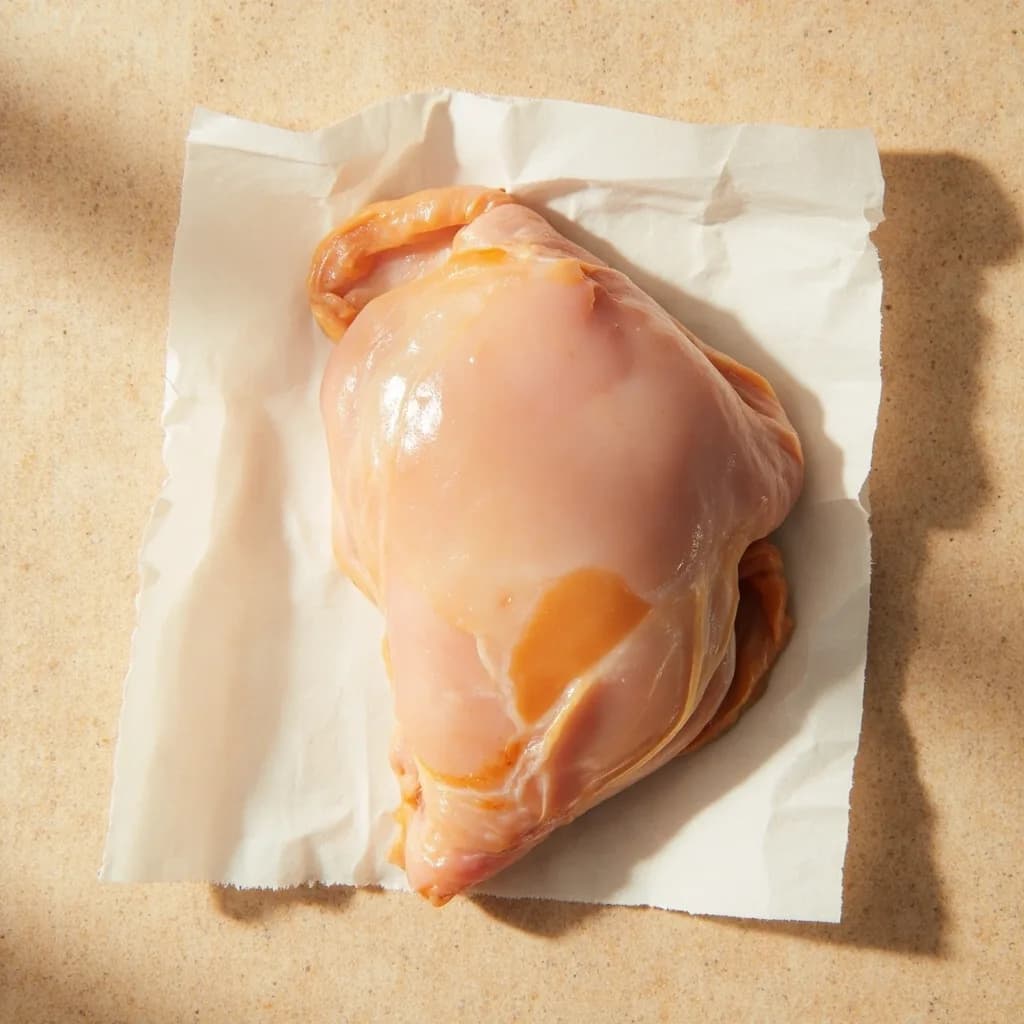
Chicken Breast
Lean, quick-cooking white meat for everyday dinners

Ground Beef
Versatile minced beef for burgers, ragù, tacos, and meatballs
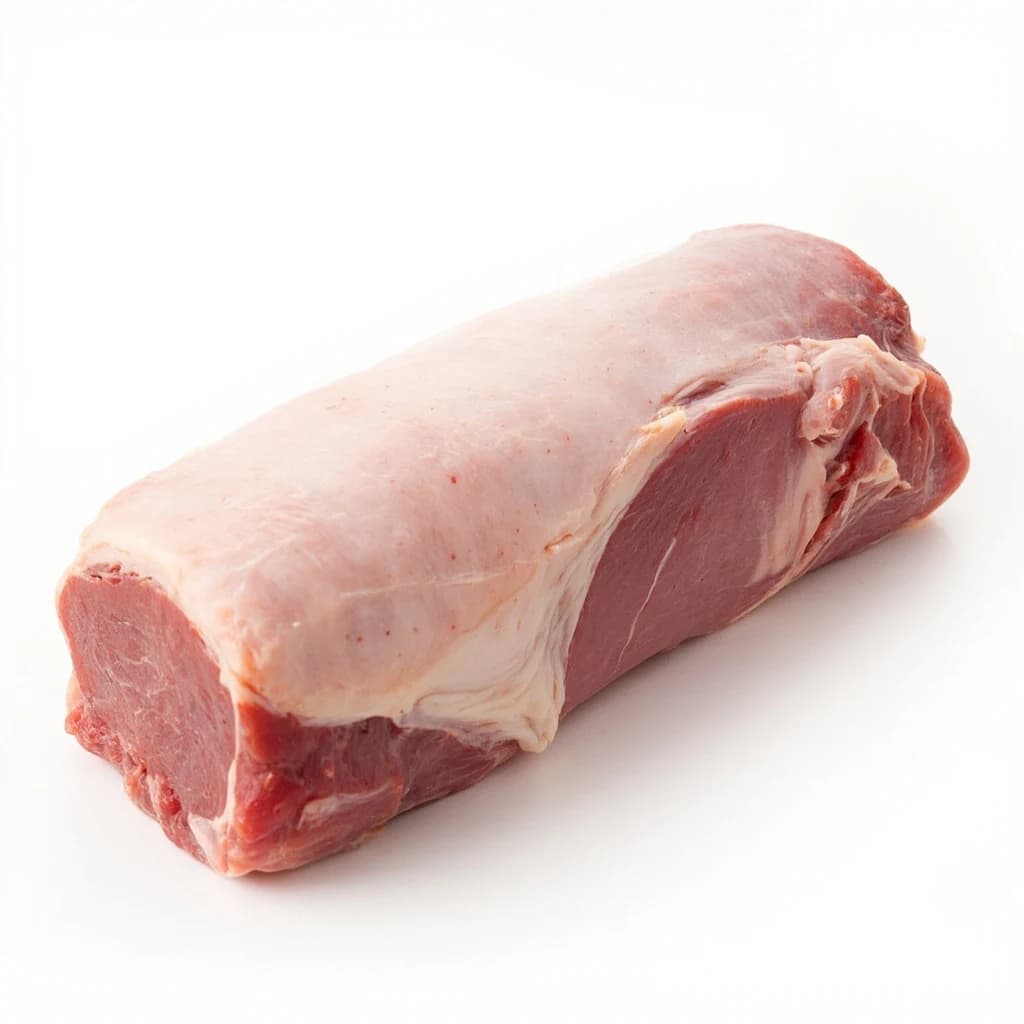
Pork Loin
Lean, tender roasting cut that stays juicy with care
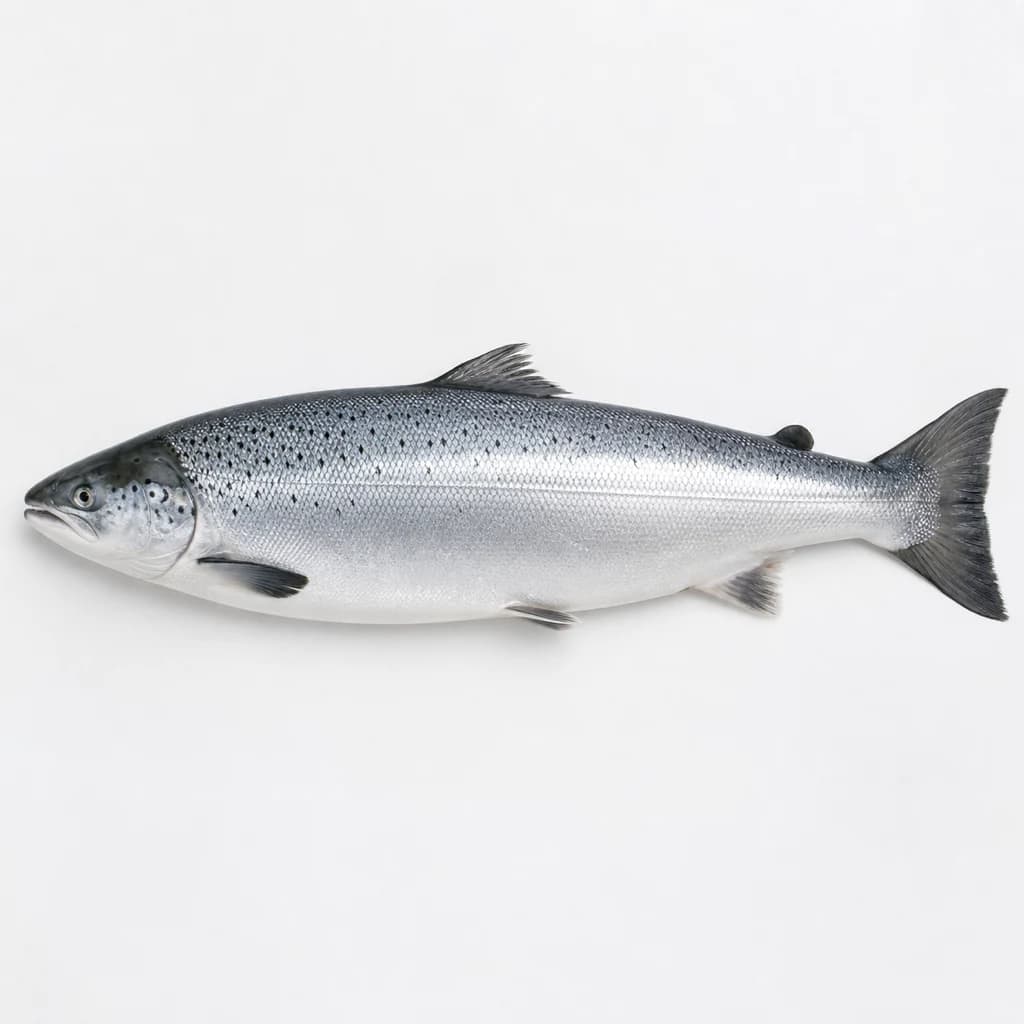
Salmon
Rich, rosy fish that roasts, grills, or cures beautifully

Egg White
Pure protein that whips to airy peaks for meringue and more
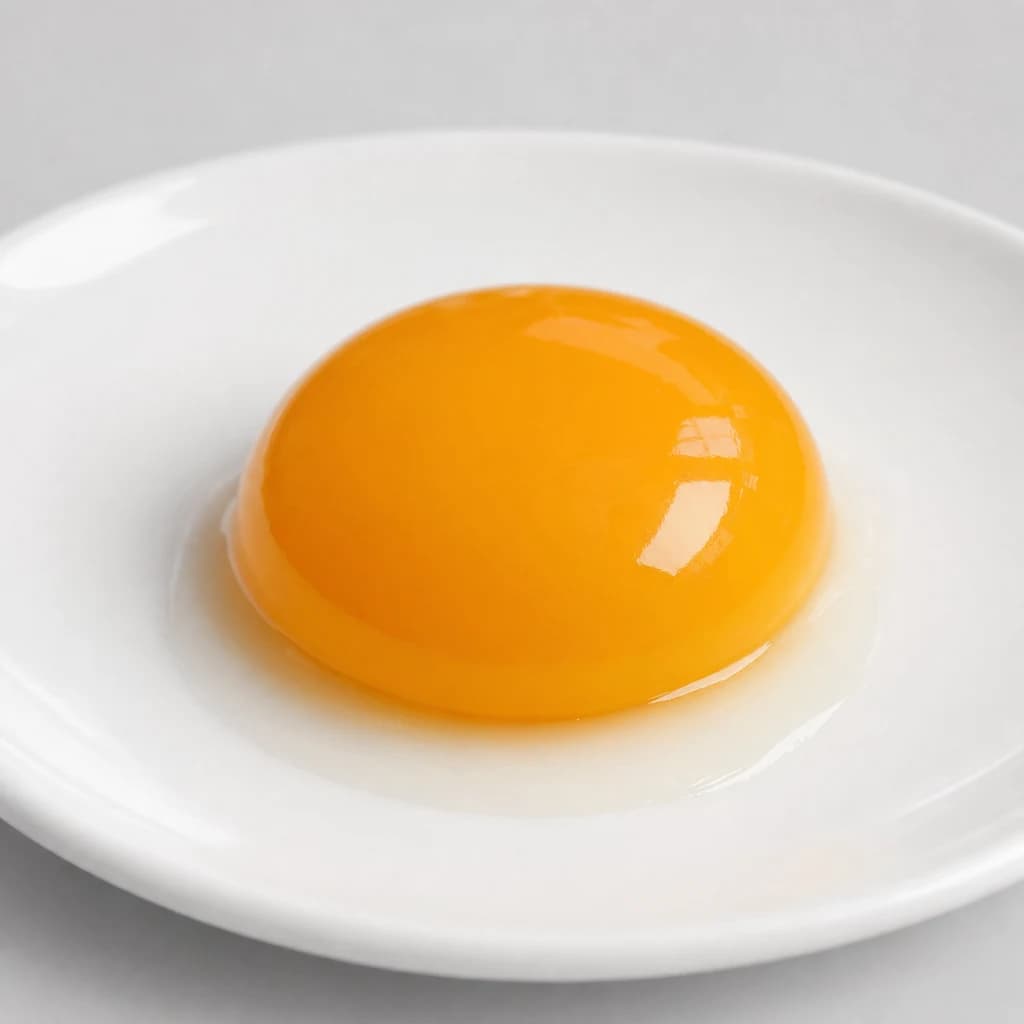
Egg Yolk
Rich, golden yolk for custards, mayonnaise, and pasta

Quail Egg
Tiny, speckled eggs for garnishing and elegant bites