Dairy & Eggs
Duck Egg
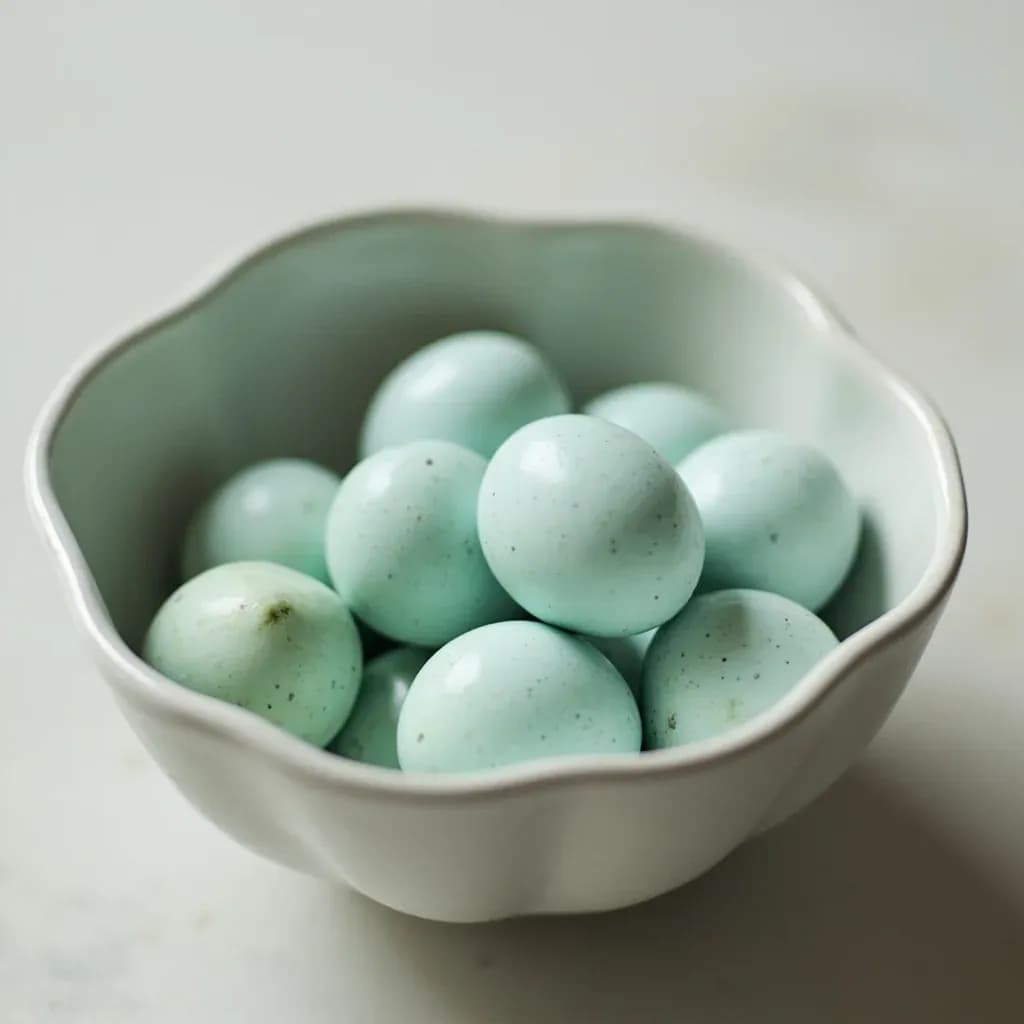
Large, rich egg with a big golden yolk, prized for baking and salted eggs.
Duck eggs are larger than chicken eggs with a thicker shell and a proportionally bigger, richer yolk. The high fat and protein content makes them excellent for tender baked goods and custards, and they are salted or preserved across Asia. Their pronounced flavor stands out in fried and boiled preparations.
Duck eggs are substantially larger than chicken eggs, typically weighing 65–70 g compared to a large chicken egg's ~50 g, with yolks that make up 35–40% of the total weight. This outsized yolk is what makes them prized in baking and custards: the higher fat content yields silkier textures while the greater proportion of protein—roughly 9 g per egg versus 6 g for chicken eggs—provides superior structure and lift in breads and sponge cakes. Their albumen is more alkaline than chicken egg whites, which raises the coagulation temperature and contributes to the dense, stable foams they produce.
Duck eggs have been a dietary staple across China, Southeast Asia, and parts of Europe for centuries; French culinary records from the 17th century already treat them as superior for pastry. Most commercial duck eggs come from the Pekin duck (Anas platyrhynchos domesticus), while the Muscovy duck (Cairina moschata), native to Central and South America, produces eggs with a noticeably gamey flavor. The thicker shell—0.4–0.5 mm—extends shelf life to 4–6 weeks refrigerated when stored pointy-end down. In addition to fresh use, duck eggs are central to two major preservation traditions: salted eggs (cured in brine or salt paste for 3–5 weeks, producing waxy, bright orange-red yolks) and century eggs (cured in clay, ash, and salt to create a gelatinous white and sulfide-darkened yolk).
- Measured in
- piece
- Storage
- Fridge
Allergens
Types & varieties
Large white eggs; the dominant commercial variety in the United States and China
Cream-colored eggs from a high-production breed; popular with small farms
White or greenish eggs with thin shells; prized in Southeast Asian cuisines
Larger than most duck eggs with cream-to-white shells; noticeably gamey flavor
Dark gray to black shells when fresh; shell color lightens with age
Traditional English breed producing large white eggs; rare and near-threatened
Coated in salt paste or brine for 3–5 weeks; yolks become waxy and bright orange-red
Cured in clay, ash, and salt for weeks to months; white becomes gelatinous, yolk dark green-black
Why Duck Eggs Behave Differently
The higher alkalinity of duck egg albumen affects both cooking and storage. It raises the temperature at which whites set, meaning you must cook them more gently than chicken eggs to avoid a rubbery texture. This same alkalinity slows the breakdown of the yolk membrane during storage, which is why duck eggs keep longer—but it also means hard-boiled duck egg yolks turn greenish-gray faster after cooking. In emulsions, the richer, more alkaline yolks whip more readily and hold more oil, so start with fewer yolks than a chicken-egg recipe calls for, or the sauce will break.
Salted Duck Eggs at Home
Brine-cured eggs take 3–5 weeks; dry-cured eggs in salt paste take 2–4 weeks. Choose eggs with uniform shells and discard any with hairline cracks—moisture will breach them during curing. After curing, rinse thoroughly and refrigerate salted eggs; they keep for weeks. To use, crack the shell and rinse the white away under running water; the waxy yolk is sliced, crumbled, or mashed for congee, fried rice, lotus seed paste fillings, and steamed dishes. Properly cured yolks should be firm, bright orange-red, and slightly translucent at the edges.
- Look for uniform shell color; discard any with cracks before curing
- Brine cure: 3–5 weeks submerged in saturated salt solution
- Dry cure: 2–4 weeks coated in salt paste, weighed down
- Rinse thoroughly after curing; store refrigerated
- Use within weeks once cured; yolks oxidize over time
Selecting and Storing Fresh Duck Eggs
Because ducks are natural foragers, farm-fresh duck eggs may have slight flavor variations depending on diet, but this rarely affects cooking performance. Do not wash farm-fresh eggs until just before use—the natural bloom protects the shell and extends shelf life. For all duck eggs, store pointy-end down in the refrigerator. Use within 5 days of hard-boiling; the higher pH causes yolks to develop a greenish-gray ring much faster than chicken egg yolks.
- Store pointy-end down; the larger air cell stays fresher in this orientation
- Do not wash farm-fresh eggs until just before cooking
- Hard-boiled duck eggs should be used within 5 days; yolks discolor quickly
- Peak availability is spring through summer; quality is most consistent from reputable farms
Common uses
Tips & pitfalls
- Crack duck eggs on a flat surface or the edge of a bowl, not sharply; the thicker shell resists a quick tap and shell fragments are more likely to fall into the white if you strike incorrectly.
- For baking, use a 1:1 ratio when substituting duck eggs for chicken eggs; the higher protein enhances structure, but avoid using duck eggs in recipes that depend on whipped whites for maximum volume—the foam will be denser and less voluminous.
- Do not expect duck egg whites to whip to the same volume as chicken whites; they whip to a denser, more stable foam, which is excellent for some applications but a drawback for others like angel food cake.
- When making mayonnaise or hollandaise, start with fewer yolks than the recipe specifies—duck egg yolks emulsify more readily and the sauce can break if you over-extend the emulsion.
- Store duck eggs pointy-end down in the refrigerator; the air cell is larger and this orientation maintains freshness longer.
- Hard-boiled duck eggs must be used within 5 days; the higher pH causes the yolks to turn greenish-gray much faster than chicken egg yolks.
- Duck eggs in preserved forms—century eggs and salted eggs—have entirely different flavors, textures, and uses and cannot substitute for fresh duck eggs in most cooking applications.
- If collecting farm-fresh duck eggs, do not wash them until just before use; the natural bloom extends shelf life.
Nutrition
Energy
774 kJ · per 100 g
Where the calories come from
Protein
12.8g
26% DV
Carbs
1.5g
1% DV
Fat
13.8g
18% DV
Fiber
0g
0% DV
Sugars
0.9g
of which
Sodium
146mg
6% DV
Source · USDA FoodData Central · Egg, duck, whole, fresh, raw
View on FDC →In the shops
Matched grocery products
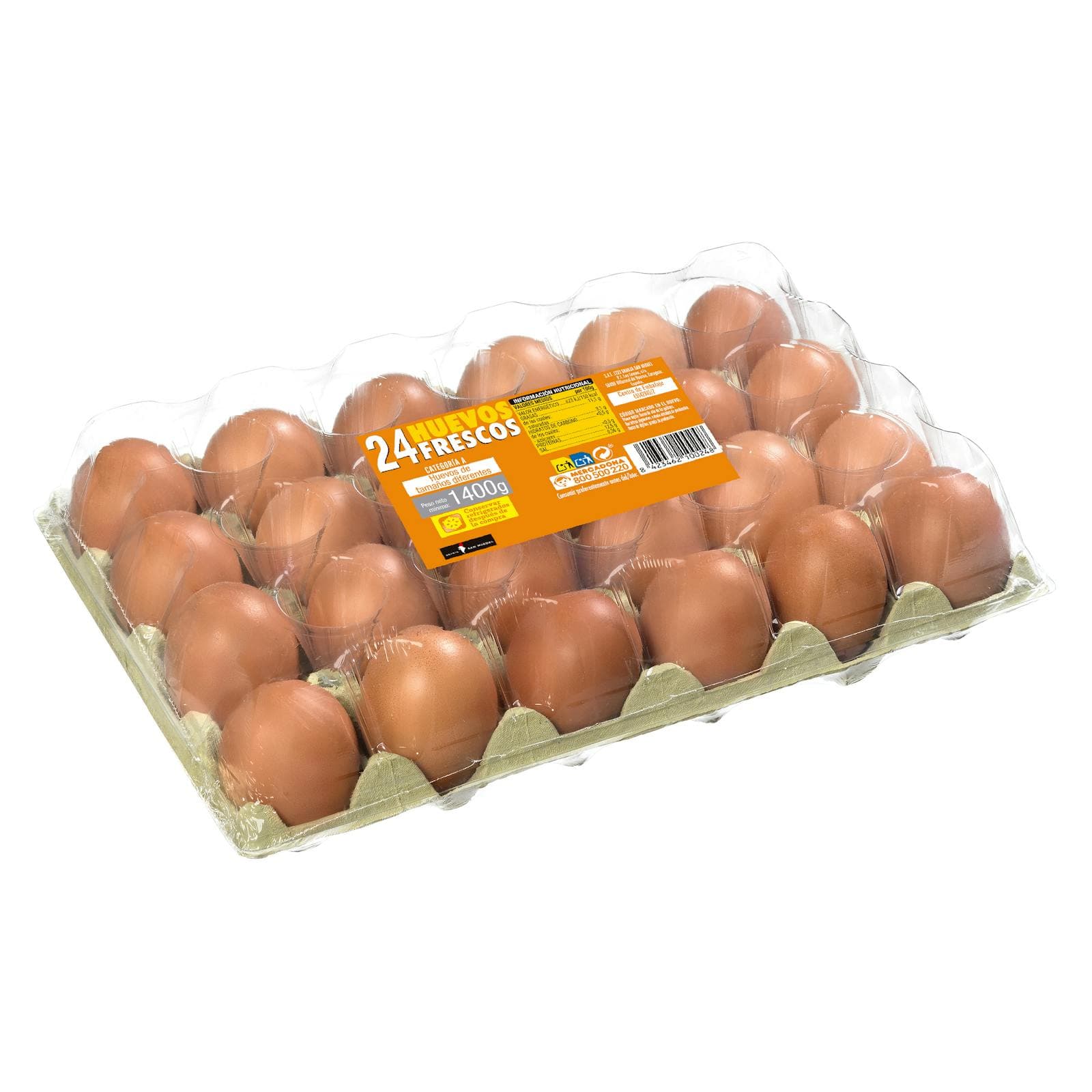 €5.60
€5.60Eggs
24 dz · Mercadona
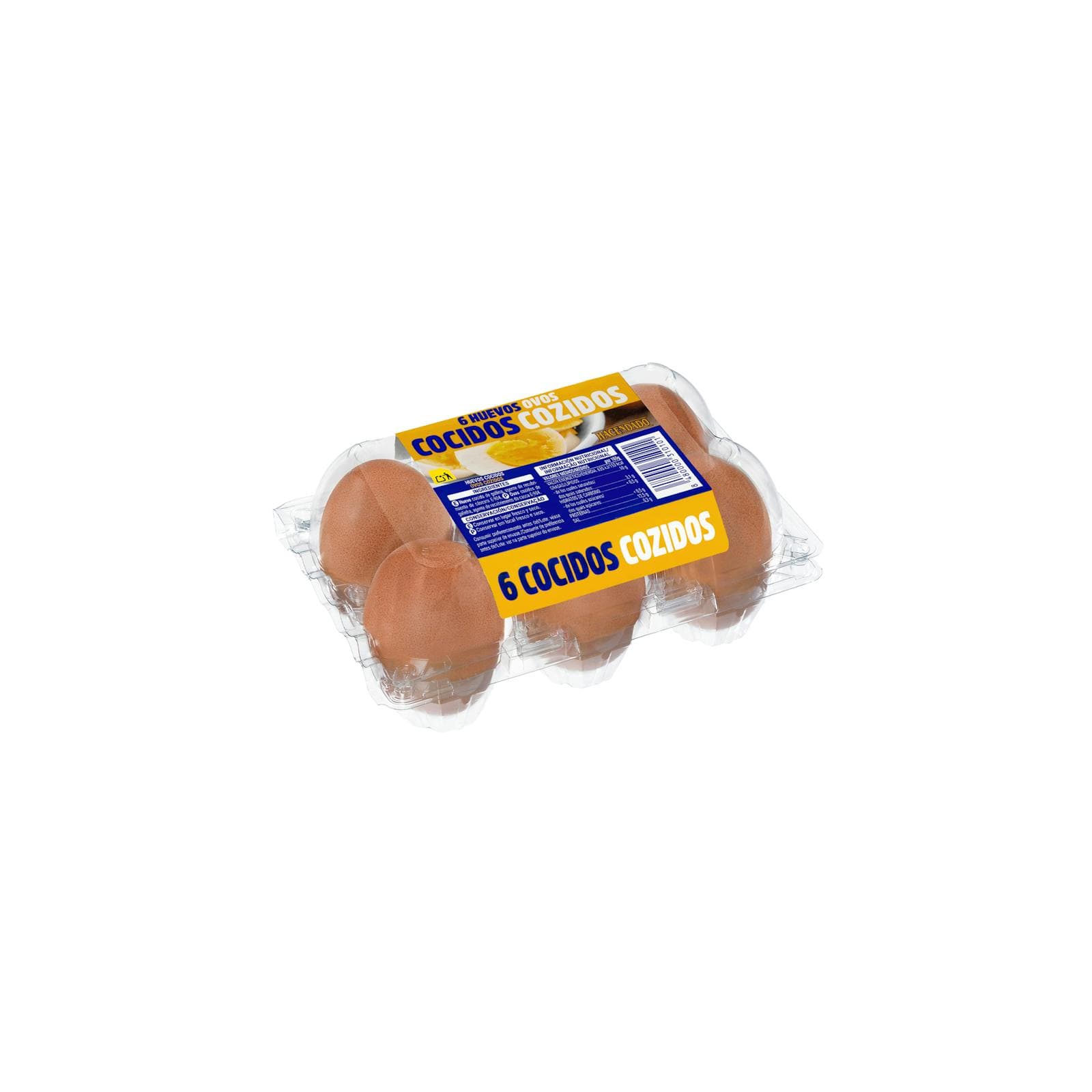 €2.20
€2.20Cooked Eggs
6 dc · Mercadona
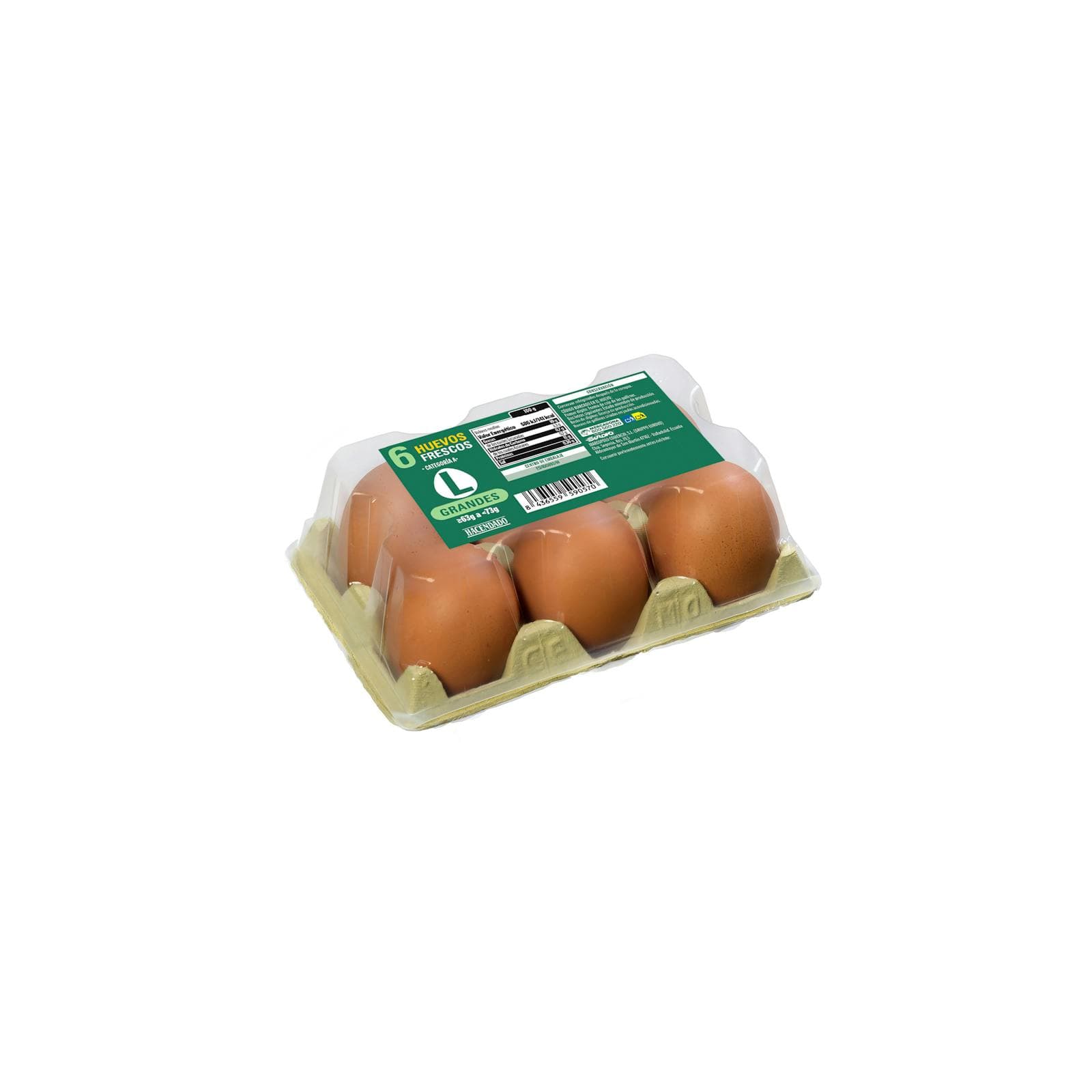 €1.80
€1.80Large Eggs
6 dc · Mercadona
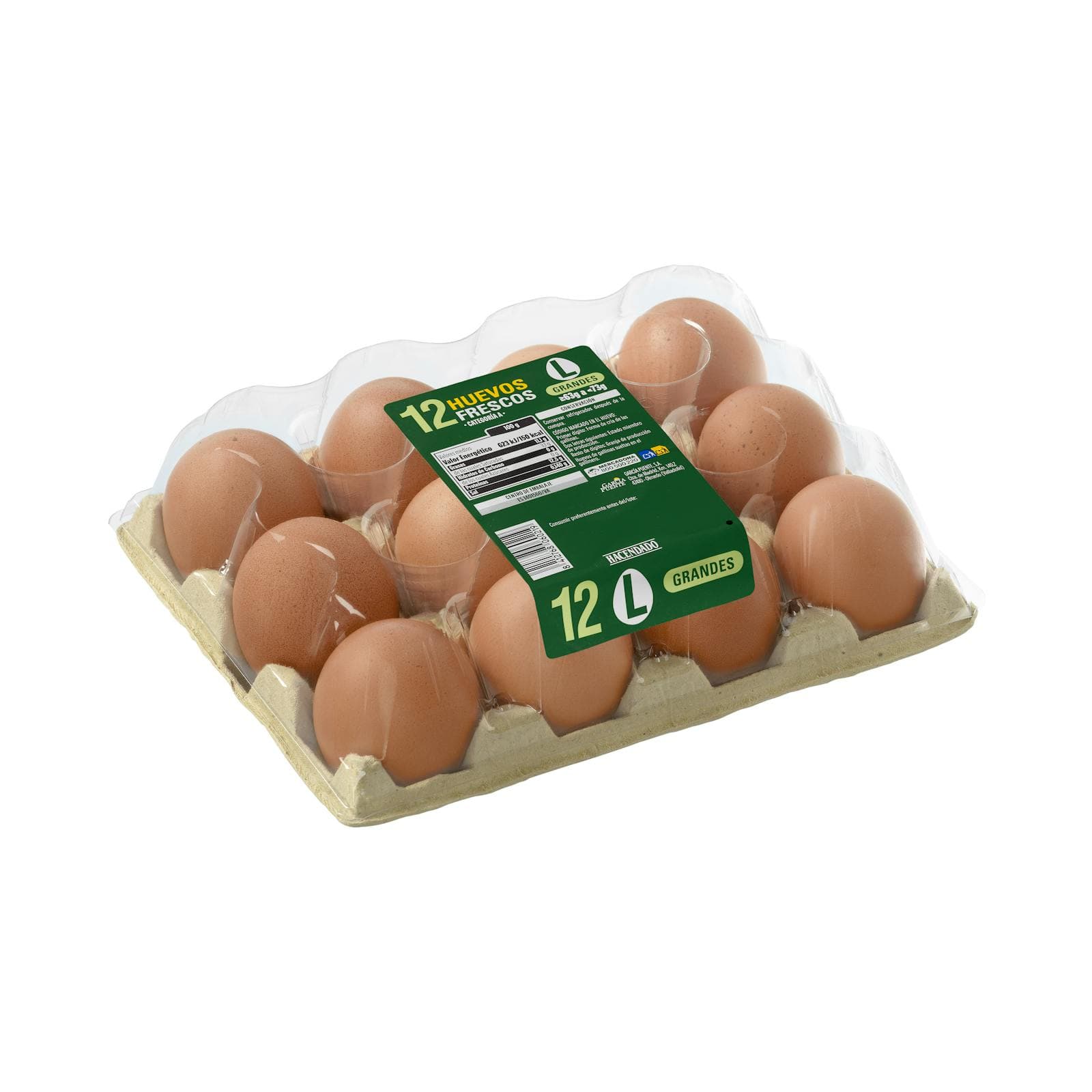 €3.20
€3.20Large Eggs
12 dc · Mercadona
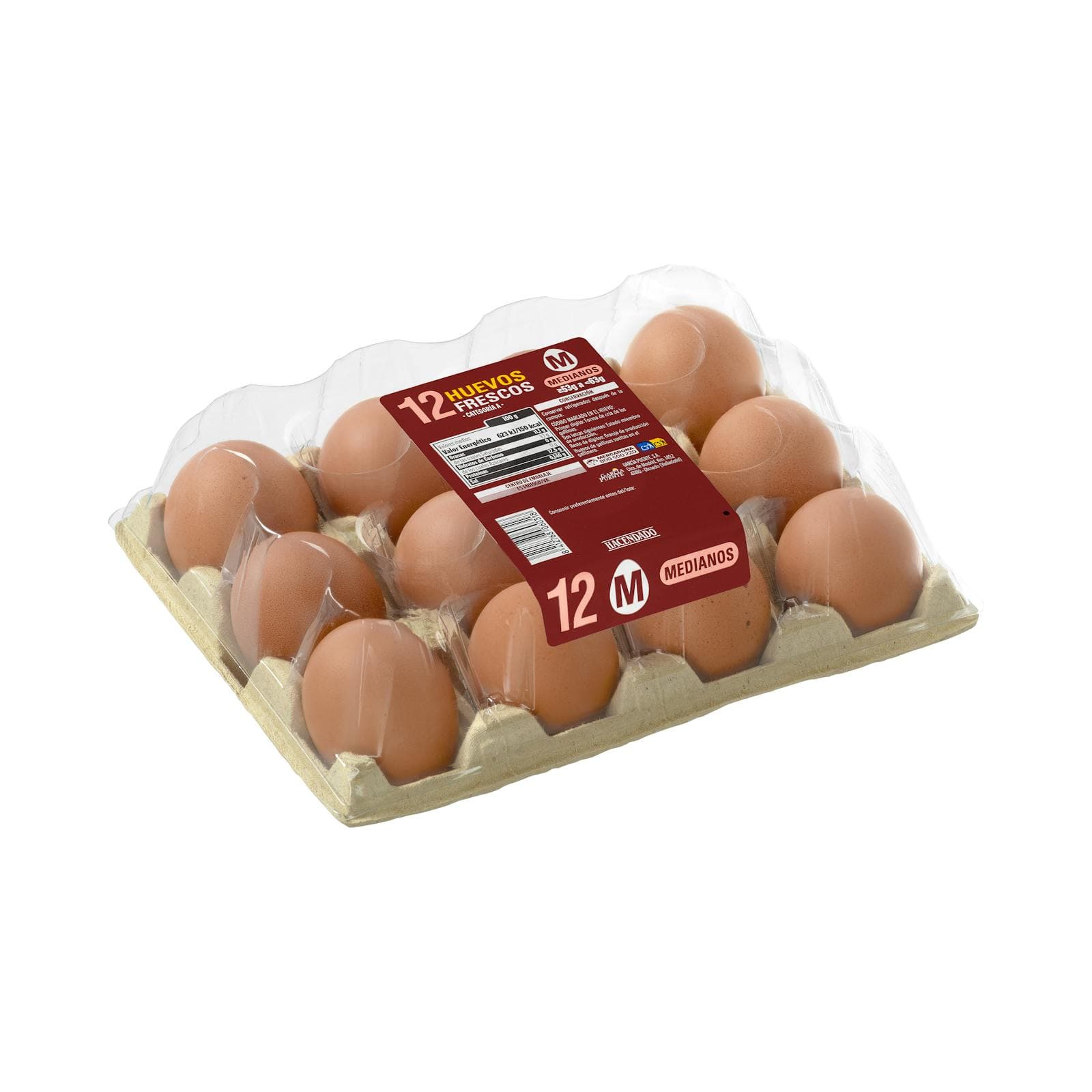 €3.00
€3.00Medium M Eggs
12 dc · Mercadona
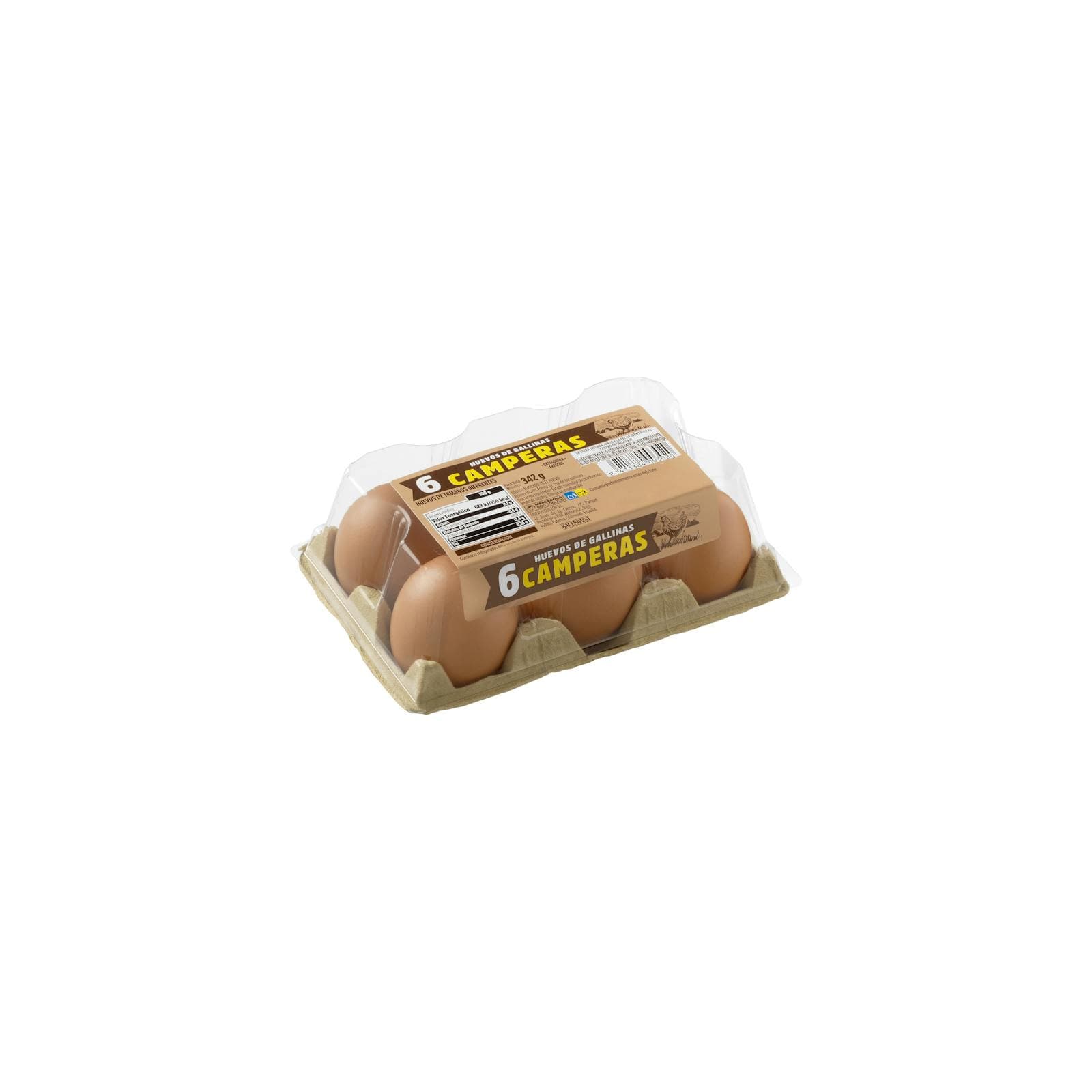 €2.10
€2.10Free-Range Eggs
6 dc · Mercadona
Good to know
- Average weight
- 65–70 g (vs. ~50 g for a large chicken egg)
- Yolk-to-white ratio
- Yolks comprise roughly 35–40% of total weight, higher than chicken eggs
- Shell color
- White, cream, blue-green, gray, or black depending on breed
- Protein content
- ~9 g per egg; whites are richer in albumin and set at higher temperatures
- Fat content
- ~9–10 g per egg, concentrated in the yolk; yields richer custards and sauces
- Coagulation temperature
- Whites set at 62–65 °C; higher than chicken egg whites
- Shelf life
- 4–6 weeks refrigerated when stored pointy-end down
Substitutes
- Large Chicken Egg — Use 1:1 in most applications; the result will be slightly less rich with a smaller yolk, and baking lift will be marginally reduced.
- Premium Chicken Egg + 1 Extra Yolk — Approximates duck egg richness better than chicken eggs alone; a practical workaround for custards and emulsified sauces.
- Turkey Egg — Larger and richer than chicken eggs; closest to duck eggs in flavor and texture, though difficult to source commercially.
- Goose Egg — Much larger (~200 g); use 1 goose egg per 3 duck eggs; stronger flavor makes it impractical for most recipes.
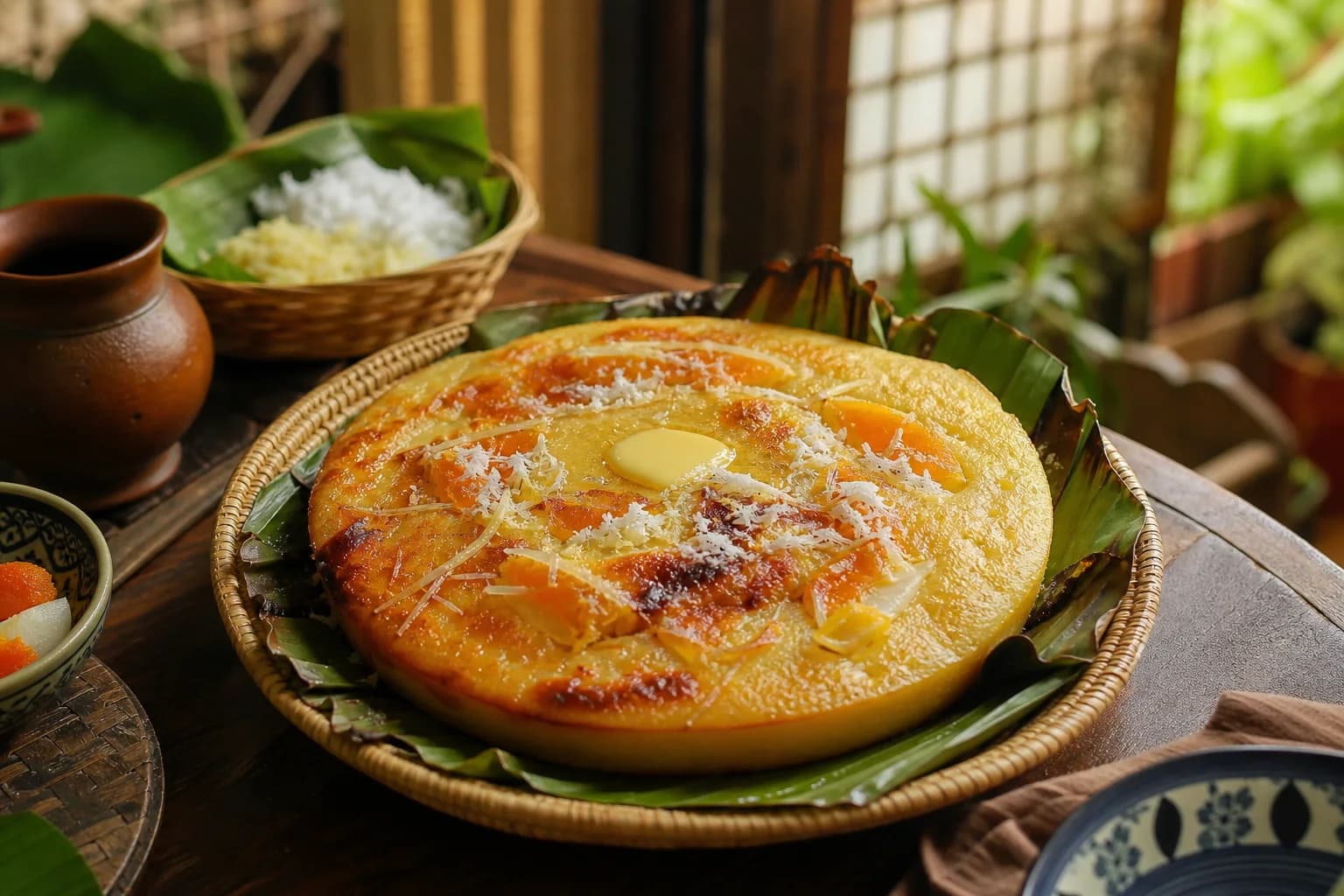
Appears in these dishes
Related

Whole Milk
Rich, full-fat milk for drinking, coffee, sauces, and baking
Butter
Golden fat for searing, baking, and finishing a sauce
Yogurt
Tangy, creamy culture for breakfast, sauces, and marinades
Cheddar Cheese
Sharp, melty cheese for sandwiches, gratins, and grating
Skim Milk
Fat-free milk for lighter drinking, coffee, and cooking
Heavy Cream
Rich cream that whips, enriches sauces, and sets ganache

Sour Cream
Tangy, thick cream for dolloping, baking, and dips
Mozzarella
Soft, milky cheese that melts into stretchy pizza pulls