Oils & Fats
Chili Oil / Chili Crisp
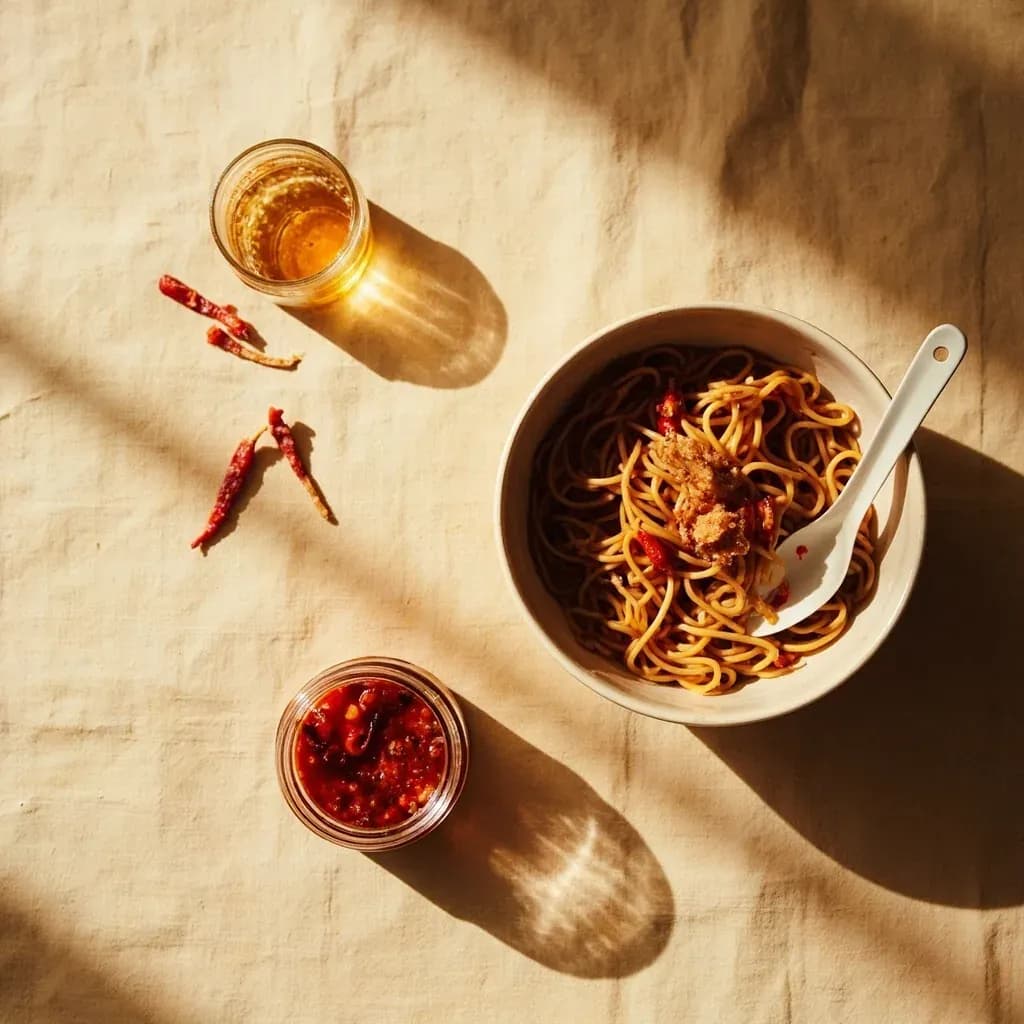
Aromatic oil infused with dried chilies — smooth chili oil for dumplings and noodles, crunchy chili crisp (with fried garlic and shallot) as a finishing condiment on eggs, rice, and dumplings.
Chili oil is an infused condiment-oil in which dried chiles — and often aromatics like garlic, ginger, scallion, star anise, and Sichuan peppercorn — are steeped in or bloomed with hot oil until the fat carries their heat, color, and fragrance. It spans a spectrum: at one end, a clean, fluid Sichuan-style red oil (la you) strained smooth for dumplings and noodles; at the other, a crunchy chili crisp thick with fried garlic, shallot, and toasted chile flakes that you spoon solids and all. What unites them is technique — oil heated to the right window (typically 250–350°F / 120–175°C) and poured over or cooked with chiles so the capsaicin and carotenoid pigments dissolve into the fat without scorching. Because the heat and flavor live in the oil rather than in a watery sauce, chili oil seasons and finishes very differently from a fresh hot sauce or a fermented paste: it adds richness and aroma along with heat, and it clings to noodles, dumplings, eggs, and rice. It is a finishing condiment first and a cooking medium second — most of its volatile aromatics are destroyed by prolonged high heat, so it shines drizzled on at the end.
- Measured in
- ml
- Storage
- Pantry
Find it in
Suits
Types & varieties
Strained smooth, brilliant red, perfumed with Sichuan peppercorn and spices for dumplings and dan dan noodles.
Crunchy, solids-heavy condiment thick with fried garlic, shallot, and toasted chile — spooned solids and all.
Heavy on fried garlic for a sweet, nutty backbone; a staple drizzle for noodles and eggs.
Chaozhou oil with preserved soybean and lots of garlic, looser than crisp, beloved for dim sum.
Sweetened, fruitier modern riffs for pizza, ice cream, and roasted vegetables.
How it is made
Dried chile flakes (and often a paste of aromatics) sit in a heatproof bowl while a neutral oil is heated until shimmering. The hot oil is poured over the chiles in stages — a first, hotter pour blooms color and toasts the flakes, later cooler additions preserve fragrance without burning. Aromatics like star anise, bay, cinnamon, ginger, and scallion are usually fried in the oil first and discarded or left in. Getting the oil temperature right is everything: too cool and the chile tastes raw and dusty; too hot and it scorches bitter in seconds.
- Bloom in stages: a hot pour for color, a cooler pour for aroma
- Toast whole spices in the oil first, then strain or keep
- Add a pinch of salt or sugar and a splash of soy or vinegar for depth
Buying and storing
Jarred chili crisp varies enormously — some are mostly crunchy solids, others a smooth pourable oil, and Sichuan and Chinkiang lineages taste distinct. Check whether the label leans numbing (Sichuan peppercorn) or purely hot. Store away from light and heat; refrigerate garlic-heavy or low-acid homemade batches, since infused oils with fresh aromatics carry a botulism risk if left at room temperature for long stretches.
- Shake or stir before use — solids settle and the heat lives partly in them
- Refrigerate homemade batches with fresh garlic or ginger
- Use a clean dry spoon every time to avoid introducing water
Common uses
Tips & pitfalls
- Drizzle it on at the end — most of the aroma is volatile and cooks off under sustained high heat.
- Stir from the bottom: heat and flavor concentrate in the settled chile solids, not just the clear oil on top.
- If making your own, clip a thermometer to the pot — the gap between blooming and burning chile flakes is only seconds.
- Cut the chile flakes with toasted sesame seeds and a little sugar and salt to round out raw heat.
- Spoon it over a fried or jammy egg, rice, or plain noodles for an instant meal.
- A splash of Chinkiang black vinegar in the bowl brightens the richness of the oil.
- Always use a clean, dry utensil — water introduced into the jar invites spoilage.
- For a numbing Sichuan profile, bloom ground Sichuan peppercorn (huajiao) in the oil alongside the chile.
Nutrition
Energy
3699 kJ · per 100 g
Where the calories come from
Protein
0g
0% DV
Carbs
0g
0% DV
Fat
100g
128% DV
Fiber
0g
0% DV
Sugars
0g
of which
Sodium
0mg
0% DV
Source · USDA FoodData Central · approx. Oil, palm
View on FDC →In the shops
Matched grocery products
No matched grocery products for Chili Oil / Chili Crisp yet.
Good to know
- Type
- Aromatic infused oil / condiment
- Base oil
- Neutral high-smoke-point oil — canola, vegetable, or peanut
- Key flavorings
- Dried chile flakes, garlic, ginger, scallion, star anise, Sichuan peppercorn
- Heat level
- Mild to fiery, depending on chile and ratio
- Two main styles
- Smooth Sichuan red oil (la you) vs crunchy chili crisp
- Infusion temperature
- Oil bloomed at roughly 250–350°F (120–175°C)
- Best use
- Finishing — drizzled on at the end, not cooked hard
- Storage
- Cool dark cupboard or fridge; solids-heavy crisps keep best chilled
- Shelf life
- Several weeks to a few months; watch garlic-heavy batches for spoilage
Substitutes
- Chili crisp — The crunchy, solids-heavy cousin — use when you want texture as well as heat.
- Crushed red pepper bloomed in oil — A quick stand-in: warm red pepper flakes in oil to approximate the infusion.
- Sriracha or hot sauce — Adds heat but is water-based and tangy, without the rich clinging oil.
- Gochugaru in oil — Korean chile flake bloomed in oil gives a milder, fruity red oil.
Pairs with
Also called
chili crisp · chilli oil · la-yu · lao gan ma
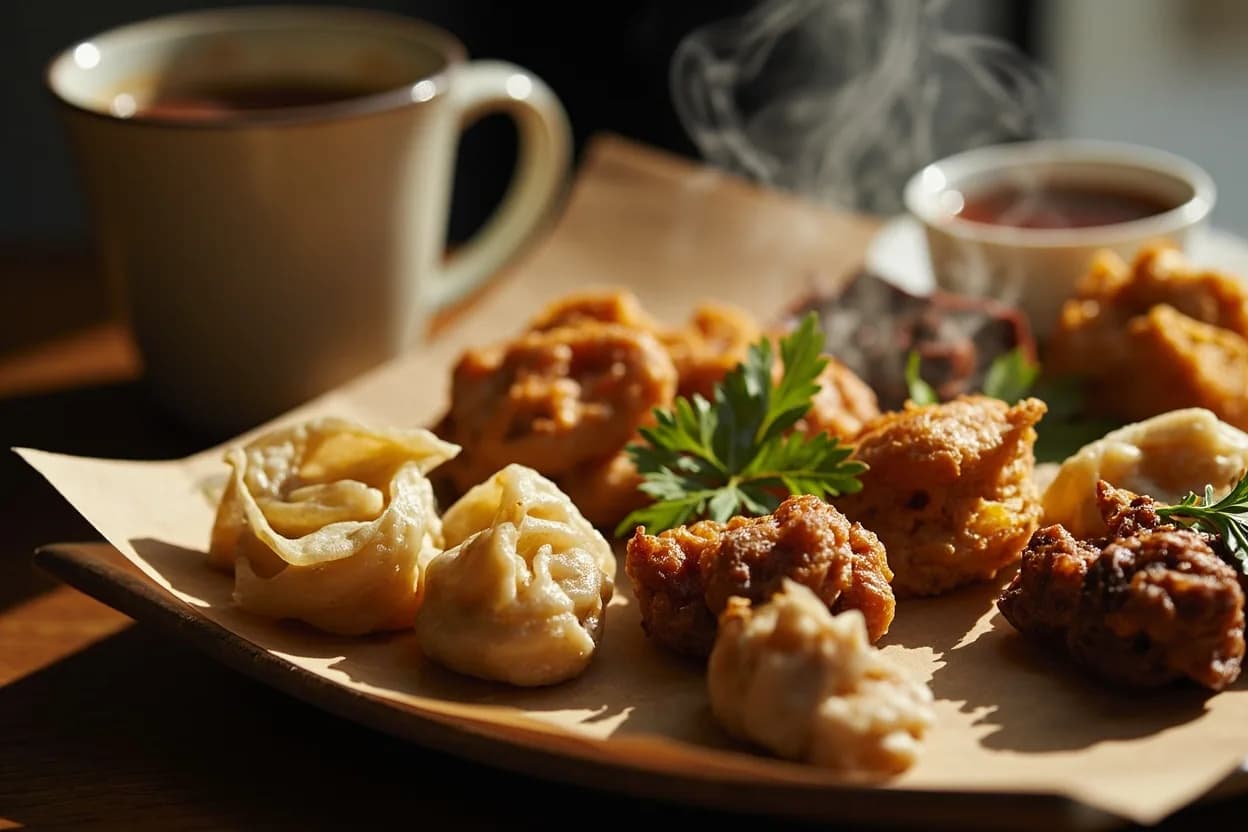
Appears in these dishes
Related
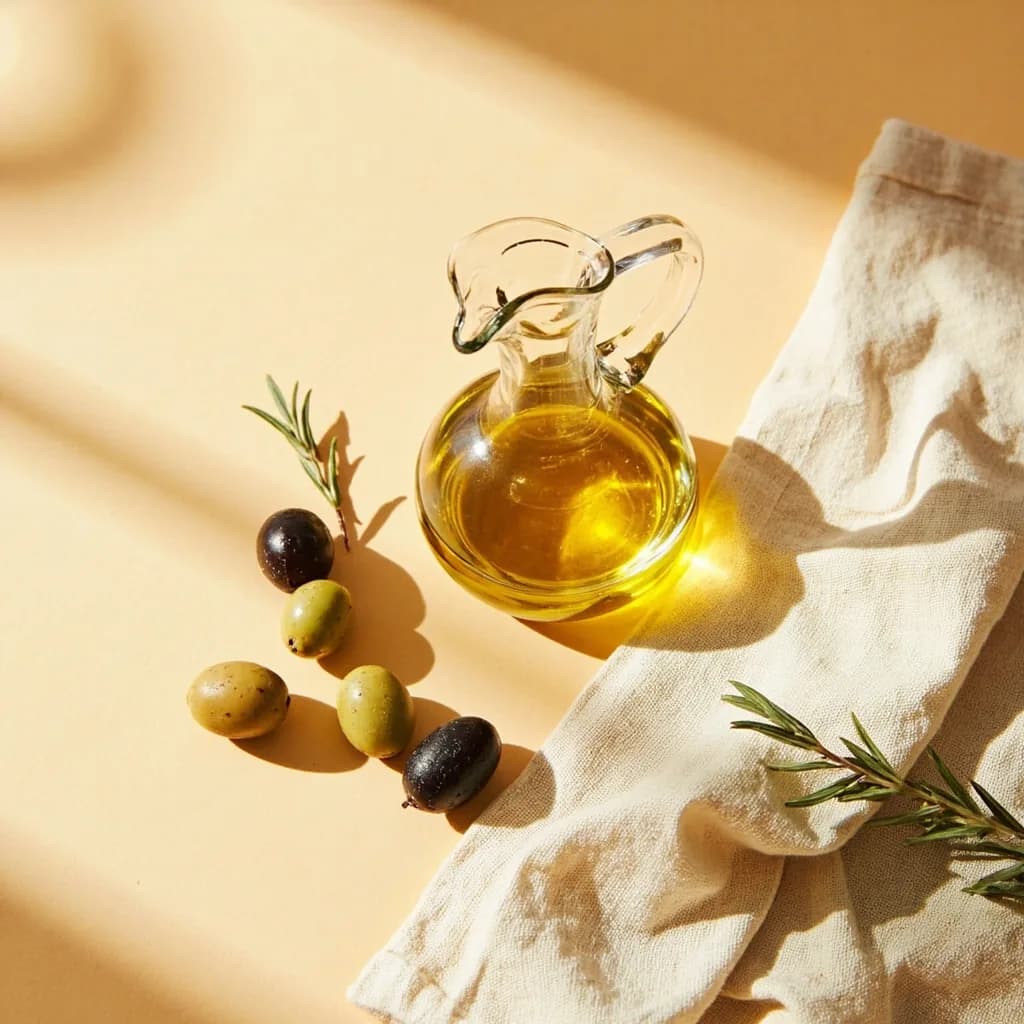
Olive Oil
Fruity, peppery everyday oil for sautéing, dressing, and finishing
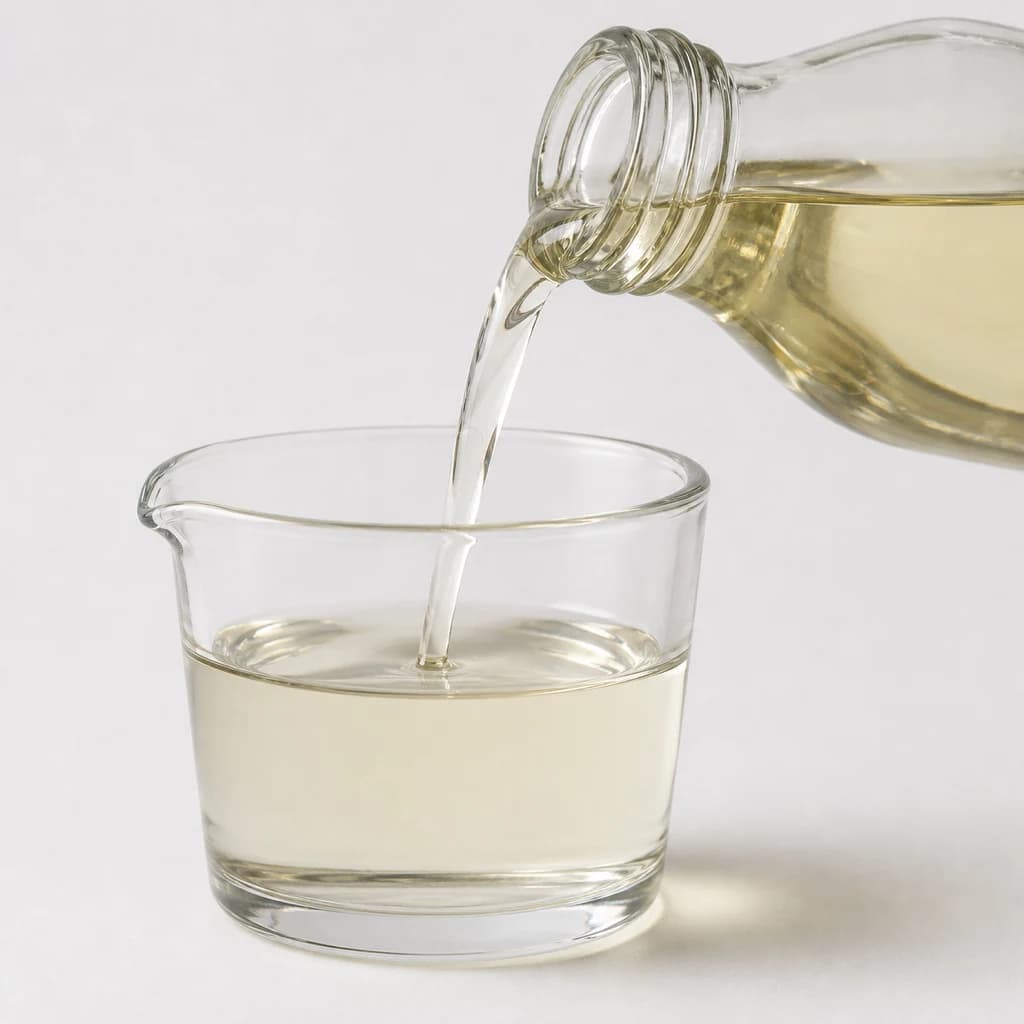
Vegetable Oil
Neutral, high-heat oil for frying and all-purpose cooking
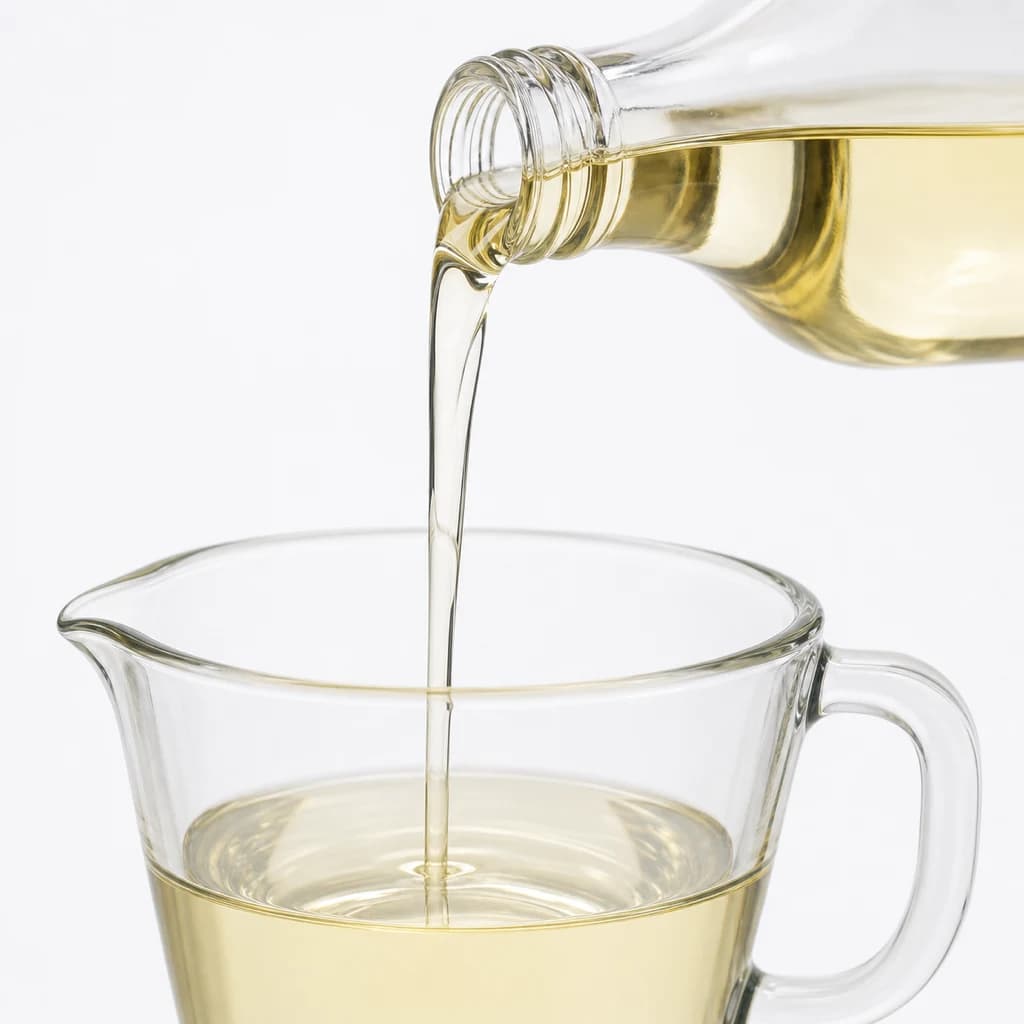
Canola Oil
Light, neutral oil for frying, baking, and dressings

Sunflower Oil
Clean, neutral oil for frying and everyday cooking
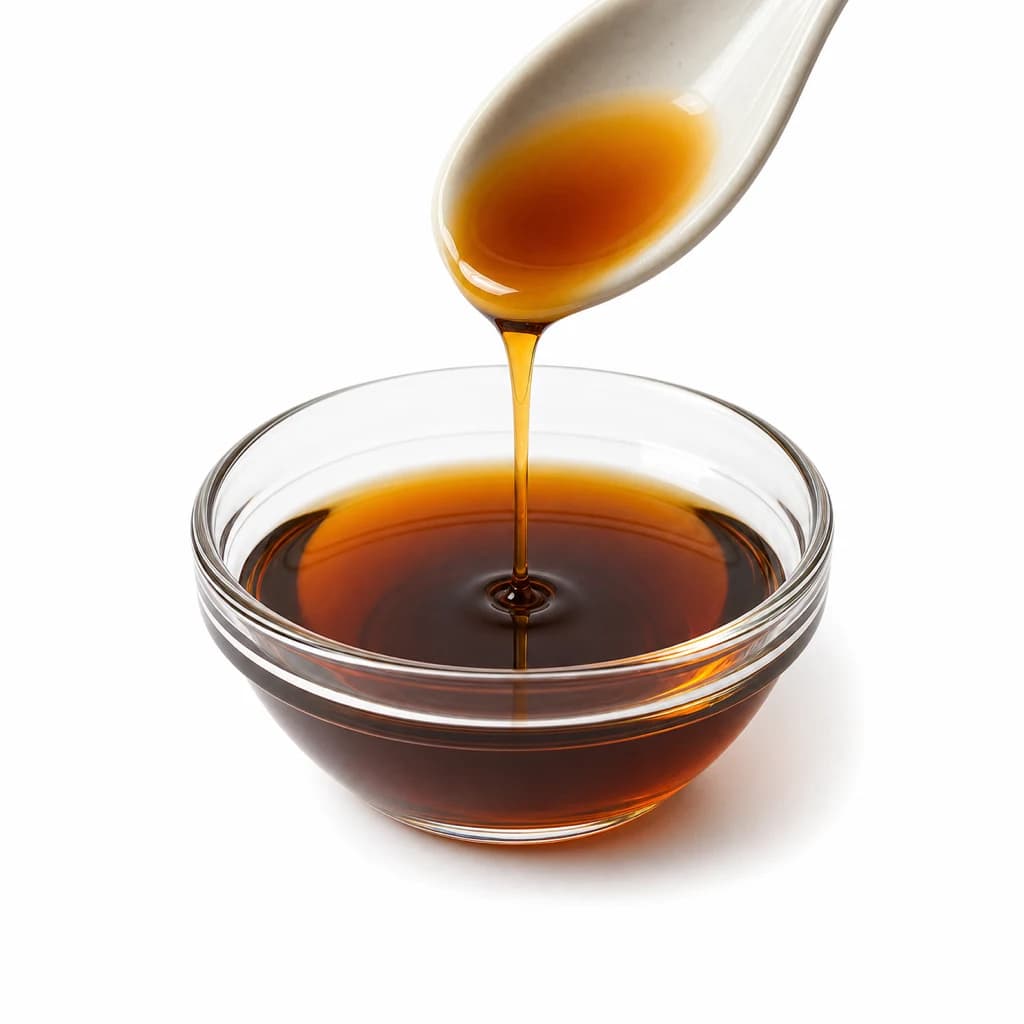
Sesame Oil
Toasty, aromatic oil — a finishing splash for Asian dishes
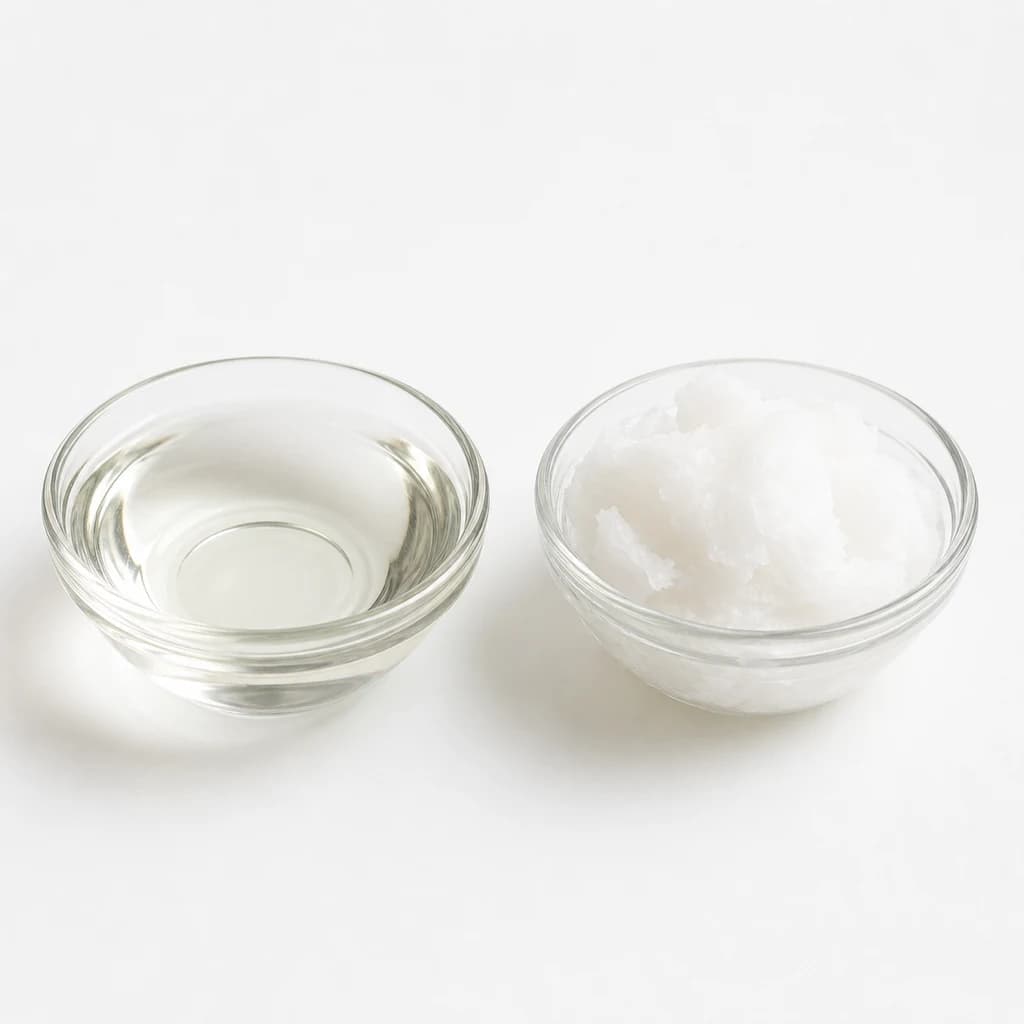
Coconut Oil
Fragrant, solid-at-room-temp fat for baking and frying
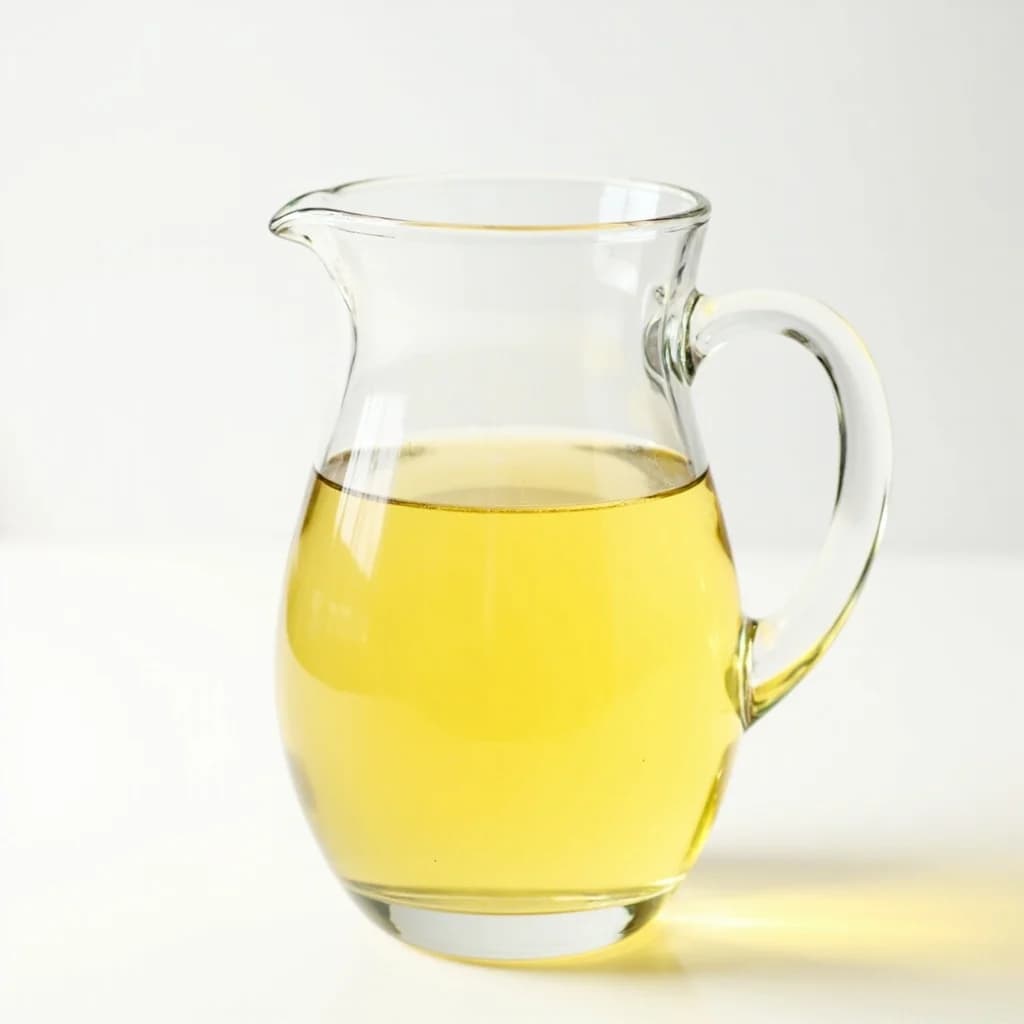
Peanut Oil
High-heat oil with a faint nutty note — ideal for frying

Lamb Tail Fat
Rich rendered fat from fat-tailed sheep — used as a cooking fat and flavor base in Central Asian and Middle Eastern dishes.