Stored
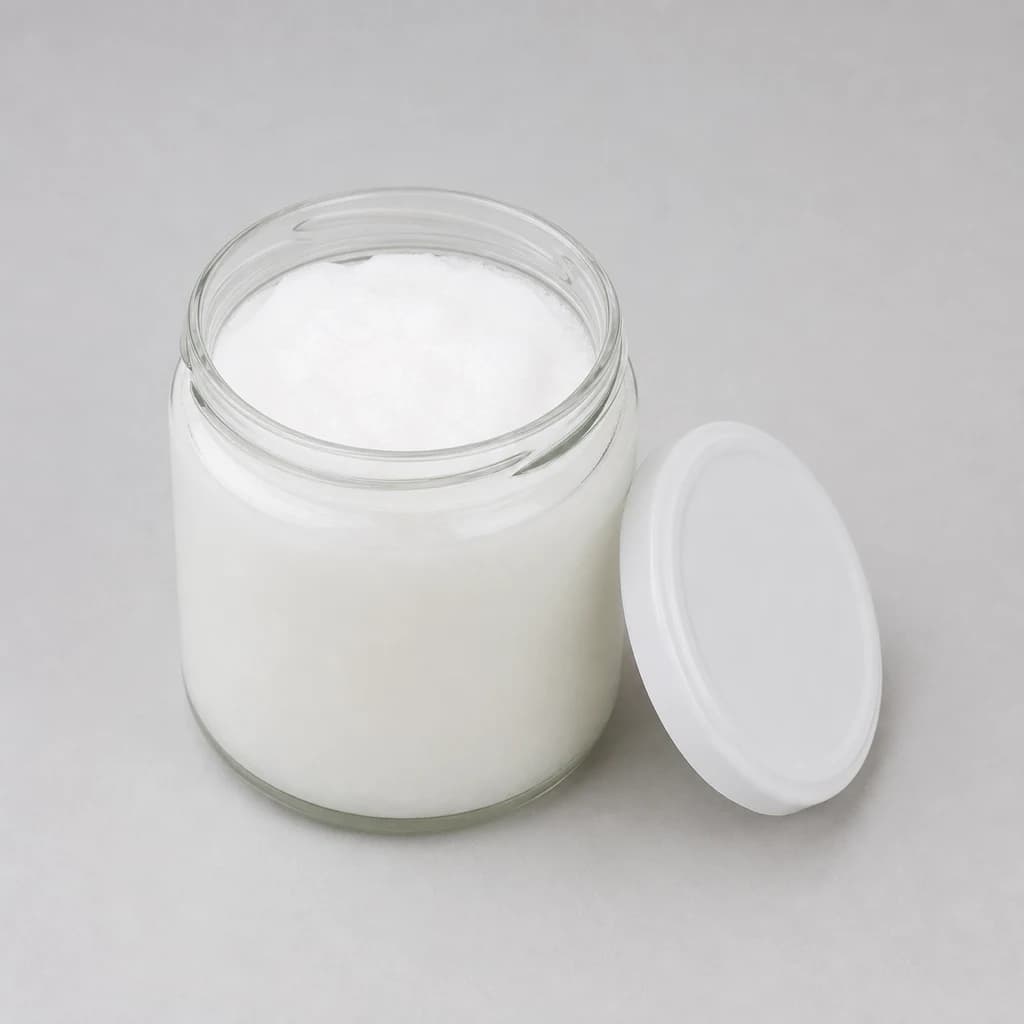
Coconut oil is solid and opaque white at cool room temperature, liquefying above 76°F.
Shows the defining solid-at-room-temperature property that most readers find surprising or confusing about coconut oil.
Oils & Fats
Coconut Oil
Fragrant, solid-at-room-temp fat for baking and frying
Faintly sweet and tropical, coconut oil is solid at cool temperatures and melts to a clear liquid for frying or baking. Store it at room temperature; it keeps for ages.
Coconut oil is extracted from the meat of mature coconuts and is unusual among kitchen fats for being solid at room temperature and unusually high in saturated fat — roughly 82–90%, the most saturated of the common cooking fats, higher than butter. It melts to a clear liquid above about 76°F. Unrefined (virgin) coconut oil carries a distinct coconut aroma and flavor; refined coconut oil is neutral and takes higher heat. It's a staple in South Asian, Southeast Asian, and Caribbean cooking, and a popular vegan butter substitute in baking, though best used like other saturated fats rather than as a health food.
- Measured in
- ml
- Storage
- Room Temperature
Find it in
Types & varieties
Cold-pressed, full coconut flavor and aroma.
Neutral taste, higher smoke point, all-purpose.
Stays liquid; used for supplements and cosmetics, not baking.
How to choose
Pick virgin coconut oil when you want coconut flavor (curries, coconut cakes, granola). Choose refined when you want the texture and stability without the taste — searing, neutral baking, vegan pastry.
How to use
Because it's solid when cool, it behaves like butter or shortening — you can cream it, cut it into pastry, or melt it to liquid. In baking it substitutes 1:1 for butter or shortening by volume, though it makes crisper, slightly more brittle results.
- Vegan butter swap in cookies and pie crust
- Sautéing for curries and stir-fries
- Granola and energy bars
- Popping popcorn for a buttery note
Common uses
Tips & pitfalls
- Substitute 1:1 for butter or shortening in most baking recipes.
- If it's solid and you need it liquid, warm the jar in hot water — don't microwave the whole tub.
- Use refined coconut oil any time you don't want a coconut flavor.
- It firms up cold, so it's great for setting raw desserts and chocolate coatings.
Nutrition
Energy
3732 kJ · per 100 g
Where the calories come from
Protein
0g
0% DV
Carbs
0g
0% DV
Fat
99.1g
127% DV
Fiber
0g
0% DV
Sugars
0g
of which
Sodium
0mg
0% DV
Source · USDA FoodData Central · Oil, coconut
View on FDC →In the shops
Matched grocery products
 €5.25
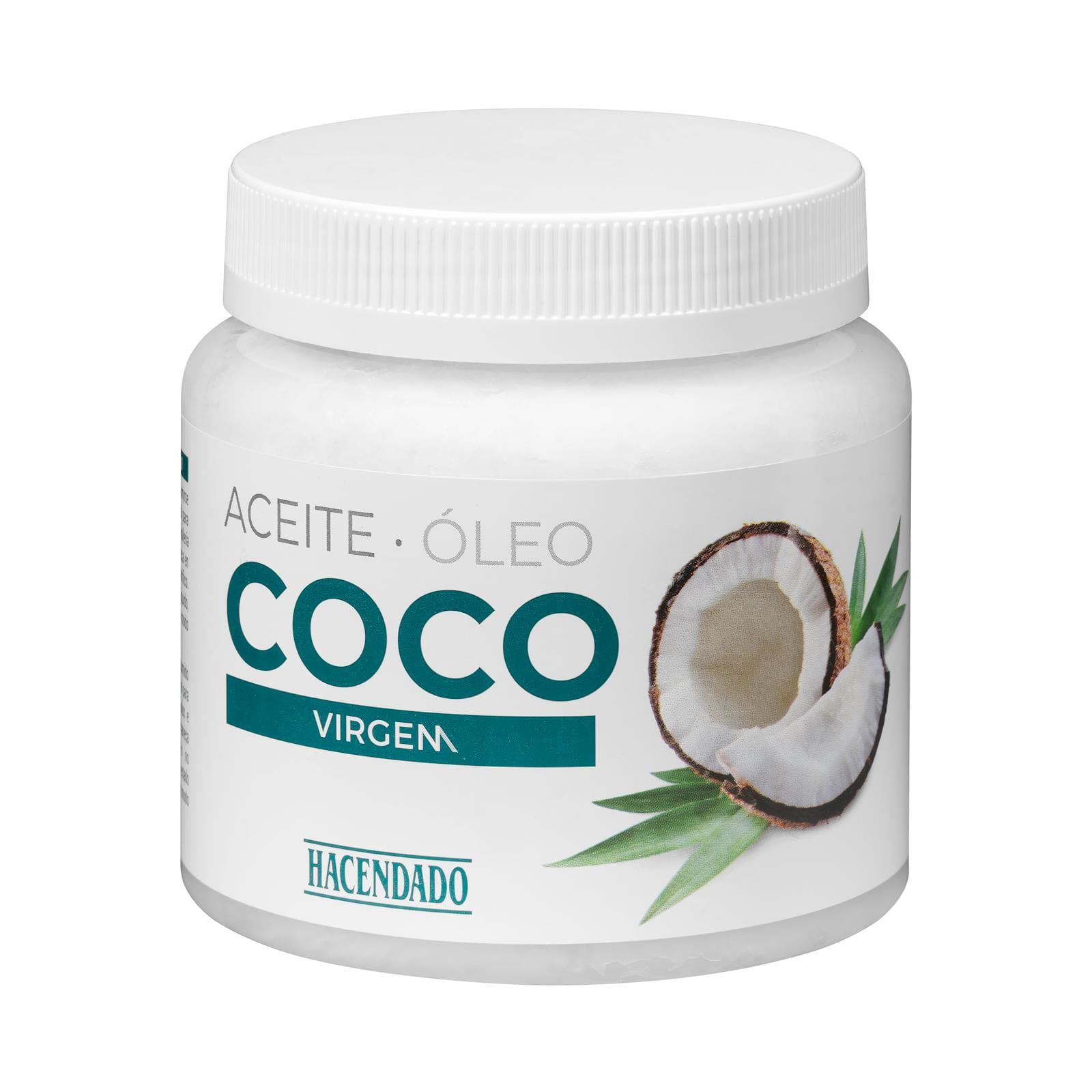
€5.25Virgin Coconut Oil
Hacendado · 0.45 L · Mercadona
 €6.65
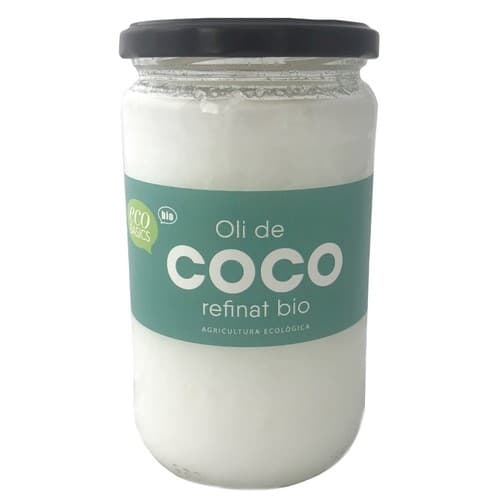
€6.65ECOBASICS Organic Refined Coconut Oil
ECOBASICS · kg · Bonpreu
Good to know
- Flavor
- Virgin: coconut-forward. Refined: neutral
- Smoke point
- Virgin ~350°F (177°C); refined ~400°F (204°C)
- Texture
- Solid below ~76°F (24°C), liquid above
- Best for
- Baking, sautéing, vegan butter swaps, curries
- How to store
- Room temperature, sealed jar
- Shelf life
- Very stable — up to 2 years
Substitutes
- Butter — 1:1 in baking; adds dairy richness instead of coconut.
- Vegetable shortening — Matches the solid-fat texture without flavor.
- Neutral oil — For sautéing where solidity doesn't matter.
Also called
aceite de coco
Appears in these dishes
Related
Olive Oil
Fruity, peppery everyday oil for sautéing, dressing, and finishing
Vegetable Oil
Neutral, high-heat oil for frying and all-purpose cooking
Canola Oil
Light, neutral oil for frying, baking, and dressings

Sunflower Oil
Clean, neutral oil for frying and everyday cooking
Sesame Oil
Toasty, aromatic oil — a finishing splash for Asian dishes
Peanut Oil
High-heat oil with a faint nutty note — ideal for frying

Lamb Tail Fat
Rich rendered fat from fat-tailed sheep — used as a cooking fat and flavor base in Central Asian and Middle Eastern dishes.

Pork Back Fat
Hard fat from the pig's back, used for larding, sausages, and rendered lard.