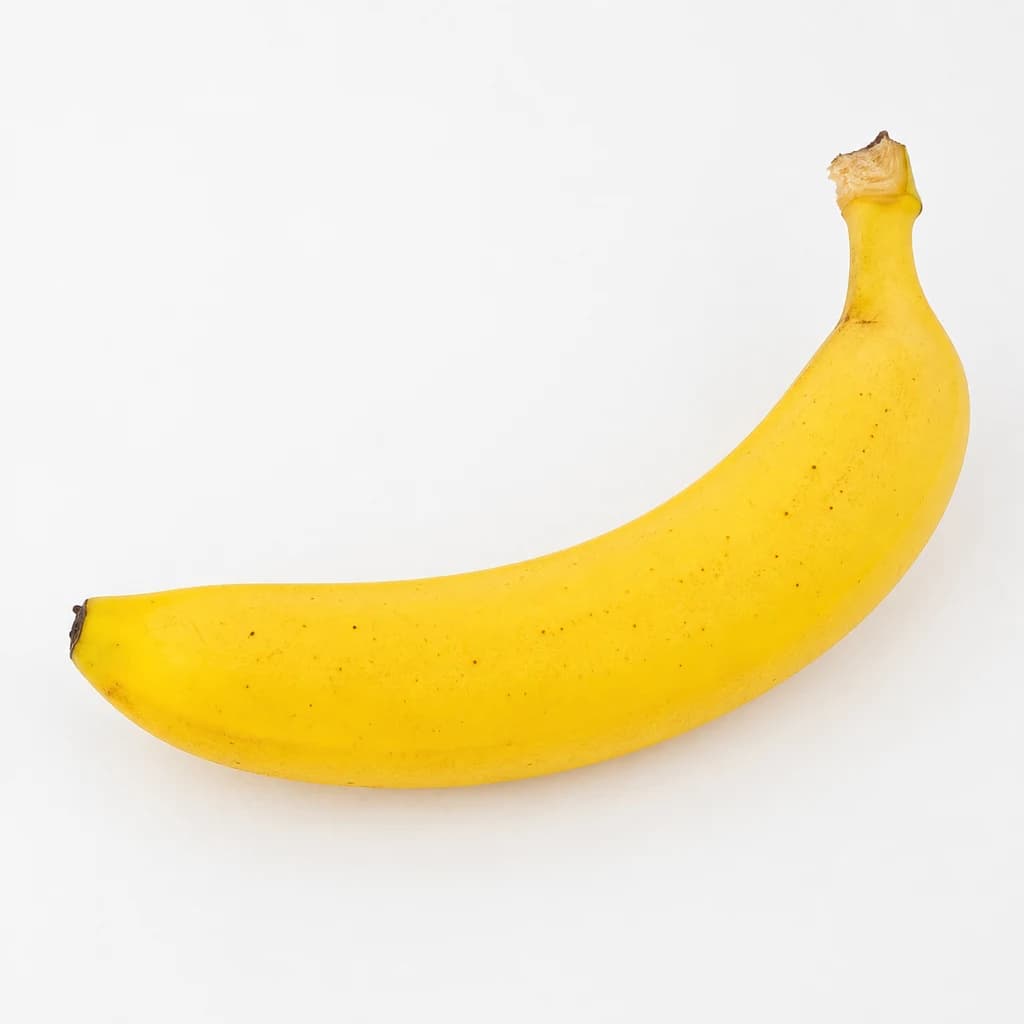
Natural form
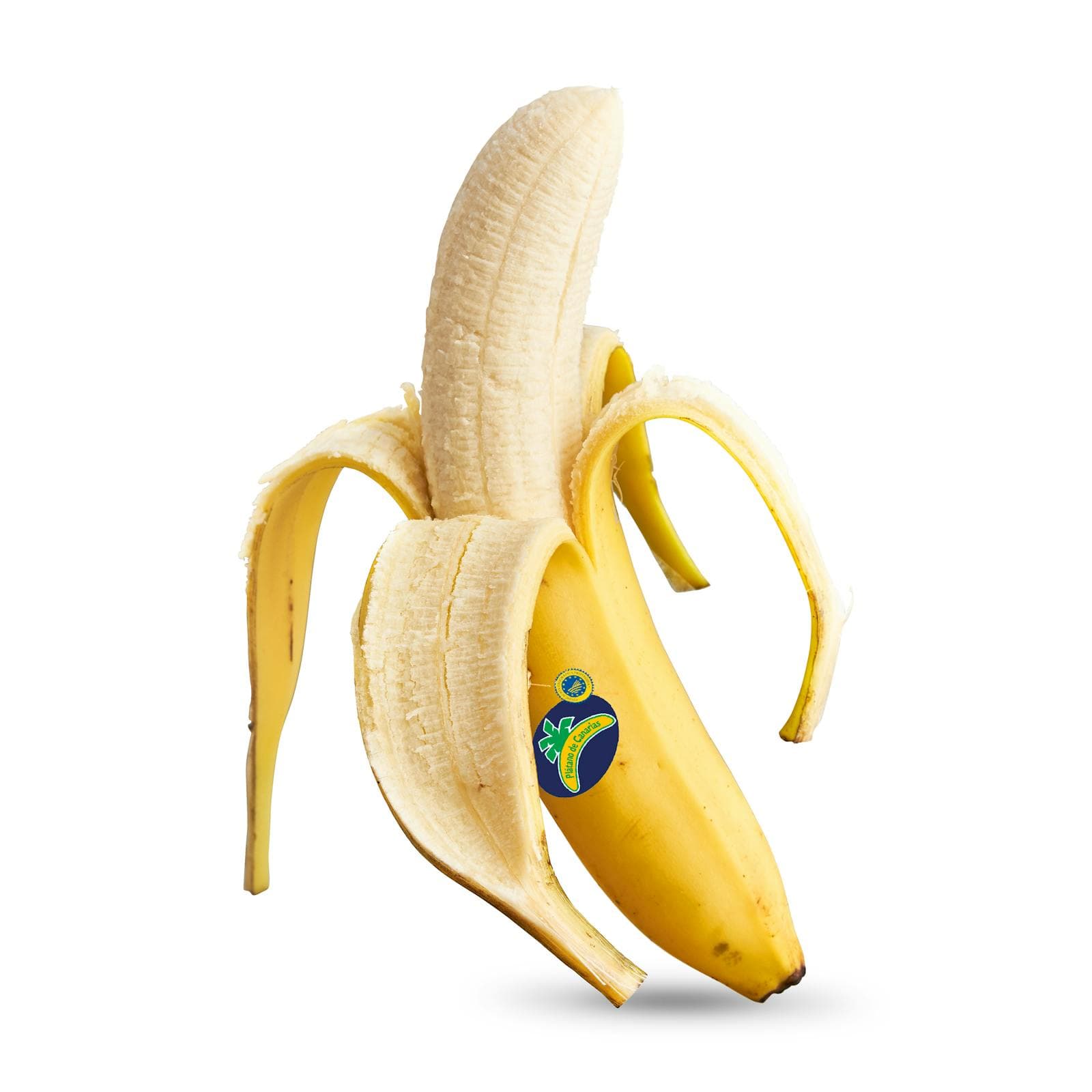
A single ripe banana at peak yellow, showing its characteristic curved form and intact peel.
Shows the reader the definitive shape, color, and scale of a ripe banana at its most recognizable state.
Produce
Banana
Sweet, creamy fruit for snacking, smoothies, and baking
Perfectly portable and naturally sweet, bananas blend into smoothies and mash into the best loaf cake once they're spotty. Keep them at room temperature off the bunch to slow ripening.
The banana is the world's most portable snack — sweet, creamy, and ready-wrapped in its own peel. It ripens predictably from firm and starchy green through perfect yellow to spotty-sweet, and each stage has its use: yellow for eating, brown-spotted for the best banana bread and smoothies. Beyond the dessert banana, starchy plantains and cooking bananas are savory staples across the tropics. Cheap, reliable, and endlessly useful.
- Measured in
- piece
- Storage
- Room Temperature
- Shelf life
- 7 days
Find it in
Types & varieties
The standard yellow dessert banana sold everywhere
Large, starchy cooking banana; fried or boiled, savory or sweet
Small, sweeter, creamier
Smaller, freckled, sweeter — the premium Spanish standard, distinct from the larger, cheaper import "banana"
Reddish skin, soft sweet flesh with a raspberry note
How to choose
Buy to your timeline. Green-tipped bananas will ripen over days at home; evenly yellow ones are ready to eat; yellow flecked with brown spots are at peak sweetness and softest. Want plump, smooth fruit free of big bruises and splits — minor brown speckles are fine and actually signal sweetness.
How to ripen and store
Keep bananas at room temperature; they ripen fastest in a bunch and slower separated. To speed ripening, seal them in a paper bag (with an apple to boost it); to slow it, separate the bananas and keep them cool. The fridge halts ripening and blackens the peel, but the fruit inside stays good — fine once they're already ripe.
- Separate from the bunch to slow ripening
- Paper bag with an apple to speed it up
- Fridge blackens the peel but preserves ripe fruit
Don't waste overripe ones
Brown, mottled, almost-too-soft bananas are not garbage — they're prime baking material, sweeter and easier to mash, the secret to good banana bread, muffins, and pancakes. Overripe bananas also freeze beautifully (peel first) for smoothies and 'nice cream.' Browning is sugar developing, not spoilage, until the peel turns fully black and the fruit ferments.
Common uses
Tips & pitfalls
- Save the spottiest bananas for banana bread — they're sweetest and mash best
- Freeze peeled ripe bananas for smoothies and creamy 'nice cream'
- Separate bananas to slow ripening; bag them to speed it
- Wrap the stems in plastic to make a bunch last a little longer
- Add to smoothies for natural sweetness and body
Nutrition
Energy
372 kJ · per 100 g
Where the calories come from
Protein
1.1g
2% DV
Carbs
22.8g
8% DV
Fat
0.3g
0% DV
Fiber
2.6g
9% DV
Sugars
12.2g
of which
Sodium
1mg
0% DV
Source · USDA FoodData Central · Bananas, raw
View on FDC →In the shops
Matched grocery products
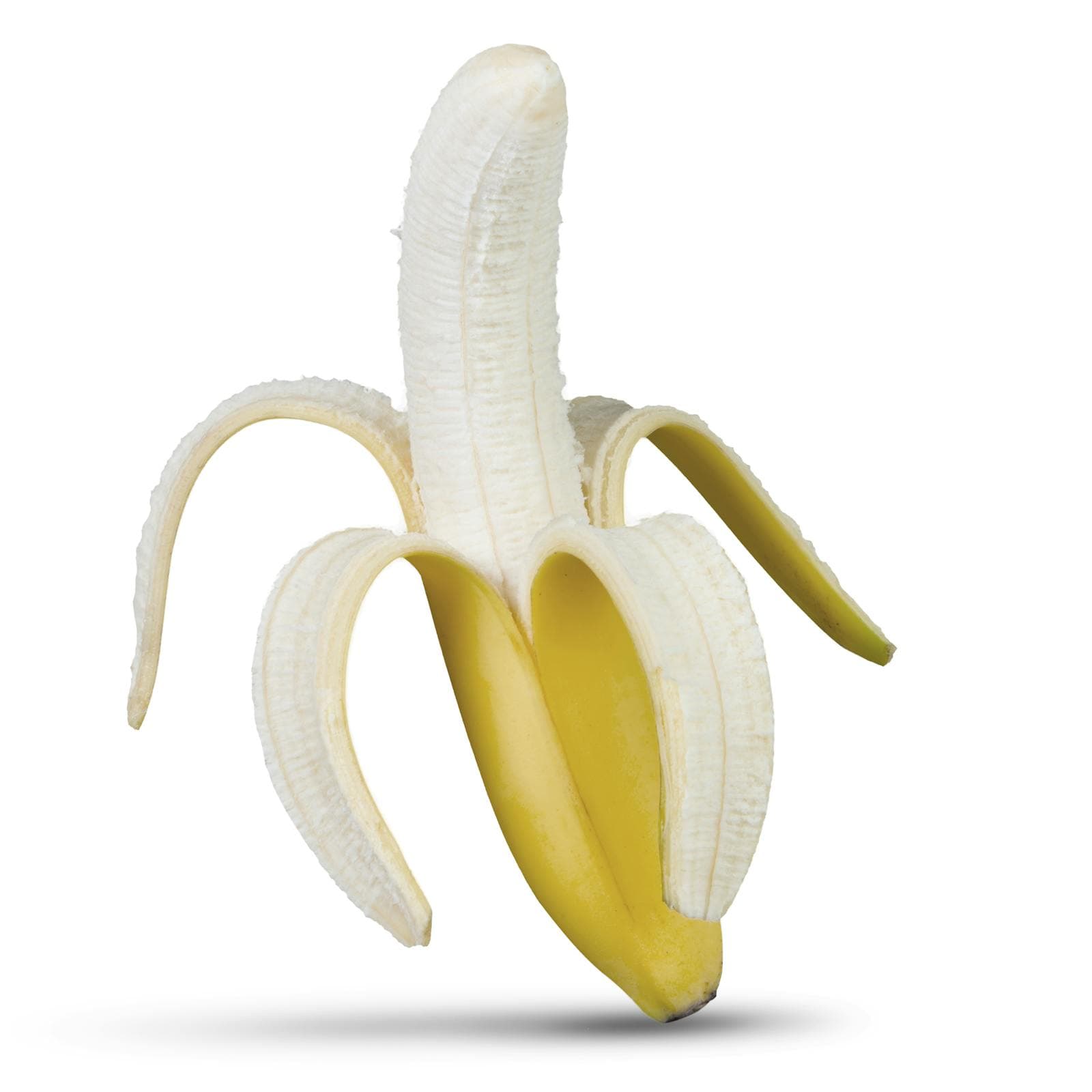 €0.26
€0.26Banana
170 g · Mercadona
 €0.22
€0.22Banana 1 unit
ud · Bonpreu
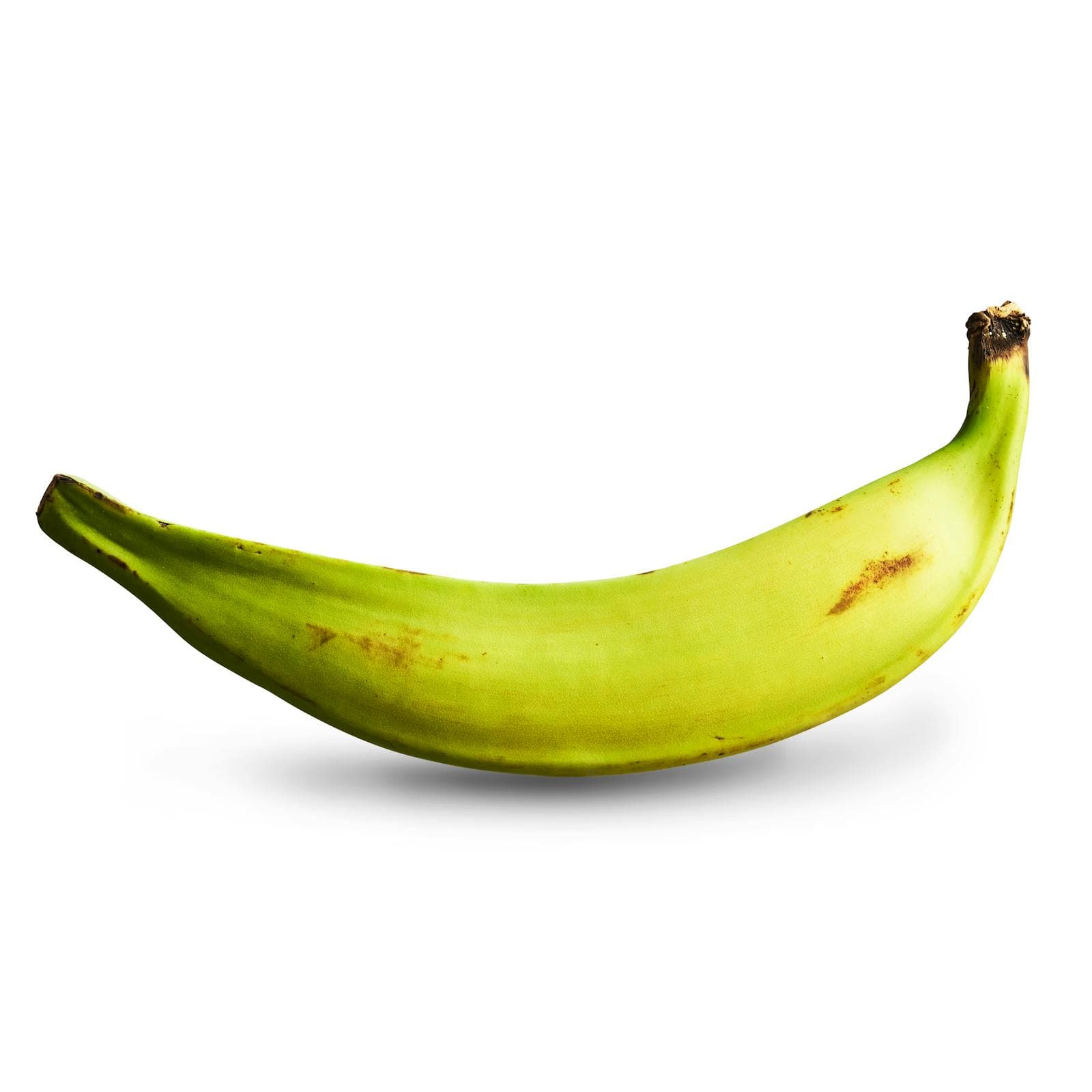 €0.81
€0.81Plantain
280 g · Mercadona
 €0.41
€0.41Canary Islands Banana IGP
150 g · Mercadona
 €1.49
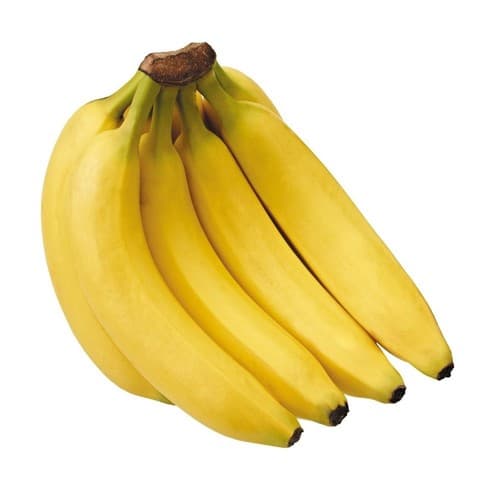
€1.49Banana Cluster 800 g
kg · Bonpreu
 €0.68
€0.68Canary Islands IGP Banana
LA COLLITA · ud · Bonpreu
Good to know
- Peak season
- Year-round (tropical import)
- Flavor
- Sweet, creamy, mild; sweeter and softer as it ripens
- Origin
- Southeast Asia; now grown across the tropics
- Nutrition
- ~89 kcal/100g; potassium, vitamin B6, fiber, quick energy
- How to buy
- Plump, unbruised; buy green to ripen, or yellow to eat now
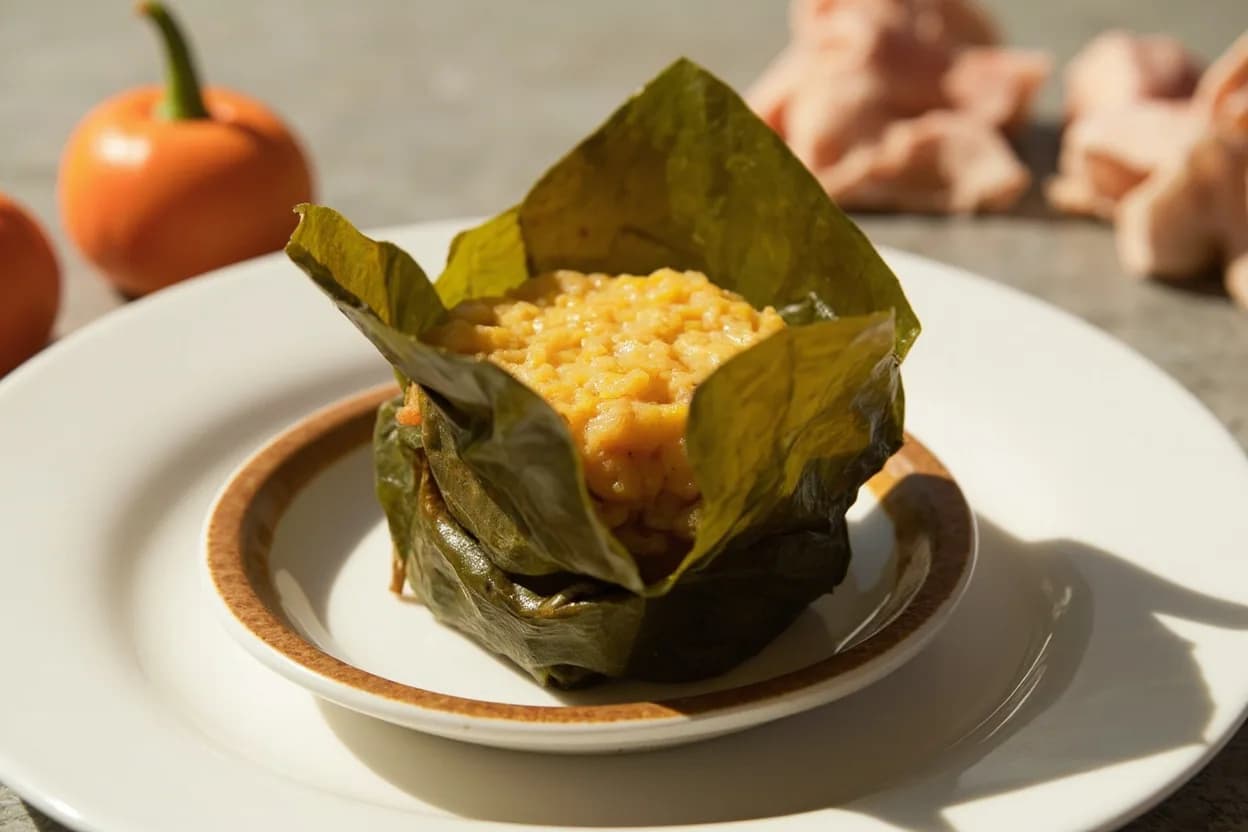
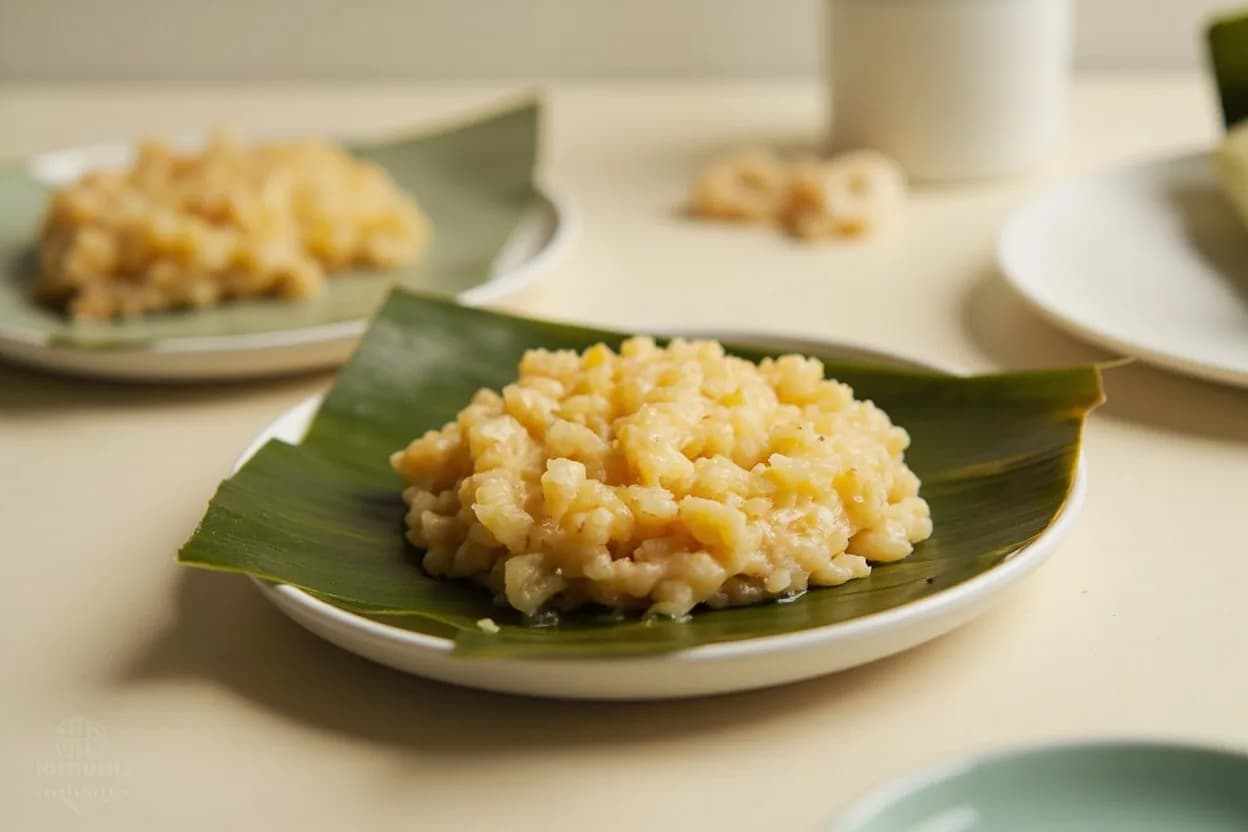
Appears in these dishes
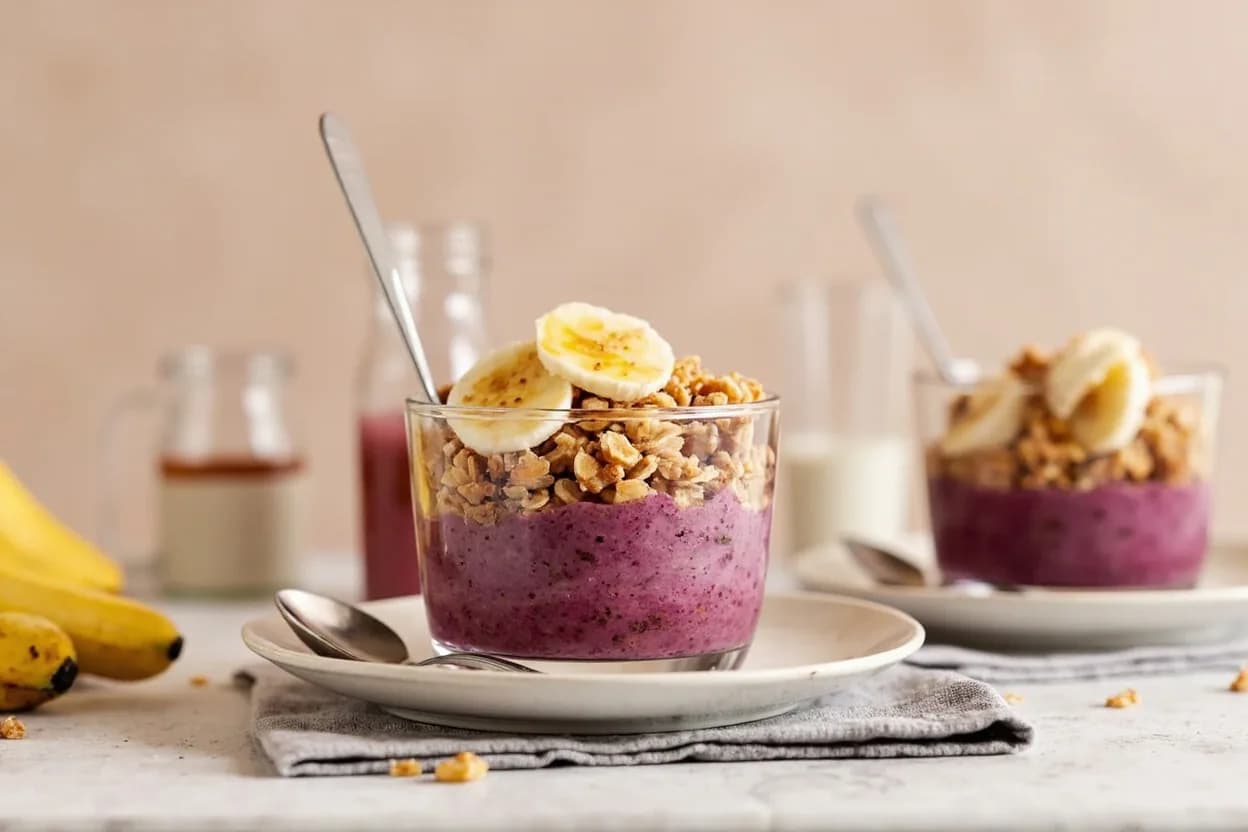
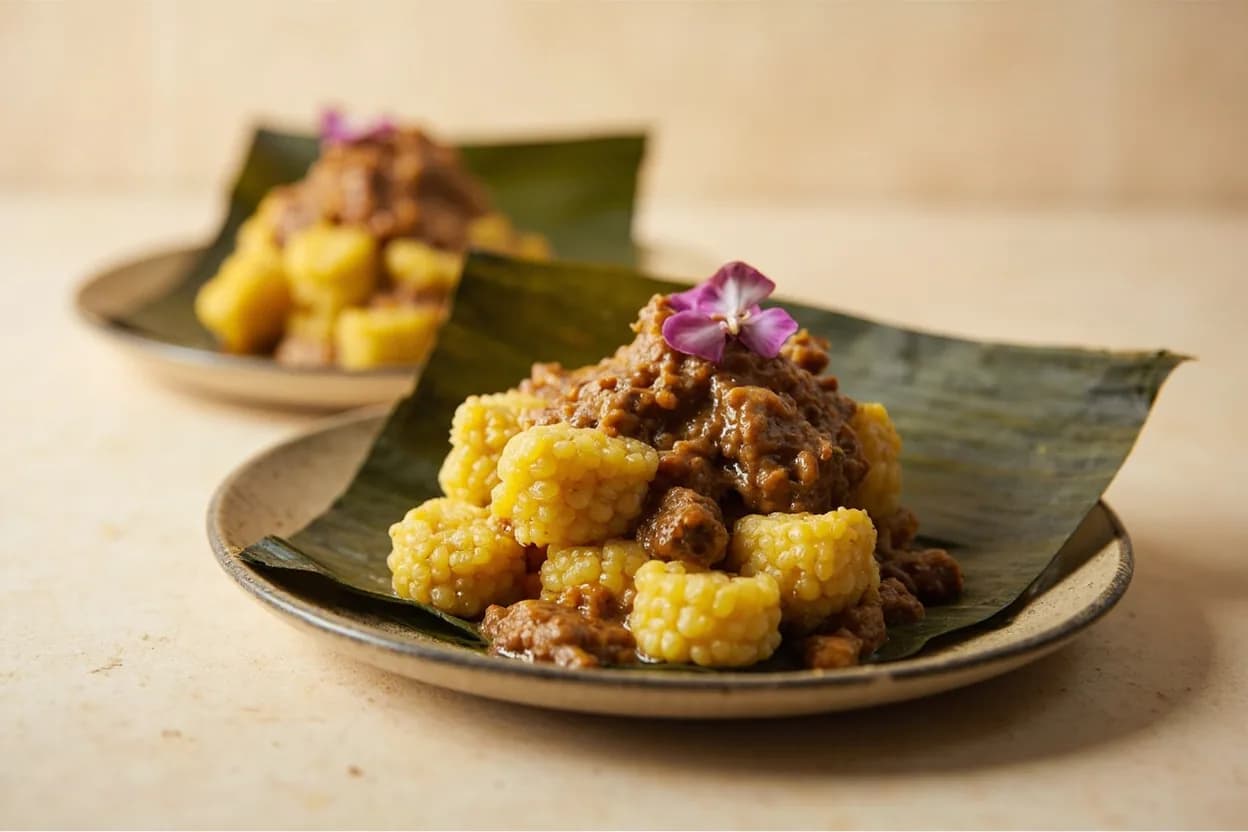
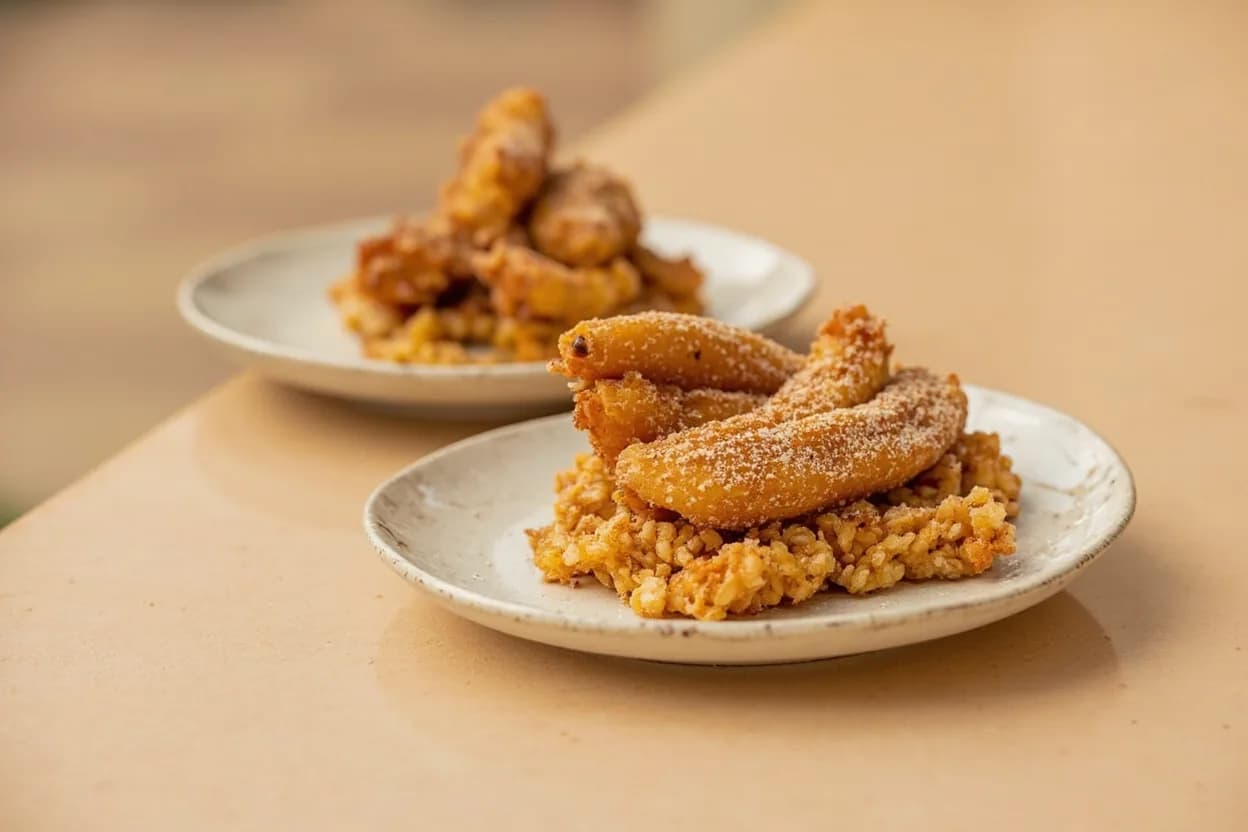
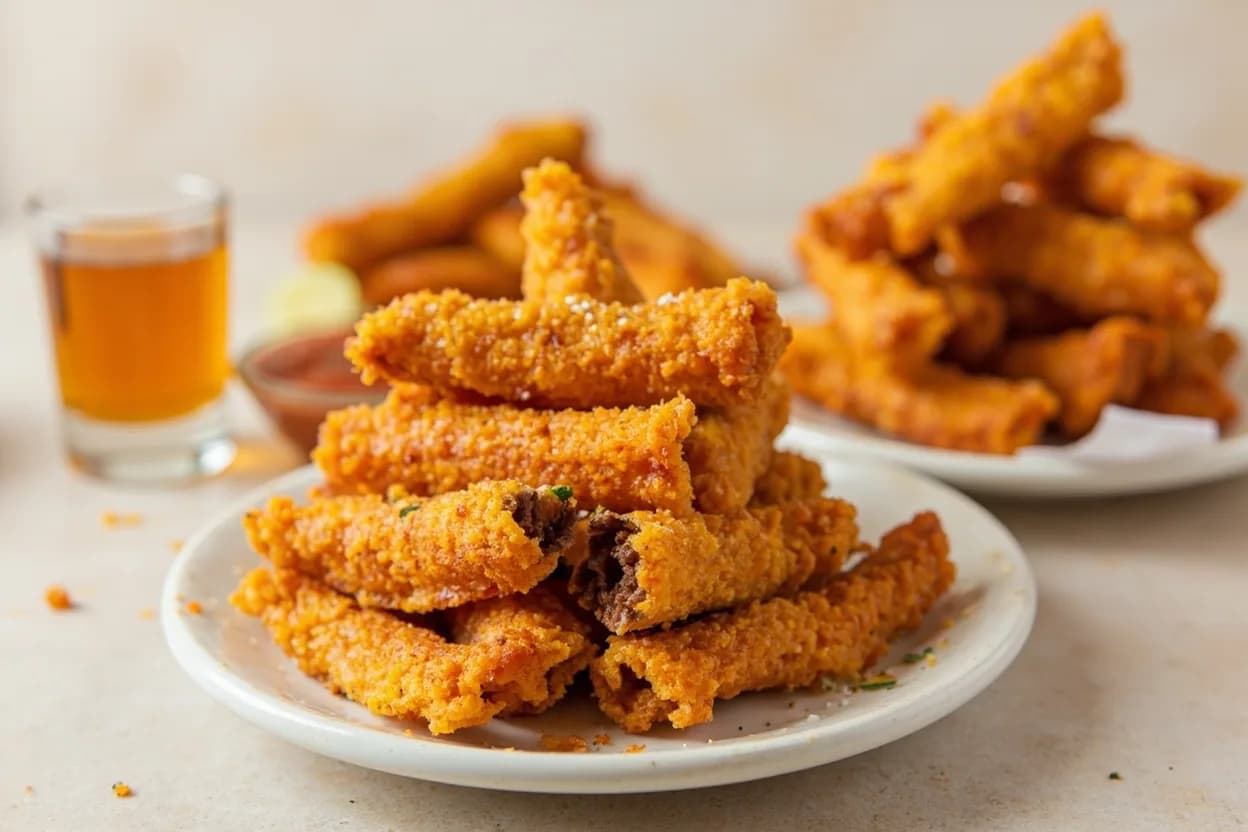
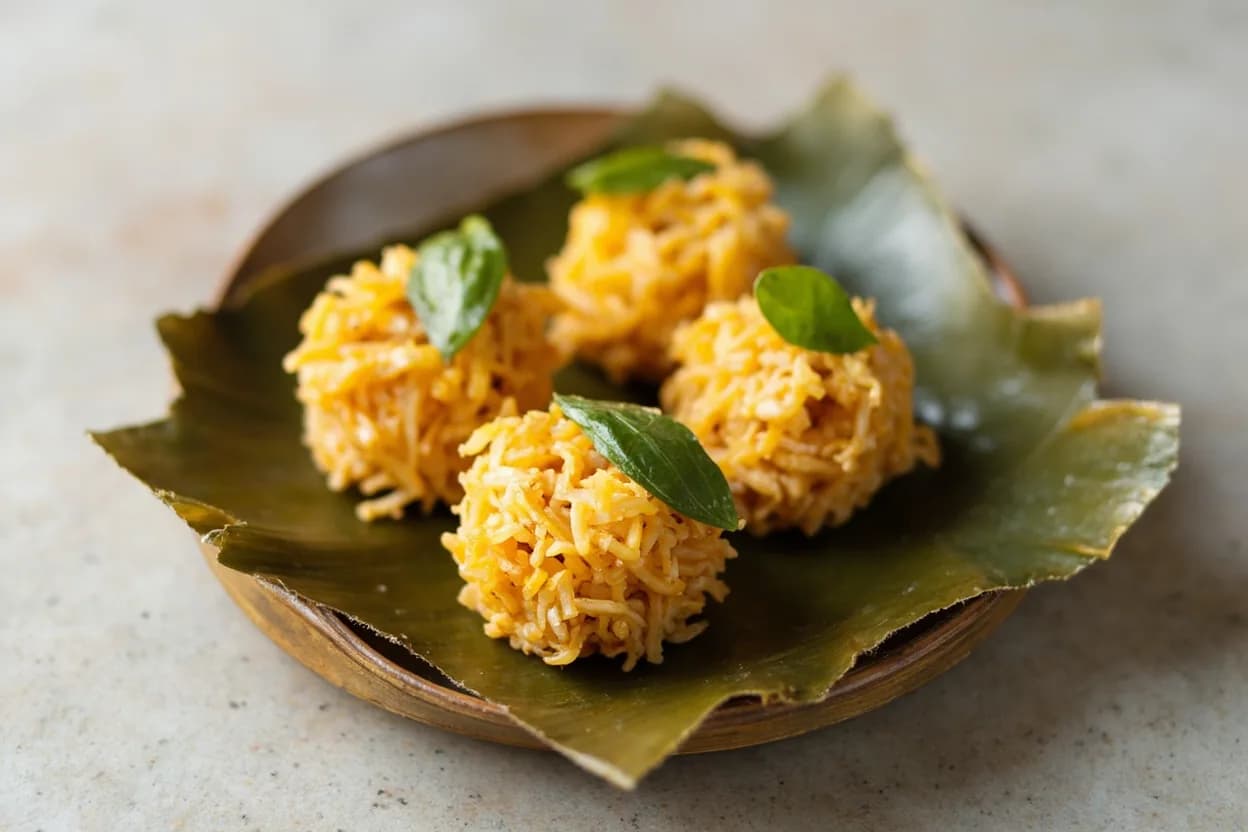
Related
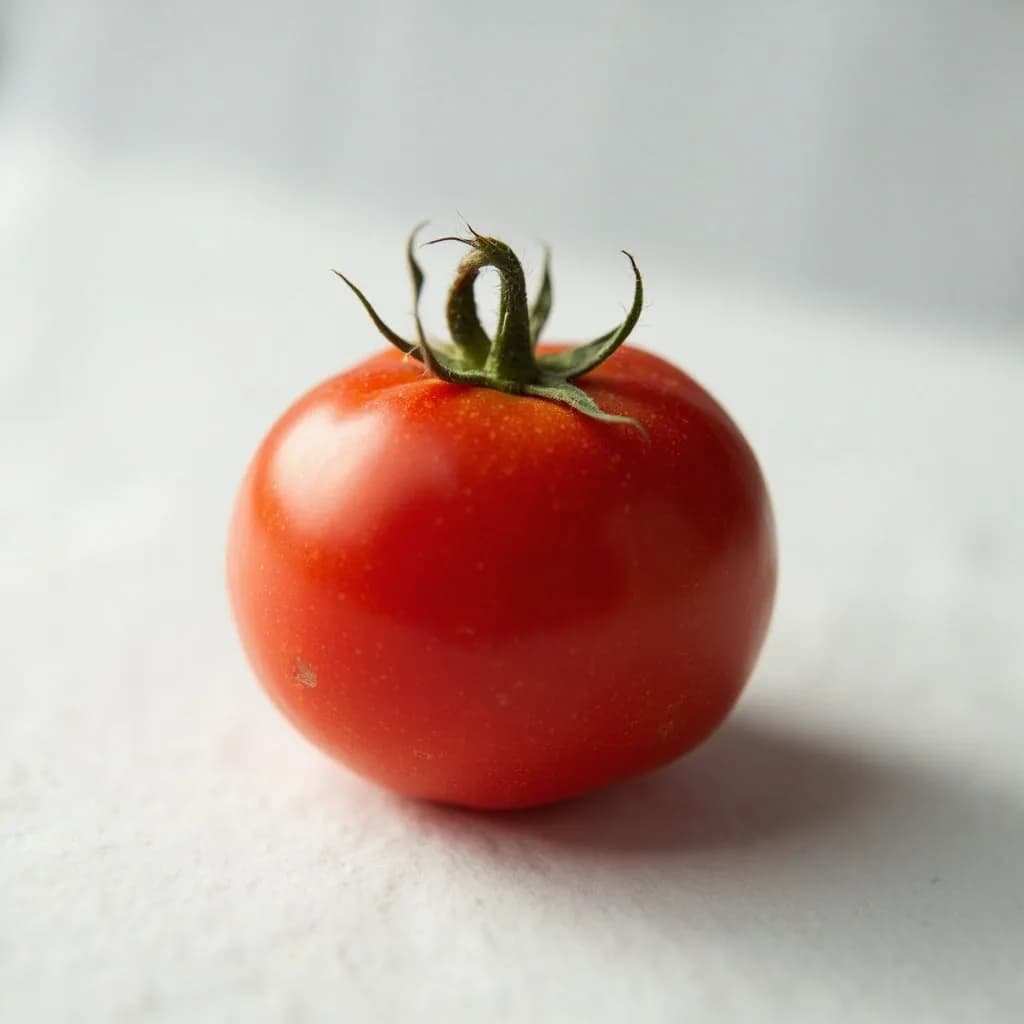
Tomato
Juicy, sun-sweet fruit for sauces, salads, and slow-cooked depth
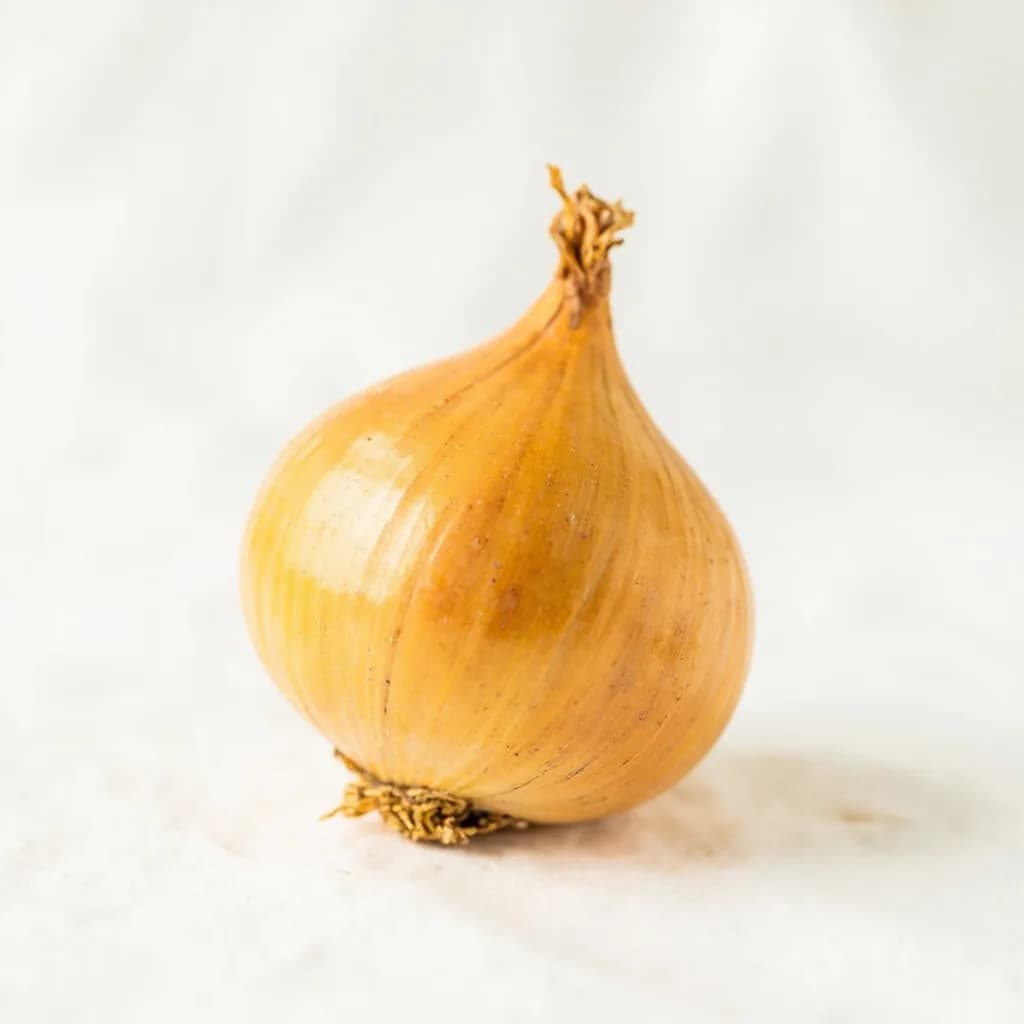
Yellow Onion
The aromatic backbone of soups, sofritos, and braises
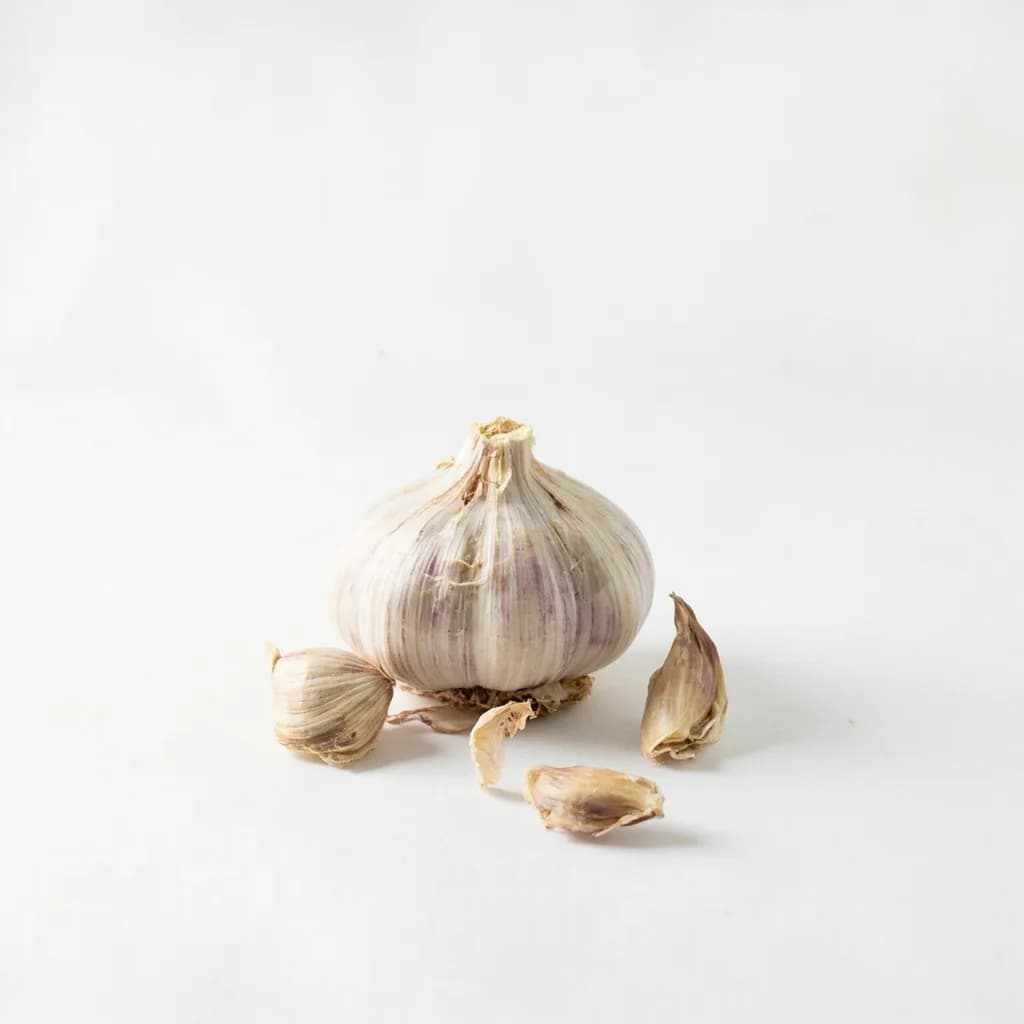
Garlic
Pungent cloves that perfume nearly every savory dish
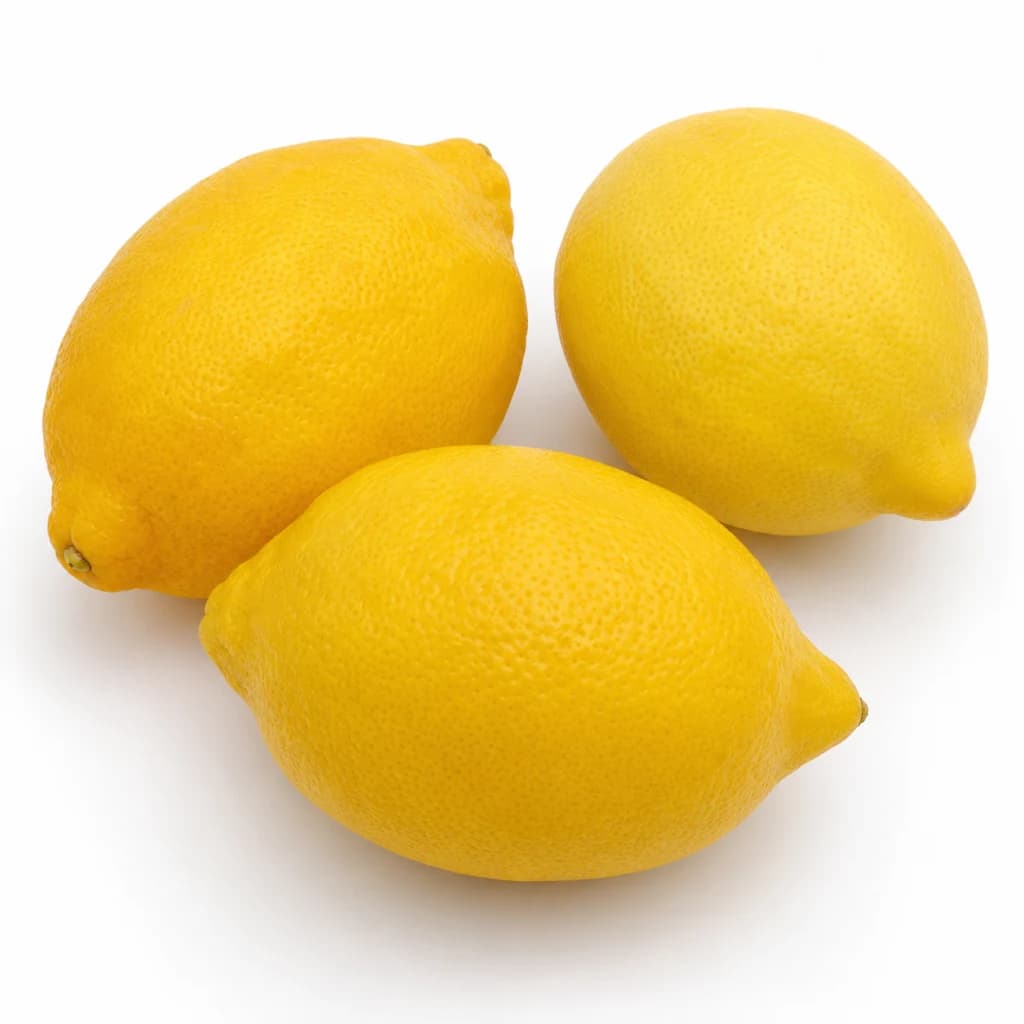
Lemon
Bright, acidic citrus that wakes up almost any dish
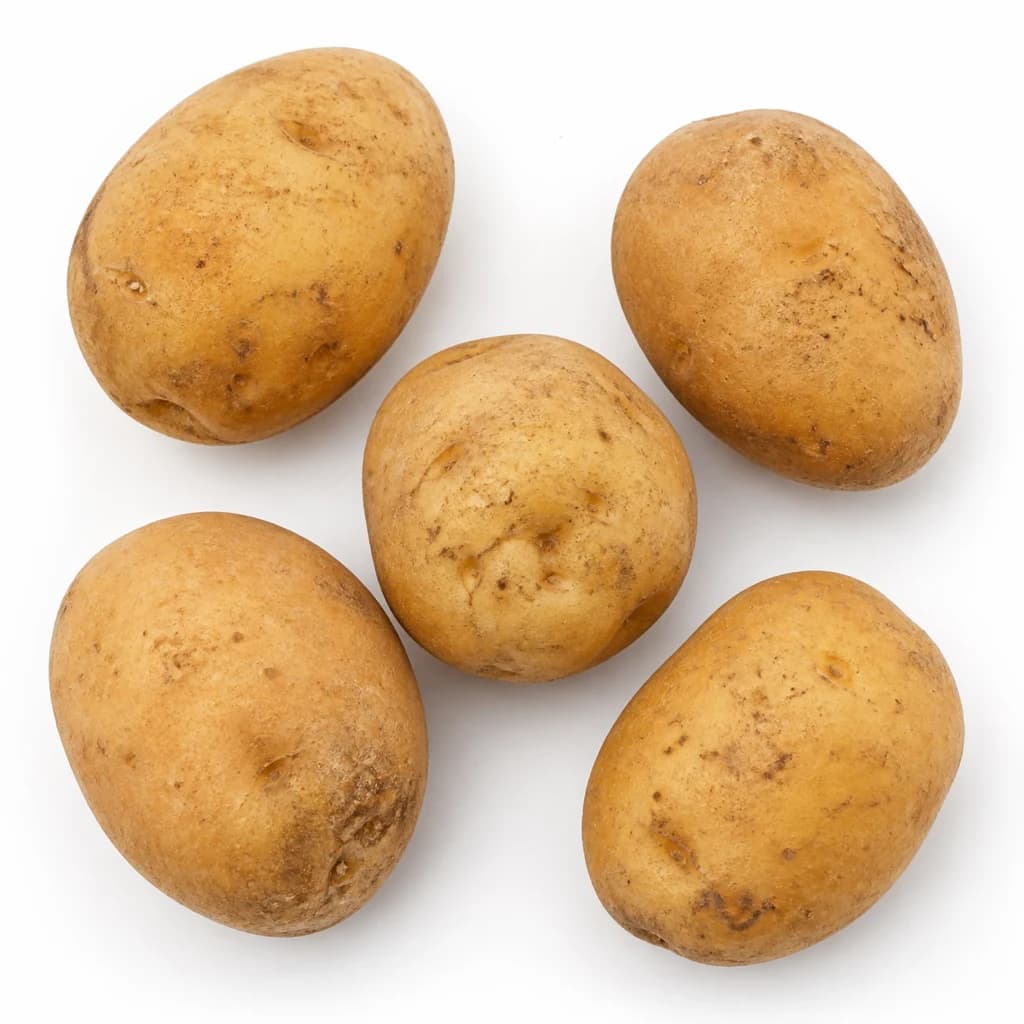
Potato
Humble, hearty staple — roast, mash, fry, or boil
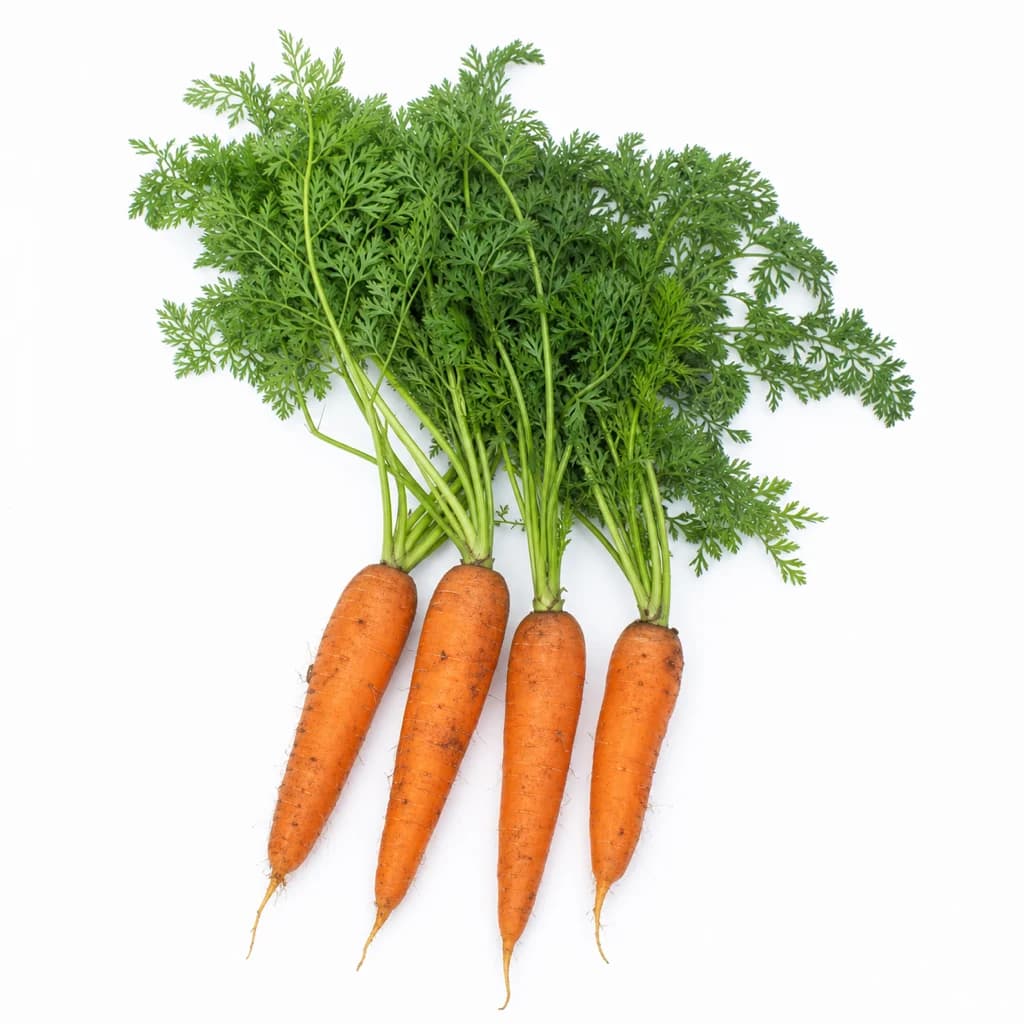
Carrot
Sweet, crunchy root — raw, roasted, or the base of a sofrito
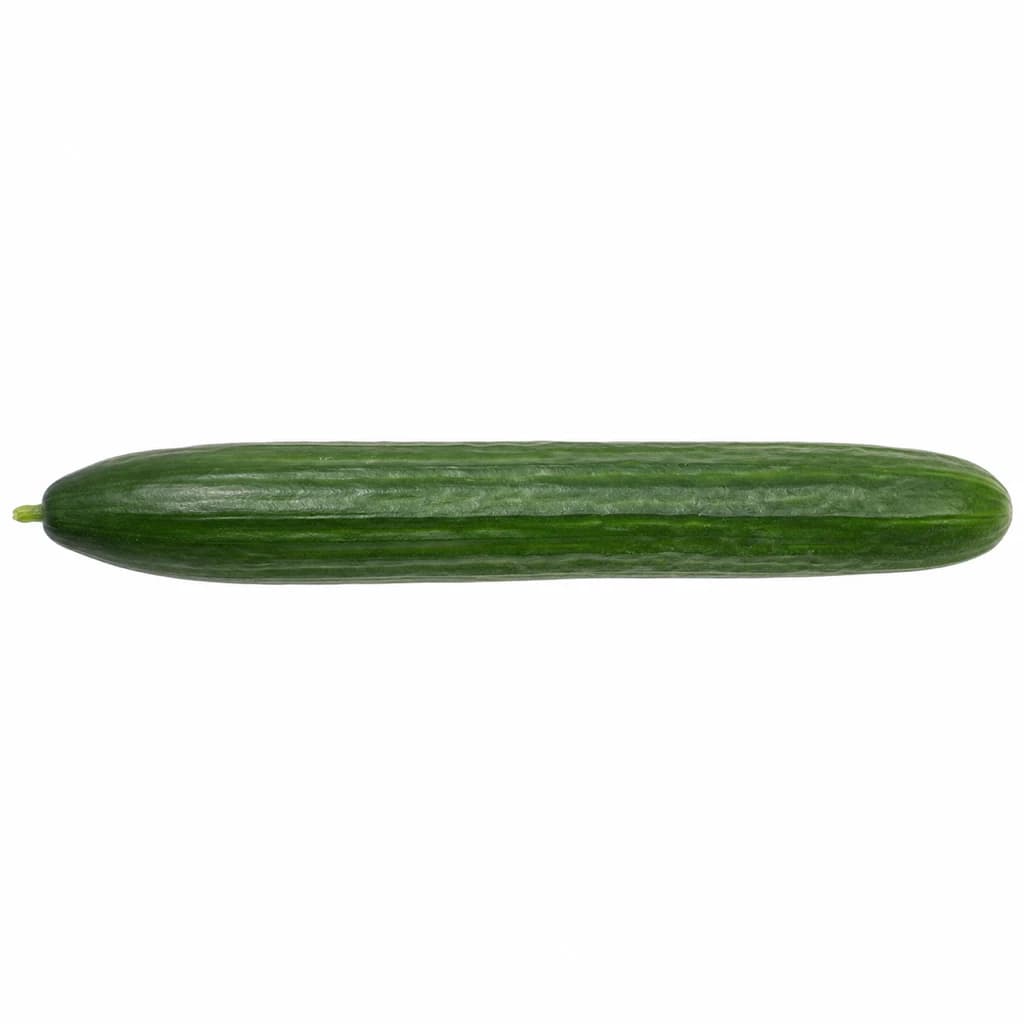
Cucumber
Cool, crisp, and watery — for salads, pickles, and tzatziki

Lettuce
Crisp leaves for salads, wraps, and a fresh crunch