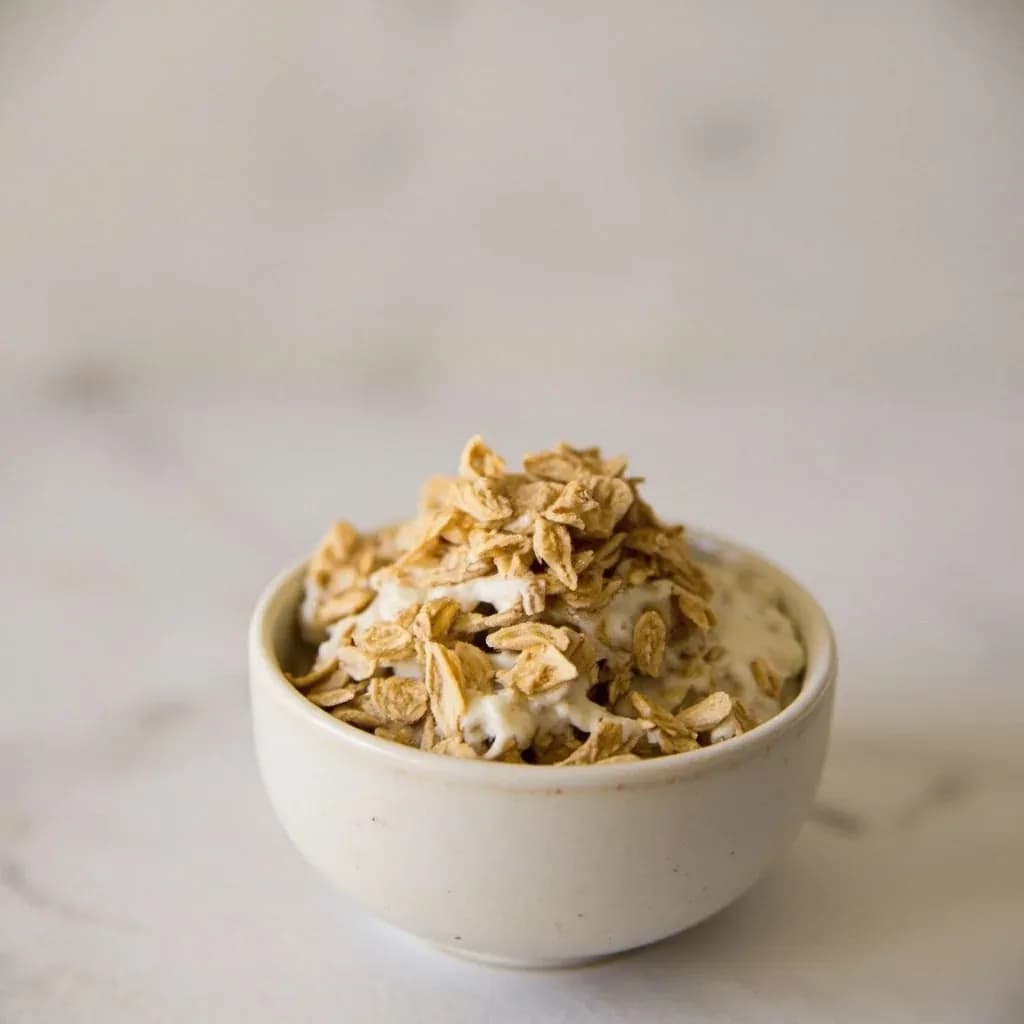
Grains & Rice
Oats
Hulled, rolled, or steel-cut whole grain for porridge, baking, and granola.
Oats are the processed grains of the oat plant, commonly sold as rolled flakes, steel-cut groats, or quick oats. They are simmered into creamy porridge, baked into cookies, breads, and granola, and used to thicken or add fiber to dishes. Their soluble fiber (beta-glucan) gives oats their characteristic creaminess and is valued for heart health.
Oats are one of the few grains that maintain their whole-grain integrity through processing—the bran, germ, and endosperm remain intact in rolled and steel-cut forms, making them unusually nutritious for a processed grain. The soluble fiber beta-glucan, concentrated in the bran, is what gives cooked oats their characteristic creamy, slightly thick texture and is well-documented for cholesterol-lowering effects. Native to northern Europe (Germany and Scandinavia), oats have been cultivated for thousands of years and have become a staple in breakfast porridges, baked goods, and savory dishes worldwide.
The flavor profile is mild, slightly sweet, and nutty—unobtrusive enough to accept bold mix-ins, yet distinctive enough to shine on its own when properly toasted. Oats are extraordinarily versatile: they can be ground into flour for gluten-free baking, soaked into a no-cook porridge, crisped into granola, or used as a structural binder in everything from veggie burgers to meatloaf. Their ability to absorb liquid and their natural starch content make them behave quite differently depending on processing method, which is why choosing the right oat type matters as much as the recipe itself.
One critical point for cooks to understand: oats are not naturally gluten-free. They are processed alongside wheat and barley in most facilities, and cross-contamination is common. Anyone cooking for celiac disease or a severe gluten sensitivity must seek out oats specifically labeled certified gluten-free. For everyone else, storing oats in airtight containers in a cool, dark pantry keeps them stable for up to two years for rolled oats and one year for steel-cut; freezing for 48 hours before storage kills any insect eggs and provides an extra layer of protection against pantry pests.
- Measured in
- g
- Storage
- Pantry
Allergens
Types & varieties
Whole grain with only the outer hull removed; requires long cooking (45–60 min)
Groats chopped into 2–3 pieces with steel blades; chewy texture, nutty flavor; longest cooking time of processed forms
Stone-ground into a meal; produces a creamy porridge; cooks slightly faster than steel-cut
Steamed and pressed flat; versatile; holds shape better than finer cuts; standard for granola
Rolled thinner and sometimes pre-cooked; cut into smaller pieces; cook in about 5 minutes; softer texture
Pre-cooked, rolled very thin, and dried; mixes with hot water alone; mushy texture; often sweetened/flavored
The outer layer of the groat, separated during milling; higher in fiber than whole oats; cooks quickly into a thick porridge
Ground rolled oats; used for gluten-free baking; does not rise the same way as wheat flour
Choosing the Right Oat for the Job
Not all oats behave the same way in recipes, and swapping one type for another without understanding the consequences leads to disappointing results. The coarse end of the spectrum—groats and steel-cut—delivers the most structural integrity and nuttiest flavor, making it appropriate for grain bowls, stuffings, and breakfast porridges where you want chew and bite. Rolled oats fall in the middle, holding their shape reasonably well while cooking into a tender but distinct flake; they are the workhorse for granola, cookies, and overnight oats. At the fine end, quick oats and instant oats collapse quickly into a soft, almost paste-like consistency because they have been pre-cooked and rolled extremely thin. Instant oats are practical for emergency hot breakfasts but poorly suited to baking where you need texture or structure. Oat bran behaves almost like a separate ingredient—it cooks into a thick, gelatinous porridge and is better used as an add-in to boost fiber in smoothies, muffins, or pancake batter rather than as a direct oat substitute. Oat flour can replace a portion of wheat flour in most baking recipes (typically up to 25–30% of the total flour weight) but will not provide the same gluten structure, so recipes relying on wheat flour for rise need adjustment.
- Groats and steel-cut: grain bowls, stuffings, chewy porridge
- Rolled oats: granola, cookies, overnight oats, tender baked goods
- Quick/instant oats: fast-breakfast porridge; avoid in baking for texture
- Oat bran: fiber boost in smoothies and batters, not a standalone oat substitute
- Oat flour: partial wheat flour replacement only (up to ~30% of total flour)
The Toasting Step That Changes Everything
One of the simplest and most impactful techniques for cooking with oats is a brief dry toast before cooking or baking. Spreading raw rolled oats in a single layer in a dry skillet over medium heat and stirring occasionally for 2–3 minutes until fragrant deepens their nutty character significantly. This step is especially valuable when oats are the dominant ingredient—granola, oat bars, and topping for fruit crumbles—and the flavor matters. It is optional but strongly recommended for porridge as well. For granola specifically, toasting oats together with any nuts or seeds in the mix compounds the effect, creating layers of roasty depth that raw oats simply cannot achieve.
- Toast in a dry skillet over medium heat, 2–3 minutes, stirring occasionally
- Toast before cooking porridge or baking granola for noticeably deeper flavor
- Combine with nuts and seeds when toasting granola base for compound depth
- Watch carefully—oats go from toasted to burned quickly once fragrant
Steel-Cut Oats: Planning Ahead Pays Off
Steel-cut oats have the best texture of any oat form—firm, chewy, with a pronounced nutty flavor—but they demand patience, typically requiring 20–30 minutes of active or semi-active cook time on the stovetop. The most practical approach for weekday mornings is to soak them overnight: combine oats with their cooking liquid (3–4 cups liquid per 1 cup steel-cut oats) in a pot, cover, and refrigerate overnight. In the morning, bring the pot to a simmer and cook for just 10–15 minutes, stirring occasionally, until the oats are creamy and tender. Soaking not only cuts active cook time dramatically but also improves digestibility by breaking down some of the phytic acid in the bran. Leftover steel-cut porridge reheats well and stores in the refrigerator for up to 5 days, making it a reliable meal-prep staple.
- Soak steel-cut oats in cooking liquid overnight (refrigerated) to cut morning cook time to 10–15 min
- Improves digestibility by reducing phytic acid during the soak
- Reheat leftovers in a saucepan with a splash of milk or water to restore creaminess
- Stores up to 5 days refrigerated—make a big batch on Sunday for weekday breakfasts
Common uses
Tips & pitfalls
- Toast raw rolled oats in a dry skillet over medium heat 2–3 minutes to deepen flavor before cooking or baking.
- Soak steel-cut oats overnight in their cooking liquid (refrigerated) to cut active cook time to 10–15 minutes and improve digestibility.
- Use quick oats as a direct substitute for rolled oats in most baking; expect a slightly softer, more compact crumb.
- Rolled oats hold their shape better than quick oats; choose for granola, overnight oats, or anywhere you want distinct texture.
- For fluffier oatmeal, stir once, then leave it alone—stirring releases starch and makes porridge gummy.
- Oats absorb liquid and swell significantly; use a larger pot than you think you need for porridge.
- Store rolled oats in airtight containers in a cool, dark pantry; freezing for 48 hours before storage kills any insect eggs.
- Oats are not naturally gluten-free—they are processed alongside wheat and barley and may be cross-contaminated; look for certified gluten-free oats for celiac needs.
- For crispier granola, spread in a thin, even layer on a lined baking sheet and stir halfway through baking.
Nutrition
Energy
1029 kJ · per 100 g
Where the calories come from
Protein
17.3g
35% DV
Carbs
66.2g
24% DV
Fat
7g
9% DV
Fiber
15.4g
55% DV
Sugars
1.5g
of which
Sodium
4mg
0% DV
Source · USDA FoodData Central · Oat bran, raw
View on FDC →In the shops
Matched grocery products
No matched grocery products for Oats yet.
Good to know
- Category
- Whole grain
- Primary origin
- Northern Europe (Germany, Scandinavia)
- Typical cook time
- 5–10 min (rolled); 20–30 min (steel-cut)
- Liquid ratio (rolled)
- 2 cups liquid per 1 cup oats
- Liquid ratio (steel-cut)
- 3–4 cups liquid per 1 cup oats
- Yield (cooked)
- 1 cup raw oats yields ~4 cups cooked
- Protein (raw, per 100g)
- 13–15 g
- Fiber (raw, per 100g)
- 10 g (soluble and insoluble)
- Shelf life (rolled, sealed pantry)
- 1–2 years
- Shelf life (steel-cut, sealed)
- 1 year
- Refrigerator storage (cooked)
- Up to 5 days
- Flavor profile
- Mild, slightly sweet and nutty
Substitutes
- Rice flakes — Similar texture in baking; cook faster; neutral flavor; use 1:1 in most recipes
- Quinoa flakes — Comparable in baking; slightly nuttier; good for gluten-free recipes; 1:1 substitution
- Wheat farina (Cream of Wheat) — Finer texture; works for porridge but not for granola or where whole flakes are needed
- Millet — Smaller grain; can be rolled or used whole; different flavor; not a direct swap for texture
- Buckwheat groats (kasha) — Intensely nutty; must be toasted before cooking; not a seamless substitute but works in savory porridges
Pairs with
Also called
Oat · Rolled Oats · Porridge Oats · Oat Flakes · Kaerahelbed · Ovesné Vločky · Flahavan's · Steel-Cut Oats
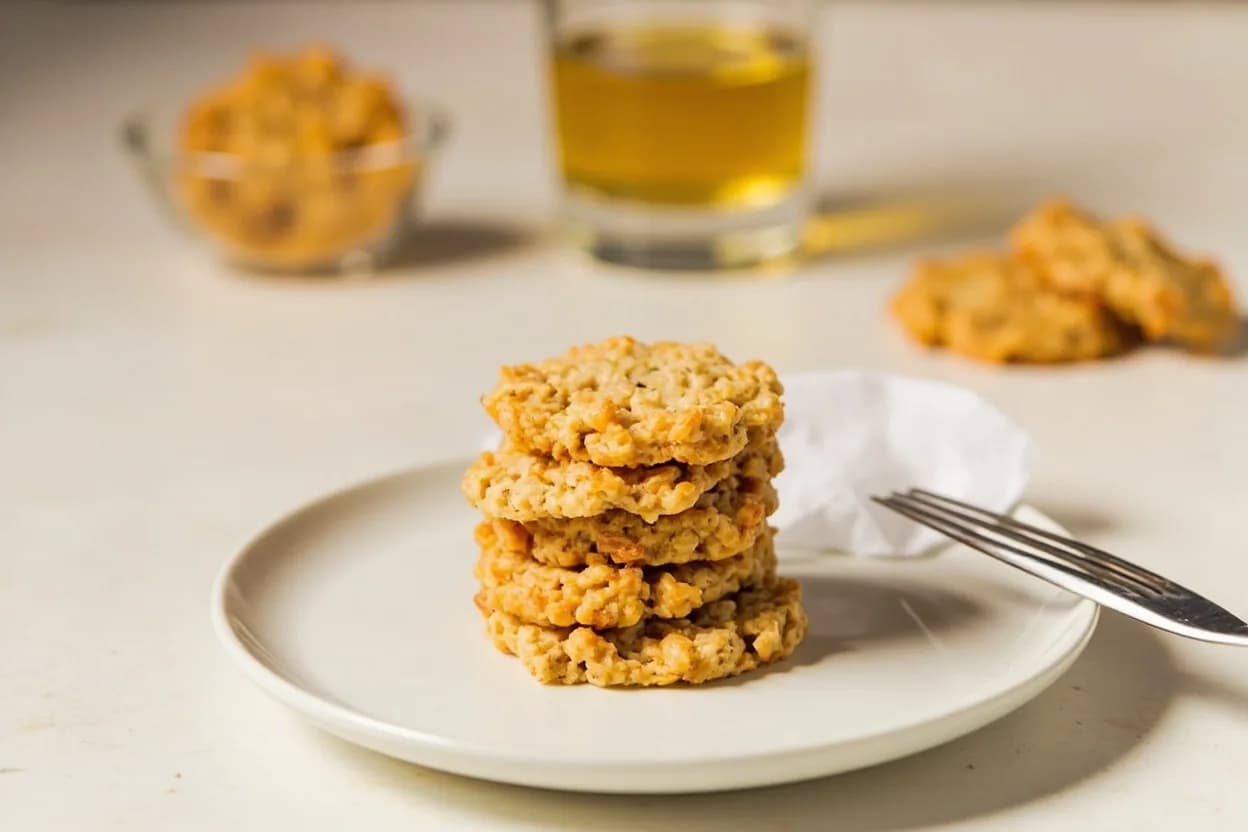
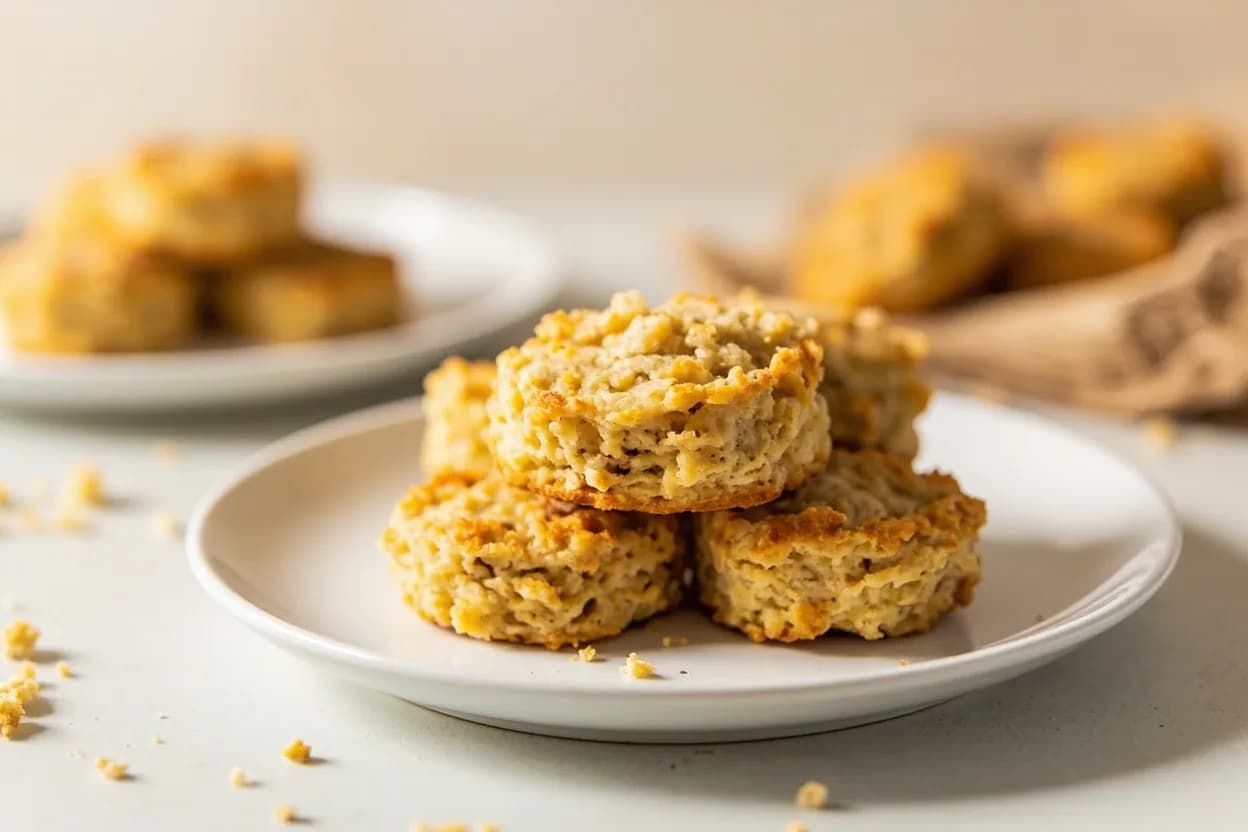
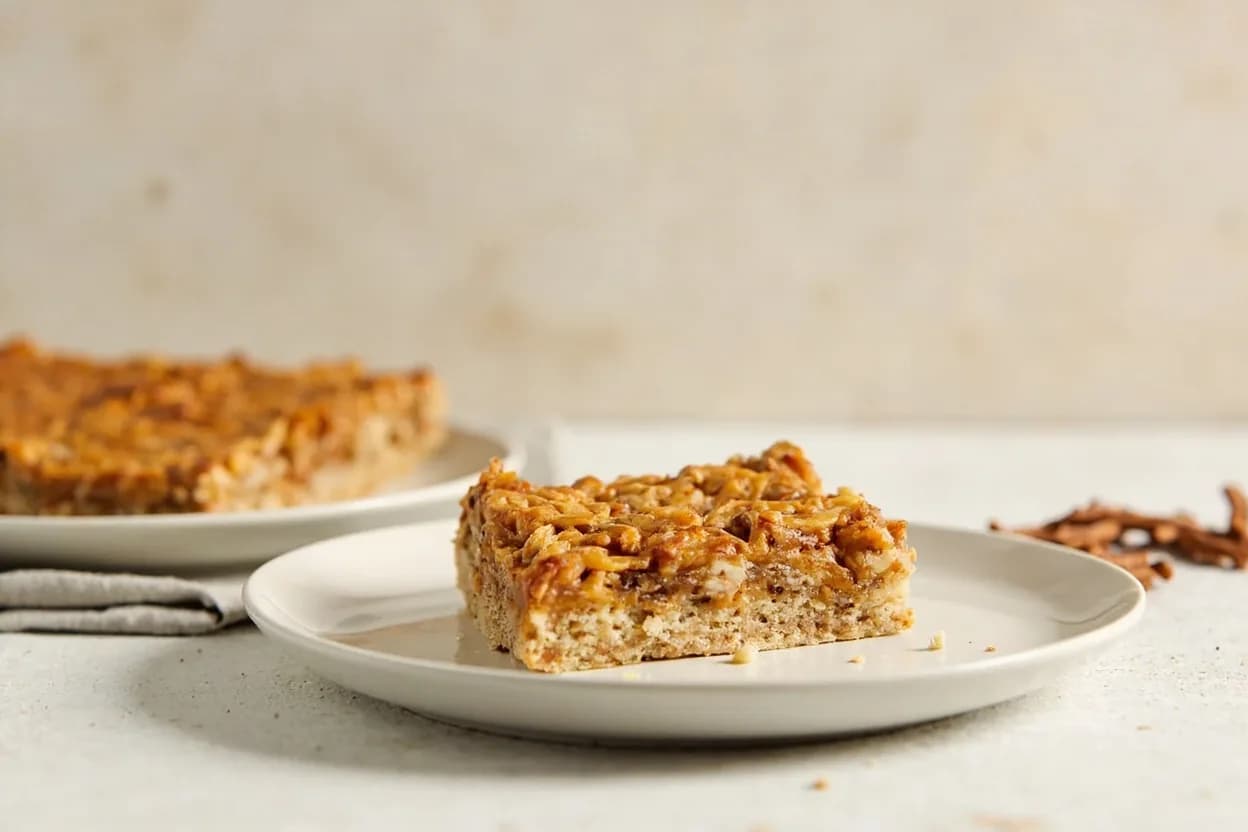
Appears in these dishes
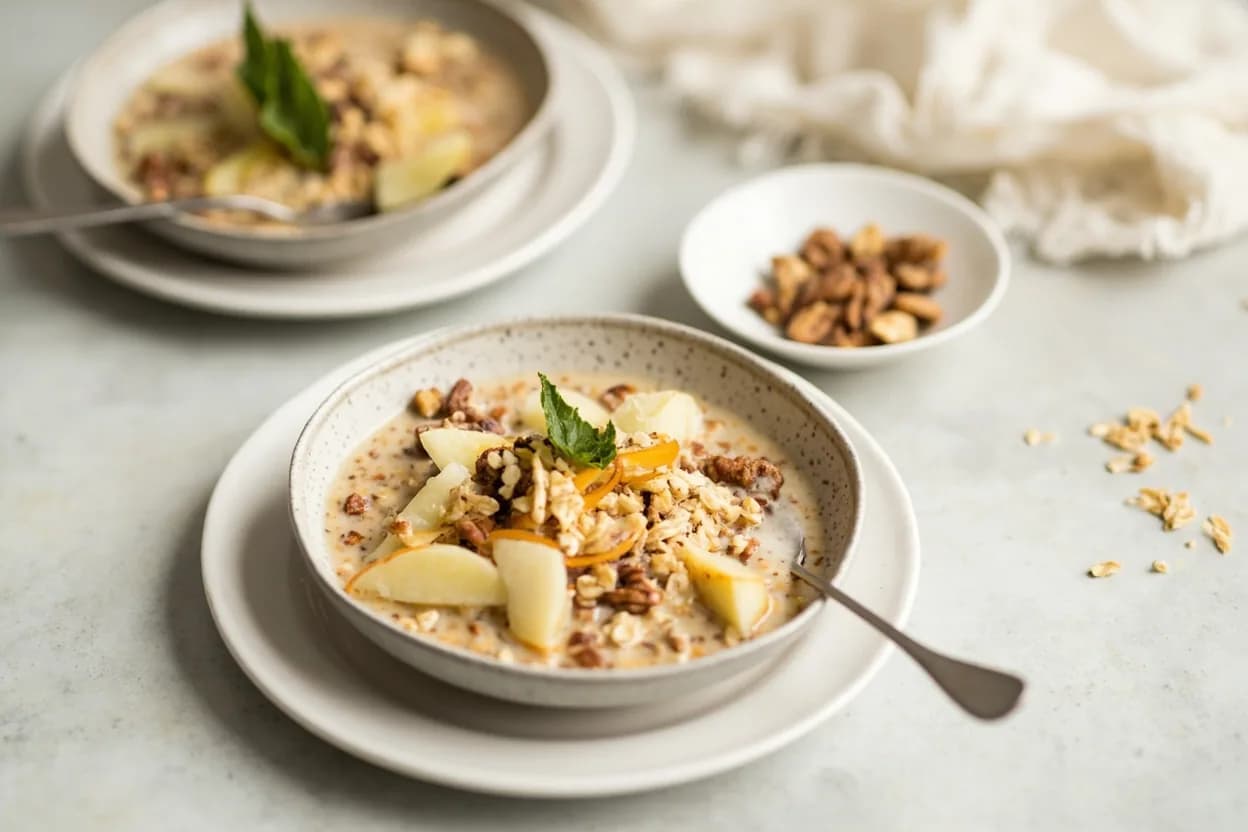
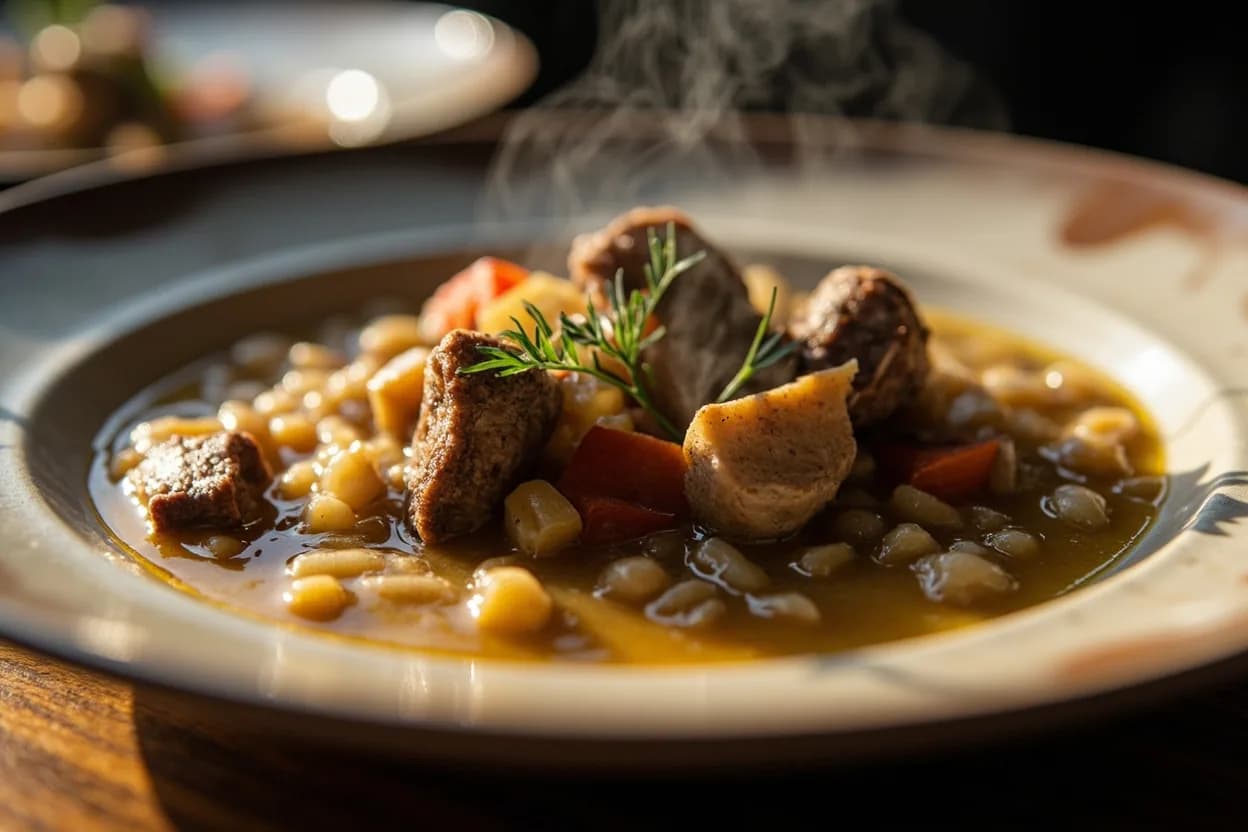
Related

White Rice
Fluffy long-grain rice — the neutral base for almost any meal

White Bread
Soft sandwich loaf for toast, sandwiches, and crumbs
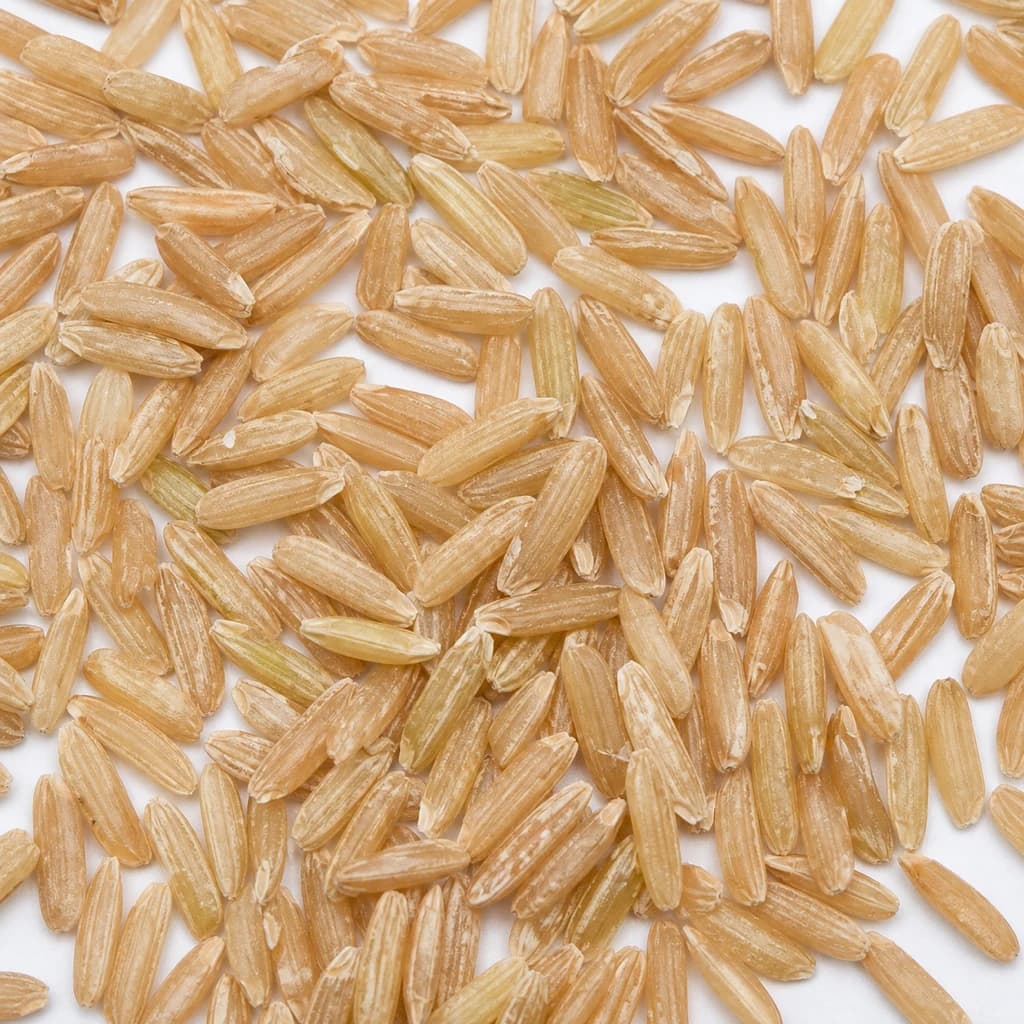
Brown Rice
Nutty, whole-grain rice with chew and extra fiber

Basmati Rice
Fragrant, long-grain rice that cooks up light and separate
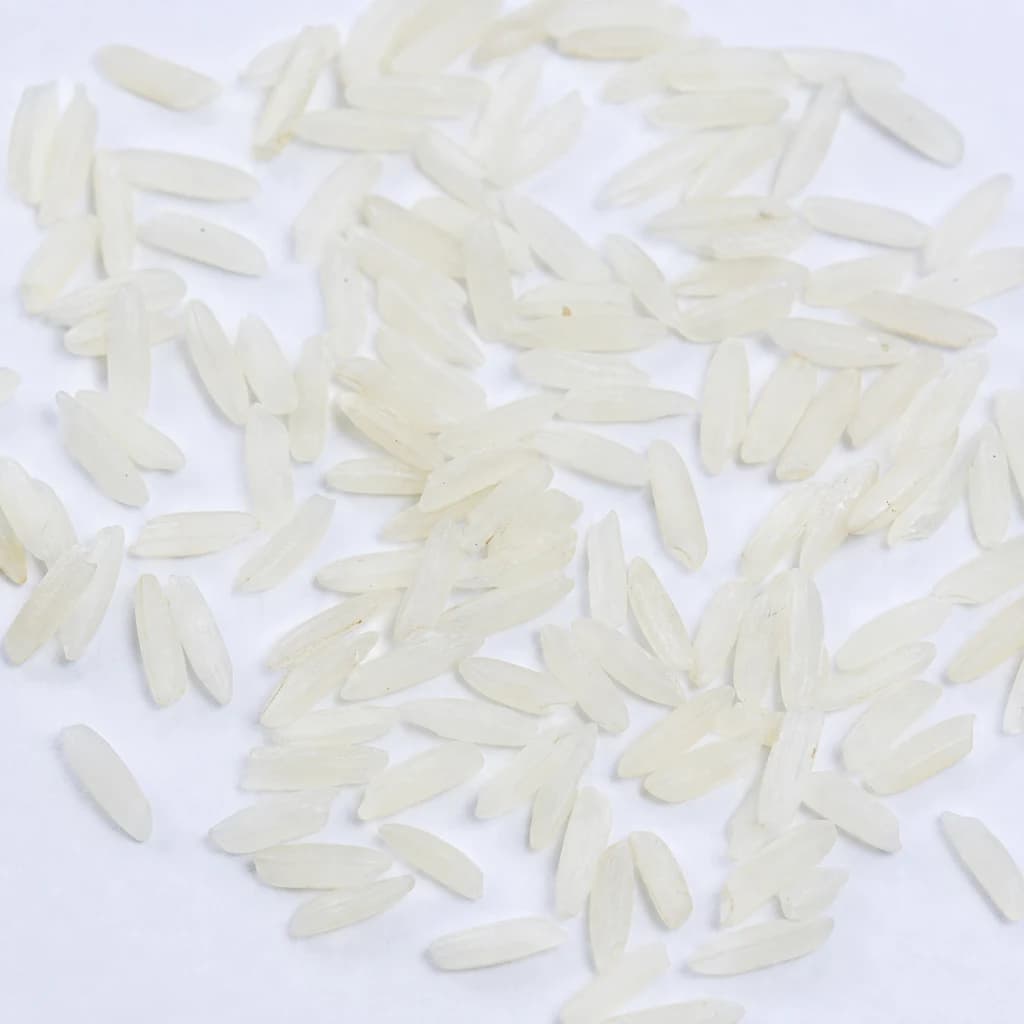
Jasmine Rice
Soft, floral-scented rice that's the pillar of Thai meals
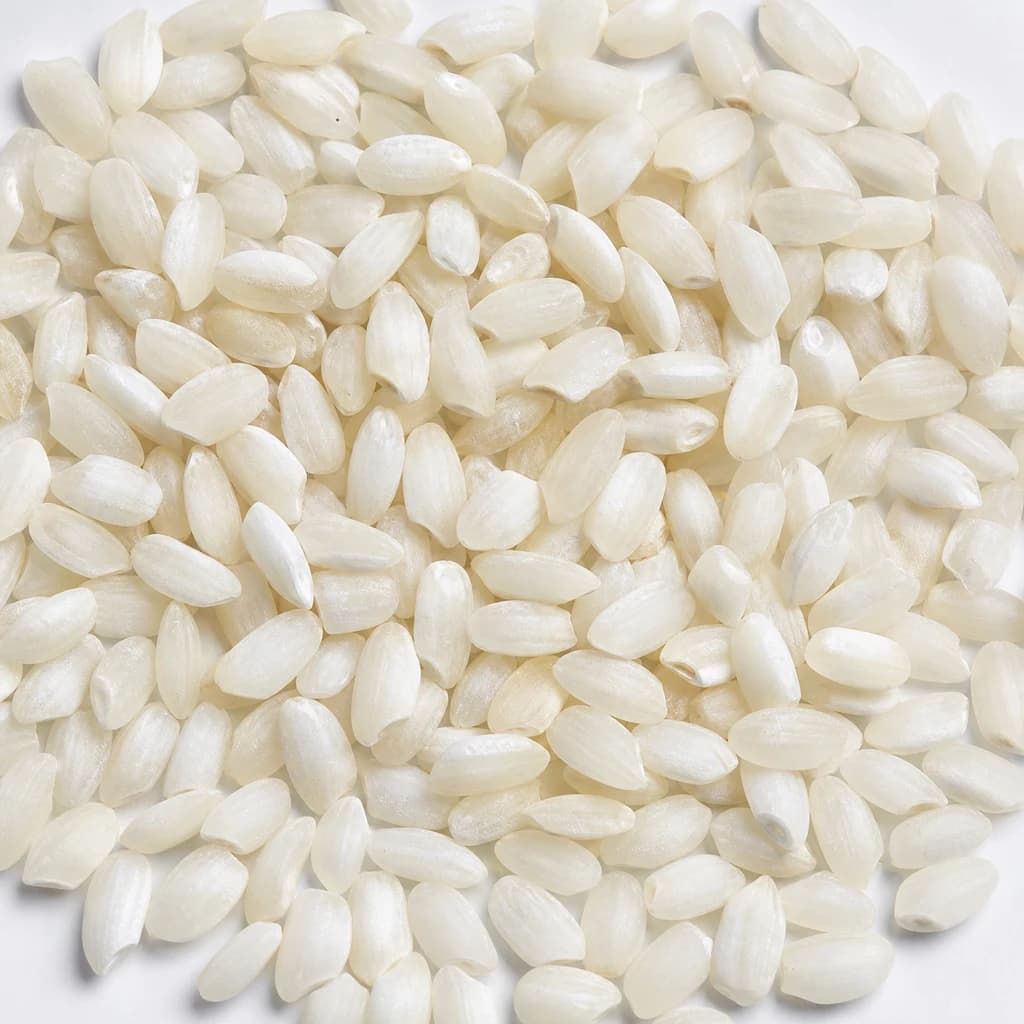
Arborio Rice
Plump, starchy rice that makes risotto creamy
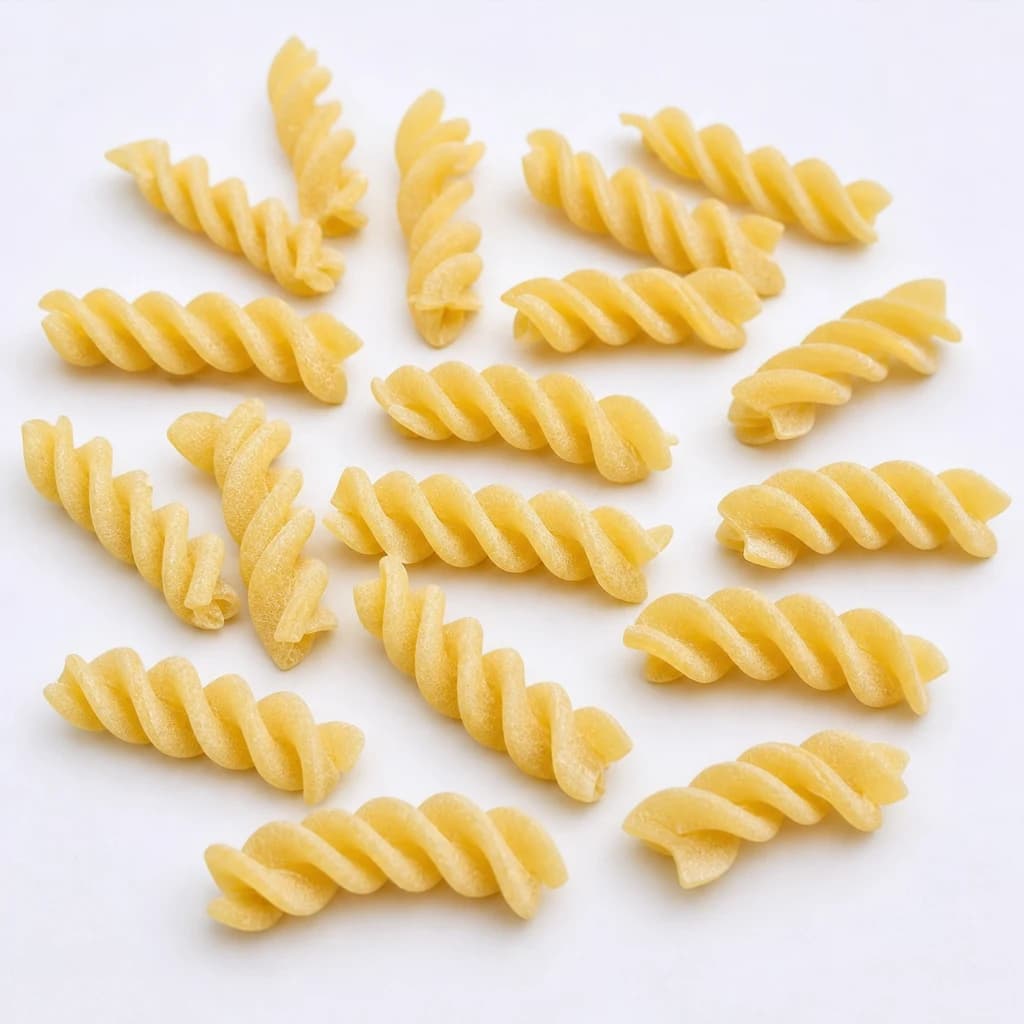
Fusilli
Spiraled pasta that twirls up sauce and dresses cold salads
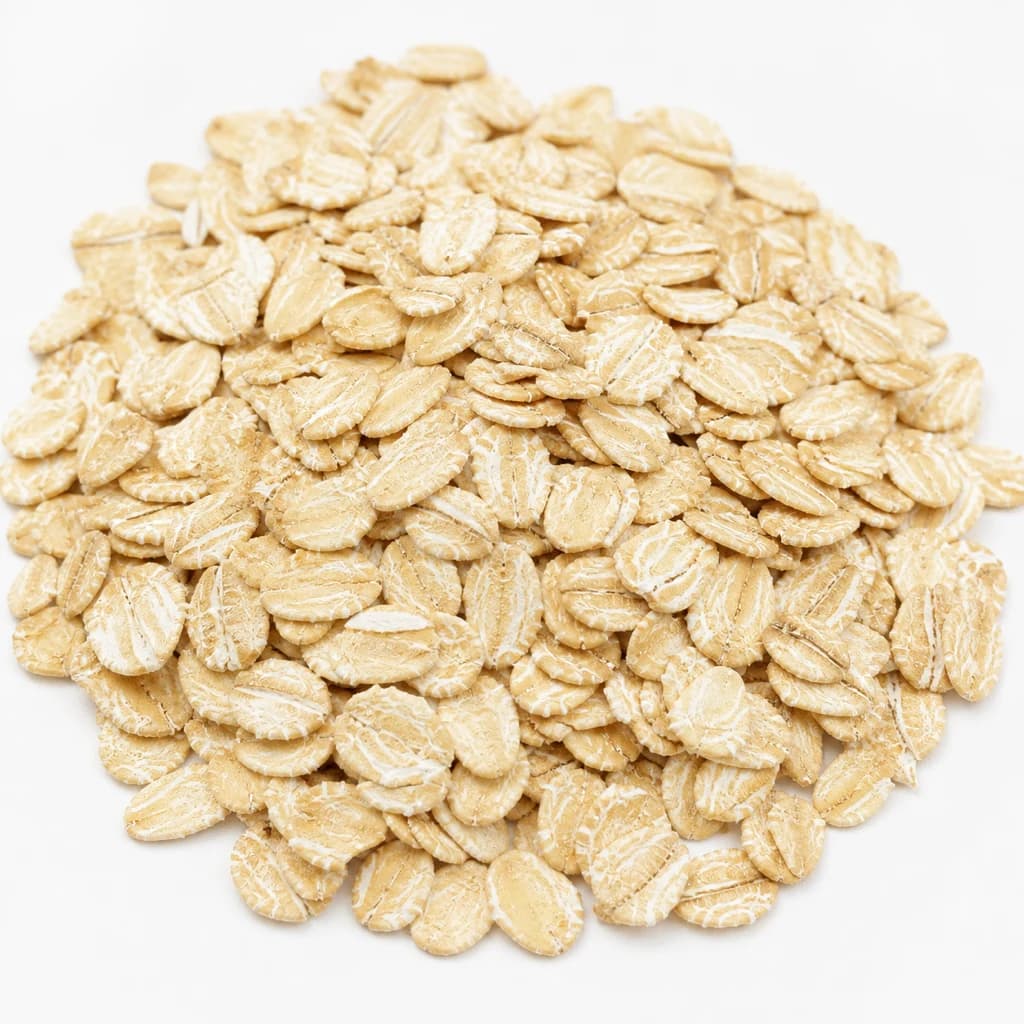
Rolled Oats
Hearty flakes for porridge, granola, and chewy cookies