Natural form
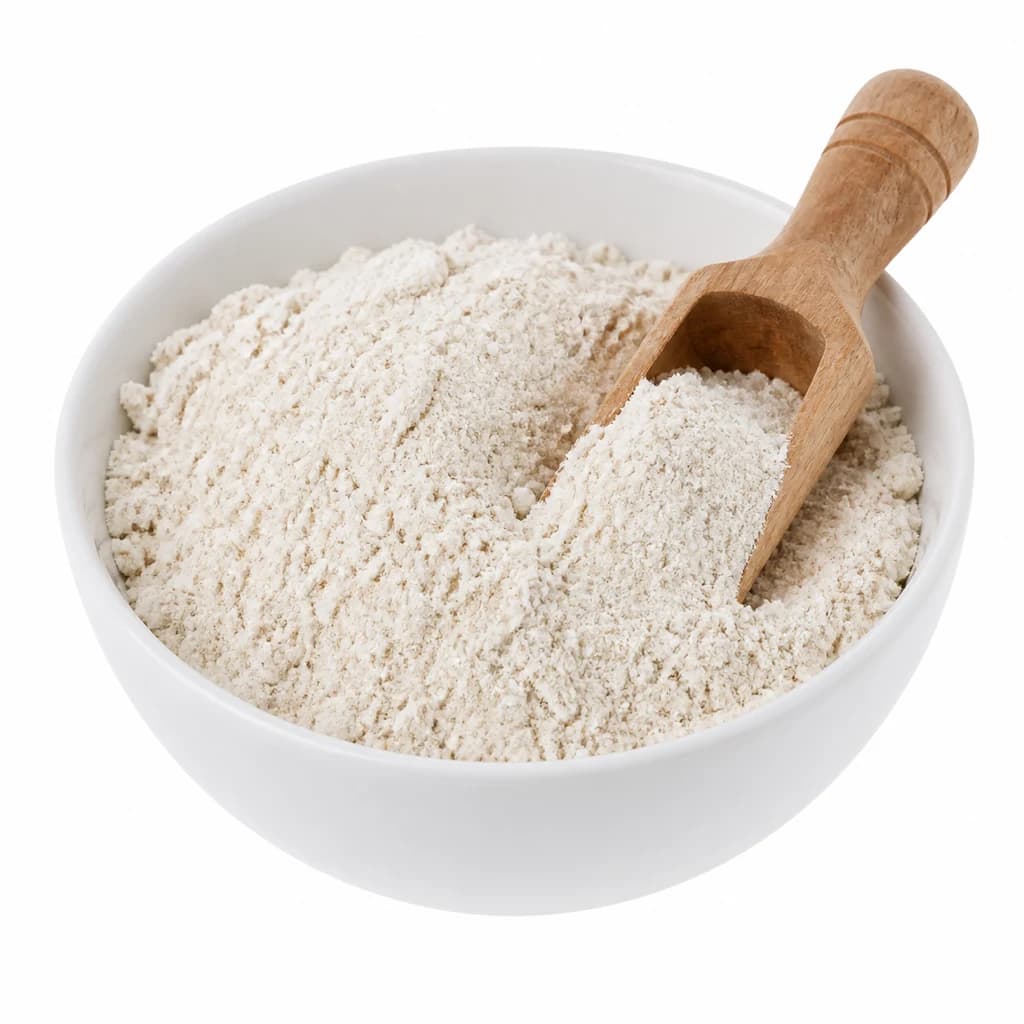
Oat flour: a soft, pale, slightly speckled powder milled from whole oats.
Shows the flour's distinctive texture, color, and fine-to-medium grind so readers can identify it at a glance.
Baking
Oat Flour
Soft, nutty flour for tender, wholesome bakes
Ground from oats, this soft, mildly sweet flour adds a tender, nutty quality to pancakes, muffins, and cookies. Blend rolled oats to make your own. Keep it airtight, cool.
Oat flour is simply oats ground to a powder — naturally whole-grain, with a soft, mild, faintly sweet flavor and a tender, moist crumb. It's gluten-free when made from certified oats (though it lacks gluten's structure, so it can't fully replace wheat in yeast bread). It's a favorite for hearty pancakes, soft cookies, and quick breads, and you can make it in seconds by blitzing rolled oats in a blender.
- Measured in
- g
- Storage
- Airtight
Allergens
Find it in
Types & varieties
Blitzed rolled oats; quick and cheap to make at home.
From oats processed without cross-contamination.
Finer and more uniform than homemade.
How to use
Because it lacks gluten, use it where structure isn't critical — pancakes, muffins, soft cookies — or blend it with wheat flour (up to ~25–50%). Its starch makes bakes moist and tender; they may need extra binding or a short rest to set.
- Oat pancakes and waffles
- Soft cookies and bars
- Muffins and quick breads
- Blended into pizza and bread dough
How to make
Blitz rolled or quick oats in a blender or food processor until fine and powdery — about 1.25 cups oats yields 1 cup flour. Sift out any large bits. Note that flour is a raw agricultural product: don't eat raw dough or batter, and heat-treat flour before any no-bake use (E. coli/Salmonella risk).
Common uses
Tips & pitfalls
- Make it instantly by blending rolled oats until powdery.
- Use certified gluten-free oats if avoiding gluten.
- It can't fully replace wheat in yeast bread — blend it instead.
- Let oat-flour batters rest briefly; they thicken and set as they sit.
- Flour is raw and can carry E. coli or Salmonella — don't taste or eat raw dough or batter; cook or heat-treat it before using in any no-bake recipe.
Nutrition
Energy
1690 kJ · per 100 g
Where the calories come from
Protein
14.7g
29% DV
Carbs
65.7g
24% DV
Fat
9.1g
12% DV
Fiber
6.5g
23% DV
Sugars
0.8g
of which
Sodium
19mg
1% DV
Source · USDA FoodData Central · Oat flour, partially debranned
View on FDC →In the shops
Matched grocery products
 €1.65
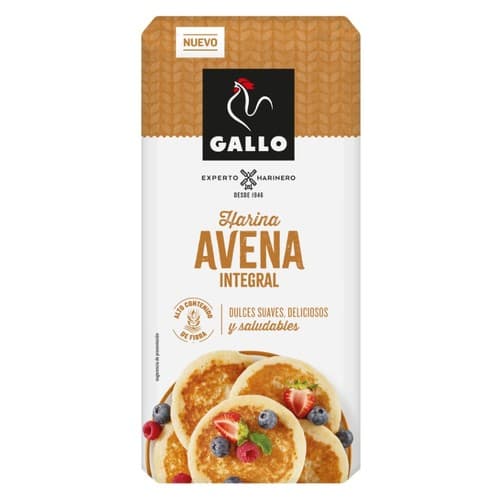
€1.65Gallo Whole Oat Flour
GALLO · kg · Bonpreu
 €1.75
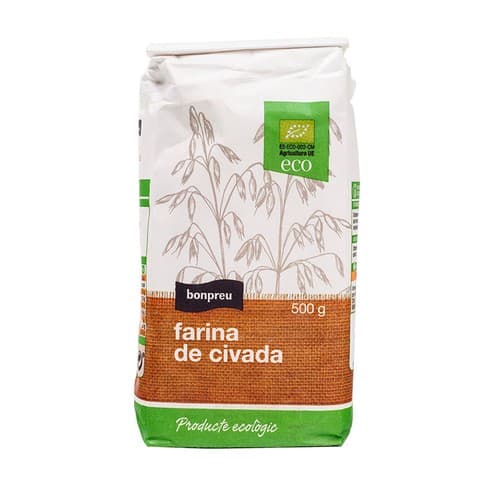
€1.75Organic Oat Flour
BONPREU · kg · Bonpreu
Good to know
- Flavor
- Mild, soft, faintly sweet and oaty
- Made from
- Ground oats (rolled or whole)
- Best for
- Pancakes, cookies, muffins, quick breads
- Note
- Gluten-free if certified; no gluten structure
- How to store
- Airtight; refrigerate/freeze for longer life
- Shelf life
- ~3 months room temp; longer chilled
Substitutes
- Whole-wheat flour — Whole-grain with structure; not gluten-free.
- Other gluten-free flours — Use in a GF blend for better texture.
- Almond flour — Grain-free; moist but different behavior.
Also called
whole oat flour · harina de avena · farina de civada
Appears in these dishes
Related

All-Purpose Flour
The do-anything flour for bread, cakes, sauces, and dredging

Bread Flour
High-protein flour for chewy, well-risen breads
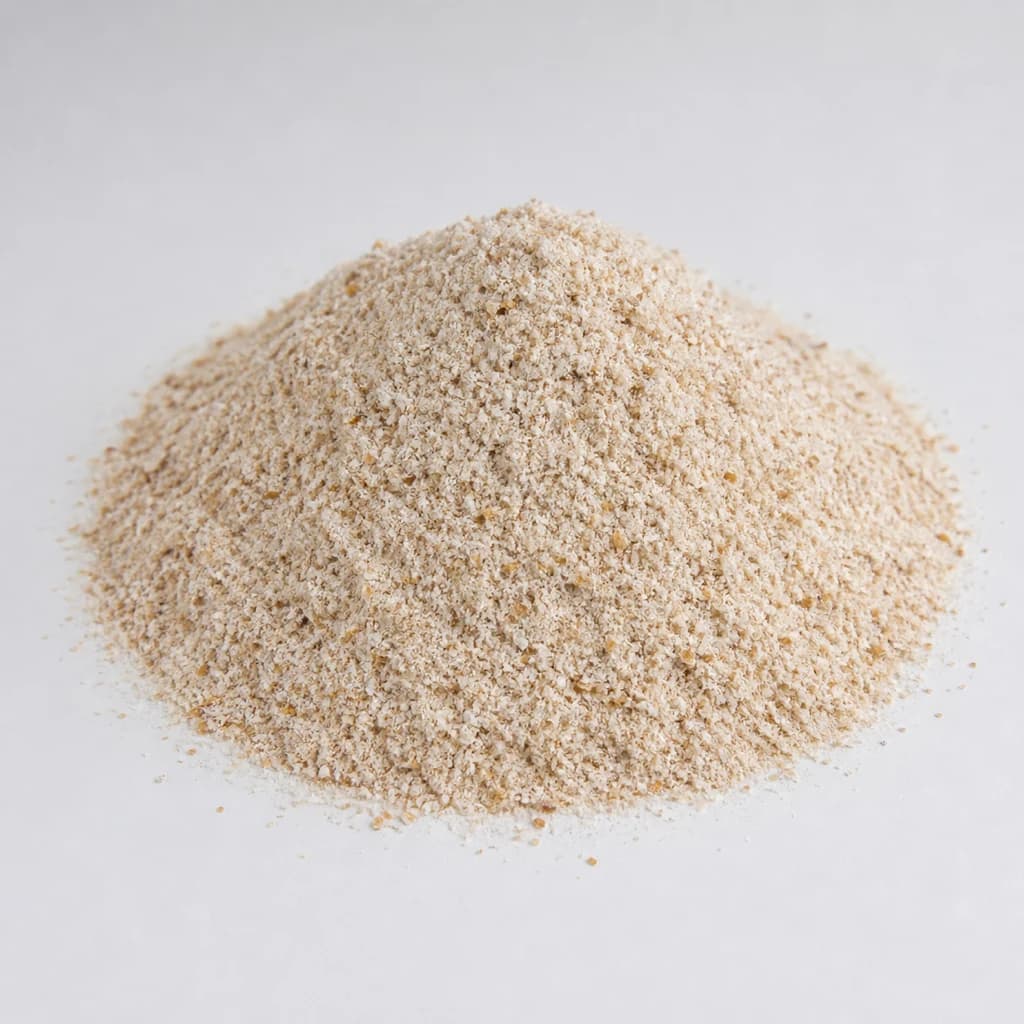
Whole Wheat Flour
Nutty, whole-grain flour for hearty breads and bakes
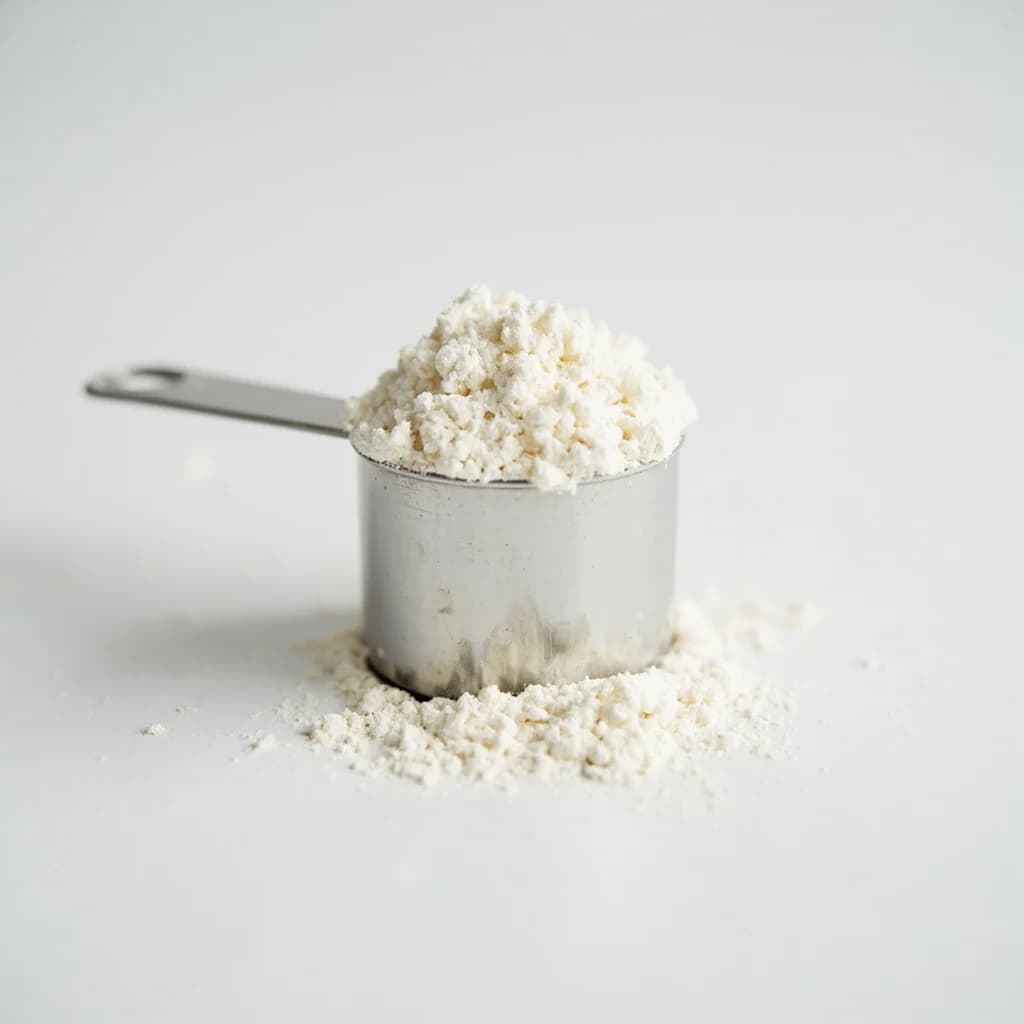
Cake Flour
Fine, low-protein flour for tender, delicate cakes
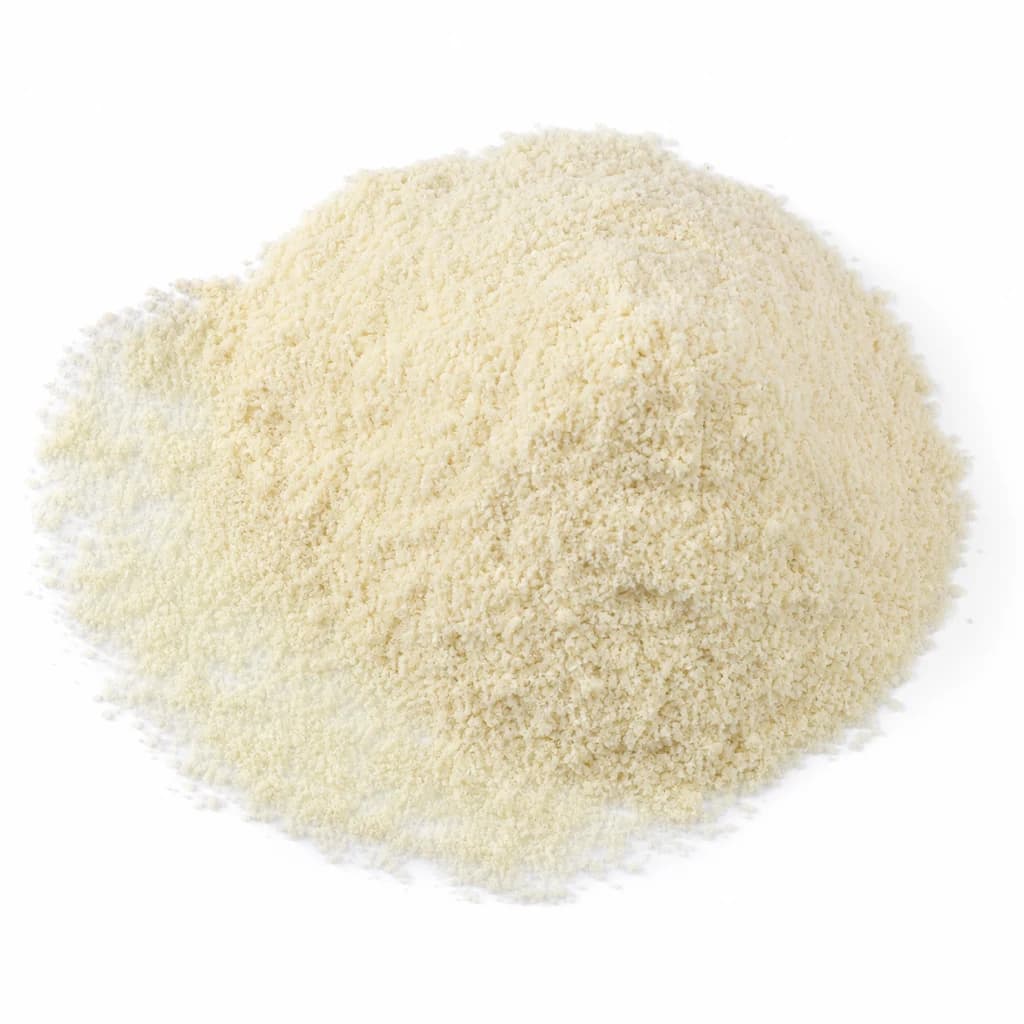
Almond Flour
Nutty, gluten-free flour for macarons and tender bakes

Baking Powder
All-in-one leavener for fluffy cakes, pancakes, and biscuits

Baking Soda
Pure leavener that needs acid to lift — and tenderize
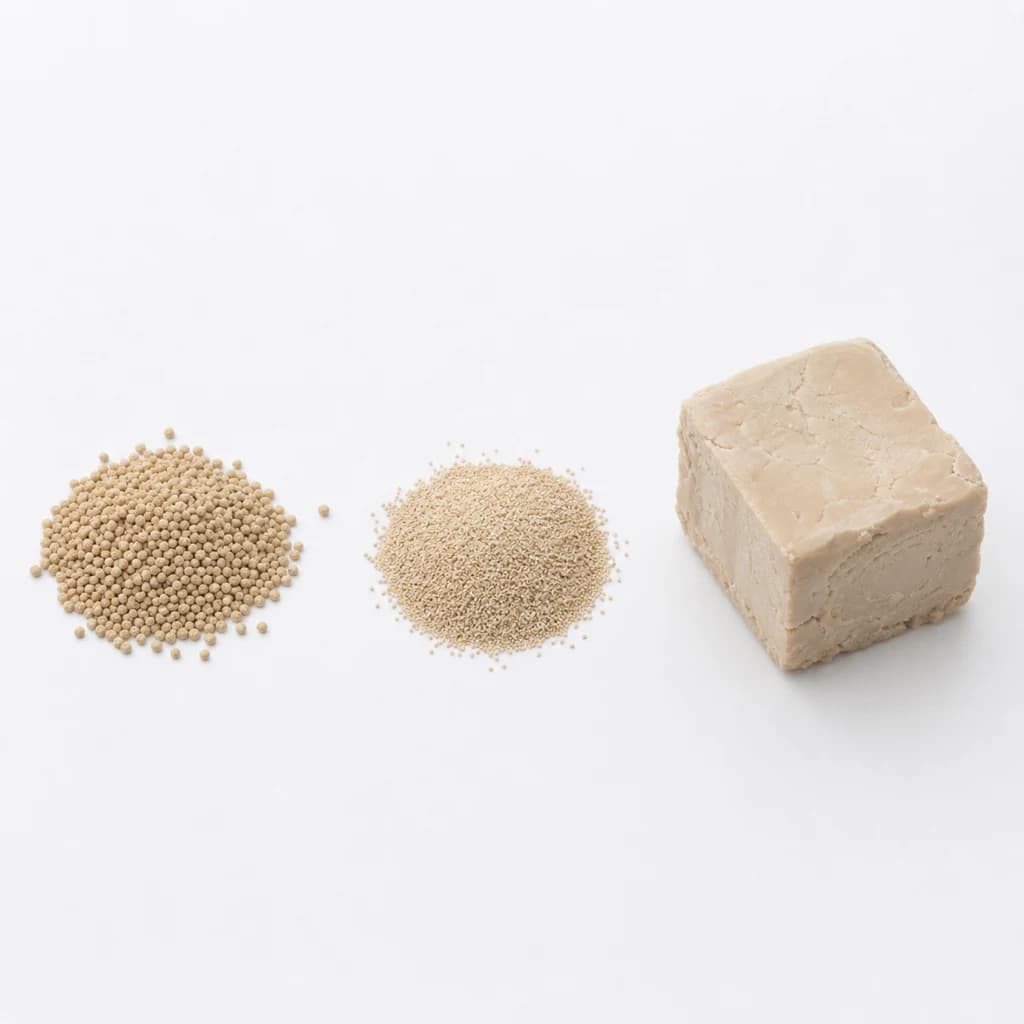
Yeast
Living leaven that makes bread rise and dough come alive