Varieties
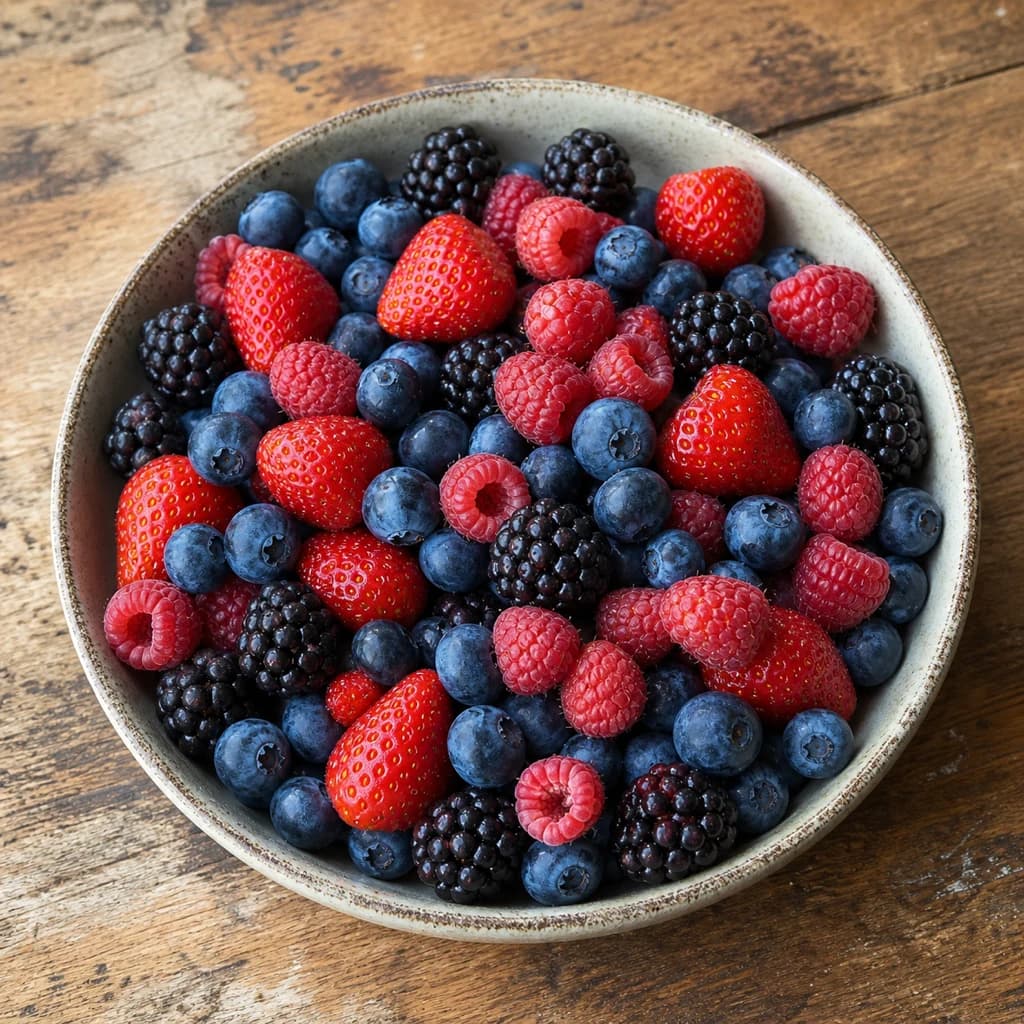
Four berry types — strawberry, blueberry, raspberry, and blackberry — together in one bowl.
Showing all four berry types together immediately teaches the reader what 'mixed berries' means as a category.
Produce
Mixed Berries
Assorted berries (strawberry, blueberry, raspberry, blackberry) used fresh or frozen.
Mixed berries are a blend of berries such as strawberries, blueberries, raspberries, and blackberries, sold fresh or frozen. They are used in smoothies, compotes, pies, jams, and as toppings for yogurt, oatmeal, and desserts. Frozen mixes are convenient for baking and sauces year-round.
Mixed berries refers to a blend of two or more fresh or frozen berries, most commonly strawberry, blueberry, raspberry, and blackberry in roughly equal proportions. Commercial frozen mixes dominate the category, but discerning cooks often assemble their own custom blend to control ripeness, proportion, and quality. The four core varieties each bring distinct textural and flavor characteristics: strawberries provide bulk and jammy sweetness, blueberries contribute mild flavor and structural integrity when cooked, raspberries lend bright acidity and delicate aroma, and blackberries add bold intensity and firm texture. Together they create a balanced profile that neither single berry nor generic "berry" achieves. The combination's behavior in cooking is shaped by two key tensions—raspberries and strawberries release moisture and pigment readily, while blueberries and blackberries hold their shape longer—making timing and technique critical when combining them in sauces, baked goods, or preserves. The blend's high acidity (pH 2.8–3.5) also makes it unsuitable for water-bath canning with low-acid foods without acidification adjustments.
Fresh mixed berries are highly perishable and should be used within 2–3 days of purchase; frozen IQF (individually quick frozen) berries last 8–12 months and can often be used directly in baked goods and smoothies without thawing. One practical reality of working with mixed berries: they stain, bleed color into each other, and one moldy specimen can ruin an entire container within 24 hours. These aren't obstacles—they're the characteristics that make berry cookery distinctive, demanding attention to storage, inspection, and technique.
- Measured in
- g
- Storage
- Freezer
Types & varieties
Most common in blends; Camarosa, Albion, and Seascape varieties; provides bulk and variable sweetness
Lowbush or highbush; holds shape better than other berries when cooked; contributes deep color and mild flavor
Delicate, hollow-capped structure breaks down easily; Heritage (red) and Anne (yellow) varieties; tart and aromatic
Firmest variety; can be seedy; Marionberry, Chester, and Triple Crown; bold, intense flavor
Occasional commercial substitute for blackberry; very tart, requires sugar when raw
Raspberry–blackberry–loganberry hybrid; regional (Pacific Northwest); larger and darker than raspberry
Regional; milder and softer than blackberry; occasionally in Mediterranean or specialty mixes
Assembling Your Own Mix
Commercial frozen mixed berries offer convenience, but quality varies widely—some brands add sugar syrup or anti-caking agents, and proportions shift with market pricing. The most reliable approach for serious cooking is assembling a custom mix. For most applications, equal parts strawberry, blueberry, raspberry, and blackberry works well. However, adjust the proportions based on your intended use: increase strawberries for jammy sauces and pies where you want more bulk and sweetness; favor blackberries and blueberries for savory applications where firmer texture and pronounced acidity hold up better; use raspberries and strawberries as the base for raw applications like fruit salads where delicate texture matters most. Purchase each variety separately at peak season, sort for quality, and freeze individually on sheet pans before combining in freezer bags—this IQF method gives you maximum flexibility and control over your mix year-round.
- Buy each berry type separately at peak season for best quality and flavor
- Freeze individually on sheet pans before combining to prevent clumping
- Adjust proportions based on intended use—baking, sauce, raw application, or preservation
- Check ingredient lists on commercial frozen mixes; avoid those with added syrups or anti-caking agents
Color and Bleeding in Cooked Preparations
All four berries release pigments that stain and bleed into adjacent ingredients, but they do so at different rates. Strawberries and raspberries shed color quickly, while blueberries and blackberries hold their pigments longer. This has practical consequences: tossing all four berries together at the start of a compote produces a uniformly gray-purple result. For a more visually appealing sauce with distinct color pockets, add blueberries and blackberries first, cook until they begin to burst, then finish with strawberries and raspberries. Conversely, for a homogenously colored jam or curd, add all berries together off a rolling boil and cook to full thickness. In baked goods like muffins, fold frozen berries directly into the batter without thawing—the cold temperature and rapid baking minimizes bleeding; coat fresh or thawed berries in a light dusting of cornstarch to absorb excess moisture and prevent color migration into the crumb.
- Add soft berries (raspberry, strawberry) last to preserves for better color control
- Toss berries in cornstarch before folding into batter for cleaner visual separation in baked goods
- For pie filling with distinct berry colors, use mostly fresh berries and add a cornstarch-thickened slurry separately
- Season frozen berries with a pinch of salt to enhance perceived sweetness before baking
Common uses
Tips & pitfalls
- Never wash berries until immediately before use—moisture accelerates mold and spoilage
- Store fresh berries in a single layer on paper towels in a ventilated container; avoid sealed plastic bags
- Check for mold daily; one contaminated berry can ruin the entire container within 24 hours
- For freezer storage: spread washed, dry berries on a sheet pan in a single layer; freeze solid, then transfer to freezer bags
- Add soft berries (raspberries, strawberries) off a rolling boil when making compotes to minimize color bleeding
- Use frozen berries directly in baked goods without thawing to prevent excess moisture and color migration
- For pie filling, toss berries with a small amount of cornstarch to thicken juices without excessive bleeding
- Blackberries and raspberries are fragile; add these last to any cooked preparation to preserve their shape
- Season frozen berries for smoothies with a pinch of salt to enhance perceived sweetness
- When making jam, add 1 tablespoon lemon juice per 2 pounds of berries to ensure safe pH for water-bath canning
- Do not substitute frozen berries 1:1 in unbaked recipes like fresh fruit tarts—texture and water content differ significantly
- Use slightly underripe berries for savory sauces (they hold shape and provide acidity); fully ripe berries for desserts
- For a clean-cut berry pie, use mostly fresh berries and add a separate cornstarch-thickened slurry to prevent purple-gray filling
Nutrition
Energy
1602 kJ · per 100 g
Where the calories come from
Protein
13.2g
26% DV
Carbs
58.8g
21% DV
Fat
10.5g
13% DV
Fiber
7.9g
28% DV
Sugars
26.3g
of which
Sodium
447mg
19% DV
Source · USDA FoodData Central · approx. Snack, Mixed Berry Bar
View on FDC →In the shops
Matched grocery products
No matched grocery products for Mixed Berries yet.
Good to know
- Composition
- Strawberries, blueberries, raspberries, and blackberries in equal or near-equal proportions
- Forms available
- Fresh (clamshell), frozen IQF or bagged, dried, canned in syrup
- Peak season
- Strawberries (spring–summer), blueberries (summer), raspberries (summer–fall), blackberries (summer)
- Freezing method
- IQF preferred; prevents clumping and preserves texture for up to 12 months at 0°F (-18°C)
- Shelf life (fresh)
- 2–3 days refrigerated; inspect daily as one moldy berry contaminates the batch
- pH range
- 2.8–3.5; all varieties are acidic—relevant for safe canning practices
- Yield
- Approximately 85% edible after hulling and removing damaged specimens
Substitutes
- Frozen mixed berries — Direct substitute; use straight from freezer in baked goods and smoothies without thawing
- Any single berry alone — Adjust sugar and cooking time based on individual fruit's sweetness and texture—single berries lack the balance of the mix
- Cherries (sweet or tart) — Similar texture profile; adjust sweetness; avoid in recipes where berry color is important
- Stone fruits (peaches, nectarines, plums) — Different flavor and texture but comparable uses in desserts and compotes; require longer cooking to break down
- Red or black grapes — Comparable color and sweetness in cooked sauces; not suitable for raw applications
- Cranberries (fresh or frozen) — More tart than most berry mixes; requires significantly more sugar; works in sauces and baked goods
- Dried berry medley — Requires rehydration; suitable for baked goods and granola; not a direct substitute for fresh or frozen uses
Pairs with
Also called
Berries · Frozen Mixed Berries · Frozen Berry
Appears in these dishes
Related
Tomato
Juicy, sun-sweet fruit for sauces, salads, and slow-cooked depth
Yellow Onion
The aromatic backbone of soups, sofritos, and braises
Garlic
Pungent cloves that perfume nearly every savory dish
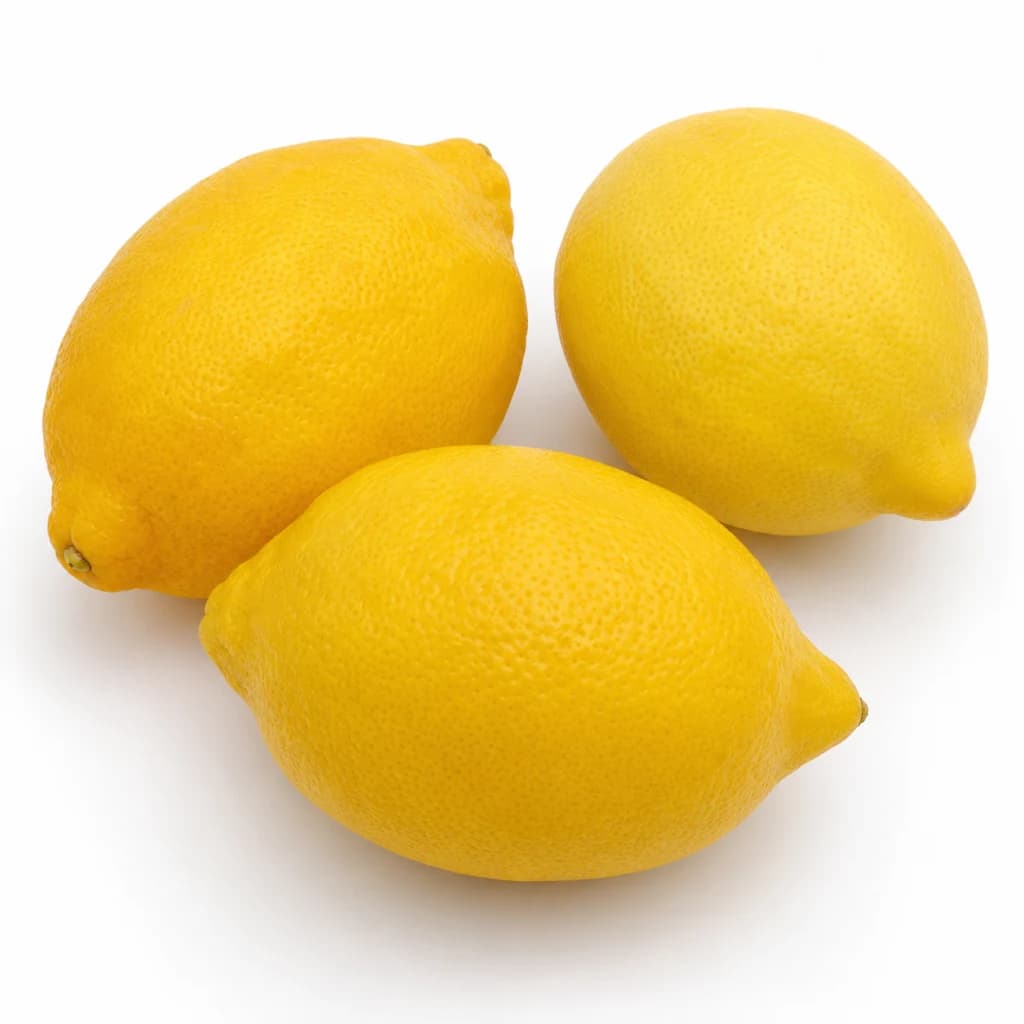
Lemon
Bright, acidic citrus that wakes up almost any dish
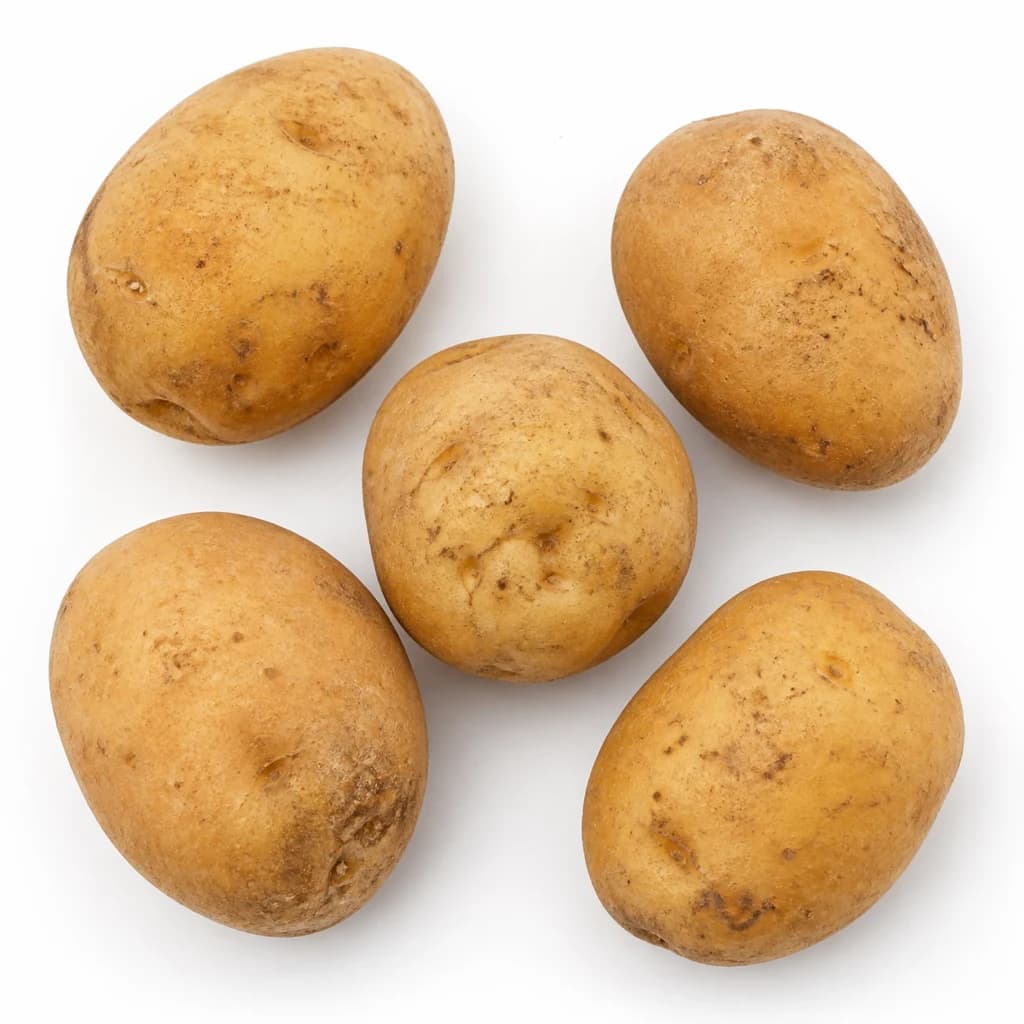
Potato
Humble, hearty staple — roast, mash, fry, or boil
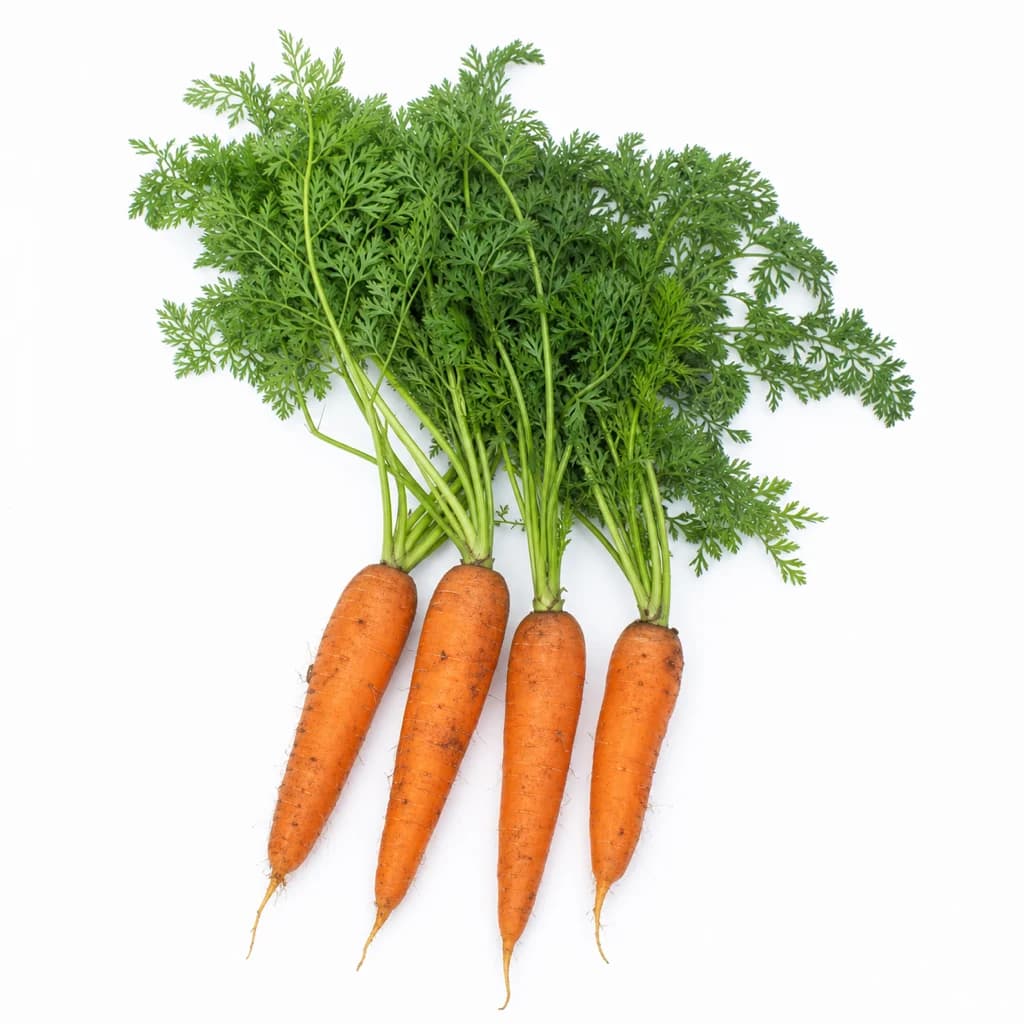
Carrot
Sweet, crunchy root — raw, roasted, or the base of a sofrito
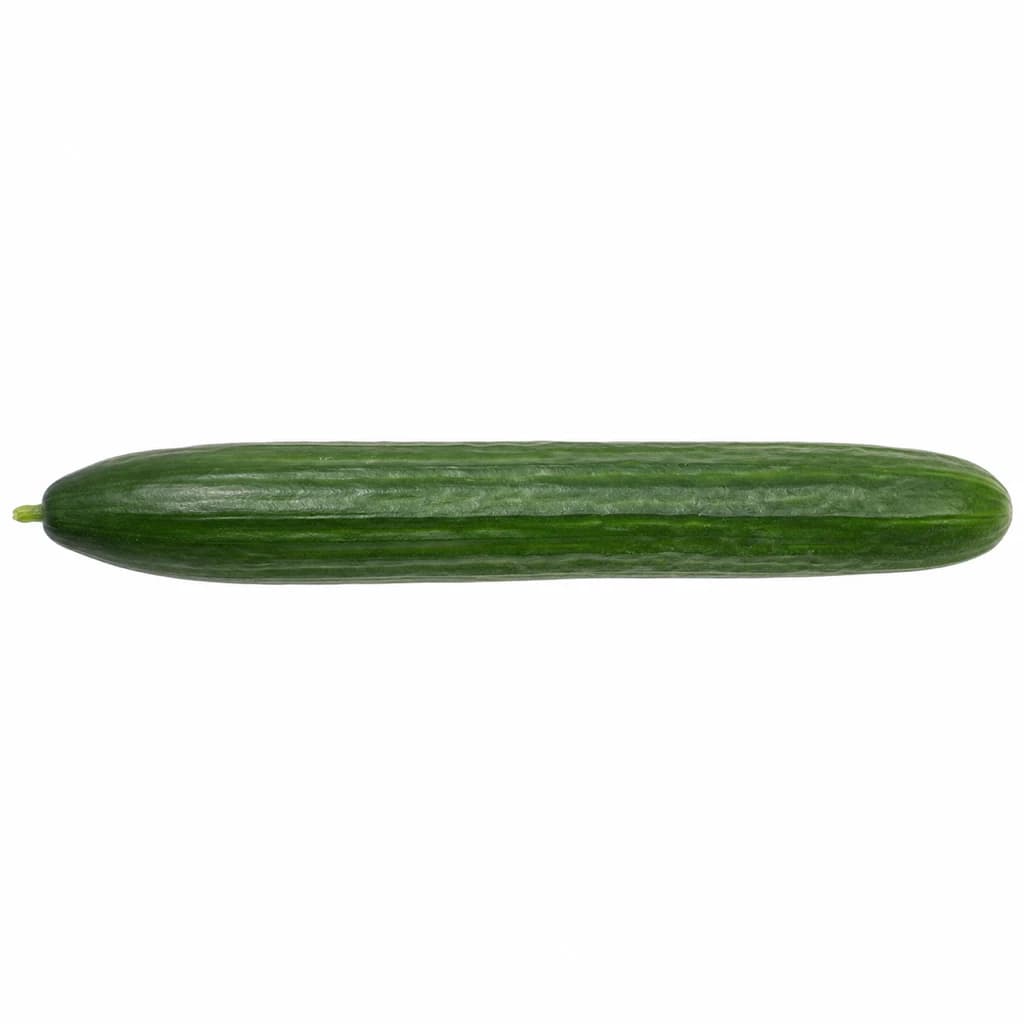
Cucumber
Cool, crisp, and watery — for salads, pickles, and tzatziki

Lettuce
Crisp leaves for salads, wraps, and a fresh crunch