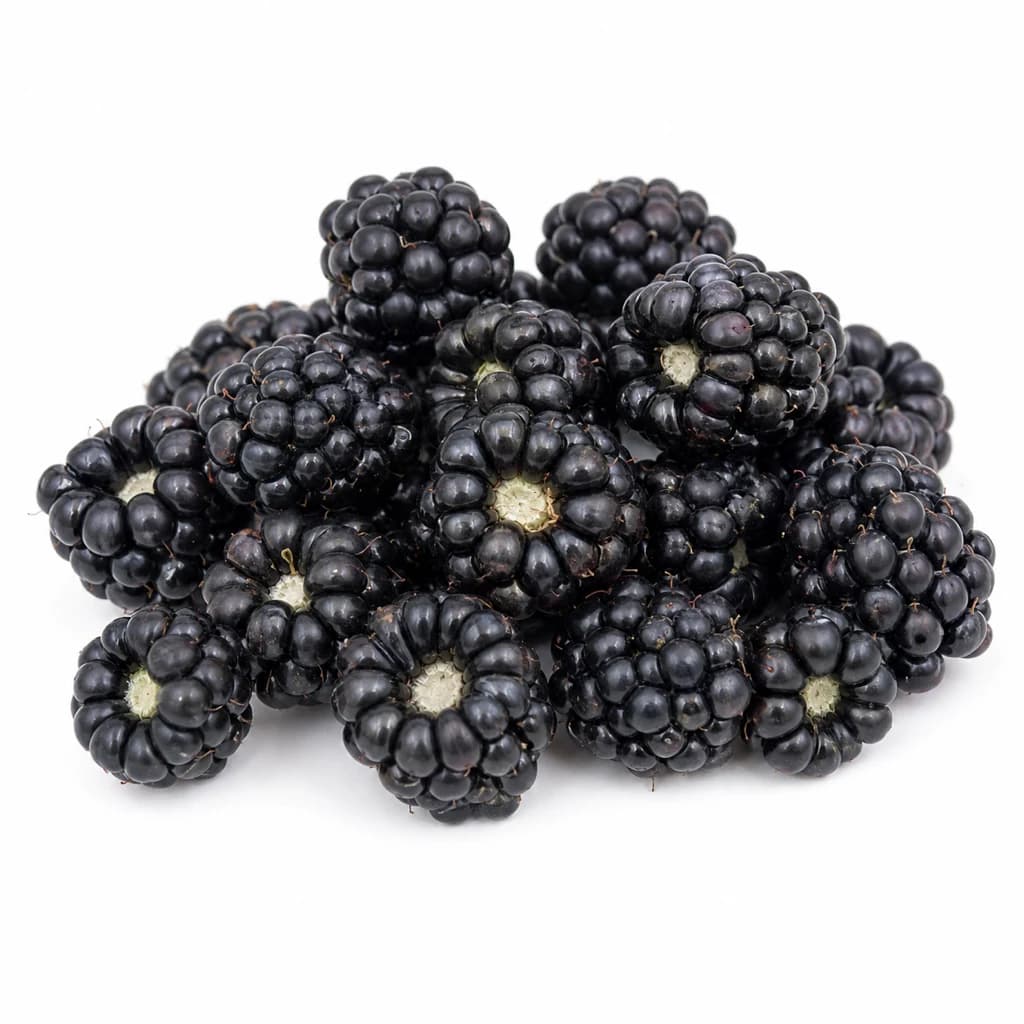
Natural form
Fresh whole blackberries showing their deep black-purple color and drupelets.
Shows the reader exactly what a ripe blackberry looks like before any preparation.
Produce
Blackberry
Juicy, dark berries for crumbles, jams, and snacking
Deep and winey-sweet, blackberries bake into crumbles, cook down to jam, and tumble over morning oats. Keep them dry and cold and eat them within a few days.
Blackberries are deep, dark, winey-sweet berries with a tart edge and an unmistakable wild fragrance — the taste of late-summer hedgerows. Plumper and seedier than raspberries, they hold up a little better and shine both raw and cooked: tumbled over morning oats, baked into cobblers and crumbles, cooked down to glossy jam, or muddled into a cocktail. Foraged or bought, the best are jet-black and yielding, never red-tinged and sour.
- Measured in
- g
- Storage
- Refrigerate
- Shelf life
- 5 days
Find it in
Types & varieties
Large, plump, sweet; the common market berry
Smaller, more intense, free for the foraging
Blackberry hybrids; complex and prized
How to choose
Want uniformly deep-black, plump, glossy berries that feel firm but tender. Red or purple drupelets mean underripe and sour (and blackberries don't ripen further after picking). Avoid dull, shriveled, leaking, or moldy berries, and check the bottom of the container for crushed ones and juice stains.
How to store
Keep blackberries dry and unwashed in a breathable container in the fridge, and use within a couple of days — they're perishable, though slightly hardier than raspberries. Discard any soft or moldy berries quickly. Wash gently right before using. They freeze well spread on a tray, then bagged.
- Store dry and unwashed; use within days
- Remove moldy berries promptly
- Freeze on a tray for baking and sauces
How to cook with them
Blackberries cook into deep, jammy sweetness — ideal for cobblers, crumbles, pies, and compotes, where their tartness and color shine. The seeds bother some people: press cooked berries through a sieve for a smooth coulis or seedless jam. A little lemon brightens them, and they pair naturally with apple in autumn bakes. Their high pectin makes jam-setting easy.
Common uses
Tips & pitfalls
- Buy fully black — red drupelets mean sour, and they won't ripen after picking
- Sieve cooked berries for a seedless coulis or jam
- Pair with apple in autumn crumbles and pies
- A squeeze of lemon lifts their deep, winey flavor
- Freeze on a tray for off-season baking and smoothies
Nutrition
Energy
180 kJ · per 100 g
Where the calories come from
Protein
1.4g
3% DV
Carbs
9.6g
3% DV
Fat
0.5g
1% DV
Fiber
5.3g
19% DV
Sugars
4.9g
of which
Sodium
1mg
0% DV
Source · USDA FoodData Central · Blackberries, raw
View on FDC →In the shops
Matched grocery products
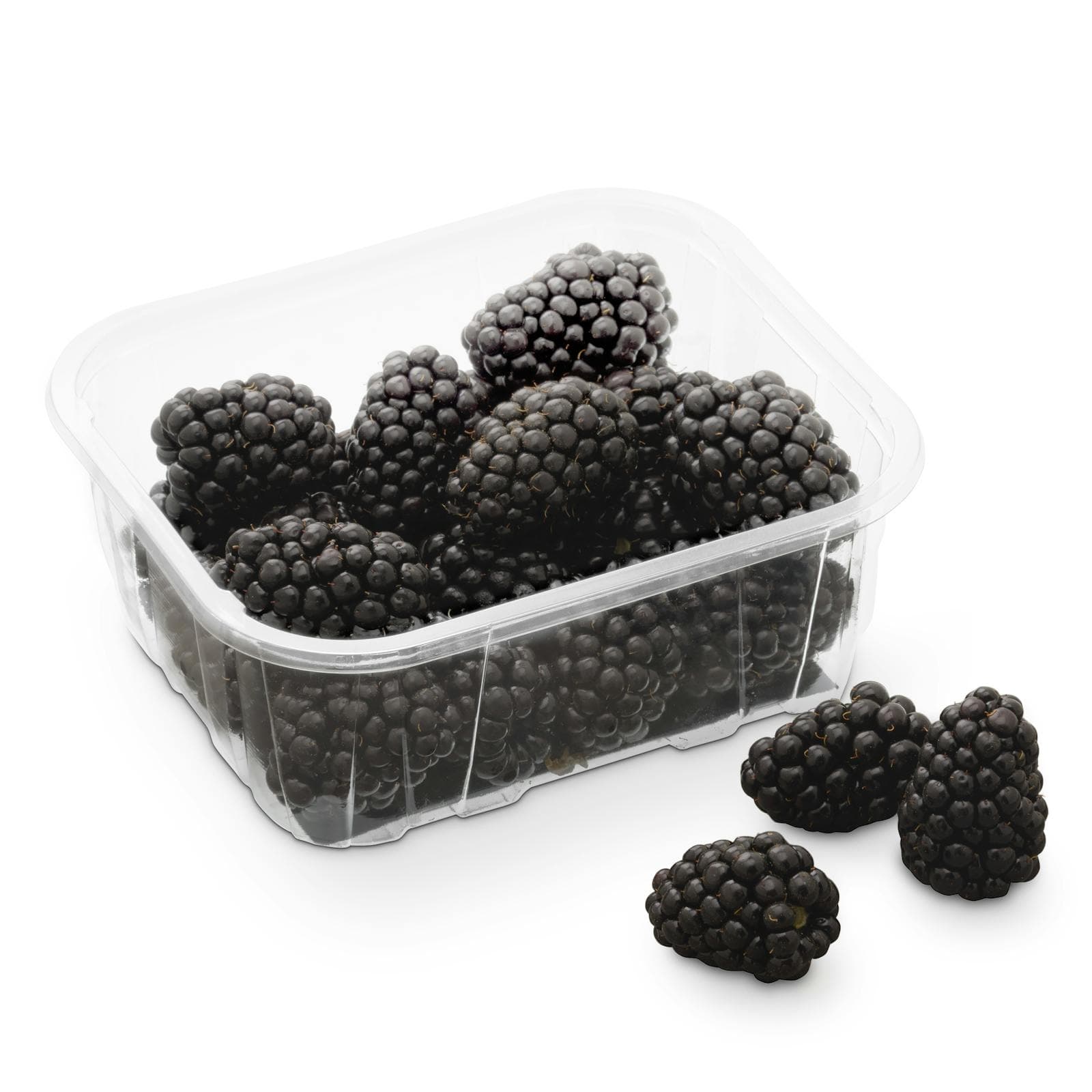 €2.70
€2.70Blackberries
150 g · Mercadona
 €2.19
€2.19LA COLLITA Blackberries in Terrine 125 g
LA COLLITA · kg · Bonpreu
Good to know
- Peak season
- Late summer into early fall
- Flavor
- Deep, winey-sweet with a tart edge; juicy and seedy
- Origin
- Temperate regions worldwide; a wild bramble (rose family)
- Nutrition
- ~43 kcal/100g; very high fiber, vitamin C, K, antioxidants
- How to buy
- Deep black, plump, glossy; dry; no red drupelets, mush, or mold
Appears in these dishes
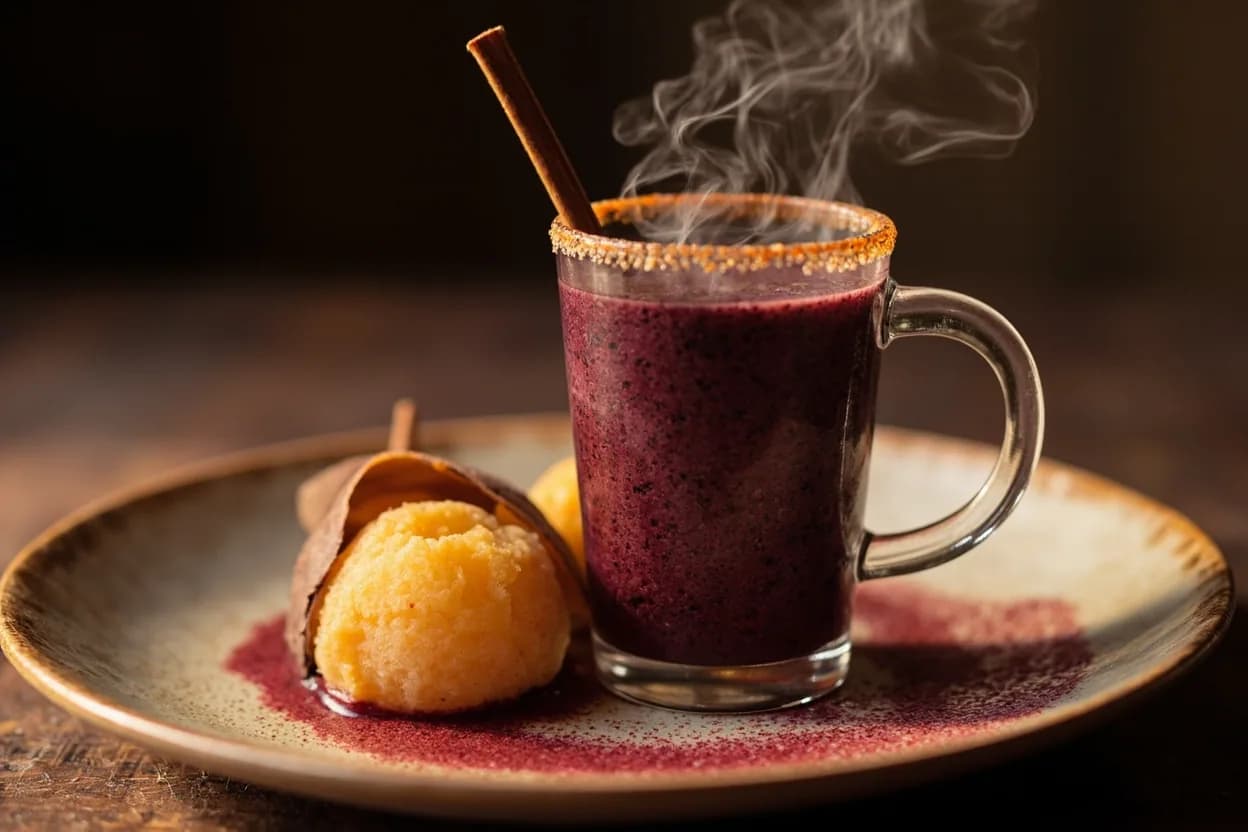

Related

Tomato
Juicy, sun-sweet fruit for sauces, salads, and slow-cooked depth

Yellow Onion
The aromatic backbone of soups, sofritos, and braises

Garlic
Pungent cloves that perfume nearly every savory dish

Lemon
Bright, acidic citrus that wakes up almost any dish

Potato
Humble, hearty staple — roast, mash, fry, or boil

Carrot
Sweet, crunchy root — raw, roasted, or the base of a sofrito

Cucumber
Cool, crisp, and watery — for salads, pickles, and tzatziki

Lettuce
Crisp leaves for salads, wraps, and a fresh crunch