Natural form
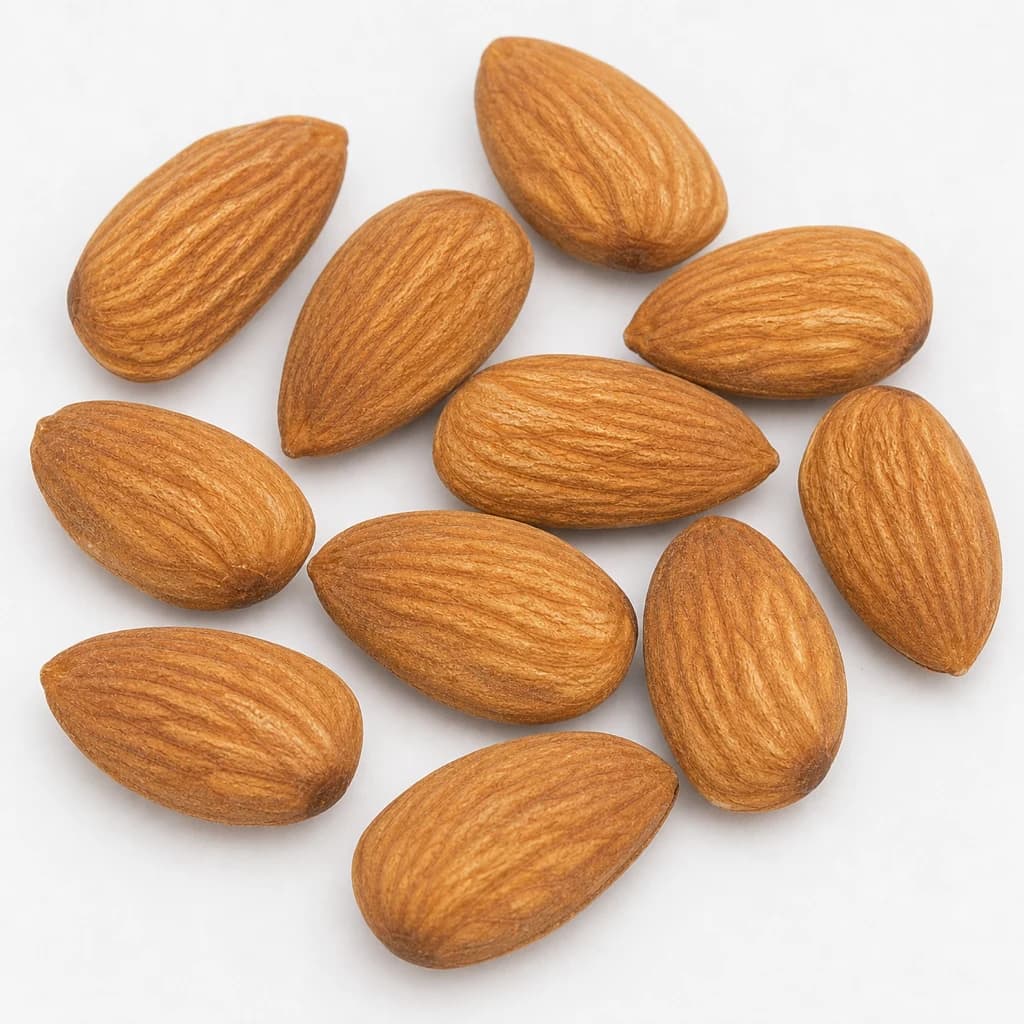
Whole raw almonds in their hard tan shell, showing the oval pointed shape and ridged surface texture.
Shows the nut as found in nature and at market, letting readers identify it before processing.
Nuts
Almond
Crunchy, sweet nut for snacking, baking, and toppings
Sweet and crunchy, almonds snack raw, toast for salads, grind into flour, and slice over desserts. A pantry workhorse with staying power. Keep them airtight, away from heat.
Almonds are the seed of a stone fruit (a cousin of the peach and cherry), and the most versatile nut in the kitchen — eaten raw, roasted, slivered, ground into flour, pressed into milk, or churned into butter. Sweet almonds have a mild, buttery, faintly sweet flavor and a firm crunch that softens to tender when blanched; their skins carry a slight tannic bitterness, which is why recipes sometimes call for blanching (a quick scald that slips the skins off). Toasting is the single biggest flavor upgrade — it deepens them from pleasant to richly nutty. Beyond snacking, almonds are a baking workhorse (marzipan, frangipane, macarons all start here) and a staple of dairy-free cooking via almond milk and flour. They're nutrient-dense: high in vitamin E, magnesium, healthy fats, and protein.
- Measured in
- g
- Storage
- Airtight
Allergens
Find it in
Types & varieties
Skin-on, all-purpose — for snacking, toasting, and chopping.
Skins removed — paler, sweeter, smoother; for marzipan and fine grinding.
Pre-cut for toppings, baking, and garnish.
Ground almonds — gluten-free baking, macarons, frangipane.
How to toast & blanch
Toasting wakes up an almond's flavor and crunch; blanching removes the slightly bitter skin for a sweeter, smoother bite. Both are quick and worth the effort.
- Toast in a dry pan or 350°F (175°C) oven 8–12 min, tossing, until golden
- Watch closely — nuts go from golden to burnt fast
- Blanch by scalding 60 sec in boiling water, then squeeze the skins off
- Cool toasted almonds before chopping so they stay crisp
How to store
Almonds are oil-rich and turn rancid over time, especially once chopped or ground. Cool, dark, and airtight is the minimum; the fridge or freezer is best for long keeping and for flour.
- Airtight container, cool dark cupboard: 6–9 months whole
- Refrigerate or freeze almond flour and chopped nuts — they oxidize fastest
- Smell before using; a sharp, paint-like odor means rancid
- Freeze toasted almonds and refresh with a quick warm before use
Common uses
Tips & pitfalls
- Always toast almonds before adding them to a dish — it doubles their flavor.
- Buy whole nuts and chop or grind as needed; pre-ground goes rancid fastest.
- Blanch to remove the skins when you want a sweeter, smoother result.
- Store almond flour in the freezer — it's especially prone to turning.
- Cool toasted nuts fully before chopping so they don't go soft.
Nutrition
Energy
2423 kJ · per 100 g
Where the calories come from
Protein
21.2g
42% DV
Carbs
21.6g
8% DV
Fat
49.9g
64% DV
Fiber
12.5g
45% DV
Sugars
4.4g
of which
Sodium
1mg
0% DV
Source · USDA FoodData Central · approx. Nuts, almonds
View on FDC →In the shops
Matched grocery products
 €1.85
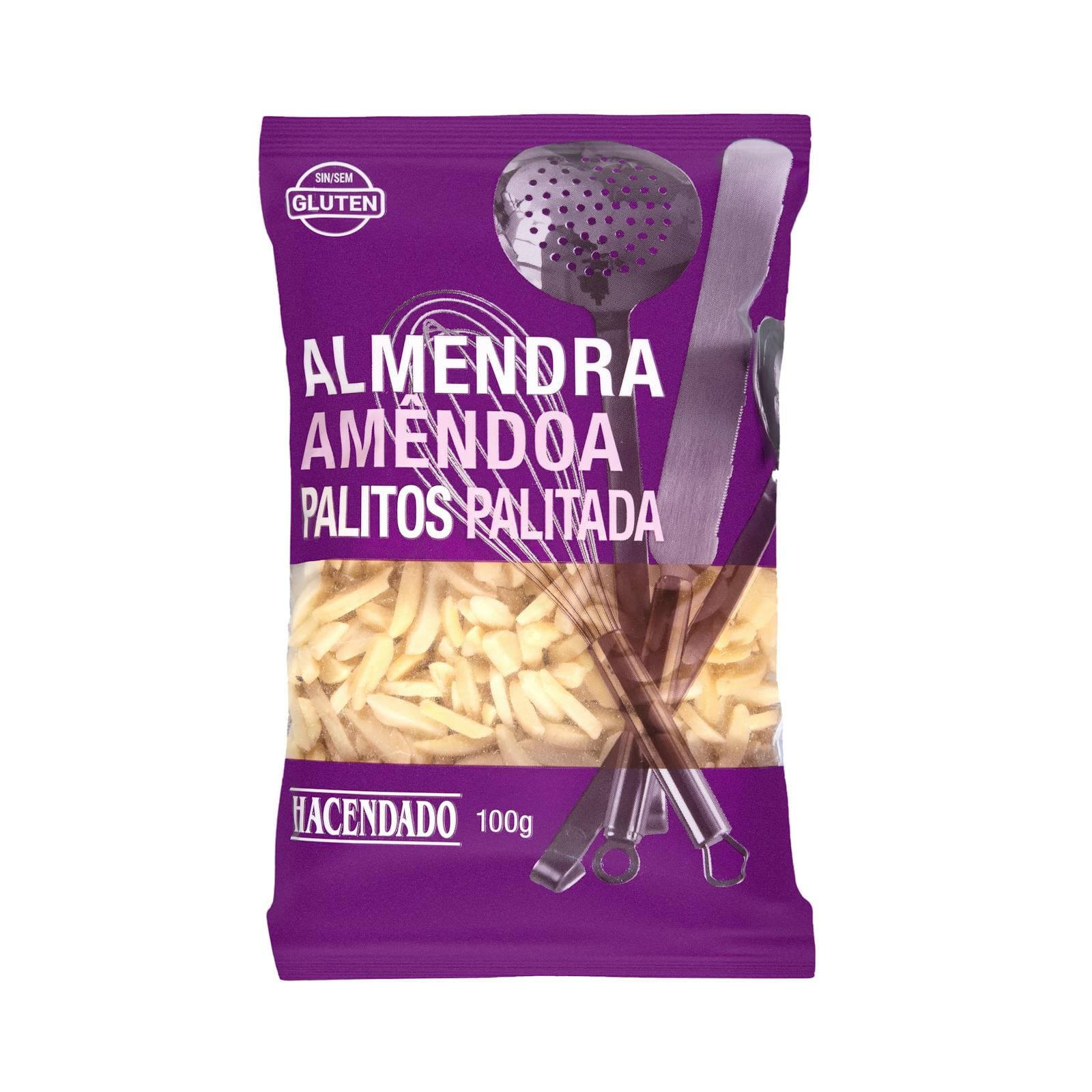
€1.85Almond Sticks
Hacendado · 100 g · Mercadona
 €2.19
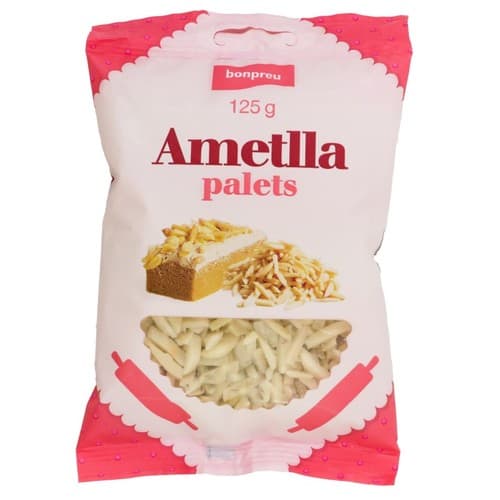
€2.19Palet Almonds
BONPREU · kg · Bonpreu
 €4.25
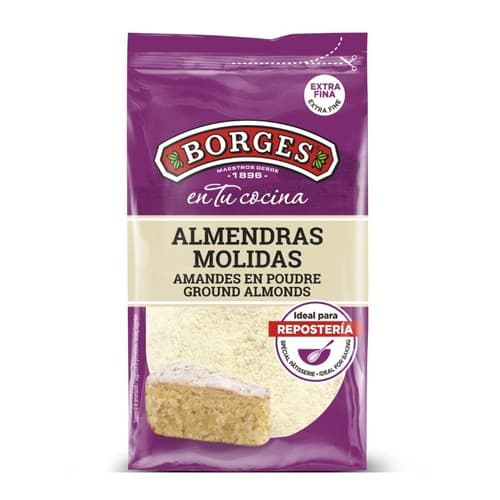
€4.25Whole Almonds
BORGES · kg · Bonpreu
 €2.15
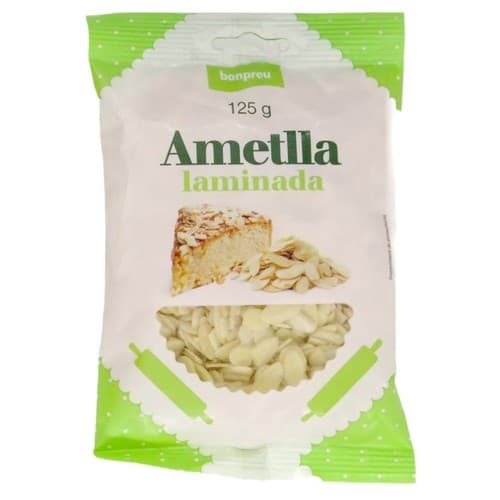
€2.15Sliced Almonds
BONPREU · kg · Bonpreu
 €2.30
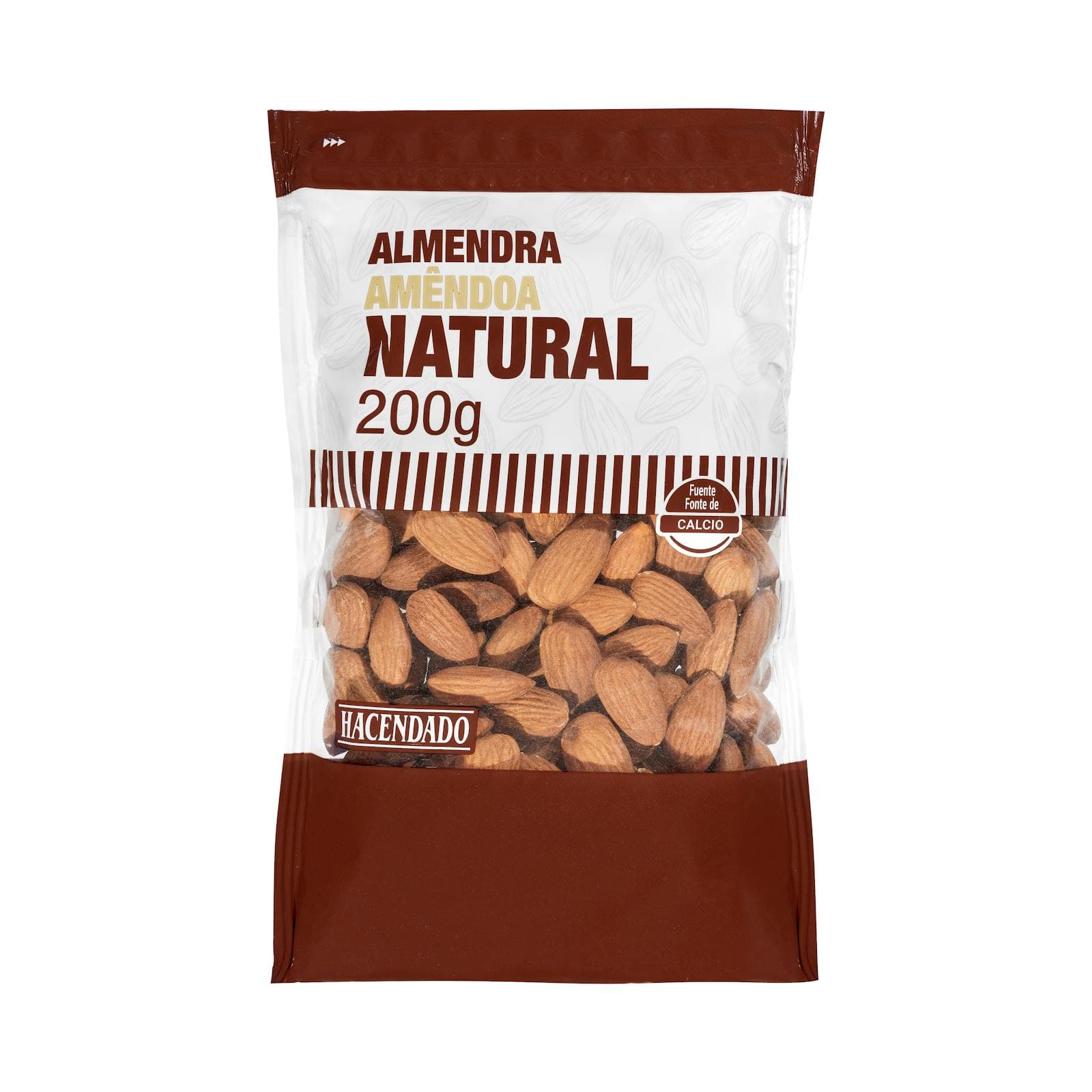
€2.30Natural Almond
Hacendado · 200 g · Mercadona
 €2.65
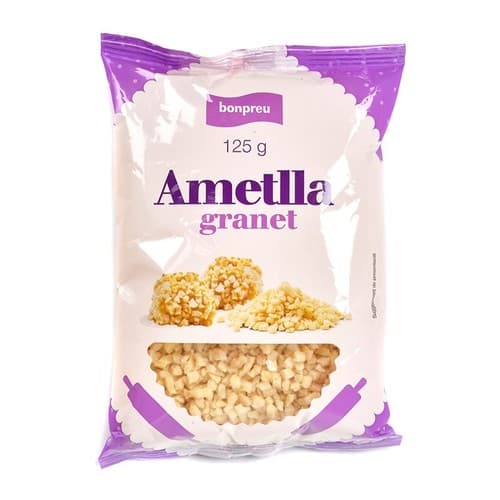
€2.65Raw Almond Pieces
BONPREU · kg · Bonpreu
Good to know
- Flavor & texture
- Mild, buttery, faintly sweet; firm crunch, tender blanched
- How to toast
- Dry pan or 350°F (175°C) oven 8–12 min until golden and fragrant
- Blanch?
- Optional — scald 60 sec to slip off the skins for a smoother, sweeter result
- Nutrition
- ~579 kcal/100g; ~21g protein, ~12.5g fiber; high in vitamin E & magnesium
- How to store
- Airtight, cool, dark ~6–9 months; refrigerate or freeze to keep the oils from going rancid
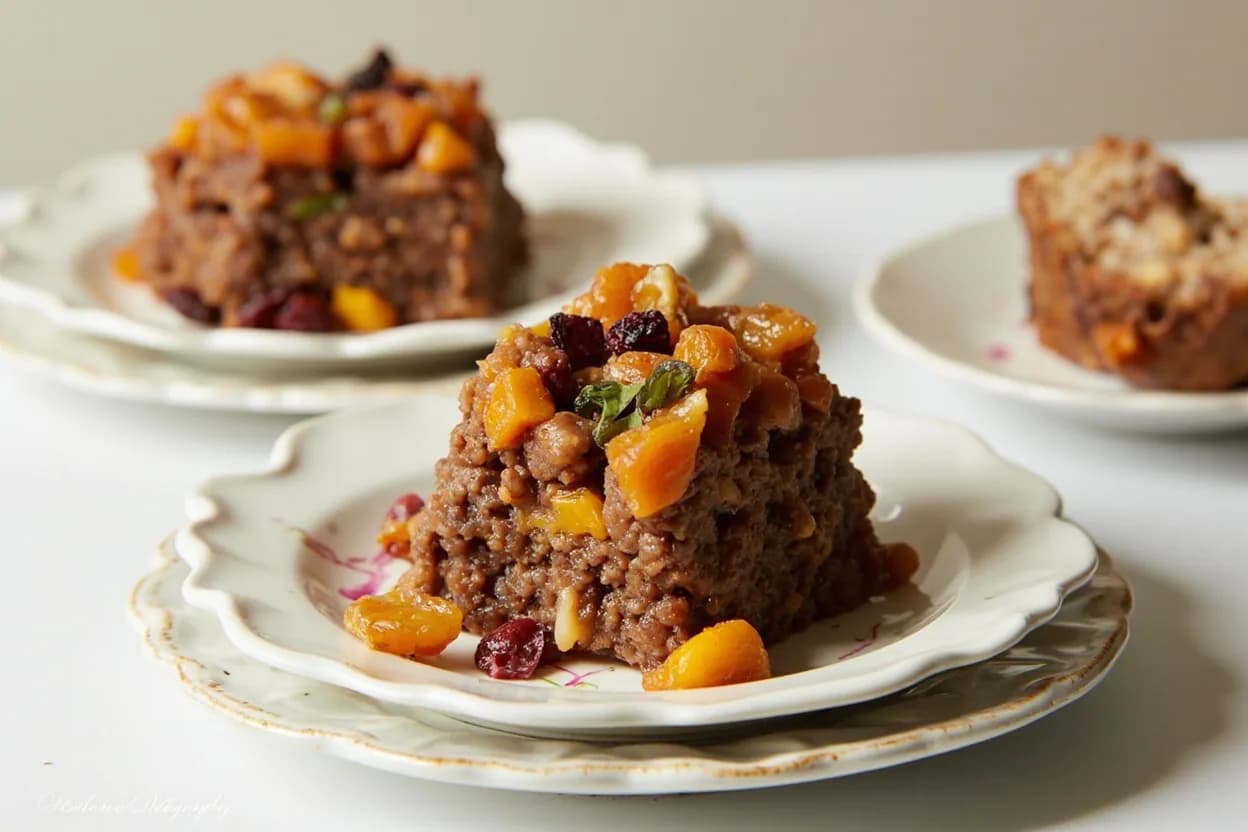
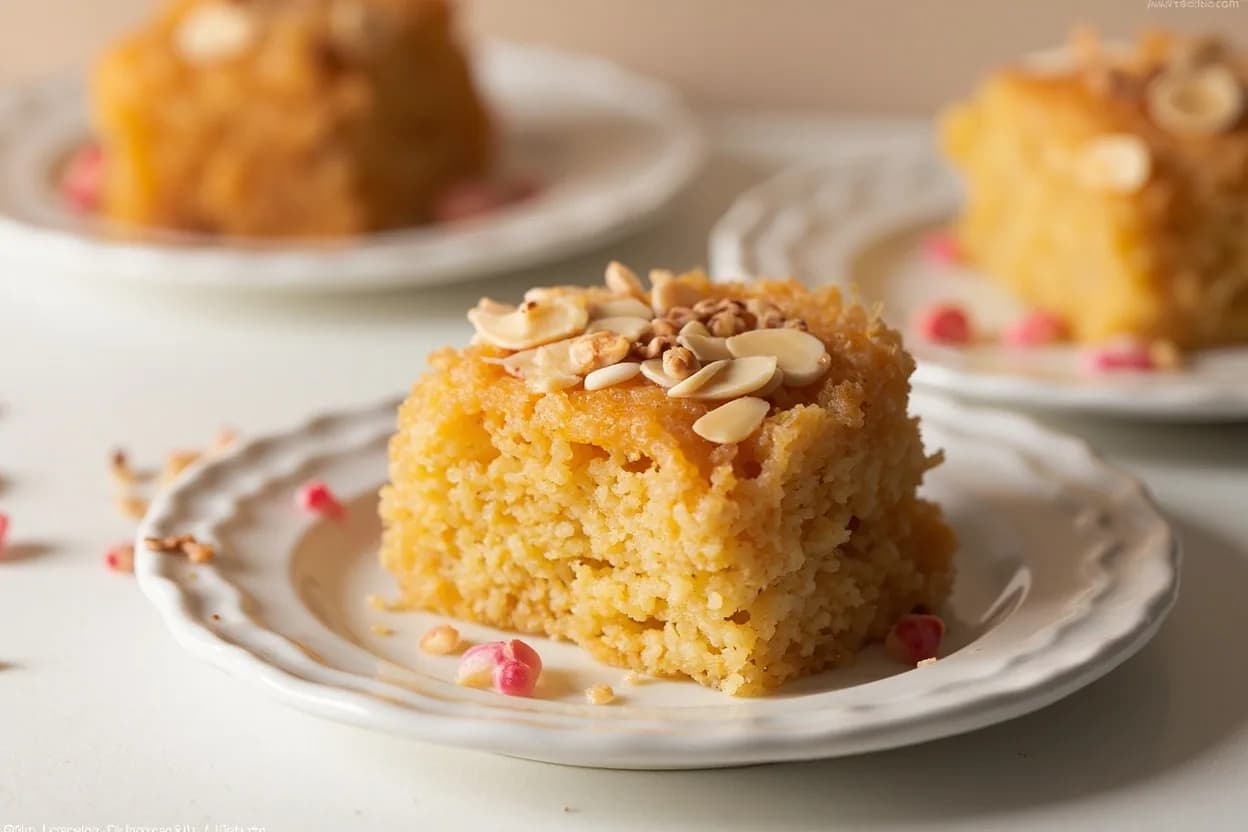
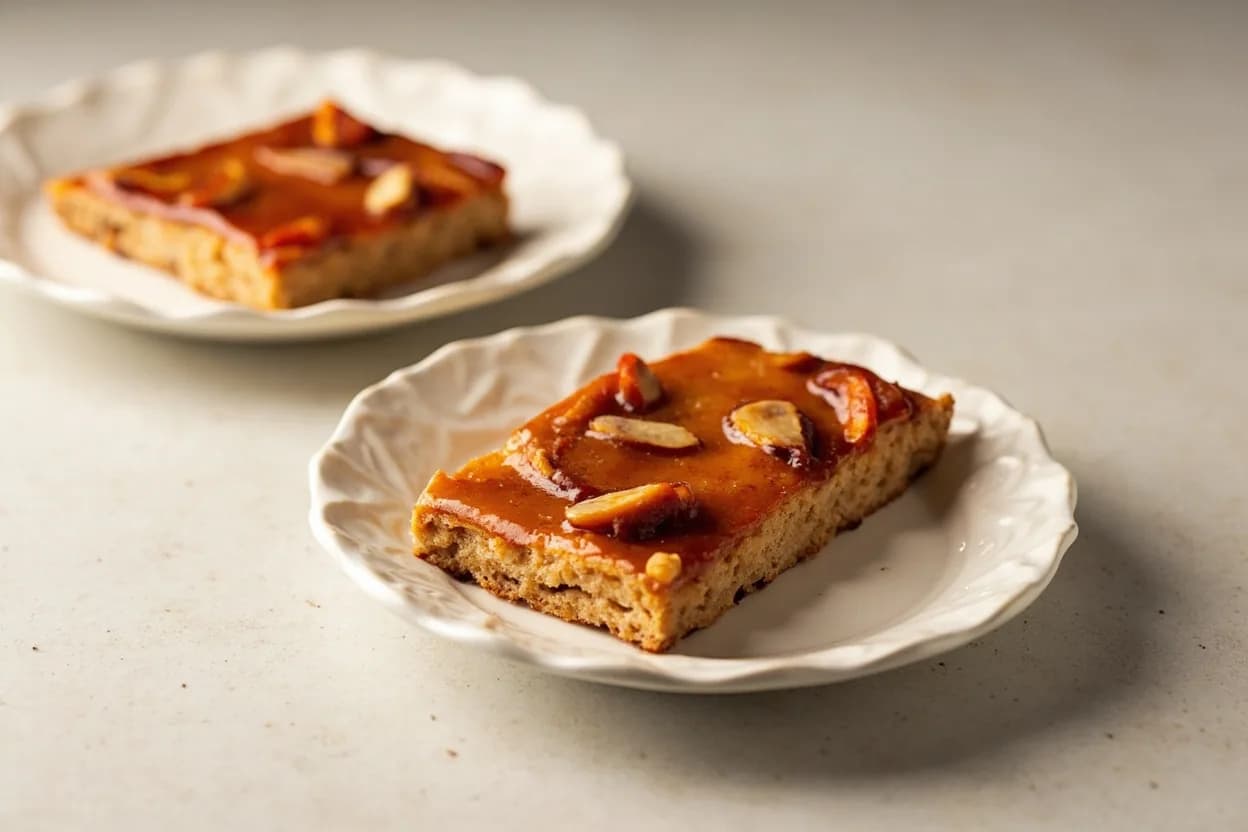
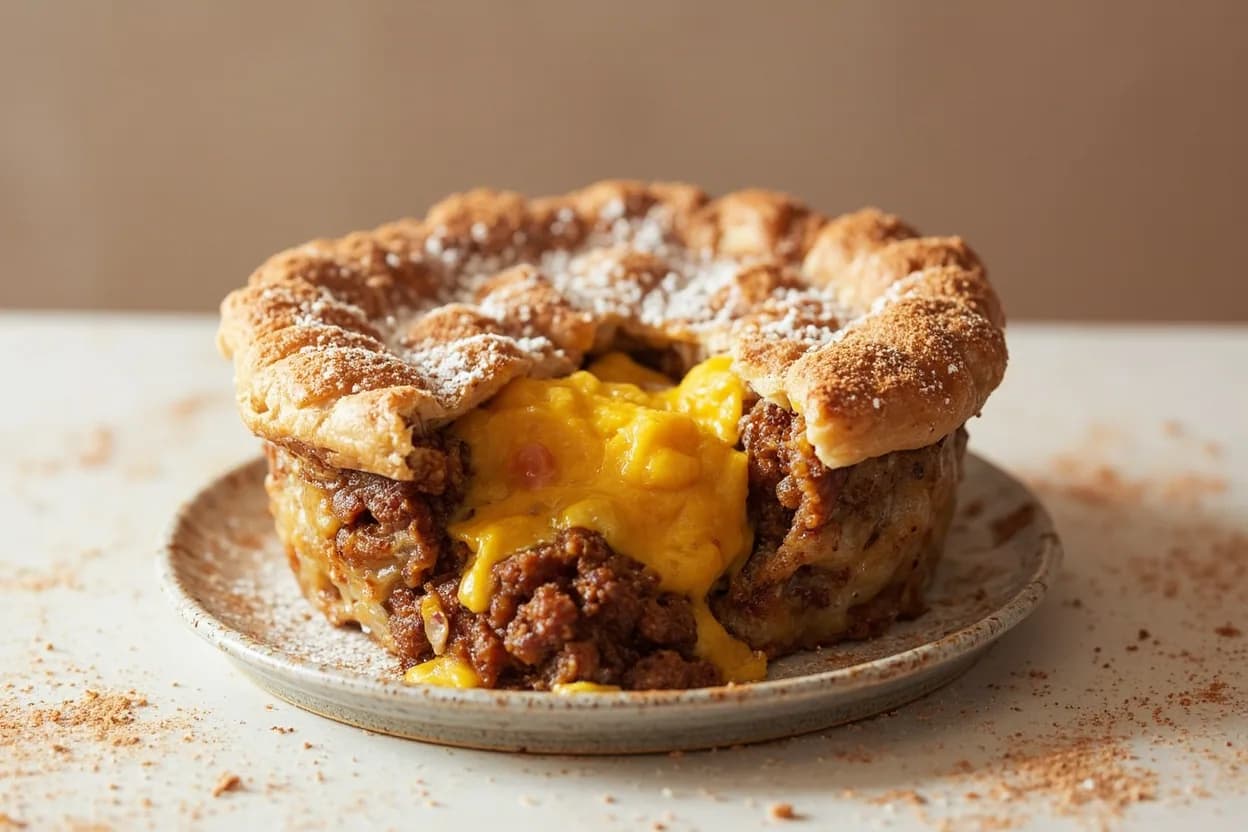
Appears in these dishes
Related
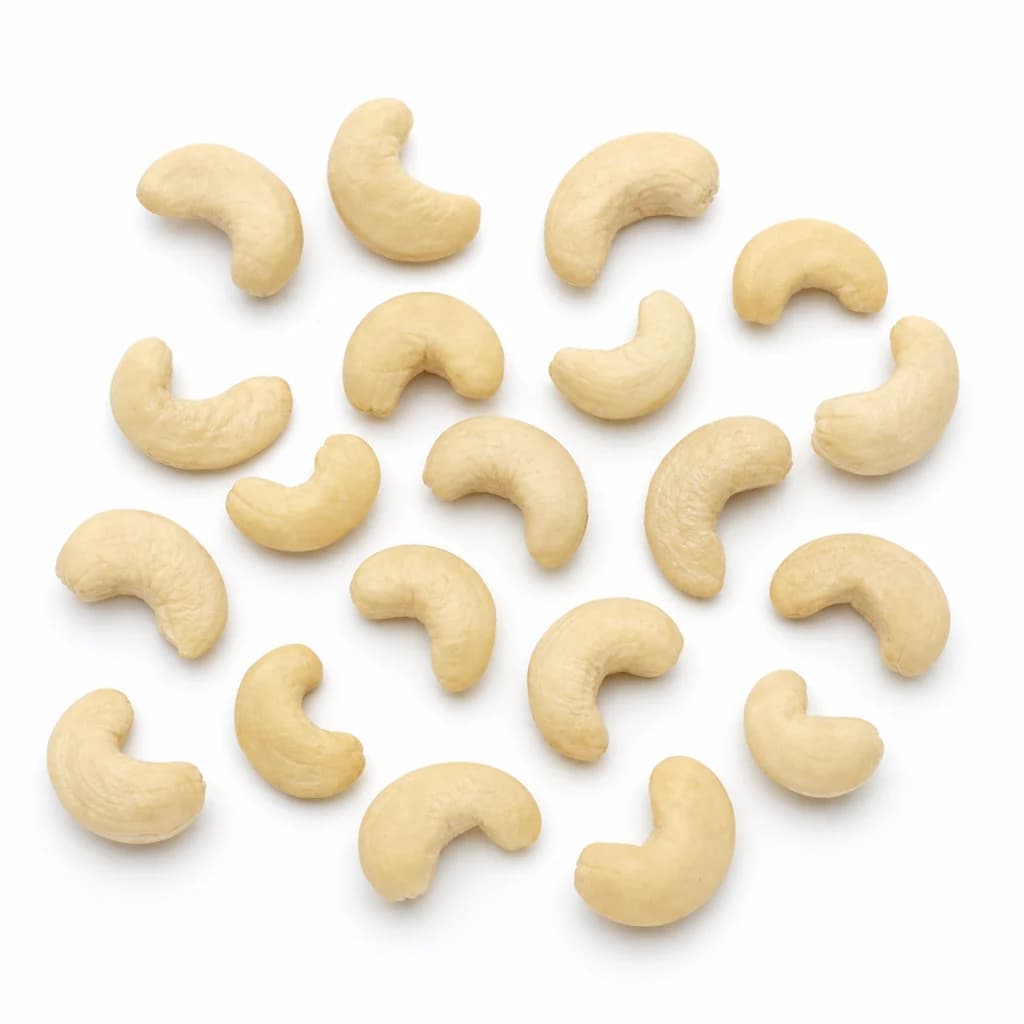
Cashew
Buttery, creamy nut for snacking, stir-fries, and sauces
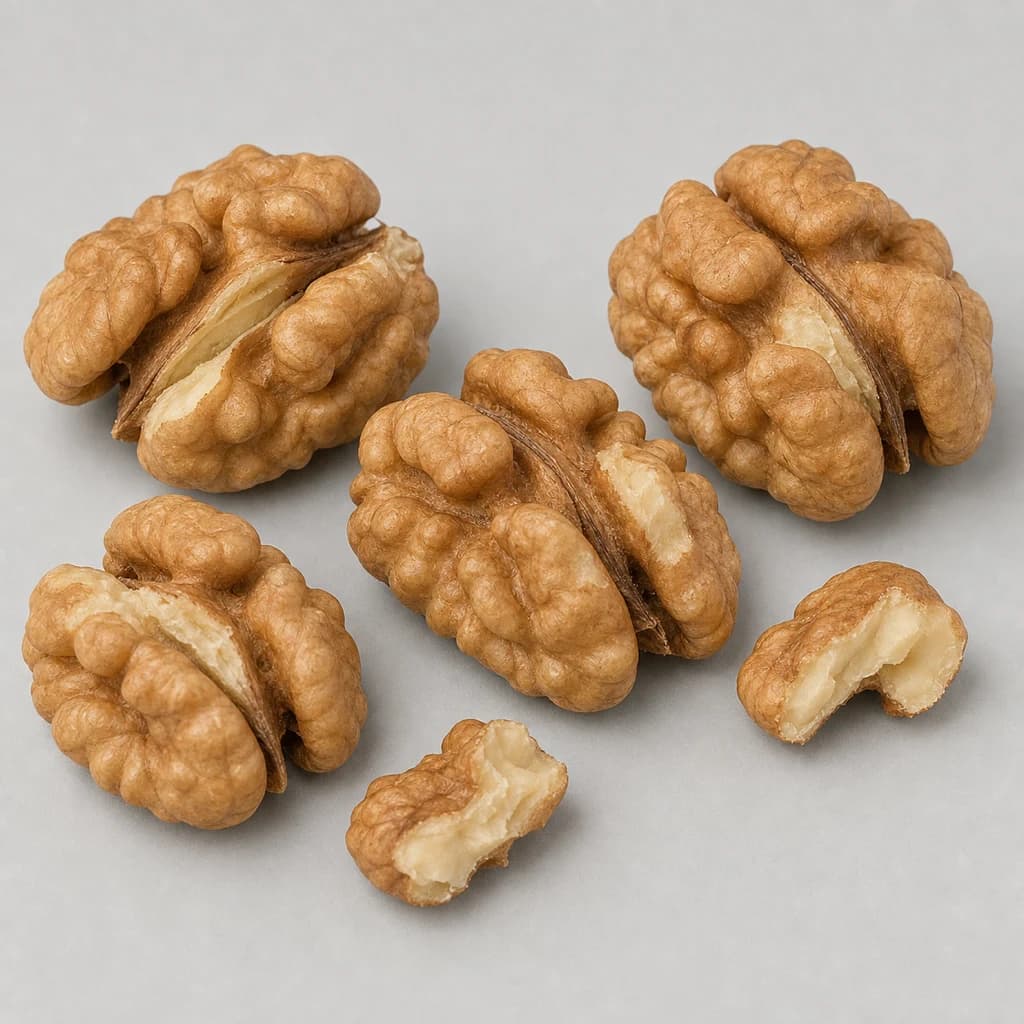
Walnut
Rich, slightly bitter nut for baking, salads, and cheese boards
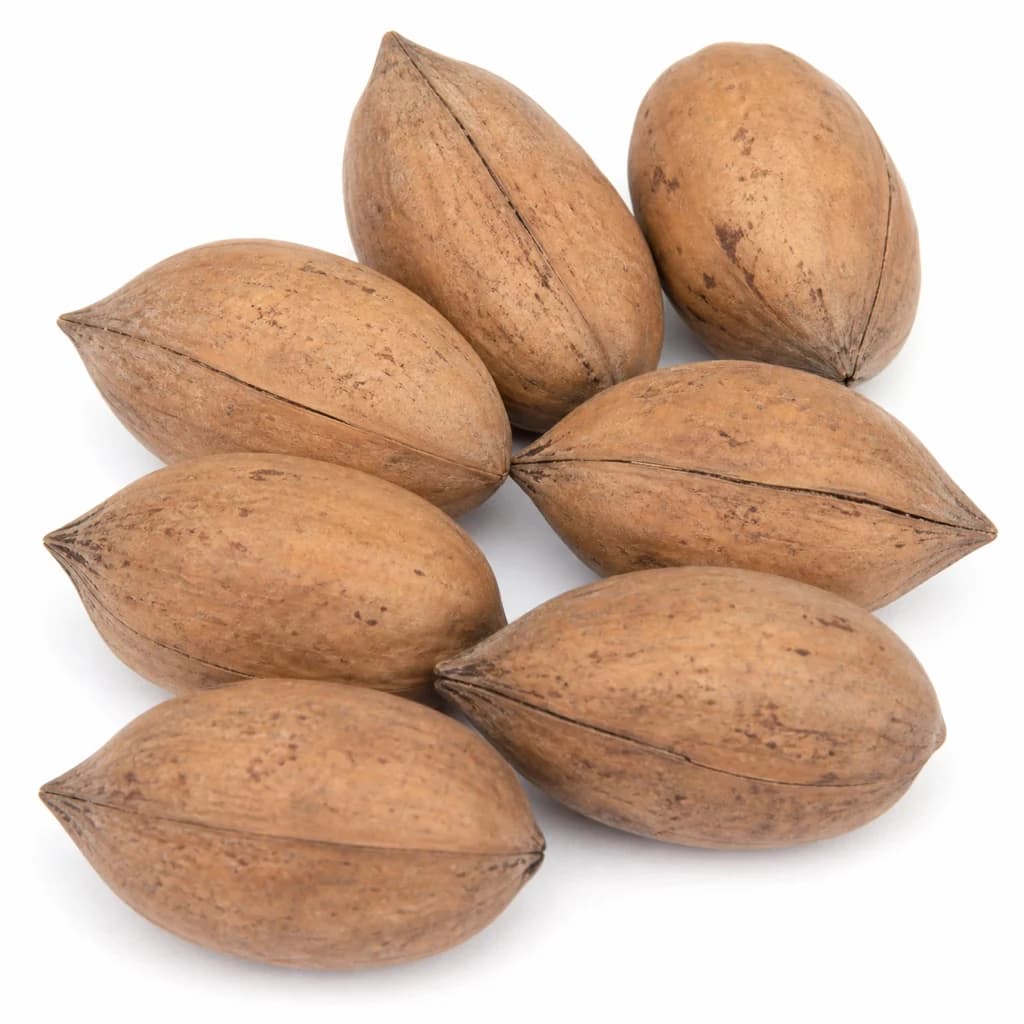
Pecan
Sweet, buttery nut for pies, candying, and salads

Pistachio
Vivid green nut for snacking, baking, and garnishing
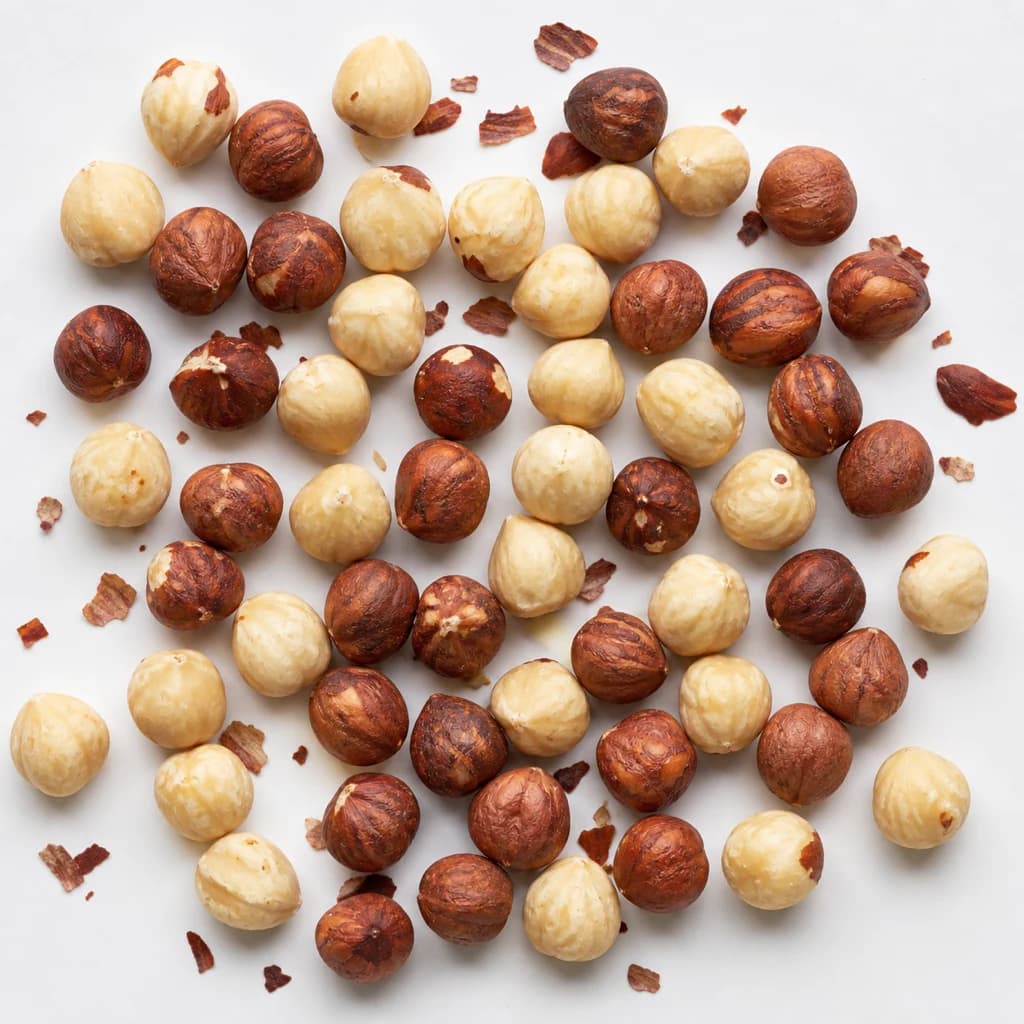
Hazelnut
Sweet, aromatic nut for chocolate pairings and baking
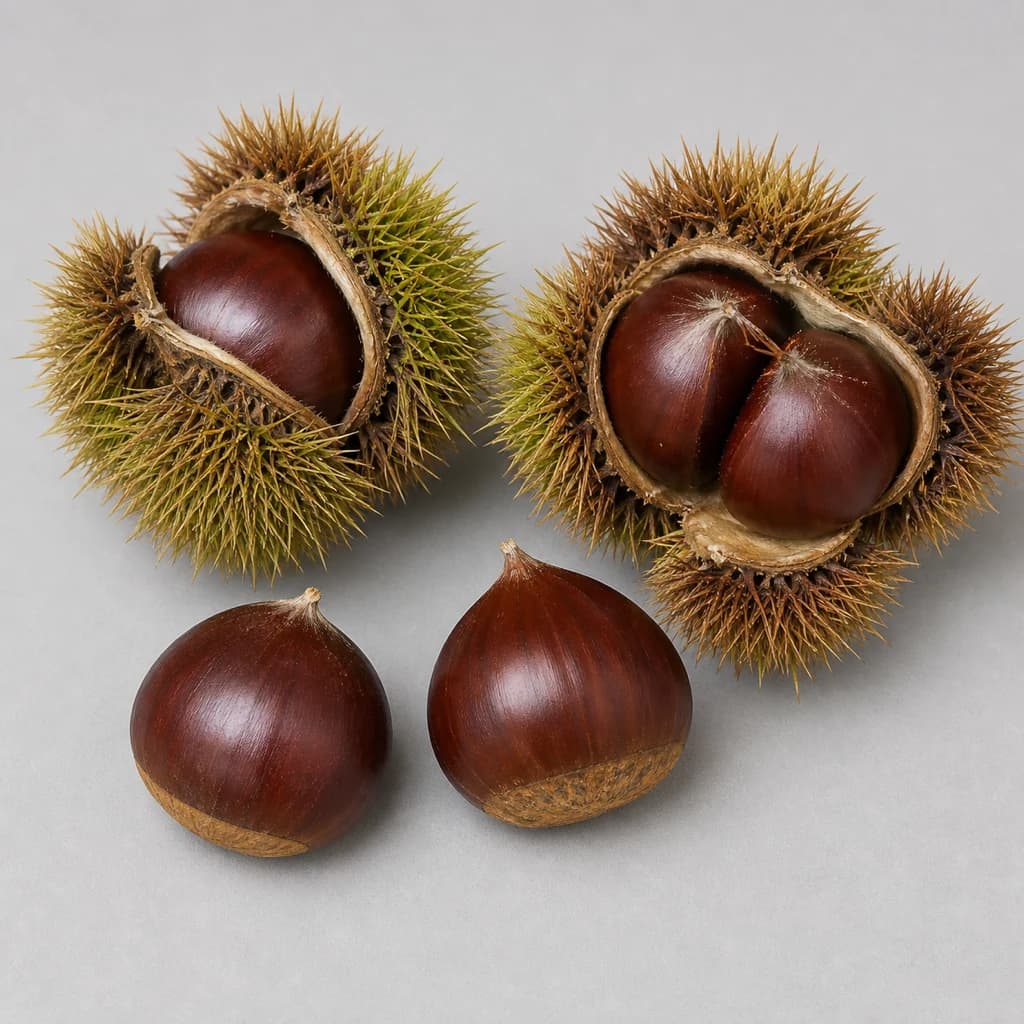
Chestnut
Starchy, sweet tree nut roasted, boiled, or pureed for stuffings and desserts.
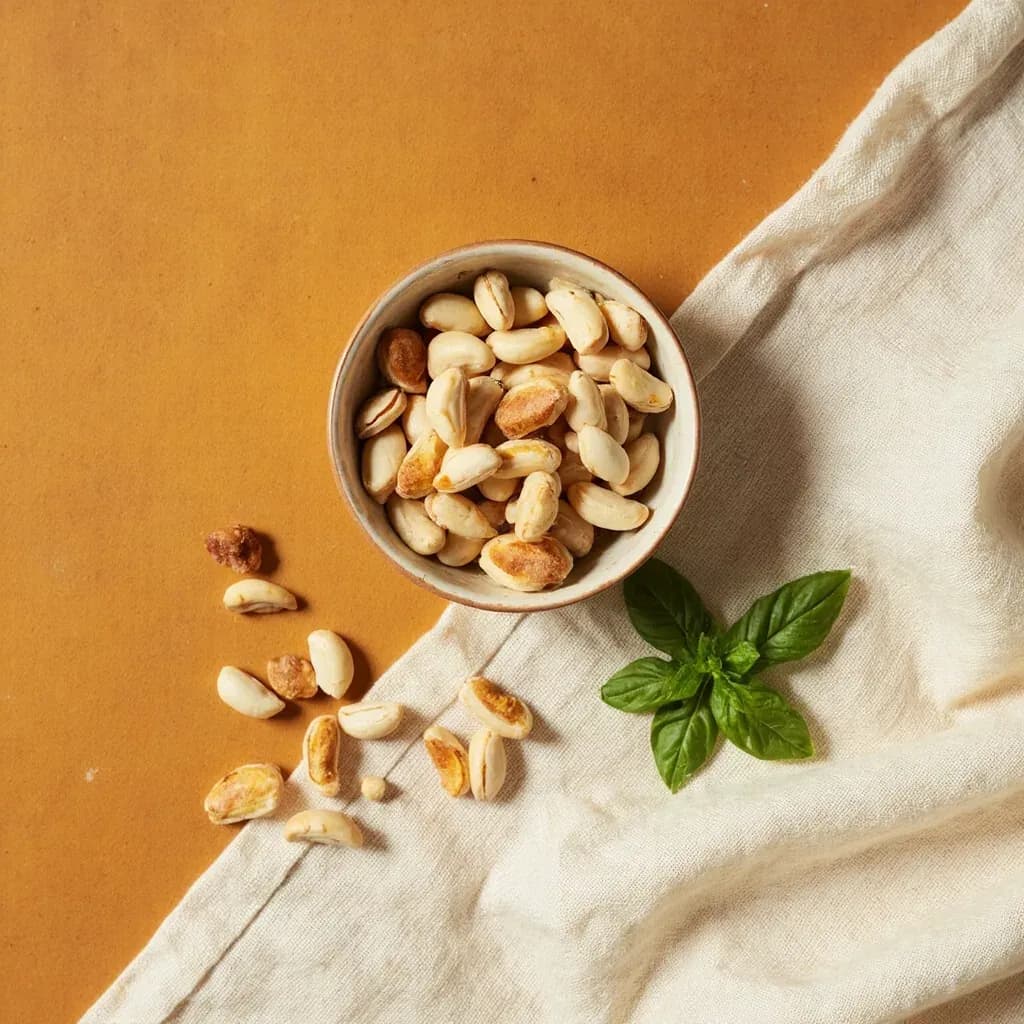
Pine Nut
Soft, buttery seed of the pine that toasts to a sweet resinous richness; the backbone of pesto, scattered over salads, pilafs, and roasted vegetables.
Macadamia Nut
Rich, buttery, very high-fat nut with a tender crunch; toasted for salads and desserts, ground into creamy sauces, or used raw to make smooth plant-based cheeses.