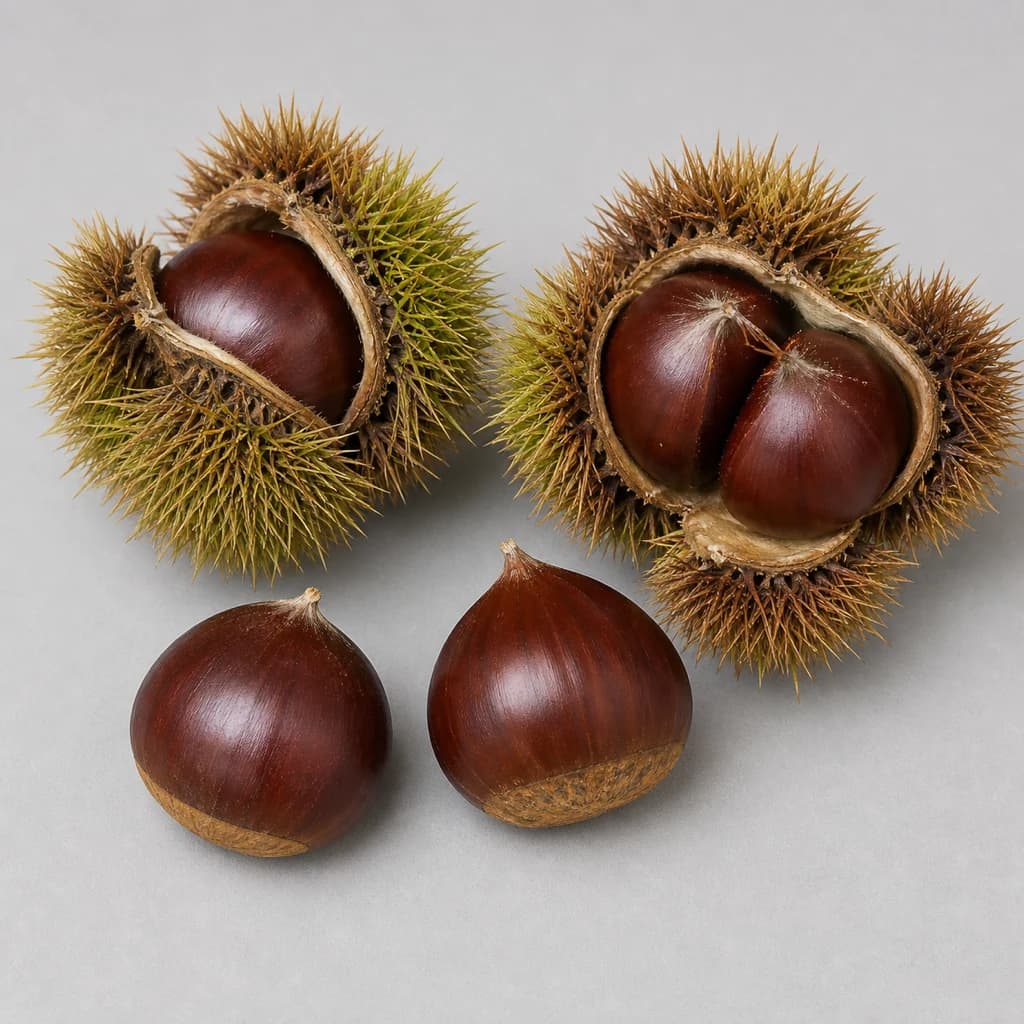
Natural form
Fresh chestnuts in their spiny burr casings, showing the glossy brown nuts inside.
Shows the chestnut's distinctive spiny husk and polished brown shell, making the nut unmistakable at point of harvest.
Nuts
Chestnut
Starchy, sweet tree nut roasted, boiled, or pureed for stuffings and desserts.
Chestnuts are glossy brown tree nuts with a soft, starchy, slightly sweet flesh quite unlike oily nuts. They are roasted in their shells, boiled and pureed for stuffings and soups, or candied into marrons glacés. Common in autumn and winter cooking across Europe and Asia, they are also milled into a gluten-free flour.
Chestnuts stand apart from the nut family in almost every meaningful way. Technically a false fruit rather than a true nut, they grow inside a spiny husk called a burr and belong to the oak family (Fagaceae). Unlike the fatty, protein-dense nuts most of us know—almonds, walnuts, pecans—chestnuts are starchy and moist, with a carbohydrate content rivaling that of potatoes and a water content around 50%. This makes them less a snack nut and more a seasonal starch, suitable for the same applications where you'd use squash, potatoes, or corn. Their sweetness, when cooked, is subtle and pleasant rather than assertive, which makes them remarkably versatile: they absorb bold flavors while contributing body and a pleasant graininess. The catch is that raw chestnuts contain bitter tannins that must be destroyed through cooking—under no circumstances should you eat them raw. Their peak season runs September through January, with the best flavor and easiest peeling when freshly harvested.
- Measured in
- g
- Storage
- Pantry
Allergens
Types & varieties
Italian variety prized for large size, exceptional sweetness, and easy-to-remove inner skin. Protected designations in specific regions (Marrone del Mugello, Marrone di Chiusa di Ferrara)
French hybrid with large nuts, blight resistance, sweet flavor, excellent for roasting and pureeing into smooth preparations
Japanese-European hybrid producing very large nuts; early harvest; reliable producer in Pacific Northwest climates
German variety with excellent keeping quality and flavor; widely grown in Switzerland and southern Germany
Nearly extinct due to chestnut blight in the early 20th century; ongoing revival efforts; smaller nuts with exceptional sweetness when available
Blight-resistant; widely grown commercially; slightly sweeter than European varieties; easier to peel when raw
Produces the largest nuts of all species; mild, delicate flavor; common in Japanese cuisine
The Chestnut Flour Tradition
Chestnut flour (farina di castagne) has been a dietary staple in Corsica, parts of Italy, and the Balkans for centuries. Made from dried and ground chestnuts (usually the less sweet "Brown" or "Common" varieties rather than the prized Marroni), it is naturally gluten-free and was historically used as a wheat substitute when grain was scarce. The flour behaves quite differently from wheat flour: it contains high amounts of starch and natural sugars that brown quickly and can turn bitter if overheated. In Corsica and the Garfagnana region of Tuscany, it is still used to make castagnaccio, a dense, rustic flatbread traditionally dressed with olive oil, rosemary, and sometimes walnuts. Chestnut flour must be stored in a cool, dry place or refrigerated; the natural sugars make it prone to mold and insect damage faster than wheat flour.
- Store chestnut flour in the freezer if you won't use it within a month
- When baking with chestnut flour, expect dense, moist results—not the open crumb of wheat bread
- Castagnaccio and similar breads are made with minimal liquid; the batter should be thick, not pourable
The American Chestnut Tragedy
Before 1900, the American chestnut (Castanea dentata) was one of the most important trees in Eastern U.S. forests, comprising up to 25% of hardwoods from Maine to Georgia. The species was functionally wiped out within 50 years by the chestnut blight fungus (Cryphonectria parasitica), which arrived on imported Japanese chestnuts. The loss reshaped entire ecosystems and rural economies—chestnut lumber, fence posts, and mast (the nuts) were invaluable. Unlike European and Asian species, American chestnuts had no natural resistance. Modern efforts combine hybridization with Chinese chestnuts (which carry blight resistance) and genetic modification to reintroduce the species. American chestnuts, when found, tend to be smaller but intensely sweet.
- If you encounter foraged American chestnuts, they are worth seeking out for their flavor
- Commercially available "American" chestnuts are usually hybrids with significant Chinese chestnut ancestry
Common uses
Tips & pitfalls
- Always score the flat side of the shell in a cross or arc pattern before cooking—failure to do so causes the nut to explode from trapped steam pressure
- Use a paring knife or specialized chestnut scorer; a pocket knife works but is slower and less precise
- After roasting, wrap hot chestnuts in a clean kitchen towel for 5–10 minutes—the steam helps loosen the inner papery skin for easier peeling
- The inner skin (pellicle) adheres more stubbornly than the outer shell; a vegetable peeler works better than a paring knife for removing it
- Test for doneness by squeezing a nut—if it gives slightly and the shell pulls away easily, it's ready
- Undercooked chestnuts are far more difficult to peel than slightly overcooked ones; err on the side of more cooking time
- Boiling produces a softer, moister nut better for pureeing; roasting concentrates sweetness and produces a firmer texture better for snacking
- Vacuum-packed or canned chestnuts are already peeled and cooked—rinse under cold water before using to remove any tinny taste
- When buying fresh, choose nuts that feel heavy for their size (indicating good moisture content); avoid any with visible mold or that rattle when shaken (dried out)
- To freeze chestnuts properly: cook, peel, then spread on a sheet pan in a single layer until frozen solid before transferring to bags—this prevents clumping and allows you to measure out portions
Nutrition
Energy
644 kJ · per 100 g
Where the calories come from
Protein
2.3g
5% DV
Carbs
34.9g
13% DV
Fat
0.5g
1% DV
Sodium
14mg
1% DV
Source · USDA FoodData Central · approx. Nuts, chestnuts, japanese, raw
View on FDC →In the shops
Matched grocery products
No matched grocery products for Chestnut yet.
Good to know
- Botanical family
- Fagaceae (oak family); technically a false fruit, not a true nut
- Primary varieties
- European (Castanea sativa), Japanese (C. crenata), Chinese (C. mollissima), American (C. dentata)
- Season
- September through January (peak October–November)
- Flavor
- Sweet, starchy; mild nutty taste when cooked; not fatty like other nuts
- Moisture content
- Approximately 50% water (much higher than other nuts)
- Prep requirement
- Must be cooked; raw chestnuts contain bitter tannins
- Yield (fresh to usable)
- Approximately 50–60% after shelling and skinning
- Shelf life (fresh, refrigerated)
- 2–3 weeks in perforated bag in crisper drawer
Substitutes
- Acorn or butternut squash — Best for pureed applications like soups and stuffings; similarly starchy and neutral-flavored
- Potatoes — Work in savory stuffings and purees; less sweetness but comparable texture
- Dried figs — For sweet stuffings and desserts; add similar sweetness and chewy texture
- Hazelnuts or pecans — Only for textural element in sweet applications; fundamentally different (fatty vs. starchy)
Pairs with
Also called
Şabalıd · Sweet Chestnut · Marron
Appears in these dishes
Related

Almond
Crunchy, sweet nut for snacking, baking, and toppings
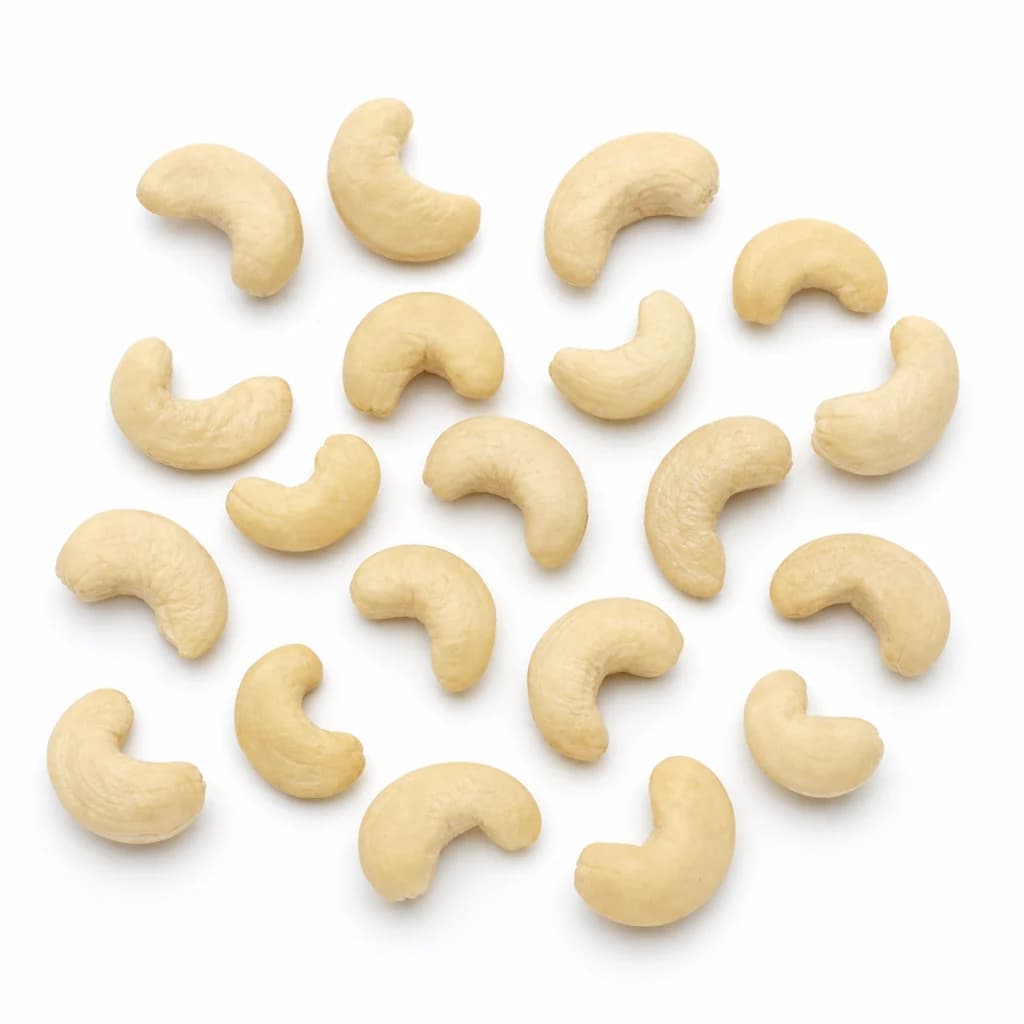
Cashew
Buttery, creamy nut for snacking, stir-fries, and sauces
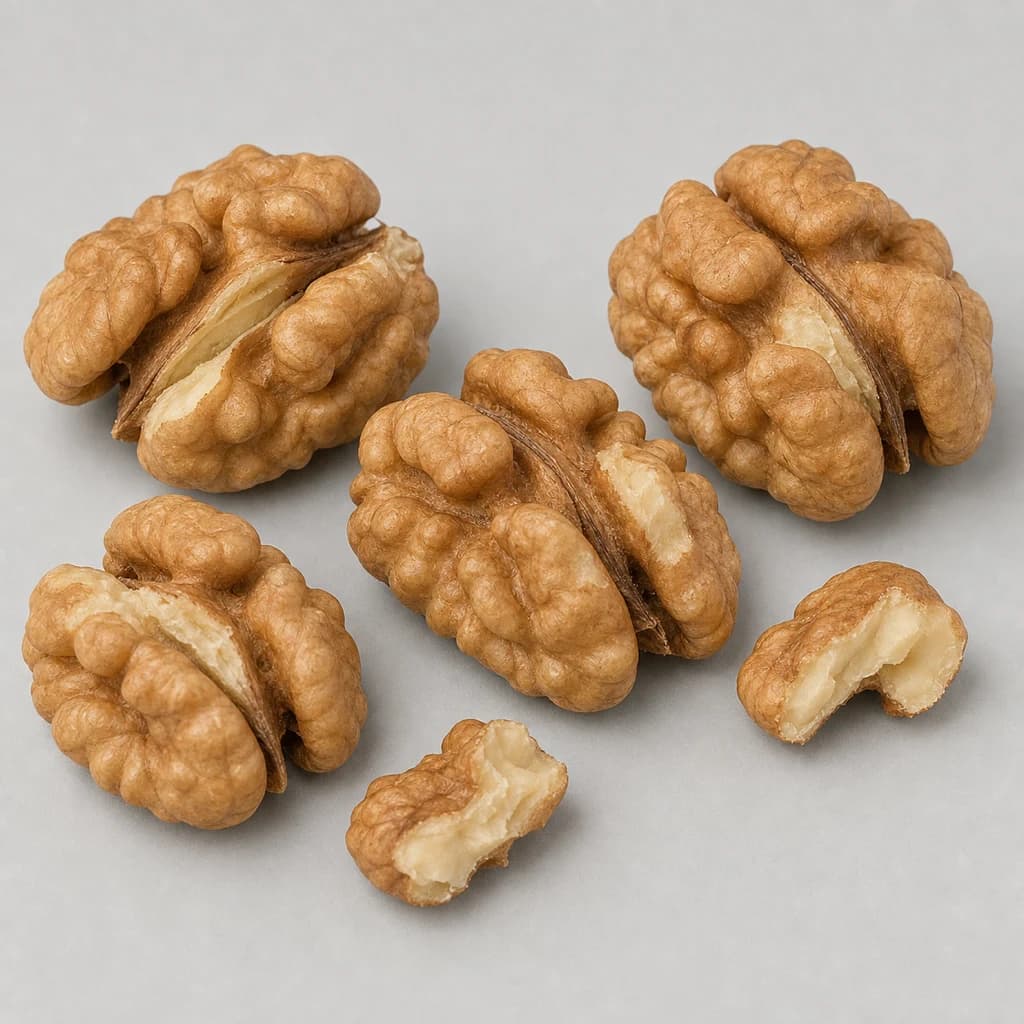
Walnut
Rich, slightly bitter nut for baking, salads, and cheese boards
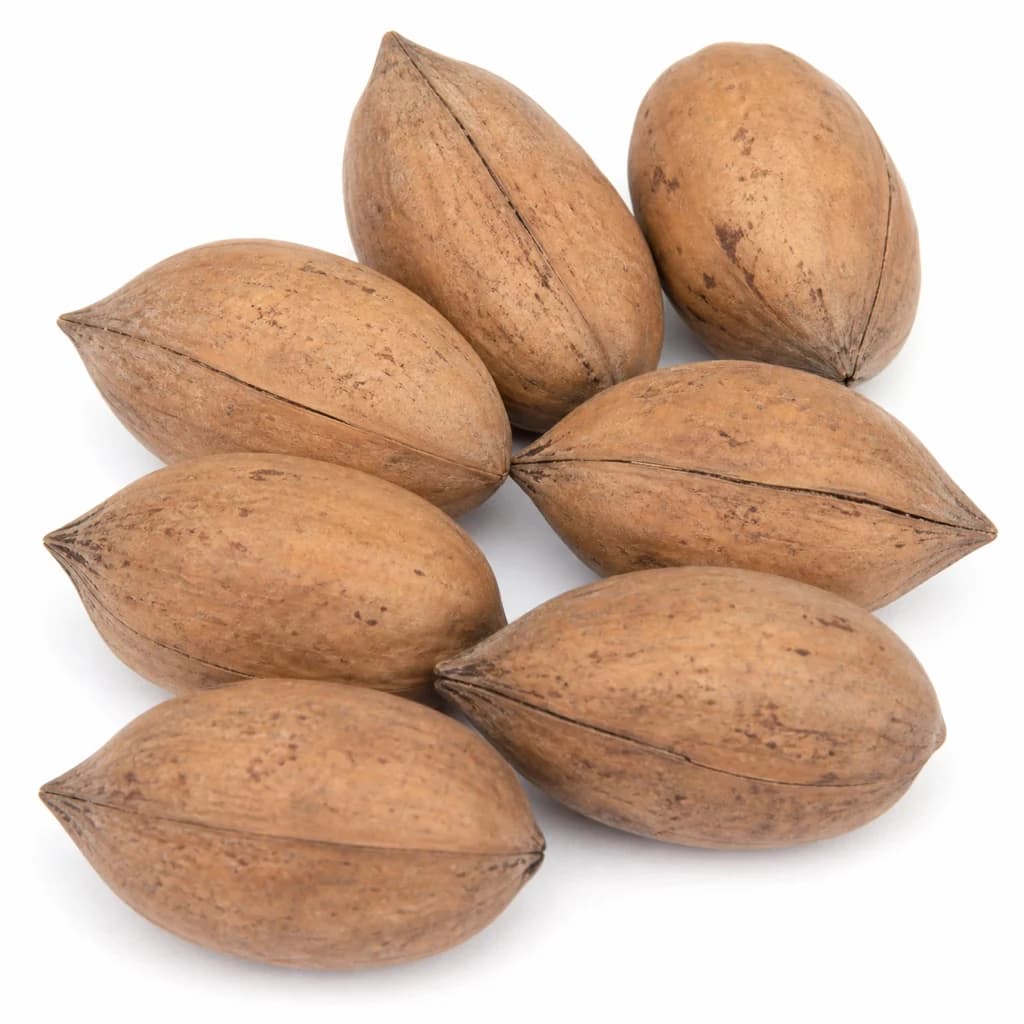
Pecan
Sweet, buttery nut for pies, candying, and salads

Pistachio
Vivid green nut for snacking, baking, and garnishing
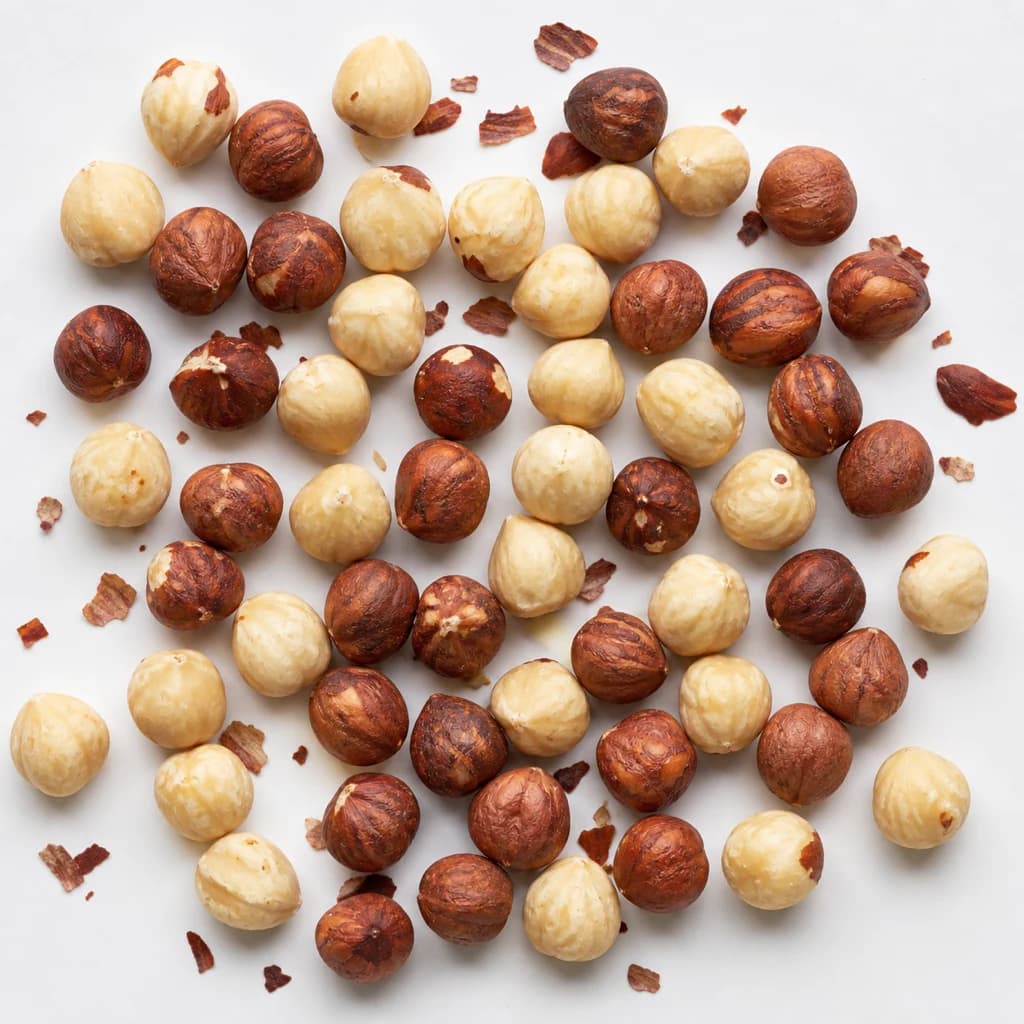
Hazelnut
Sweet, aromatic nut for chocolate pairings and baking
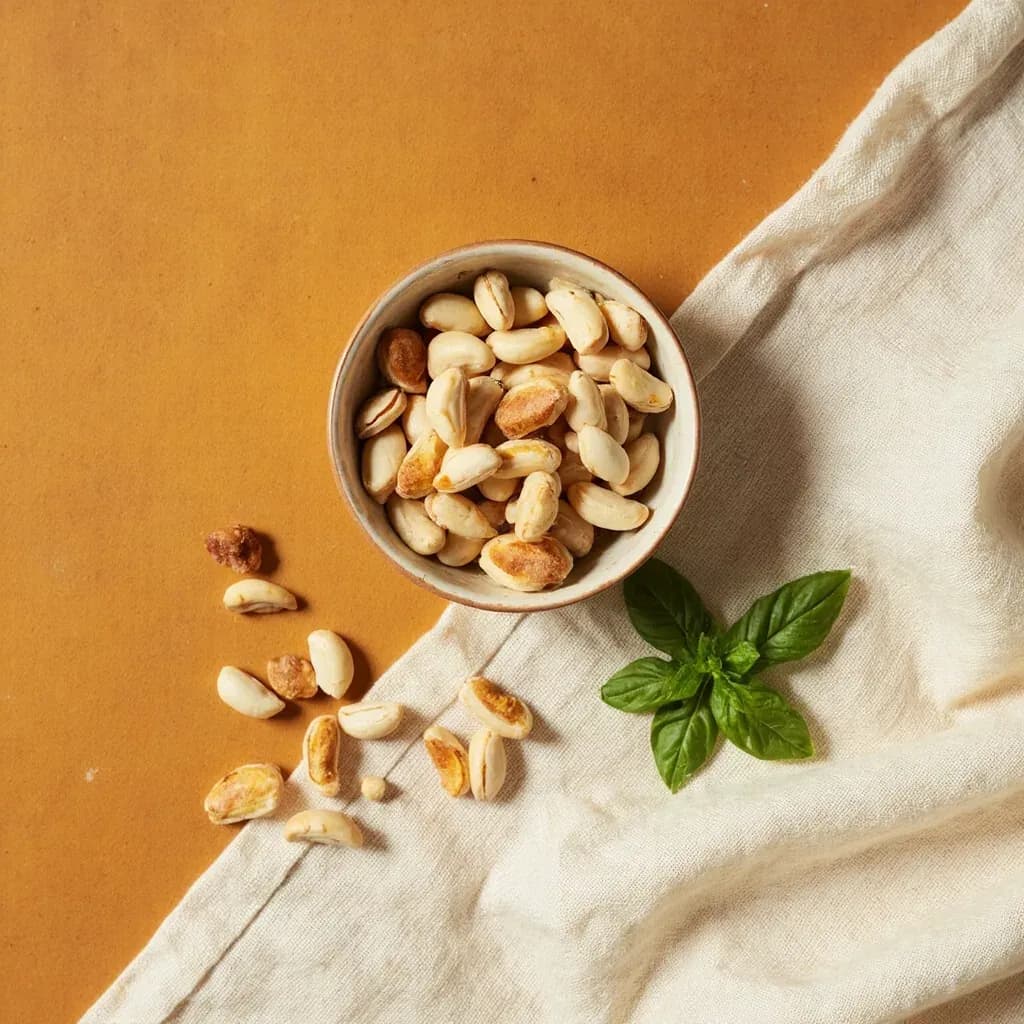
Pine Nut
Soft, buttery seed of the pine that toasts to a sweet resinous richness; the backbone of pesto, scattered over salads, pilafs, and roasted vegetables.
Macadamia Nut
Rich, buttery, very high-fat nut with a tender crunch; toasted for salads and desserts, ground into creamy sauces, or used raw to make smooth plant-based cheeses.