Nuts
Pine Nut
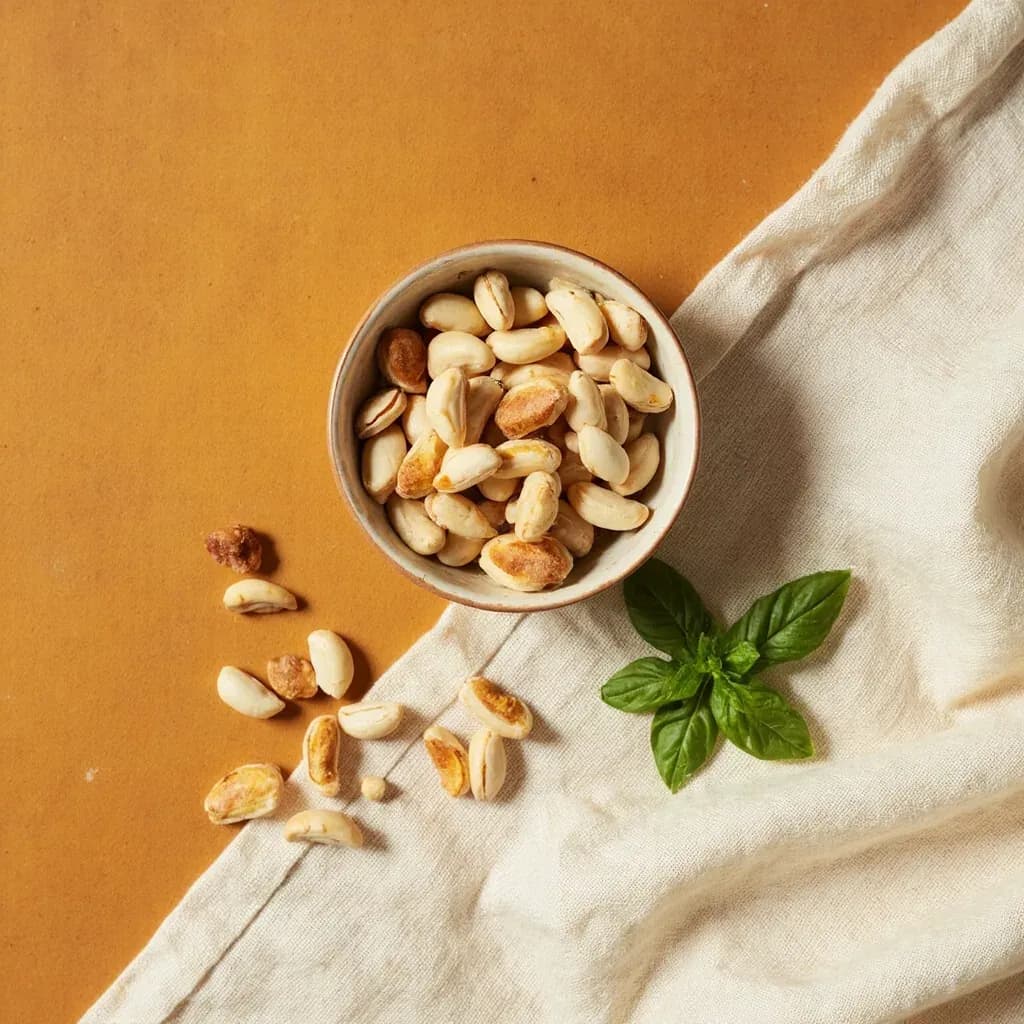
Soft, buttery seed of the pine that toasts to a sweet resinous richness; the backbone of pesto, scattered over salads, pilafs, and roasted vegetables.
Pine nuts are the edible seeds of several pine species, harvested laboriously from cones that take two to three years to mature — which is why a small jar costs more than almost any other common nut. Despite the name, they are not true nuts, and their flavor reflects that: softer, more delicate, and faintly resinous rather than the dense, toasted character of almonds or walnuts. That subtle piney sweetness is what makes them irreplaceable in sauces, pastries, and pilafs from Genoa to Tehran.
In the pan, pine nuts behave like a delicate butter. They are roughly half fat by weight — rich in pinolenic acid — and that oil gives them their creamy mouthfeel but also makes them the fastest-turning nut in the pantry. They go from pale and sweet to bitter and burnt in a matter of seconds, and the same oils turn rancid within weeks at room temperature. Toast them dry, over gentle heat, and only just before you need them.
One more thing worth knowing: the resinous note that makes pine nuts special is also what occasionally trips up eaters. So-called 'pine nut syndrome' is a transient metallic or bitter taste distortion that can linger for a few days after eating certain lots, most often from Chinese Pinus koraiensis. It is harmless, but if you've ever woken up after a pesto-heavy dinner with a strange metallic aftertaste, this is why.
- Measured in
- g
- Storage
- Refrigerate
Allergens
Find it in
Suits
Types & varieties
Elongated, slender, pale, mild and creamy; the classic pesto and pignoli-cookie pine nut; mostly from Spain, Italy, Portugal, Turkey.
Plump, teardrop-shaped, slightly more resinous; the world's main commercial source and the variety most often linked to pine nut syndrome.
Small, very oily, intensely buttery; prized in Russia and increasingly exported as a premium variety.
Tiny and very rich; harvested in eastern Siberia, sometimes still in the thin shell.
Small, very flavorful, slightly resinous; wild-harvested in the American Southwest and northern Mexico; central to Indigenous and Southwestern cooking.
Similar to Colorado piñon, small and aromatic; toasted and ground in traditional Mexican cooking.
Toasting: the single biggest upgrade
Pine nuts are one of the few ingredients where toasting is not optional — it is the difference between a flat, waxy nut and a sweet, fragrant, almost-butterscotchy one. The window is narrow: a hot enough pan will color them in under a minute, and another 30 seconds can take them to acrid. Work over low–medium heat, dry (no oil), and either stir almost constantly with a wooden spoon or swirl the pan every few seconds. The moment you smell that buttery aroma and see the palest gold, tip them out of the hot pan onto a plate — residual heat in a heavy skillet will keep cooking them for another half minute.
- Use a dry skillet over low–medium heat — never high.
- Stir or toss constantly; the color change is fast.
- Pull them the moment they smell toasty and look pale gold.
- Toast only what you need for the dish; raw nuts keep longer and are better for smooth sauces.
Buying and storing
Pine nuts oxidize faster than any nut you'll keep in your pantry. The oil content that makes them creamy also makes them go rancid quickly, and once they do there is no rescuing them — they'll smell faintly of paint, crayons, or stale cooking oil. Buy in small quantities from a shop with decent turnover, and bring only what you'll use in a week or two out of the freezer at a time.
- Buy in small amounts; frequent small purchases beat bulk.
- Store sealed airtight in the freezer for 9–12 months; refrigerator for 4–6 months.
- Smell before using — any paint-like or stale-oil aroma means rancid; discard.
- Bring only the portion you'll use to room temperature before toasting; frozen nuts toast unevenly.
Pine nut syndrome
If you've ever eaten a generous bowl of pesto and woken up hours later with a persistent metallic, bitter taste that no amount of coffee or orange juice will shift, you've met pine nut syndrome. It is a real but harmless phenomenon — a temporary disruption of taste perception that typically resolves within 24 to 72 hours. It is most often associated with certain lots of Pinus koraiensis from China, though not exclusively. Mediterranean (P. pinea) and Siberian (P. sibirica) pine nuts are rarely implicated, so if it has happened to you, switching variety usually solves the problem.
- Harmless and self-resolving within 1–3 days.
- Most often linked to Chinese P. koraiensis, occasionally other sources.
- Switch to Mediterranean (P. pinea) or Siberian (P. sibirica) if you've been affected.
- Not an allergy — the nuts themselves are perfectly safe to eat.
Common uses
Tips & pitfalls
- Toast only what you need; reserve raw nuts for sauces where a softer, creamier texture is wanted.
- When making pesto, pulse rather than stream-blend to avoid generating heat that dulls color and flavor.
- Balance the dose: pine nuts are rich and resinous; a tablespoon per serving is usually plenty in pasta or salads.
- If toasting in the oven, keep it under 160 °C / 325 °F and check every 2 minutes — they scorch fast.
- For pesto and other raw sauces, soak the nuts in cool water for 20–30 minutes first for an extra-creamy blend.
- Add toasted pine nuts at the very end of cooking long dishes — they lose their fragrance after more than a few minutes on heat.
Nutrition
Energy
1619 kJ · per 100 g
Where the calories come from
Protein
6.2g
12% DV
Carbs
40.8g
15% DV
Fat
23.9g
31% DV
Sodium
0mg
0% DV
Source · USDA FoodData Central · approx. Nuts, acorns, raw
View on FDC →In the shops
Matched grocery products
No matched grocery products for Pine Nut yet.
Good to know
- Also known as
- Pignoli (Italian), piñón (Spanish), pinhão (Portuguese), chilgoza (Hindi/Urdu), cedar/cedro nut (some regions)
- Botanical origin
- Edible seeds of several Pinus species — technically seeds, not true nuts
- Major commercial species
- Pinus pinea (Mediterranean), P. koraiensis (Korean/Chinese), P. sibirica (Siberian), P. pumila (Siberian dwarf), P. edulis and P. monophylla (American piñon), P. cembroides (Mexican piñon)
- Flavor profile
- Buttery, mildly sweet, faintly resinous; softer and more delicate than most nuts
- Fat content
- Approximately 45–60% fat, rich in pinolenic acid
- Shelf life
- 1–2 months at cool room temperature; 4–6 months refrigerated; 9–12 months frozen
- Toasting
- Dry skillet, low–medium heat, 2–4 minutes — they burn in under 30 seconds once they start to color
- Pine nut syndrome
- Transient metallic/bitter taste distortion lasting 24–72 hours; most often linked to certain lots of Chinese P. koraiensis
Substitutes
- Cashews — Closest 1:1 swap in pesto for most palates; similar buttery softness, slightly sweeter, less resinous.
- Walnuts — Traditional Ligurian alternative in pesto; earthier and more tannic, but very compatible with basil and garlic.
- Pumpkin seeds (pepitas) — Budget-friendly and mild; toast well to deepen flavor before using.
- Sunflower seeds — Allergen-friendly alternative; softer and less rich, so use a touch less oil.
- Blanched almonds — Lighter and less oily; acceptable in cookies and pilafs but changes pesto character noticeably.
- Pistachios — Works in desserts and some savory sauces; gives a greener, more assertive flavor.
- Hazelnuts — Toast and skin them first; stronger flavor, so use about two-thirds the quantity.
Pairs with
Also called
pignoli · pinon · pine kernel
Appears in these dishes
Related

Almond
Crunchy, sweet nut for snacking, baking, and toppings
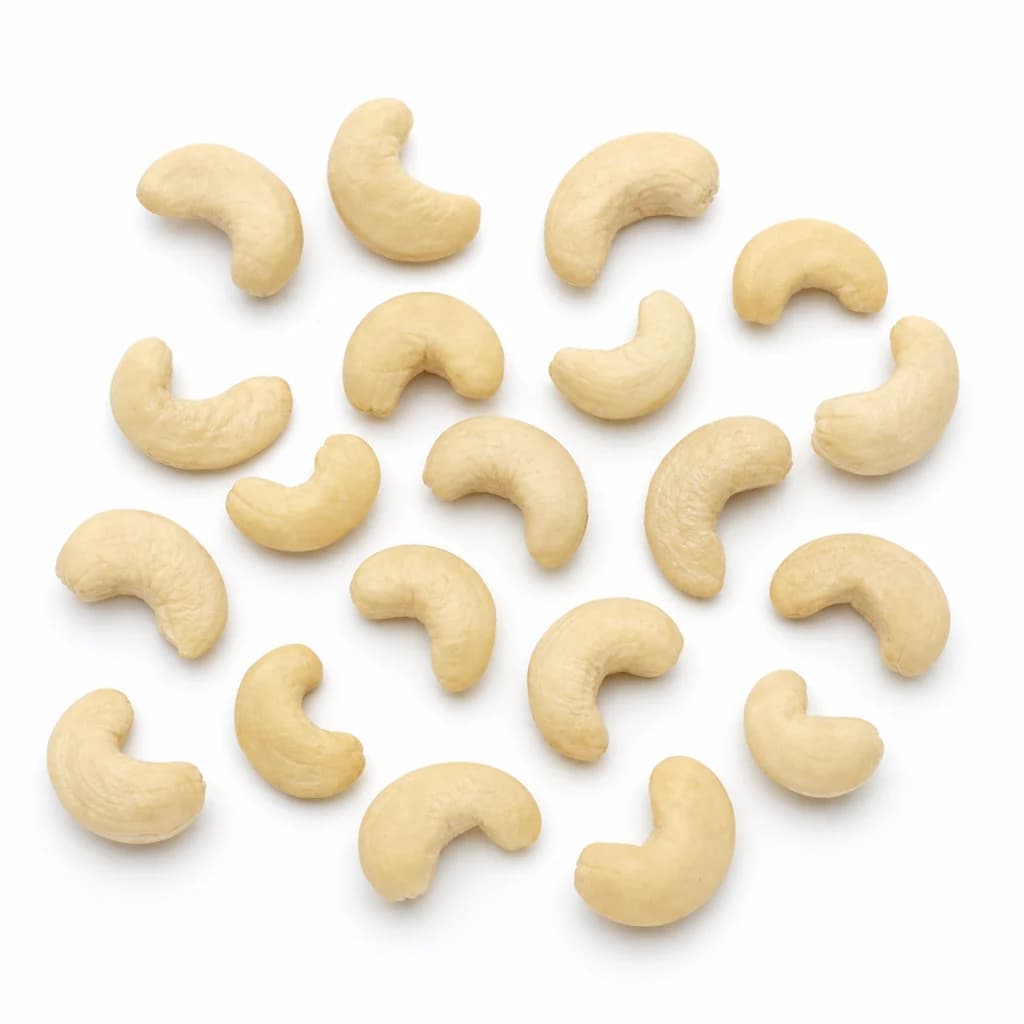
Cashew
Buttery, creamy nut for snacking, stir-fries, and sauces
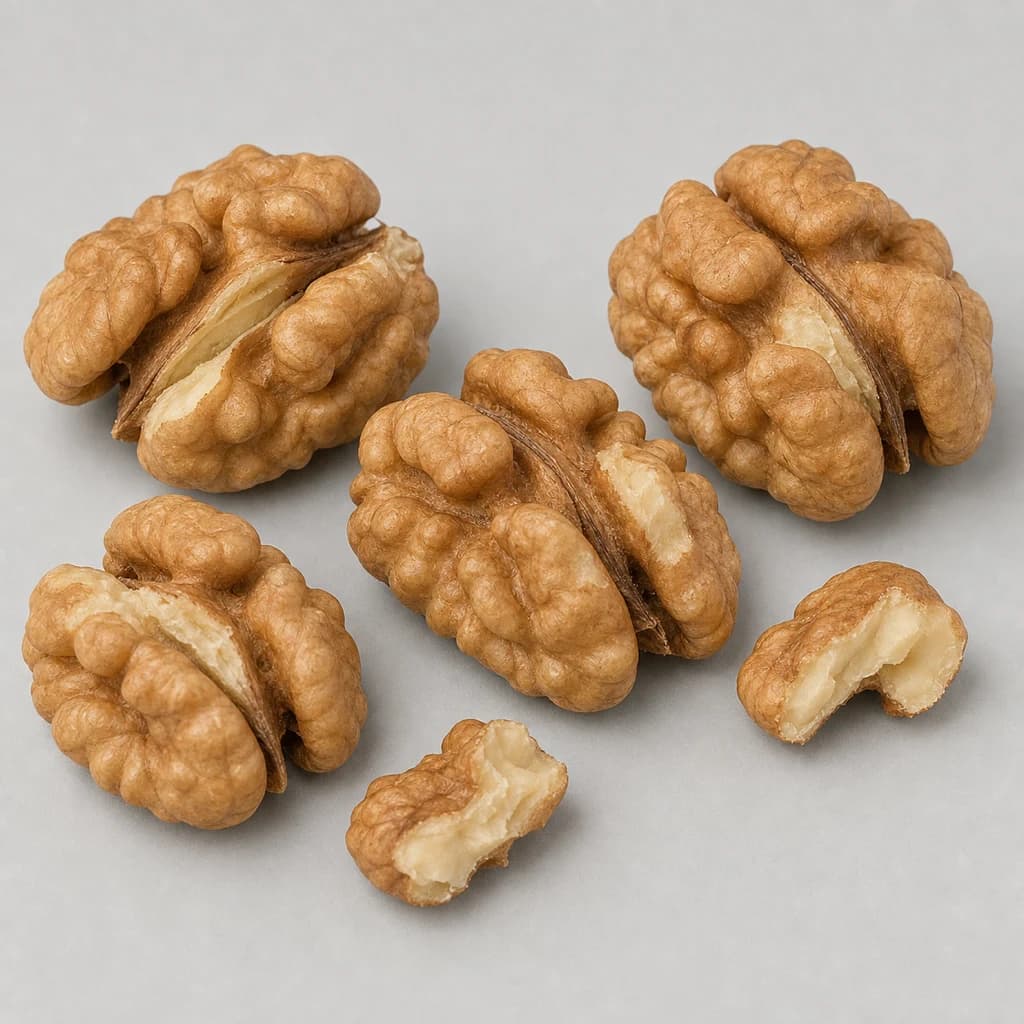
Walnut
Rich, slightly bitter nut for baking, salads, and cheese boards
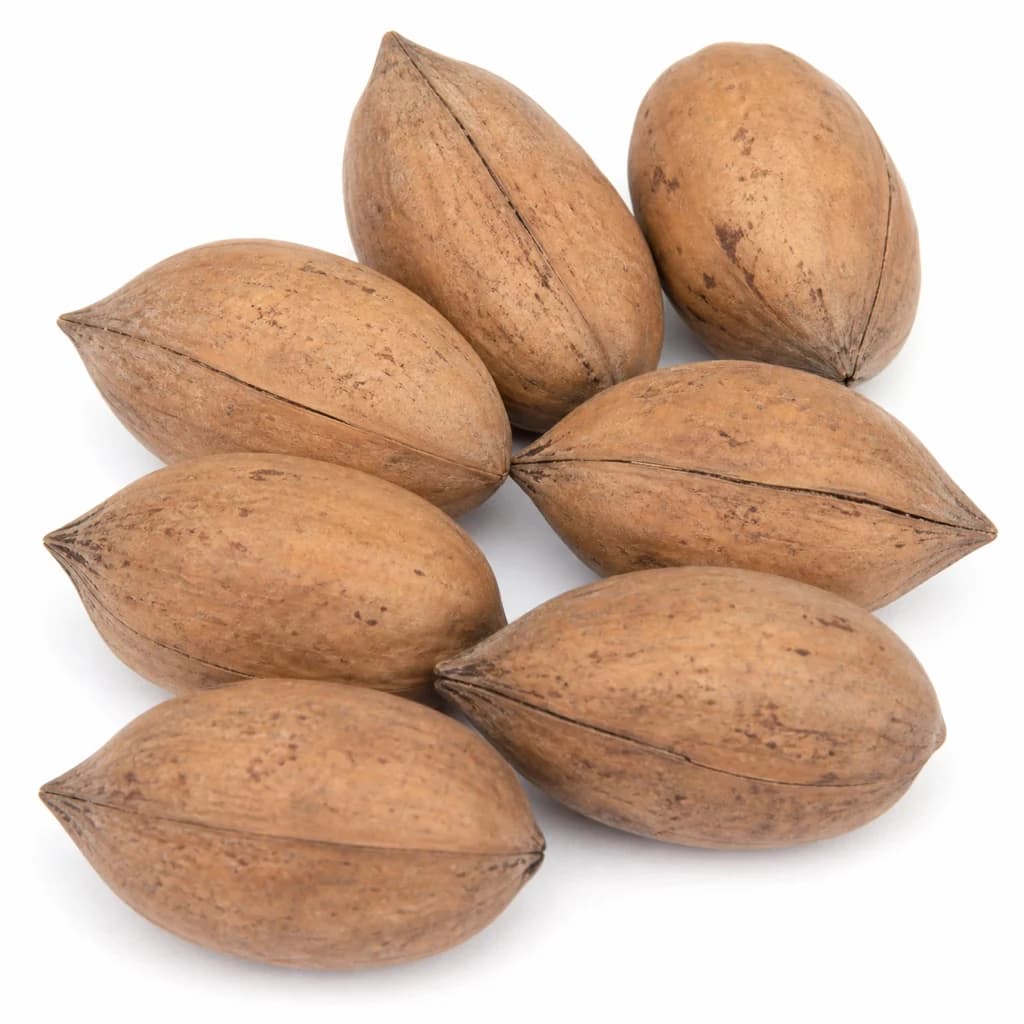
Pecan
Sweet, buttery nut for pies, candying, and salads

Pistachio
Vivid green nut for snacking, baking, and garnishing
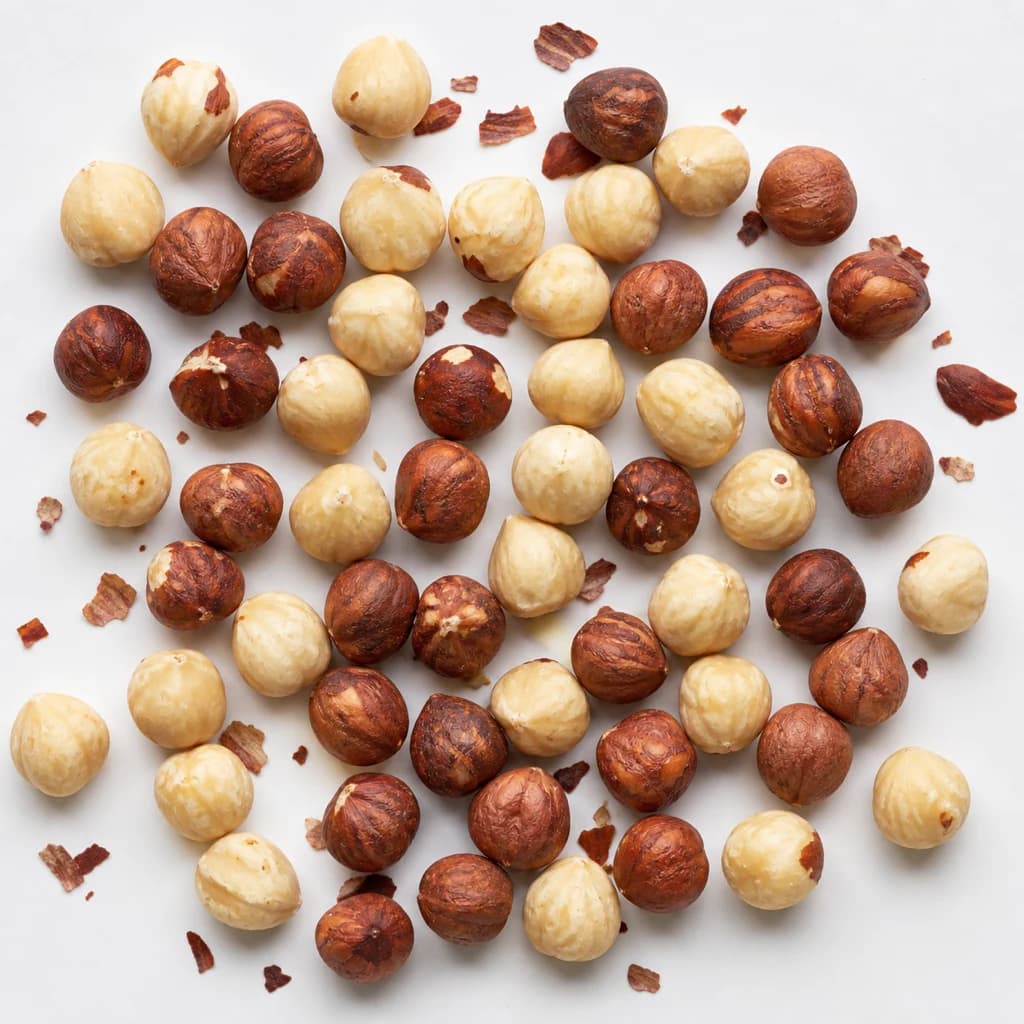
Hazelnut
Sweet, aromatic nut for chocolate pairings and baking
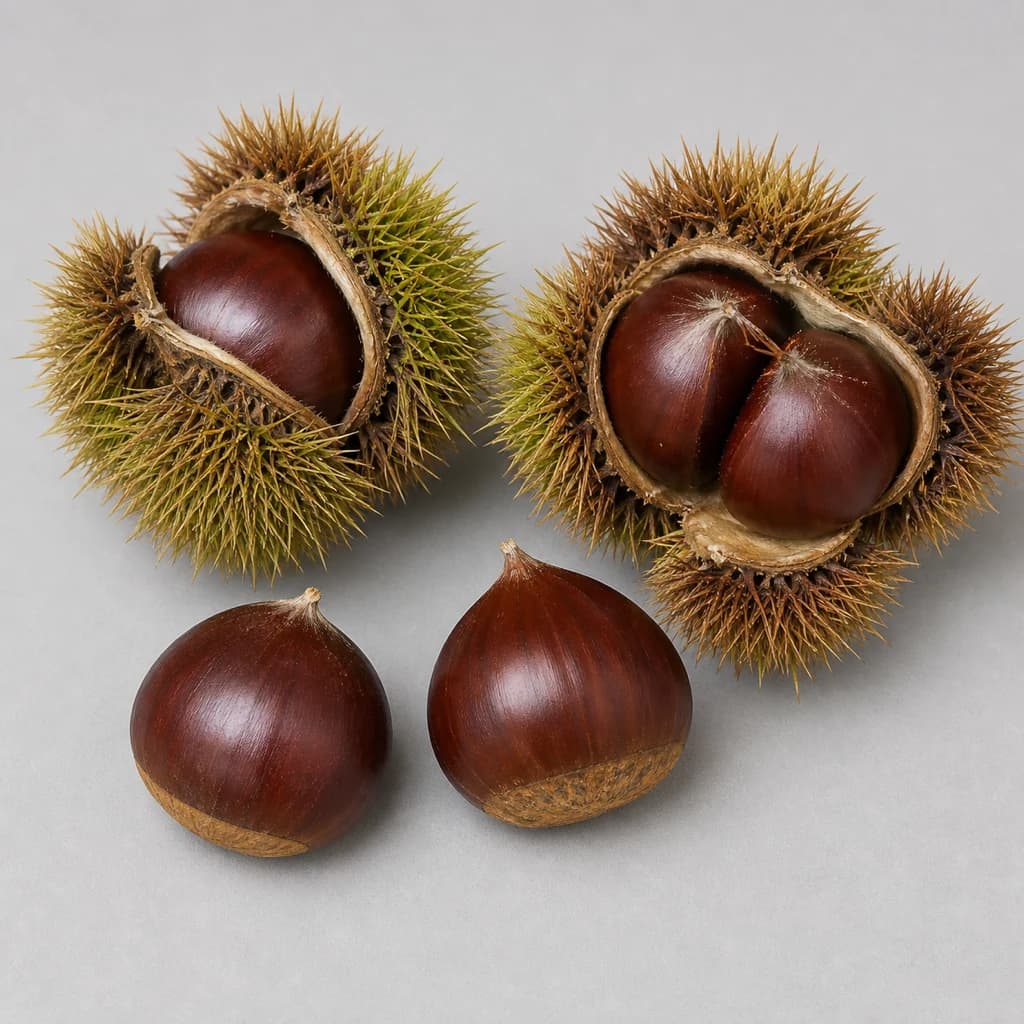
Chestnut
Starchy, sweet tree nut roasted, boiled, or pureed for stuffings and desserts.
Macadamia Nut
Rich, buttery, very high-fat nut with a tender crunch; toasted for salads and desserts, ground into creamy sauces, or used raw to make smooth plant-based cheeses.