
Natural form
A wedge of Parmigiano Reggiano broken from a whole wheel, showing its rough, golden rind and dense grainy interior.
Shows the signature wedge shape, straw-yellow interior with visible protein crystals, and the thick natural rind that define this cheese at point of sale.
Dairy & Eggs
Parmigiano Reggiano
Hard, aged Italian cow's-milk cheese with a savory, nutty, crystalline bite; grated over pasta and risotto.
Parmigiano Reggiano is a hard, granular cheese aged at least a year in northern Italy, with a deep savory, nutty flavor and crunchy protein crystals. It is grated or shaved over pasta, risotto, and soups, and its rind is simmered into broths. Protected by origin rules, it is one of the world's most prized cooking cheeses.
Parmigiano Reggiano is a hard, granular cow's-milk cheese produced under strict DOP (Denominazione di Origine Protetta) regulations in the provinces of Parma, Reggio Emilia, Bologna, and Mantua. It is made from unpasteurized milk collected twice daily from local herds, with the evening milking providing higher fat content and the morning milking adding volume. The milk is combined with natural calf rennet in traditional copper vats, where a slow, cool fermentation develops the cheese's character over a minimum of twelve months. This extended aging is transformative: proteins break down progressively, developing the tyrosine crystals that give aged wheels their signature granular crunch and creating the complex interplay of savory, nutty, and faintly sweet flavors that distinguish authentic Parmigiano from any imitation.
The consortium performs rigorous quality grading at the twelve-month mark. Wheels that fail inspection are permanently marked with indelible dye and excluded from the Parmigiano Reggiano name. Every wheel bearing the DOP stamp has passed a sensory and structural evaluation conducted by trained graders. The rind bears the plant name, plant number, and production date, burned into the wheel at the dairy; if this marking is absent, the cheese is not authentic. The cheese contains 28–32% fat and only 1.6–1.8% salt, yet delivers extraordinary depth of flavor because the aging process concentrates and transforms the milk's proteins and fats into hundreds of aromatic compounds. Approximately ten liters of milk produce just one kilogram of finished cheese, explaining the premium price and the cheese's status as a pantry staple worth keeping on hand.
- Measured in
- g
- Storage
- Fridge
Allergens
Types & varieties
Younger, milder, more moisture; melts readily; best for cooking applications where you want integration rather than character
The standard grade; balanced sweetness and sharpness; the most versatile for all-purpose kitchen use
Drier, more granular, pronounced crystalline texture; intense, complex flavor; ideal for serving shaved as a table cheese
40+ months aged; extremely pungent with concentrated crystals; rare and expensive; use sparingly as a finishing cheese
Mountain production; stricter feed requirements for cattle (primarily hay and grass); often shows superior complexity and terroir character
Organic-certified version; same production standards and aging requirements; same quality expectations
An Italian cow's-milk cheese; young Asiago melts smoothly into bakes, while aged wheels grate sharp and nutty like Parmesan over pasta and soups.
Why the Rind Matters
The rind of Parmigiano Reggiano is a kitchen asset, not waste. It is stamped with the official markings and is perfectly edible, though its texture is tough and leathery. More practically, the rind releases its savory, umami-rich compounds into long-cooking liquids. Drop a rind into minestrone, bean soups, or meat stocks and simmer for the final hour of cooking. The result is a subtle depth that cannot be replicated by adding grated cheese at the end. Remove the rind before serving, or warn guests if leaving it in. If you accumulate rinds, freeze them in a labeled bag and add one to any braise or stew.
- Store rinds in a freezer bag until needed; they keep indefinitely frozen
- A single rind added to a pot of white bean soup transforms the broth
- Never serve the rind as a snack; it belongs in the pot or the compost
The Parmesan vs. Parmigiano Distinction
The term 'Parmesan' is not protected and is often applied to mass-produced, industrially aged cheeses made outside Italy's designated region. These products may legally use the same production style but lack the terroir, herd diet restrictions, and aging oversight that define authentic Parmigiano Reggiano. Pre-grated products labeled 'Parmesan' almost always contain cellulose or other anti-caking agents to prevent clumping, and they taste flat, one-dimensional, and faintly of cardboard compared to freshly grated authentic cheese. If the wheel lacks the burned DOP markings on the rind, it is not Parmigiano Reggiano. The price difference reflects real production costs: authentic wheels weigh 24–40 kg and require a year or more of aging with significant weight loss due to moisture evaporation. A cheaply priced 'Parmesan' is cheap for a reason.
- Always look for DOP markings on the rind: plant name, plant number, month and year of production
- Pre-grated cheese in a bag is not comparable to freshly grated Parmigiano Reggiano
- The flavor gap is not subtle—once you taste the real thing, the imitation is unmistakable
Common uses
Tips & pitfalls
- Buy whole chunks rather than pre-grated; grate fresh as needed for superior flavor and texture that cannot be replicated by any packaged product
- Wrap cut surfaces tightly in plastic wrap pressed directly against the cheese to prevent drying; change the wrap weekly and check for mold
- The rind is edible but better used as a flavor agent in stocks, soups, and braises; freeze rinds until needed
- If crystals are absent, the cheese is likely too young; quality Parmigiano should have visible tyrosine crystals that crunch between teeth
- Let shavings dissolve on your tongue when tasting to experience the full flavor progression from salt to sweet to umami
- For pasta, add cheese off the heat and toss early in the process so starch bonds develop and create a cohesive sauce that adheres to the noodles
- True Parmigiano Reggiano will have a DOP stamp on the rind; if the marking is missing, it is an imitation regardless of price or label claims
- Never substitute Pecorino Romano directly in dishes calling for Parmigiano; its sheep's-milk pungency and salt content will overpower delicate preparations
Nutrition
Energy
1640 kJ · per 100 g
Where the calories come from
Protein
35.8g
72% DV
Carbs
3.2g
1% DV
Fat
25g
32% DV
Fiber
0g
0% DV
Sugars
0.1g
of which
Sodium
1175mg
51% DV
Source · USDA FoodData Central · approx. Cheese, parmesan, hard
View on FDC →In the shops
Matched grocery products
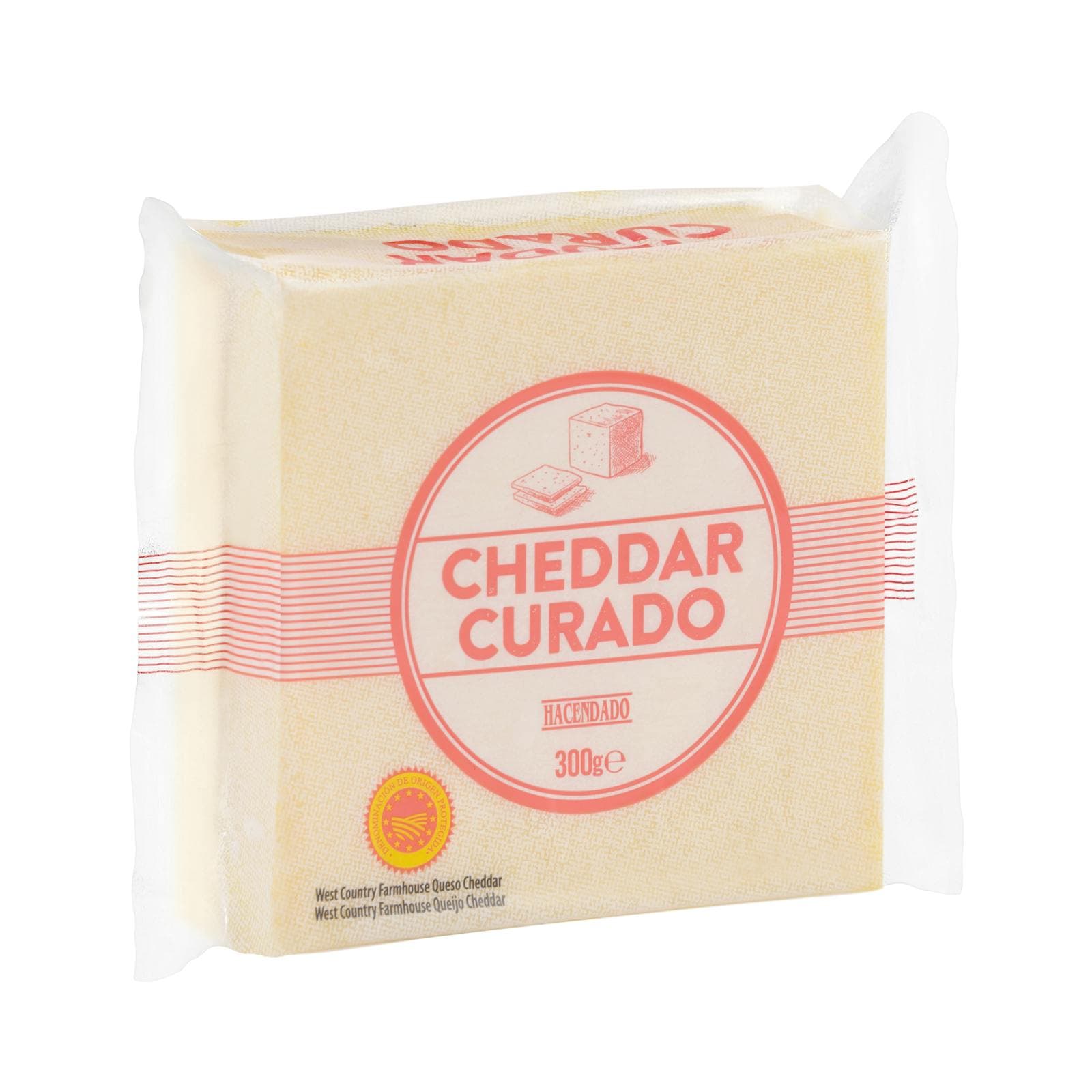 €3.00
€3.00Aged Cheddar Cheese
Hacendado · 300 g · Mercadona
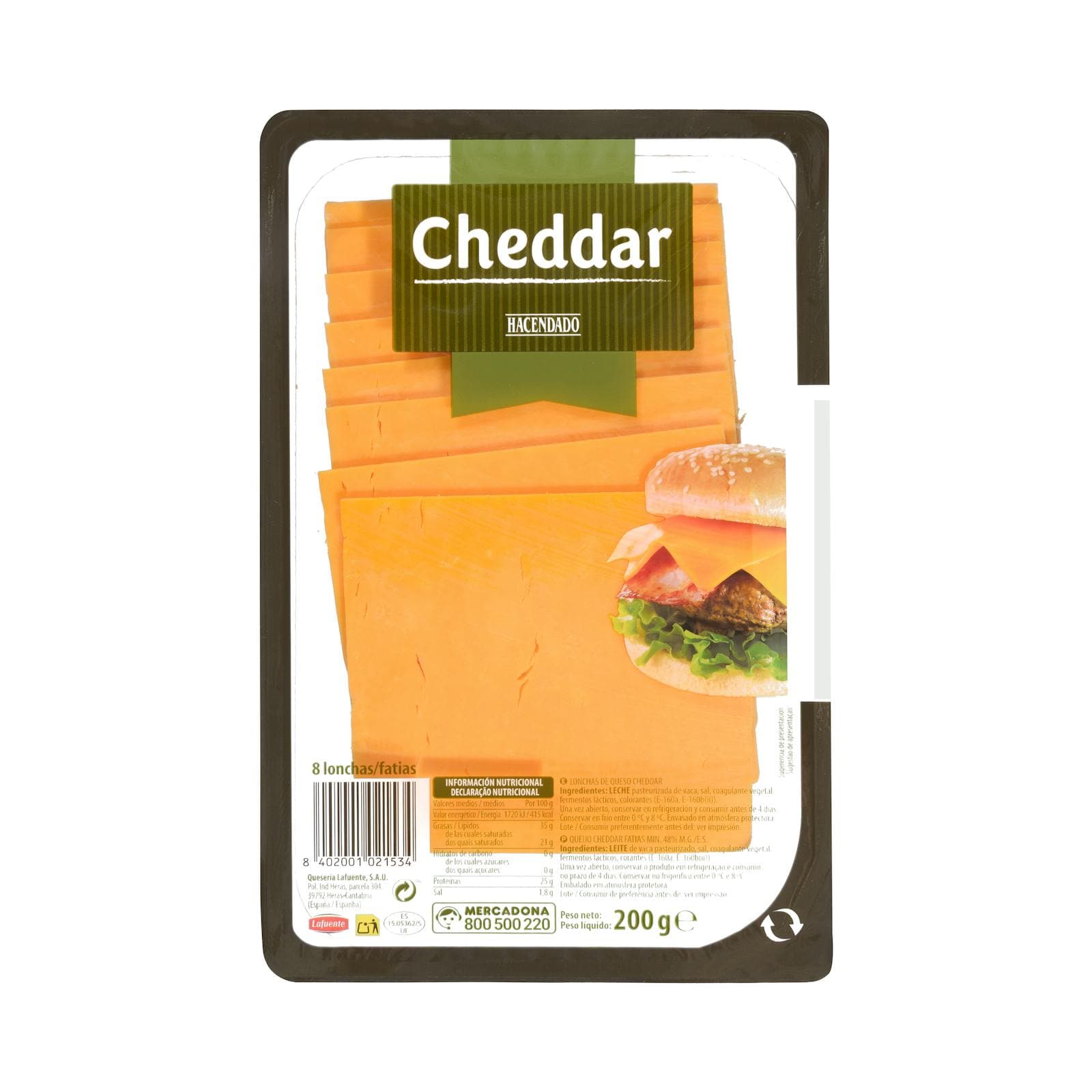 €1.85
€1.85Cheddar Cheese Slices
Hacendado · 200 g · Mercadona
 €2.00
€2.00Bonpreu Cheddar Cheese
BONPREU · kg · Bonpreu
 €3.65
€3.65Cathedral City Cheddar Cheese
CATHEDRAL CITY · kg · Bonpreu
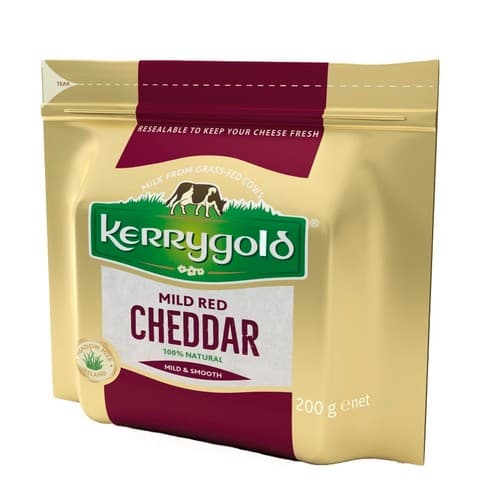 €3.99
€3.99Orange Cheddar Cheese
KERRYGOLD · kg · Bonpreu
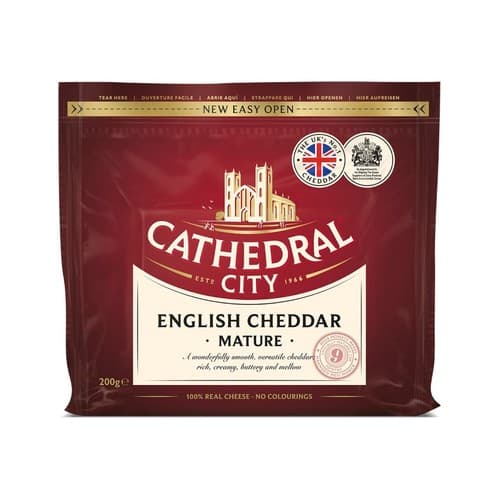 €4.55
€4.55Cathedral City Mature Cheddar Cheese
CATHEDRAL CITY · kg · Bonpreu
Good to know
- Type
- Hard, aged cow's-milk cheese (DOP/PDO)
- Origin
- Parma, Reggio Emilia, Bologna (mountain provinces), and Mantua, Italy
- Milk
- Unpasteurized whole cow's milk from local herds, two milkings per day
- Minimum Aging
- 12 months for basic grade; 24+ months for standard; 36+ months for premium; 40+ for Stravecchio
- Fat Content
- 28–32%
- Yield
- ~10 liters of milk per 1 kg of finished cheese
- Shelf Life
- Sealed wheel: 6–12 months; once cut: 2–4 weeks refrigerated
- Storage
- Refrigerator at 4–8°C; wrap cut surfaces tightly in plastic pressed directly against cheese, or store in airtight container with dampened cloth
Substitutes
- Grana Padano — Closest flavor and texture; less complex and aromatic; less expensive; acceptable for cooking applications where budget matters; not ideal for table cheese service
- Pecorino Romano — Sharp, salty, sheep's-milk cheese; more pungent and tangy; acceptable in pasta cacio e pepe or on hearty Roman dishes; do not substitute 1:1 in delicate preparations like risotto or cream sauces
- Comté — French Alpine cheese with similar nutty, crystalline quality; produced with comparable traditional methods; acceptable in most applications and an excellent table cheese alternative
Pairs with
Also called
Parmesan · Parmigiano
Appears in these dishes
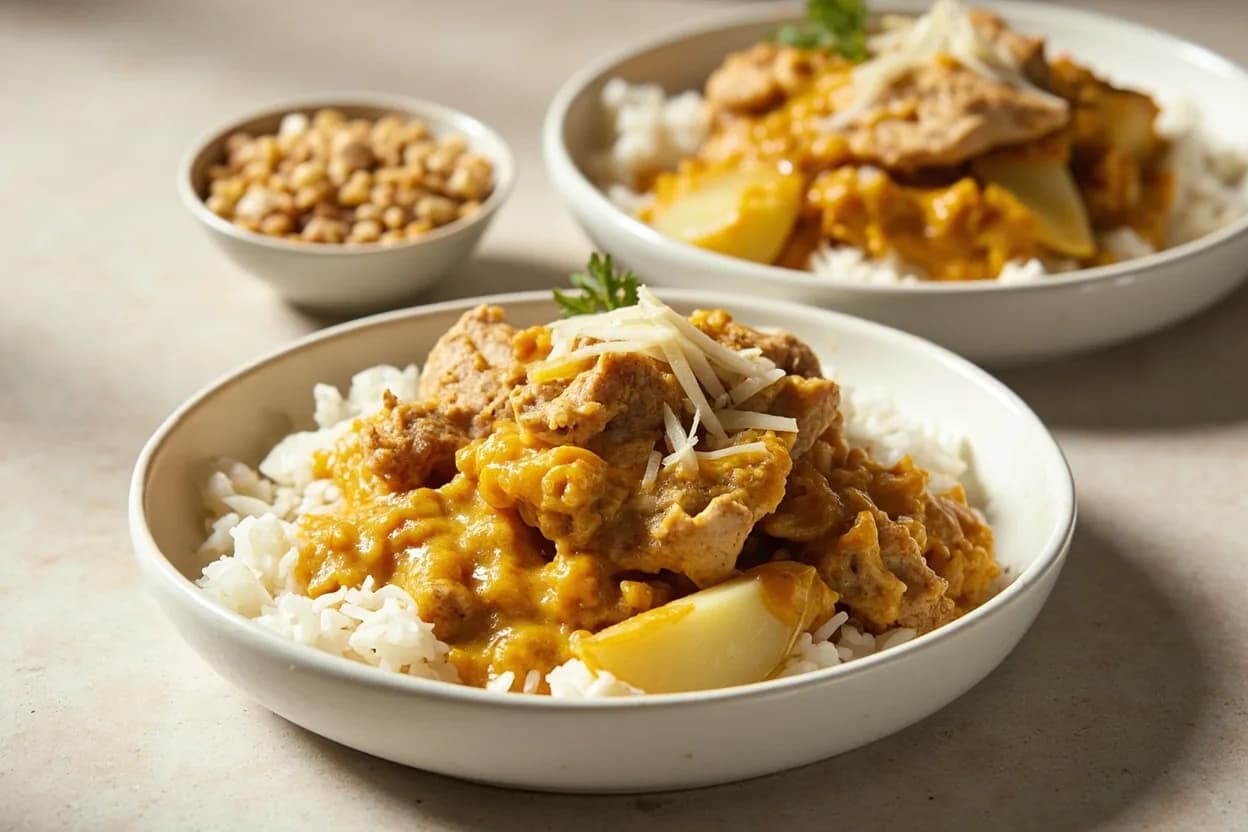
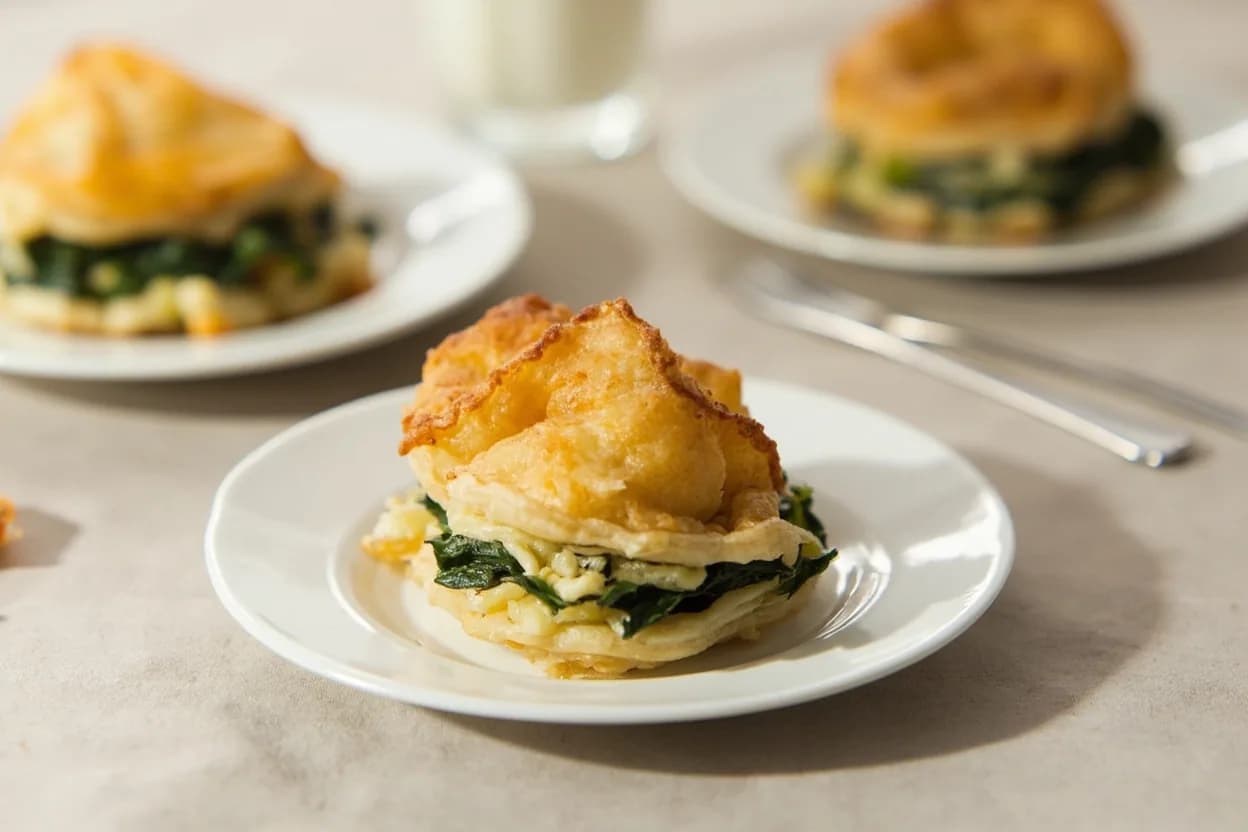
Related

Whole Milk
Rich, full-fat milk for drinking, coffee, sauces, and baking
Butter
Golden fat for searing, baking, and finishing a sauce
Yogurt
Tangy, creamy culture for breakfast, sauces, and marinades
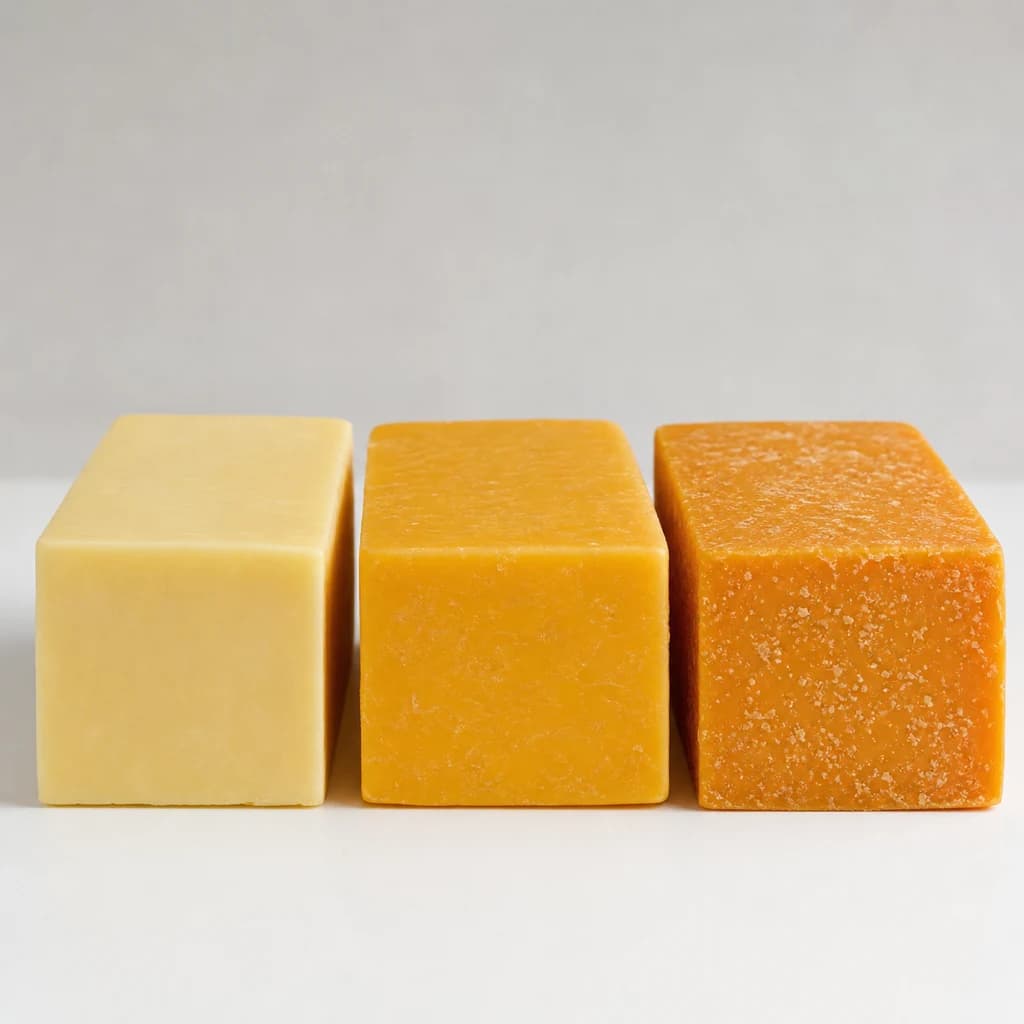
Cheddar Cheese
Sharp, melty cheese for sandwiches, gratins, and grating
Skim Milk
Fat-free milk for lighter drinking, coffee, and cooking
Heavy Cream
Rich cream that whips, enriches sauces, and sets ganache

Sour Cream
Tangy, thick cream for dolloping, baking, and dips
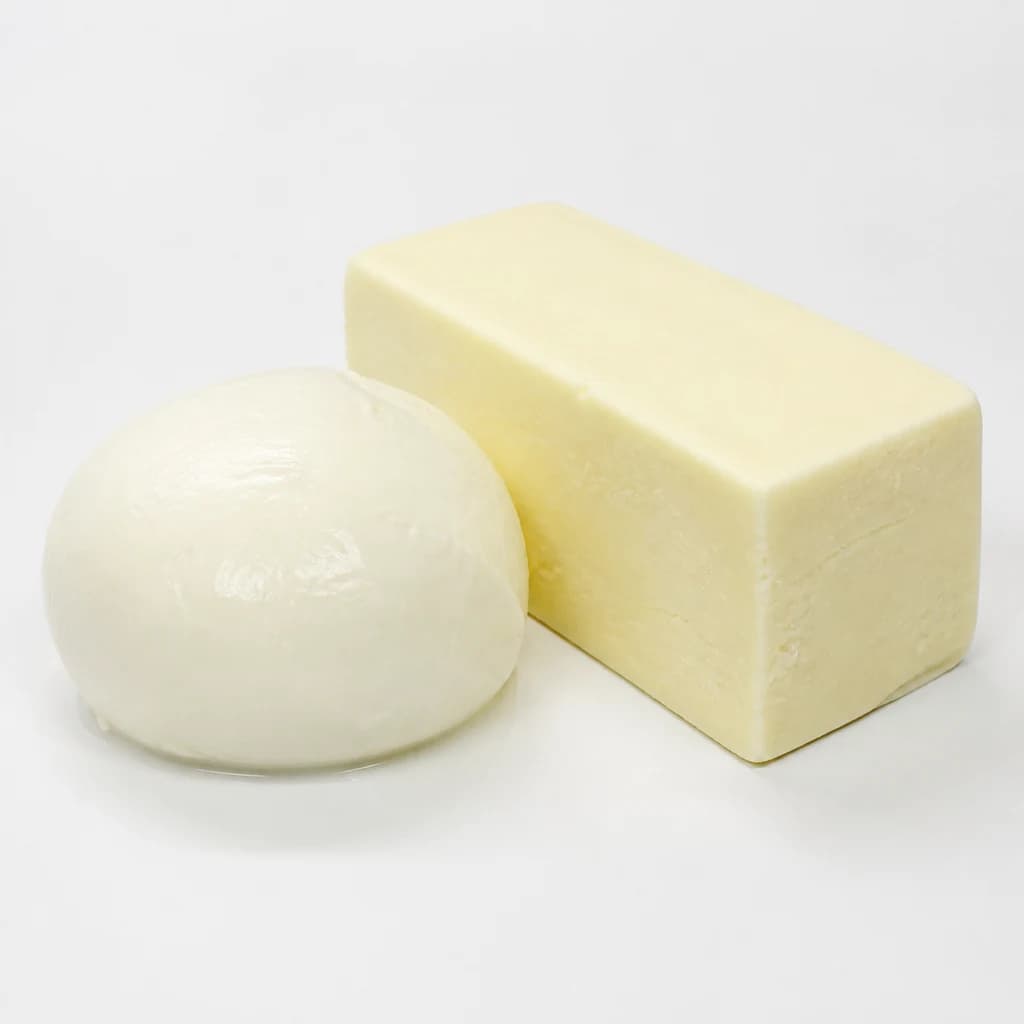
Mozzarella
Soft, milky cheese that melts into stretchy pizza pulls