
Natural form
A aged Pecorino Romano wheel shows its natural golden-brown rind and dense ivory interior.
Shows the whole aged wheel's characteristic rind, size, and shape so readers recognize Pecorino at a glance in markets or recipes.
Dairy & Eggs
Pecorino
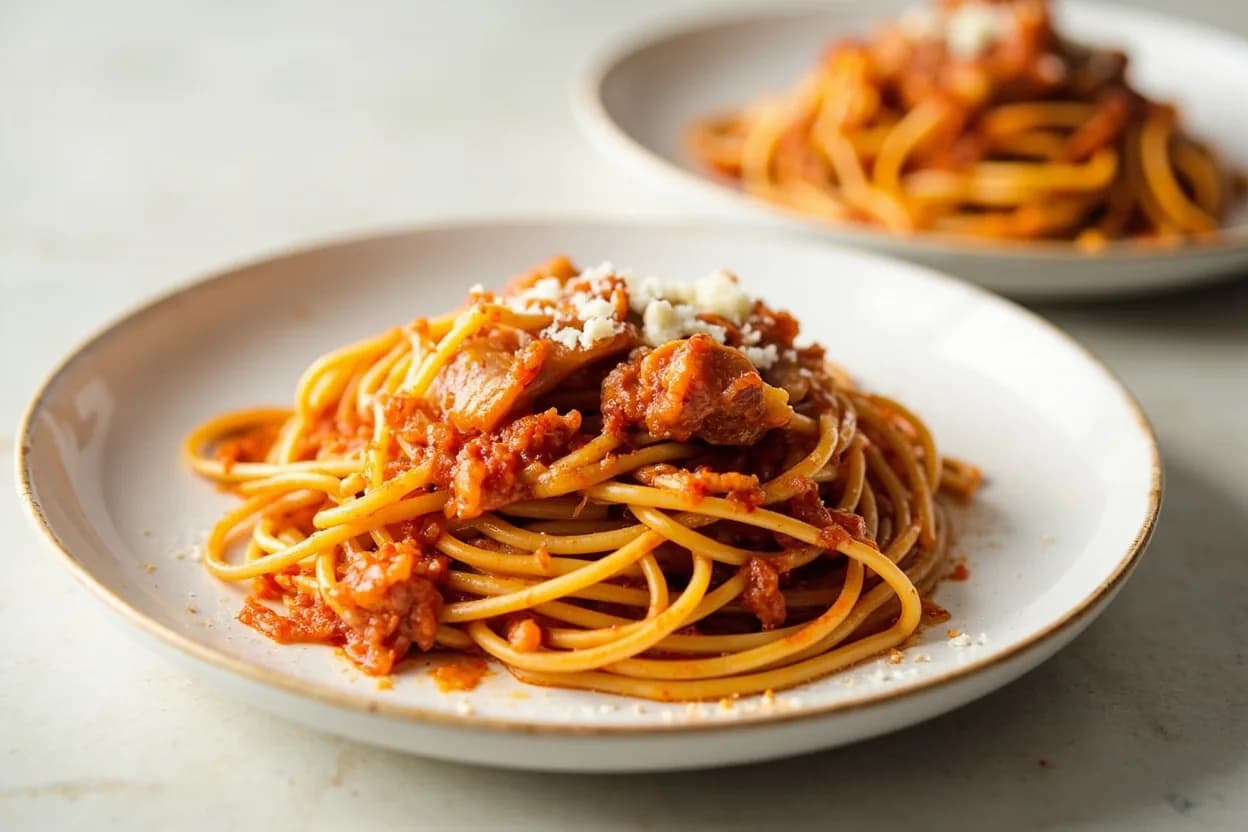
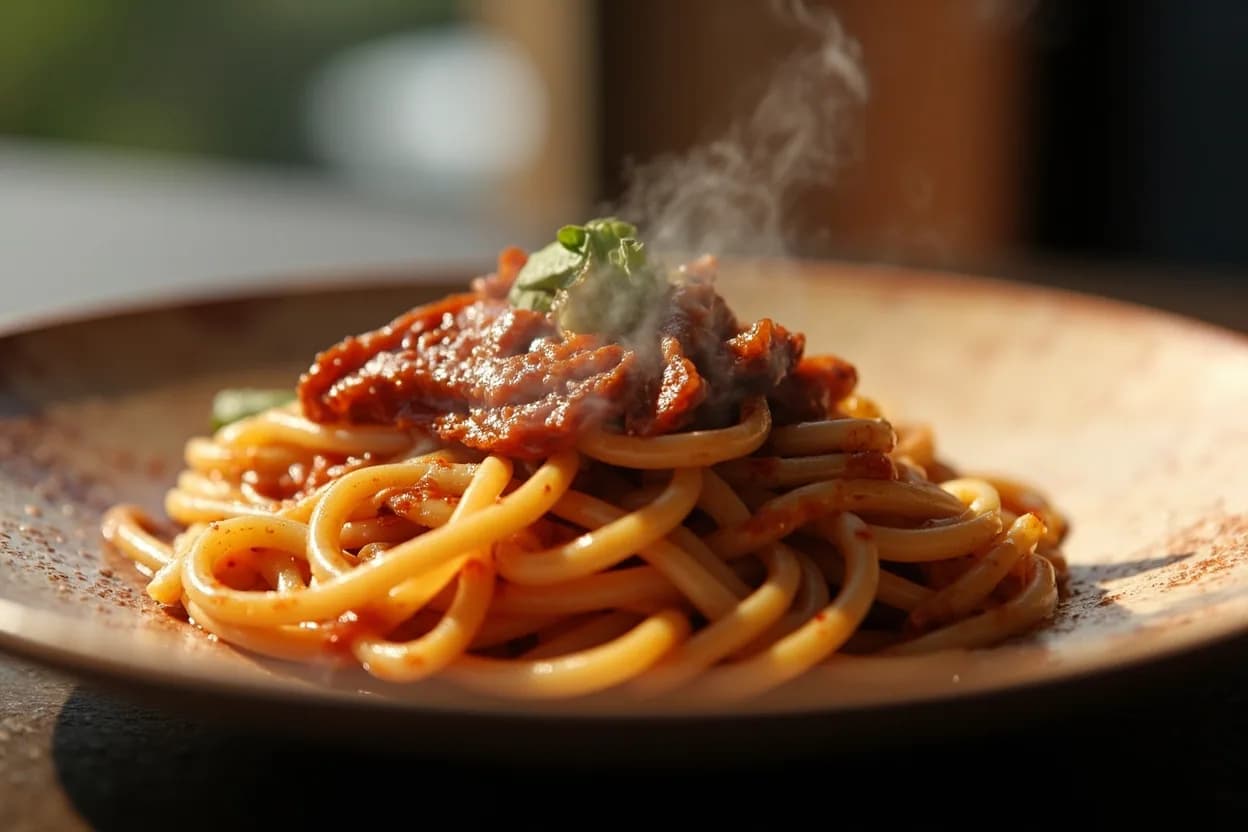
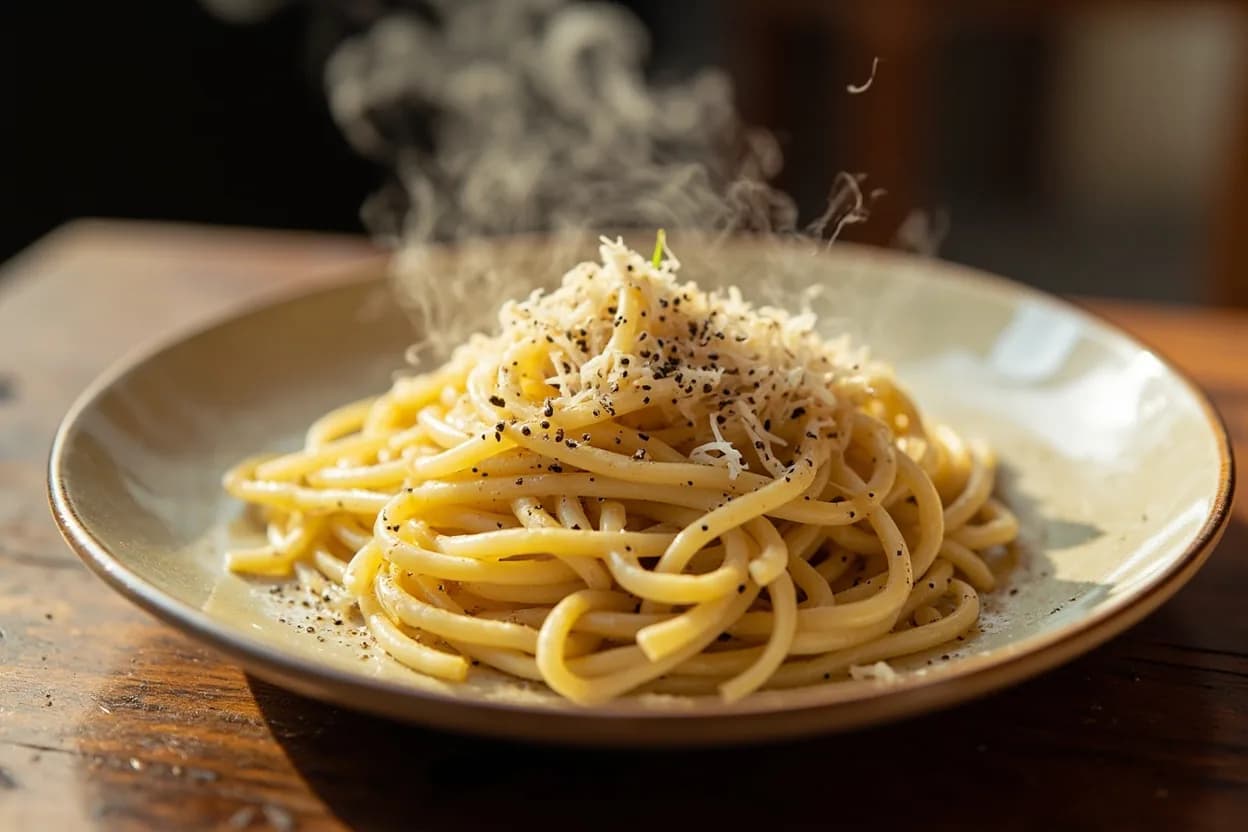
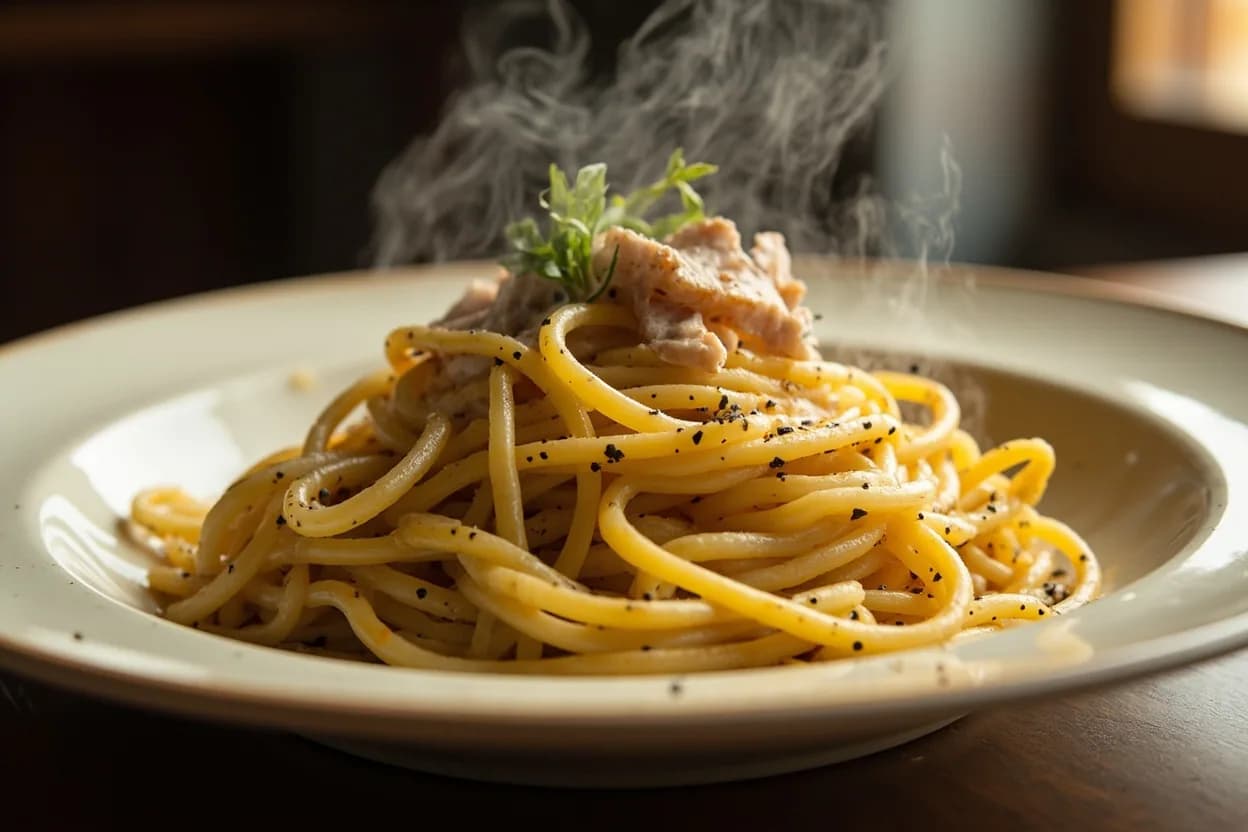
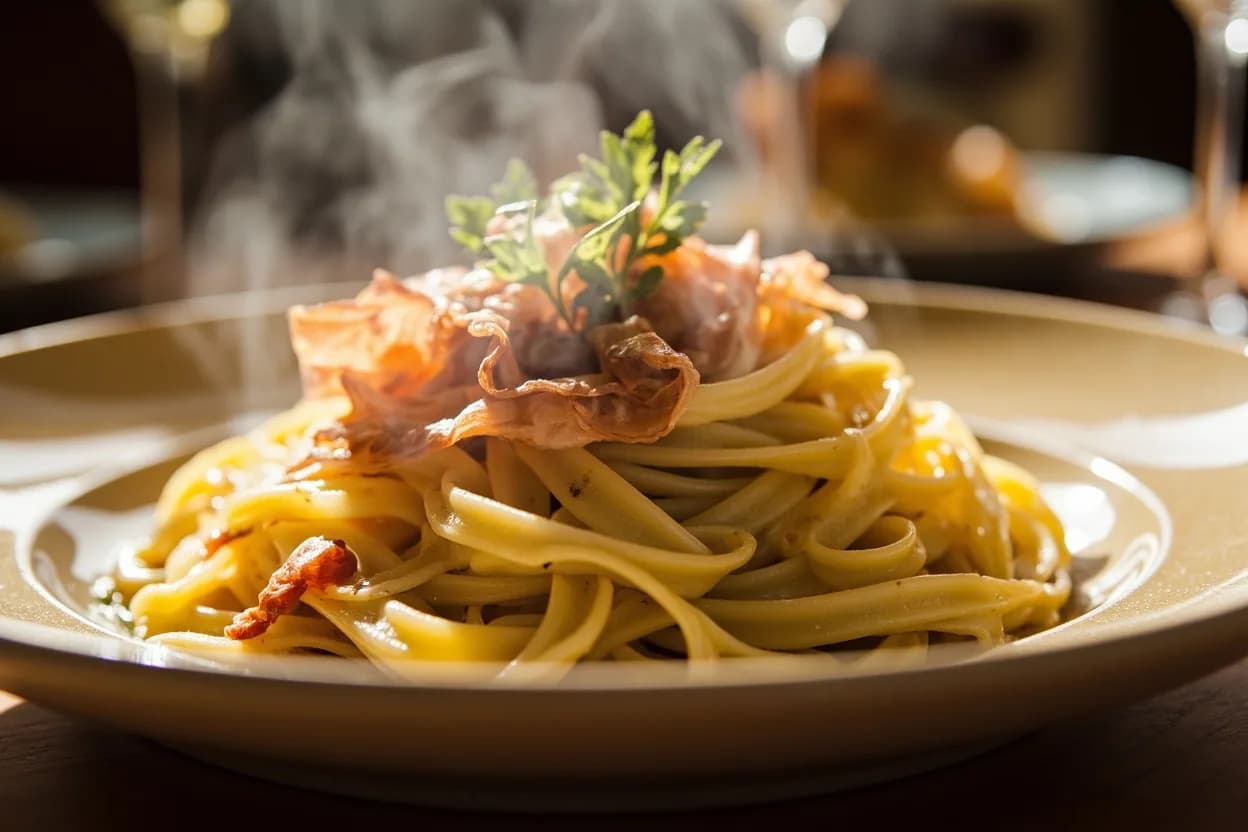
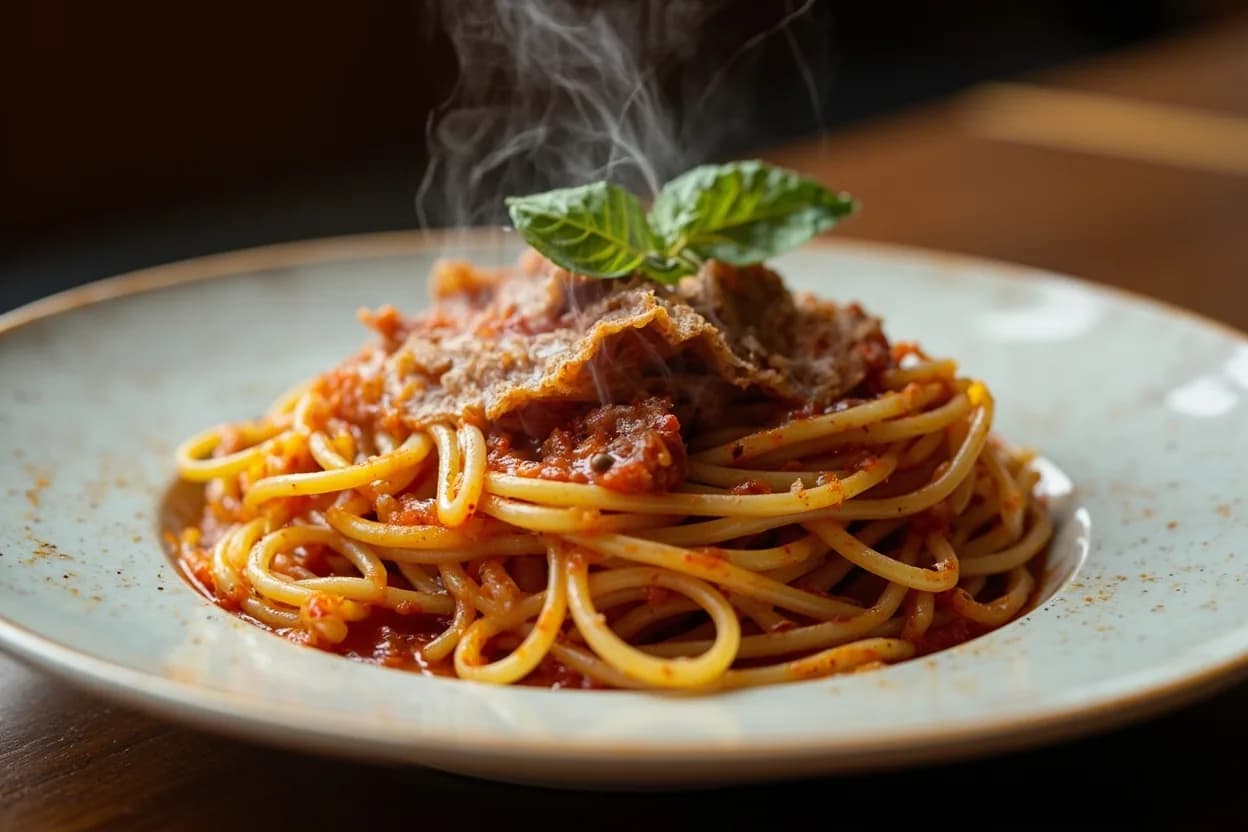
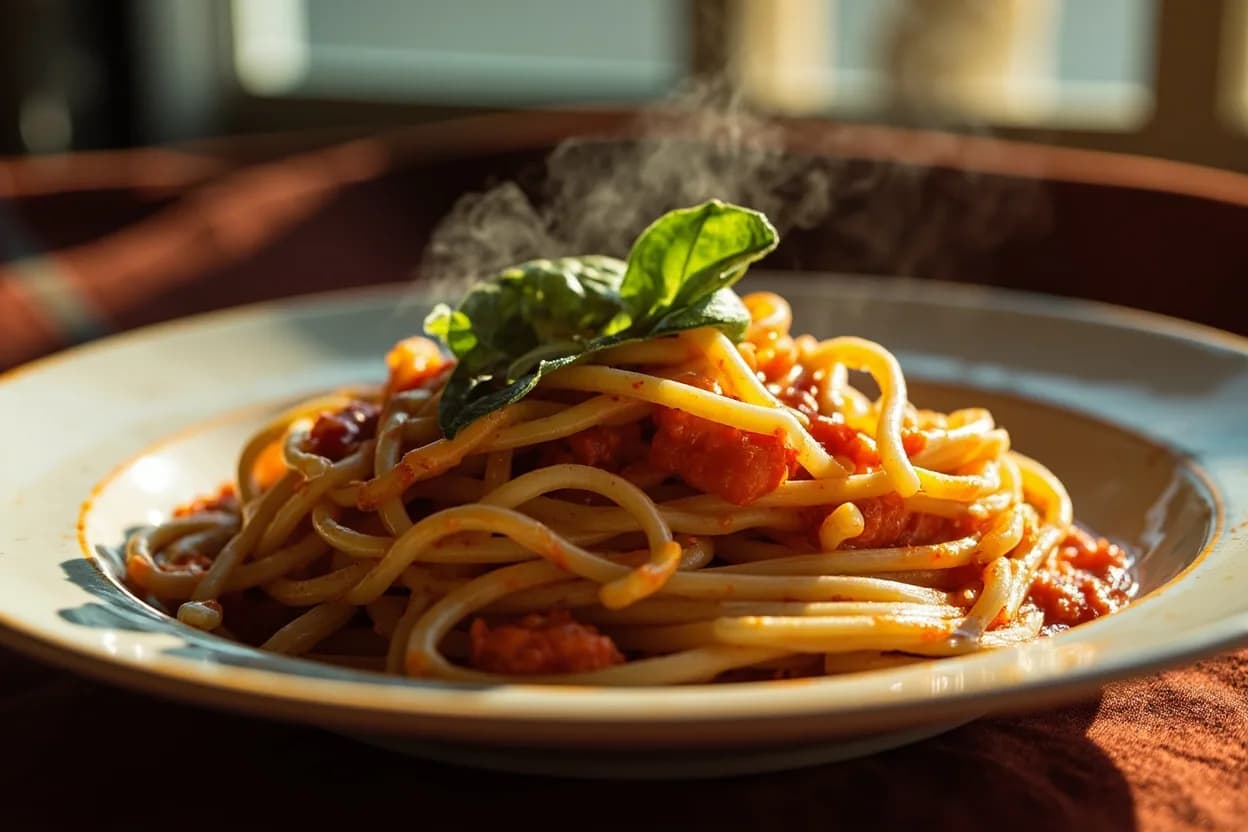
Hard, salty Italian sheep's-milk cheese grated over pasta like cacio e pepe and amatriciana.
Pecorino is a family of firm, aged Italian sheep's-milk cheeses, sharp and salty with a tangy bite that distinguishes it from cow's-milk grating cheeses. Pecorino Romano is the classic for grating over cacio e pepe, carbonara, and amatriciana, while regional types like Toscano and Sardo range from semi-firm to hard. The sheep's milk gives it a more pungent, savory edge than Parmesan.
Pecorino is a family of hard Italian cheeses made entirely from sheep's milk, among the oldest and most essential cheeses in the Italian culinary canon. The name derives from pecora (sheep), and Roman-era writers including Cato the Elder documented sheep's-milk cheese production over two thousand years ago. In central Italy—where sheep outnumber cattle and pastoral traditions run deep—pecorino developed as a practical way to preserve milk through the dry months. The cheese's natural affinity with Roman and Tuscan cooking stems from this geography: sheep's milk was simply more abundant than cow's milk in Lazio, Sardinia, and Tuscany, and the resulting cheese became the defining seasoning of the region.
Pecorino ranges from fresh, mild table cheeses aged just 20–60 days to dense, intensely flavored grating cheeses aged up to 12 months. Young styles are buttery and pliable; aged versions develop a granular, almost crumbly texture and pockets of tyrosine crystals that add a pleasant crunch. The flavor profile is distinctive: salty, sharp, and tangy with grassy, lanolin-like notes that intensify as the cheese ages. This sheep-milk character—more assertive than cow's milk Parmesan—gives pecorino its culinary identity. The cheese is also significantly saltier than most grating cheeses, typically 3–4% salt by weight in aged Pecorino Romano.
Three varieties carry protected designation of origin: Pecorino Romano from Lazio (the classic grating cheese), Pecorino Sardo from Sardinia (in both mild dolce and sharper maturo styles), and Pecorino Toscano from Tuscany (milder, often finished with olive oil). Beyond these, regional varieties like Pecorino di Filiano and cave-aged Pecorino di Pienza offer their own character. The rind signals origin and age—black wax typically coats Romano wheels, olive oil finishes the Toscano, while Sardo often appears with a natural rind. Authentic PDO pecorino contains only sheep's milk, salt, and rennet.
- Measured in
- g
- Storage
- Fridge
Allergens
Types & varieties
The classic grating cheese; PDO from Lazio. Aged at least 8 months. Sharp, crumbly, coated in black wax. Sold in large wheels or loaves. The Romano of Roman cuisine.
From Sardinia; produced in two styles: dolce (fresh, mild, aged 20–60 days, softer coagulation) and maturo (aged 2–6 months, sharper, often with natural rind). Sold in 2–3 kg wheels.
From Tuscany; milder and more buttery than Romano. Sold young (40–60 days) as a table cheese, or aged 6–12 months rubbed with olive oil, becoming sharper. Excellent sliced thin with honey or pears.
From Basilicata; medium-aged, with a slightly sweet finish and herbal notes. Distinctive nutty aroma.
From Siena, Tuscany; cave-aged in tuff caves near Pienza. Rich, complex flavor with crystalline pockets. Often labeled 'stagionato in grotta.'
Choosing the Right Pecorino for the Job
Not all pecorinos are interchangeable. The variety you select determines whether your dish succeeds or fails.
- Use Pecorino Romano specifically for grating. Its density and sharp, salty flavor survive heat and deliver the intensity that dishes like cacio e pepe and amatriciana require.
- Reserve Pecorino Sardo dolce and Pecorino Toscano for the table. Their milder, buttery character shines when sliced thin alongside honey, pears, or cured meats—applications where Romano would overpower.
- Look for the DOP or IGP seal when authenticity matters. These designations guarantee production method, region, and 100% sheep's milk. Imposters labeled 'pecorino-style' often contain cow's milk.
Storing Pecorino Properly
Pecorino dries out and absorbs odors easily. A proper wrap extends its life significantly.
- Wrap tightly in wax paper or parchment, then loosely in a plastic bag. Store at 39–46 °F.
- For longer storage, wrap in a dampened cloth before the plastic bag to prevent drying.
- Use within 2–3 weeks for best quality. Aged cheeses deteriorate faster than you might expect once the wheel is cut.
Common uses
Tips & pitfalls
- Use aged Pecorino Romano specifically for grating; younger table pecorinos will turn rubbery and won't melt properly.
- Always grate or shave on a fine grater just before using. Pre-grated commercial versions often contain additives to prevent clumping and lack the fresh, bright flavor of freshly grated.
- When adding to hot pasta dishes, remove the pan from direct heat before stirring in grated pecorino. The cheese proteins seize if exposed to direct high heat, producing clumps rather than a creamy sauce. A splash of starchy pasta water and tossing vigorously helps emulsify it.
- Do not confuse Pecorino Romano with Pecorino Sardo or Pecorino Toscano—they are different cheeses with different intensities and ideal uses.
- Authentic Pecorino Romano is made without any cow's milk or additives. Read the ingredient label: it should list only sheep's milk, salt, and rennet.
- Aged pecorino develops tyrosine crystals (white dots) that are a sign of quality, not defects. They add a pleasant crunch and concentrated flavor.
- Common mistake: using too much pecorino. It is saltier and more aggressive than Parmesan. In most pasta dishes, 50–70 g per serving is sufficient, less than you might think.
- In carbonara, Roman cooks sometimes use a blend of Pecorino Romano and Parmesan for a more nuanced flavor profile, though authentic Roman carbonara uses only pecorino.
Nutrition
Nutrition
No USDA FoodData Central match for Pecorino yet. We surface a per-100 g profile once a generic whole-food entry is matched and verified.
In the shops
Matched grocery products
No matched grocery products for Pecorino yet.
Good to know
- Origin
- Italy, especially Lazio, Sardinia, and Tuscany
- Milk
- 100% sheep's milk in most varieties; occasionally small amounts of goat's milk
- Type
- Hard table cheese or aged grating cheese, sold as wheels or loaves
- Aged
- 2 months (younger table styles) to 12 months (aged grating types like Romano)
- Flavor
- Salty, sharp, tangy, with grassy and lanolin notes that intensify with age
- Texture
- Dense and grainy when young; crumbly and crystalline when fully aged
- PDO Varieties
- Pecorino Romano (Lazio), Pecorino Sardo (Sardinia), Pecorino Toscano (Tuscany)
- Salt Content
- 3–4% salt by weight in aged Pecorino Romano; higher than most cow's-milk cheeses
Substitutes
- Parmesan (Parmigiano-Reggiano) — Most accessible substitute; lacks the sheep-milk tang and saltiness but works in a pinch. Use slightly less salt in the recipe. Avoid pre-grated for melting applications.
- Grana Padano — Milder and less salty than Pecorino Romano. A good all-purpose substitute for grating. Use a bit more than you would pecorino to approximate the flavor intensity.
- Asiago D'Allevo — Aged Asiago has a sharp, tangy flavor closer to pecorino than Parmesan does. Good for grating; less salty.
- Sharp cheddar — Not traditional but provides a similar sharp, salty punch. Use as a last resort; the flavor profile is different and it lacks the sheep-milk character.
Also called
Pecorino Siciliano · Pecorino di Pienza · Pecorino Toscano DOP · Pecorino Sardo · Pecorino Romano
Appears in these dishes
Related

Whole Milk
Rich, full-fat milk for drinking, coffee, sauces, and baking
Butter
Golden fat for searing, baking, and finishing a sauce
Yogurt
Tangy, creamy culture for breakfast, sauces, and marinades
Cheddar Cheese
Sharp, melty cheese for sandwiches, gratins, and grating
Skim Milk
Fat-free milk for lighter drinking, coffee, and cooking
Heavy Cream
Rich cream that whips, enriches sauces, and sets ganache

Sour Cream
Tangy, thick cream for dolloping, baking, and dips
Mozzarella
Soft, milky cheese that melts into stretchy pizza pulls