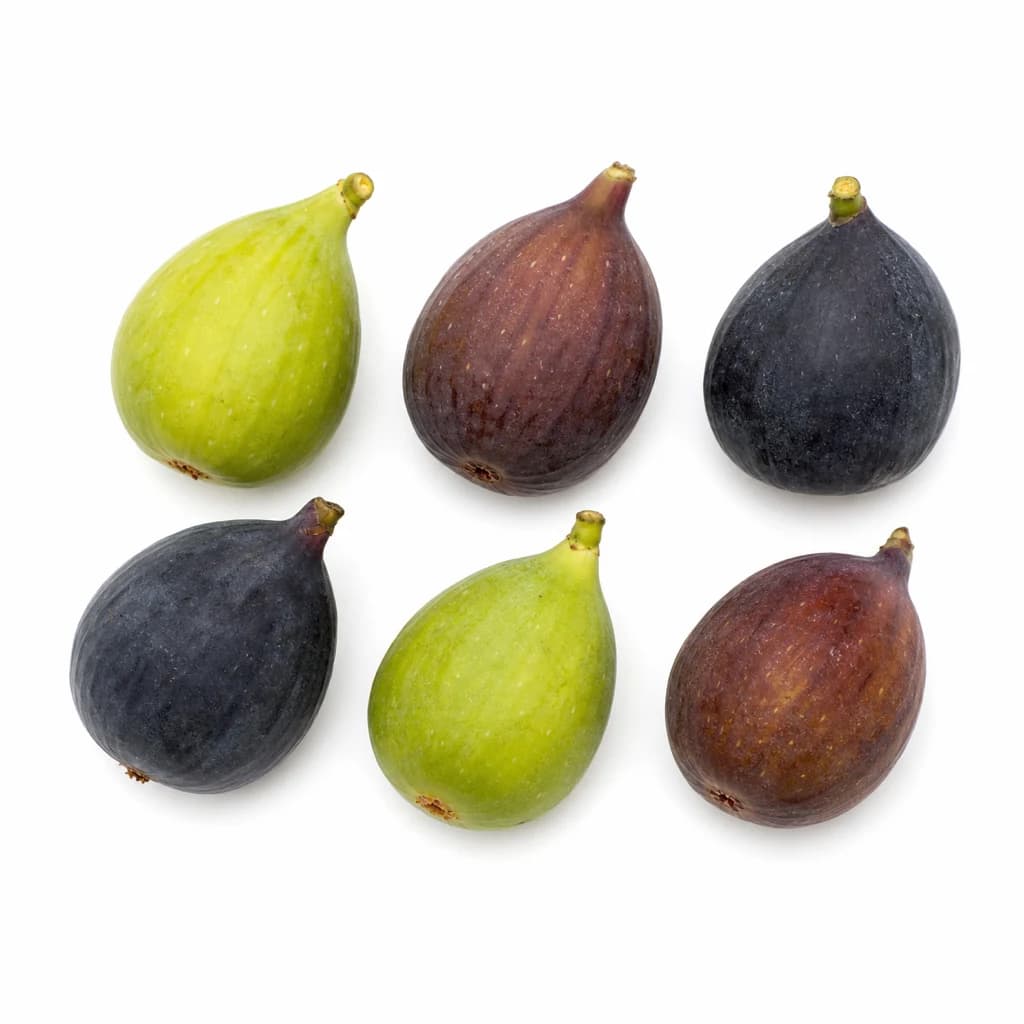
Natural form
Fresh figs whole: teardrop shape, thin skin ranging from green to deep purple.
Shows the reader the recognizable silhouette, skin color range, and size of fresh figs before any preparation.
Produce
Fig
Soft, honey-sweet fruit eaten fresh or dried, paired with cheese, meats, and desserts.
Figs are teardrop-shaped fruits with thin skin, jammy flesh, and tiny crunchy seeds, ranging from green to deep purple. They are eaten fresh, dried for year-round use, or cooked into preserves and pastries across the Mediterranean and Middle East. Their honeyed sweetness pairs classically with salty cheese, cured meats, and nuts.
The fig is one of humanity's oldest cultivated fruits, archaeologically linked to settlements in the Middle East dating to around 5,000 BCE—predating many other familiar crops. Technically a syconium, the fig is not a true fruit but an inverted inflorescence: the fleshy interior contains hundreds of tiny flowers that develop into the characteristic small, edible seeds. This botanical quirk contributes to the fig's unique texture—simultaneously yielding and slightly crunchy. Figs belong to the Moraceae family, making them cousins to the mulberry. Their thin, tender skin bruises easily and offers little protection, which is why fresh figs demand careful handling from harvest to table. The milky latex present in unripe figs and stems is mildly irritating to skin and digestive tract; always use fully ripe specimens for raw consumption. Commercially, the vast majority of fresh figs in the United States are Common (Caprifig) varieties that set fruit parthenocarpically, simplifying cultivation and ensuring reliable harvests. The best figs smell faintly sweet at the stem end, yield gently to pressure, and display no signs of leaking juice or shriveling—a truly ripe fig is a fragile, ephemeral thing, lasting only two to three days at room temperature but improving dramatically when allowed to warm to room temperature before eating, as cold dulls their honeyed complexity.
- Measured in
- piece
- Storage
- Fridge
Types & varieties
Purple-black skin, deep pink flesh; the most common commercial variety in the United States; intensely sweet
Bronze to reddish-brown skin, pink flesh; milder and slightly less sweet than Mission; widely grown
Golden-green skin, amber-pink flesh; nuttier, more complex flavor; actually a Smyrna-type fig requiring pollination
Pale green or yellow skin, strawberry-red flesh; very sweet and juicy; common for fresh eating and dried
Greenish-yellow skin, amber flesh; dense, less juicy; holds shape well when cooked
Hybrid variety; dark purple skin, amber flesh; sweet with good texture
Dark mahogany skin; good for cooler climates; rich, sweet flavor
Understanding Fig Ripeness
The difference between a good fig and a disappointing one rests entirely on ripeness. Unlike many fruits, figs do not continue to ripen significantly after harvest. Press the fruit gently near the stem end—it should give slightly, like a ripe peach, but not collapse. The skin should appear slightly glossy and feel tender, never tough or leathery. Avoid any figs that are hard, shriveled, weeping liquid, or showing fermented odors, which indicate overripeness or spoilage. When you find truly ripe figs at a farmers' market, buy them the same day and eat them within 24 hours for the best experience. Supermarket figs are often harvested underripe to survive transport; allow them to come to room temperature and use within a day of purchase.
- Smell the stem end—ripe figs emit a faint honeyed sweetness
- Hard, green-stemmed figs will remain hard and lack sweetness
- Skin that looks dull or papery indicates age; choose glossy, supple specimens
- Slight cracking near the stem is acceptable; leaking juice means overripe
Fresh vs. Dried: When to Use Which
Fresh and dried figs serve different culinary purposes and are rarely interchangeable without adjustment. Fresh figs excel in preparations where their delicate texture and bright sweetness can shine: raw applications, quick roasting, warm presentations with cheese, or as a finishing element. Their flavor is more acidic and complex than dried, with floral and berry notes that fade during dehydration. Dried figs concentrate sugars dramatically, developing an intensely honeyed, almost caramel-like depth. They work best in long-cooked dishes, baked goods, stuffings, and anywhere you want bold sweetness without the moisture of fresh fruit. Reconstitute dried figs in warm water, wine, or fruit juice for 15–20 minutes to restore some pliability before using them in recipes that expect a fresher texture.
- Fresh: salads, cheese boards, quick roasts, raw applications
- Dried: tagines, stuffings, baked goods, charcuterie, grain dishes
- Dried figs gain texture and moisture when soaked before use
- 1 pound fresh yields roughly 4–5 halved or quartered figs
Common uses
Tips & pitfalls
- Select figs that are soft with a slight give when pressed; avoid any that are hard, shriveled, or leaking juice
- Ripe figs should smell faintly sweet; no aroma indicates underripening
- Do not wash figs until just before using; moisture accelerates spoilage
- Store fresh figs unwashed in a single layer on a paper-towel-lined plate, loosely covered with plastic wrap, in the refrigerator
- Eat fresh figs at room temperature for the best flavor and texture; cold significantly dulls the taste
- Trim the stem end if it is woody or tough, particularly for Calimyrna and Kadota varieties
- When roasting or grilling fresh figs, halve or quarter them and cook cut-side down to develop caramelization, about 3–5 minutes
- Dried figs benefit from a brief soak in warm water, wine, or juice before using to plump and soften
- For a quick appetizer, score the top of whole figs in a cross pattern, press in a bit of soft cheese, and bake at 375°F until puffed
Nutrition
Energy
310 kJ · per 100 g
Where the calories come from
Protein
0.8g
2% DV
Carbs
19.2g
7% DV
Fat
0.3g
0% DV
Fiber
2.9g
10% DV
Sugars
16.3g
of which
Sodium
1mg
0% DV
Source · USDA FoodData Central · Figs, raw
View on FDC →In the shops
Matched grocery products
No matched grocery products for Fig yet.
Good to know
- Botanical family
- Moraceae (mulberry family)
- Scientific name
- Ficus carica
- Origin
- Native to the Middle East and Mediterranean; cultivated since approximately 5,000 BCE
- Peak season (Northern Hemisphere)
- Late July through October for fresh; dried available year-round
- Primary flavor notes
- Honey-sweet, jammy; berry-like, floral, mildly earthy depending on variety
- Shelf life (fresh)
- 2–3 days at room temperature; up to 1 week refrigerated, unwashed, loosely covered
- Shelf life (dried)
- 6–12 months in an airtight container in a cool, dark place; freeze for longer storage
Substitutes
- Dried apricots — Similar chewy texture and sweet-tart flavor; rehydrate before using if substituting in cooked dishes
- Prunes — Comparable sweetness and moisture; excellent for baking and braising
- Dried dates (Medjool) — Similar honeyed sweetness and jammy texture; finely chop for equal substitutions
- Fresh pears — Closest fresh substitute for texture and mild sweetness; use ripe Bosc or Anjou pears
Pairs with
Also called
Fik · Figs
Appears in these dishes


Related
Tomato
Juicy, sun-sweet fruit for sauces, salads, and slow-cooked depth
Yellow Onion
The aromatic backbone of soups, sofritos, and braises
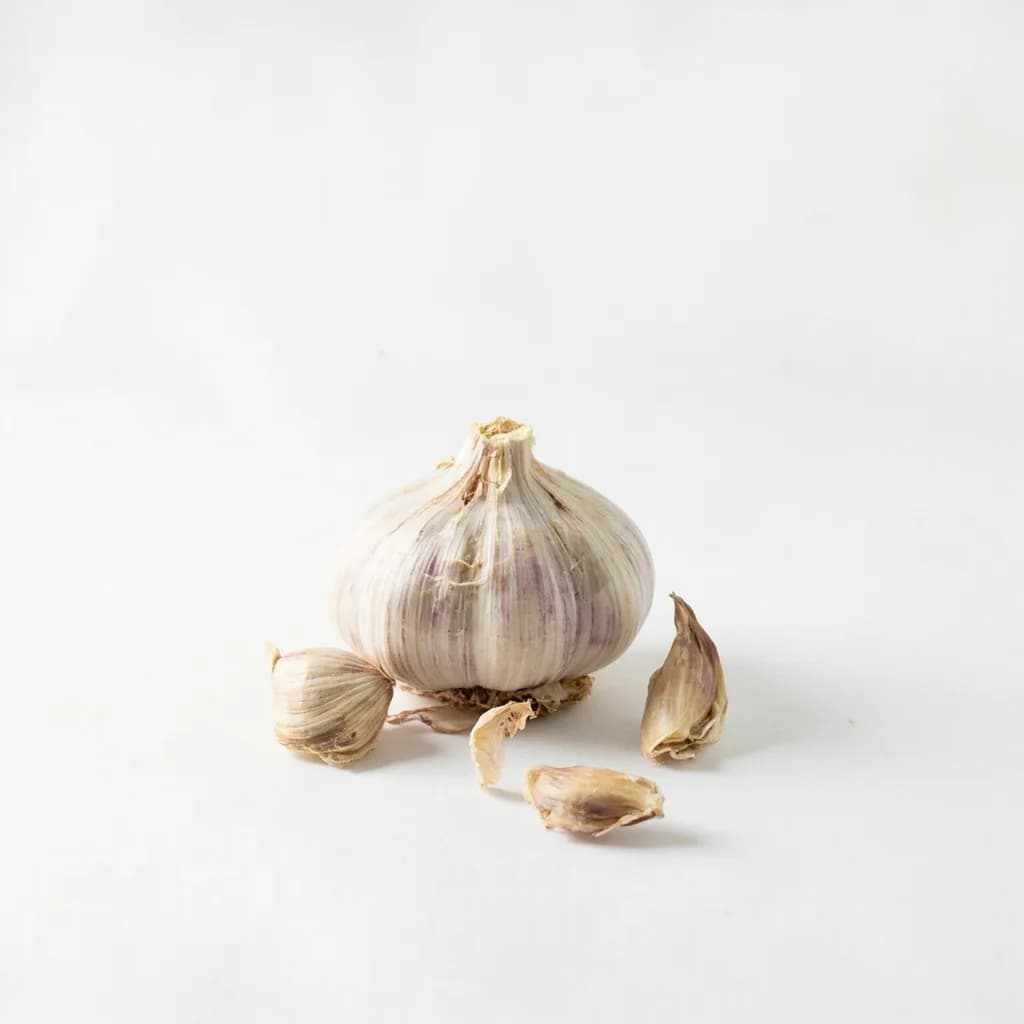
Garlic
Pungent cloves that perfume nearly every savory dish
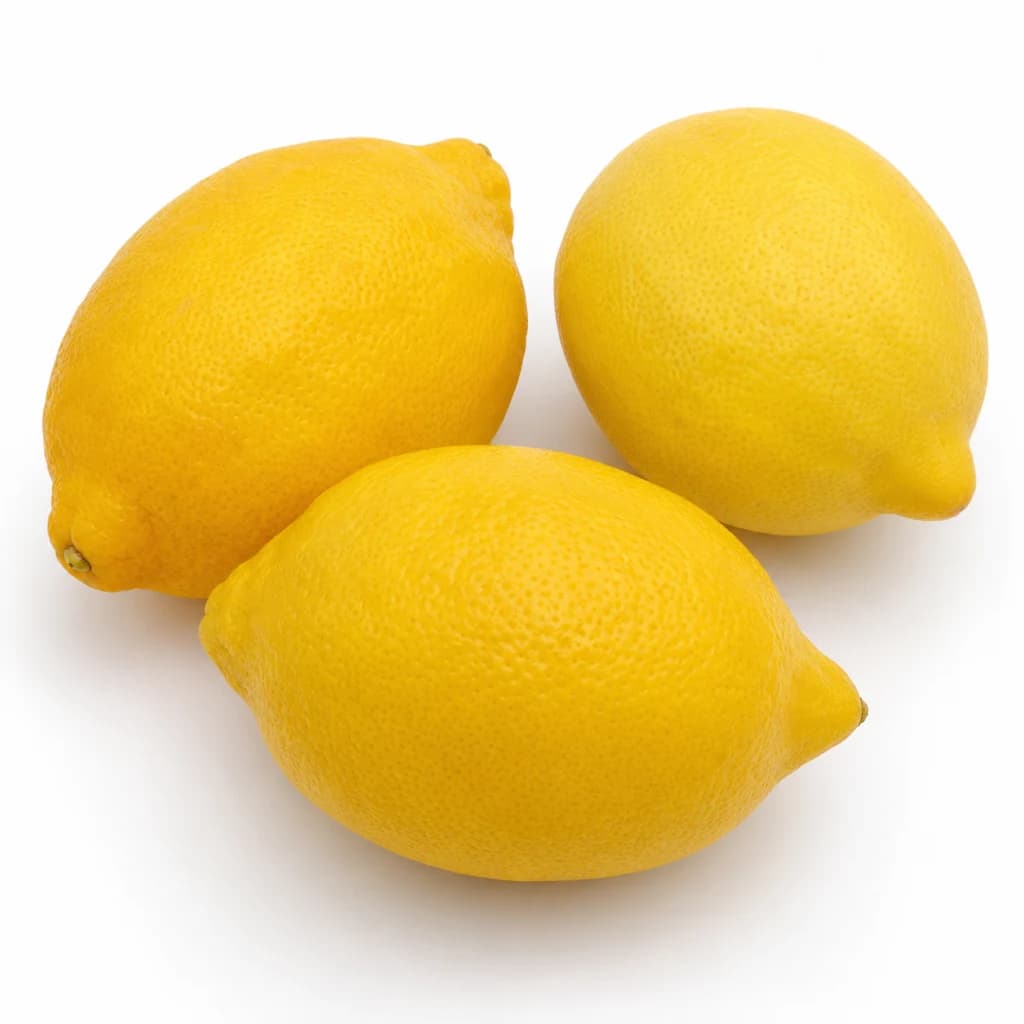
Lemon
Bright, acidic citrus that wakes up almost any dish
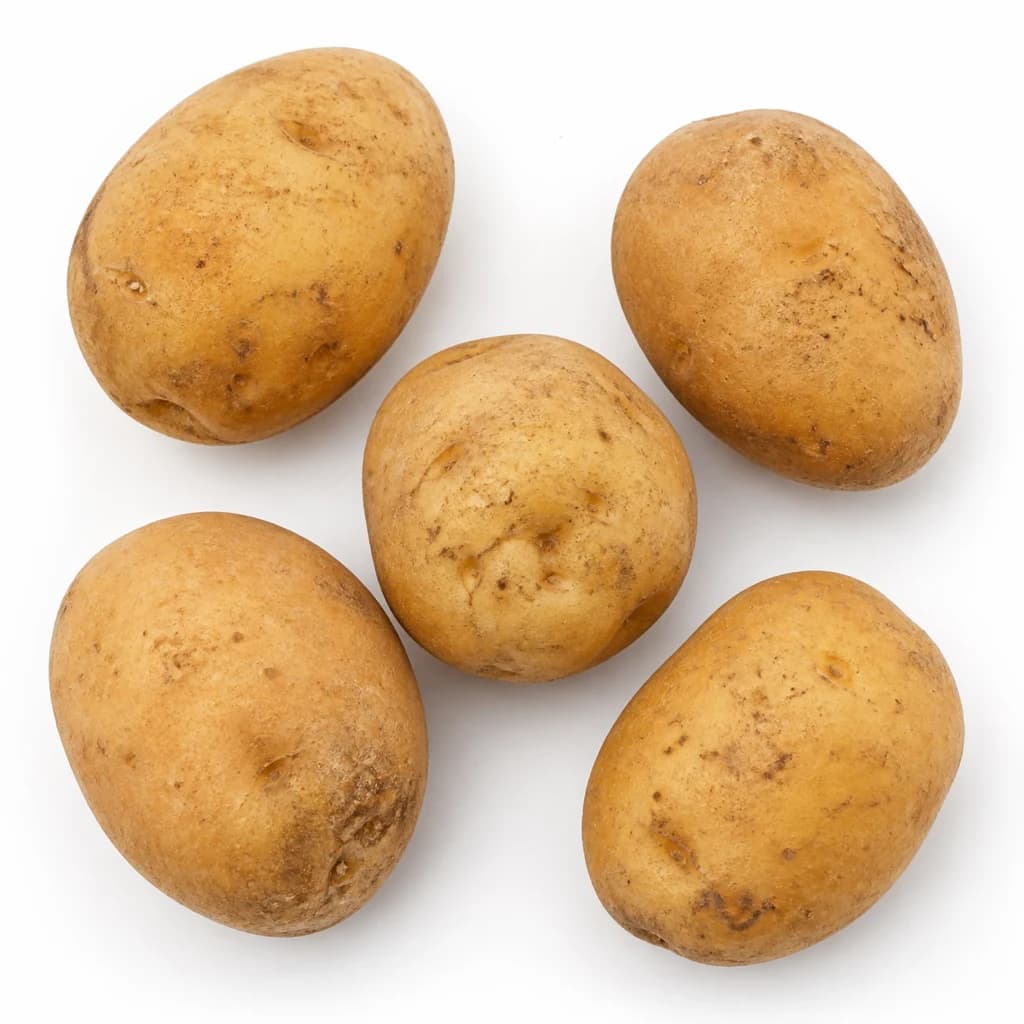
Potato
Humble, hearty staple — roast, mash, fry, or boil
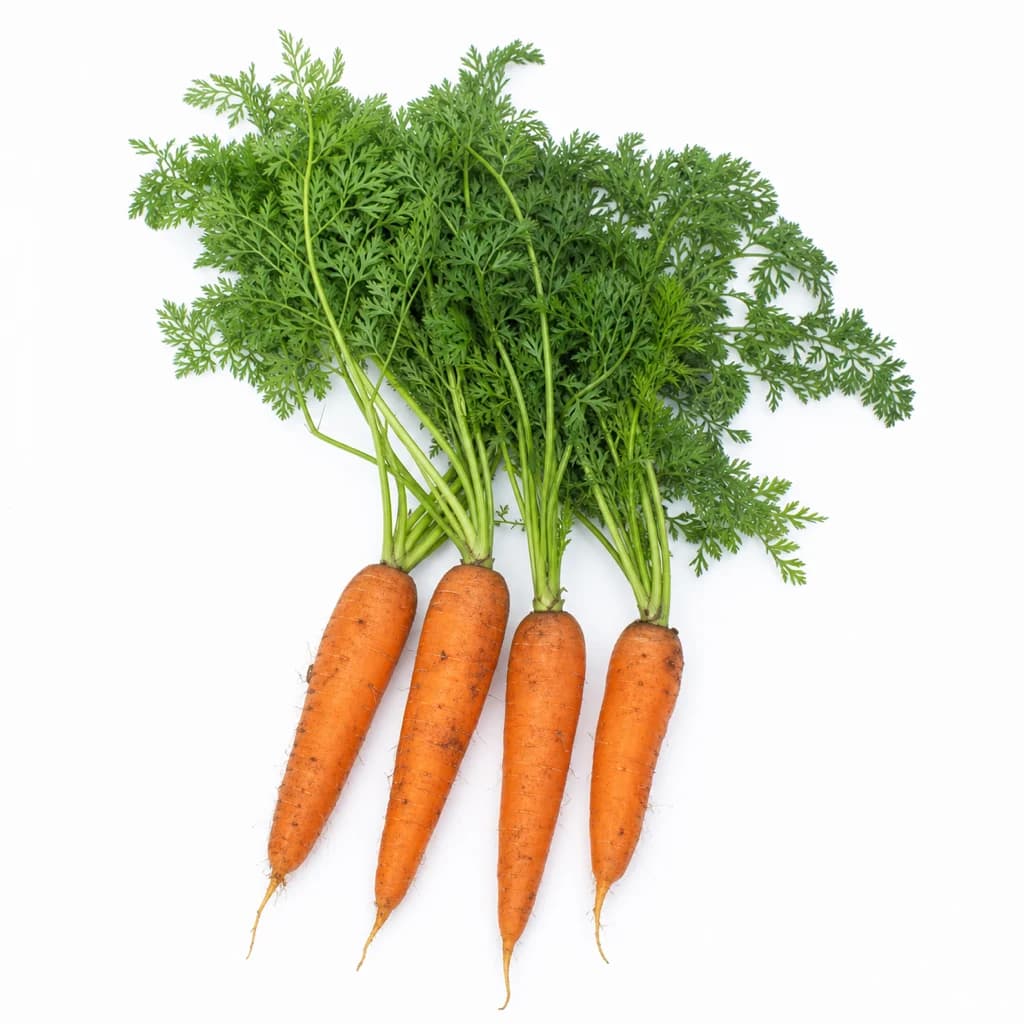
Carrot
Sweet, crunchy root — raw, roasted, or the base of a sofrito
Cucumber
Cool, crisp, and watery — for salads, pickles, and tzatziki

Lettuce
Crisp leaves for salads, wraps, and a fresh crunch