Produce
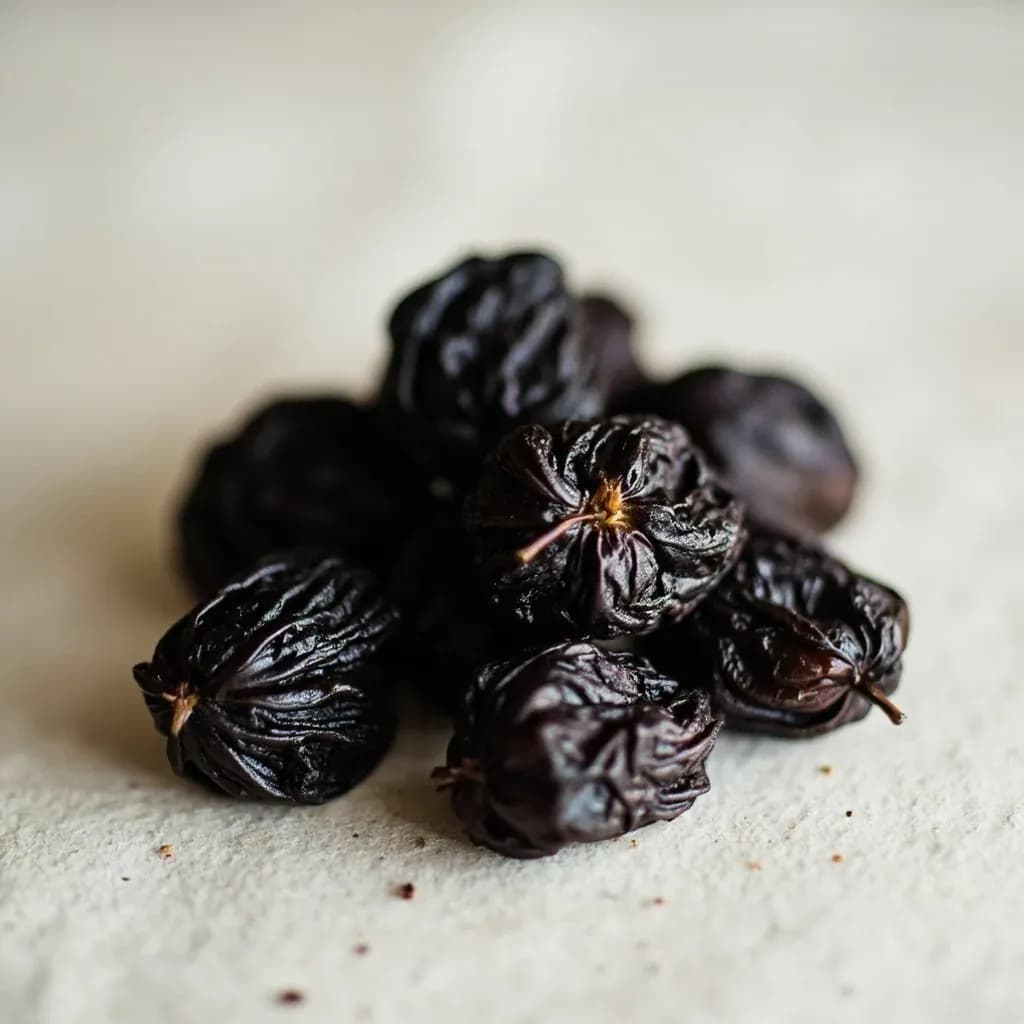
Dried Prune
Dried plum with rich, caramel-sweet flesh used in tagines, baking, and as a snack.
Prunes are dried plums, dark and wrinkled with a soft, chewy texture and deep caramel-sweet, slightly tart flavor. They are used in North African tagines, braised with meats, baked into cakes and breads, and eaten as a snack or pureed for baby food and natural sweetener. Their high pectin and sugar content make them excellent for moist baked goods.
Dried prunes are plums of the species Prunus domestica bred specifically for drying. These varieties—most notably the French Prune d'Agen—contain exceptionally high soluble solids (around 18% natural sugars) that allow them to dry without fermenting or spoiling. The drying process concentrates the fruit's flesh into a dense, wrinkled texture with a deep amber to near-black interior and a flavor that combines honeyed sweetness with caramel undertones and a gentle tartness. California produces more than 90% of the world's supply, using the d'Agen variety that arrived with French settlers in the 1850s. Prunes are far more versatile than their reputation suggests—yes, they support digestive health, but in the kitchen they function as a natural sweetener, a moisture-binding agent in baking, a textural element in braises, and a sweet-savory counterpoint on cheese boards. Their acidity (pH 3.0–4.0) and low moisture content (18–22% versus 85% in fresh plums) make them behave very differently from fresh fruit: they don't release much liquid in baking, they absorb surrounding flavors readily when plumped, and they hold their shape reasonably well in long-cooking braises if added at the right time.
- Measured in
- g
- Storage
- Pantry
Types & varieties
The dominant commercial variety; high sugar content (~18%), excellent drying qualities, sweet-tart flavor with caramel notes. Grown extensively in California.
Traditional Italian drying plum; smaller and rounder than d'Agen, intensely sweet. Common in European production.
Small green plum occasionally dried; less common, with a more delicate honey-like sweetness.
Oval European plum often dried; tart-sweet with firm flesh, traditional in British and Central European cooking.
Why Prunes Behave Differently Than Other Dried Fruit
Prunes occupy a unique position among dried fruits because of their acidity and pectin content. Unlike raisins or dates, prunes retain a gentle tartness even when fully dried, which makes them far more versatile in savory contexts. Their high pectin content means that when blended into a puree, they thicken liquids without added starch or gum—this is why prune puree appears in traditional recipes and clean-label baking alike. Because prunes are only 18–22% moisture, they contribute dense chew rather than sticky sweetness to baked goods, and they resist the tendency of other dried fruits to leech color and moisture into batter.
- Prunes retain a natural acidity that balances rich, fatty savory dishes more effectively than most other dried fruits
- Blending prunes with liquid yields a thick, spreadable puree that functions as both sweetener and binder in baking
- Their low moisture content means they won't dilute batter the way a rehydrated apricot might
Buying and Storing
Whole pitted prunes are the most useful kitchen form—you can always dice or puree them as needed. Diced prunes are convenient for baking where you want even distribution without the hassle of chopping. Prune puree and concentrate are worth keeping for baking and for smoothing into sauces; they have a longer refrigerated shelf life than whole prunes and dissolve instantly into liquids. Regardless of form, store in airtight containers in a cool, dark cabinet for up to six months, or refrigerate for up to a year. Prunes absorb odors aggressively, so keep them away from strongly aromatic foods like onion, garlic, or fish. If prunes develop a faint fermented or sour smell, they have aged past their best—taste before using.
- Buy whole pitted prunes for maximum flexibility; dice or puree as needed
- Refrigerate opened packages to extend shelf life and preserve flavor
- Do not store near aromatic foods—prunes absorb surrounding odors readily
- Frozen prunes keep indefinitely and can be thawed and used directly in cooked applications
Common uses
Tips & pitfalls
- Always pit before using in baking or cooking unless specified; whole prunes pit easily with gentle pressure or by squeezing.
- To plump quickly: cover with hot liquid (water, wine, broth) and let stand 15–20 minutes, or simmer 5 minutes off heat.
- For meat tagines, add prunes in the last 20–30 minutes of cooking to prevent them from disintegrating into paste.
- Prunes blended with a little liquid become a dense, natural sweetener that adds moisture and chew to baked goods.
- When substituting for fresh plums in a recipe, use roughly ¼ the weight (dried plum has concentrated sugar and flavor).
- Store away from strongly aromatic foods; prunes absorb odors.
- Before serving cold in salads or on cheese boards, soak in liqueur (armagnac, brandy, port) for 30 minutes for depth.
- Do not add prunes early to acidic braises—their pectin breaks down further in long, acidic cooking, turning them mushy and grainy.
Nutrition
Energy
1075 kJ · per 100 g
Where the calories come from
Protein
2.1g
4% DV
Carbs
65.1g
24% DV
Fat
0.2g
0% DV
Fiber
3.3g
12% DV
Sugars
39g
of which
Sodium
23mg
1% DV
Source · USDA FoodData Central · Prune puree
View on FDC →In the shops
Matched grocery products
No matched grocery products for Dried Prune yet.
Good to know
- Primary Origin
- Native to Europe; California now produces over 90% of the world's supply
- Main Commercial Variety
- Prune d'Agen (French d'Agen), a European plum variety selected specifically for drying
- Drying Method
- Mechanically dried at low temperatures (180–200°F) after pitting; may be sun-dried traditionally
- Moisture Content
- 18–22% (fresh plums are ~85% water)
- Color
- Dark purple-black exterior; flesh ranges from deep amber to near-black depending on variety
- Available Forms
- Whole pitted, whole unpitted, diced, puree, concentrate/juice
- Shelf Life (Pantry)
- 6 months in a cool, dark place
- Shelf Life (Refrigerated)
- 12 months sealed; freeze for longer storage
- Yield (Rehydrated)
- 1 cup dried yields approximately 1½ cups plumped when simmered in liquid 15–20 minutes
- pH
- 3.0–4.0 (moderately acidic)
Substitutes
- Dried Apricots — Similar chew and sweetness; slightly tarter, with less caramel depth. Use in equal weight amounts.
- Medjool Dates — Comparable texture and sweetness; stone-fruit character differs but workable in most cooked applications.
- Dried Figs — Similar moisture and chew; more neutral sweetness; good in savory contexts.
- Raisins — Smaller and less moist; acceptable in baked goods but not for plumping or sauce work.
- Prune Puree (unsweetened) — Direct 1:1 substitute in baking for moisture and binding; will not provide whole-fruit texture.
Pairs with
Also called
Prunes · Dried Plum
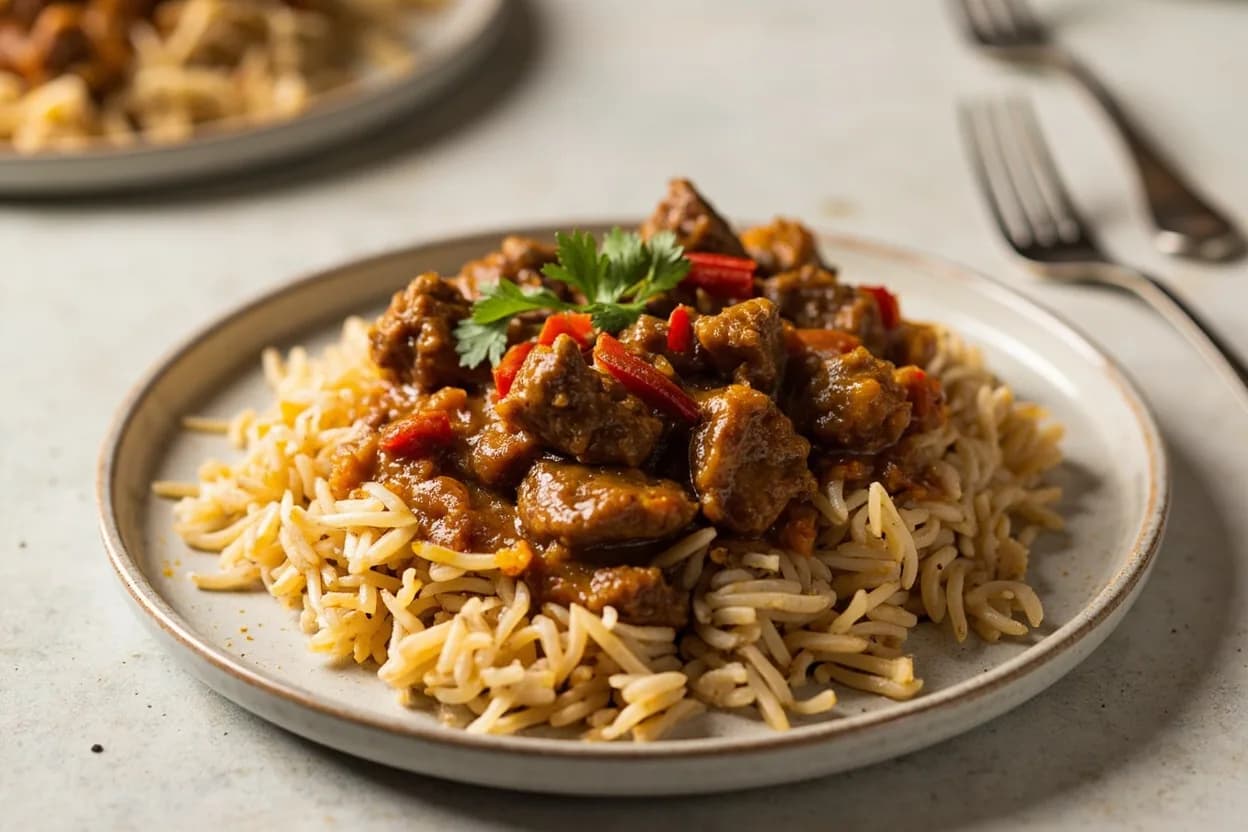
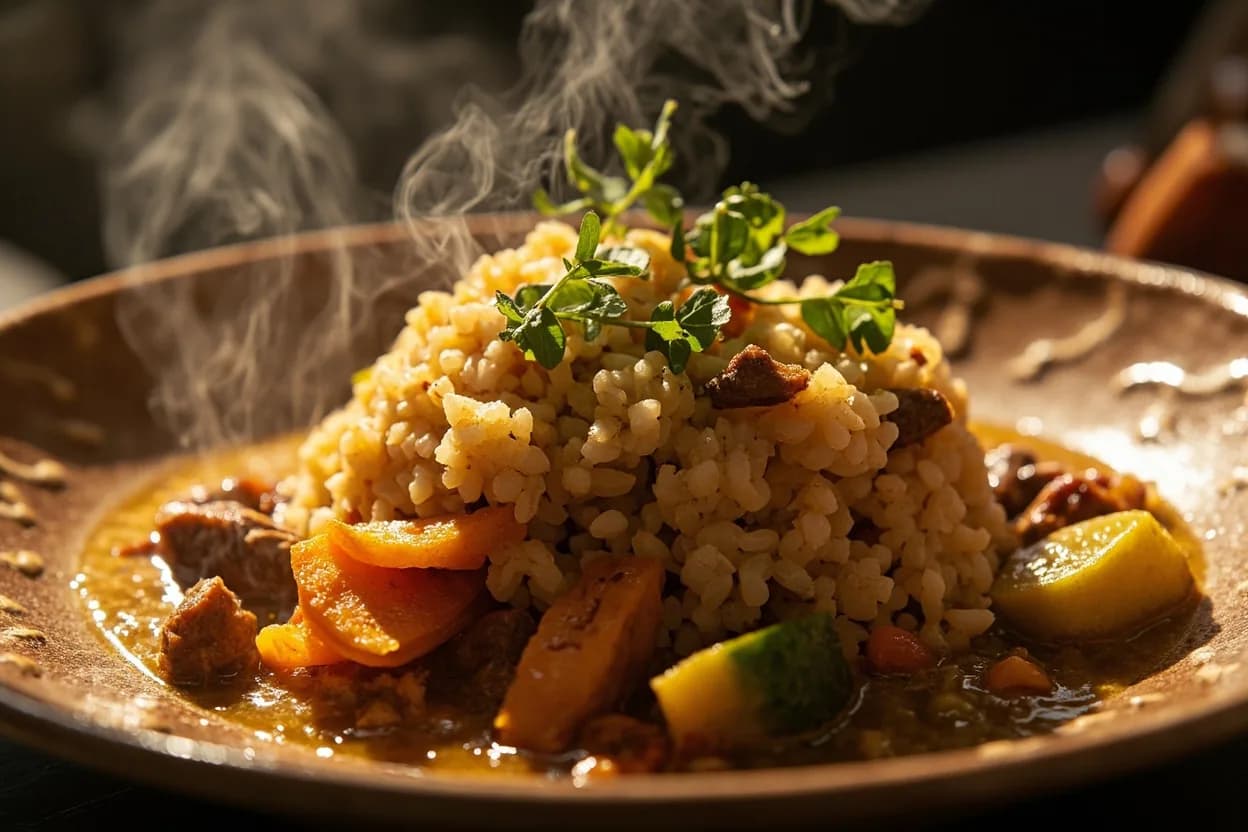
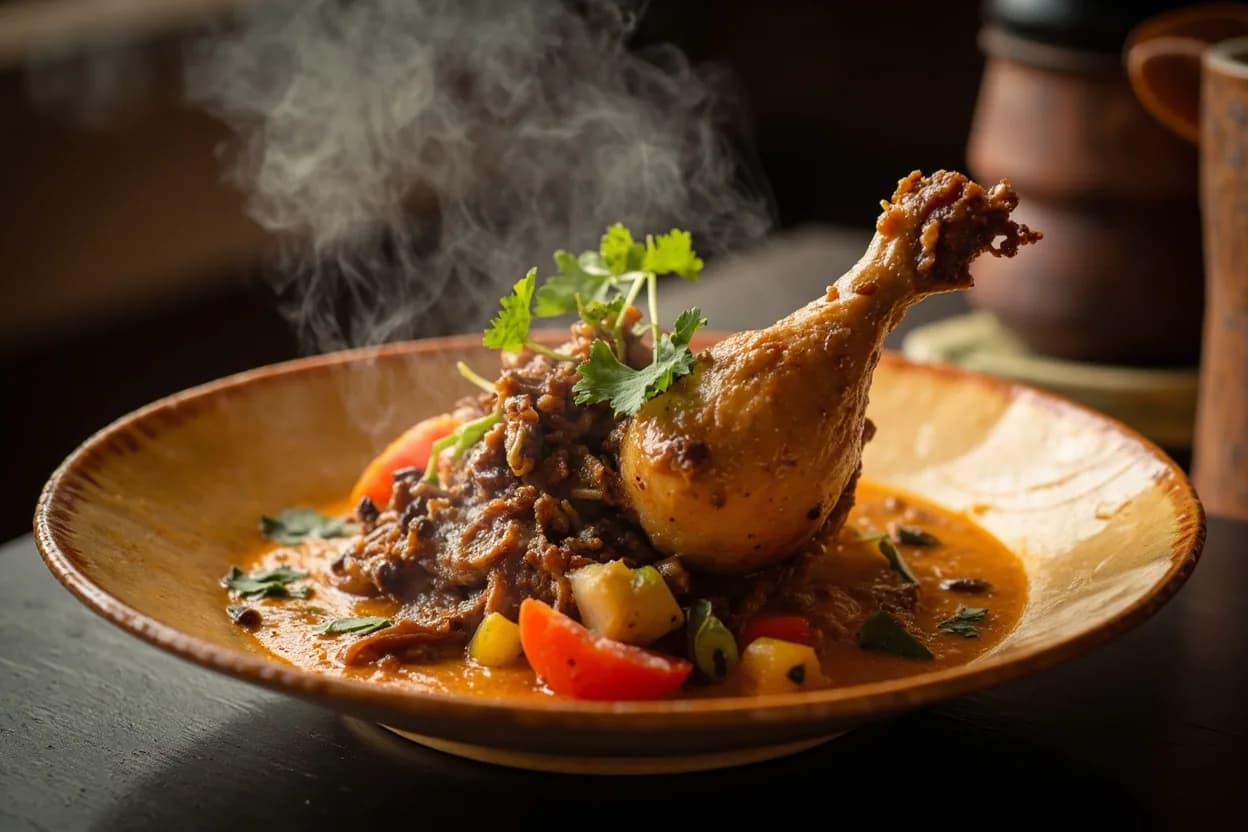
Appears in these dishes


Related
Tomato
Juicy, sun-sweet fruit for sauces, salads, and slow-cooked depth
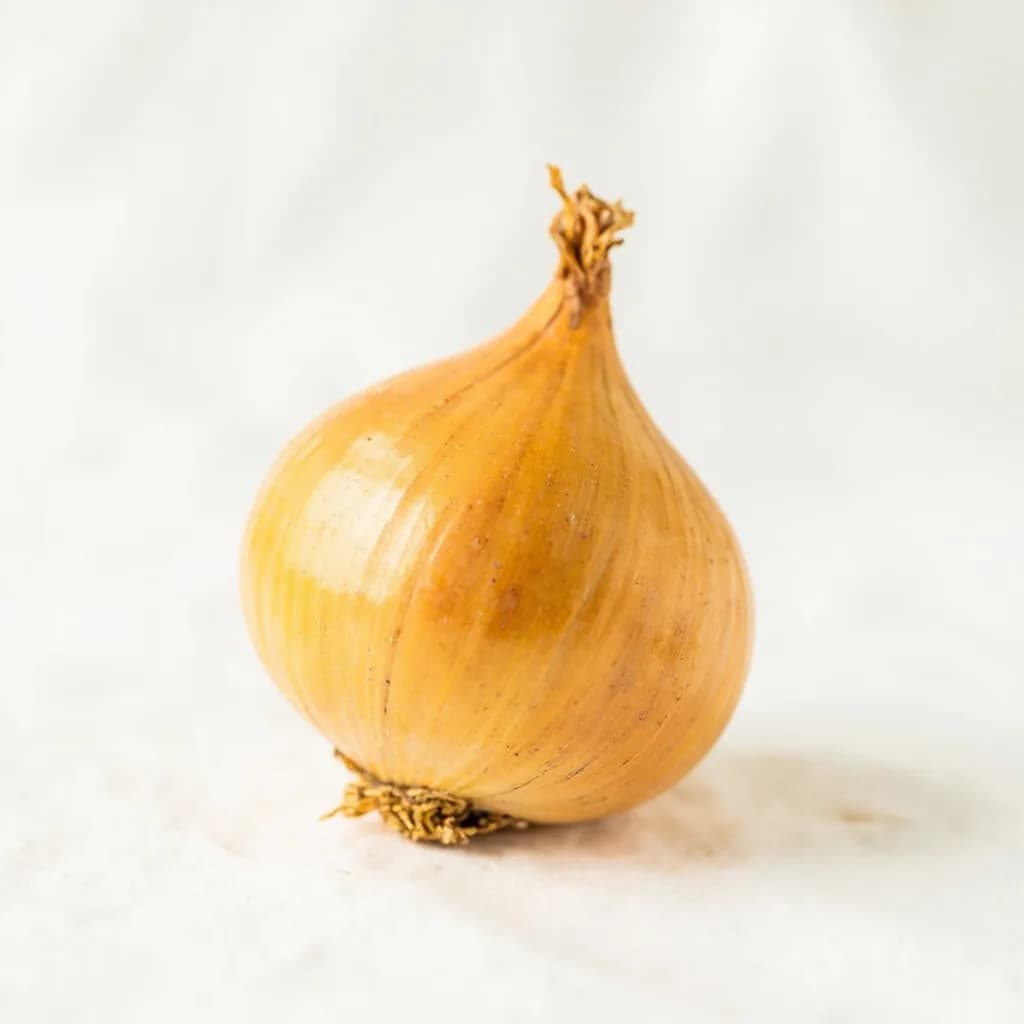
Yellow Onion
The aromatic backbone of soups, sofritos, and braises
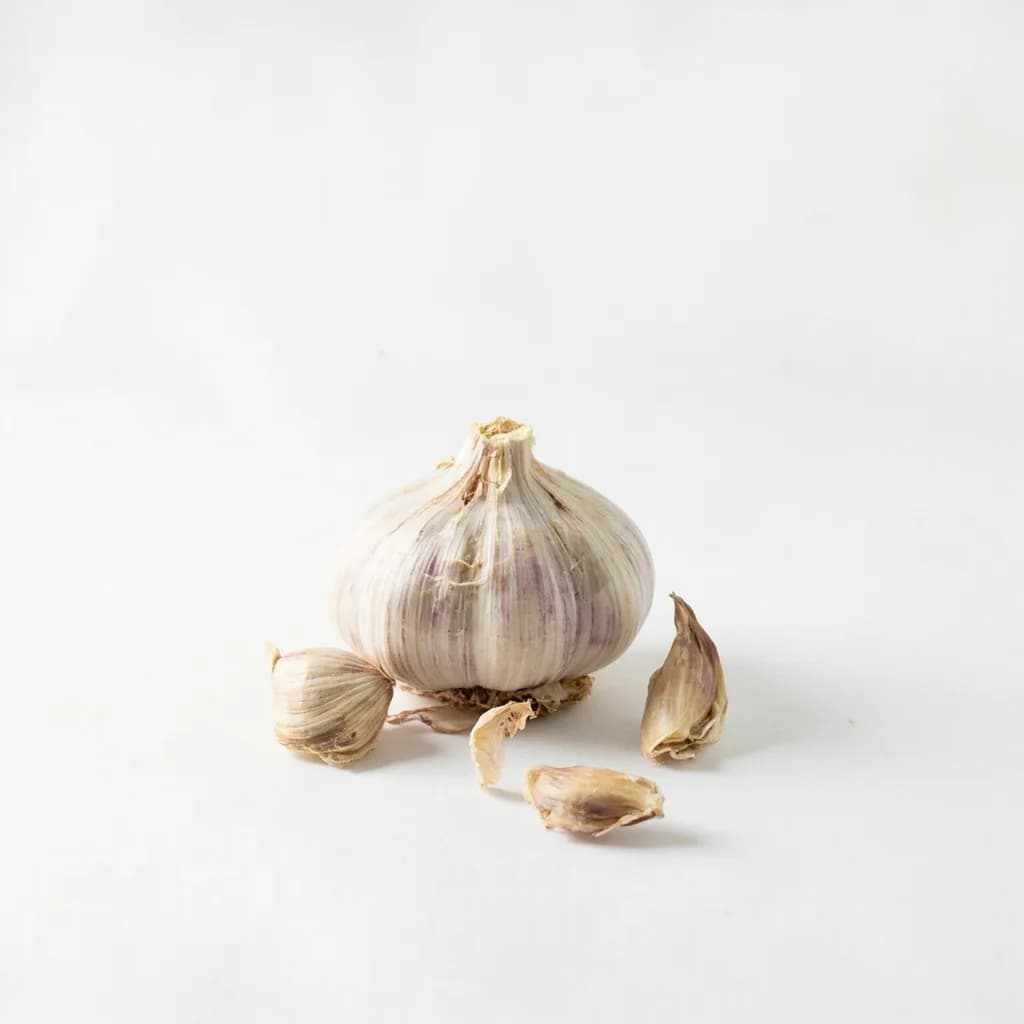
Garlic
Pungent cloves that perfume nearly every savory dish
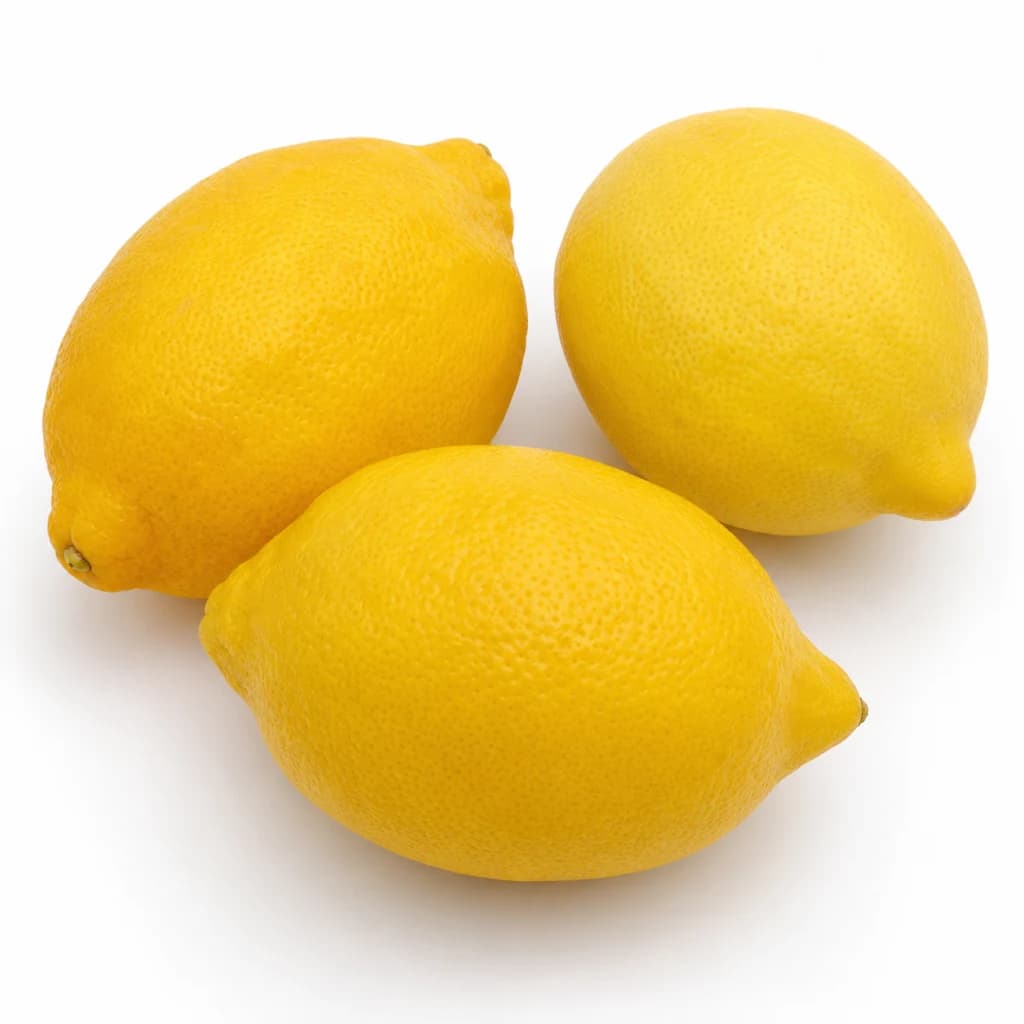
Lemon
Bright, acidic citrus that wakes up almost any dish
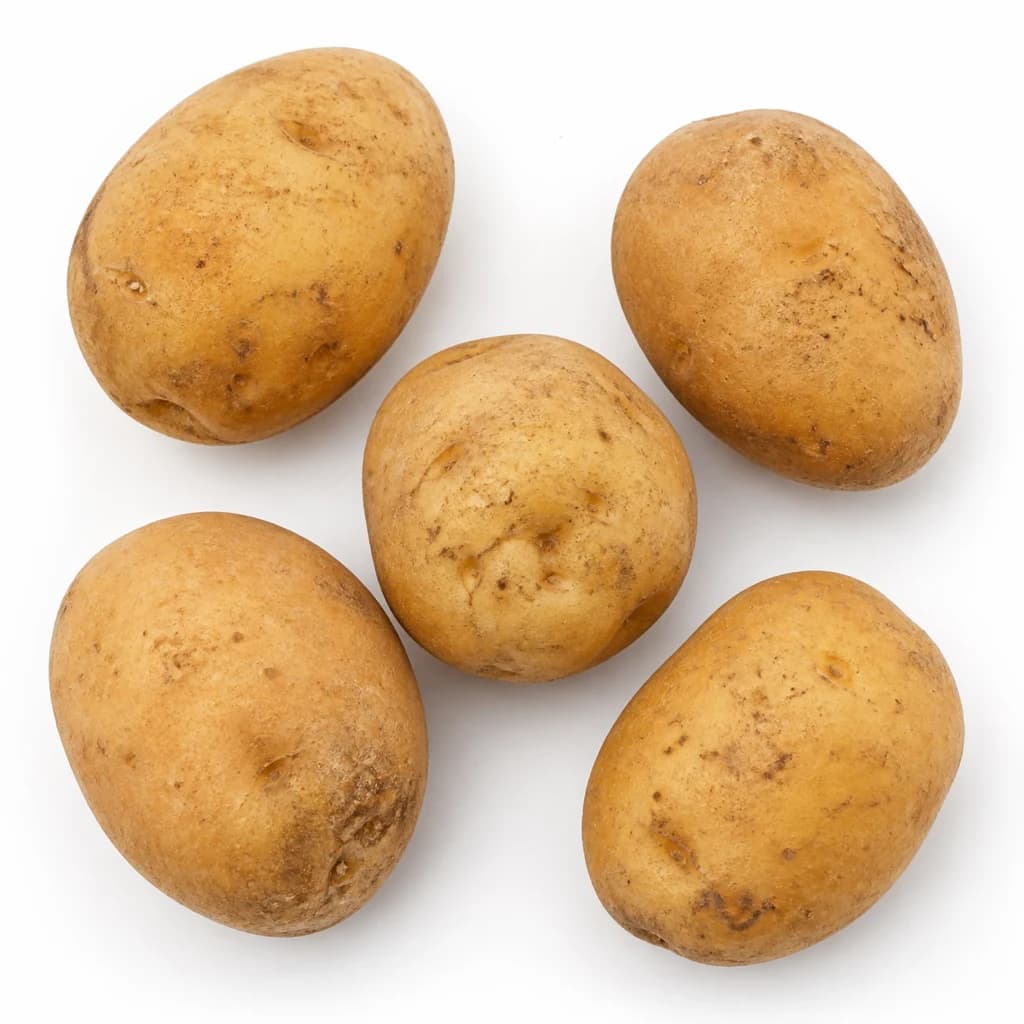
Potato
Humble, hearty staple — roast, mash, fry, or boil
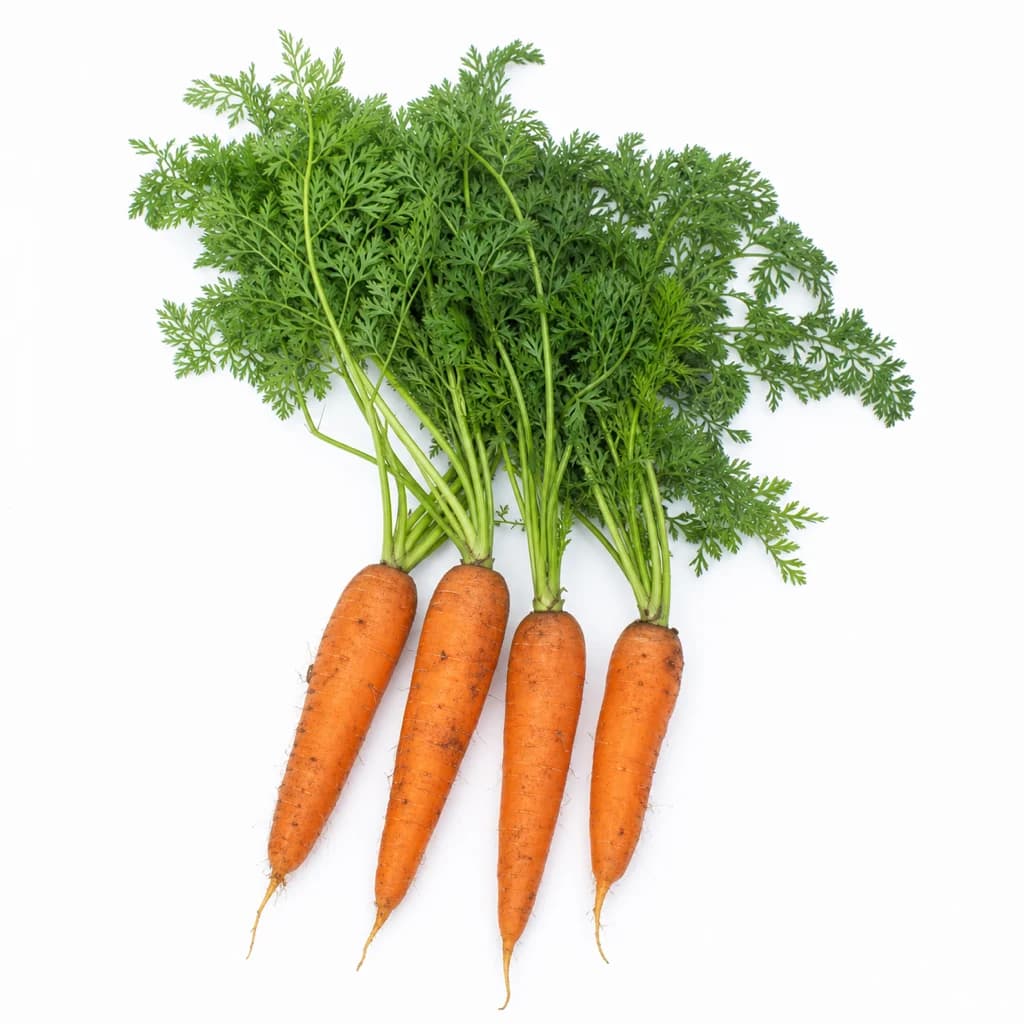
Carrot
Sweet, crunchy root — raw, roasted, or the base of a sofrito
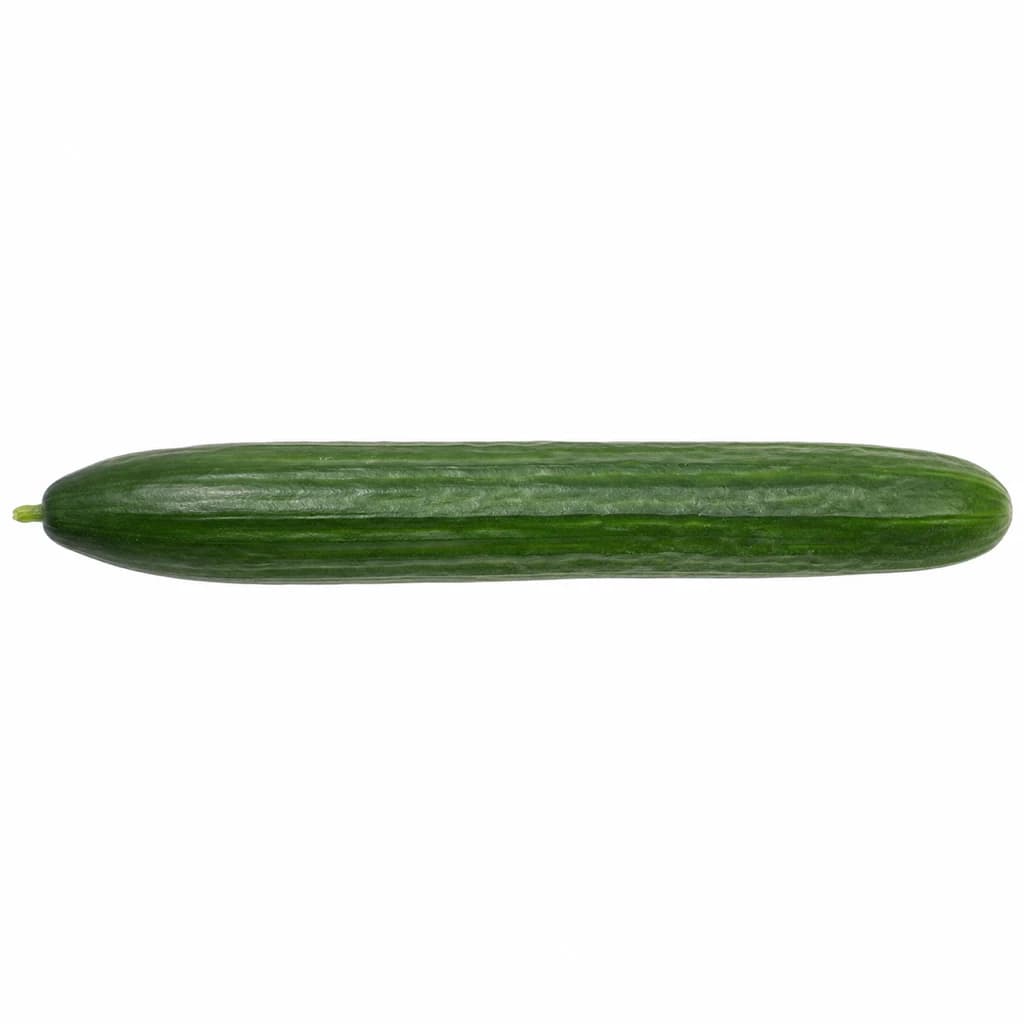
Cucumber
Cool, crisp, and watery — for salads, pickles, and tzatziki

Lettuce
Crisp leaves for salads, wraps, and a fresh crunch