
Natural form
A young Gouda wheel showing its smooth pale yellow rind and compact form.
Shows the reader the whole cheese as it appears at market — its characteristic round shape, wax-coated or natural rind, and pale straw color.
Dairy & Eggs
Gouda Cheese
Dutch semi-hard cheese, smooth and mildly sweet when young, rich and caramelly when aged.
Gouda is a Dutch cow's-milk cheese ranging from smooth and mild when young to firm, deeply caramelized when aged. It melts well in sandwiches and sauces, while aged versions are eaten in shards for their nutty, butterscotch notes. It is one of the most widely produced cheeses in the world.
Gouda is a Dutch semi-hard cheese made using the washed-curd method, where whey is partially removed and replaced during cheesemaking to produce a sweeter, lower-acid final product than cheddar-style cheeses. Named after the market town of Gouda in South Holland—where cheese has been traded at weekly markets since the 1300s—the name refers to the city and its historic market, not a production method. Gouda-style cheeses are made worldwide, but true Dutch Gouda must be made with milk from Dutch cows and aged a minimum of four weeks. Since 2015, authentic Dutch Gouda has been covered by a Protected Geographical Indication application. It is the most-produced cheese in the Netherlands, accounting for roughly half of Dutch cheese output.
Young Gouda (1-8 weeks) is supple, mild, and buttery with slight sweetness—excellent for melting. As it ages, tyrosine crystals develop and caramel and butterscotch notes intensify, transforming the cheese into something crystalline and complex, perfect for snacking on a charcuterie board. The texture progression is dramatic: from smooth and dense when young to grainy and crystalline when aged. The rind follows a similar arc—young wheels are sealed in paraffin wax, while aged varieties develop natural rinds. Some producers add annatto, a natural vegetable pigment, to produce the characteristic orange hue that many people mistakenly attribute to saffron or paprika.
Gouda's versatility is its defining virtue. The cheese bridges the gap between an everyday melter and a serious aged gem, making it one of the most useful cheeses in any kitchen. Young varieties behave impeccably under heat, melting into smooth, pulls, while aged versions hold their own on a board alongside cured meats and fruit. This range explains why Gouda has remained a staple in Dutch cuisine for seven centuries and has earned a permanent place in kitchens worldwide.
- Measured in
- g
- Storage
- Fridge
Allergens
Types & varieties
Aged 1-4 weeks; supple texture, mild, buttery, slightly sweet
Aged 4-8 weeks; firmer, more pronounced flavor, smooth melting
Aged 8-16 weeks; caramel notes emerge, good for slicing
Aged 16+ weeks; nutty, crystalline interior, firm enough to slice thin
Aged 12-36 months; hard, granular, intense caramel and butterscotch flavor, tyrosine crystals throughout
Cold-smoked over beechwood for 24-48 hours; reddish-brown rind, pronounced smoky flavor
Farmstead Gouda made from unpasteurized milk; more complex, variable flavor profile
Goat's milk Gouda; tangier, often slightly crumbly
Gouda matured a year or more into a firm, butterscotch-sweet cheese with salt crystals. Shave over salads or pasta like Parmesan; too dry to melt cleanly, so favour grated finishes.
The Washed-Curd Method
The washed-curd technique is what separates Gouda from cheddar-style cheeses. During cheesemaking, a portion of the whey is drained off and replaced with water or thinner whey. This washing reduces lactose in the curds, which means less acid develops during fermentation. The result is a sweeter, more pliable cheese with a higher residual moisture content. This is why young Gouda melts so smoothly compared to harder, older cheeses—and why the flavor profile lacks the sharp acidity of aged cheddar.
- Less acidity = sweeter flavor profile from the start
- Higher moisture = smoother melting behavior
- The method works equally well with young and aged expressions of the cheese
Choosing the Right Age for the Job
Matching Gouda's age to your application is the single most important decision when buying and cooking with this cheese. The aging classifications are precise and useful, not arbitrary labels.
- For melting: Choose Jong or Jong Belegen (1-8 weeks). These are the workhorses of the kitchen—grate over pasta, build grilled cheese, stir into sauces.
- For slicing onto a board: Choose Belegen or Extra Belegen (8-16+ weeks). The flavor has developed enough to stand alone without being overwhelming.
- For snacking with wine or beer: Choose Oud (12+ months). The crystalline texture and concentrated caramel notes demand appreciation on their own terms.
Common uses
Tips & pitfalls
- Bring to room temperature 30-60 minutes before serving for full aroma and flavor—cold Gouda tastes muted and releases its aromas poorly
- Young Gouda (4-8 weeks) melts more smoothly than heavily aged varieties for cooked applications—choose the right age for the job
- For grating aged Gouda, use a coarse grater; fine graters clog quickly with the crystalline texture and can slip dangerously on hard cheese
- Store cut surfaces against a piece of wax paper to prevent drying and maintain suppleness for 3-4 weeks
- If aged Gouda resists melting, grate it finely and combine with a little liquid (wine, stock) to help it emulsify smoothly without clumping
- Avoid high heat when melting—Gouda can turn rubbery or separate if heated too aggressively; use medium-low heat and patient stirring
- The orange color in some Gouda comes from annatto, a natural pigment derived from the achiote tree—misconceptions about saffron or paprika are common but unfounded
- Check the rind for mold before purchasing; waxed rinds should be intact without soft spots or discoloration indicating age or temperature abuse
- Aged Gouda pairs well with darker beers and full-bodied wines; young varieties suit lighter pairings—this is worth remembering when planning a cheese board
Nutrition
Energy
1490 kJ · per 100 g
Where the calories come from
Protein
24.9g
50% DV
Carbs
2.2g
1% DV
Fat
27.4g
35% DV
Fiber
0g
0% DV
Sugars
2.2g
of which
Sodium
819mg
36% DV
Source · USDA FoodData Central · Cheese, gouda
View on FDC →In the shops
Matched grocery products
No matched grocery products for Gouda Cheese yet.
Good to know
- Origin
- Netherlands, named for the market town of Gouda in South Holland, where it has been traded since the 1300s
- Type
- Semi-hard, washed-curd cheese
- Milk
- Cow's milk (traditional); goat's milk versions also produced
- Aging
- 4 weeks (young) to 36+ months (old)
- Texture
- Smooth and dense when young; crystalline and grainy when aged
- Rind
- Paraffin wax (young); natural rind (aged)
- Fat Content
- 48% minimum in dry matter
- Color
- Pale ivory to deep orange (annatto added to some batches)
Substitutes
- Edam — Closest in flavor and texture; slightly nuttier, holds shape better when melted
- Maasdam — Similar appearance and mild sweetness; better melting than Edam but slightly more acidic
- Muenster — Mild, smooth-melting; lacks the caramel depth of aged Gouda but works well for young-Gouda applications
- Swiss Cheese (Emmental) — Mild, excellent melting; less sweet, no caramel notes, more holey texture
- Young Cheddar — Comparable texture and mildness; slightly sharper and more acidic than young Gouda
- Colby — Mild, open texture; similar melting behavior but lacks the sweetness characteristic of young Gouda
Pairs with
Also called
Queso Gauda · Aged Cheese · Oude Kaas
Related

Whole Milk
Rich, full-fat milk for drinking, coffee, sauces, and baking
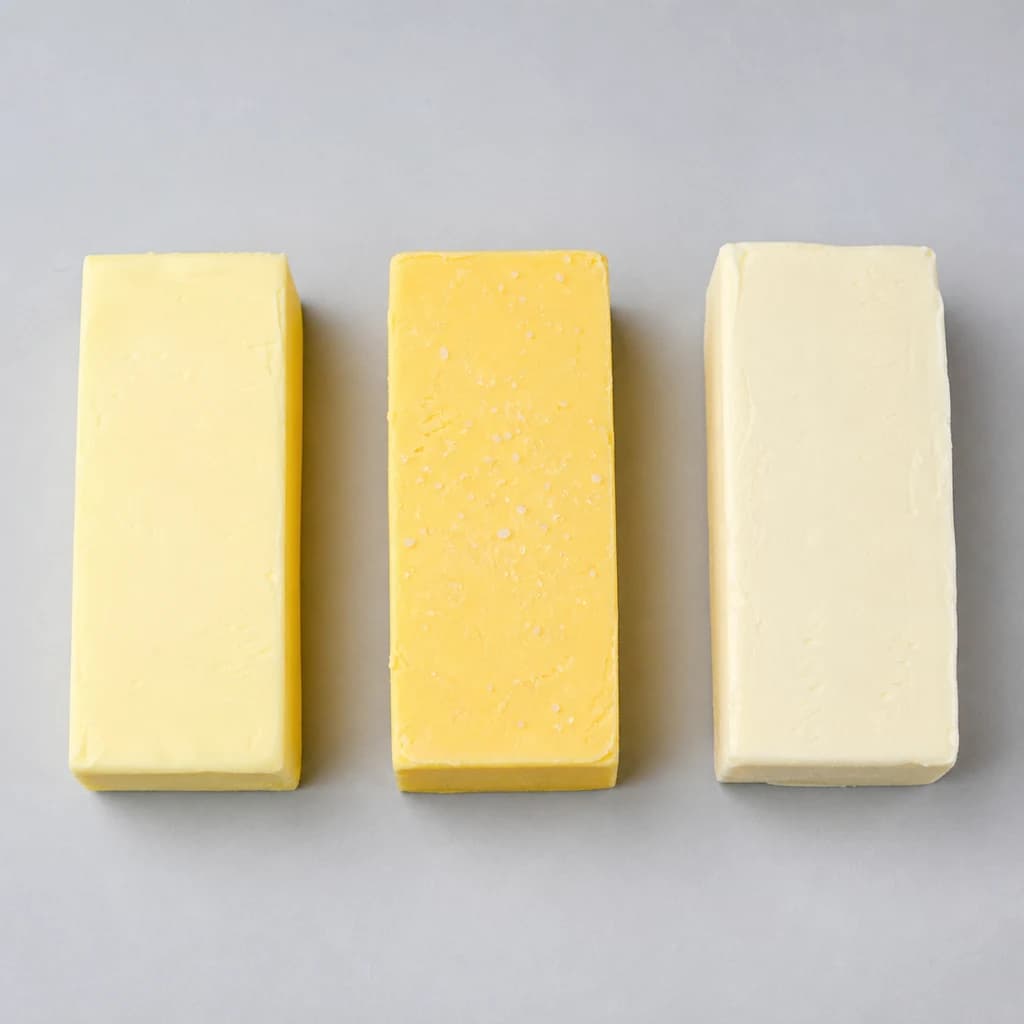
Butter
Golden fat for searing, baking, and finishing a sauce
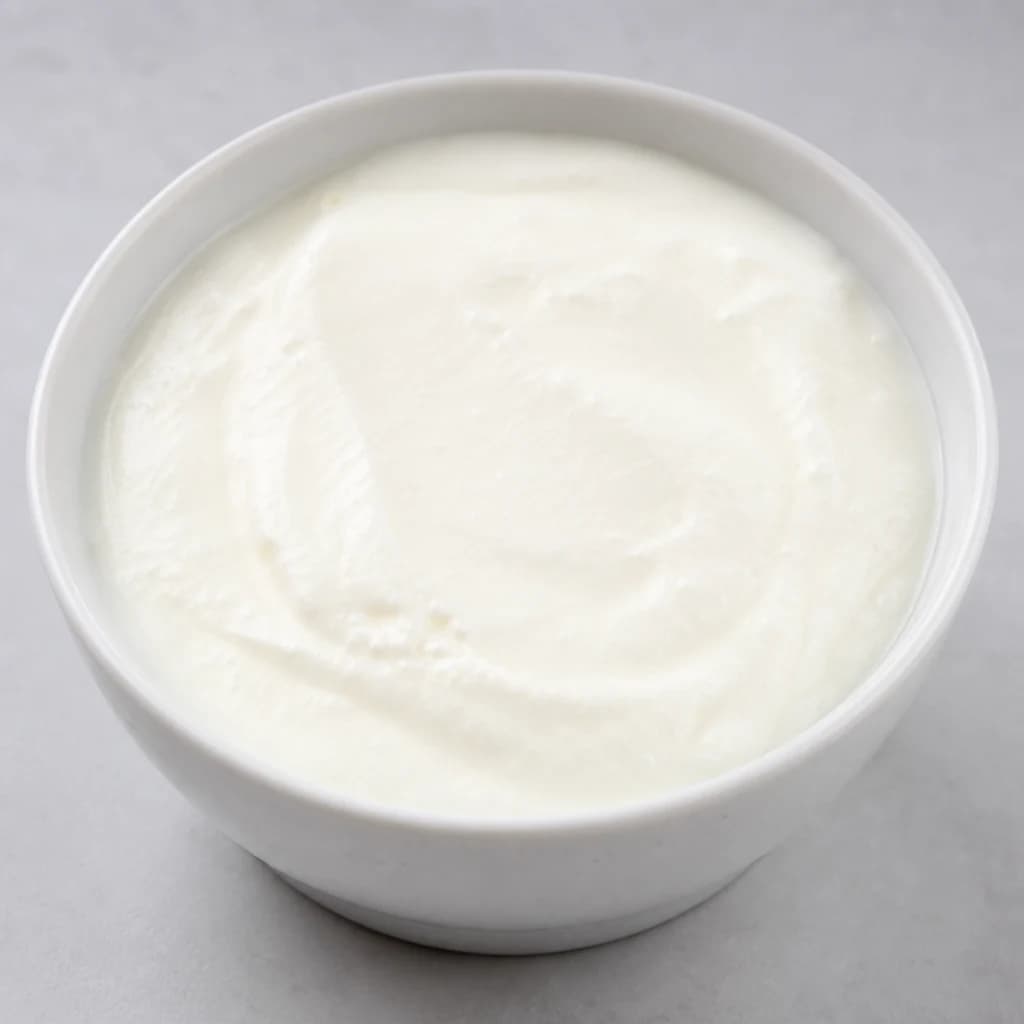
Yogurt
Tangy, creamy culture for breakfast, sauces, and marinades
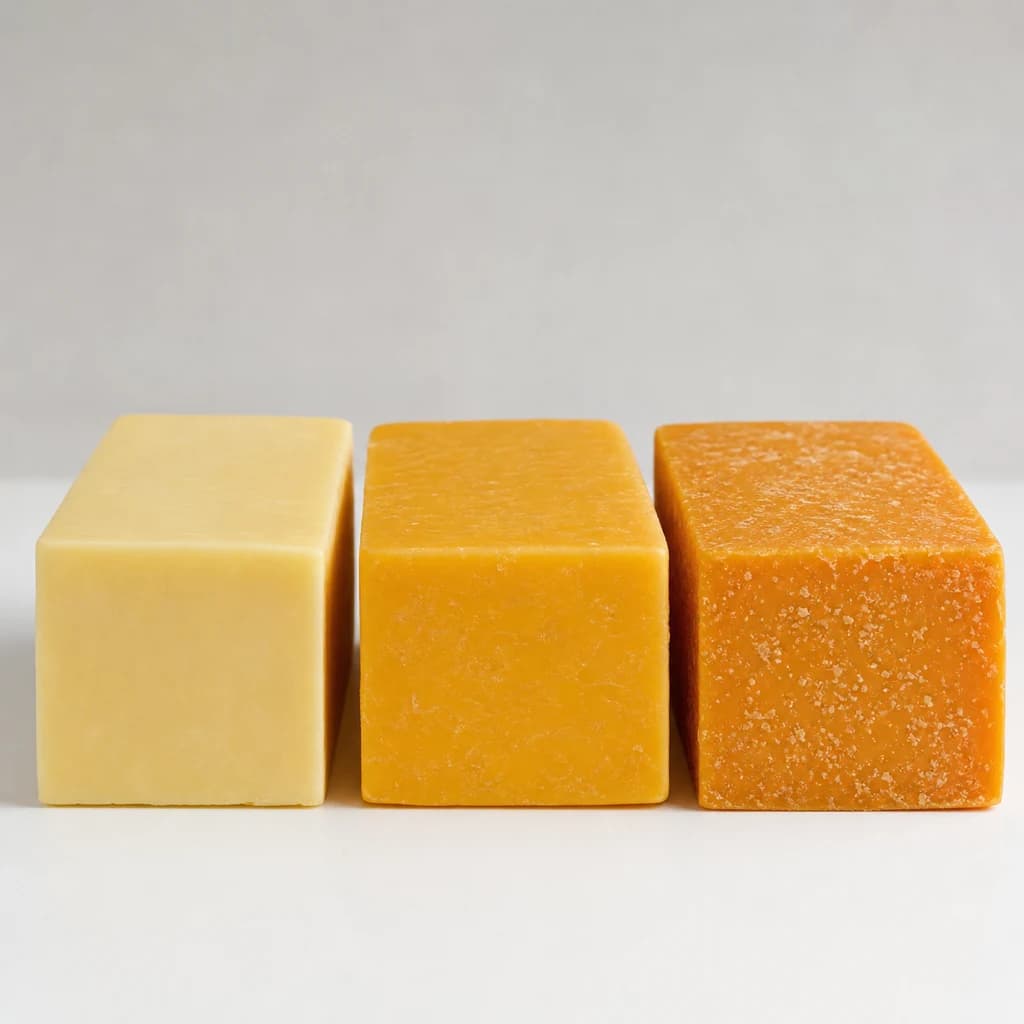
Cheddar Cheese
Sharp, melty cheese for sandwiches, gratins, and grating
Skim Milk
Fat-free milk for lighter drinking, coffee, and cooking
Heavy Cream
Rich cream that whips, enriches sauces, and sets ganache

Sour Cream
Tangy, thick cream for dolloping, baking, and dips
Mozzarella
Soft, milky cheese that melts into stretchy pizza pulls