
Stored
Whole milk in a clear glass pitcher on a white background, showing its opaque white color.
Shows the reader the visual appearance of whole milk in its typical refrigerated, ready-to-pour state — fully opaque, bright white, with no visible separation.
Dairy & Eggs
Whole Milk
Rich, full-fat milk for drinking, coffee, sauces, and baking
Creamy and round, whole milk gives body to béchamel, custards, and morning coffee. Keep it cold at the back of the fridge and use within a week of opening.
Whole milk is cow's milk with nothing taken away — roughly 3.25% to 3.8% fat, the level the cow gives once the cream is homogenized back in so it won't separate. That fat is what makes it taste round and full: it carries flavor, softens the perception of any cooked or grassy notes, and gives coffee and sauces real body. For cooking it is the workhorse milk — it builds béchamel, sets custards, hydrates batters, and steams into the most forgiving microfoam for a latte. Almost all supermarket milk is pasteurized (heated to kill pathogens) and homogenized (fat broken into tiny droplets so the cream stays suspended); raw milk skips both and carries genuine food-safety risk.
- Measured in
- ml
- Storage
- Refrigerate
- Shelf life
- 7 days
Allergens
Find it in
Types & varieties
The standard — heated to kill pathogens, fresh-tasting, 1–2 week fridge life.
Ultra-heat-treated and shelf-stable unopened; faintly cooked flavor, handy as a pantry backup.
Often UHT for longer life; grass feeding can deepen color and flavor slightly.
Sold only where legal; richer-tasting but carries real pathogen risk — avoid for vulnerable eaters.
Reduced-fat milk that keeps body without whole milk's richness. Fine for most baking and sauces; in custards or béchamel expect a slightly thinner, less luxurious result.
Unpasteurized whole milk with a fuller, grassier flavor; used in traditional cheesemaking and rich dairy, but must be handled cold and fresh.
Cow's milk from herds producing only the A2 beta-casein protein, marketed as gentler on digestion. Tastes and cooks identically to regular whole milk in any recipe.
How to choose
Buy the carton with the furthest-out date and pull it from the back of the chilled case where it's coldest. Whole milk should smell faintly sweet and look uniformly opaque white; any sour smell, yellow tinge, or lumps means it's turning. For frothing coffee, fresh cold whole milk steams into the silkiest foam thanks to its fat and protein.
How to store / food safety
Keep milk at or below 4°C and store it on a shelf, not the fridge door, where temperature swings. Once opened, use within about a week and always pour from a clean container. Don't return poured milk to the carton. Raw milk can carry Listeria, Salmonella, E. coli and Campylobacter — pregnant people, infants, the elderly and the immunocompromised should drink only pasteurized milk.
How to cook
Heat milk gently — it scorches on the bottom and forms a skin, so use moderate heat and stir or whisk. It can curdle when boiled hard with acid (lemon, wine, tomato); temper it by warming gradually or stabilize sauces with a starch. For béchamel, whisk warm milk into a cooked flour-butter roux off a roaring heat.
Common uses
Tips & pitfalls
- Bring milk toward room temperature before adding to a roux or hot liquid to reduce curdling and lumping.
- Rinse the pan with cold water before scalding milk — it helps prevent sticking and scorching.
- A pinch of baking soda steadies milk against curdling in acidic soups like tomato.
- Freeze milk for cooking if needed; it separates on thaw, so shake well — fine for sauces, not for drinking.
- Steam cold, fresh whole milk for the finest latte microfoam.
Nutrition
Energy
255 kJ · per 100 g
Where the calories come from
Protein
3.2g
6% DV
Carbs
4.8g
2% DV
Fat
3.3g
4% DV
Fiber
0g
0% DV
Sugars
5.1g
of which
Sodium
43mg
2% DV
Source · USDA FoodData Central · Milk, whole, 3.25% milkfat, with added vitamin D
View on FDC →In the shops
Matched grocery products
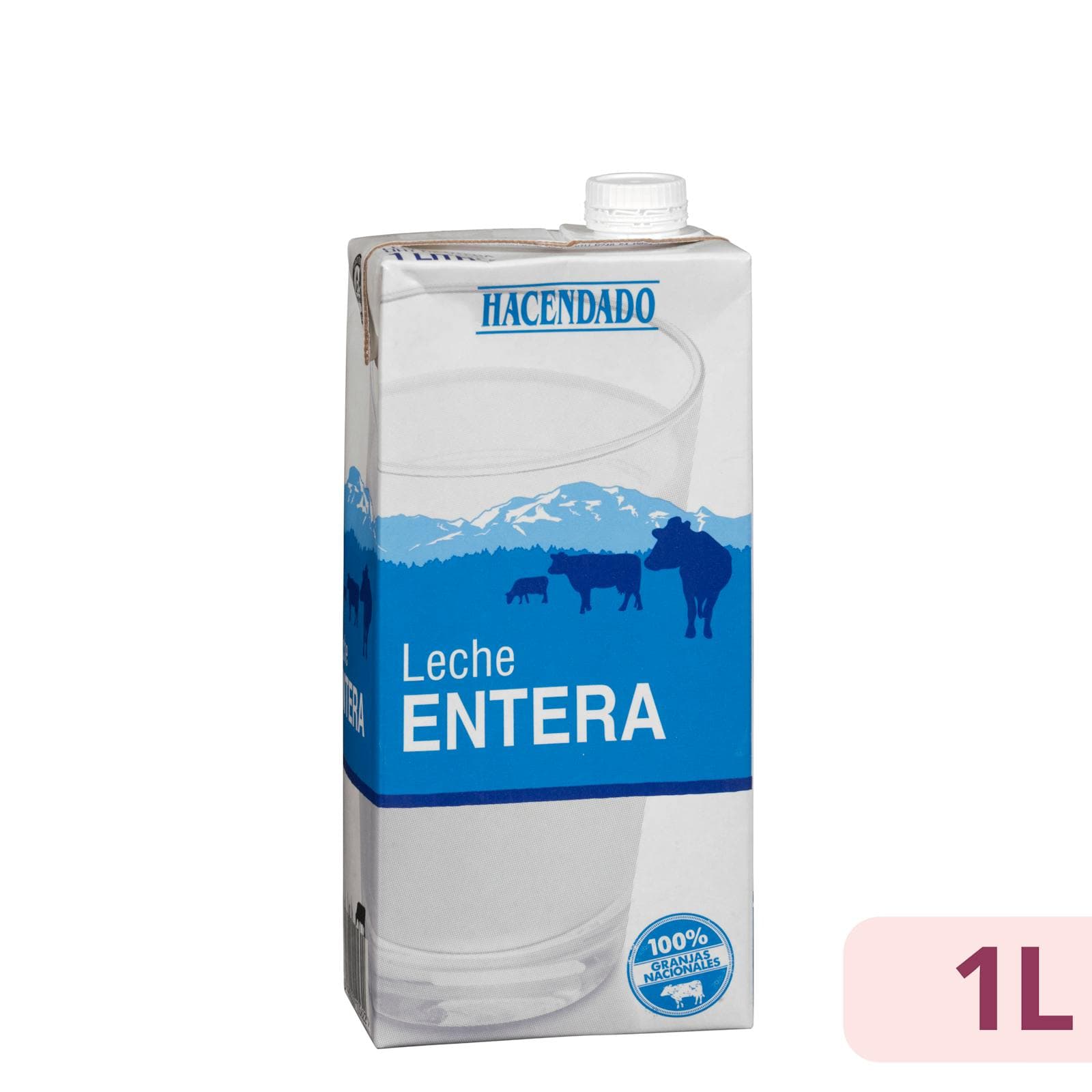 €0.96
€0.96Whole Milk
Hacendado · 1 L · Mercadona
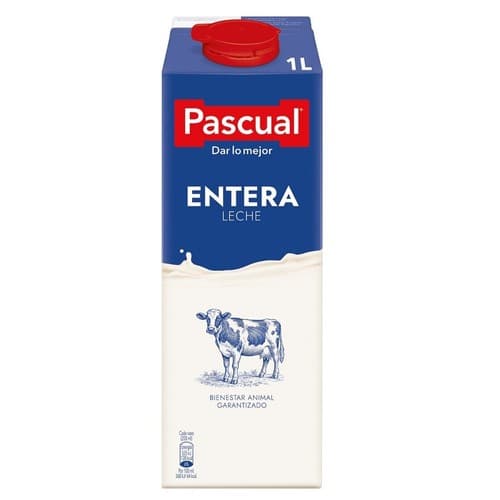 €1.39
€1.39Whole Milk
PASCUAL · l · Bonpreu
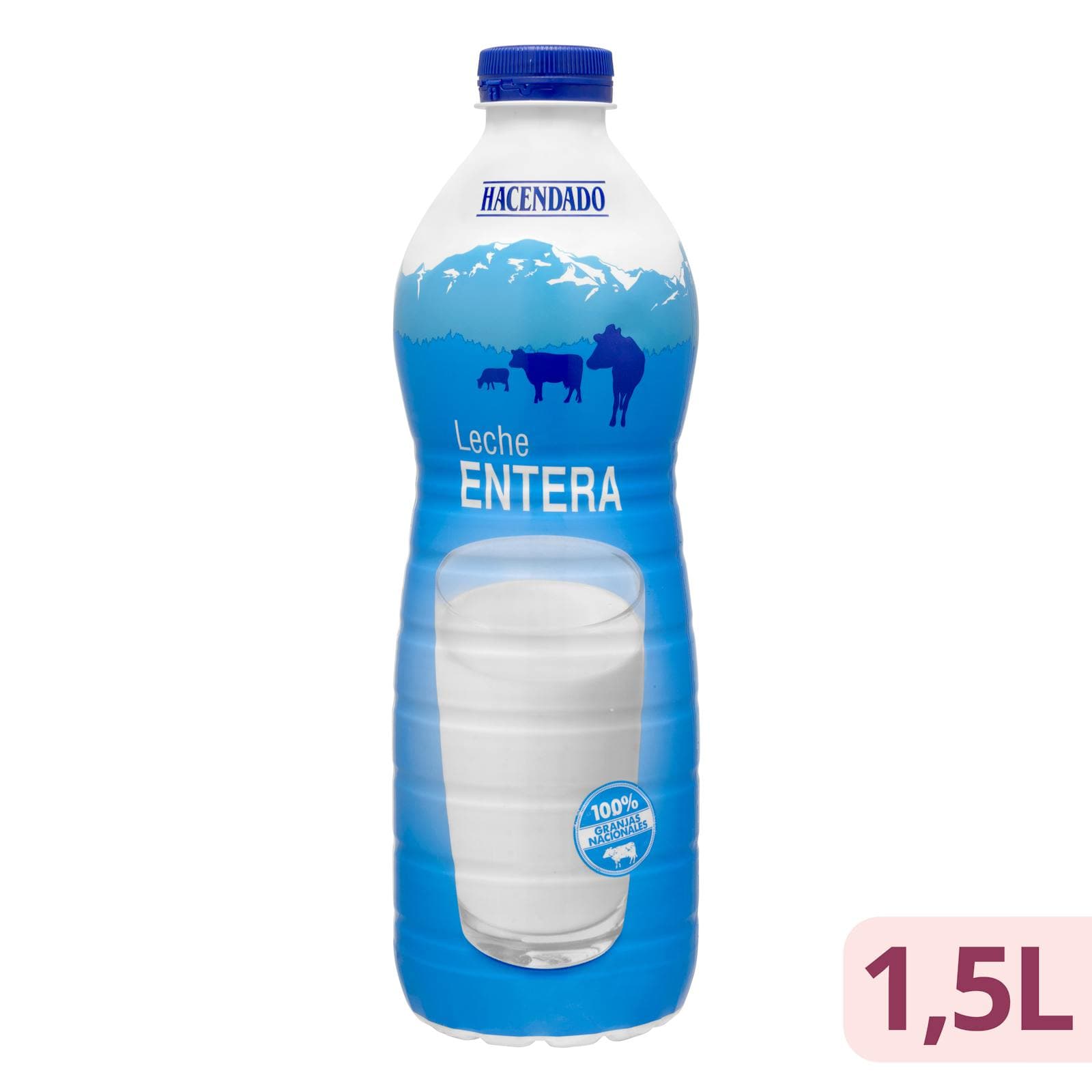 €1.56
€1.56Whole Milk
Hacendado · 1.5 L · Mercadona
 €1.71
€1.71Whole Milk
Hacendado · 1.2 L · Mercadona
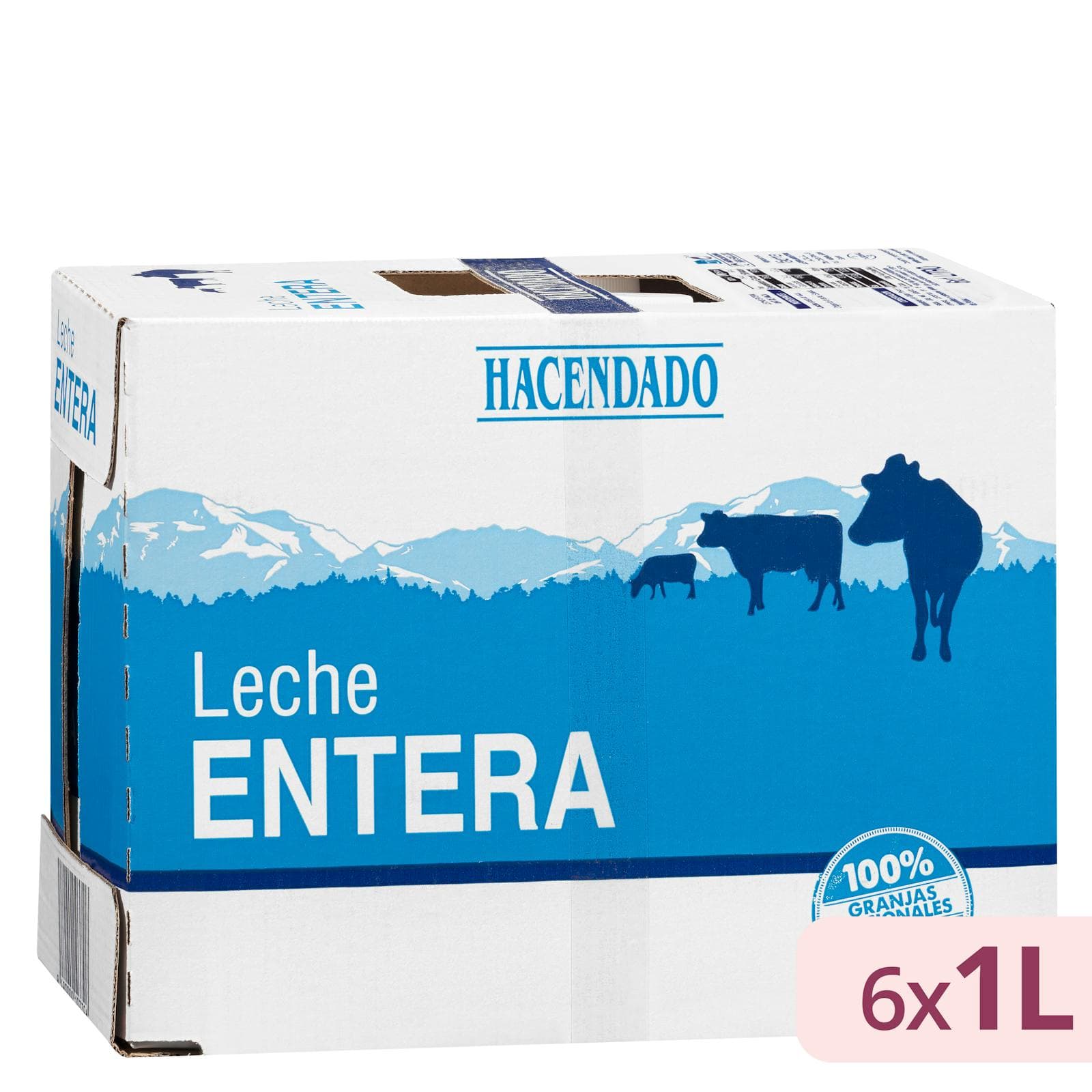 €5.76
€5.76Whole Milk
Hacendado · 6 L · Mercadona
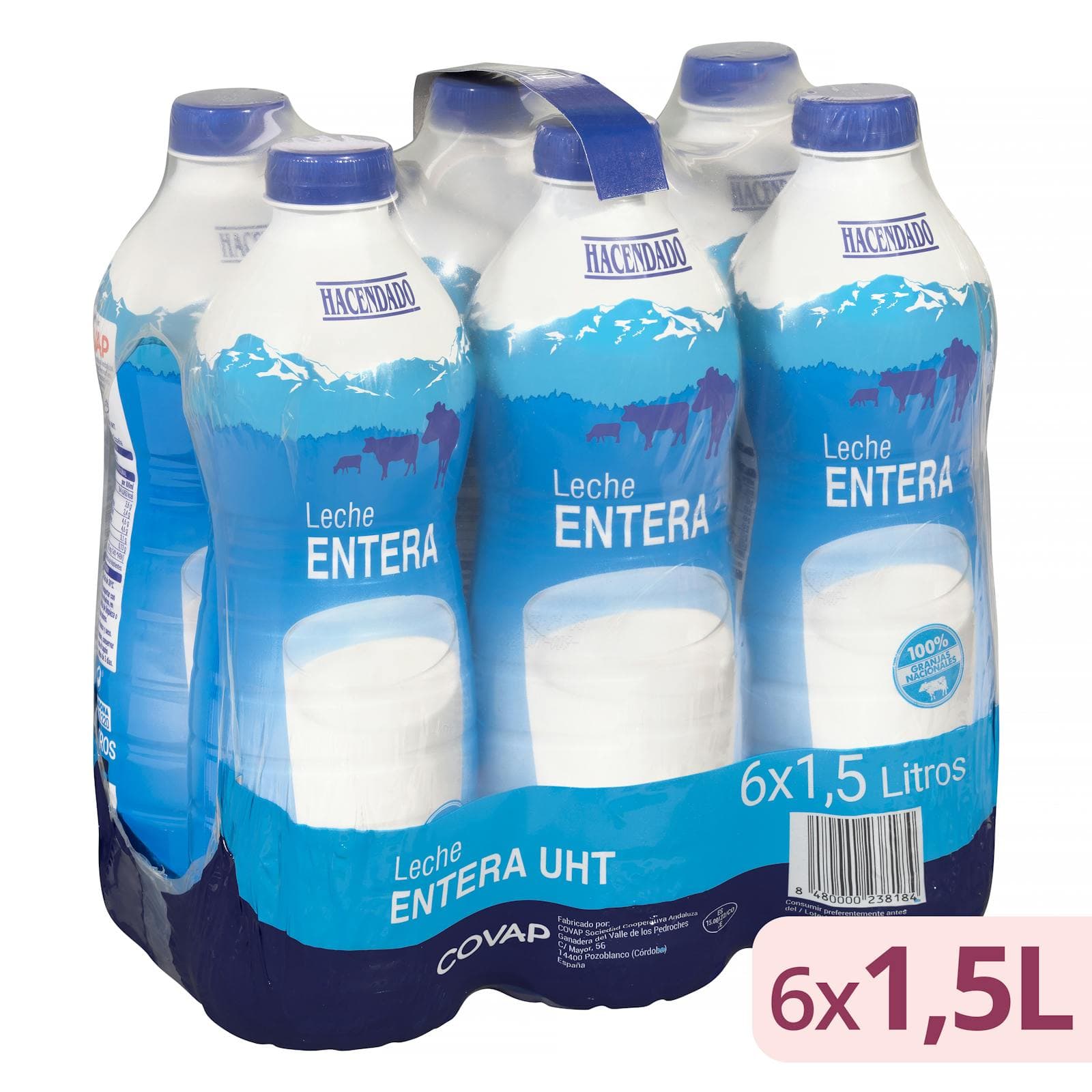 €9.36
€9.36Whole Milk
Hacendado · 9 L · Mercadona
Good to know
- Type
- Whole cow's milk, ~3.25–3.8% milkfat
- Flavor
- Sweet, round, creamy, faintly grassy
- Nutrition
- ~61 kcal/100g, ~3.2g protein, ~3.3g fat
- Storage
- Refrigerate at or below 4°C; use within shelf life
- Buy
- Latest date, cold from the case, carton intact
Substitutes
- Semi-skimmed milk — Slightly less rich but works almost everywhere; add a knob of butter for body.
- Evaporated milk diluted with water — Reconstitute roughly 1:1 for a close cooking stand-in.
- Unsweetened oat or soy milk — Best plant swaps for cooking; barista versions froth and resist curdling.
Also called
full-fat milk · whole milk · leche entera
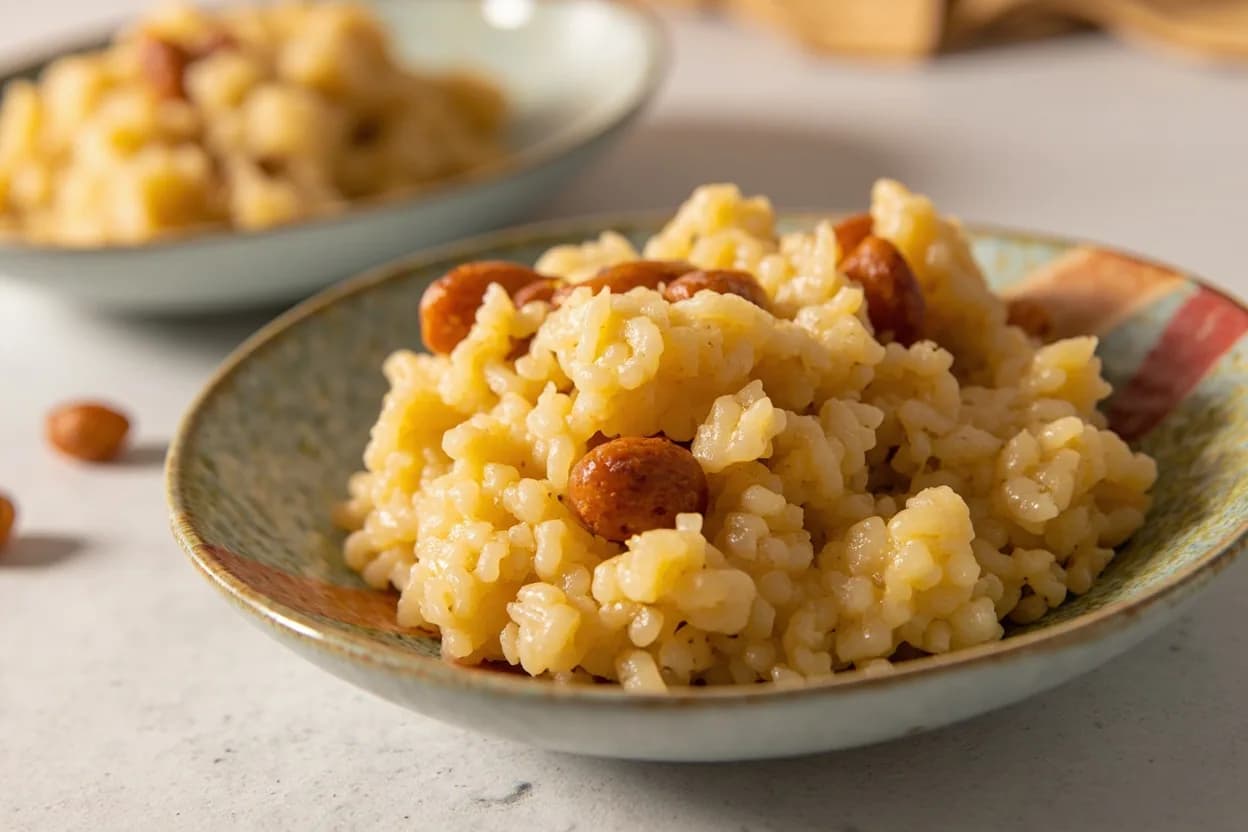
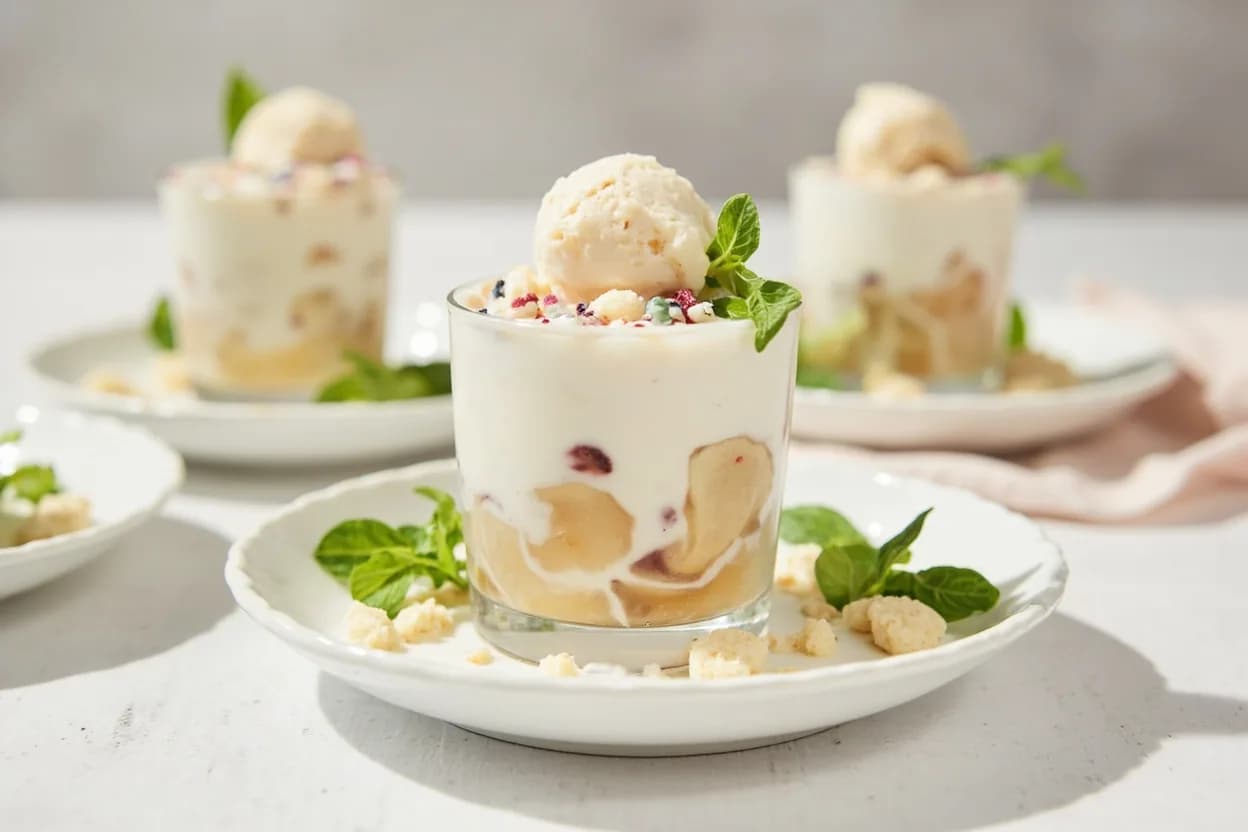
Appears in these dishes
Related
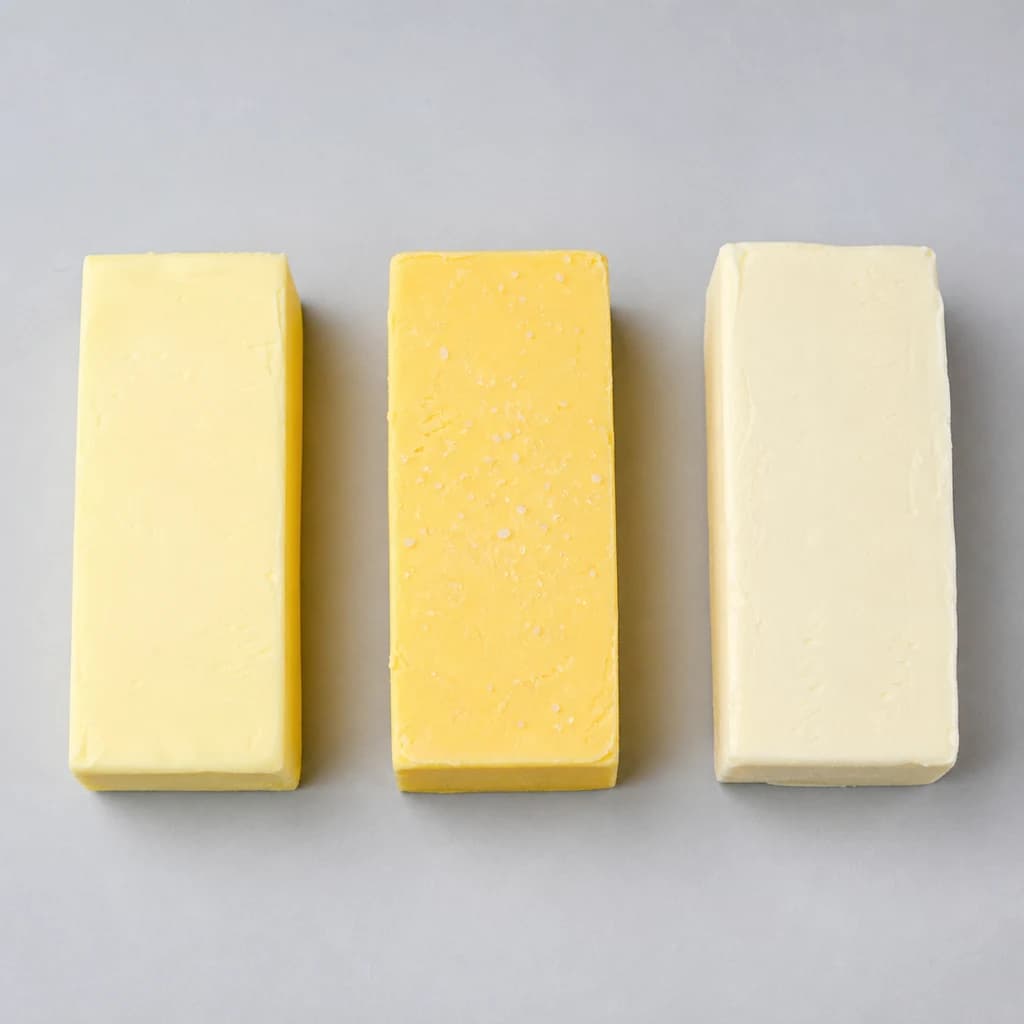
Butter
Golden fat for searing, baking, and finishing a sauce
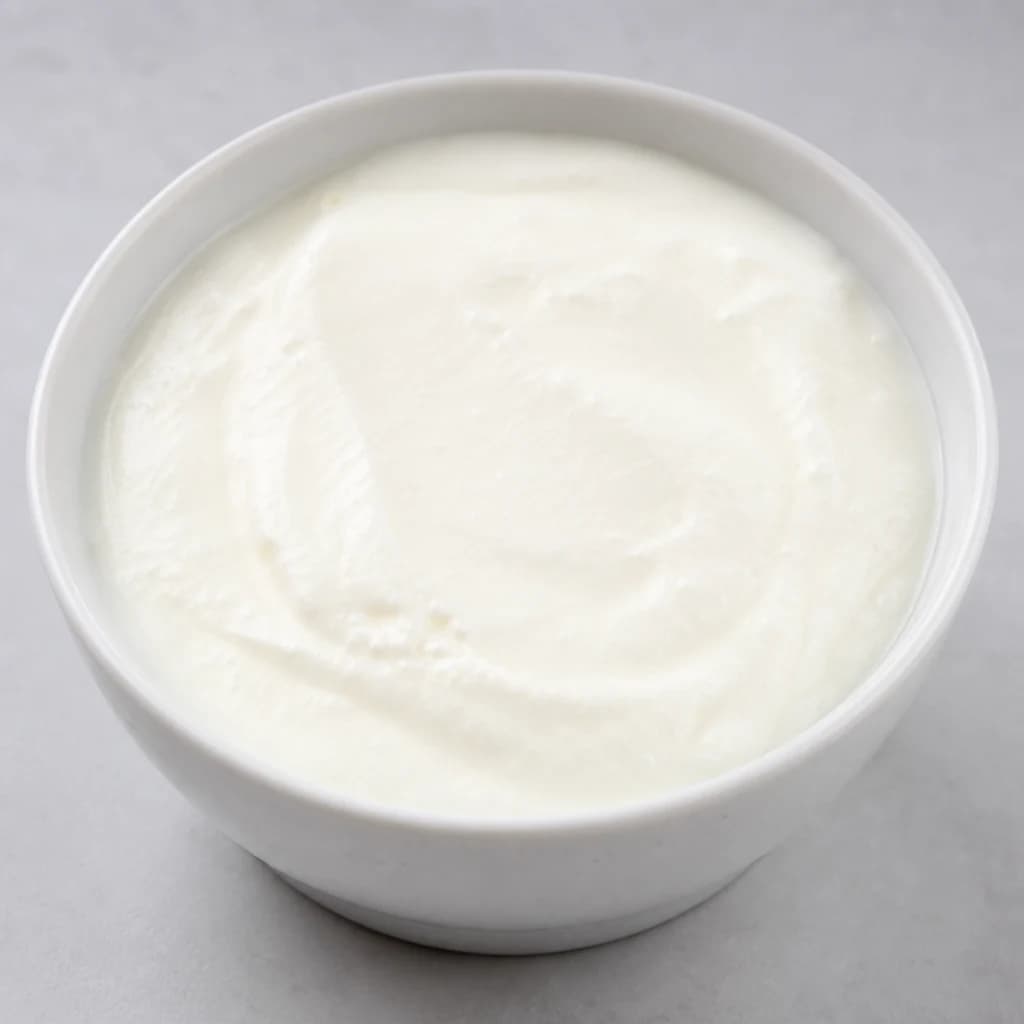
Yogurt
Tangy, creamy culture for breakfast, sauces, and marinades
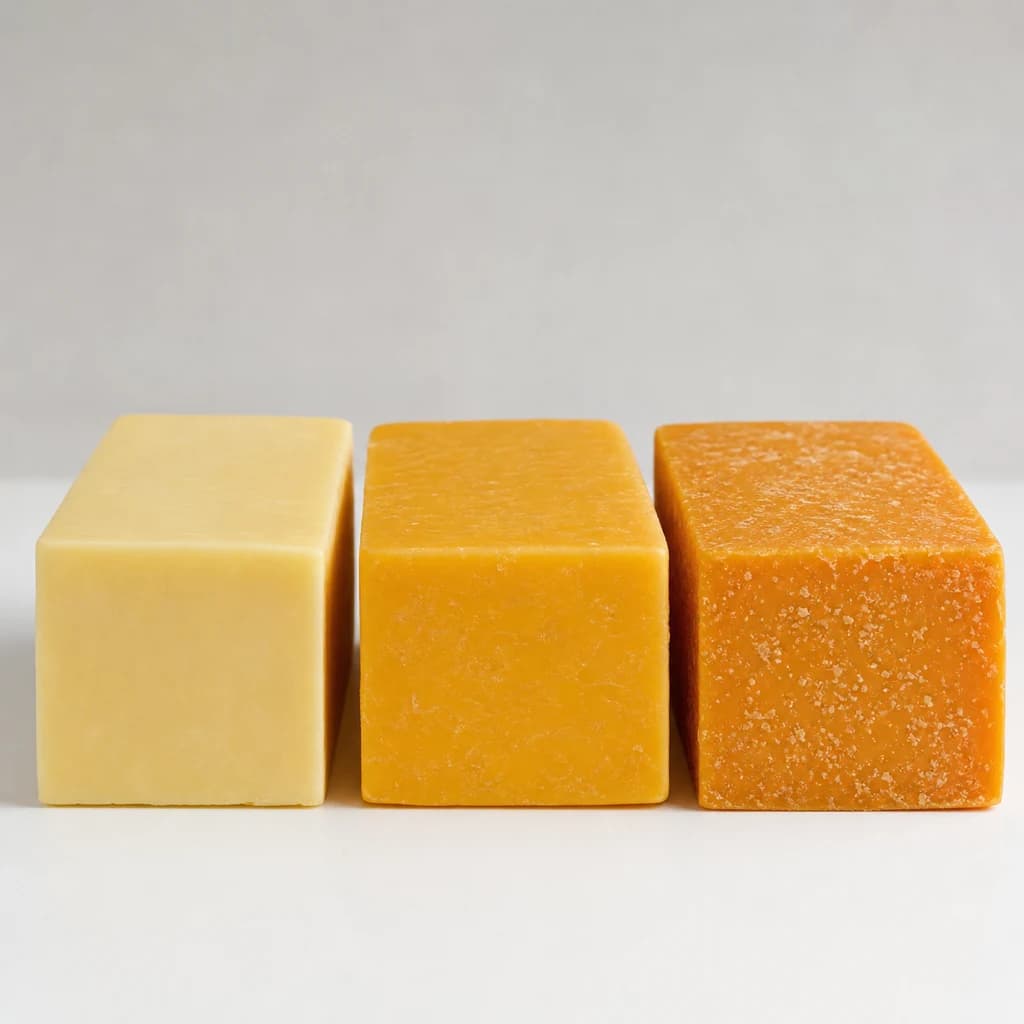
Cheddar Cheese
Sharp, melty cheese for sandwiches, gratins, and grating
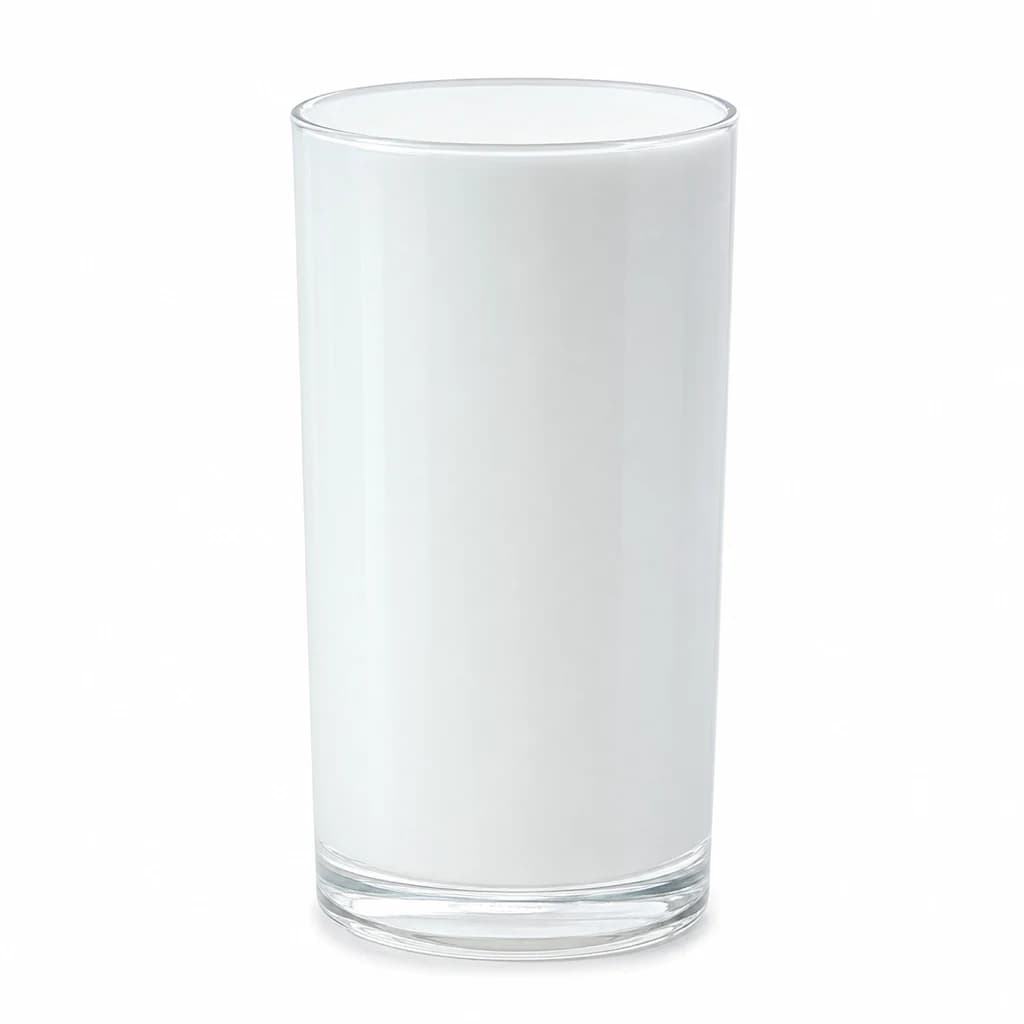
Skim Milk
Fat-free milk for lighter drinking, coffee, and cooking
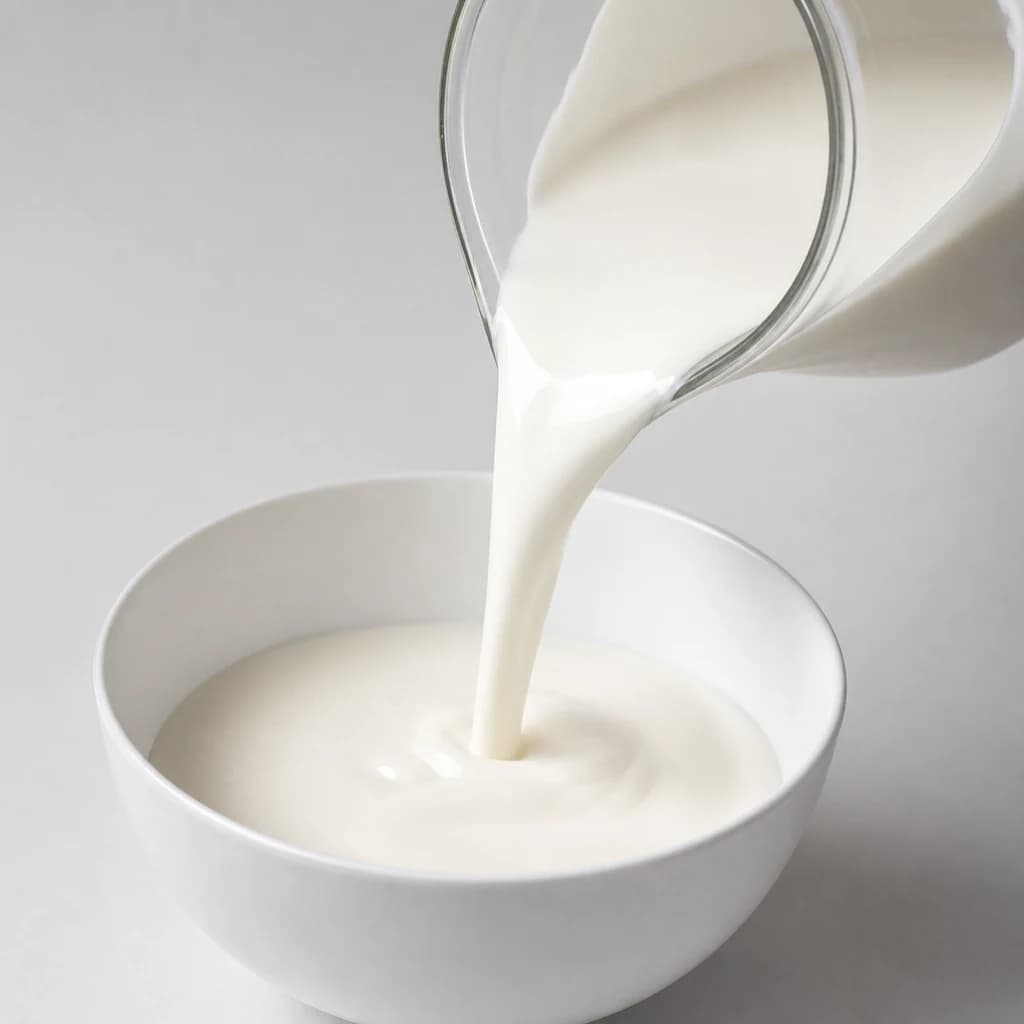
Heavy Cream
Rich cream that whips, enriches sauces, and sets ganache

Sour Cream
Tangy, thick cream for dolloping, baking, and dips
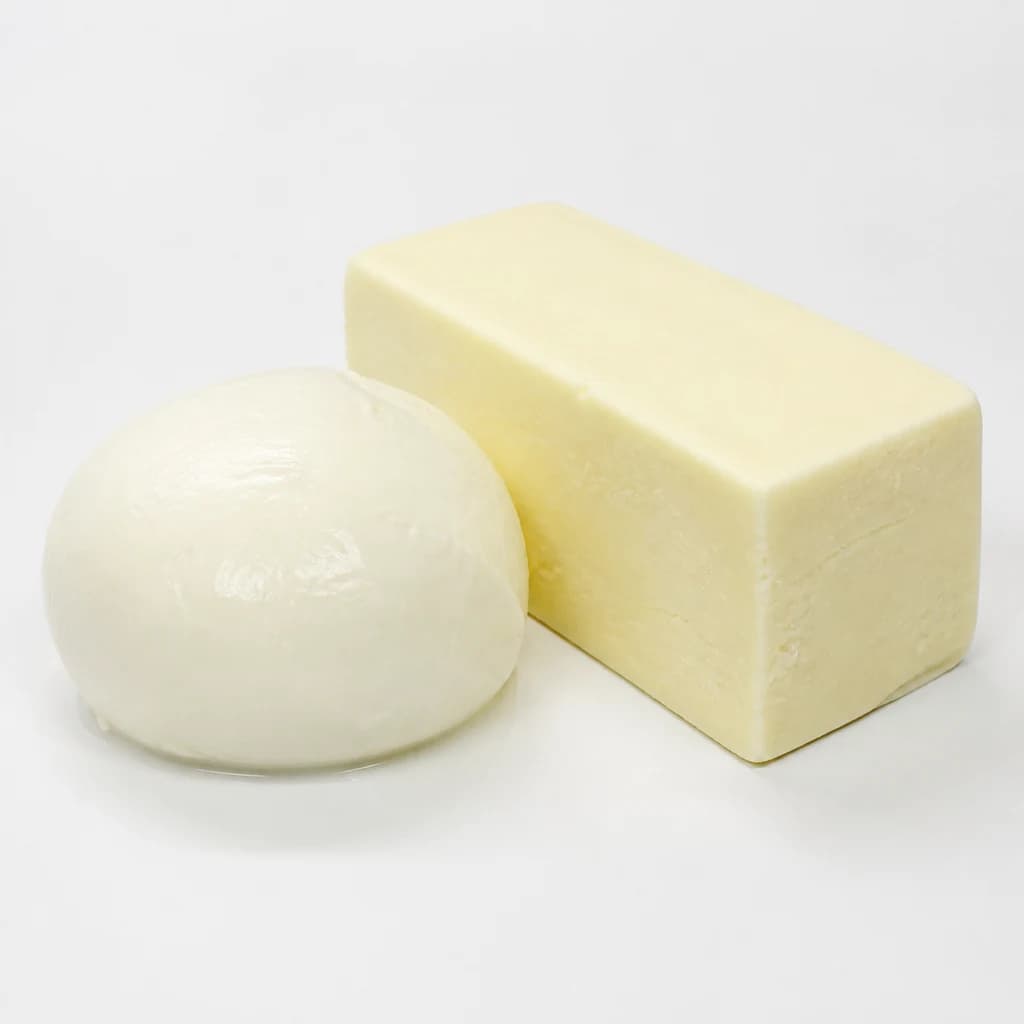
Mozzarella
Soft, milky cheese that melts into stretchy pizza pulls

Parmesan
Hard, nutty cheese for grating over pasta and risotto