Natural form
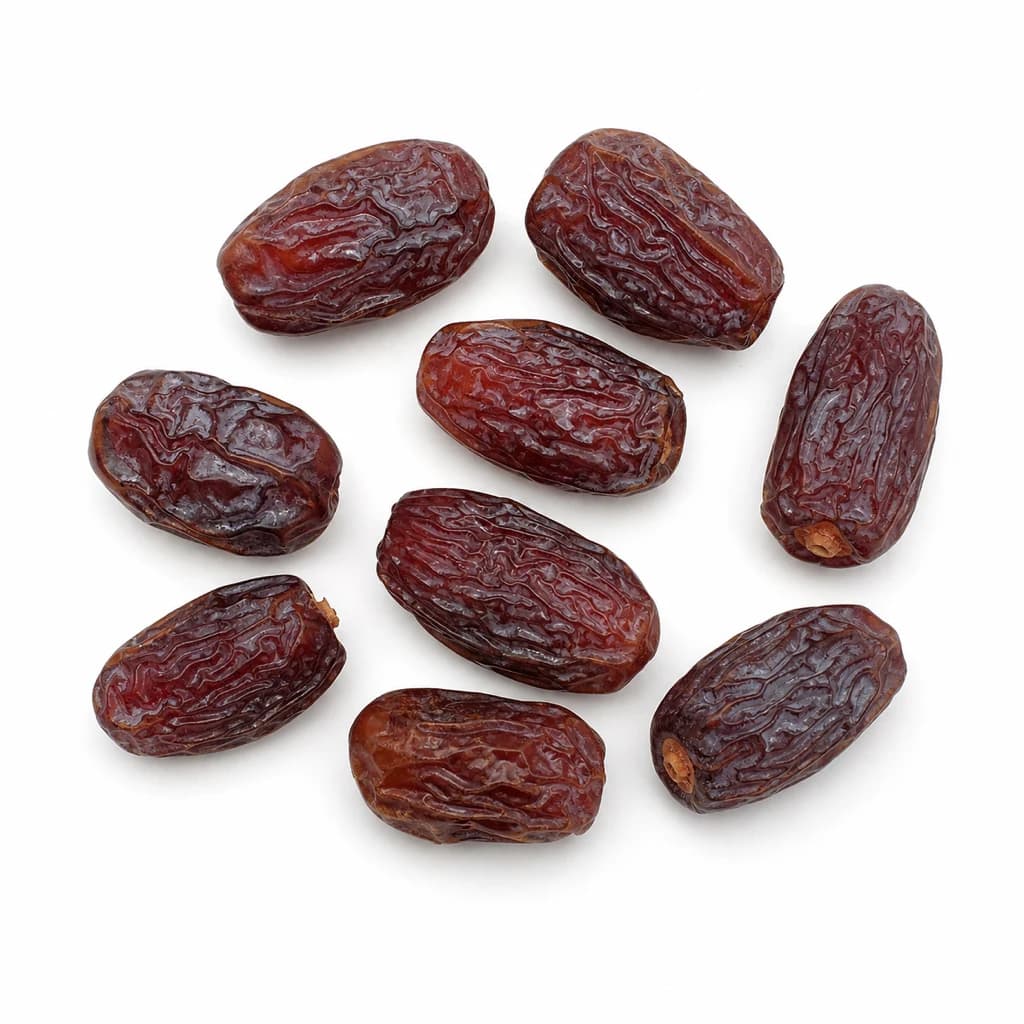
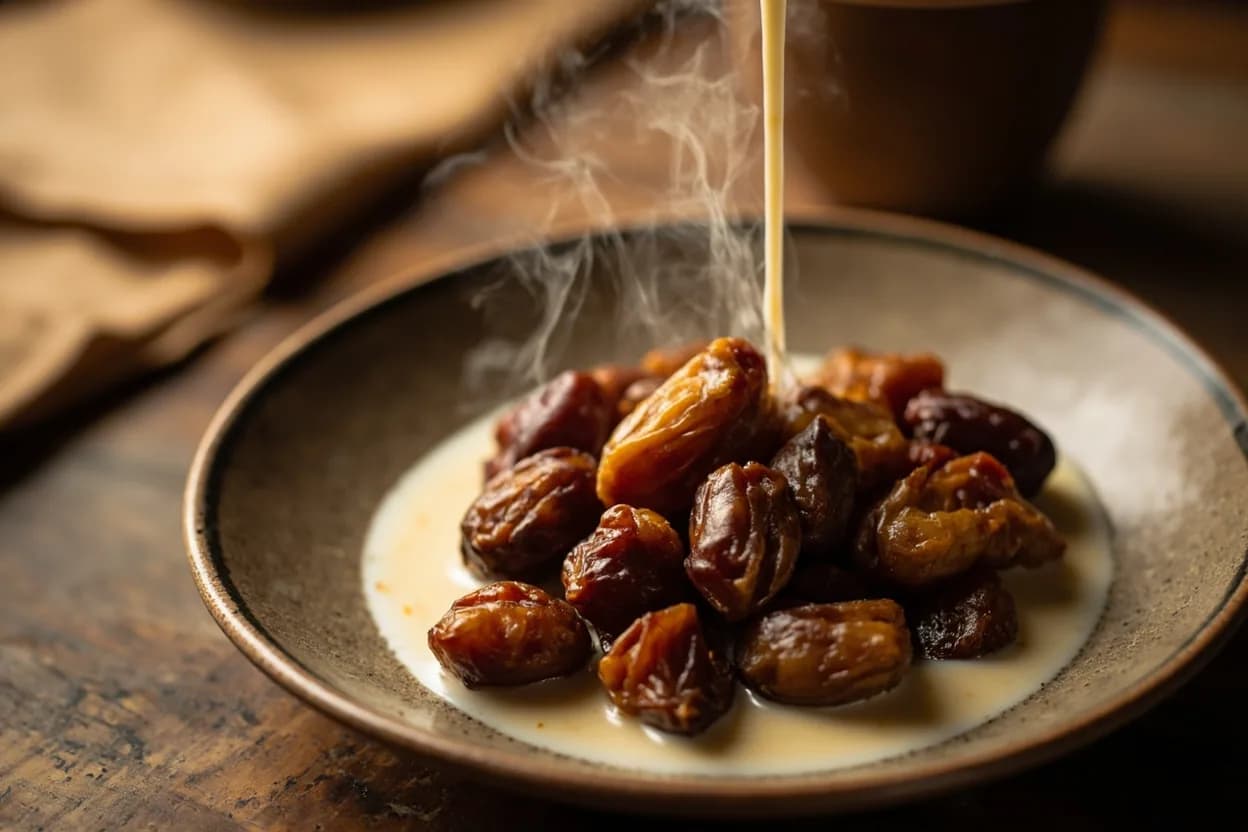
Whole dried dates showing their characteristic wrinkled, amber-brown skin and oval shape.
Shows readers the recognizable exterior appearance, color, and size of dates as purchased.
Produce
Date
Caramel-sweet dried fruit for snacking, baking, and stuffing
Lusciously caramel-sweet, dates snack out of hand, stuff with cheese or nuts, and blend into a natural sweetener for bakes and energy balls. Keep them at room temperature.
Dates are nature's caramel — the dried (or semi-dried) fruit of the date palm, with a deep toffee-like sweetness, chewy or melting flesh, and notes of honey, brown sugar, and dried fruit. They're a snack and an energy food, but in the kitchen they shine as a whole-food sweetener (blended into bakes, energy balls, and date paste), as a vehicle for savory contrast (stuffed with cheese, wrapped in bacon), and as the soul of sticky toffee pudding. Soft Medjool is the luxury; firmer Deglet Noor is the everyday workhorse.
- Measured in
- g
- Storage
- Room Temperature
- Shelf life
- 90 days
Find it in
Types & varieties
Large, soft, moist, richly caramel; the premium eating/stuffing date
Firmer, drier, semi-sweet; the everyday cooking and chopping date
Soft, creamy, butterscotch-like; sometimes sold fresh and yellow
Processed forms used as natural sweeteners
How to choose
Want dates that look plump and glossy with slightly wrinkled (not cracked-dry) skin and a soft, yielding feel. A light dusting of natural sugar crystals on the surface is fine and even desirable, but heavily crystallized, hard, or shrunken dates are old, and a sour or fermented smell means they've turned. Medjools should feel soft and moist; Deglet Noor are naturally firmer.
How to store
Dates keep remarkably well thanks to their low moisture and high sugar. Store them in an airtight container in a cool, dark cupboard for a few months, or in the fridge (or freezer) to extend that to a year or more, especially for soft Medjools. If they dry out, a brief soak in warm water plumps them back up.
- Airtight in a cool cupboard for months
- Fridge/freezer for long keeping
- Soak dried-out dates to revive them
How to prep and use as a sweetener
Almost all dates have a hard pit — slit each one and remove it before eating or cooking (date varieties are sold both pitted and unpitted, so check). To make date paste (a whole-food sweetener for baking, smoothies, and energy balls), soak pitted dates in hot water until soft, then blend to a smooth caramel with a little of the soaking liquid. Chopped dates add chewy sweetness to tagines, granola, and salads.
- Remove the pit before using
- Soak and blend into date paste to sweeten
- Chop into both sweet bakes and savory dishes
Common uses
Tips & pitfalls
- Always check for and remove the pit, even in 'pitted' packs
- Blend soaked dates into a paste to sweeten bakes naturally
- Stuff with cheese or nuts, or wrap in bacon, for a sweet-savory bite
- Soak dried-out dates in warm water to plump them
- A few chopped dates add caramel depth to tagines and grain salads
Nutrition
Energy
1159 kJ · per 100 g
Where the calories come from
Protein
1.8g
4% DV
Carbs
75g
27% DV
Fat
0.2g
0% DV
Fiber
6.7g
24% DV
Sugars
66.5g
of which
Sodium
1mg
0% DV
Source · USDA FoodData Central · Dates, medjool
View on FDC →In the shops
Matched grocery products
No matched grocery products for Date yet.
Good to know
- Peak season
- Fresh dates in fall; dried dates available year-round
- Flavor
- Intensely sweet, caramel/toffee, honeyed; chewy to melting
- Origin
- Middle East/North Africa; one of the oldest cultivated fruits
- Nutrition
- ~280 kcal/100g (dried); very high natural sugar, fiber, potassium
- How to buy
- Plump, glossy, slightly wrinkled, not crystallized-dry or fermented-smelling
Substitutes
- Dried figs — For chewy sweetness in baking and savory dishes
- Raisins / prunes — For a sweet dried-fruit note (less caramel)
- Maple syrup / honey — For liquid natural sweetness in place of date paste
Also called
dates · medjool dates · dátil · dátiles · dàtils
Appears in these dishes




Related
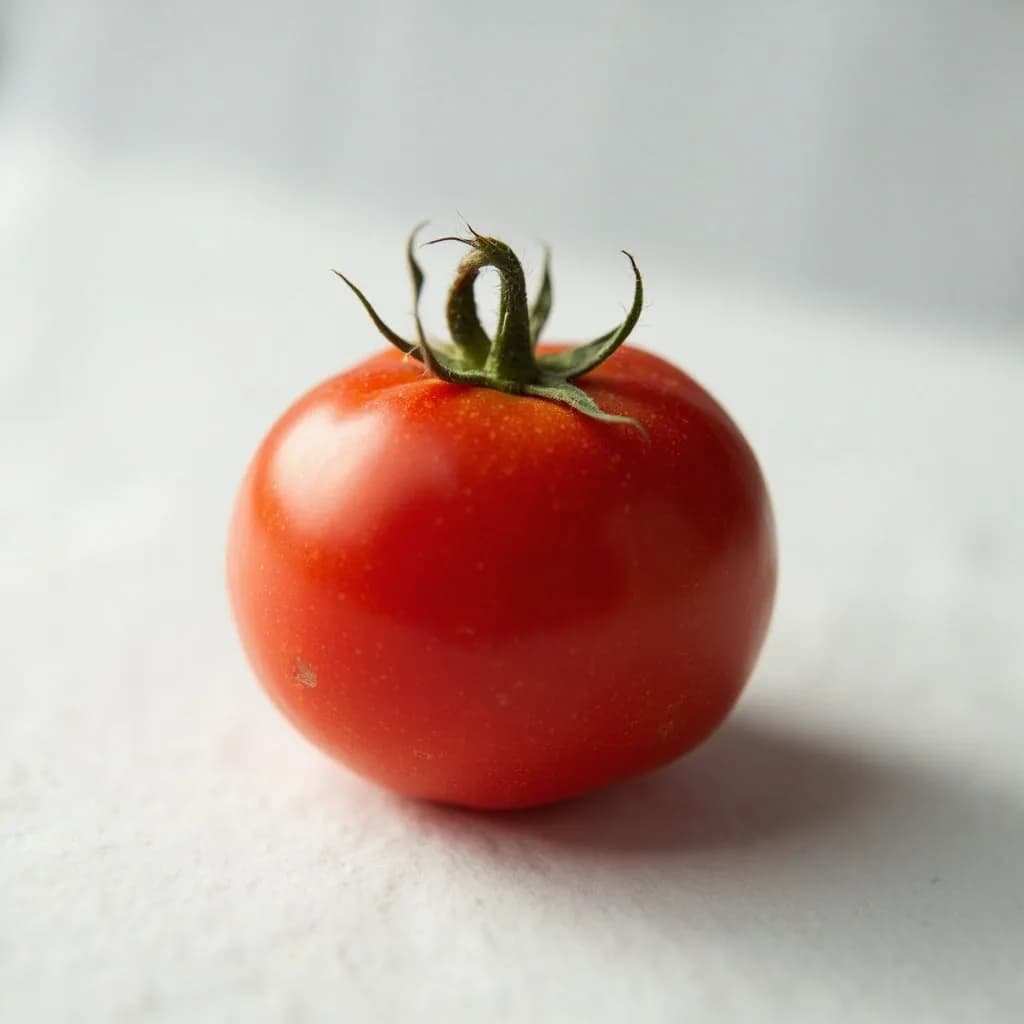
Tomato
Juicy, sun-sweet fruit for sauces, salads, and slow-cooked depth
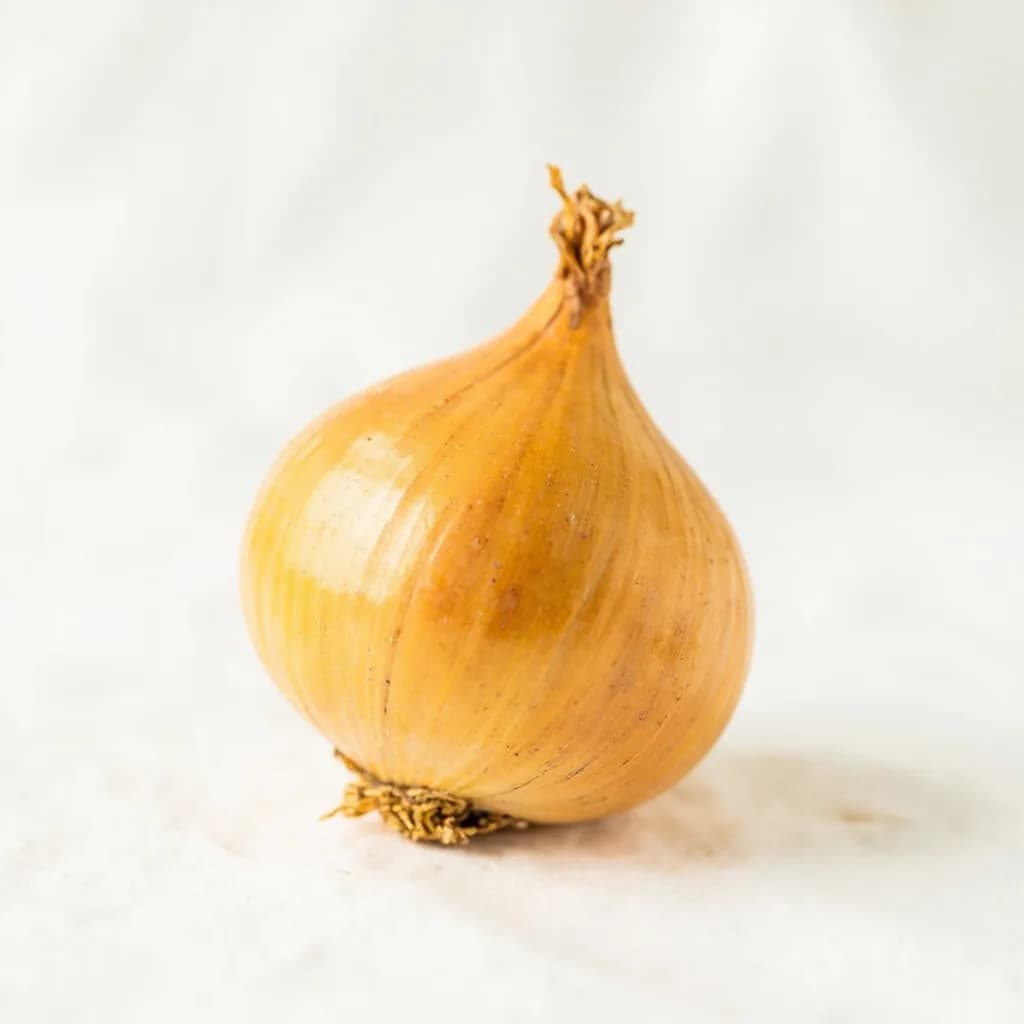
Yellow Onion
The aromatic backbone of soups, sofritos, and braises
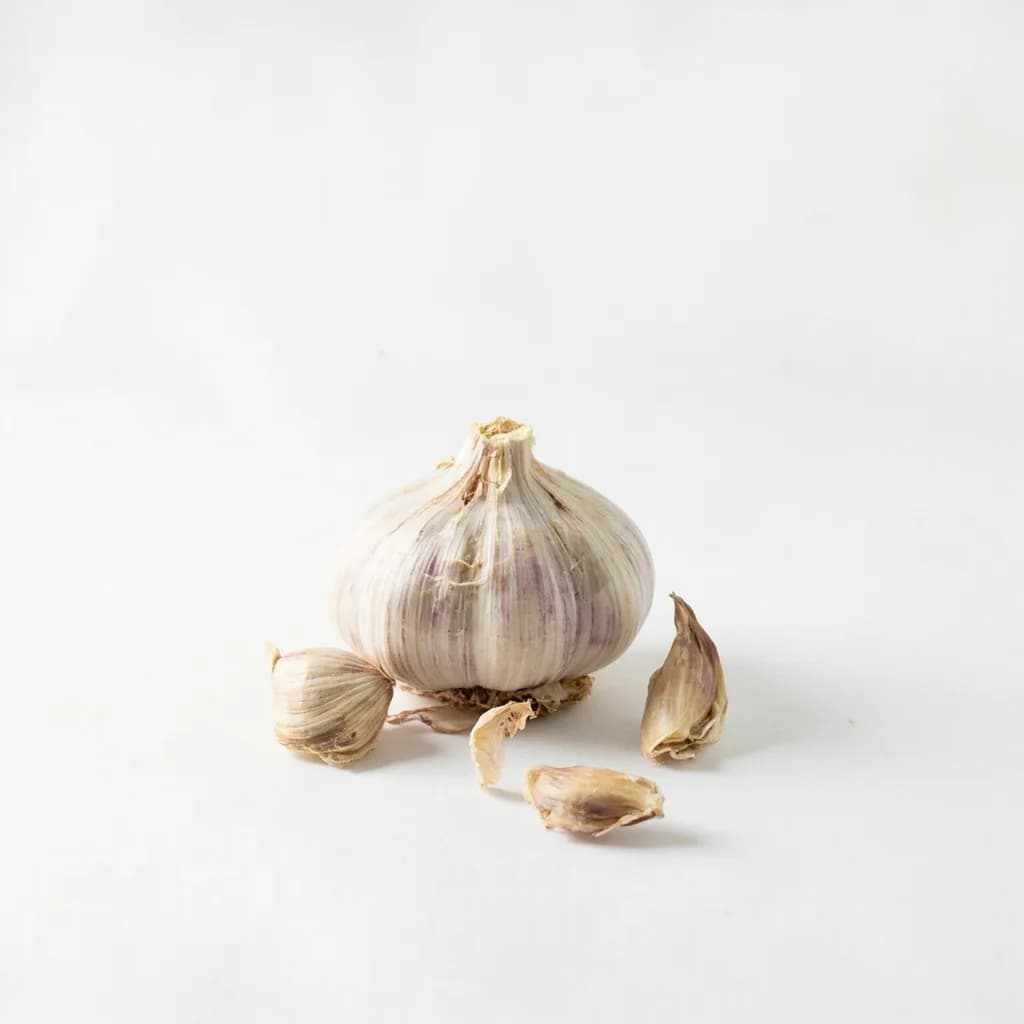
Garlic
Pungent cloves that perfume nearly every savory dish
Lemon
Bright, acidic citrus that wakes up almost any dish
Potato
Humble, hearty staple — roast, mash, fry, or boil
Carrot
Sweet, crunchy root — raw, roasted, or the base of a sofrito
Cucumber
Cool, crisp, and watery — for salads, pickles, and tzatziki

Lettuce
Crisp leaves for salads, wraps, and a fresh crunch