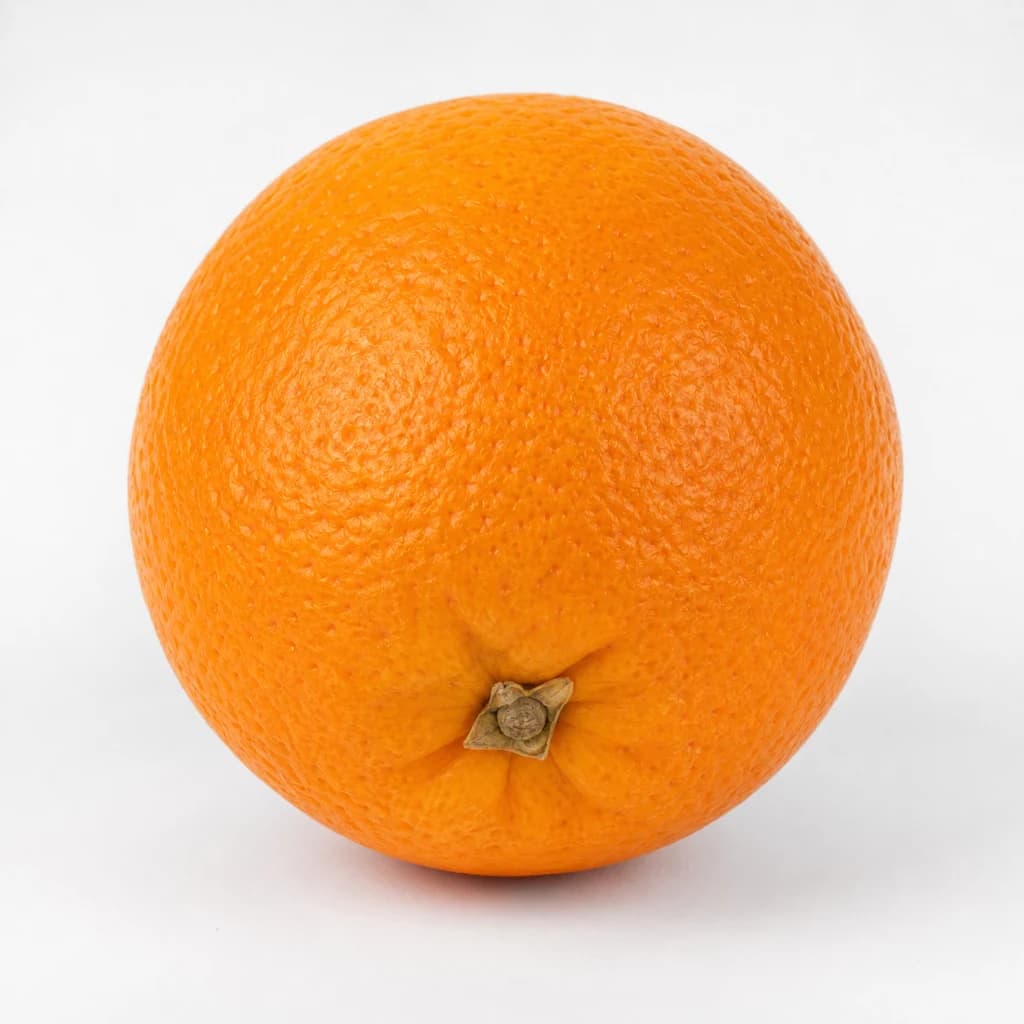
Natural form
A whole navel orange showing its characteristic bright orange dimpled rind and round form.
Establishes the primary visual identity — shape, size, and rind texture — so readers can recognize an orange on sight.
Produce
Orange
Sweet, juicy citrus for eating, juicing, and zesting
Bright and honeyed, oranges are a snack, a glass of juice, and a fragrant zest for cakes and sauces all in one. Keep them in the fridge to hold their juice for weeks.
The orange is sunshine in fruit form — sweet, juicy, and fragrant, eaten out of hand, squeezed for juice, or zested for a perfume that lifts both desserts and savory dishes. Its sweet-tart flesh balances bitter and salty flavors, its zest carries floral aromatic oils, and its juice glazes meats and brightens sauces. From breakfast staple to the secret note in a braise, it's endlessly useful.
- Measured in
- piece
- Storage
- Refrigerate
- Shelf life
- 21 days
Find it in
Types & varieties
Seedless, easy-peel, sweet; the everyday eating orange
Juicier, a few seeds; the classic juicing orange
Crimson flesh, berry-like depth; winter season
Pink-fleshed navel, low-acid and sweet
Sour and aromatic; the marmalade orange
How to choose
Heavy fruit holds the most juice. Want firm oranges with smooth, fine-textured skin and a fragrant blossom end. Green patches or russeting don't mean unripe — color depends on growing temperature, not sweetness.
How to store
Oranges keep about a week at room temperature and up to two to three weeks in the fridge crisper. Don't seal them in a bag where trapped moisture causes mold; let air circulate.
How to segment (supreme)
For clean, pith-free segments, slice off the top and bottom, cut away the peel and white pith following the curve, then cut between the membranes to free each wedge. Squeeze the leftover core for juice. This 'supreming' makes elegant segments for salads and desserts.
- Cut off ends, then peel to the flesh
- Cut between membranes for wedges
- Squeeze the spent core for juice
Common uses
Tips & pitfalls
- Zest before juicing — and don't waste it; orange zest perfumes everything
- Fresh juice oxidizes fast; drink it soon for the brightest flavor
- A splash of orange juice and zest deepens braises and pan sauces
- Blood oranges fade when overheated — use them where their color shows
- Candy the peel or dry it for baking and cocktails
Nutrition
Energy
406 kJ · per 100 g
Where the calories come from
Protein
1.5g
3% DV
Carbs
25g
9% DV
Fat
0.2g
0% DV
Fiber
10.6g
38% DV
Sodium
3mg
0% DV
Source · USDA FoodData Central · Orange peel, raw
View on FDC →In the shops
Matched grocery products
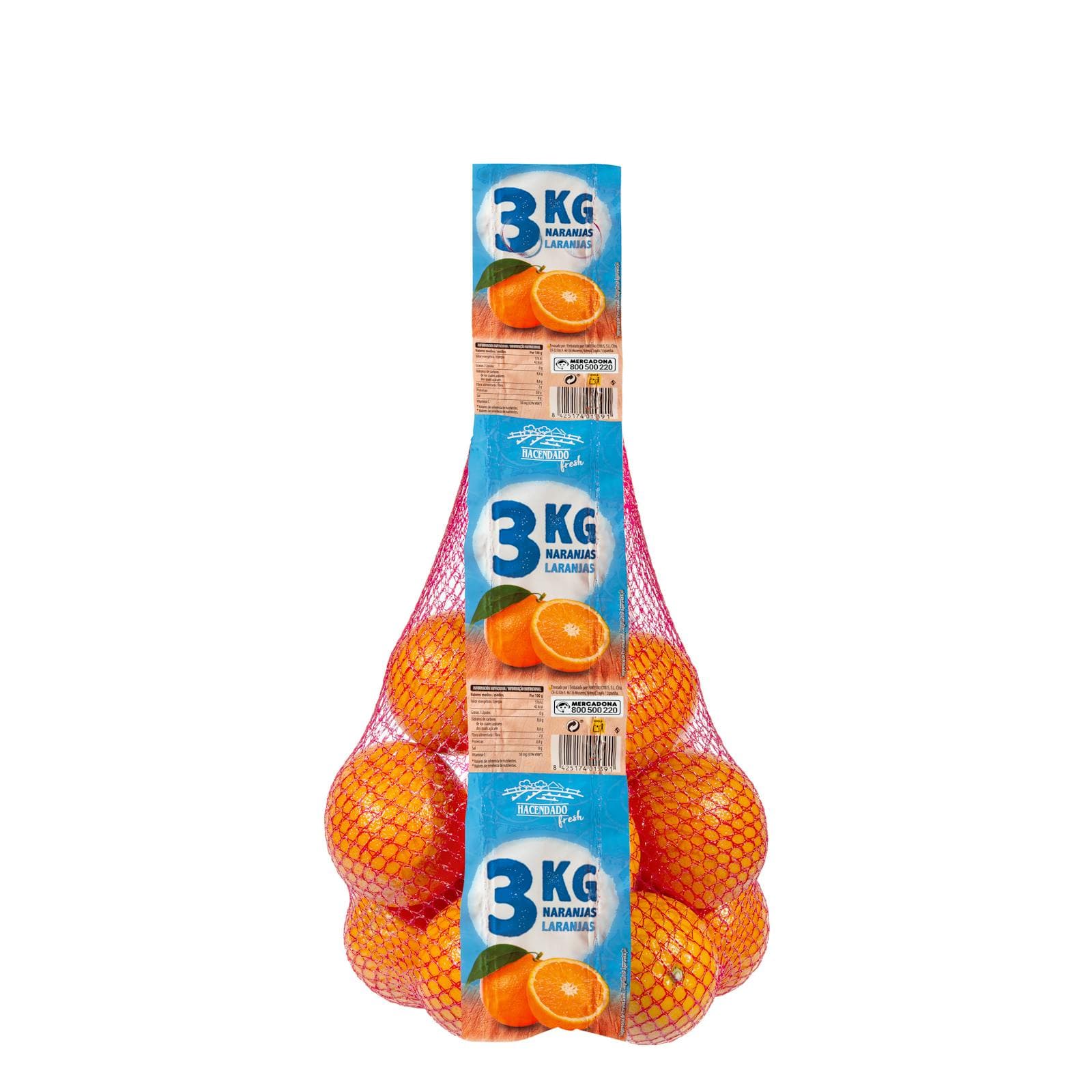 €3.75
€3.75Oranges
3 kg · Mercadona
 €4.75
€4.75Oranges
5 kg · Mercadona
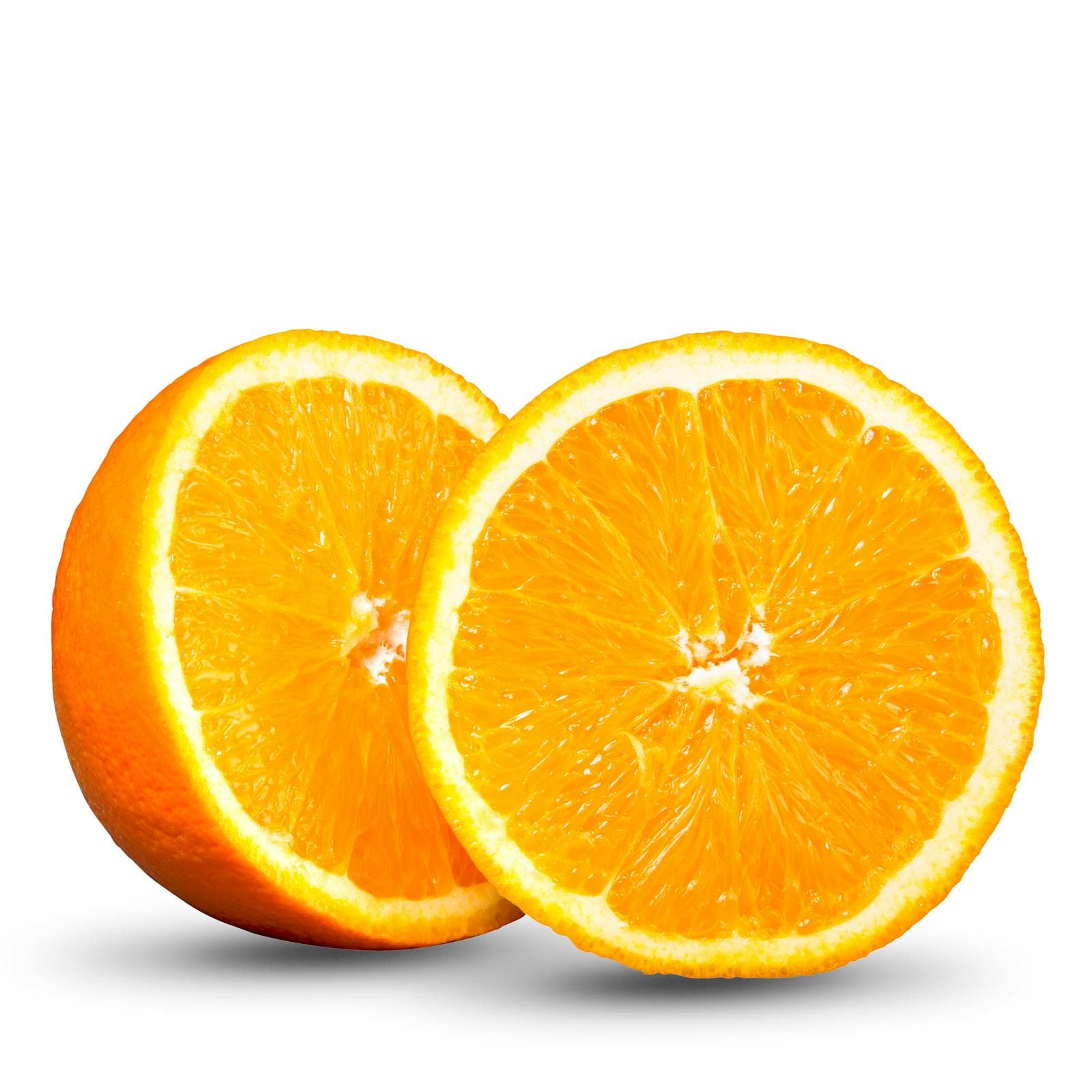 €0.57
€0.57Table Oranges
310 g · Mercadona
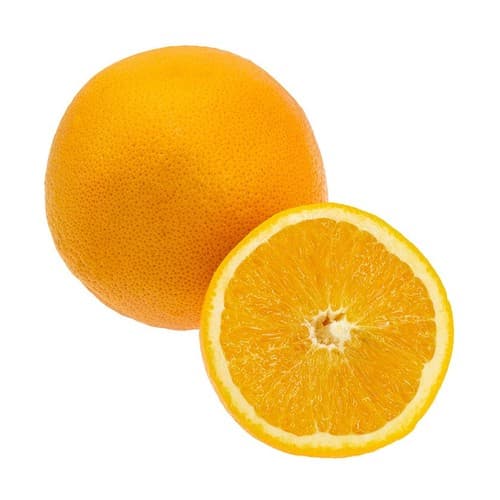 €0.58
€0.58Orange 1 unit
ud · Bonpreu
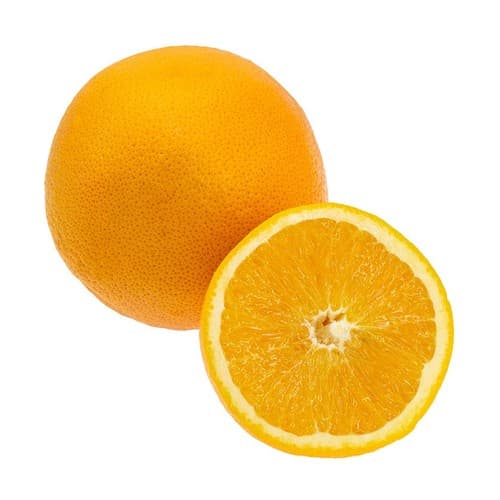 €0.65
€0.65Orange 1 unit
Bonpreu
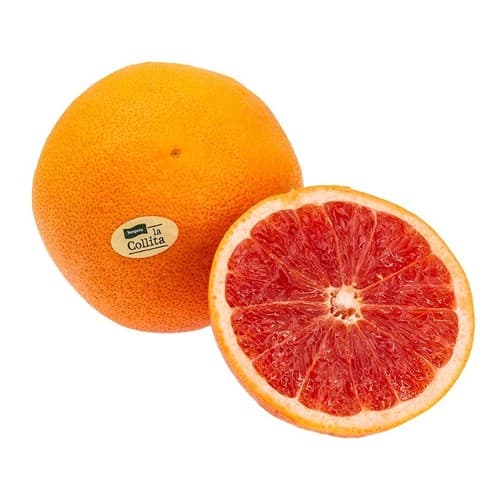 €0.98
€0.98Orange 1 unit
ud · Bonpreu
Good to know
- Peak season
- Winter through spring
- Flavor
- Sweet, juicy, lightly tart, floral zest
- Origin
- A hybrid (pomelo × mandarin) from East Asia
- Nutrition
- ~47 kcal/100g; very high vitamin C, folate, fiber
- How to buy
- Heavy for size, firm, fragrant; skin color isn't a ripeness guide
Appears in these dishes
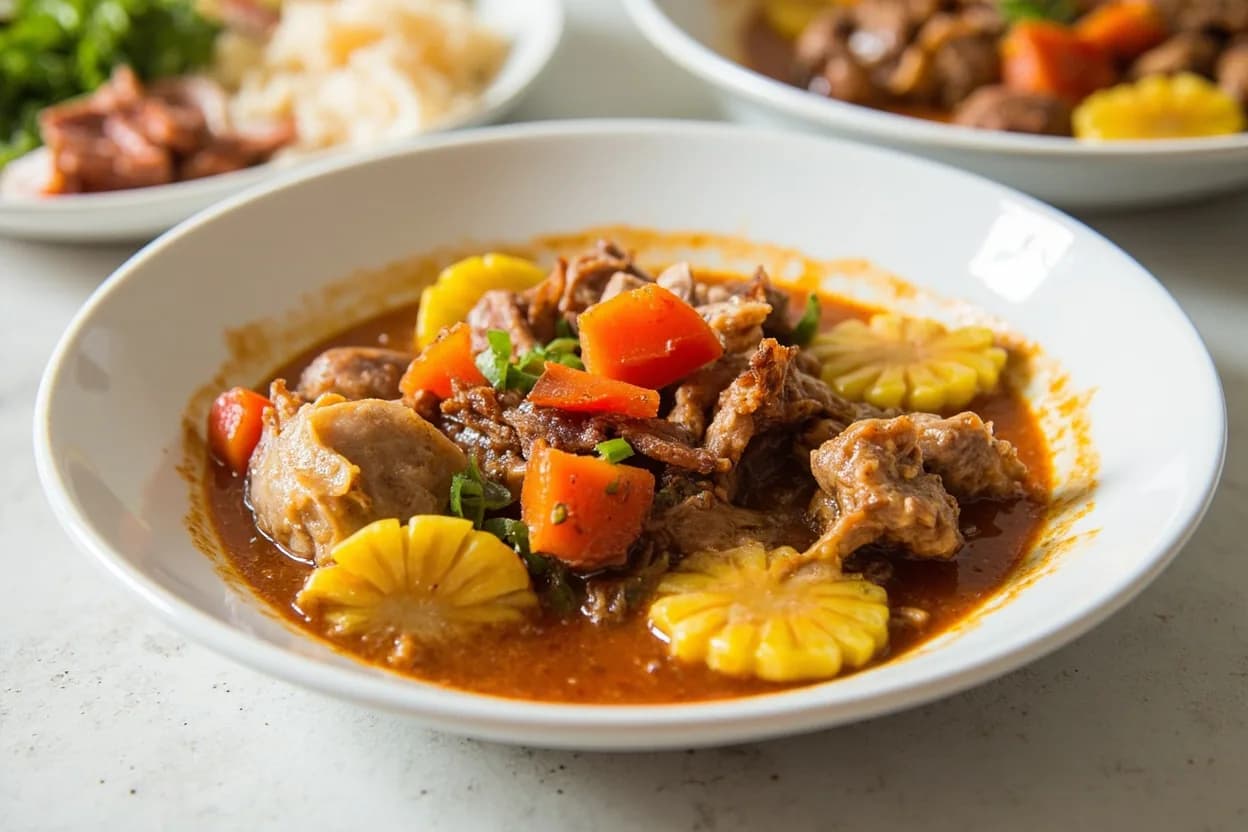
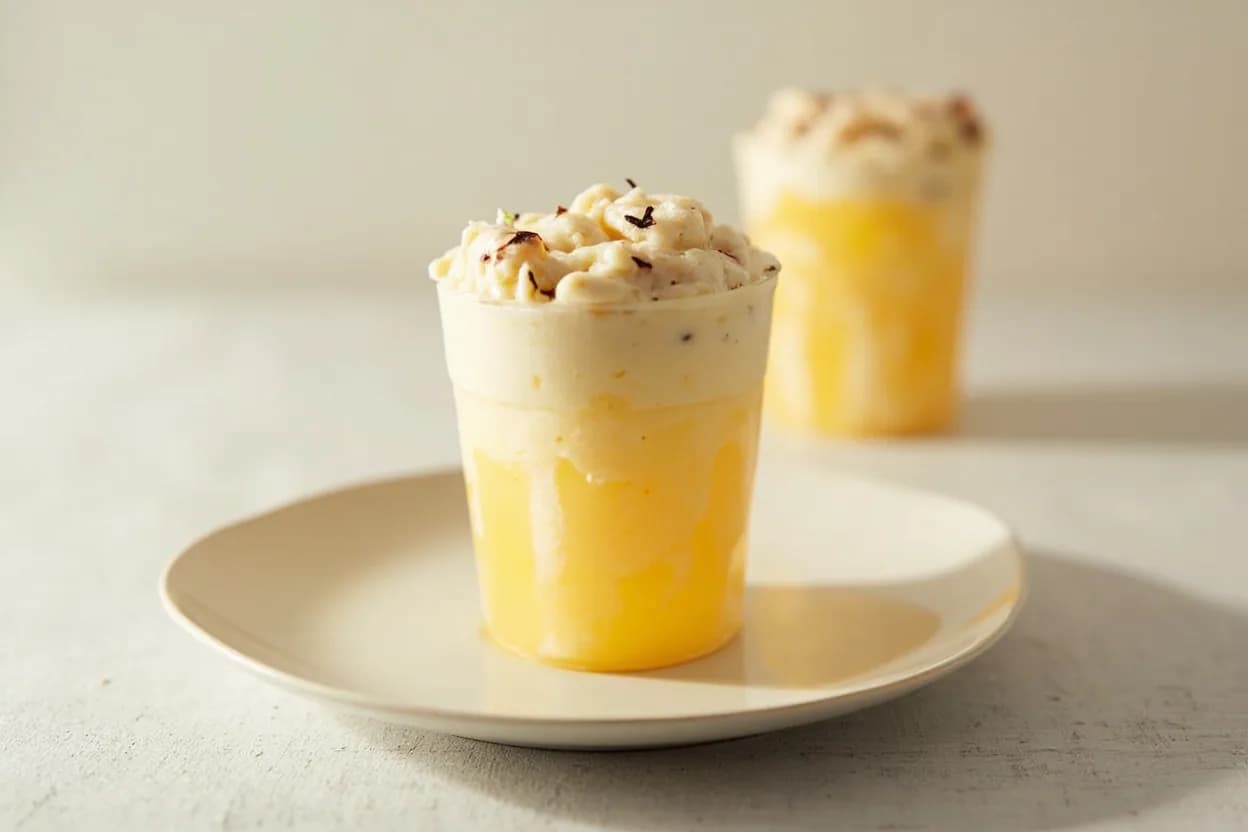

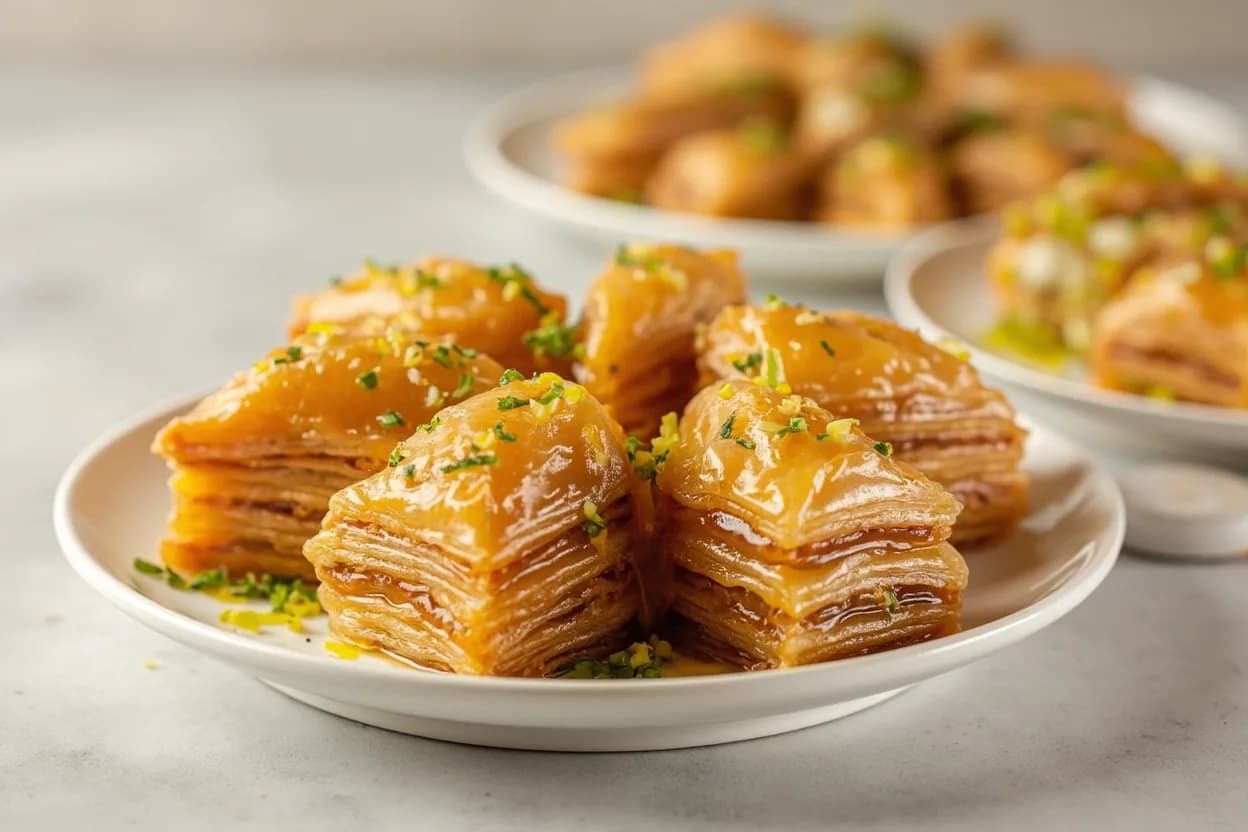
Related
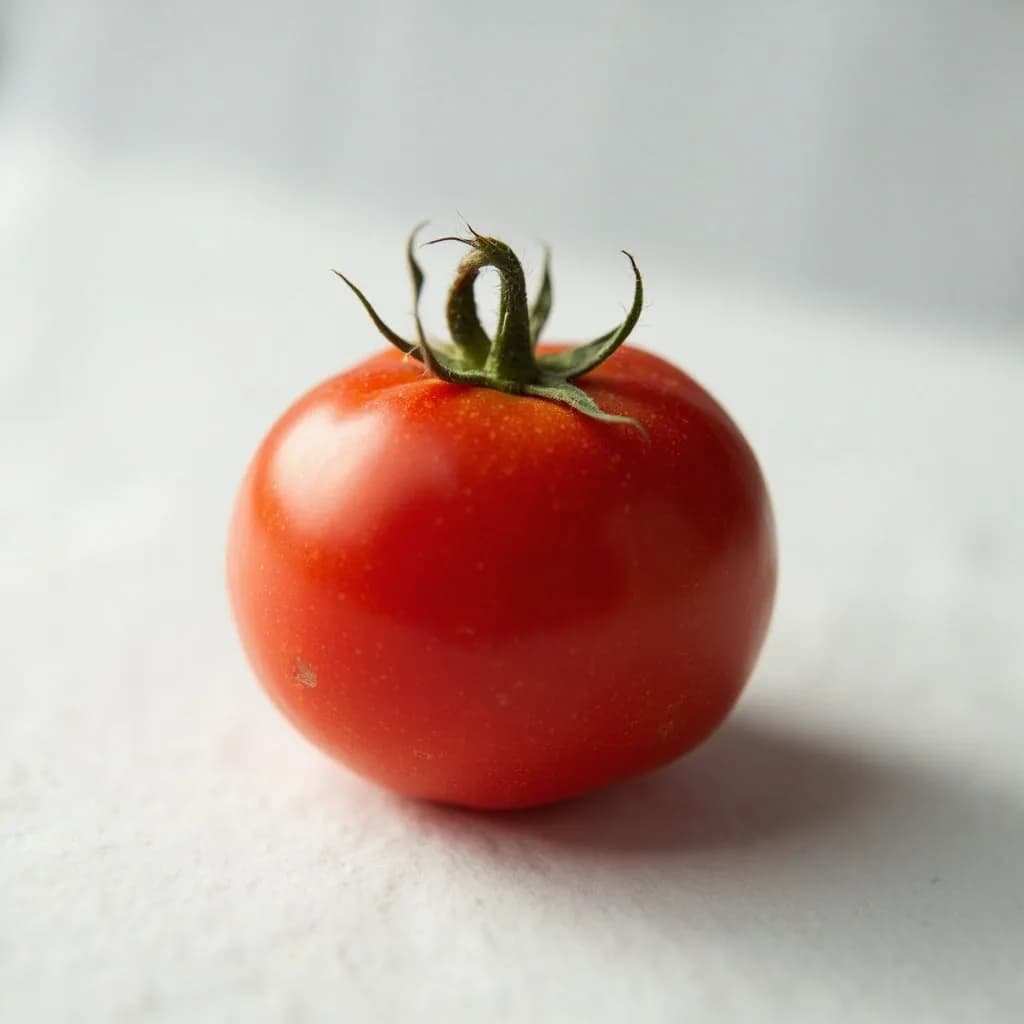
Tomato
Juicy, sun-sweet fruit for sauces, salads, and slow-cooked depth
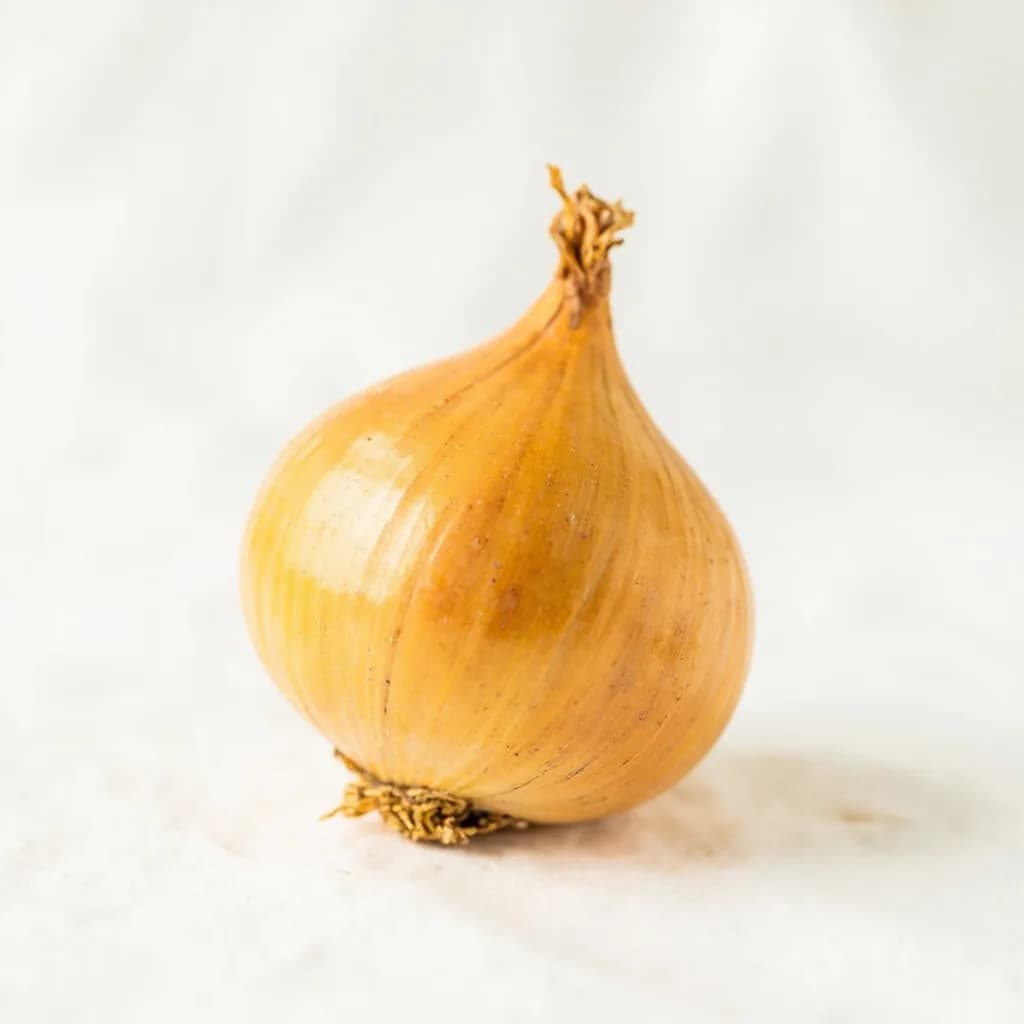
Yellow Onion
The aromatic backbone of soups, sofritos, and braises
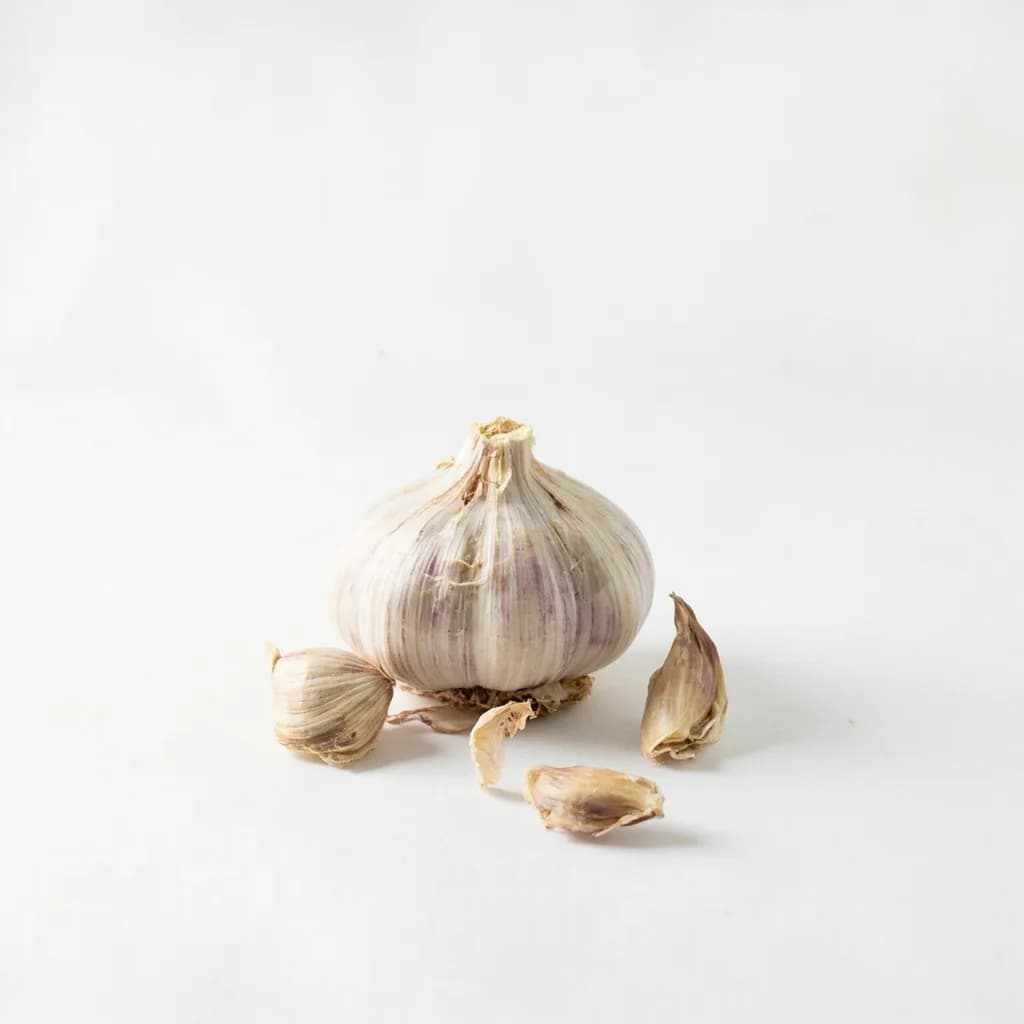
Garlic
Pungent cloves that perfume nearly every savory dish
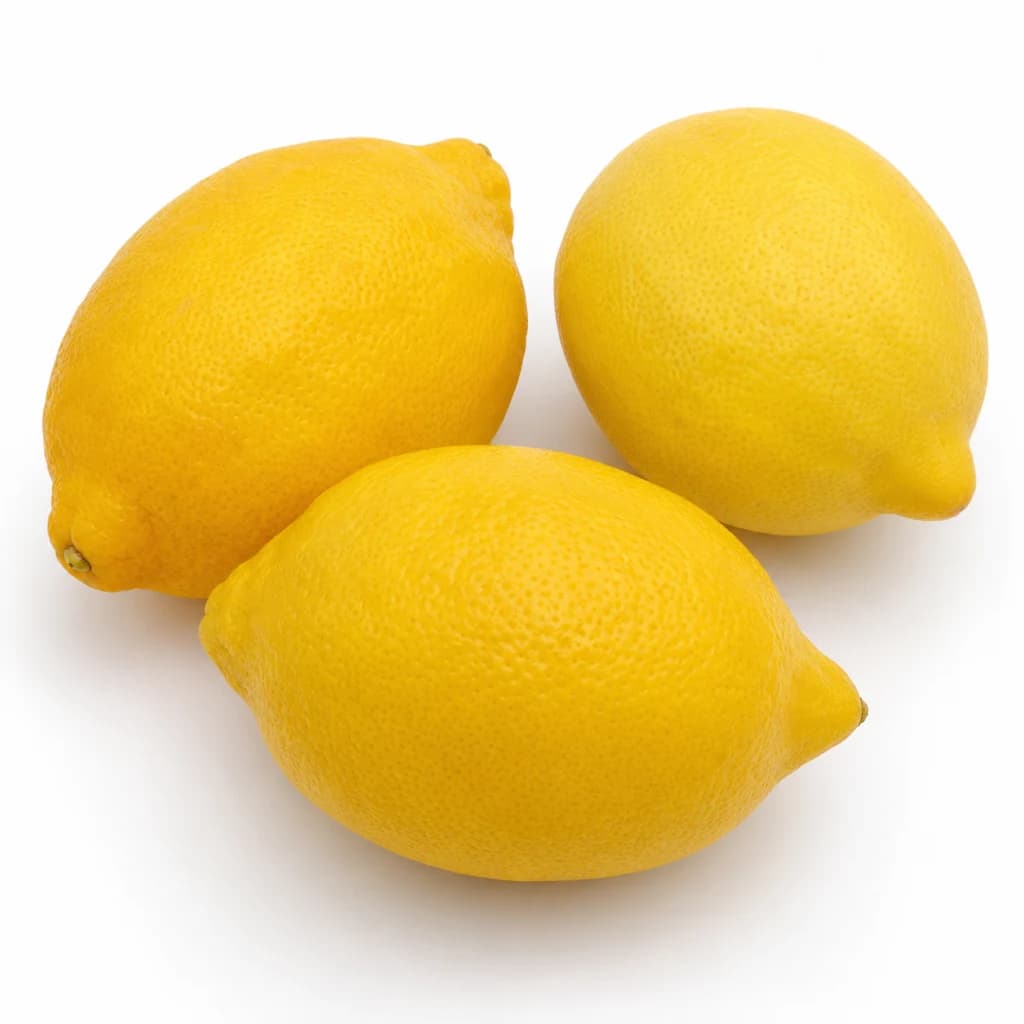
Lemon
Bright, acidic citrus that wakes up almost any dish
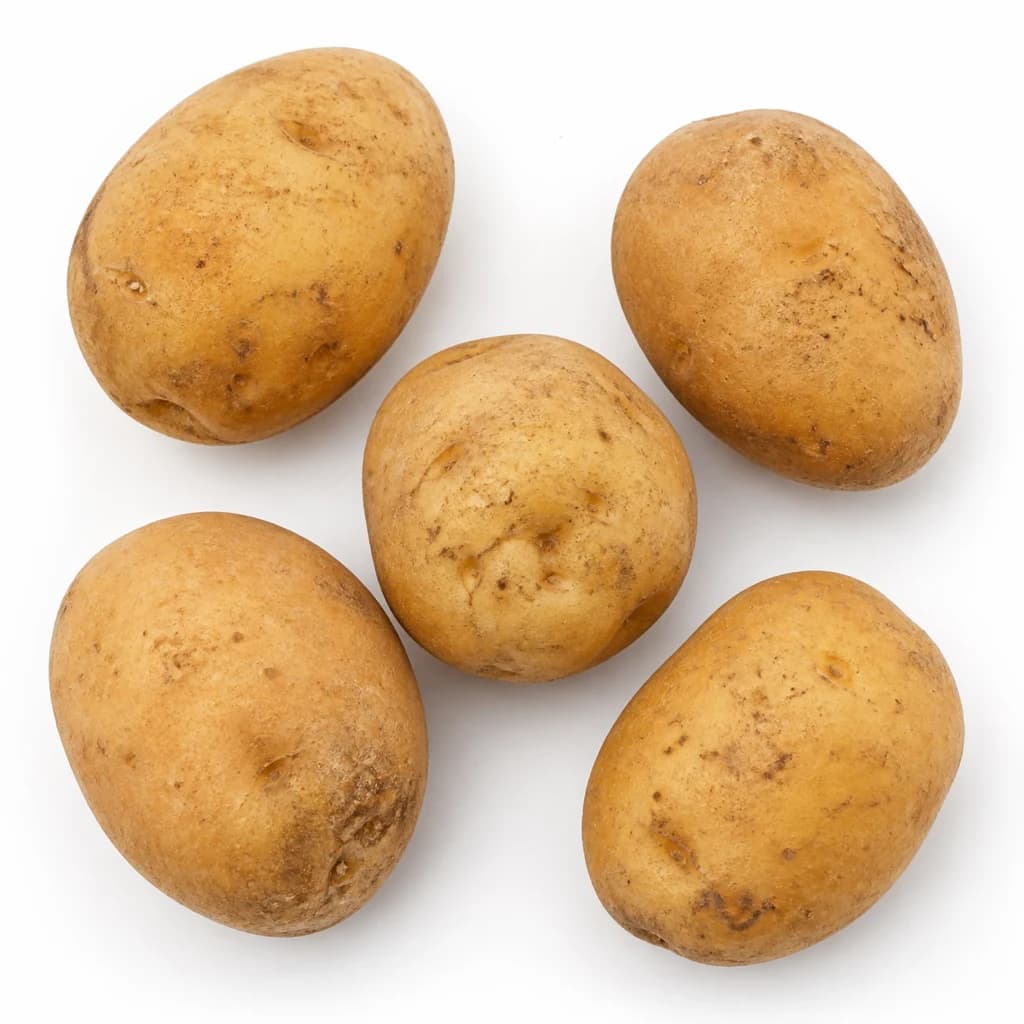
Potato
Humble, hearty staple — roast, mash, fry, or boil
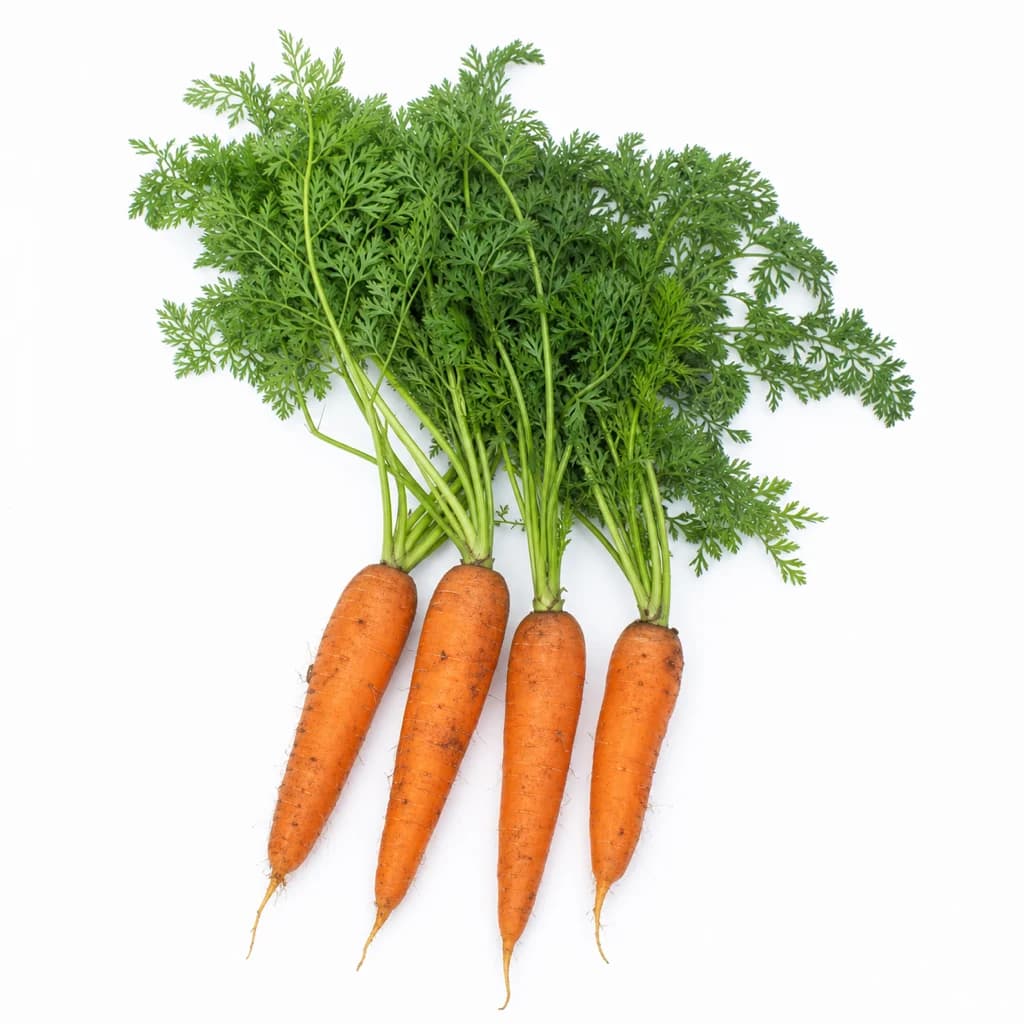
Carrot
Sweet, crunchy root — raw, roasted, or the base of a sofrito
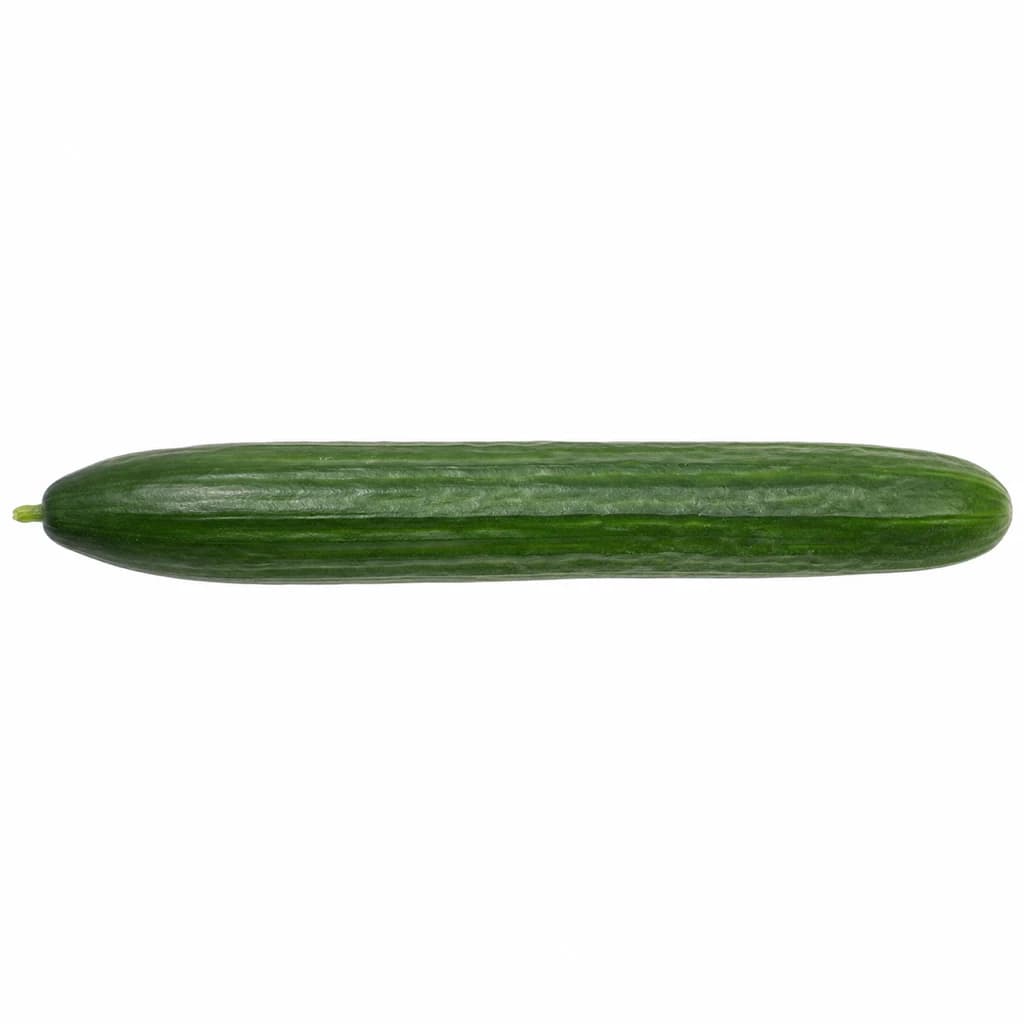
Cucumber
Cool, crisp, and watery — for salads, pickles, and tzatziki

Lettuce
Crisp leaves for salads, wraps, and a fresh crunch