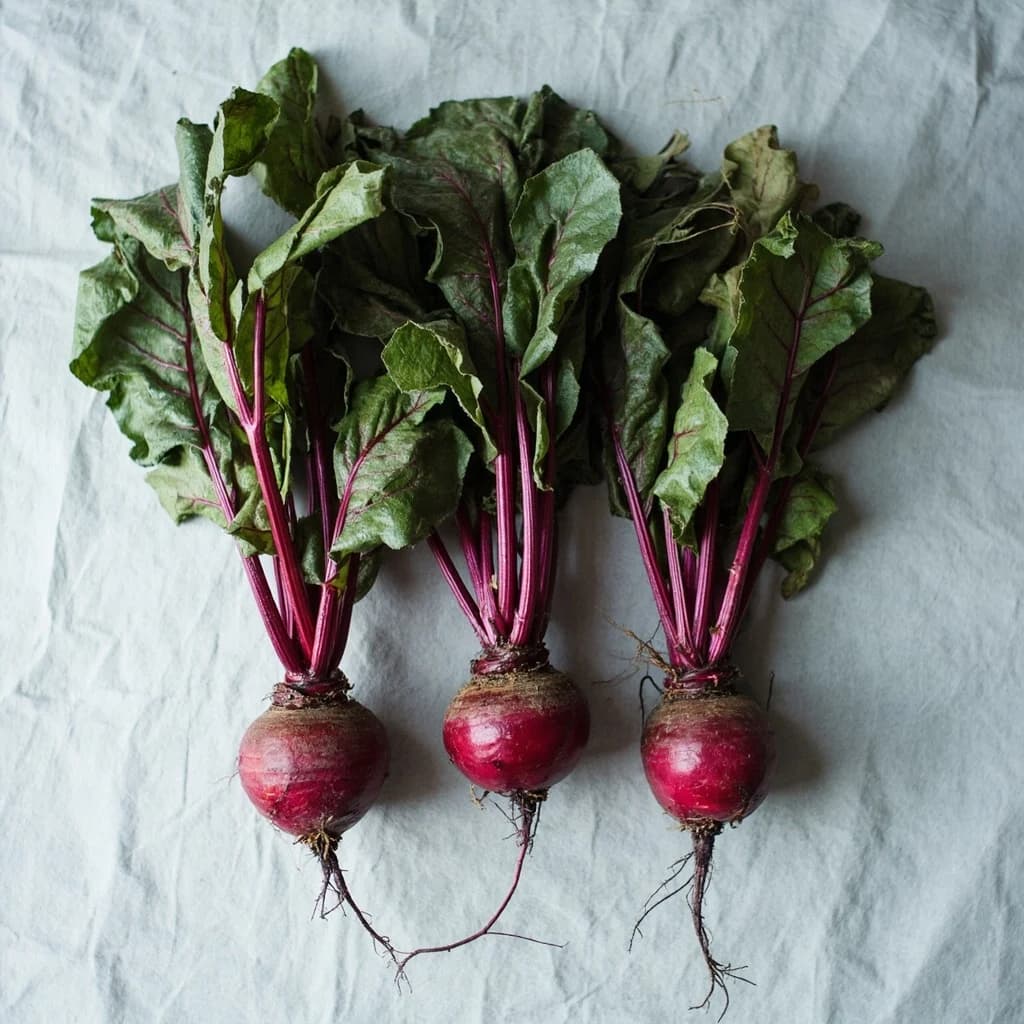
Natural form
Whole beets with leafy tops attached, showing deep ruby roots and soil-dusted skin.
Establishes the plant's recognizable shape, vivid color, and the taproot with attached greens that distinguish beet from other root vegetables.
Produce
Beet
Earthy, jewel-toned root for roasting, salads, and dips
Sweet and earthy, beets roast to a deep ruby tenderness, grate raw into salads, and blend into vibrant dips. They'll stain everything they touch. Keep them cold.
The beet is an earthy, jewel-toned root with a deep, sweet flavor that intensifies when roasted into ruby tenderness. Beyond the classic deep-red globe there are golden, white, and candy-striped varieties, each with the same mineral sweetness. Grated raw they add crunch and color; roasted or boiled they turn silky for salads, dips, and borscht. Bonus: the leafy greens are edible and delicious, cooked like chard.
- Measured in
- piece
- Storage
- Refrigerate
- Shelf life
- 21 days
Find it in
Types & varieties
The classic deep-crimson beet; earthy and sweet
Mellow, less earthy, and won't stain; pretty in salads
Pink-and-white rings; loses some color when cooked
Small and tender; roast whole
How to choose
Want firm, smooth beets that feel heavy, with unwrinkled skin. If the greens are attached they should look fresh and crisp — a sign of freshness — but they pull moisture, so detach them at home. Smaller beets (golf-ball to tennis-ball) are sweeter and more tender than giants, which can be woody.
How to store
Trim the greens (leaving an inch of stem to prevent bleeding), then store roots unwashed in the crisper for two to three weeks. Store the greens separately and use them within a few days. Don't toss them — they cook like chard or spinach.
- Separate greens from roots
- Leave a stub of stem on the root
- Roots last weeks; greens, days
Cooking and the stain factor
In Spain, beets are most often sold pre-cooked and vacuum-packed (remolacha cocida), ready to slice straight into salads; raw beets for roasting are available but less common. Roasting whole in foil concentrates the sweetness and makes the skins slip off easily once cool. Beets stain everything — wear gloves, use a board you don't mind dyeing, and a splash of vinegar or lemon in the cooking helps fix the color. Golden beets sidestep the mess entirely.
Common uses
Tips & pitfalls
- Roast wrapped in foil until a knife slides in, then rub off the skins under cool water
- Wear gloves and use a plastic board to avoid pink hands and counters
- Cook the greens like chard — sauté with garlic
- A little acid (vinegar, citrus) brightens and balances their earthiness
- Grate raw for instant color and crunch in slaws
Nutrition
Energy
180 kJ · per 100 g
Where the calories come from
Protein
1.6g
3% DV
Carbs
9.6g
3% DV
Fat
0.2g
0% DV
Fiber
2.8g
10% DV
Sugars
6.8g
of which
Sodium
78mg
3% DV
Source · USDA FoodData Central · Beets, raw
View on FDC →In the shops
Matched grocery products
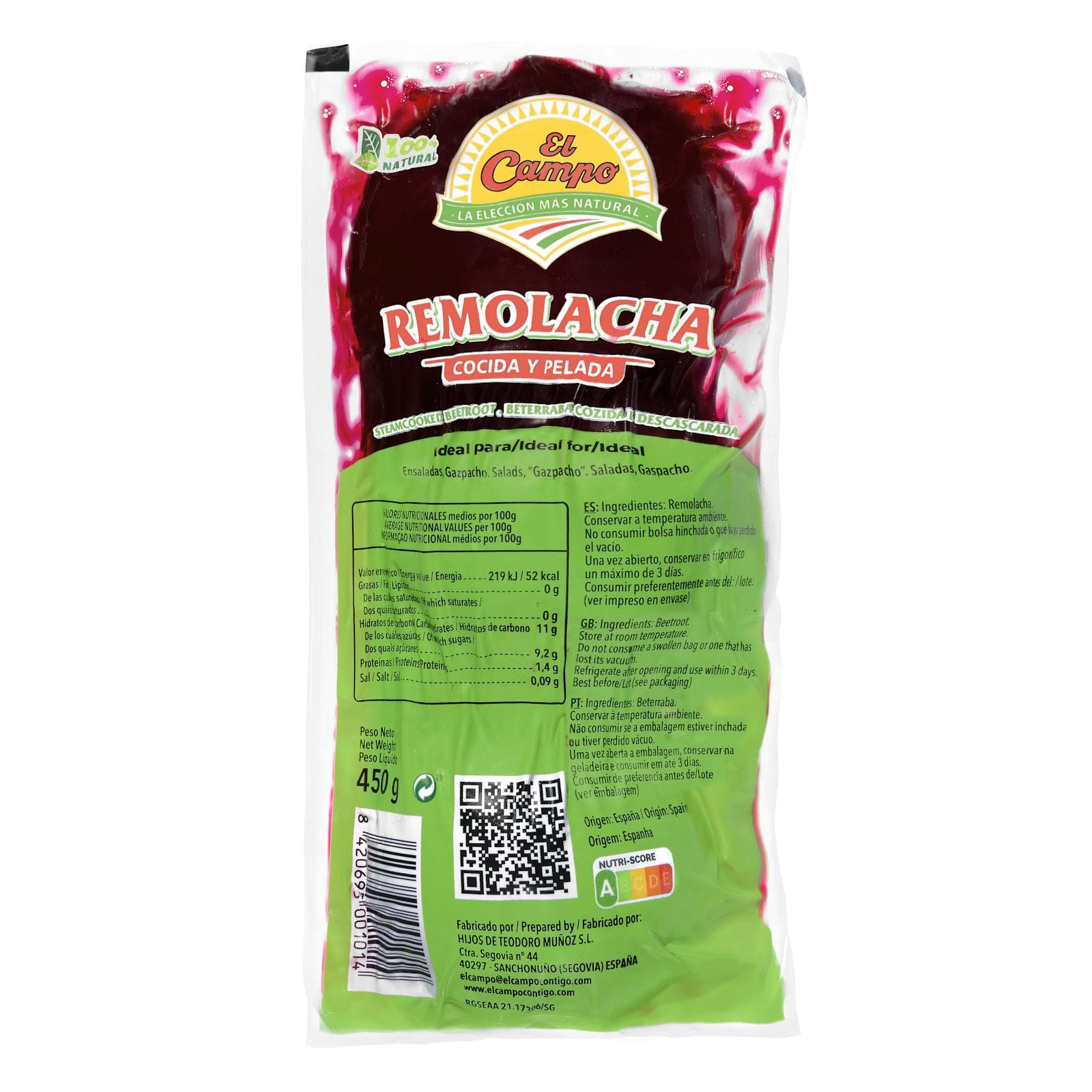 €1.05
€1.05Cooked and Peeled Beetroot
450 g · Mercadona
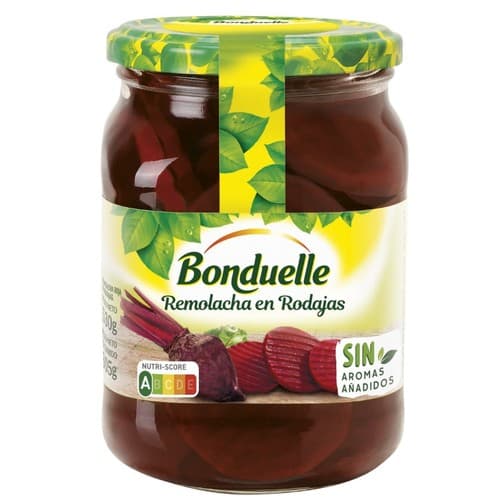 €3.05
€3.05Bonduelle Sliced Beetroot
BONDUELLE · kg · Bonpreu
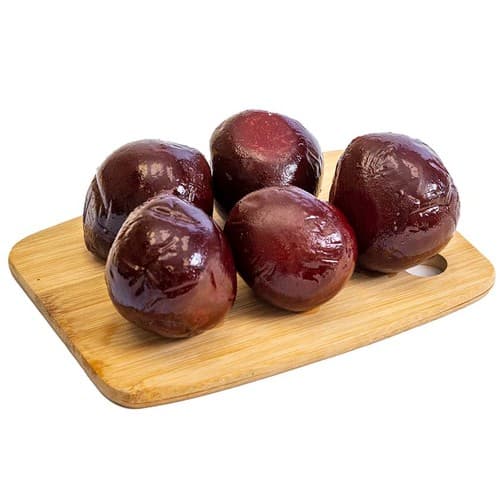 €1.15
€1.15Steamed Beetroot Bag of 2 Units
HUERCASA · kg · Bonpreu
Good to know
- Peak season
- Fall through winter; available much of the year
- Flavor
- Earthy, sweet, mineral; sweeter when roasted
- Origin
- Mediterranean coast; bred from the sea beet
- Nutrition
- ~43 kcal/100g; notably high in folate (~109 µg/100g), plus manganese, nitrates, betalains
- How to buy
- Firm, smooth, heavy; fresh perky greens; small-to-medium are sweeter
Substitutes
Also called
beetroot · remolacha
Appears in these dishes
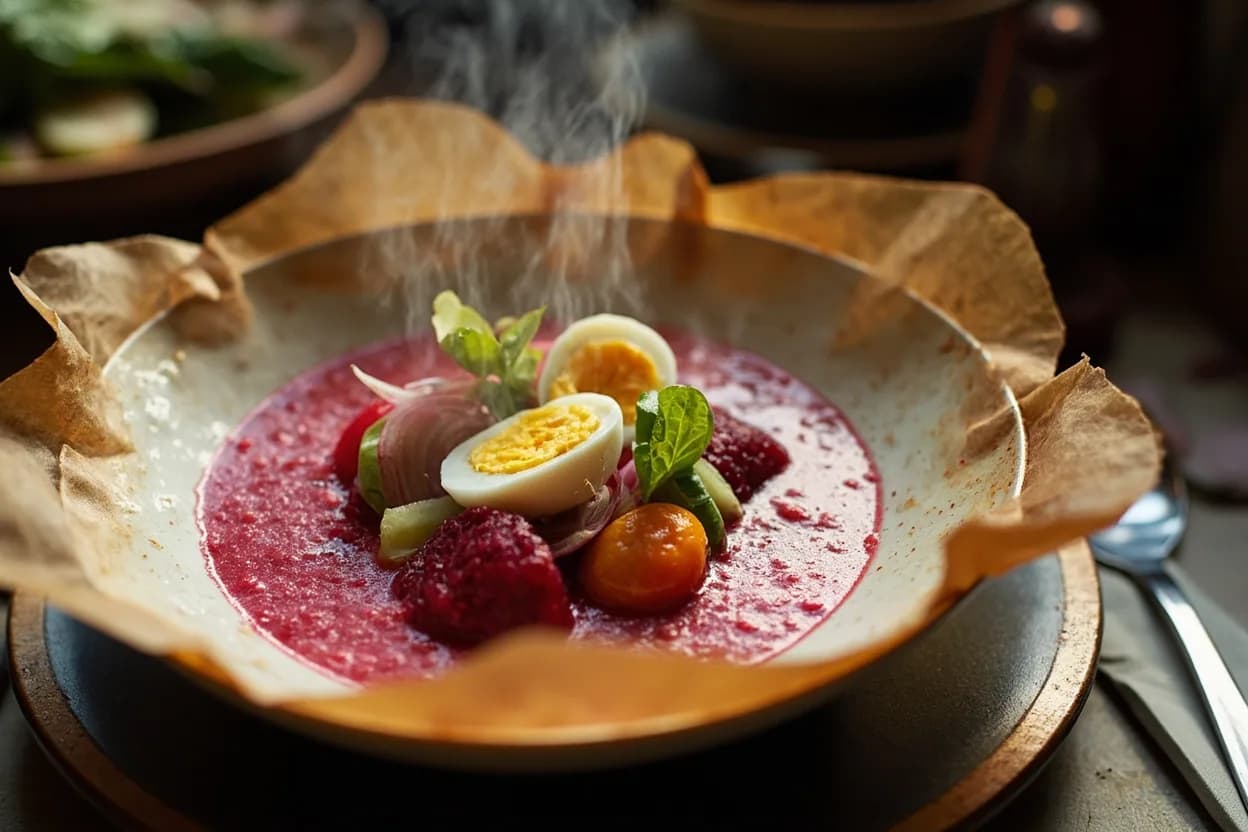
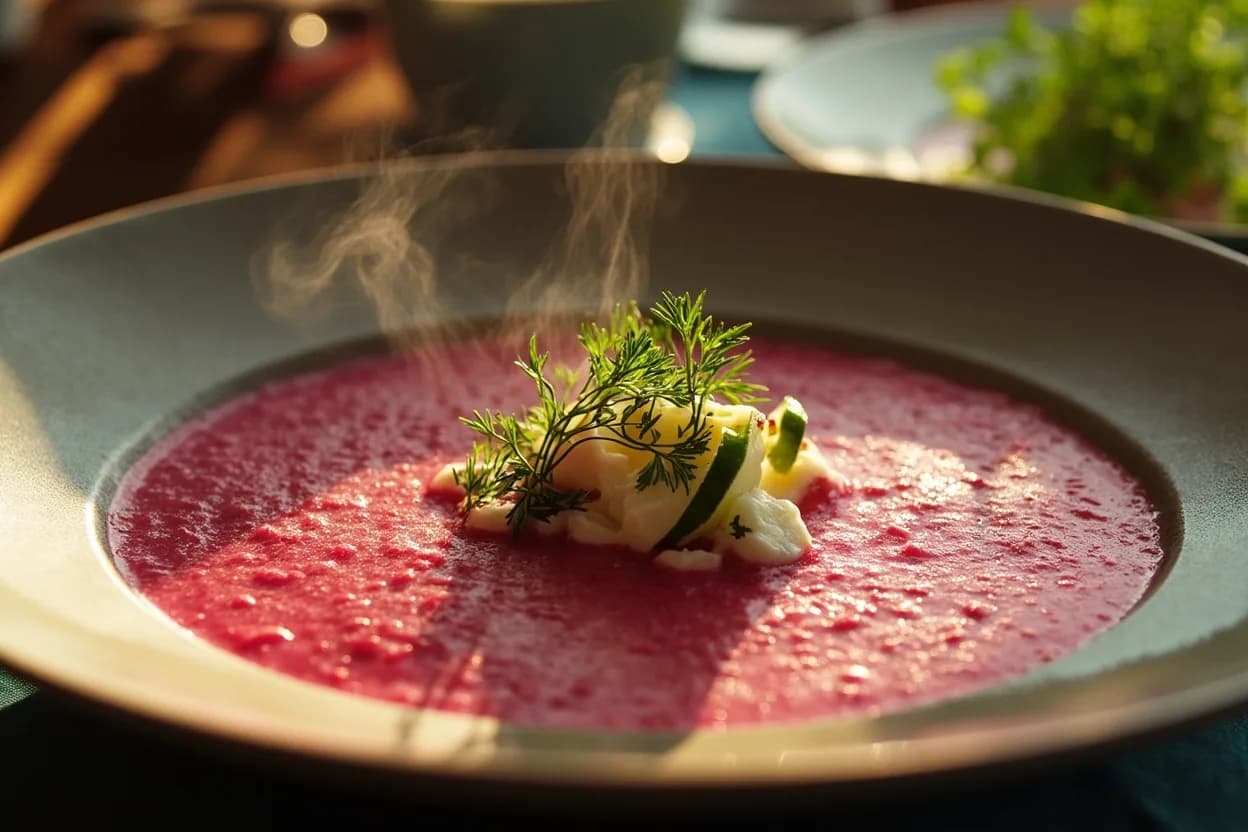
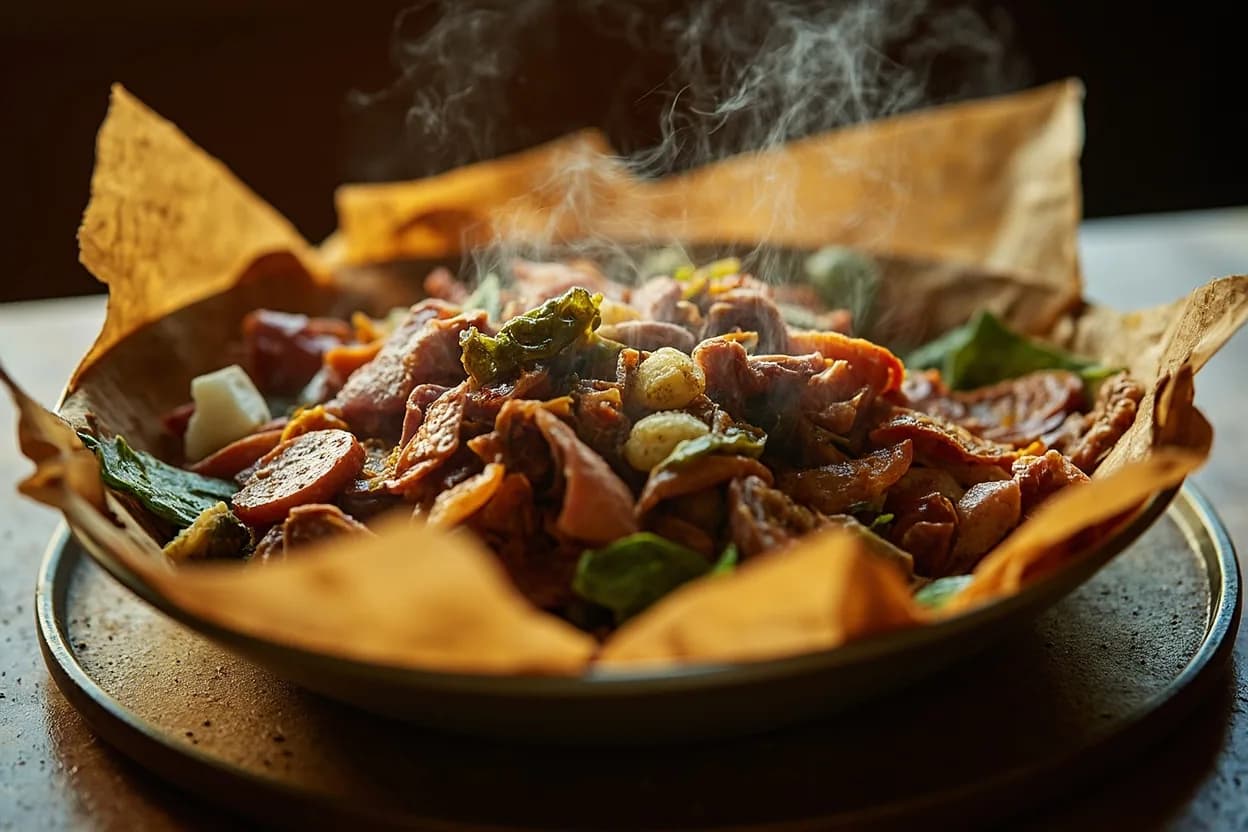
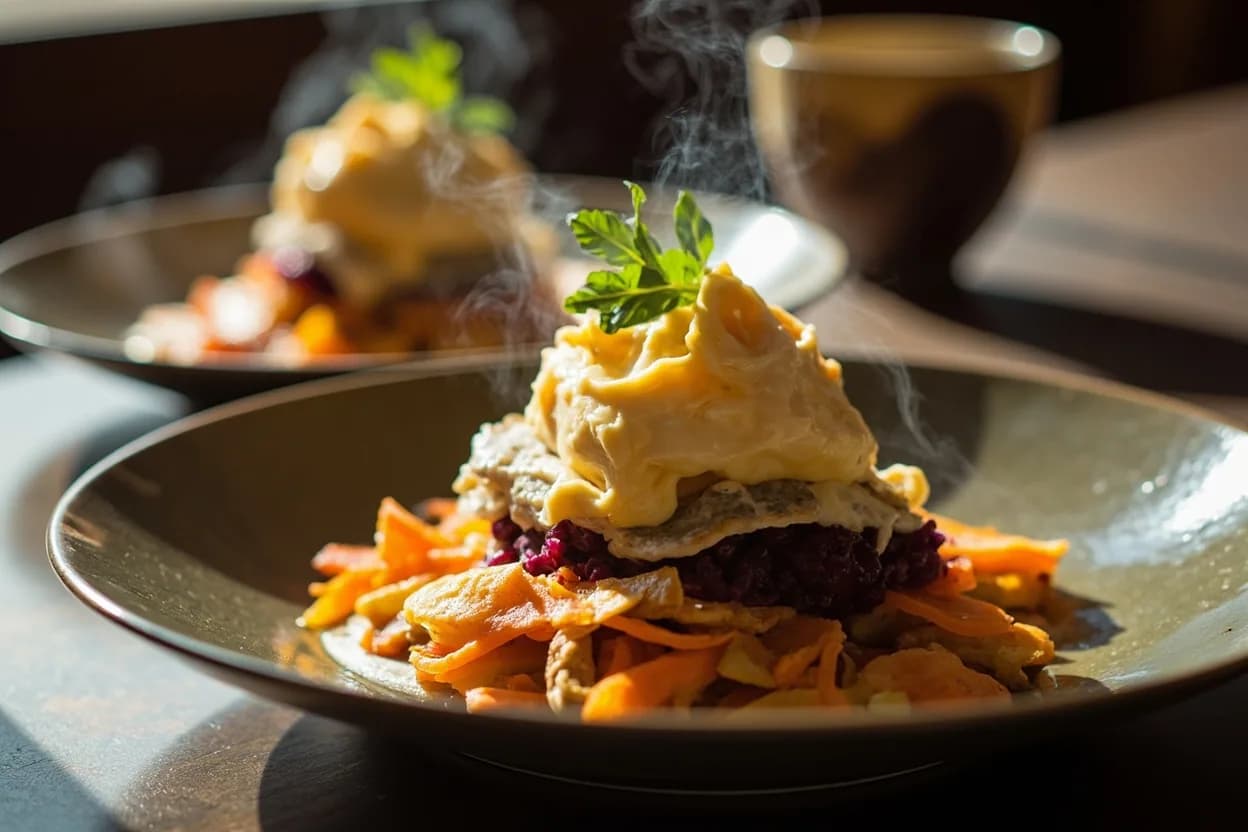
Related
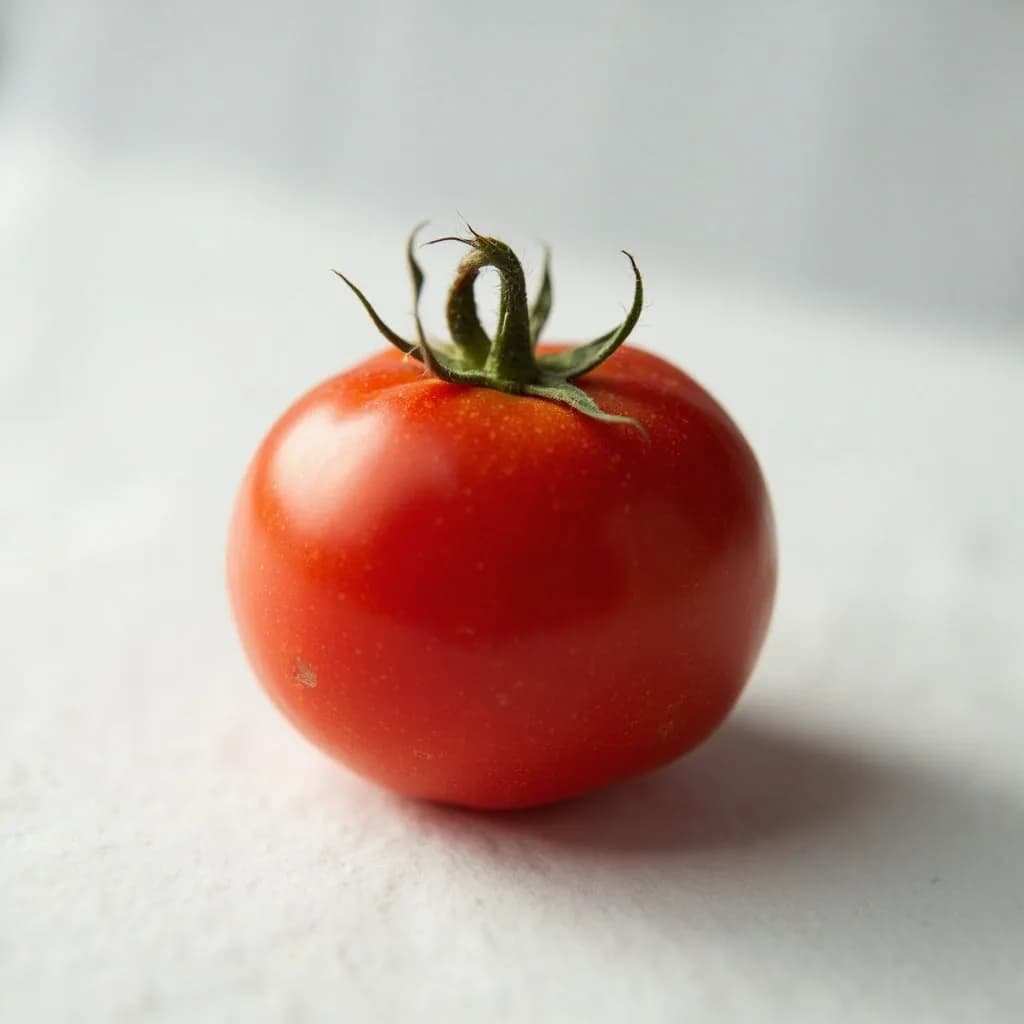
Tomato
Juicy, sun-sweet fruit for sauces, salads, and slow-cooked depth
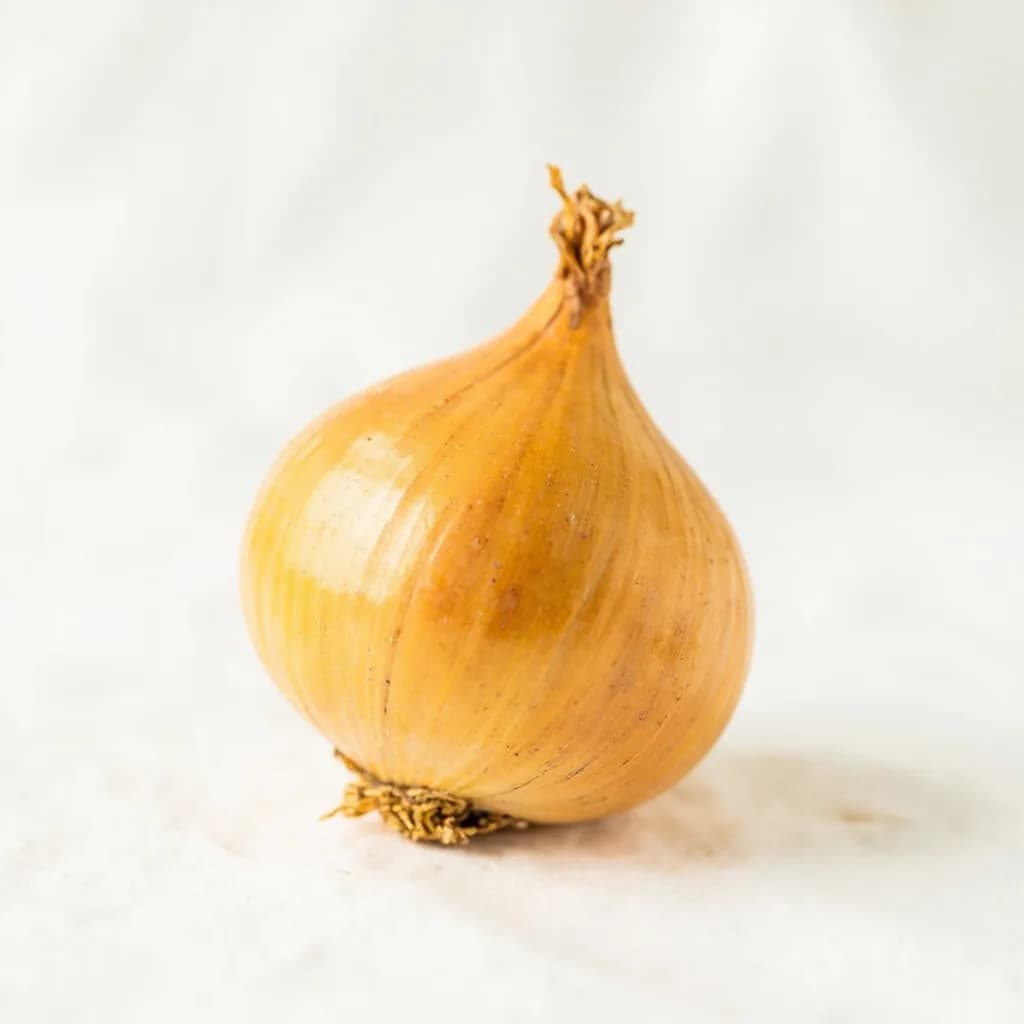
Yellow Onion
The aromatic backbone of soups, sofritos, and braises
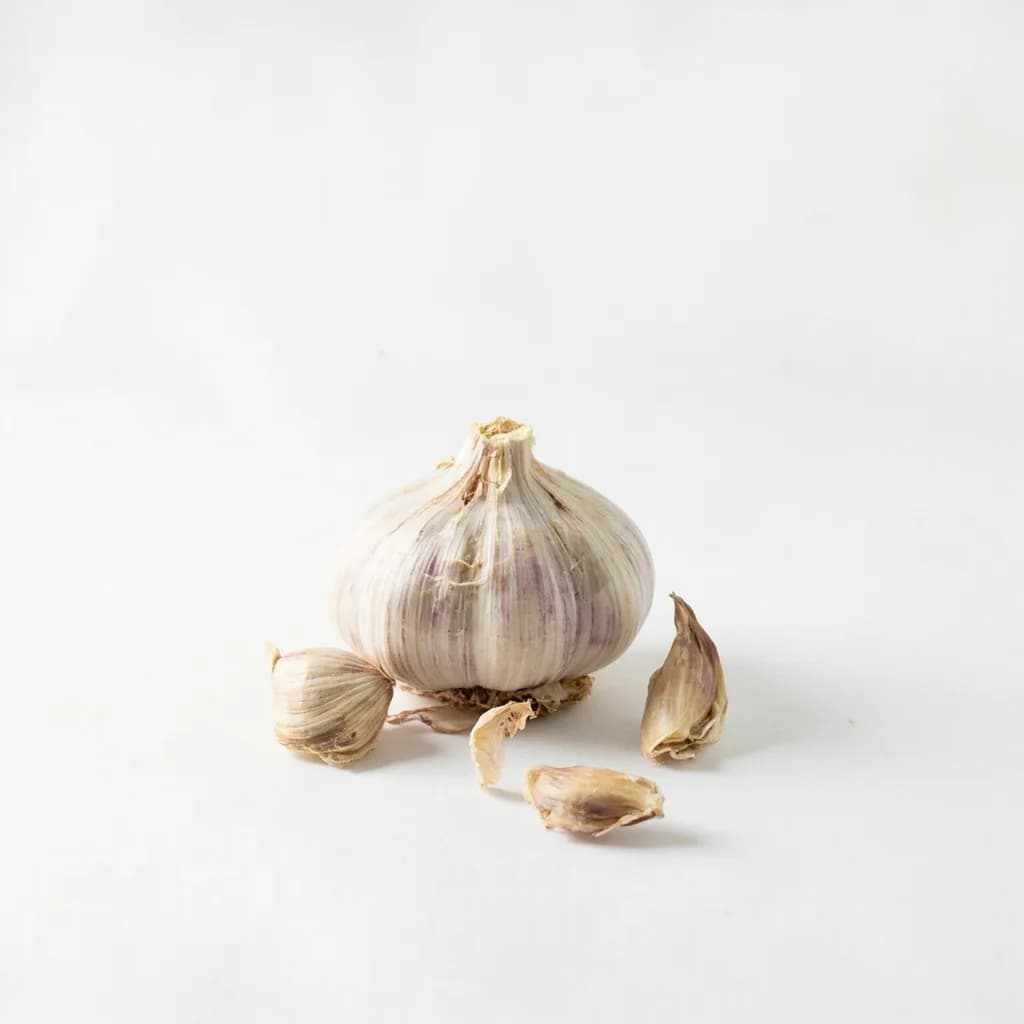
Garlic
Pungent cloves that perfume nearly every savory dish
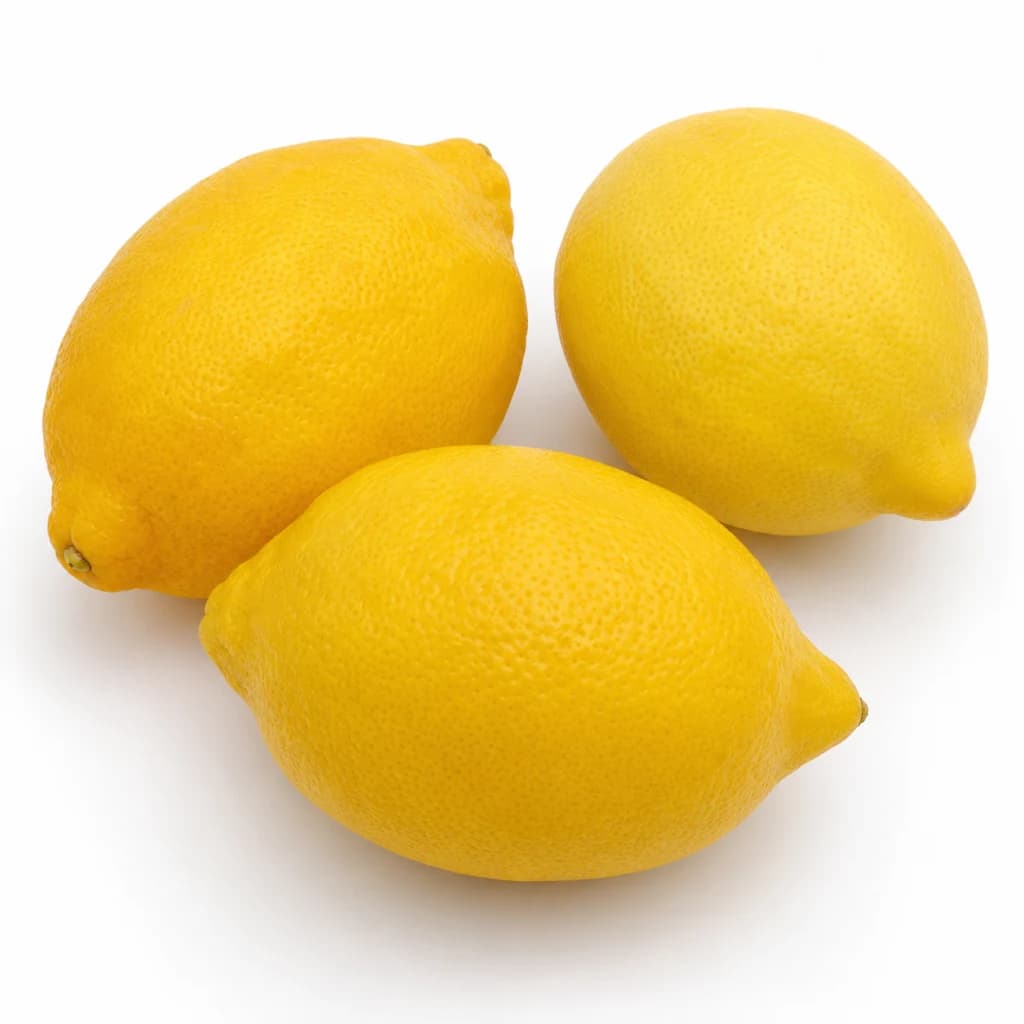
Lemon
Bright, acidic citrus that wakes up almost any dish
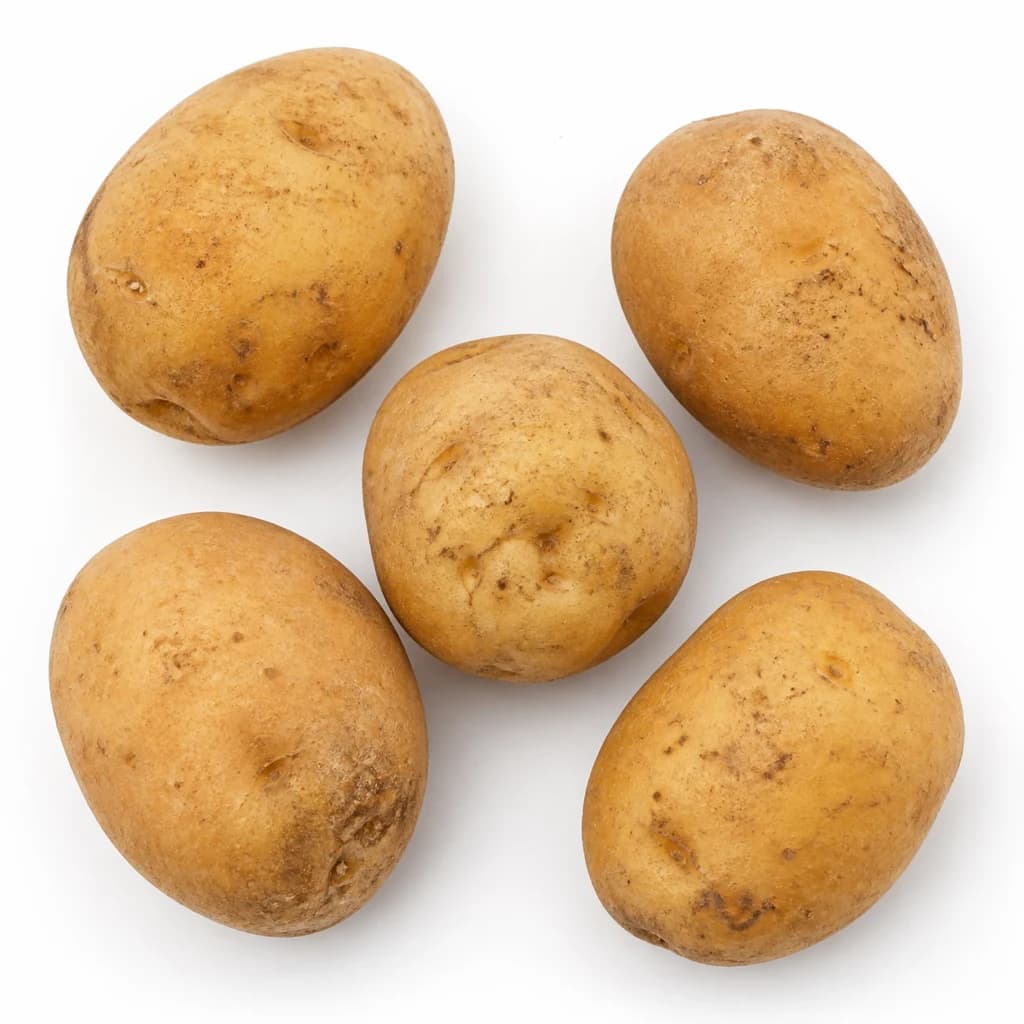
Potato
Humble, hearty staple — roast, mash, fry, or boil
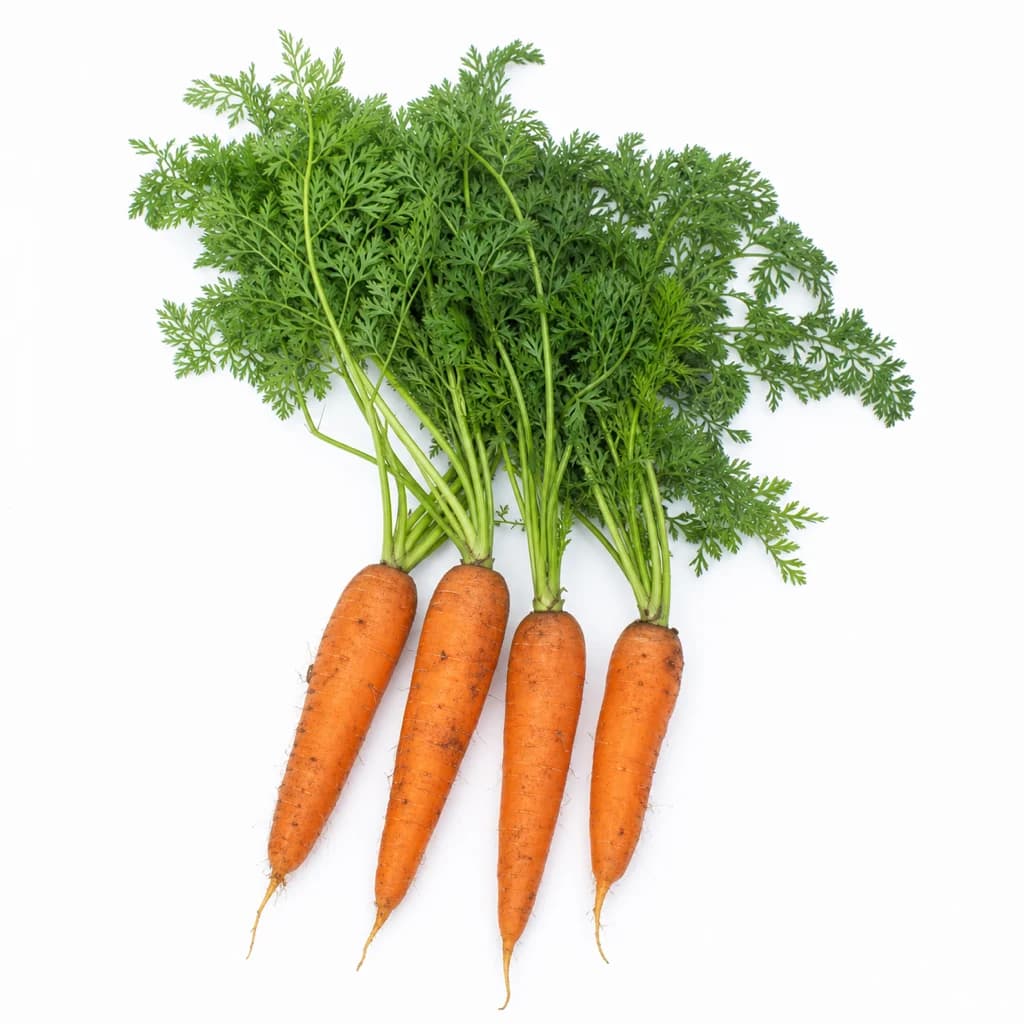
Carrot
Sweet, crunchy root — raw, roasted, or the base of a sofrito
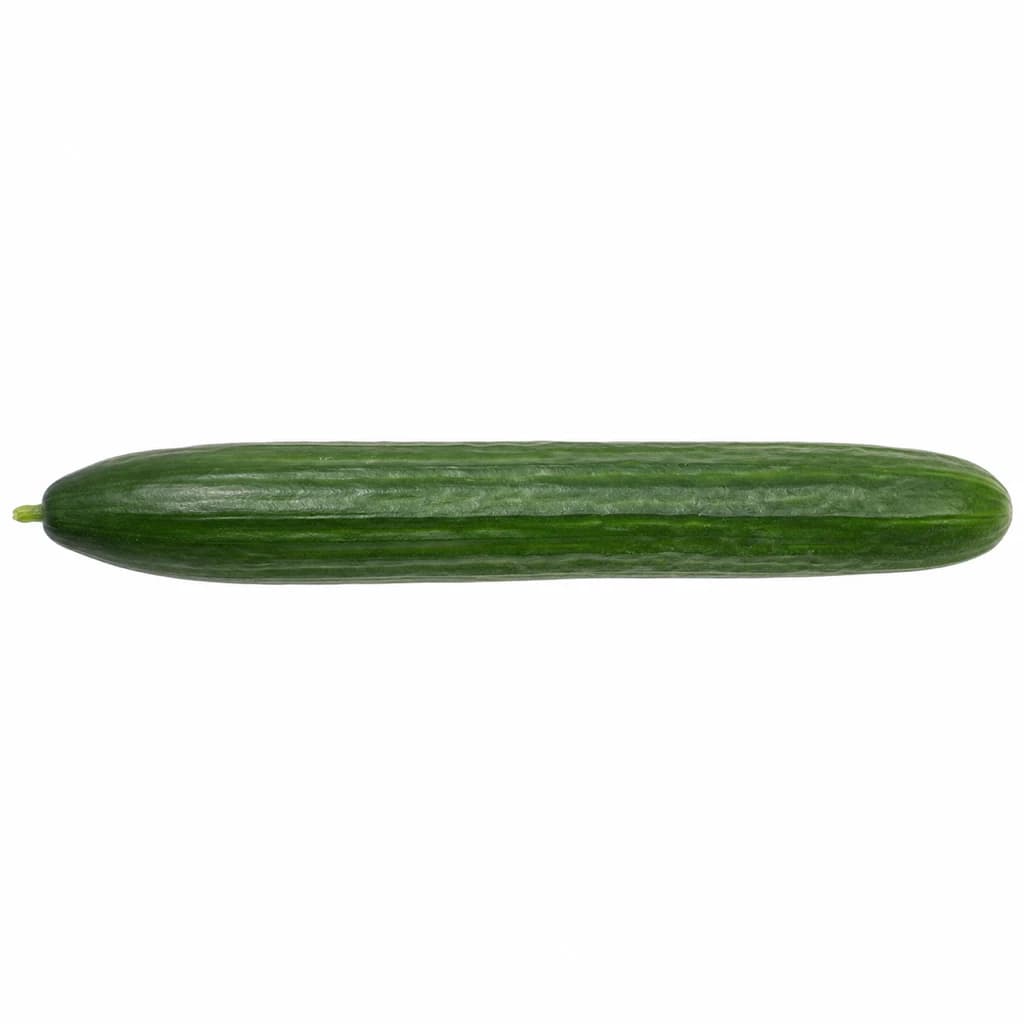
Cucumber
Cool, crisp, and watery — for salads, pickles, and tzatziki

Lettuce
Crisp leaves for salads, wraps, and a fresh crunch