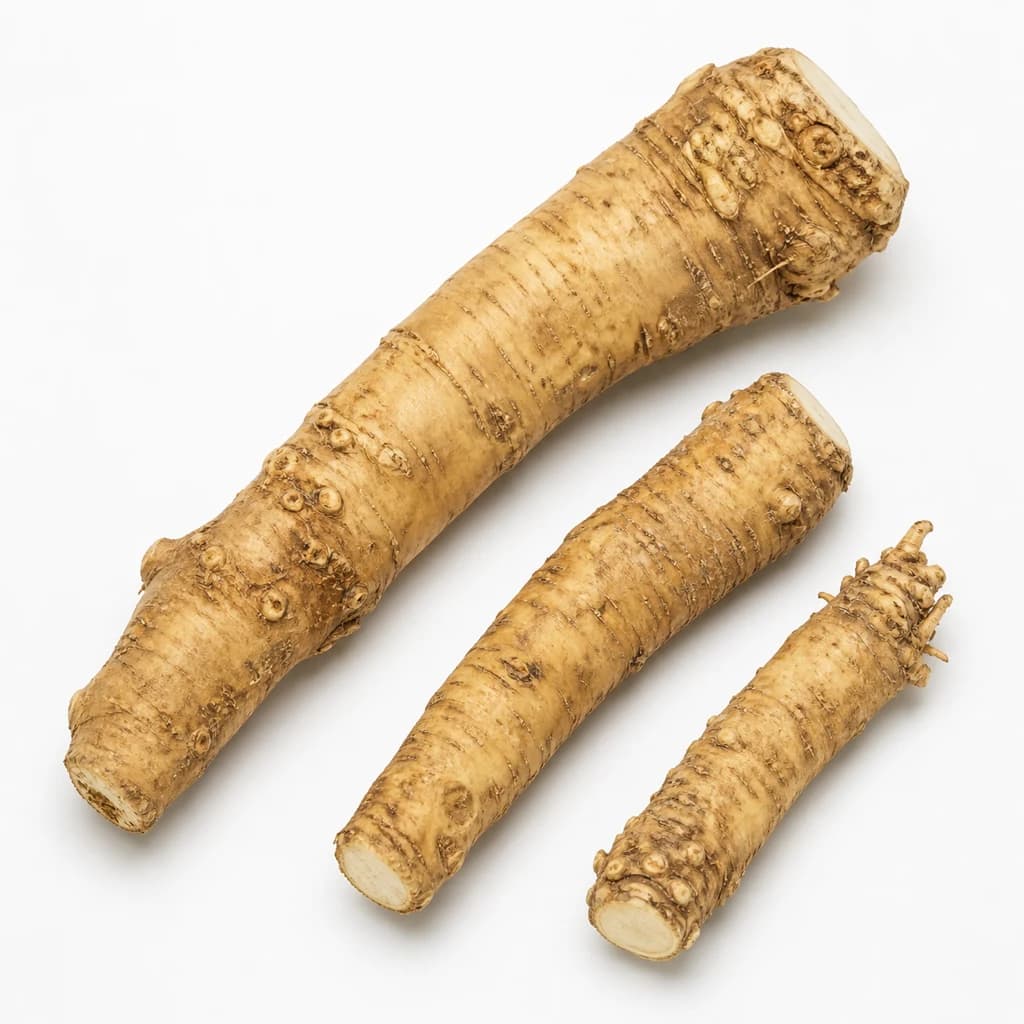
Natural form
Whole horseradish roots showing their gnarled, cream-brown exterior and irregular knobby shape.
Shows the raw root's distinctive size, gnarled bark texture, and cream-brown exterior so readers can identify it in markets.
Produce
Horseradish
Pungent root grated into sharp, sinus-clearing condiments and sauces.
Horseradish is a tough, cream-colored root that releases an intensely pungent, sinus-clearing pungency once grated and exposed to air. It is grated into vinegared condiments and creamy sauces served with beef, fish, and at Passover, and is the base of prepared horseradish and some mustards. Its heat fades quickly with cooking, so it is almost always used raw or freshly grated.
Horseradish (Armoracia rusticana) is a hardy perennial of the Brassicaceae family grown for its white to cream-colored taproot, which is pale and starchy-looking but harbors fierce, sinus-clearing heat. Native to Eastern Europe and Western Asia, it has been cultivated since ancient times—particularly in Germanic and Slavic cuisines—where it remains a pantry essential. The root is inert when intact; crushing or grating the cells triggers an enzymatic reaction that converts sinigrin into allyl isothiocyanate, the same compound responsible for mustard heat. This volatile oil creates a sharp, immediate burn in the nasal passages rather than lingering on the tongue, and it dissipates quickly when raw. Vinegar halts the enzymatic reaction, locking in a stable flavor, while cream and dairy products temper the sharpness into a smooth, balanced condiment. Understanding this chemistry is the key to working with horseradish effectively: use it raw and freshly grated for maximum punch, stabilize with vinegar for storage, and add it to dishes off the heat to preserve its character.
- Measured in
- piece
- Storage
- Fridge
Types & varieties
The standard culinary variety; large white roots with best pungency in fall and winter months
Ornamental cultivar with variegated leaves; roots are identical to common type in flavor and behavior
Common preparation colored with grated raw beet; same heat with added earthy sweetness
Grated root mixed with vinegar and often cream or mayonnaise; ready-to-use condiment
The Chemistry of Heat
Horseradish heat differs fundamentally from chili pepper heat. Capsaicin is oil-soluble and binds to receptors in the mouth, creating lingering burn. Allyl isothiocyanate, however, is water-soluble and volatile—the vapor travels directly to the nasal passages, creating that distinctive sinus-clearing sensation. This is why horseradish hits fast and fades fast, while a chili lingers. Understanding this distinction shapes how you use horseradish: it performs best raw and fresh, added at the table or stirred into dishes off the heat, rather than cooked into a sauce where the volatiles would cook off.
- The enzymatic reaction (sinigrin + myrosinase) begins the moment cells are damaged
- Reaction peaks within 15 minutes of grating, then declines
- Vinegar (pH below 4.5) halts the enzyme completely, stabilizing flavor
- Heat destroys the volatile compounds; do not cook horseradish or add to boiling liquids
Grating Technique
A microplane or the finest side of a box grater produces the best texture for horseradish. Finer grating maximizes surface area, releasing more of the volatile compounds. Avoid food processors: the friction generates heat, which accelerates enzyme degradation and creates a mealy, uneven texture rather than the fibrous, juicy strands you want. Peel the root thoroughly—the brown skin contains bitter compounds that will muddy the flavor. Cut the root into chunks that fit your grater; hold with a kitchen towel to prevent slipping.
- A medium root (about 150g) yields roughly ½ cup grated fresh root
- A thumbnail-sized piece of freshly grated root delivers significant heat—test before serving
- Work in a ventilated area; the vapors are potent
- Wear gloves if you have sensitive skin; the oils cause irritation
Common uses
Tips & pitfalls
- Peel the root thoroughly: the brown skin is bitter and will muddy the clean heat of the flesh
- Grate fresh immediately before serving: the enzymatic reaction peaks within 15 minutes of grating, then fades steadily
- Wear kitchen gloves: the volatile oils cause skin irritation and burning eyes; work in a ventilated area
- Stop the reaction with vinegar: add 1–2 tablespoons white distilled vinegar per cup of grated root to stabilize; add immediately for milder heat, wait 3 minutes for stronger punch before adding
- Do not cook horseradish: heat destroys the volatile allyl isothiocyanate; add to hot dishes off the heat or at the table
- Balance the heat with cream, sour cream, or crème fraîche for a mellow sauce; lemon juice brightens rather than softens
- Use a microplane or fine grater: finer texture maximizes pungency; avoid food processors which create mealy texture and waste heat through friction
- Store vinegar-prepared horseradish in a glass jar with tight lid: plastic containers absorb the sharp odor permanently
- Test potency before serving: a thumbnail-sized piece of freshly grated root delivers significant heat; adjust quantity accordingly
Nutrition
Energy
201 kJ · per 100 g
Where the calories come from
Protein
1.2g
2% DV
Carbs
11.3g
4% DV
Fat
0.7g
1% DV
Fiber
3.3g
12% DV
Sugars
8g
of which
Sodium
420mg
18% DV
Source · USDA FoodData Central · approx. Horseradish, prepared
View on FDC →In the shops
Matched grocery products
No matched grocery products for Horseradish yet.
Good to know
- Scientific name
- Armoracia rusticana
- Family
- Brassicaceae (mustard family)
- Part used
- Root (white to cream-colored, rough brown skin)
- Flavor compound
- Allyl isothiocyanate (formed when cells are damaged; same family as mustard oil)
- Origin
- Eastern Europe and Western Asia; cultivated since ancient times
- Heat character
- Instant, sinus-clearing burn that fades quickly when raw; stabilized and mellowed by vinegar and cream
- Fresh root storage
- Refrigerate unwashed in plastic bag, 3–4 months; loses potency over time
- Prepared storage
- Refrigerate in vinegar (pH below 4.5), 4–6 weeks; freezing extends shelf life for months
Substitutes
- Wasabi paste — Closest flavor match; different plant (Wasabia japonica) but same sinigrin-based heat; use half the quantity of horseradish
- Prepared mustard — Lacks the sinus-clearing quality but provides heat and acidity; use 1:1 ratio but flavor differs significantly
- Fresh ginger — Provides warmth and bite but different aromatic character; does not substitute for the distinctive sinus-clearing heat
- Dry mustard powder — Mixed with vinegar to a paste; similar heat mechanism but lacks fresh horseradish's raw, bright character
- Radish — Mild pungency only; does not approach horseradish intensity or the volatile nasal sensation
Pairs with
Also called
Kren · Horseradish Root · Krienas
Appears in these dishes
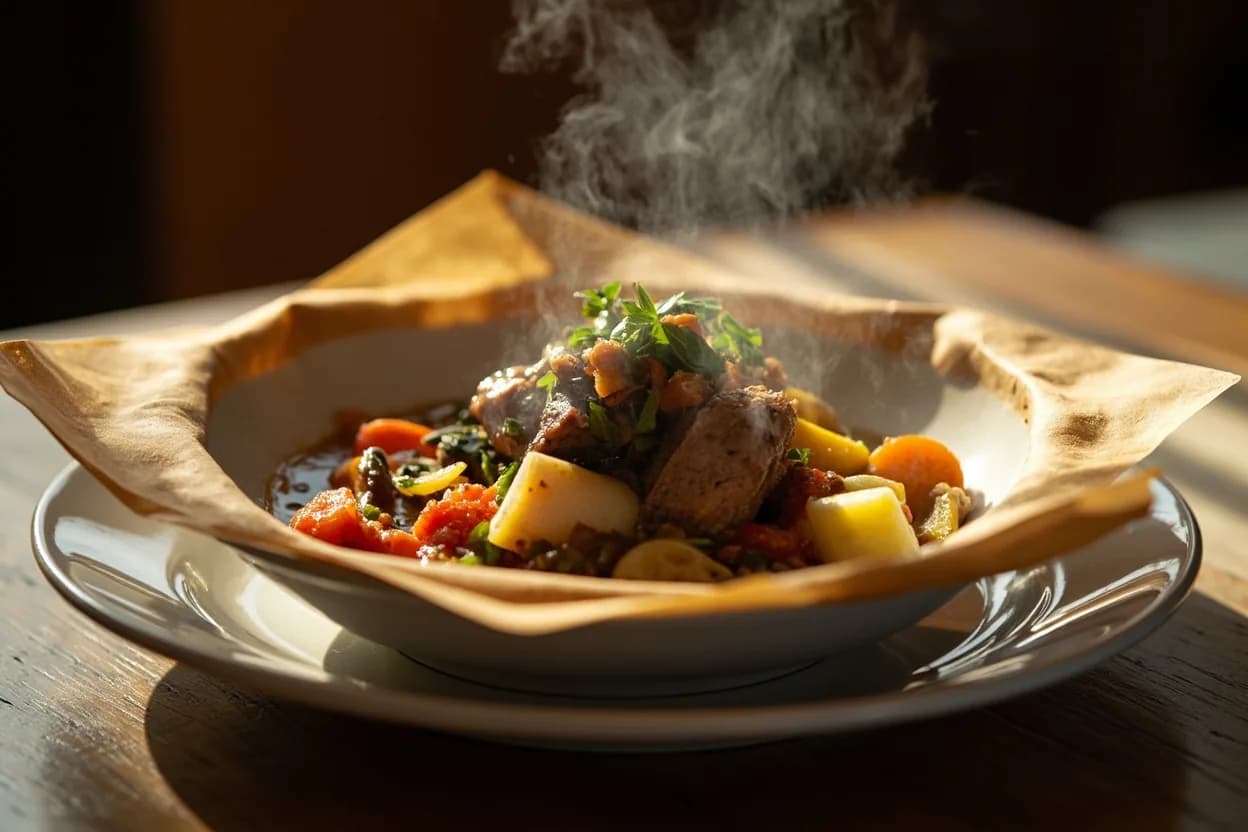
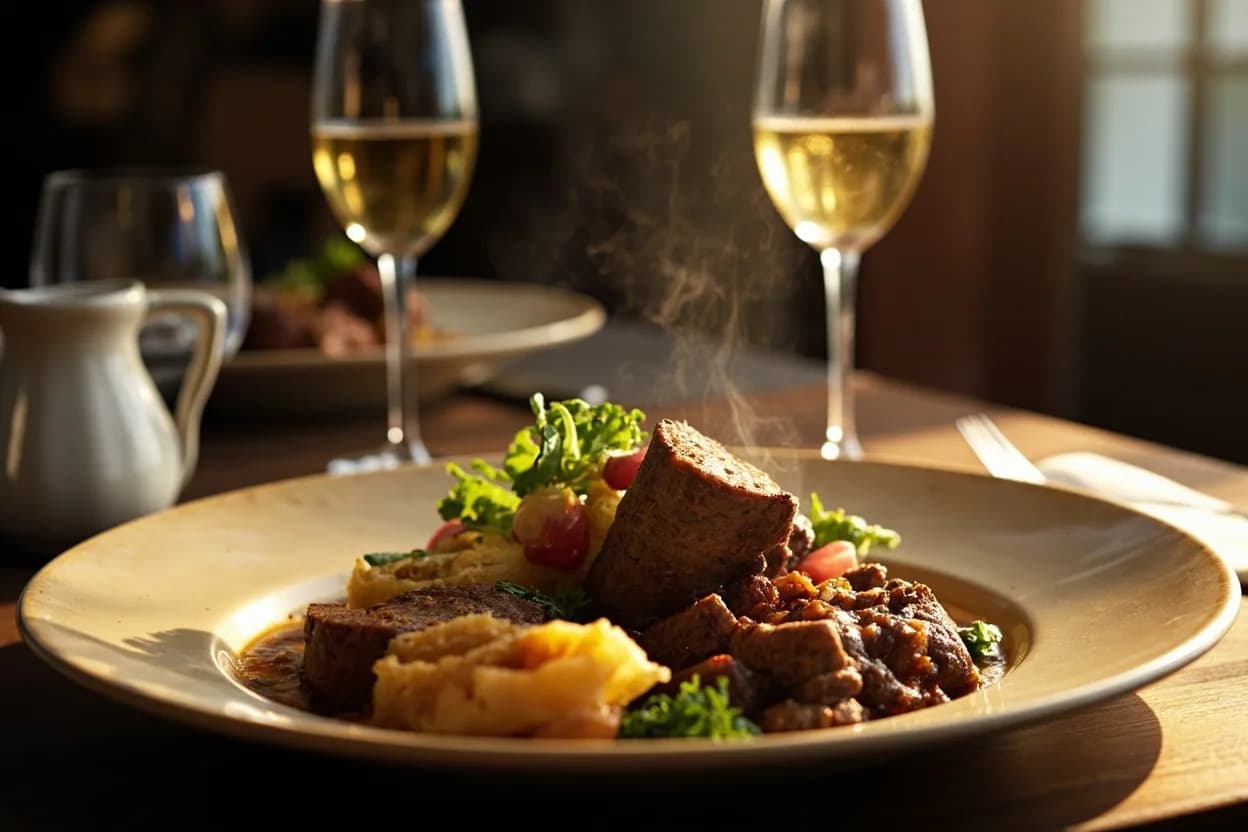
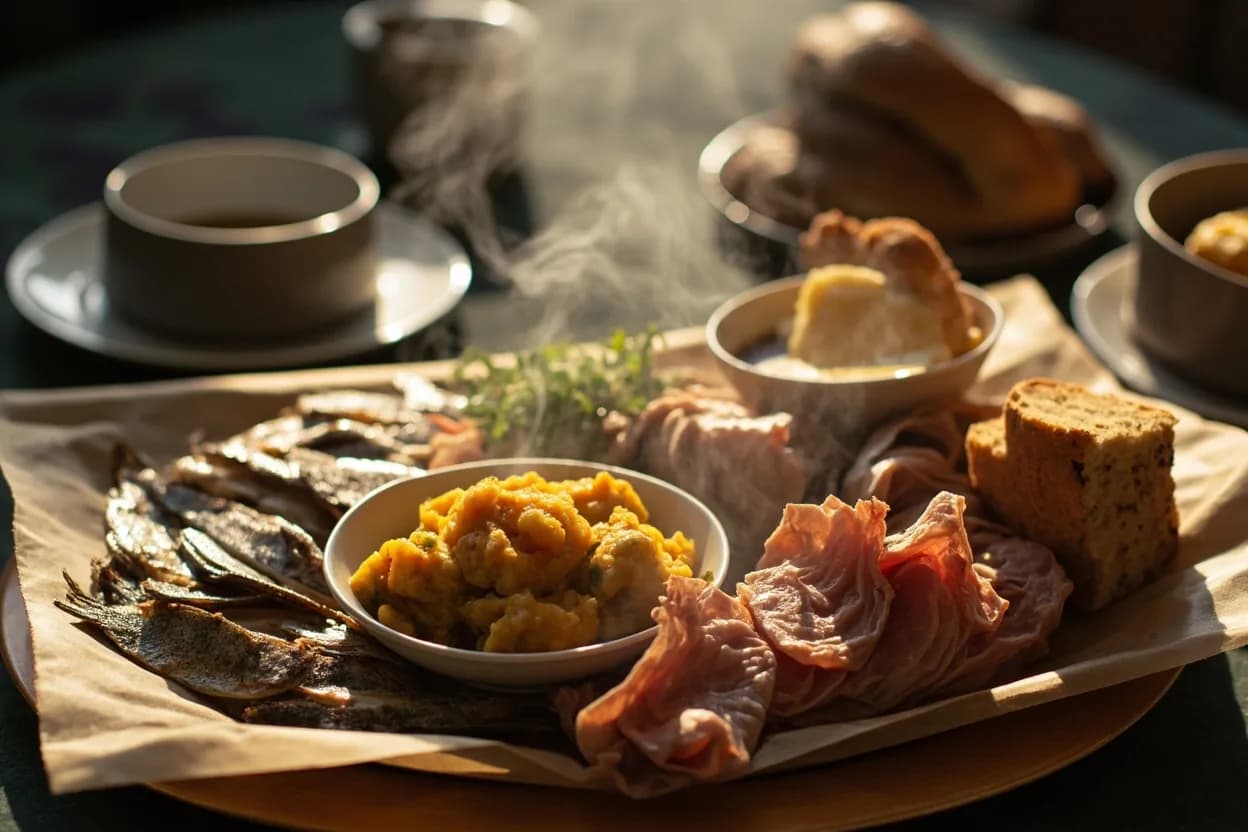
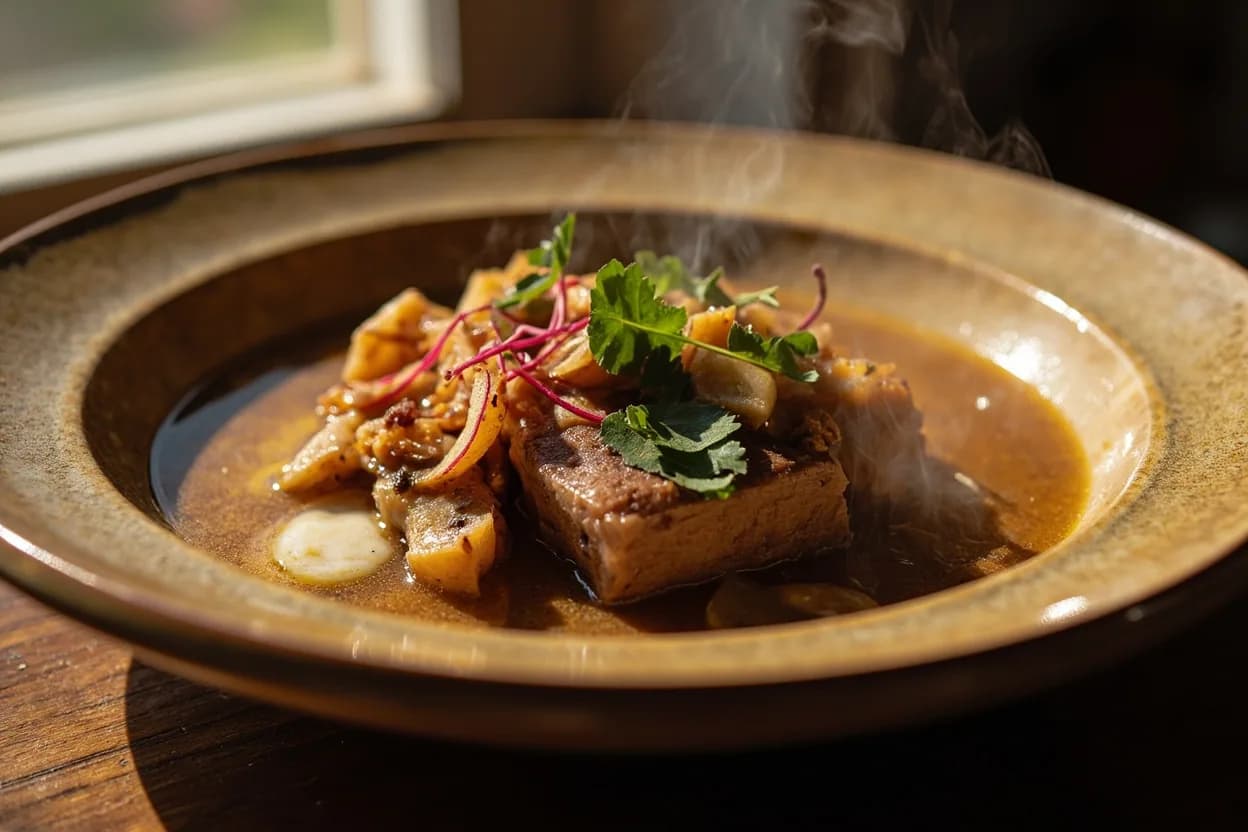
Related
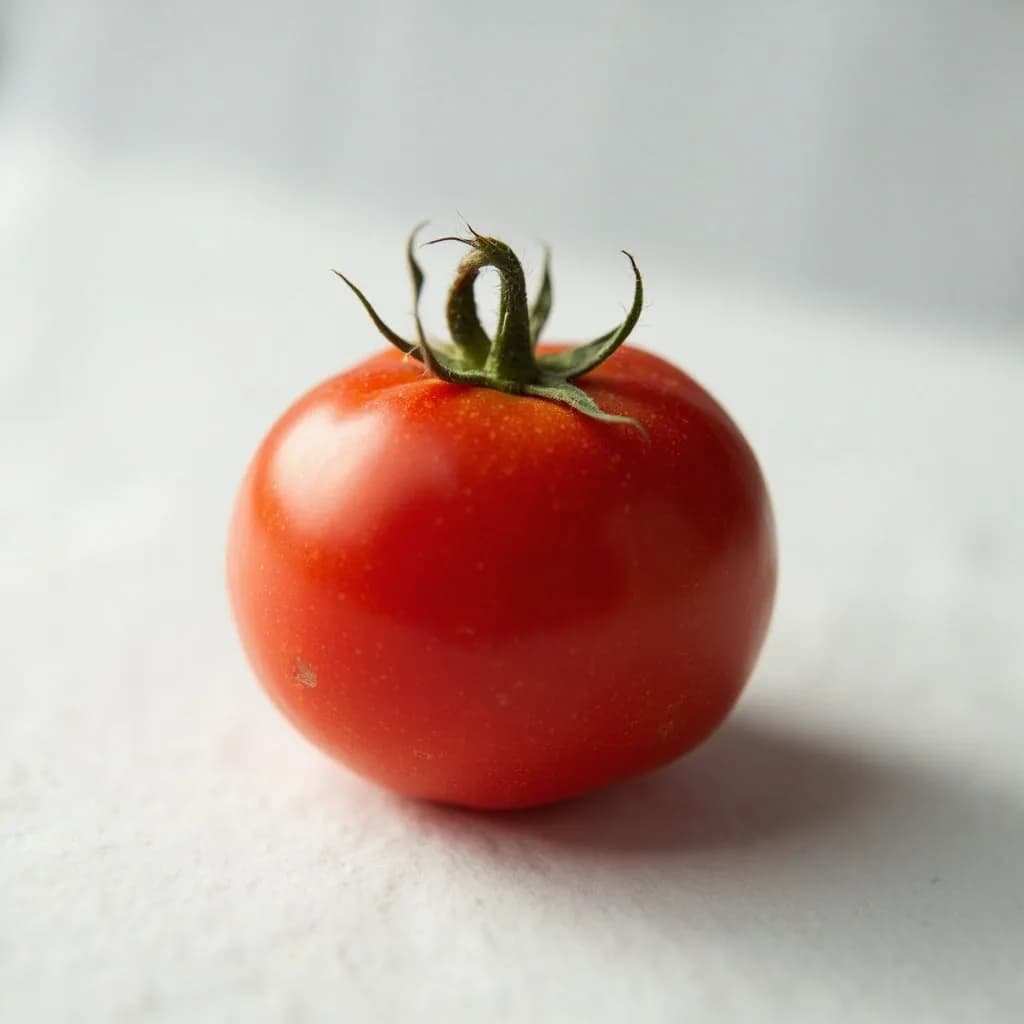
Tomato
Juicy, sun-sweet fruit for sauces, salads, and slow-cooked depth
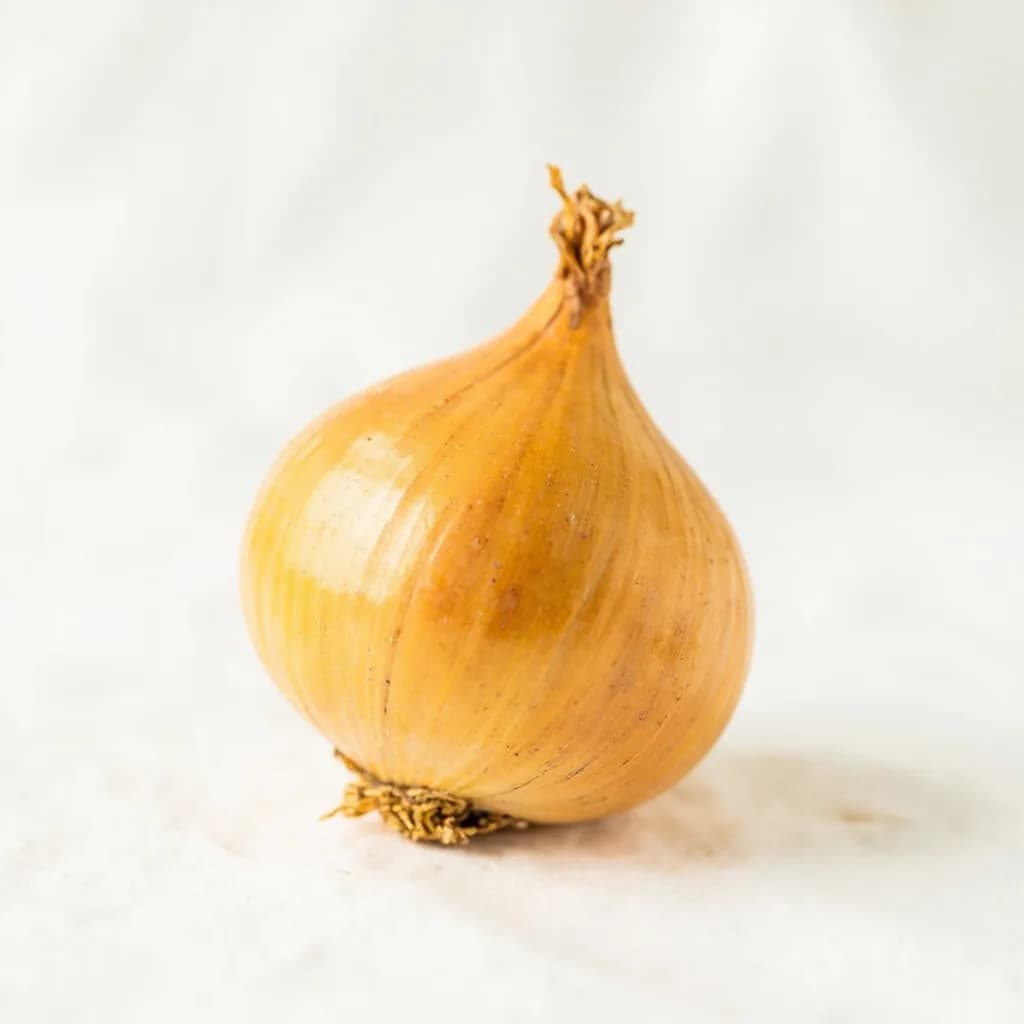
Yellow Onion
The aromatic backbone of soups, sofritos, and braises
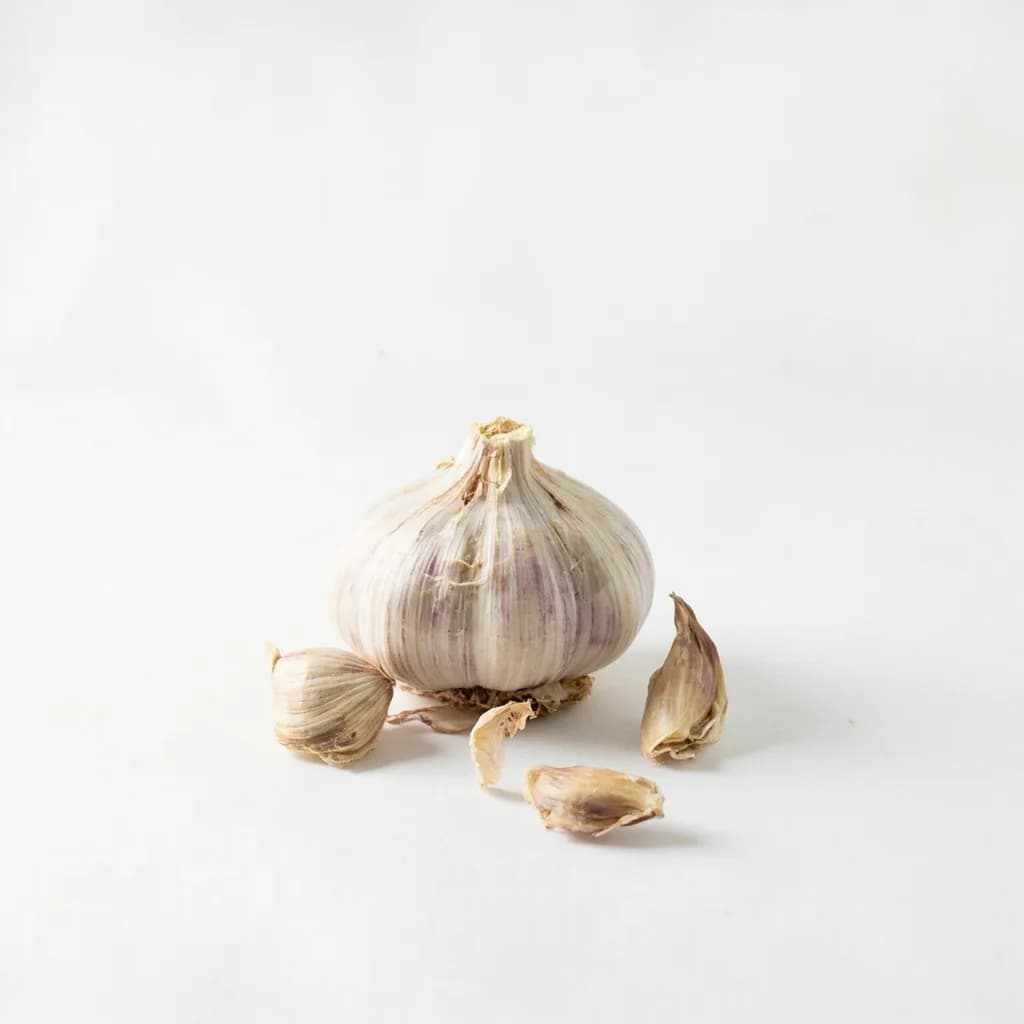
Garlic
Pungent cloves that perfume nearly every savory dish
Lemon
Bright, acidic citrus that wakes up almost any dish
Potato
Humble, hearty staple — roast, mash, fry, or boil
Carrot
Sweet, crunchy root — raw, roasted, or the base of a sofrito
Cucumber
Cool, crisp, and watery — for salads, pickles, and tzatziki

Lettuce
Crisp leaves for salads, wraps, and a fresh crunch