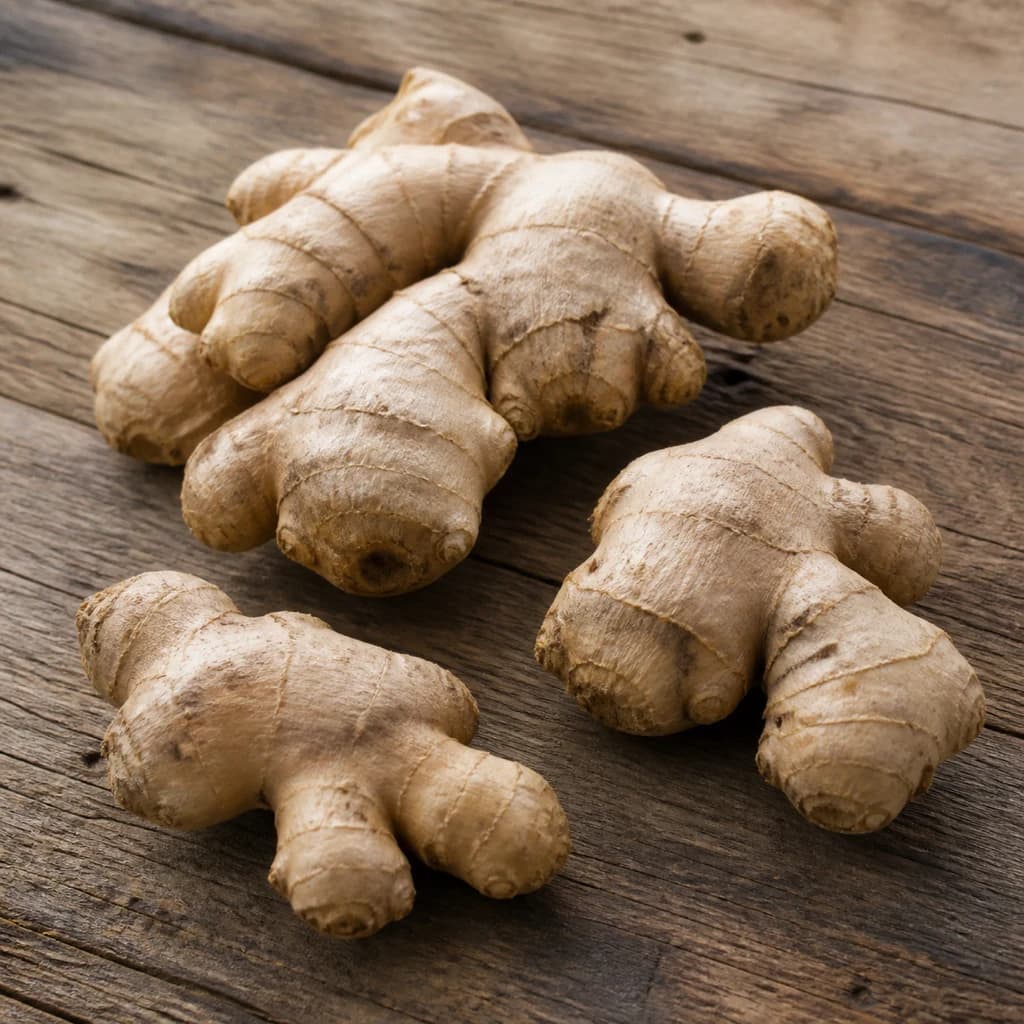
Natural form
Fresh ginger rhizomes show their knobbly, branching structure with papery tan skin.
Establishes how ginger looks in its whole, unprocessed state so readers can identify it at a market.
Produce
Fresh Ginger
Knobbly aromatic rhizome with pungent, warm heat, used grated or sliced.
Fresh ginger is the firm, knobbly rhizome of the ginger plant, with a fibrous pale flesh and a pungent, warm, slightly sweet heat. Peeled and grated, sliced or minced, it is fundamental to Asian, Indian and Caribbean cooking in stir-fries, curries, marinades and teas. It is more aromatic and fresher-tasting than dried ground ginger.
Fresh ginger is the peeled or scraped rhizome of Zingiber officinale, a subterranean stem that has anchored Asian kitchens for over five millennia. Despite its knobbly appearance, it is not a root but a rhizome—a horizontal underground stem that sends up shoots and roots from its nodes. The pale yellow to golden flesh hides hundreds of volatile and aromatic compounds, most notably 6-gingerol, which provides the characteristic warming heat. When ginger is cooked or dried, gingerol converts to shogaol and zingerone, developing deeper, more pungent notes that differ markedly from fresh ginger's bright bite. This chemical transformation is why timing matters: add it early and it perfumes the background; add it late and it punctuates the dish with sharp, fresh intensity.
Fresh ginger's versatility is almost unmatched—it serves as an aromatic foundation, a seasoning, a condiment, and a confection. Unlike its dried ground counterpart, fresh ginger delivers bright, almost citrusy warmth with a hint of floral sweetness that fades as it cooks. The texture matters too: young ginger is tender enough to slice paper-thin and eat raw, while mature ginger develops the tough skin and fibrous core that requires peeling and careful preparation. Understanding these stages, and how to select, store, and prep ginger, transforms it from an intimidating knob into an indispensable kitchen staple.
Selecting fresh ginger is straightforward: firm rhizomes with tight, smooth skin and a fresh, spicy aroma when you break or scratch the end. Avoid anything soft, wrinkled, or musty-smelling. Peak season runs November through March in the Northern Hemisphere, when the rhizomes are plumpest and juiciest. Once home, store unwashed ginger in a sealed plastic bag in the crisper drawer for up to three weeks; for longer keeping, peel and freeze it—grated directly from frozen on a microplane, it yields a perfect paste with no waste.
- Measured in
- g
- Storage
- Fridge
Types & varieties
Considered the gold standard; pale flesh, thin skin, delicate and floral flavor. Less fibrous.
Hotter and more pungent; typically has thicker skin and coarser fiber.
Larger rhizomes, more fibrous, mildly spicy; common in North American markets.
Milder, juicier, and less fibrous; increasingly available in specialty markets.
Very thin, almost translucent skin; can be used unpeeled; milder, more tender; available seasonally.
Understanding Ginger's Chemistry
The heat in fresh ginger comes primarily from 6-gingerol, which binds to heat receptors in the mouth. When ginger is cooked, this compound converts to zingerone, which is milder and slightly sweet. Extended cooking or drying drives another conversion: gingerol becomes shogaol, a more pungent compound responsible for deeper, more penetrating warmth. This is why ground ginger and fresh ginger taste fundamentally different—and why they cannot replace each other in all applications.
- Add fresh ginger early in cooking for background warmth and sweetness
- Add it in the last 2–3 minutes for sharp, bright bite
- Dried and ground ginger is earthier, warmer, and lacks fresh brightness; it does not work in raw applications
Selecting and Judging Freshness
The break test is the most reliable check: bend a small piece. Fresh ginger snaps cleanly with a moist fracture and a strong, spicy aroma. It should feel heavy for its size, indicating high moisture content. Avoid any pieces that bend rubberily, show soft spots, or have a musty, dull smell. The small depressions on the skin surface are the growing points or "eyes"—these are normal and do not indicate spoilage if the surrounding flesh is firm.
- Look for firm, heavy rhizomes with tight skin
- Snap or scratch the end to check for fresh, spicy aroma
- Reject anything soft, wrinkled, or musty-smelling
- Heavier pieces indicate more moisture and better yield
Common uses
Tips & pitfalls
- Use the back of a spoon or a small spoon to scrape off the skin—less waste than a peeler, especially on young ginger with tender skin.
- Grate frozen ginger directly on a microplane; it freezes solid and grates into a perfect paste with no peeling required.
- Store a batch of grated ginger pressed flat in a freezer bag; break off portions as needed—lasts 3–4 months without loss of quality.
- Add ginger at the start of cooking for background warmth, or in the last 2–3 minutes for sharper, fresh bite—the timing fundamentally changes its role in the dish.
- Do not confuse ground (dried) ginger with fresh—the flavor profiles are fundamentally different; dried is warmer and more earthy, less bright.
- Common mistake: using too much. Start with a thumbnail-sized piece (about 1 teaspoon minced) and adjust; fresh ginger is potent and can overwhelm a dish.
- If a recipe calls for "a knob," expect roughly 1 tablespoon minced per medium knob—size varies widely, so err on the side of less.
- Old ginger becomes fibrous and dry; look for firm rhizomes with tight skin and a fresh, spicy aroma at the break end.
- Juice extracted from fresh ginger is perishable; freeze in ice cube trays for accurate, shelf-stable portions (1 cube ≈ 1 tablespoon).
- Pairing with acid (lime juice, rice vinegar) brightens and amplifies ginger's flavor rather than competing with it—the two work synergistically.
- When ginger is the dominant flavor in a dish, include a small piece of smashed ginger to infuse and steep rather than a large amount of minced ginger for more control.
Nutrition
Energy
335 kJ · per 100 g
Where the calories come from
Protein
1.8g
4% DV
Carbs
17.8g
6% DV
Fat
0.8g
1% DV
Fiber
2g
7% DV
Sugars
1.7g
of which
Sodium
13mg
1% DV
Source · USDA FoodData Central · Ginger root, raw
View on FDC →In the shops
Matched grocery products
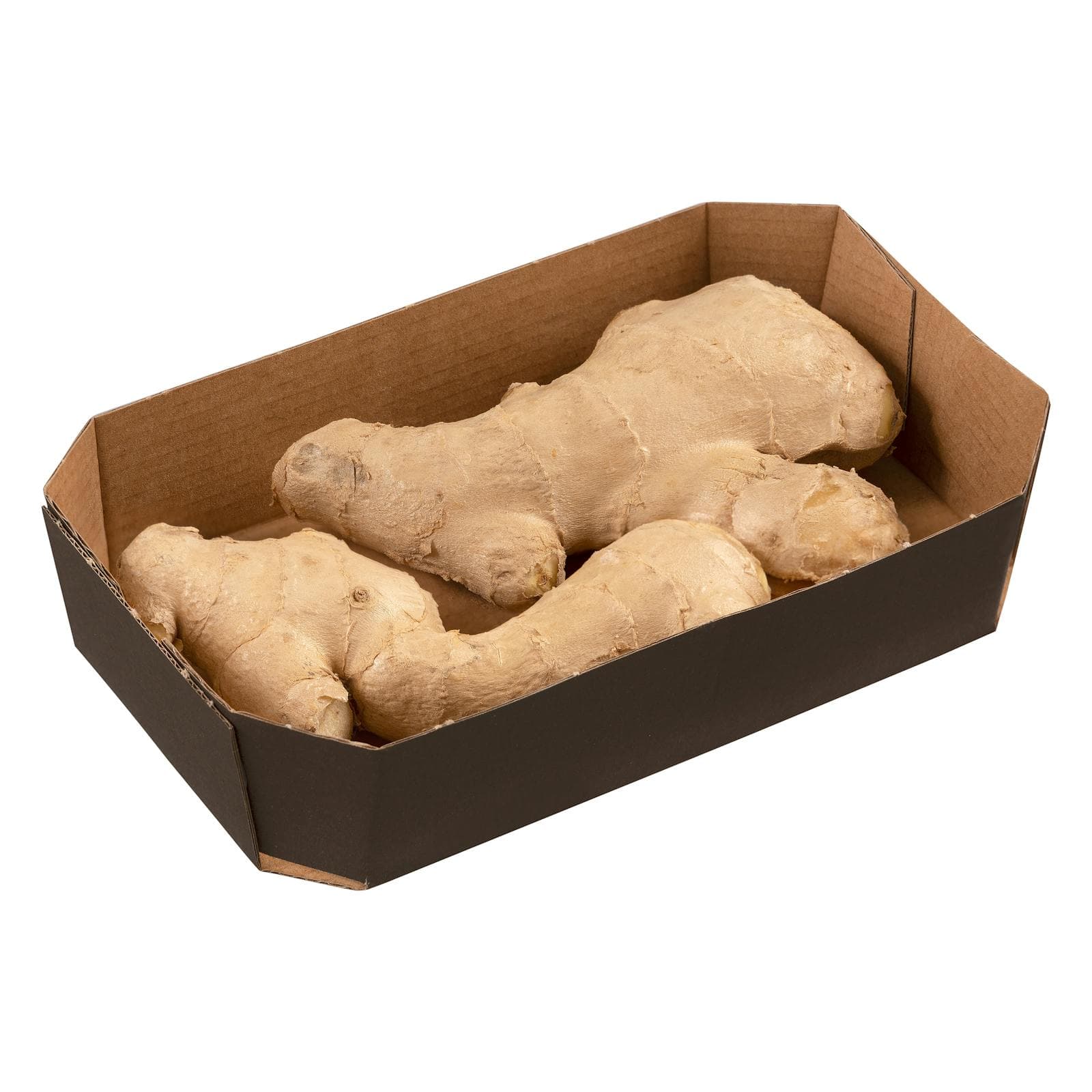 €1.61
€1.61Ginger
200 g · Mercadona
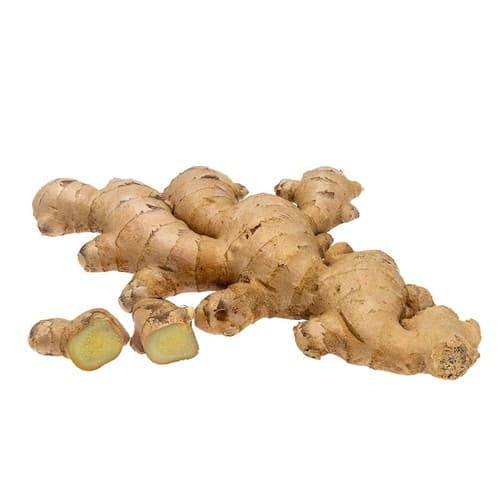 €0.60
€0.60Fresh Ginger 1 unit
ud · Bonpreu
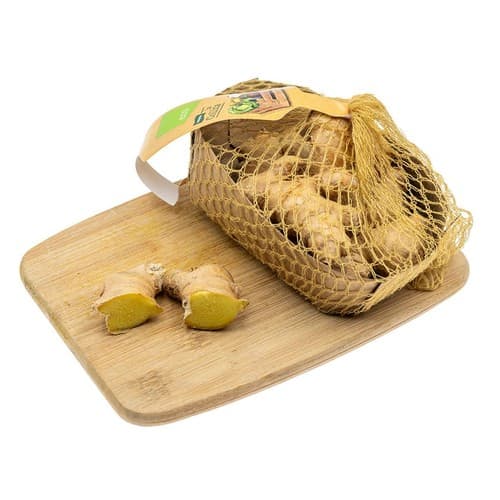 €1.99
€1.99Organic Ginger La Collita in 150g Tray
LA COLLITA · kg · Bonpreu
Good to know
- Scientific Name
- Zingiber officinale
- Plant Part
- Rhizome (underground stem, not a true root)
- Family
- Zingiberaceae (same as turmeric and cardamom)
- Origin
- Southeast Asia; cultivated for over 5,000 years
- Peak Season (N. Hemisphere)
- November through March
- Key Aromatic Compounds
- Gingerols (primarily 6-gingerol), shogaol, and zingerone
- Refrigerator Storage
- Up to 3 weeks in a sealed plastic bag
- Frozen Storage
- Up to 6 months; grate directly from frozen
- Yield (Peeled)
- Approximately 70–80% of whole weight is usable
- pH Range
- 5.6–5.9 (mildly acidic)
- Fresh Color
- Pale yellow to golden flesh; skin ranges from light beige to tan
Substitutes
- Ground Ginger — Use ¼ teaspoon ground per 1 tablespoon fresh grated; flavor is earthier and lacks fresh brightness. Not interchangeable in uncooked applications.
- Galangal — More piney and citrus-forward; used in Indonesian and Thai cuisine. Use 1:1 but expect a different flavor profile.
- Fresh Turmeric — Similar warmth and earthiness; adds yellow color. Use 1:1; pairs naturally with ginger in Indian cooking.
- Lemongrass — Citrusy and grassy; best for Thai and Southeast Asian dishes. Use the tender inner stalk, minced; start with half the volume.
- Ginger Paste (Jarred) — Convenient but often contains added oil and stabilizers; use 1:1; may slightly alter texture in raw applications.
- Candied/Crystallized Ginger — Only works for sweet applications or when additional sugar is welcome; omit any sweetener called for in the recipe.
Pairs with
Also called
Ginger Root · Fresh Ginger Root
Appears in these dishes
Related
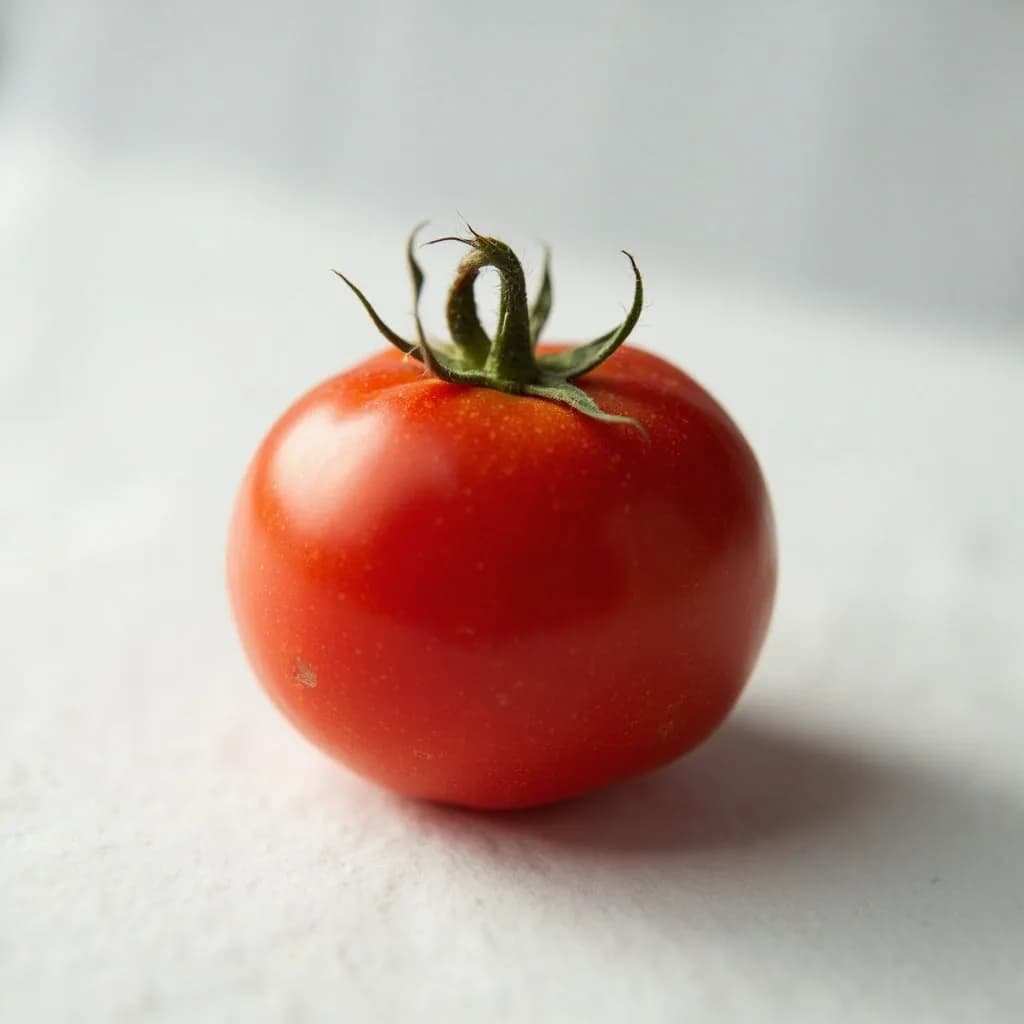
Tomato
Juicy, sun-sweet fruit for sauces, salads, and slow-cooked depth
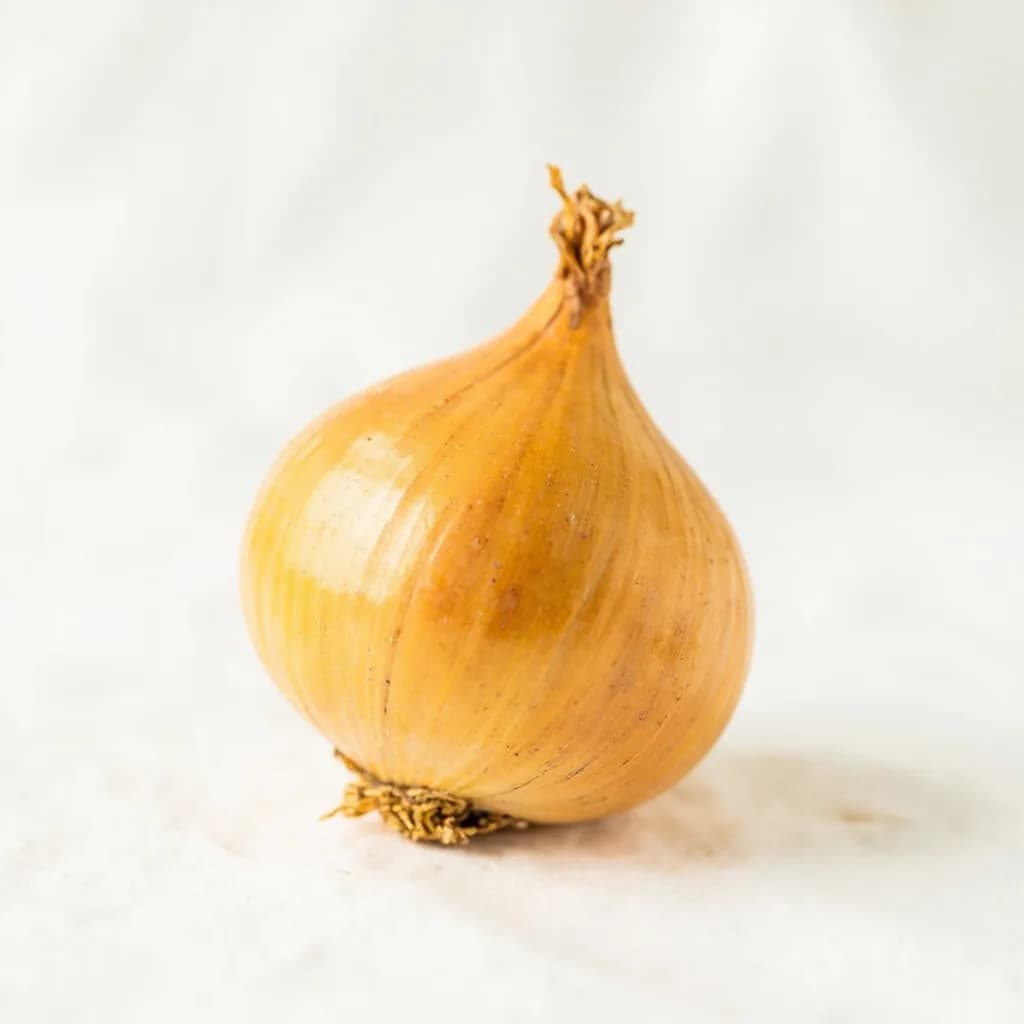
Yellow Onion
The aromatic backbone of soups, sofritos, and braises
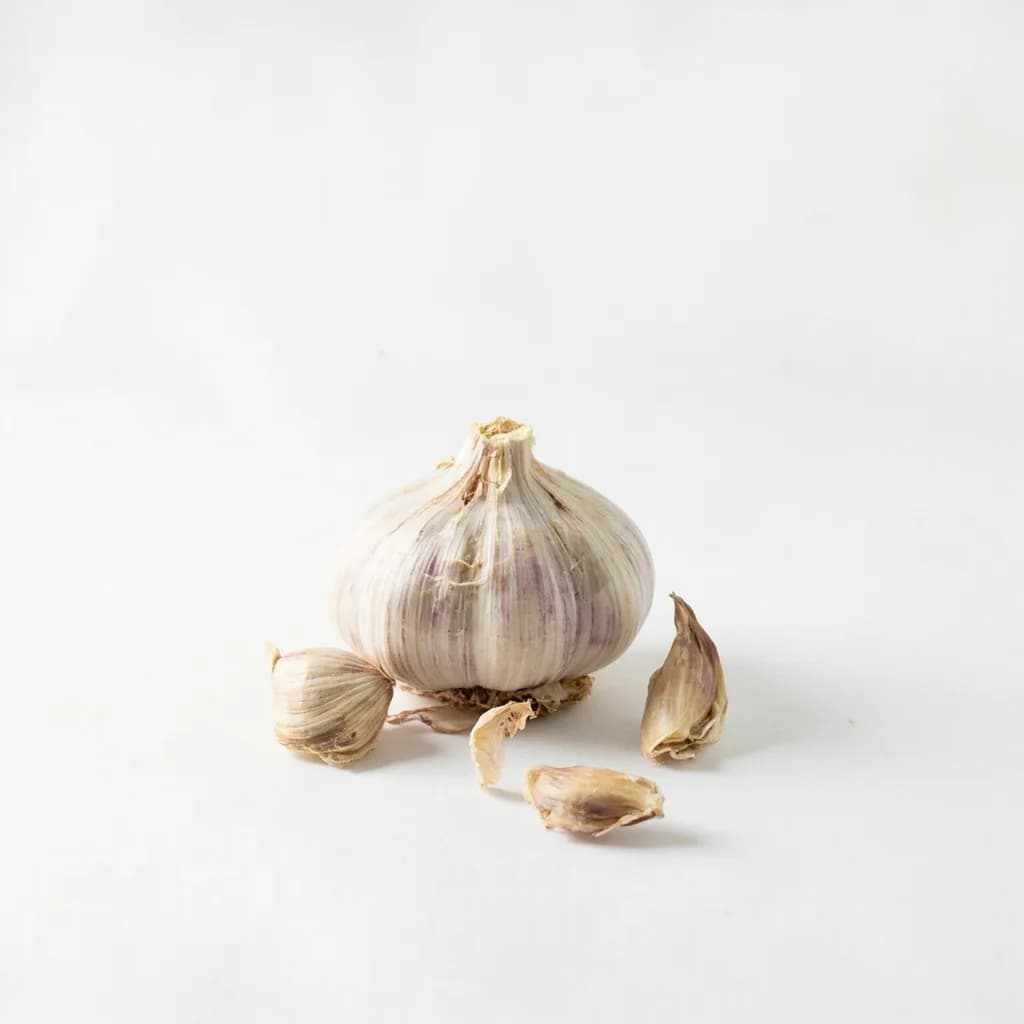
Garlic
Pungent cloves that perfume nearly every savory dish
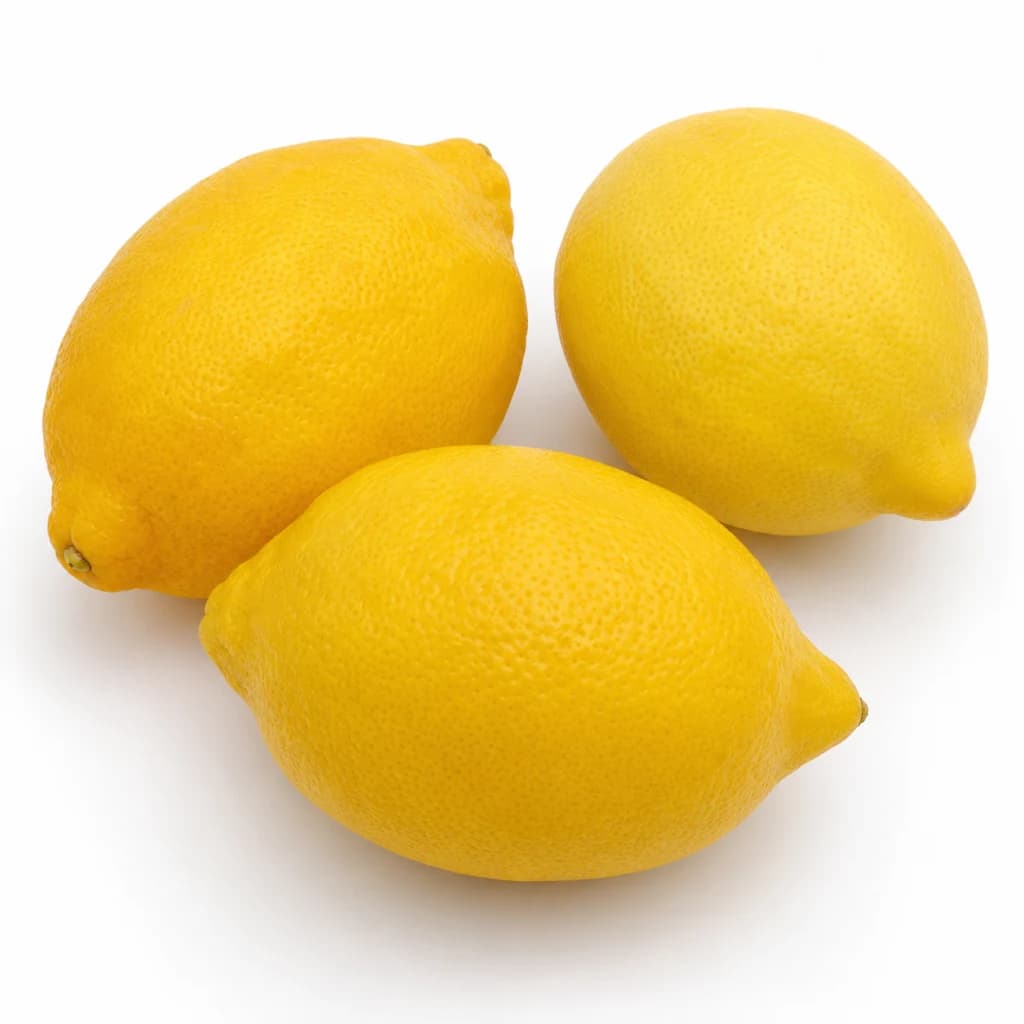
Lemon
Bright, acidic citrus that wakes up almost any dish
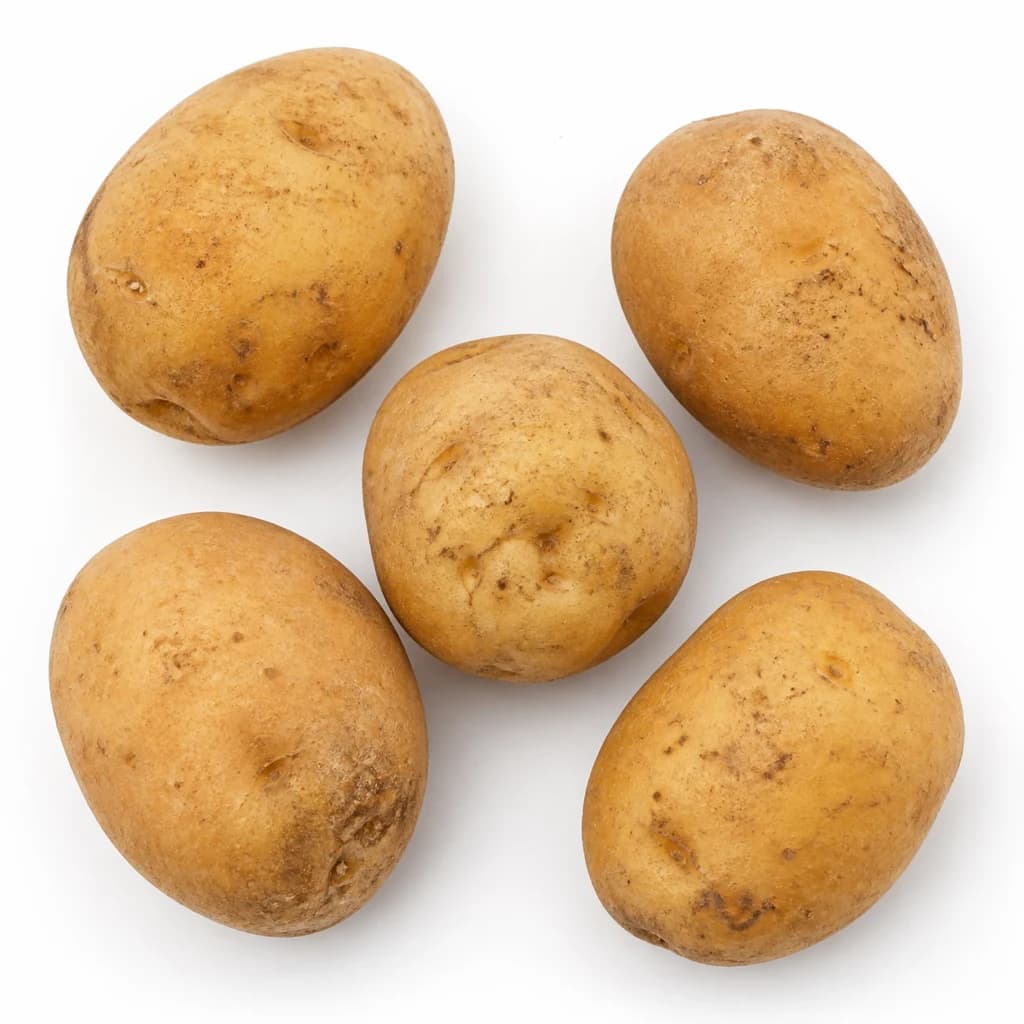
Potato
Humble, hearty staple — roast, mash, fry, or boil
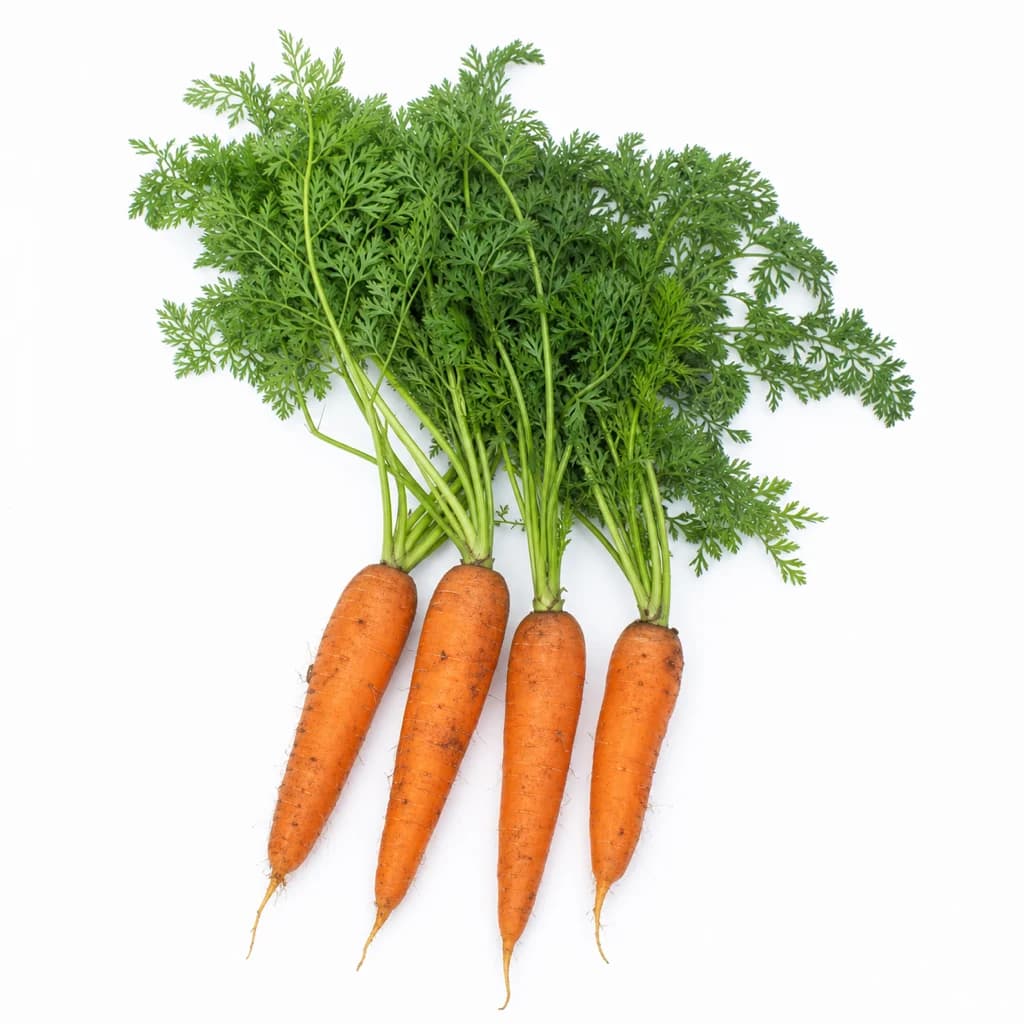
Carrot
Sweet, crunchy root — raw, roasted, or the base of a sofrito
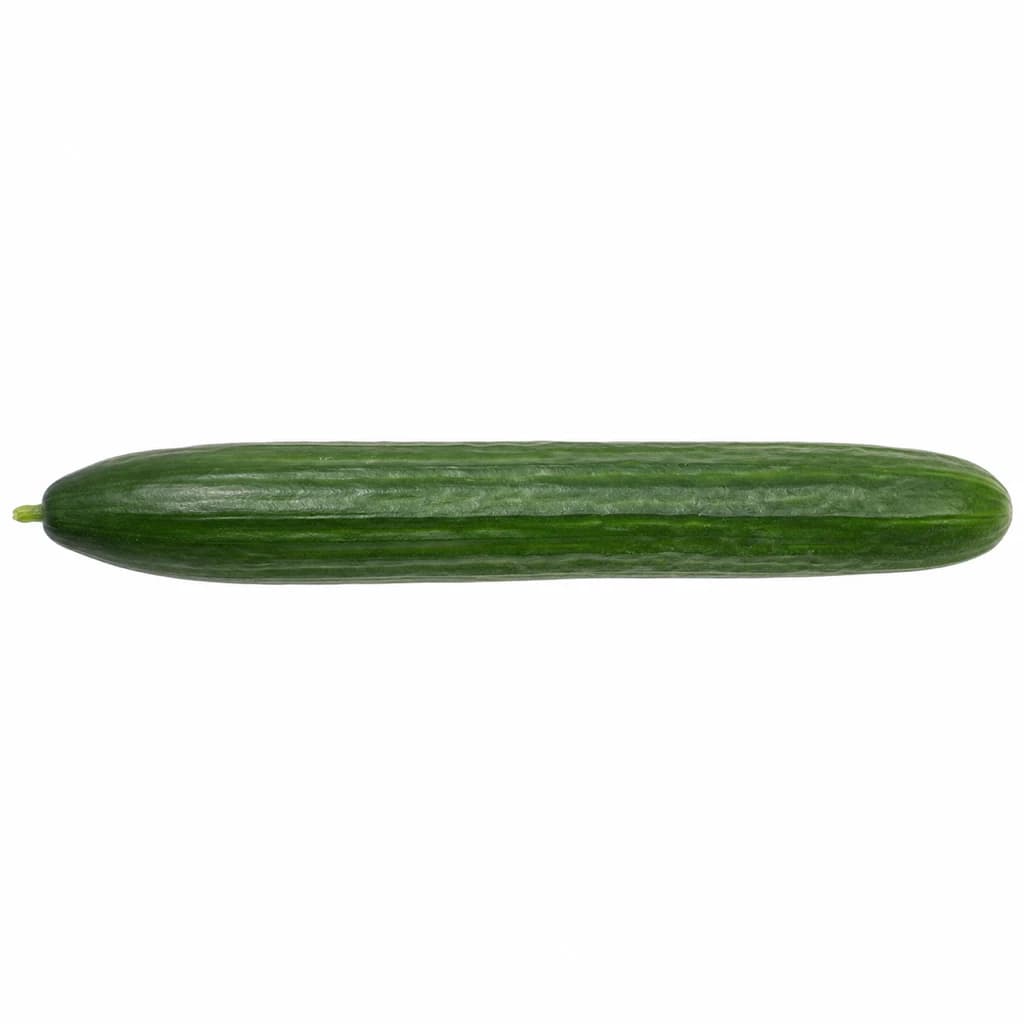
Cucumber
Cool, crisp, and watery — for salads, pickles, and tzatziki

Lettuce
Crisp leaves for salads, wraps, and a fresh crunch