Produce
Galangal (Lengkuas)
Sharp, piney ginger relative essential to Thai curry pastes, tom yum and Indonesian rendang.
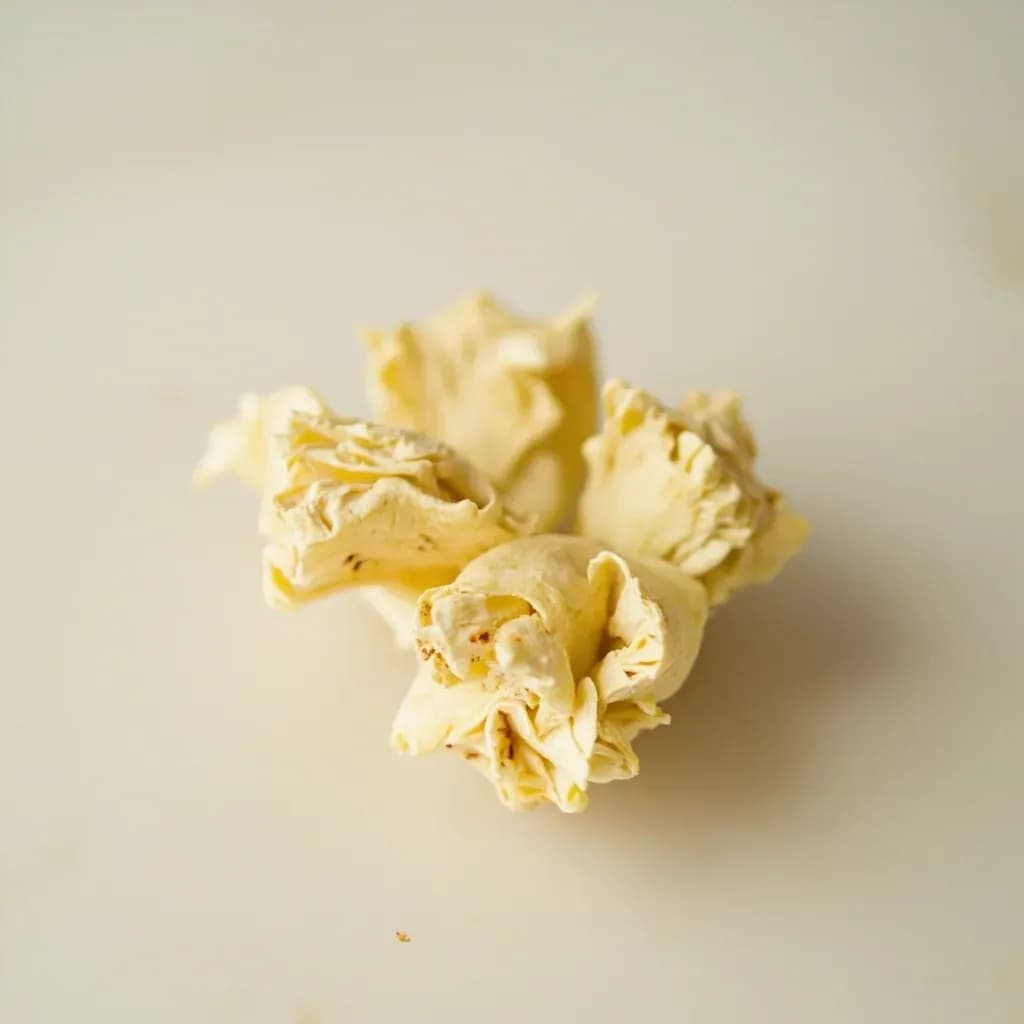
Galangal is a knobby rhizome related to ginger but firmer and woodier, with a sharp, citrusy, pine-like flavor. It is fundamental to Southeast Asian cooking, pounded into Thai curry pastes, simmered in tom yum soup and used in Indonesian rendang. Fresh galangal is sliced or pounded; dried slices and powder are milder substitutes.
Galangal is a rhizome from the Zingiberaceae family, related to ginger but with a distinctly different character. Where ginger offers warm sweetness, galangal brings sharp, piney, citrusy notes with a hint of camphor—a flavor that reads as more medicinal and intense. Native to Indonesia and Southeast Asia, it has been a cornerstone of regional cooking for centuries, particularly in Thai, Indonesian, Malaysian, Lao, and Vietnamese cuisines. Unlike ginger, galangal is almost never eaten raw or as a snack; it is always cooked—pounded into aromatic pastes, simmered in soups and braises, or sliced and removed before serving, much like a bay leaf. The rhizome's dense, woody texture makes it difficult to work with by hand, but its contribution to Southeast Asian cooking is irreplaceable, lending depth and signature aromatics that no other ingredient quite replicates.
The Indonesian name Lengkuas is often used interchangeably with galangal in recipe contexts, though technically it refers to the lesser galangal variety specifically. In commerce, you will encounter both greater and lesser galangal, plus occasional confusion with cassumunar ginger, which is a distinct but related species commonly used in Thai cooking. The woody texture means thin slices become brittle and can lodge in teeth when cooked; thick slices or pre-grated paste are more practical for most applications. Freezing whole or sliced galangal preserves it for months with no detectable flavor loss, making it far more practical than relying on fresh stock, which only keeps a few weeks refrigerated.
- Measured in
- g
- Storage
- Fridge
Types & varieties
Larger rhizomes with pale buff or reddish skin; more common commercially; lighter flavor with citrus and pine notes
Smaller, darker, more intensely colored interior; stronger, more medicinal flavor; prized in Indonesian cooking (Lengkuas)
Sometimes labeled as galangal; distinct species with reddish-orange skin; common in Thai cuisine
Working with Fresh Galangal
Fresh galangal's fibrous, woody structure runs lengthwise, which means standard grating techniques often produce uneven results—long stringy pieces rather than clean pulp. The most effective approach is to slice the rhizome thinly against the grain, then use a heavy microplane or rasp grater held at a steep angle. Alternatively, bruise thick slices with a cleaver or meat mallet before adding them to braises or soups; this ruptures the cell walls and releases aromatic oils more effectively than raw slices alone. For curry pastes, many Thai cooks toast the sliced galangal briefly in a dry pan before pounding—this deepens the flavor and reduces the raw, medicinal edge.
- Slice against the grain, not parallel to it
- Use a microplane or rasp grater, not a standard box grater
- Bruise thick slices before adding to long-cooking dishes
- Toast sliced galangal briefly for deeper flavor in pastes
When to Remove It
Because galangal is always cooked and never eaten, timing and removal matter. In dishes that simmer for 30 minutes or more, add thick slices and remove them before serving—just as you would a bay leaf. In shorter-cooking preparations like stir-fries or raw pastes, smaller cuts are acceptable and often desirable since they integrate more fully into the dish. Thin shards become brittle when cooked, and they can lodge uncomfortably in teeth; err toward larger, manageable pieces that you can easily fish out.
- Remove thick slices from long-cooking dishes before serving
- Thin shards become brittle and unpleasant
- Larger pieces are easier to locate and remove
Common uses
Tips & pitfalls
- Slice against the grain or use a heavy microplane—the fibers run lengthwise and resist standard grating
- Bruise fresh slices by bashing with a cleaver or mallet before cooking to release aromatic oils
- If a dish simmers long (30+ minutes), slice galangal thick enough to remove easily; thin shards become brittle and unpleasant
- Frozen galangal grates easily and keeps for months with no flavor loss
- Taste the cut root before using—quality varies; it should smell intensely aromatic, not muted
- Do not substitute 1:1 with ginger in dishes where galangal is called for; ginger lacks the piney, medicinal intensity
- Store galangal in the freezer and grate directly from frozen for maximum convenience
- Toast dry slices briefly before adding to curry paste for deeper, less raw flavor
Nutrition
Energy
335 kJ · per 100 g
Where the calories come from
Protein
1.8g
4% DV
Carbs
17.8g
6% DV
Fat
0.8g
1% DV
Fiber
2g
7% DV
Sugars
1.7g
of which
Sodium
13mg
1% DV
Source · USDA FoodData Central · approx. Ginger root, raw
View on FDC →In the shops
Matched grocery products
No matched grocery products for Galangal (Lengkuas) yet.
Good to know
- Botanical family
- Zingiberaceae (ginger family)
- Scientific names
- Alpinia galanga (greater galangal), Alpinia officinarum (lesser galangal)
- Origin
- Native to Indonesia and Southeast Asia
- Flavor
- Sharp, piney, citrusy, slightly camphoraceous; more pungent and medicinal than ginger
- Form
- Fresh rhizome (most common), frozen, dried slices, ground powder
- Typical size
- Fingers 2–5 inches long; rhizome clusters several inches across
- Texture
- Dense, woody, fibrous; difficult to slice or grate by hand
- Storage (fresh)
- Refrigerate up to 3 weeks; freeze whole or sliced for several months in airtight container
- Key cuisines
- Indonesian, Thai, Vietnamese, Malaysian, Lao
Substitutes
- Fresh ginger — Milder and sweeter; use 1.5× the amount; acceptable in a pinch but flavor profile differs significantly
- Dried galangal powder — Use ¼ tsp powder per 1-inch piece of fresh; must be reconstituted or bloomed in liquid; inferior for raw paste use
- Laos powder (dried galangal) — Preferable to ginger as a substitute; reconstitute in warm water or broth before using
Pairs with
Also called
galangal-dried · lengkuas · thai-ginger
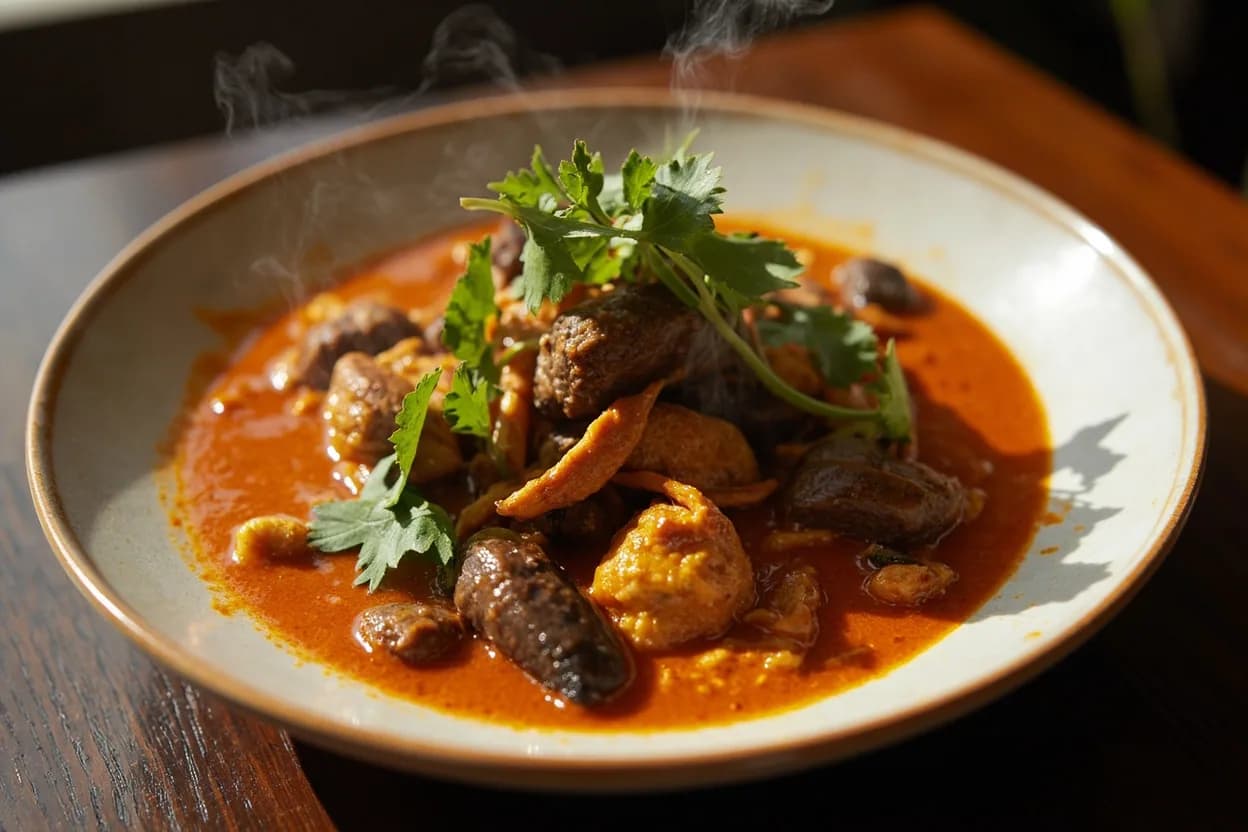
Appears in these dishes
Related
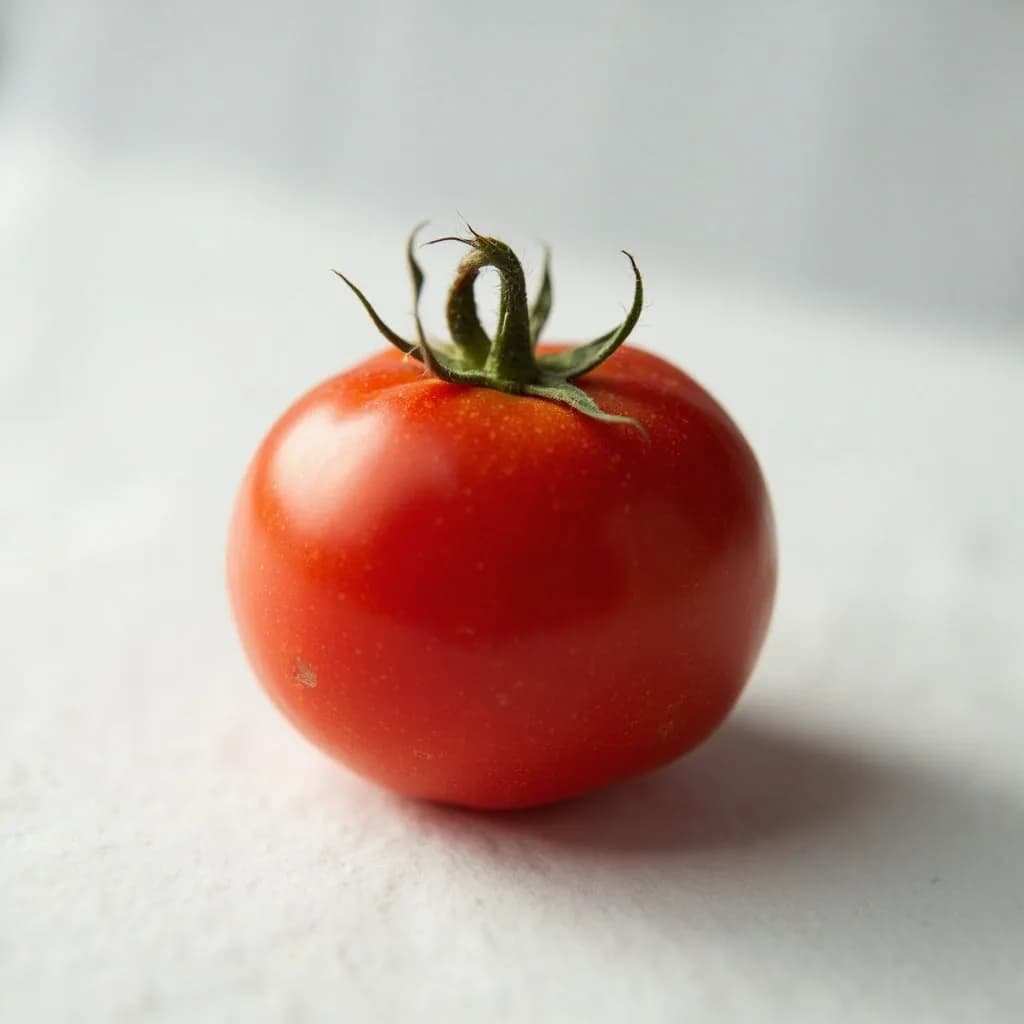
Tomato
Juicy, sun-sweet fruit for sauces, salads, and slow-cooked depth
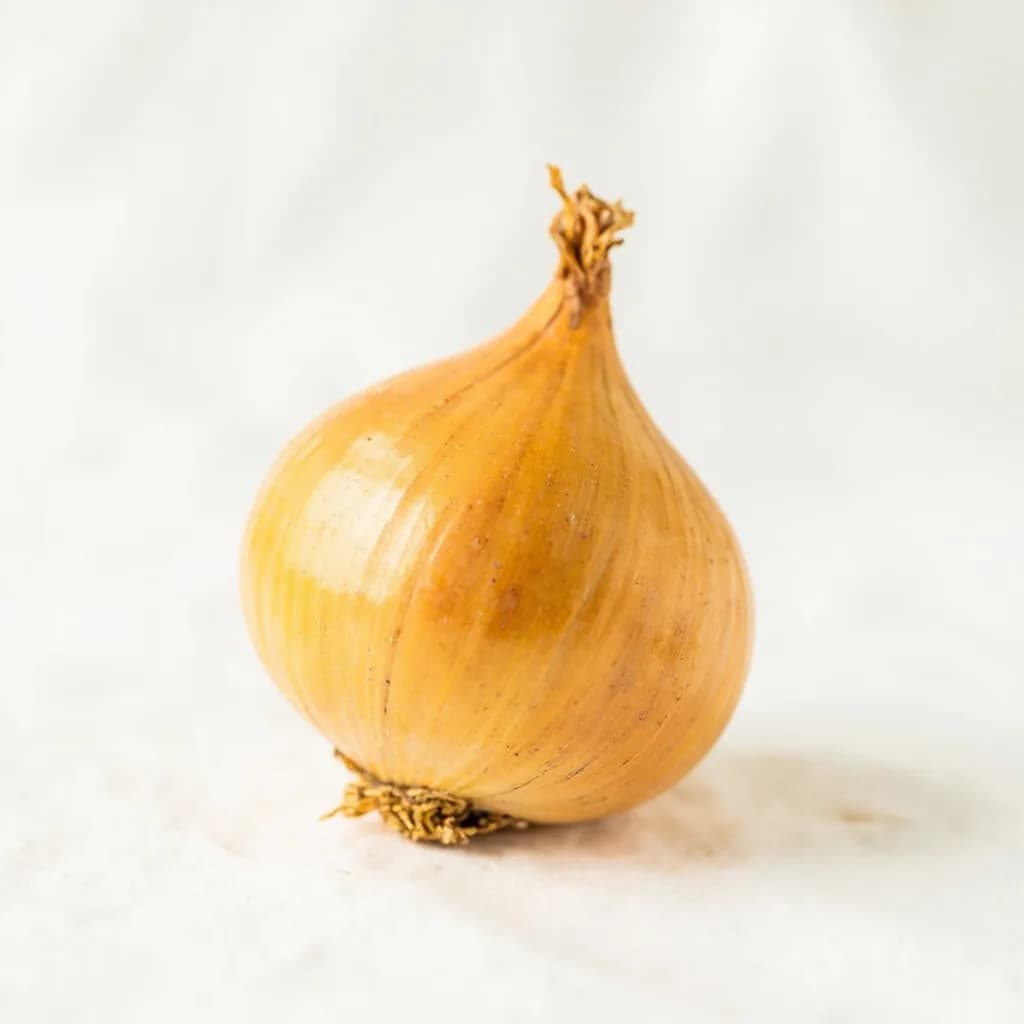
Yellow Onion
The aromatic backbone of soups, sofritos, and braises
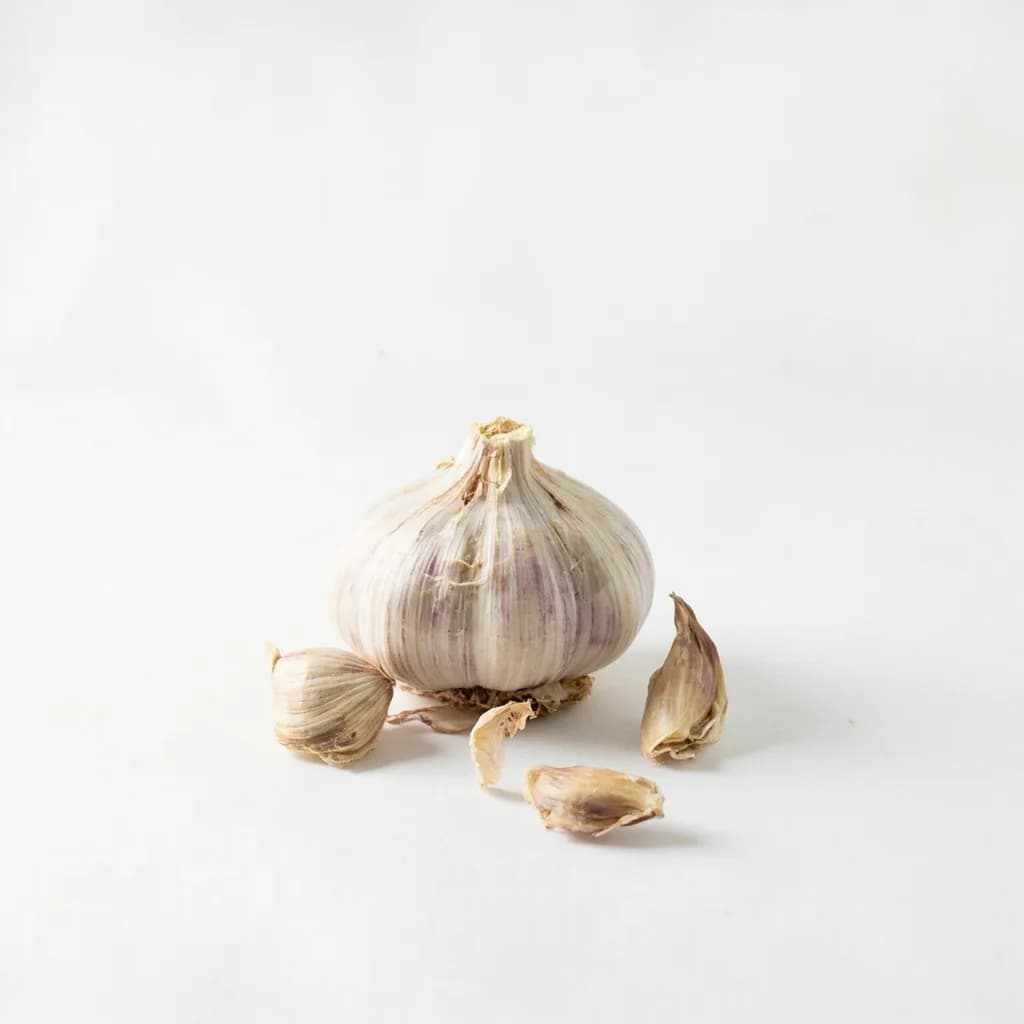
Garlic
Pungent cloves that perfume nearly every savory dish
Lemon
Bright, acidic citrus that wakes up almost any dish
Potato
Humble, hearty staple — roast, mash, fry, or boil
Carrot
Sweet, crunchy root — raw, roasted, or the base of a sofrito
Cucumber
Cool, crisp, and watery — for salads, pickles, and tzatziki

Lettuce
Crisp leaves for salads, wraps, and a fresh crunch