Natural form
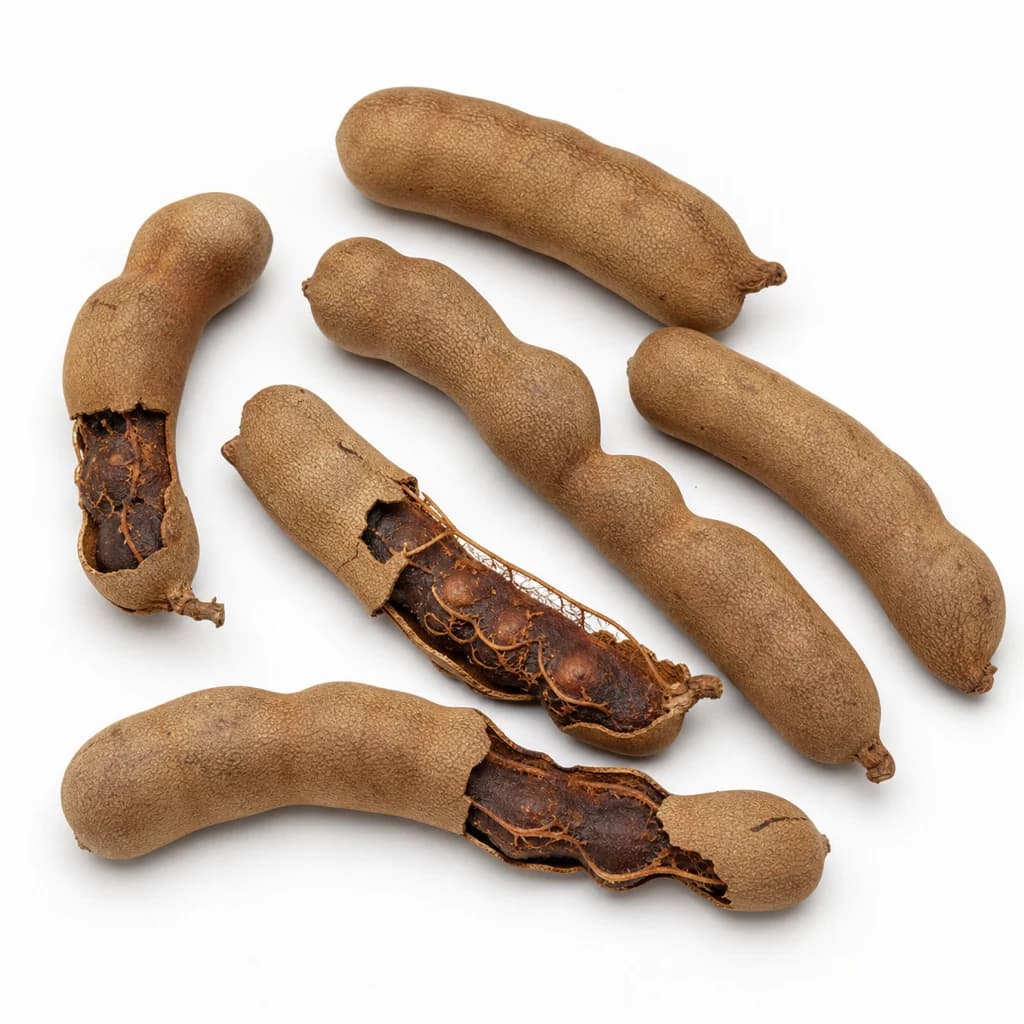
Whole tamarind pods: brittle brown shells enclosing sticky dark pulp and seeds.
Shows the recognizable elongated pod form, cracked shell texture, and the dark sticky pulp visible where the shell breaks — the defining first identification cue.
Produce
Tamarind
Sour-sweet pod pulp used as a souring agent in chutneys, curries, sauces and drinks.
Tamarind is the sticky brown pulp inside the seed pods of the tamarind tree, intensely sour with a fruity sweetness. It is dissolved into paste or concentrate to sour curries, pad thai, chutneys, sauces and refreshing drinks across Asia, the Middle East and Latin America. Sold as whole pods, blocks of pulp, or concentrate.
Tamarind is the intensely sour-sweet pulp extracted from the ripened seed pods of the tropical Tamarindus indica tree, a legume native to tropical Africa now cultivated across India, Southeast Asia, Latin America, and the Caribbean. Unlike pure citric acid or lemon juice—flat, one-note souring agents—tamarind delivers a complex triad of sourness, subtle sweetness, and a faintly earthy, almost umami depth that makes it uniquely valuable in the kitchen. This complexity explains why tamarind anchors so many foundational sauces and condiments worldwide: it doesn't merely sour a dish, it rounds and balances it, pulling together sweet, salty, and spicy elements into coherent, layered flavor. The pulp's high tartaric acid content (along with traces of malic and citric acid) provides aggressive sourness, while natural fructose and glucose contribute gentle sweetness that survives cooking. Astringency from polyphenolic compounds softens considerably with heat, making cooked tamarind preparations smoother and more integrated than raw paste. Whether working with whole fresh pods split open at the market or a compressed block of seedless paste from the pantry, tamarind is one of the most versatile souring agents available—and one of the few that functions equally well in chutneys, braises, drinks, and candy.
- Measured in
- g
- Storage
- Pantry
Types & varieties
Darker, smaller pods; intensely concentrated sour flavor; dominant in South Asian cooking
Larger, lighter-colored pods; milder and slightly sweeter; preferred in Southeast Asian cuisines
Lower acidity, paler flesh; eaten fresh or as candy; unsuitable as a souring agent
Small, brown-black pods; intense, complex flavor; used in Indonesian and Malaysian cooking
Often processed into sweetened preserves and candy; distinctly different from culinary tamarind paste
Selecting Quality Tamarind Paste
The block tamarind most commonly available outside fresh-produce markets is de-seeded and compressed, but quality varies enormously by producer. The best pastes are made from fully ripened fruit and contain nothing but tamarind pulp and water. Watch for additives: some commercial products add high-fructose corn syrup, sugar, or artificial preservatives that dilute flavor and alter the sweet-sour balance you're counting on. A pure block should feel dense and slightly sticky, with a deep brown color and a sharp, fruity-sour aroma. If a product lists multiple sugars or syrups among its first ingredients, look for a cleaner option. Liquid concentrates and powders are more processed and less reliable for nuanced cooking—they're fine for casual use but disappointing when a recipe depends on tamarind's complexity.
- Read ingredient lists: pure tamarind paste should contain only tamarind and water
- Avoid products with high-fructose corn syrup or excessive added sweeteners
- Block paste with a deep brown color and intense aroma indicates better quality
- Liquid concentrates vary widely in sweetness and acidity between brands—always taste before using
Common uses
Tips & pitfalls
- Soak block tamarind in warm (not boiling) water for 15–20 minutes until soft, then squeeze and massage the pulp through a fine-mesh sieve to separate seeds, fibers, and insoluble matter—discard solids or compost them
- Use water sparingly when soaking; the goal is a thick, concentrated paste resembling loose tar, not a thin soup
- A small marble-sized piece of block tamarind is typically sufficient for a dish serving 4–6 people; always add conservatively and taste before serving
- Fresh pods: crack the shell, peel away the fibrous strands, and pinch off a small amount of pulp directly into the dish—no soaking needed for fresh, ripe pods
- Tamarind concentrate (liquid) is pre-strained and convenient but varies widely in sweetness and acidity between brands; taste and adjust before substituting for block tamarind
- To mellow excessive sourness in a finished dish, a pinch of baking soda can soften sharpness (use sparingly—it affects texture); coconut milk or cream also balances without sweetening
- Store block tamarind wrapped in plastic in the freezer for up to 1 year with no loss of quality—the freeze-thaw cycle actually makes it easier to break apart
- If your tamarind tastes harsh or flat, it may be an inferior product with additives rather than a technique issue; try a different brand
Nutrition
Energy
1000 kJ · per 100 g
Where the calories come from
Protein
2.8g
6% DV
Carbs
62.5g
23% DV
Fat
0.6g
1% DV
Fiber
5.1g
18% DV
Sugars
38.8g
of which
Sodium
28mg
1% DV
Source · USDA FoodData Central · Tamarinds, raw
View on FDC →In the shops
Matched grocery products
No matched grocery products for Tamarind yet.
Good to know
- Scientific Name
- Tamarindus indica (Plant Family: Fabaceae)
- Primary Acid
- Tartaric acid, with traces of malic and citric acid; pH approximately 2.5–3.5
- Part Used
- Ripened pod pulp (fleshy interior of the seed pod); seeds and fiber typically removed before cooking
- Forms Available
- Whole fresh pods, compressed block (seedless or with seeds), liquid concentrate, powder, syrup
- Typical Yield
- Block tamarind: soak 1 part paste in 2–3 parts warm water; fresh pulp yields roughly 60% edible product after seeding
- Shelf Life (Block Paste)
- 12 months pantry; 6 months refrigerated after opening; indefinitely frozen
- Astringency
- Noticeable in raw paste; reduced substantially by cooking
Substitutes
- Lime or Lemon Juice — Provides comparable acidity but lacks tamarind's complex sweet-earthy depth and subtle fruitiness; use about half the amount of tamarind paste specified
- Worcestershire Sauce — Contains tamarind as a primary ingredient and mimics the flavor closely in savory applications; use sparingly and account for its saltiness
- Pomegranate Molasses — Similar sweet-sour balance and depth; swap 1:1 in glazes and sauces; not appropriate for wet curries requiring the body and texture of tamarind pulp
- Mango Powder (Amchur) — Dried unripe mango provides sourness with a hint of fruity complexity; works in Indian preparations but not in Southeast Asian or Mexican contexts
- Rice Vinegar with Brown Sugar — Approximates the sweet-sour profile in a pinch; use 1 tablespoon vinegar plus 1/2 teaspoon sugar per tablespoon of tamarind paste
Pairs with
Also called
Sour · Imli · Tamarind Paste · Tamarind Pulp
Appears in these dishes
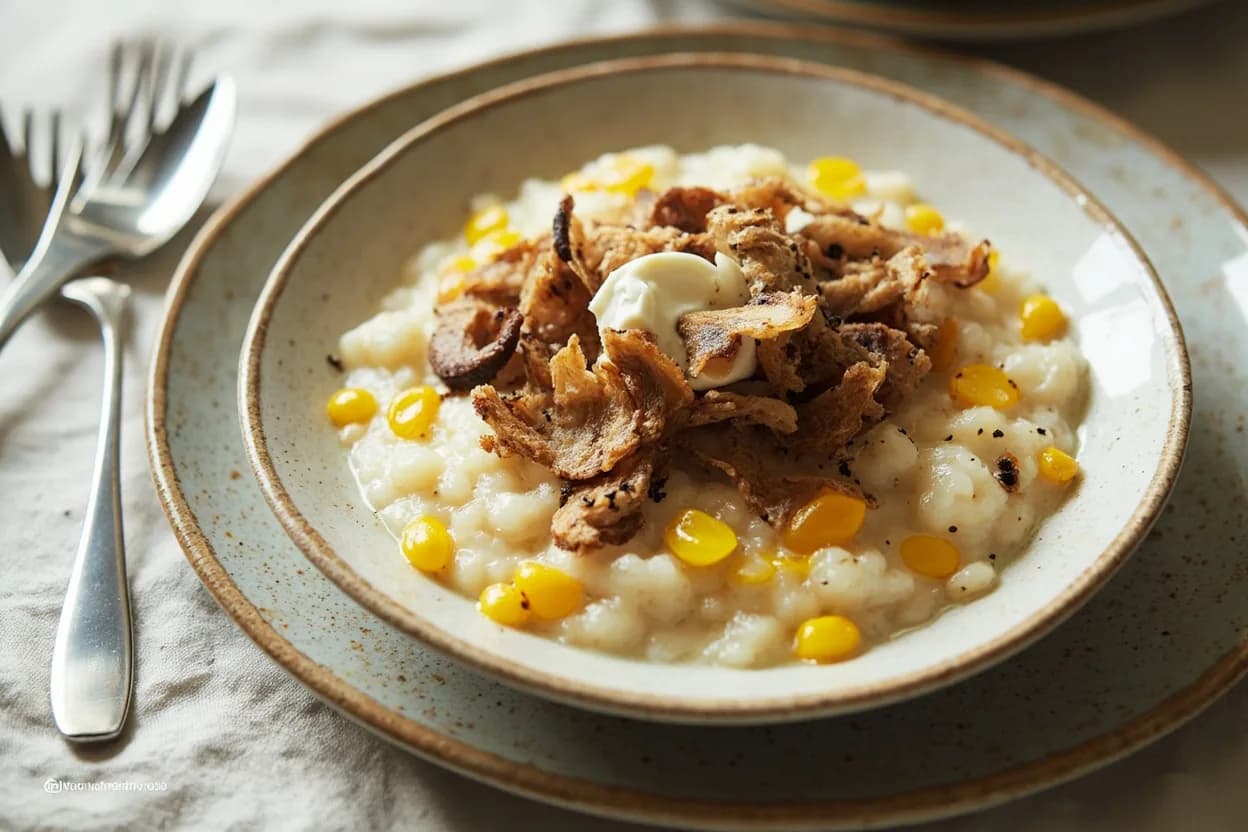
Related
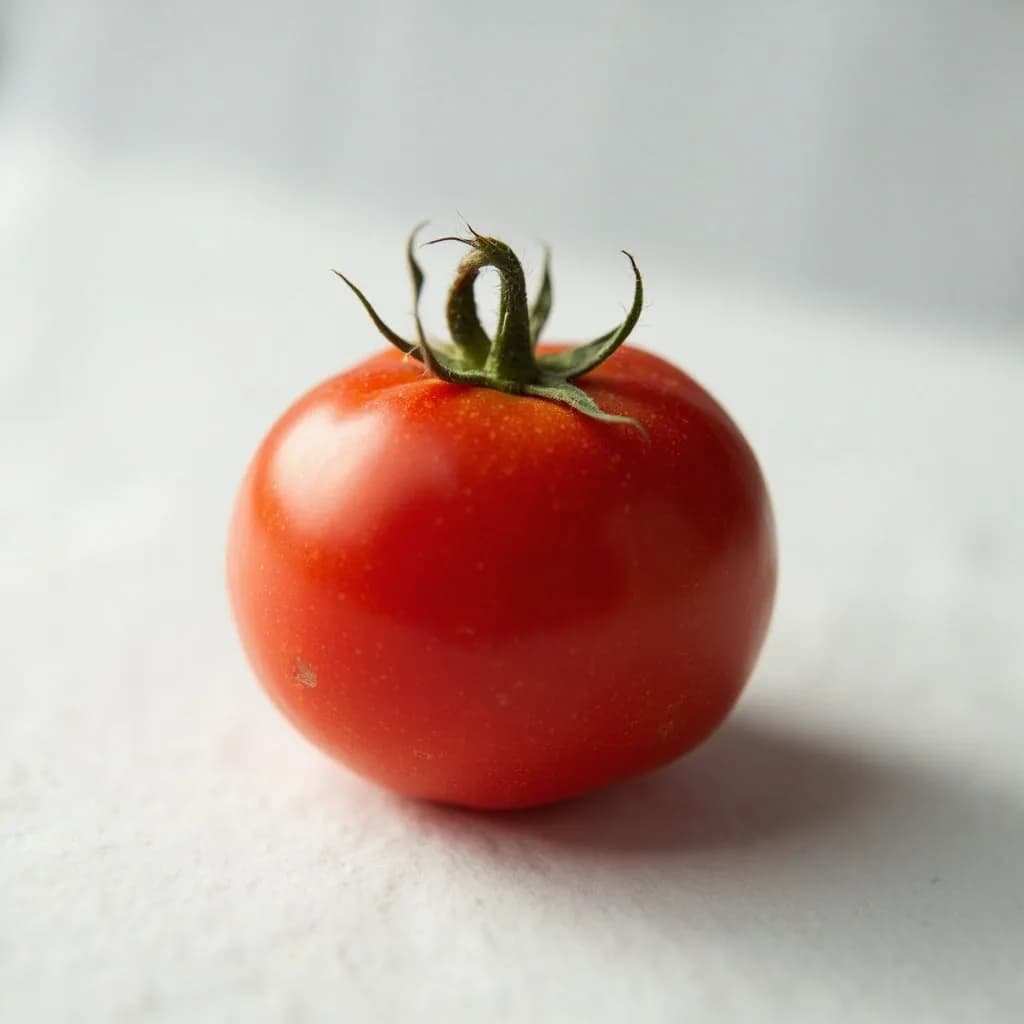
Tomato
Juicy, sun-sweet fruit for sauces, salads, and slow-cooked depth
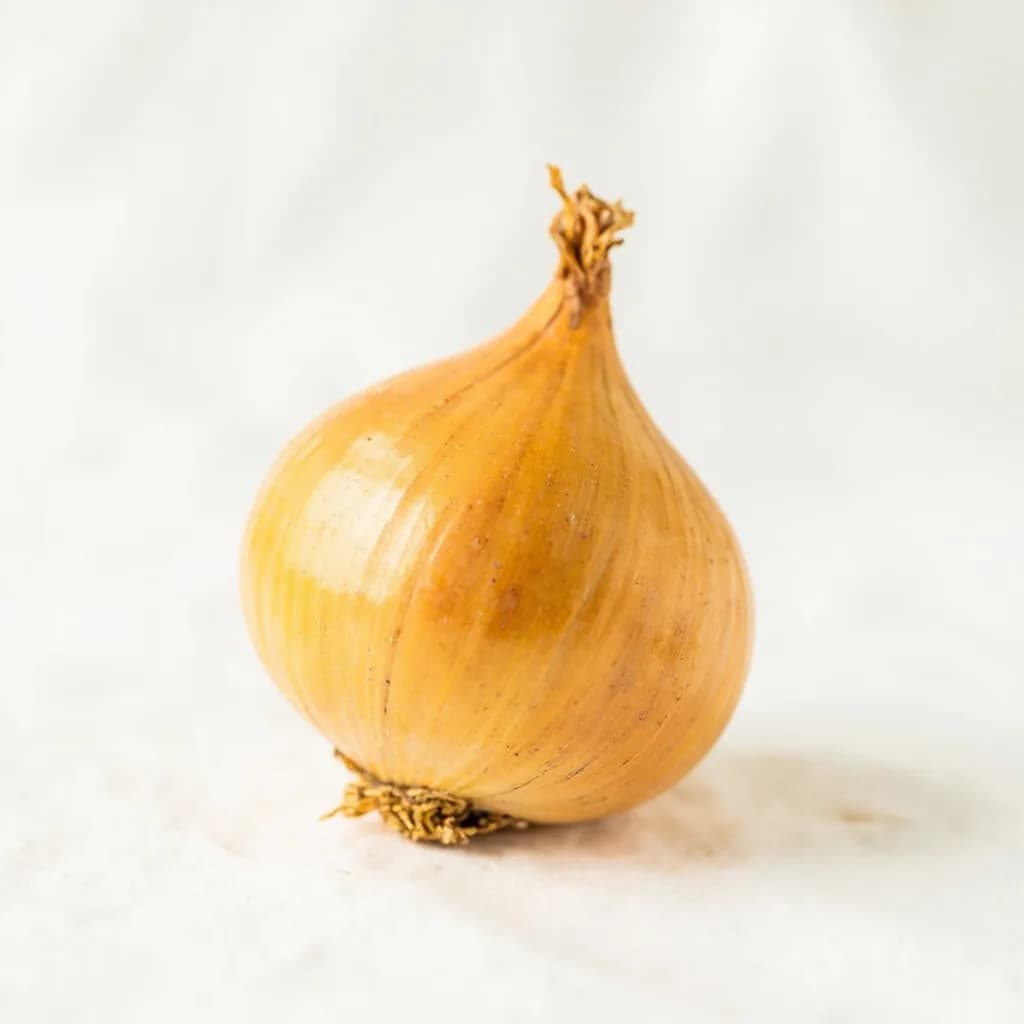
Yellow Onion
The aromatic backbone of soups, sofritos, and braises
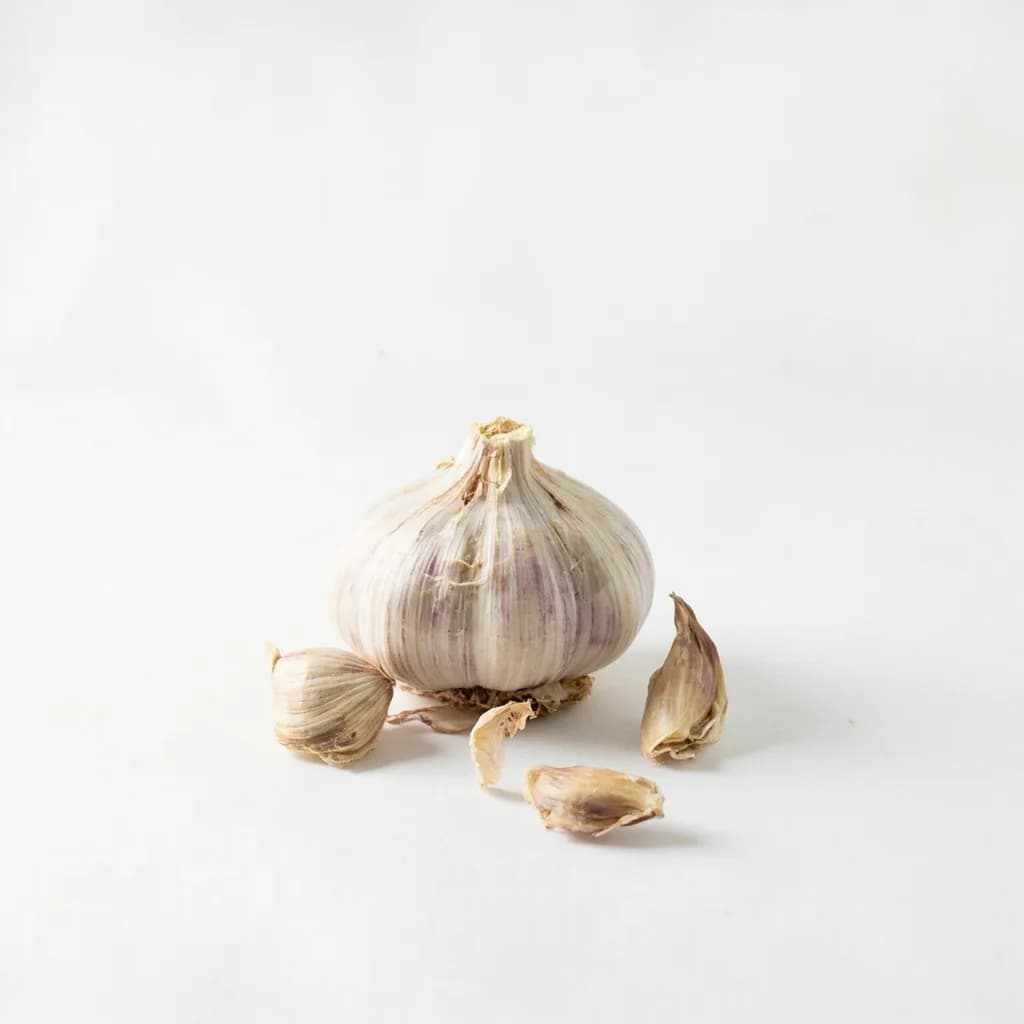
Garlic
Pungent cloves that perfume nearly every savory dish
Lemon
Bright, acidic citrus that wakes up almost any dish
Potato
Humble, hearty staple — roast, mash, fry, or boil
Carrot
Sweet, crunchy root — raw, roasted, or the base of a sofrito

Cucumber
Cool, crisp, and watery — for salads, pickles, and tzatziki

Lettuce
Crisp leaves for salads, wraps, and a fresh crunch