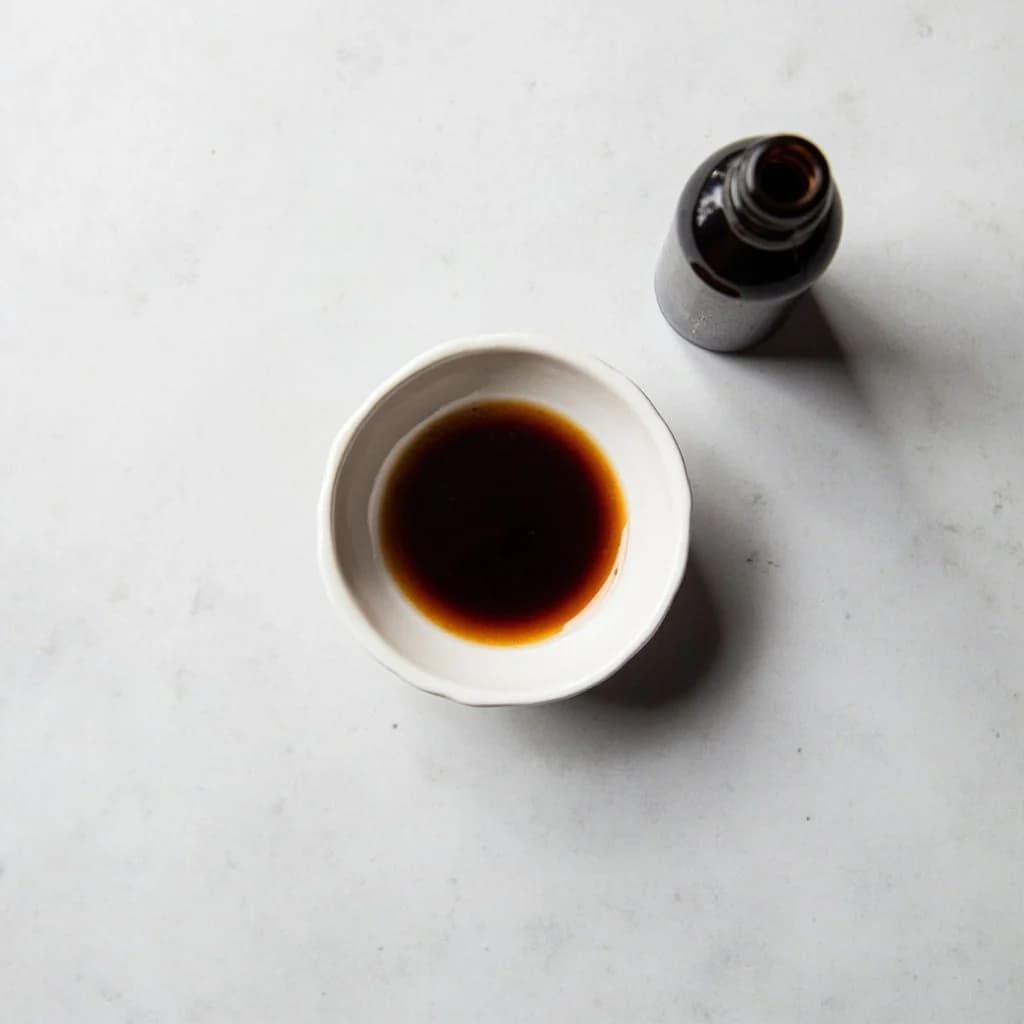
Ready to use
Soy sauce in a white ceramic dipping dish, showing its deep amber-brown color and translucency.
Shows the liquid form, color, and viscosity a reader encounters when measuring or pouring soy sauce.
Sauces & Pastes
Soy Sauce
Salty, savory umami base for stir-fries and marinades
Deeply savory and salty, soy sauce seasons stir-fries, glazes, and dipping bowls with a single splash. A little goes a long way; keep the bottle at room temperature.
Soy sauce is the savory soul of East Asian cooking — a dark, salty, umami-rich liquid brewed by fermenting soybeans and wheat with a mold culture, then brine, over months. The slow ferment builds deep glutamate-driven savoriness alongside salt, which is why a small splash seasons, colors, and rounds out a dish all at once. It's quite high in sodium, so it often replaces rather than adds to other salt in a dish; low-sodium versions give more control. Styles differ widely between Chinese (light vs. dark), Japanese (shoyu), and other regional traditions.
- Measured in
- ml
- Storage
- Room Temperature
Allergens
Find it in
Types & varieties
Thinner, saltier; the everyday seasoning soy.
Thicker, less salty, used for color and richness.
Balanced all-purpose; the common bottle in the West.
Little or no wheat — richer and usually gluten-free.
Same flavor profile with less salt.
How to choose
Use light soy for general seasoning, dark soy when you want color and body (braises, fried rice), tamari for gluten-free or a rounder taste, and low-sodium when you want control over salt.
How to use
Add it for salt plus umami. It seasons marinades, glazes, dressings, and dipping sauces, and deglazes a wok with instant depth.
- Stir-fry and fried-rice seasoning
- Marinades and glazes
- Dipping sauces for dumplings and sushi
- A few drops to deepen soups and stews
Common uses
Tips & pitfalls
- Salt your dish with soy sauce in mind — taste before adding more salt.
- Tamari is the go-to gluten-free swap and tastes a touch richer.
- A small splash adds umami to non-Asian dishes like stews and gravies.
- Refrigerate after opening to keep the aroma vivid.
Nutrition
Energy
251 kJ · per 100 g
Where the calories come from
Protein
10.5g
21% DV
Carbs
5.6g
2% DV
Fat
0.1g
0% DV
Fiber
0.8g
3% DV
Sugars
1.7g
of which
Sodium
5586mg
243% DV
Source · USDA FoodData Central · Soy sauce made from soy (tamari)
View on FDC →In the shops
Matched grocery products
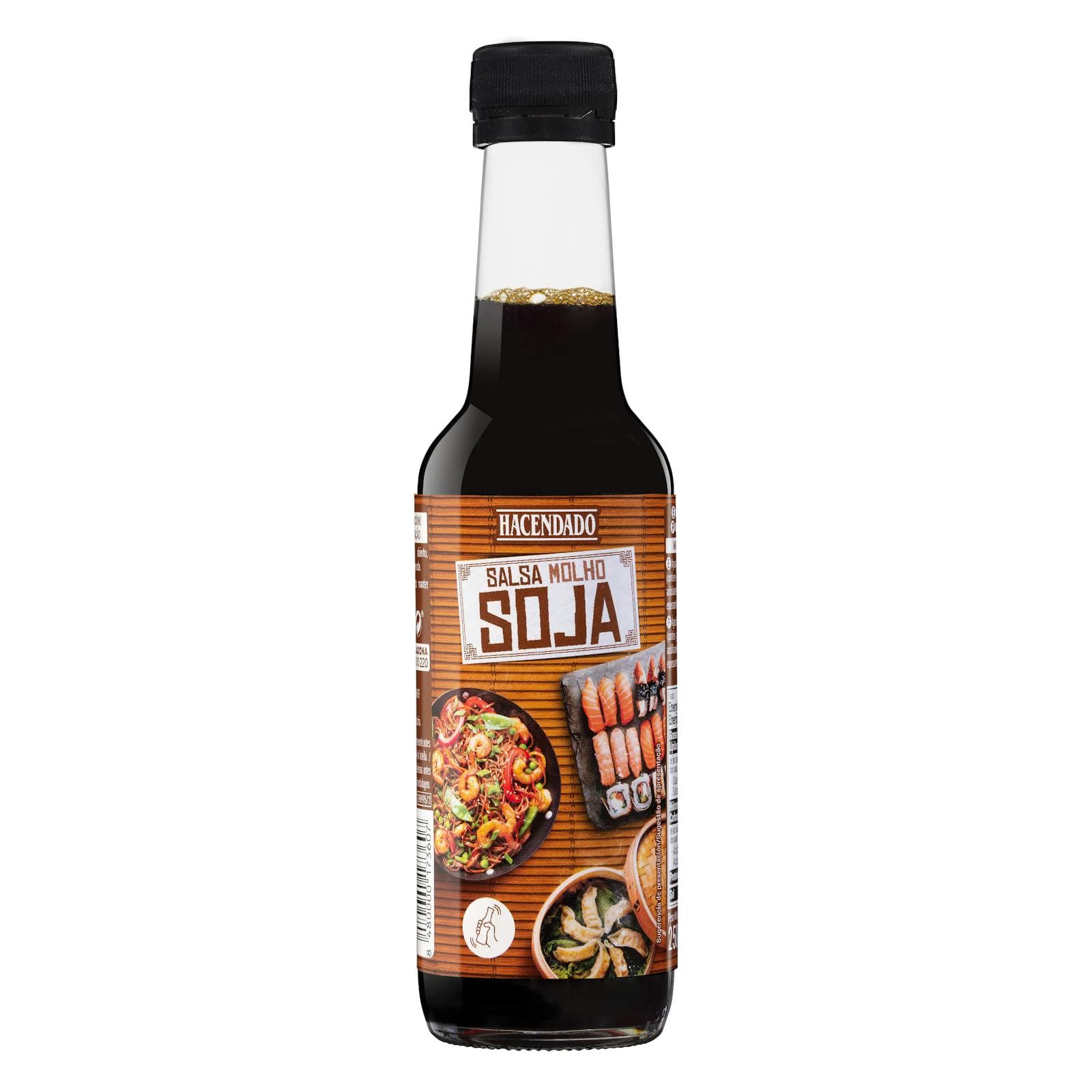 €1.20
€1.20Soy Sauce
Hacendado · 0.25 L · Mercadona
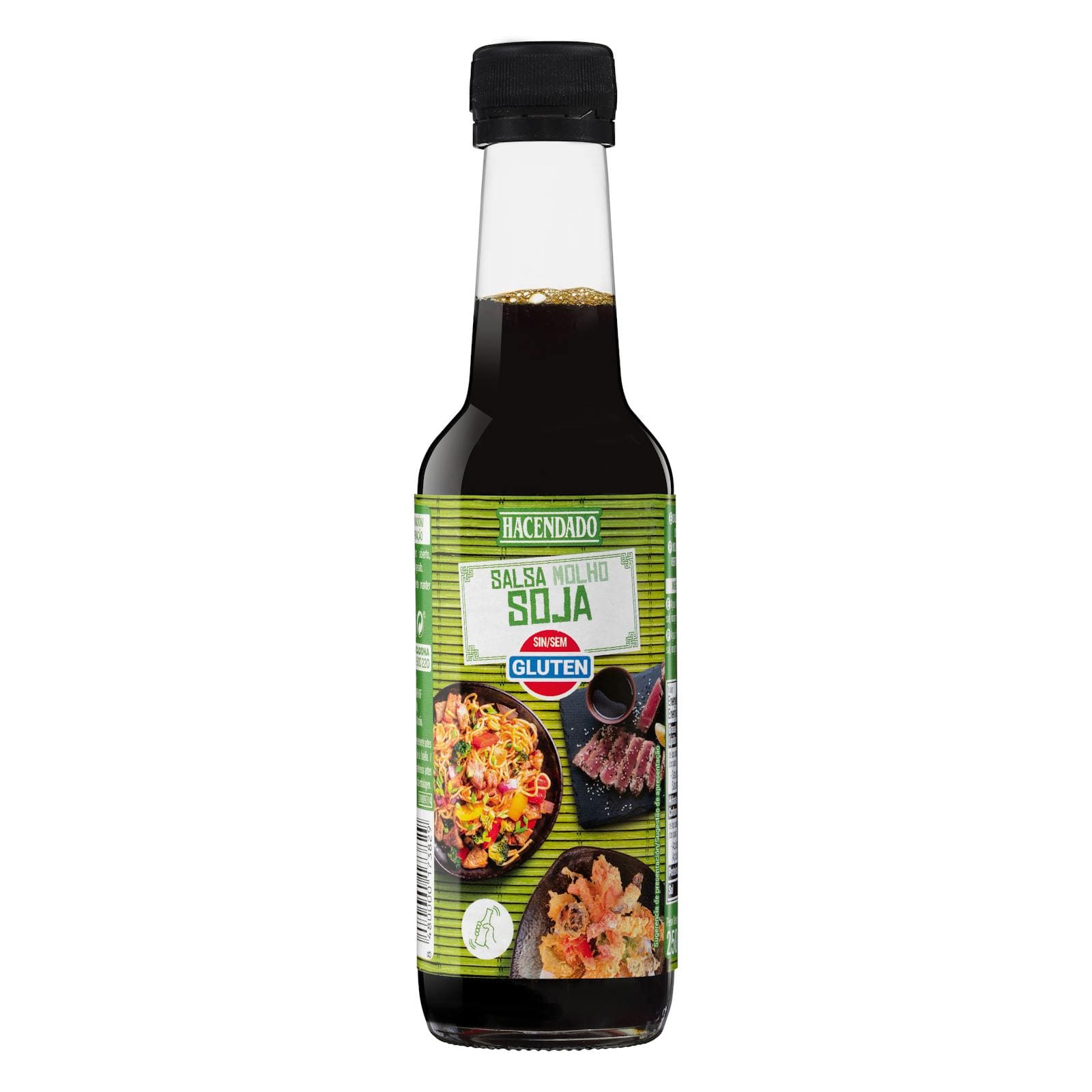 €2.50
€2.50Gluten-Free Soy Sauce
Hacendado · 0.25 L · Mercadona
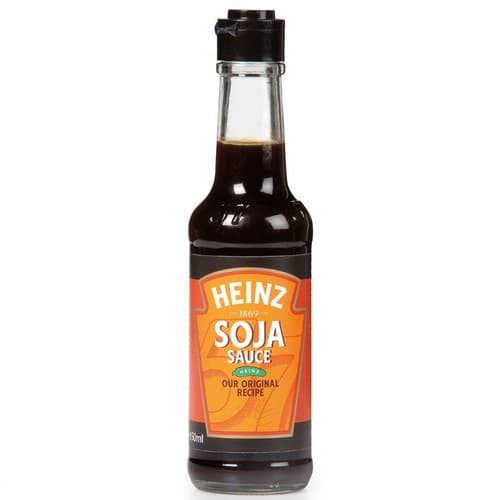 €2.99
€2.99HEINZ Soy Sauce
HEINZ · l · Bonpreu
 €2.79
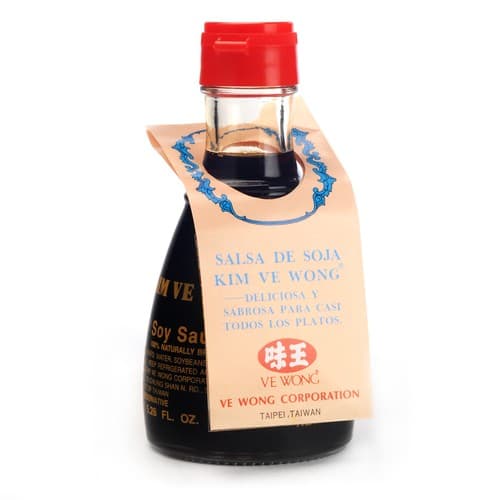
€2.79VE WONG Soy Sauce
VE WONG · l · Bonpreu
 €4.89
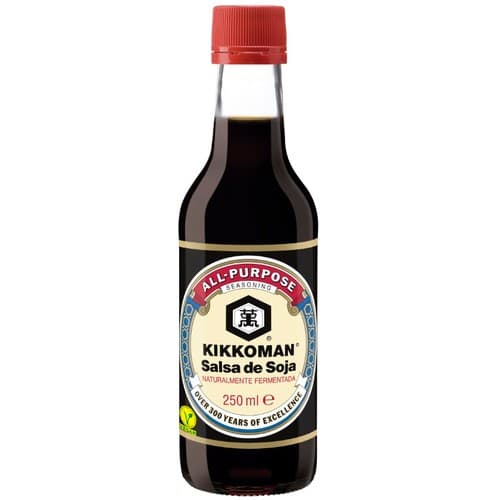
€4.89Kikkoman Soy Sauce
KIKKOMAN · l · Bonpreu
 €10.99
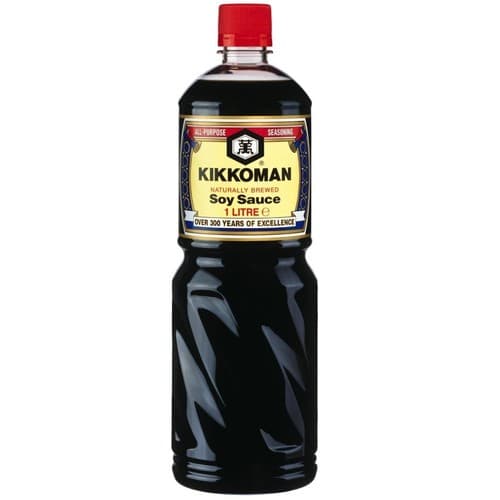
Kikkoman Soy Sauce
KIKKOMAN · l · Bonpreu
Good to know
- Flavor
- Salty, deeply umami, lightly sweet and malty
- Made from
- Fermented soybeans, wheat, salt, water
- Best for
- Seasoning, marinades, stir-fries, dipping
- Note
- Contains wheat (gluten) and is high in sodium
- How to store
- Cool pantry; refrigerate after opening for freshness
- Shelf life
- Years sealed; best flavor within a year of opening
Substitutes
- Tamari — Gluten-free, near-identical; swap 1:1.
- Coconut aminos — Soy- and gluten-free, sweeter and milder.
- Fish sauce + water — Different but umami-forward in a pinch.
Pairs with
Also called
shoyu · salsa de soja · salsa de soya
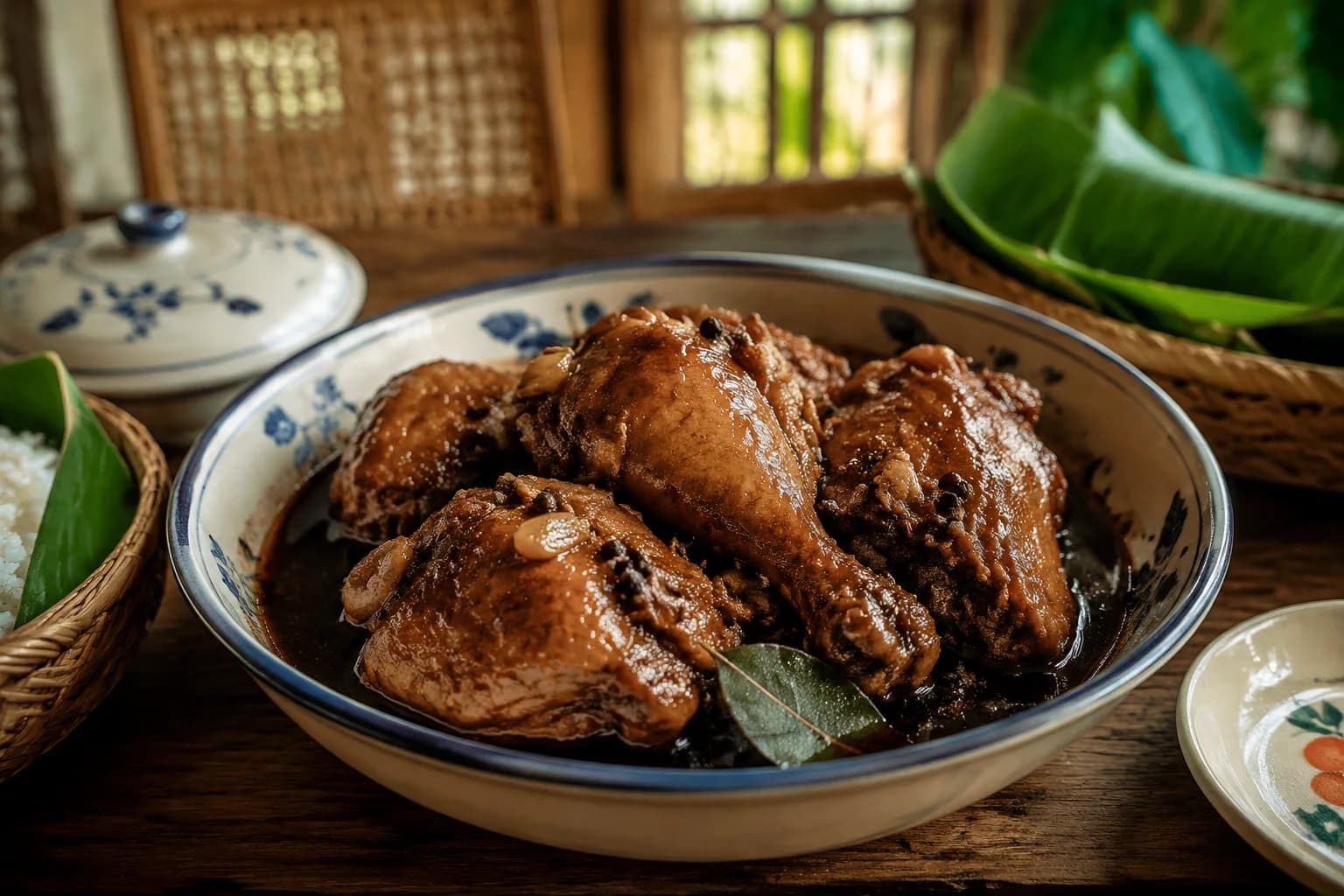
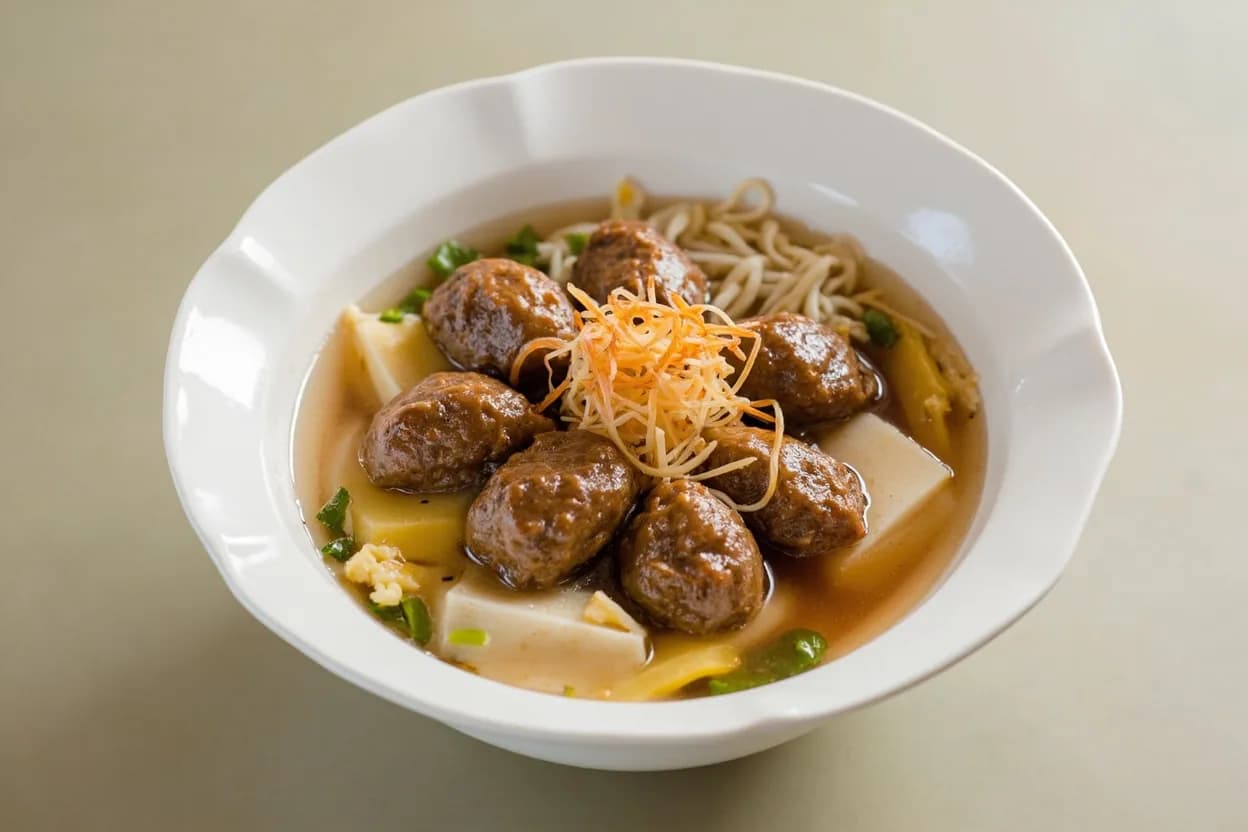
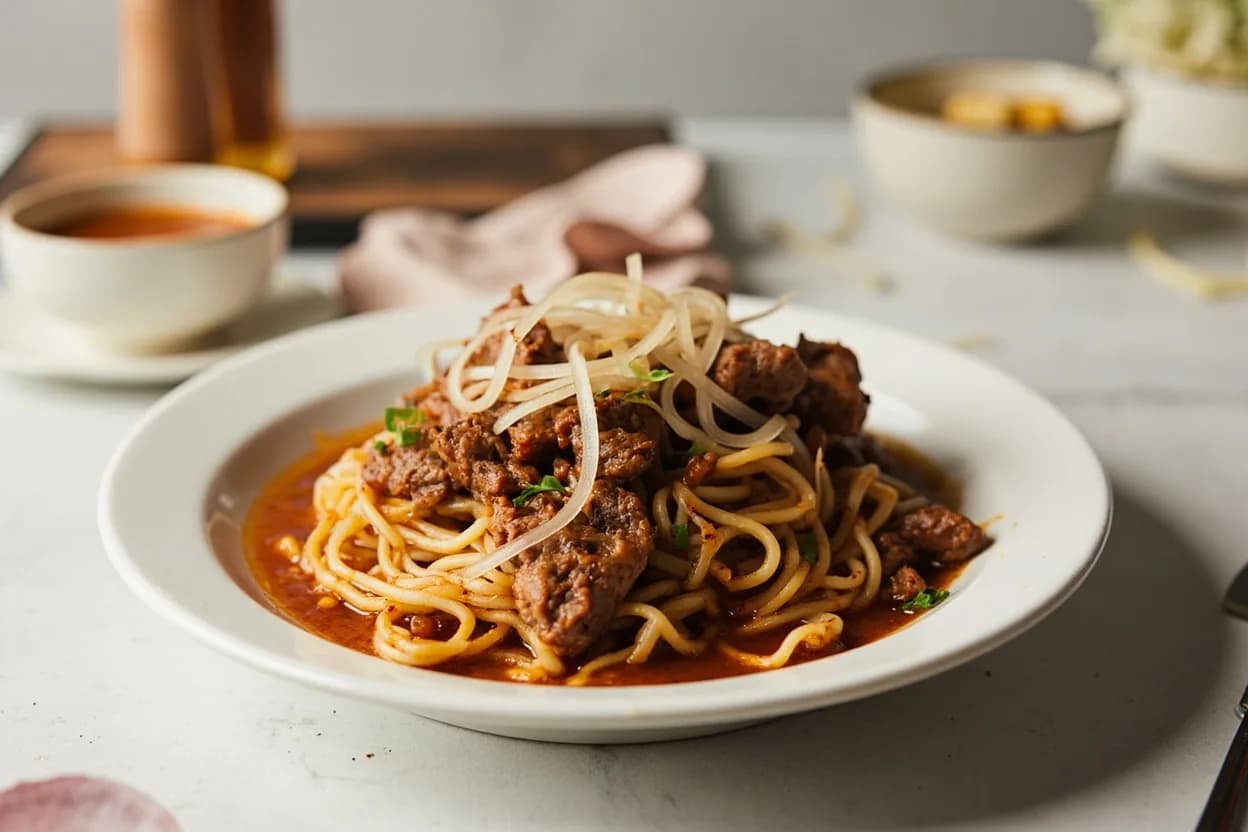
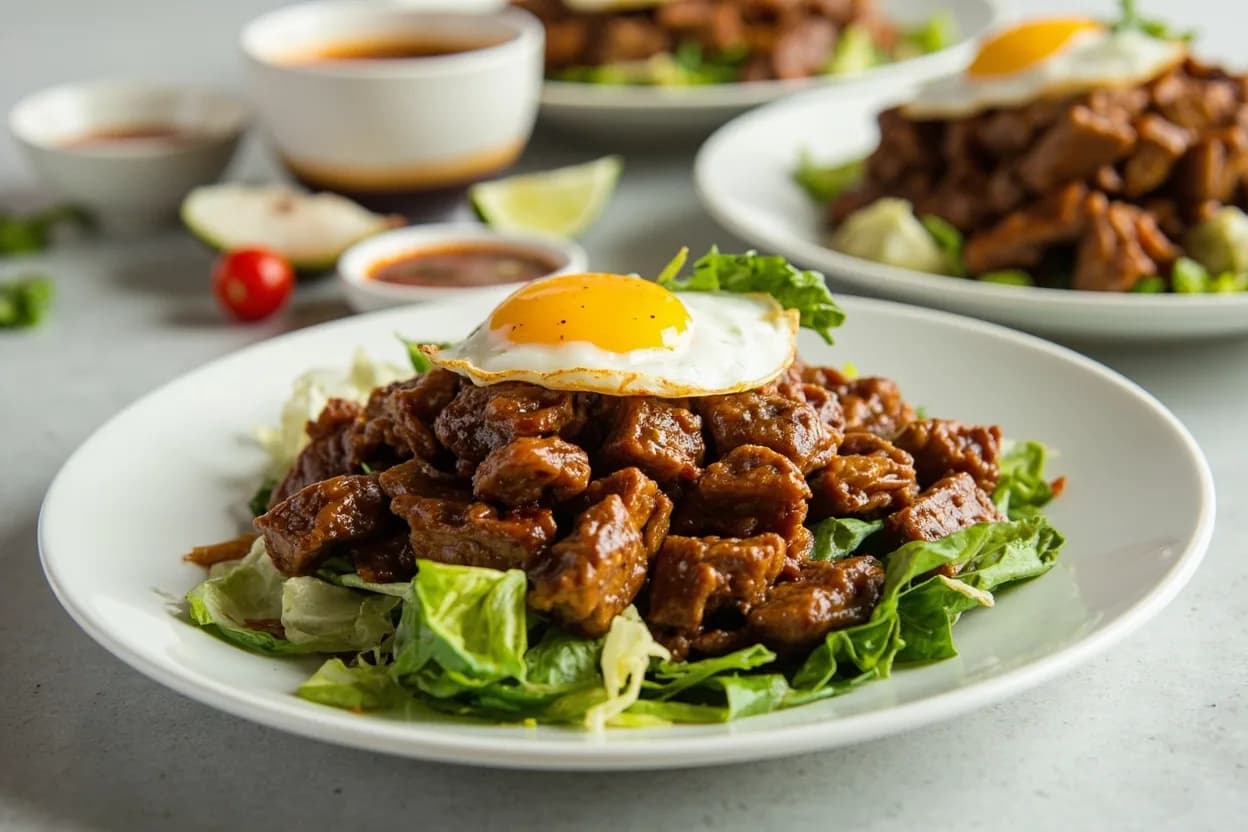
Appears in these dishes
Related
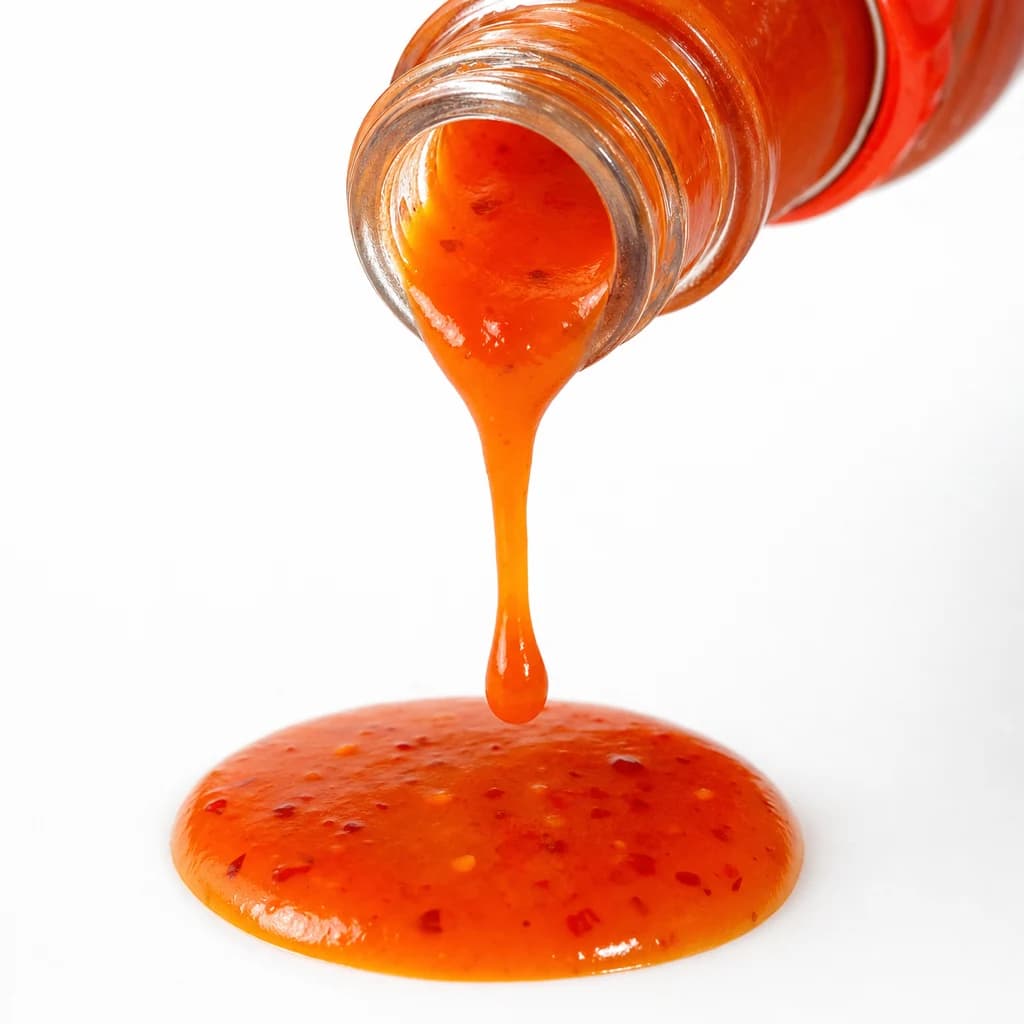
Hot Sauce
Tangy, fiery splash for eggs, tacos, and anything dull
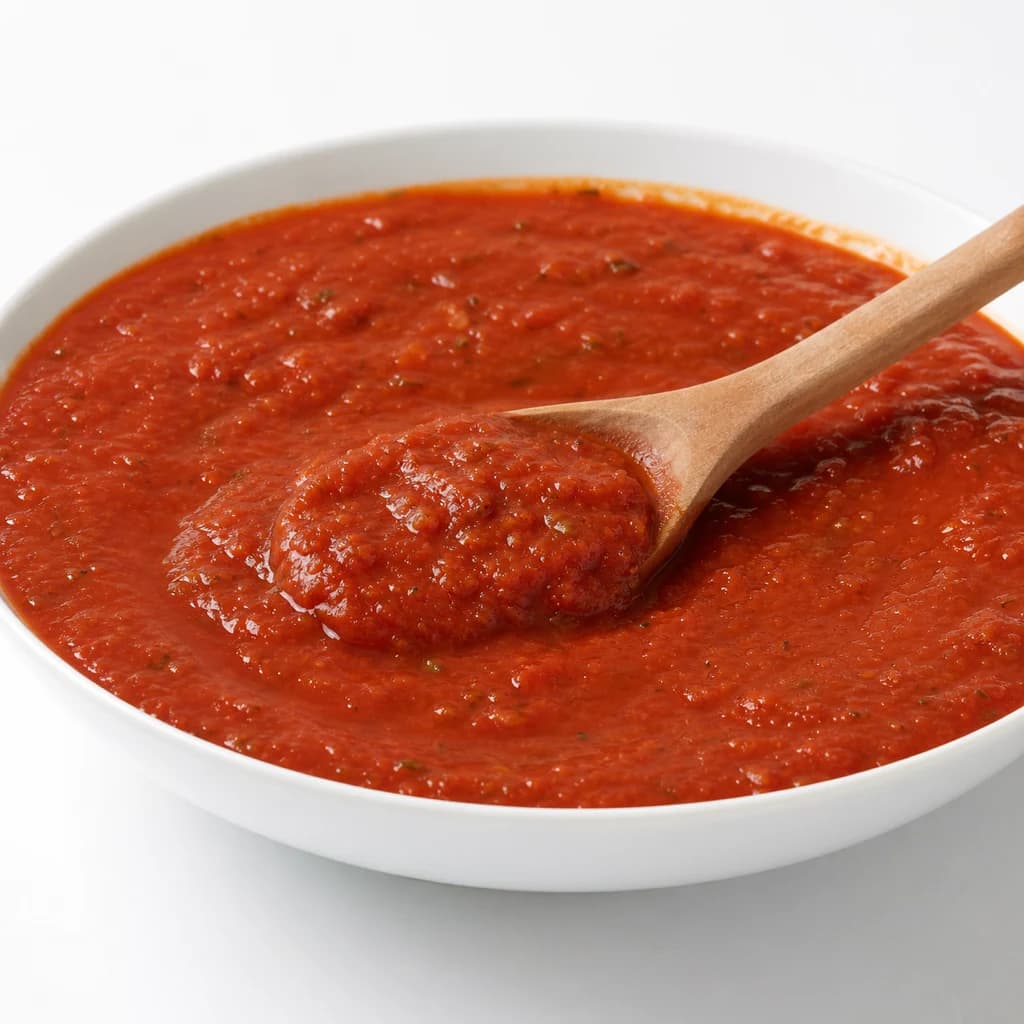
Tomato Sauce
Simmered tomato base for pasta, pizza, and braises
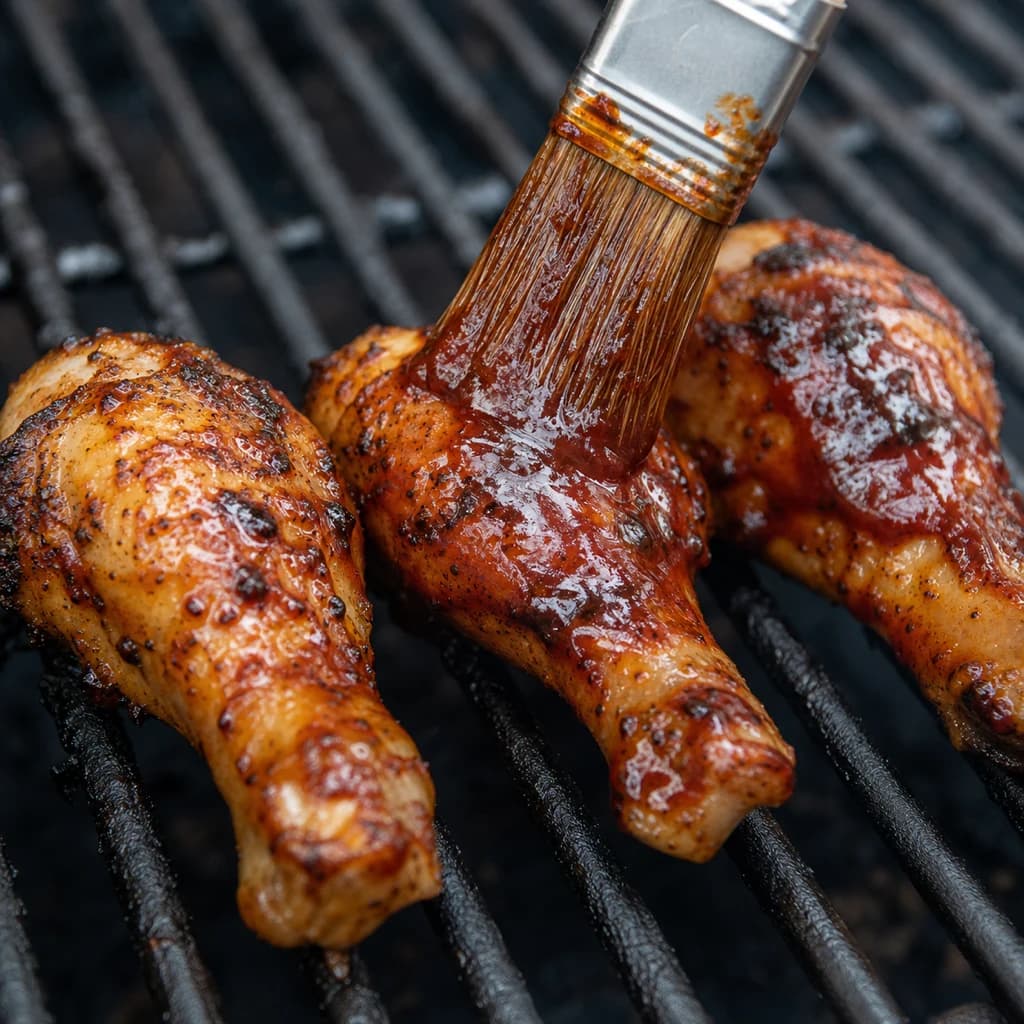
Barbecue Sauce
Smoky-sweet sauce for grilling, glazing, and dipping
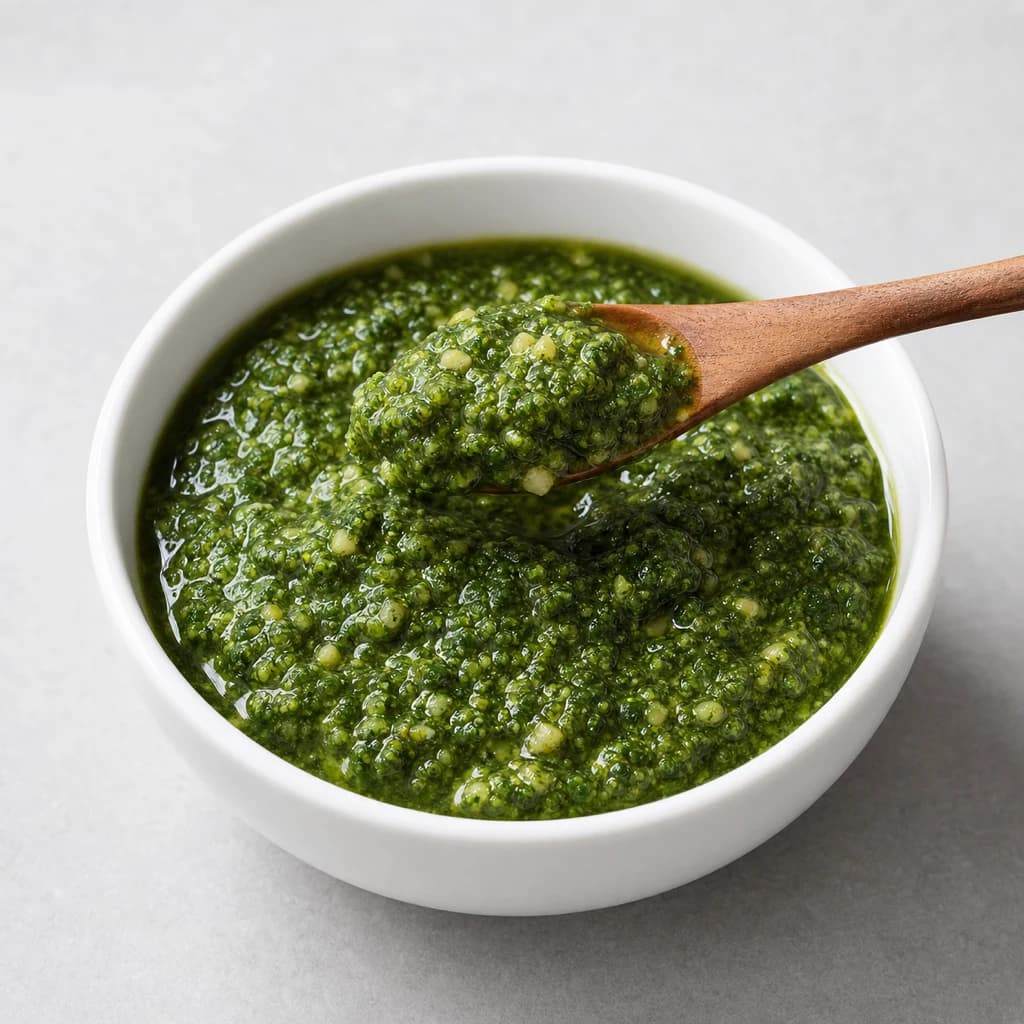
Pesto
Vibrant basil-and-pine-nut sauce for pasta and beyond

Fish Sauce
Funky, salty essence that brings deep umami to SE Asian dishes
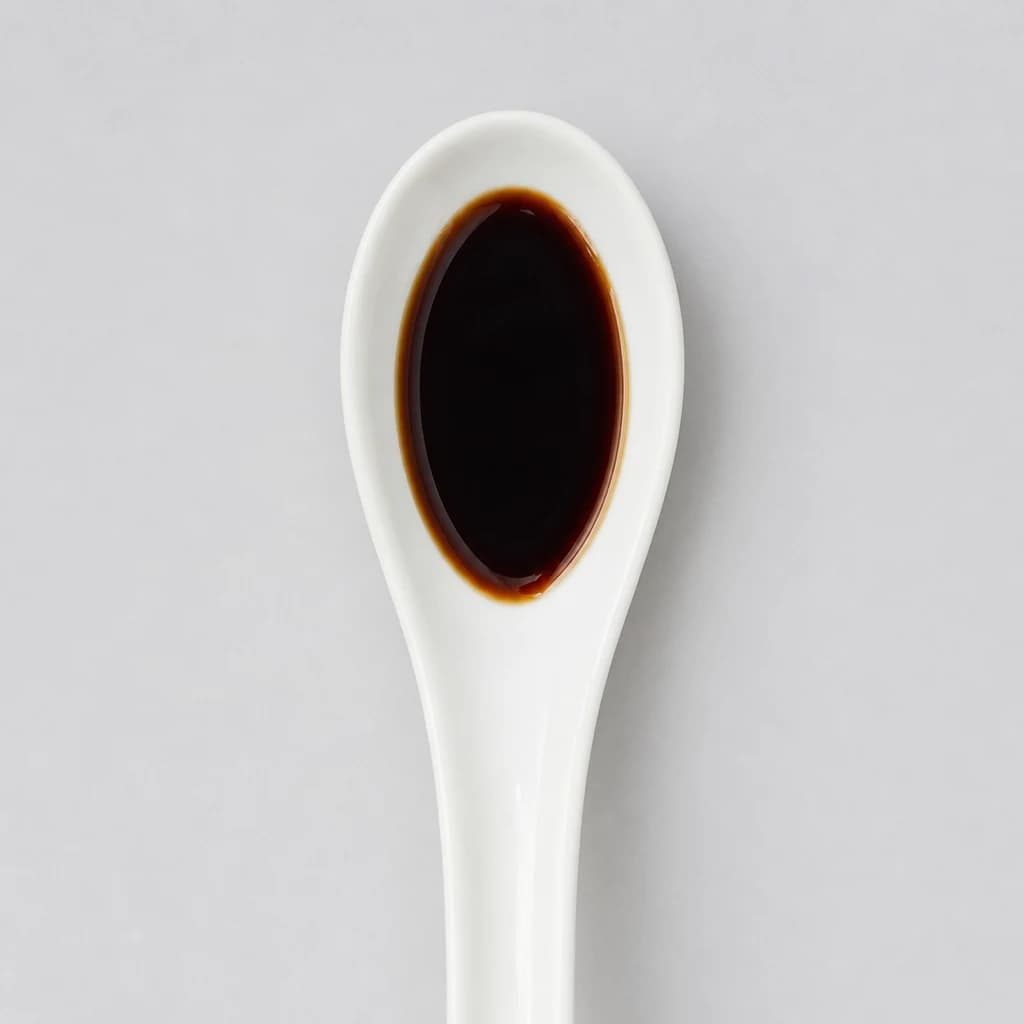
Worcestershire Sauce
Tangy, savory umami splash for marinades, stews, and Caesar

Sriracha
Garlicky chili sauce with sweet heat for drizzling and dipping

Beef Broth
Savory, deep stock for soups, gravies, and braises