Sauces & Pastes
Light Soy Sauce
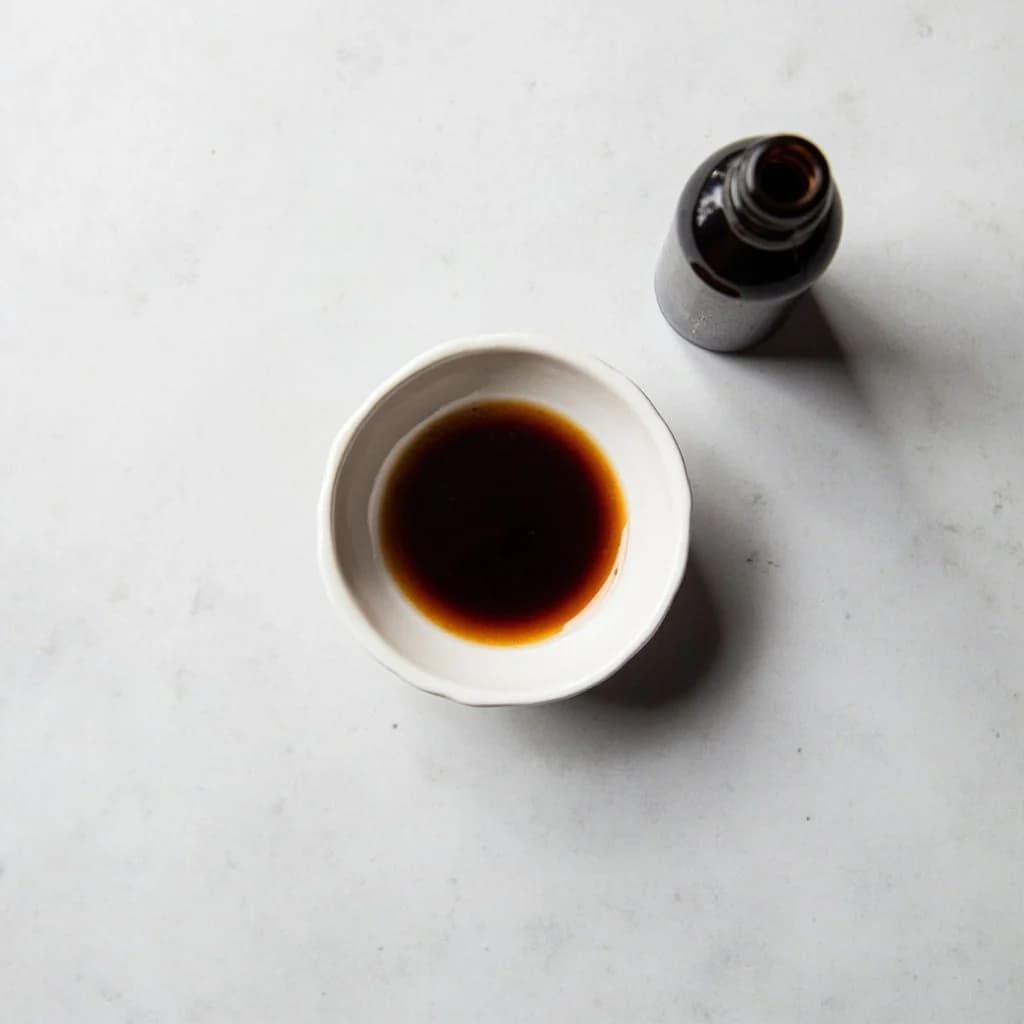
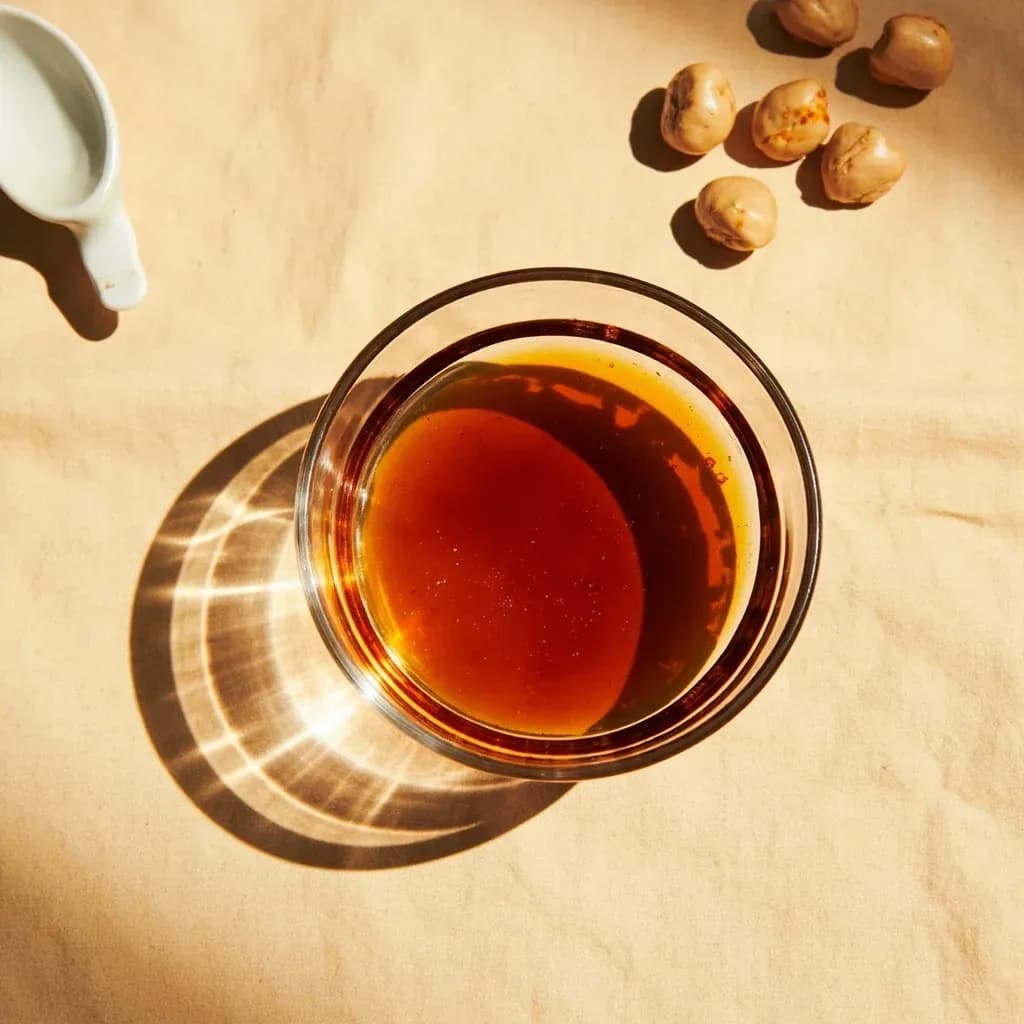
Thin, salty, light-colored soy sauce that is the everyday seasoning for stir-fries and dipping; use it for saltiness and brightness without darkening the dish.
Light soy sauce — 生抽 (shēng chōu), literally "fresh drawn" — is the first liquid released from a fermenting mash of cooked soybeans, roasted wheat, salt, and water. After several months of brine fermentation, that initial draw comes out thin, pale reddish-brown, and noticeably saltier than the later batches that age into darker, sweeter sauces. In Chinese kitchens it is the everyday seasoning: the bottle that supplies salt and savoriness in stir-fries, steamed dishes, dipping sauces, and clear soups, while dark soy is held back almost entirely for color and a whisper of sweetness.
What light soy brings to a dish is largely what it leaves out. It does not stain the food brown, does not add sweetness, and does not thicken into a glaze. It dissolves cleanly into liquids, concentrates umami from a small splash, and finishes a dish with a sharp, saline brightness that dark soy would muddy. A Cantonese steamed fish, a quick wok of greens with garlic, or a plain bowl of congee all lean on this clean, salt-led character to taste complete.
The light/dark distinction is a Chinese convention, and it trips up English-speaking cooks because "light soy" is sometimes conflated with Japanese usukuchi shoyu. Both are pale, but usukuchi is brewed to be saltier still and is chosen when color preservation matters above all, particularly in Kansai cooking. Outside Japan, Chinese light soy and Japanese koikuchi shoyu are the closest substitutes for one another; tamari and Maggi are functional stand-ins with their own distinct personalities.
- Measured in
- ml
- Storage
- Pantry
Allergens
Find it in
Suits
Types & varieties
The standard everyday seasoning across most Chinese regional cuisines — thinner, saltier, and lighter than dark soy.
Premium first press of the fermentation; richer aroma and color; reserved for steamed fish, finishing soups, or light dressings where nuance shows.
Japanese light soy; paler than Chinese light soy and distinctly saltier; used when color must be preserved, particularly in Kansai cuisine and dashi-based simmers.
The everyday Japanese soy sauce; the closest cross-substitute for Chinese light soy outside Japan, slightly rounder and a touch sweeter.
Sichuan, Fujian, and northern styles vary in salt level, wheat proportion, and aroma; Cantonese light soy is the benchmark most export recipes assume.
Light soy and dark soy: a functional pairing
Many Chinese recipes call for both light and dark soy, and the pairing is functional rather than redundant. Light soy provides salt and umami; dark soy (老抽, lǎo chōu) provides deep color and a touch of sweetness from added molasses or caramel. They are not interchangeable. Reach for dark soy when a recipe asks for light and you will end up with an undersalted, faintly sweet dish; reach for light when dark is called for and you will lose the glossy mahogany finish the cook was after.
- In red-cooked pork, soy-braised beef, and other long-simmered dishes, light soy seasons the broth while dark soy paints the surface.
- For steamed fish, poached chicken, and blanched greens, light soy alone — often finished with a thread of hot oil and scallion — is correct; dark soy would dull the flavor and muddy the color.
- When a recipe lists 'soy sauce' without specifying, assume Chinese light soy unless the source is Japanese, where koikuchi is the default.
Common uses
Tips & pitfalls
- Add light soy toward the end of stir-frying; prolonged high heat dulls the aroma and can turn the sauce muddy and flat.
- When a recipe calls for both light and dark soy, remember that light provides the salt and dark provides the color — do not swap one for both roles.
- Taste before reaching for table salt; in most Chinese recipes, light soy is already the primary salt source.
- Drizzle light soy over steamed fish after cooking rather than before to preserve the clean, fresh flavor of the flesh.
- Refrigerate after opening; in a warm kitchen, unrefrigerated light soy can develop a surface yeast film within weeks and drift in flavor.
- For a lower-sodium dish, dilute the soy with a splash of stock or water rather than switching to a different sauce.
- Combine with Chinkiang vinegar, ginger, and scallion for the classic Cantonese dumpling or poached-chicken dipping sauce.
- A single teaspoon stirred into plain congee or a simple vegetable broth is a quick, complete seasoning in its own right.
Nutrition
Energy
322 kJ · per 100 g
Where the calories come from
Protein
0g
0% DV
Carbs
19.2g
7% DV
Fat
0g
0% DV
Fiber
0g
0% DV
Sugars
10g
of which
Sodium
1300mg
57% DV
Source · USDA FoodData Central · approx. Sauce, worcestershire
View on FDC →In the shops
Matched grocery products
 €1.20
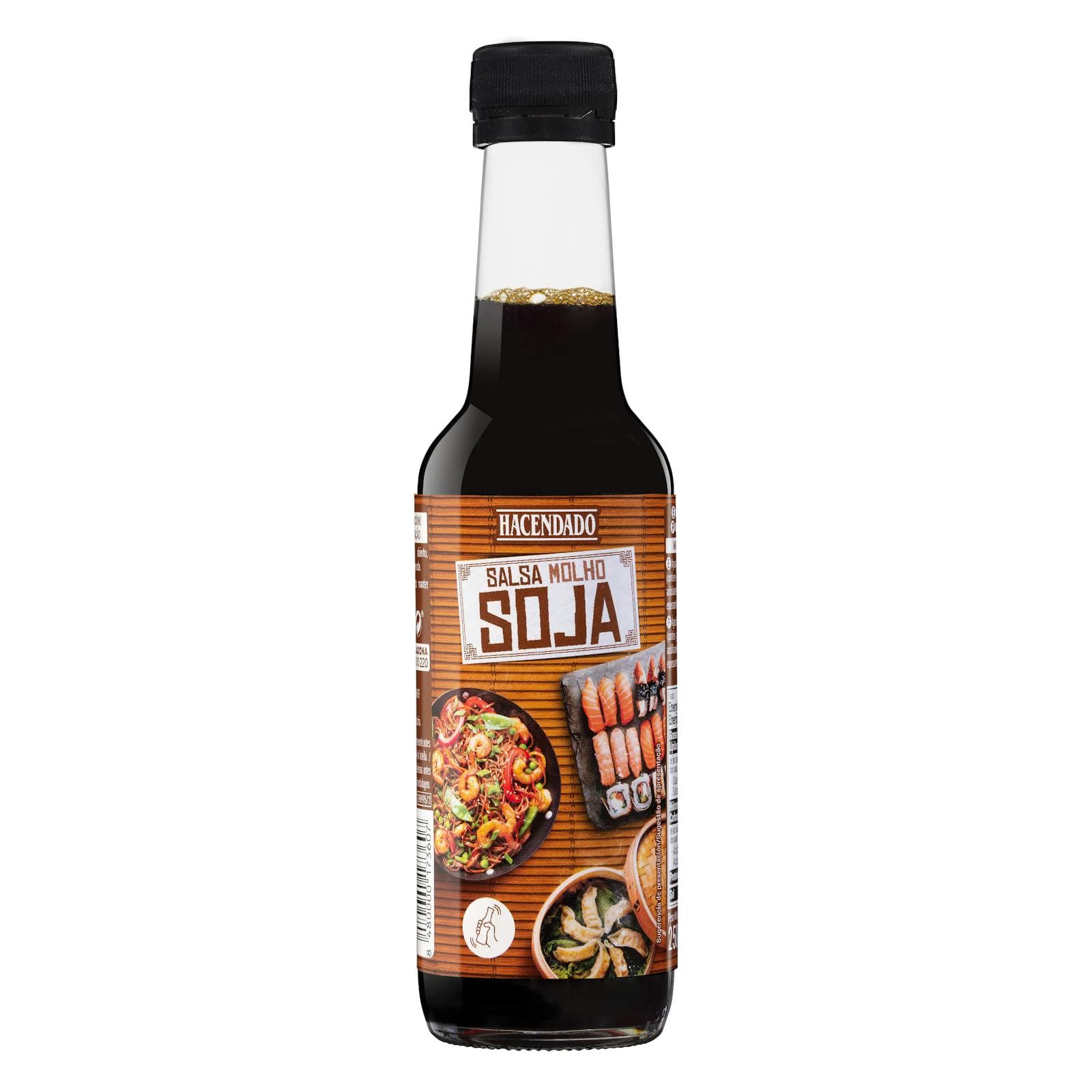
€1.20Soy Sauce
Hacendado · 0.25 L · Mercadona
 €2.50
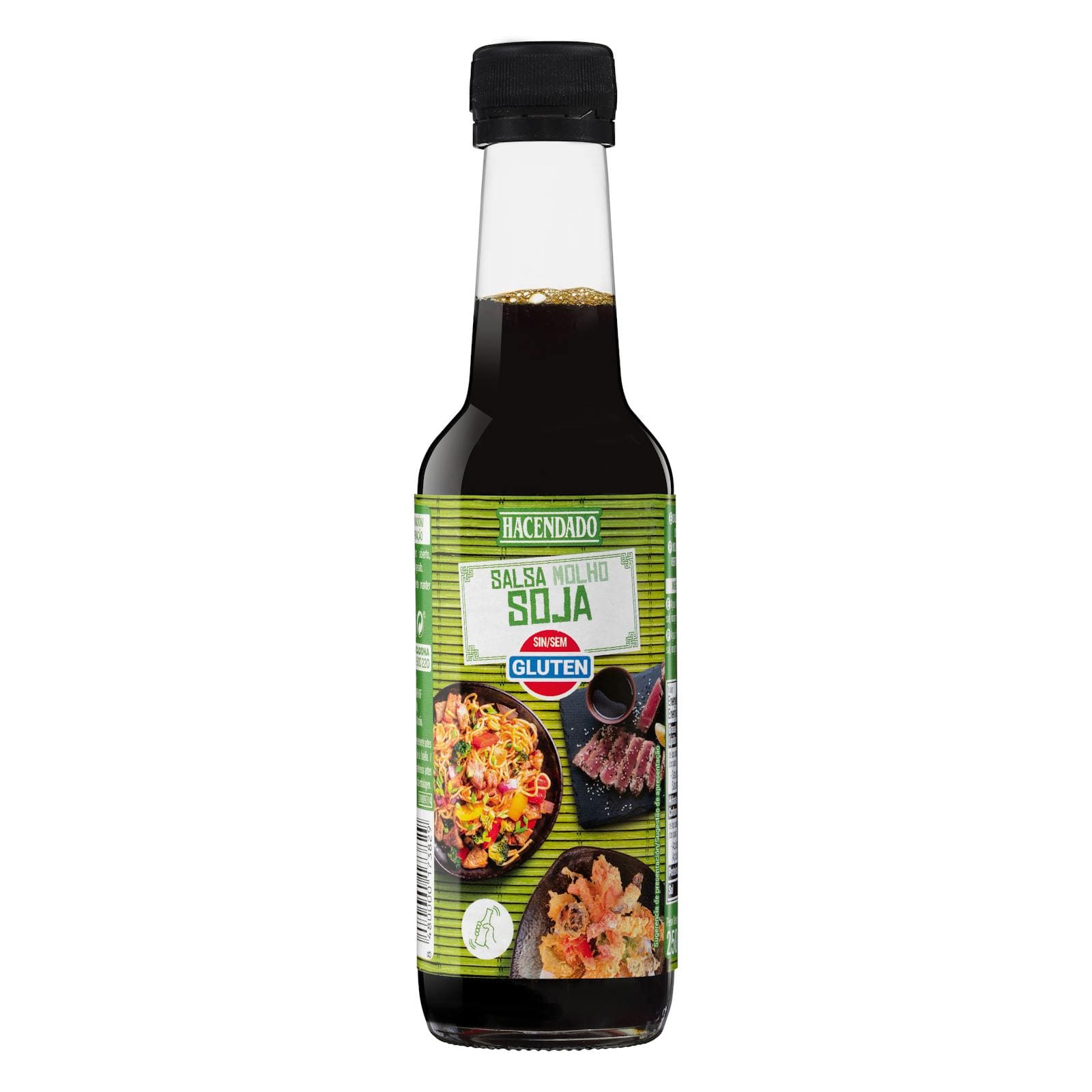
€2.50Gluten-Free Soy Sauce
Hacendado · 0.25 L · Mercadona
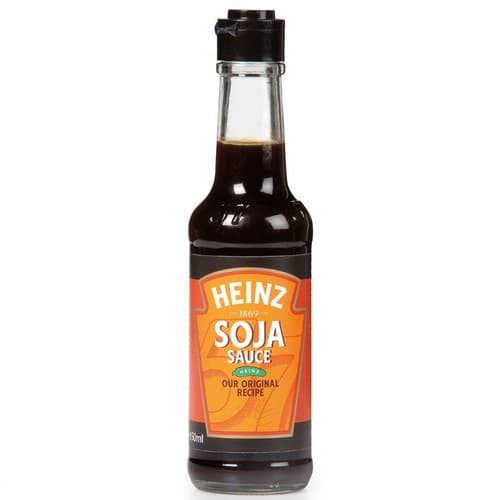 €2.99
€2.99HEINZ Soy Sauce
HEINZ · l · Bonpreu
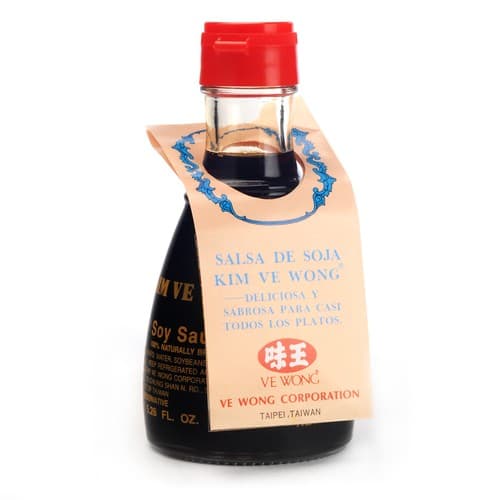 €2.79
€2.79VE WONG Soy Sauce
VE WONG · l · Bonpreu
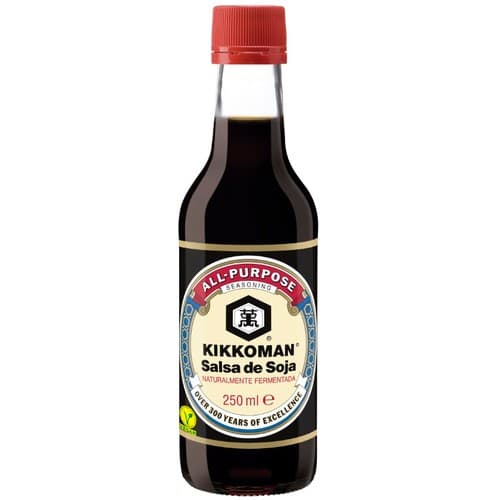 €4.89
€4.89Kikkoman Soy Sauce
KIKKOMAN · l · Bonpreu
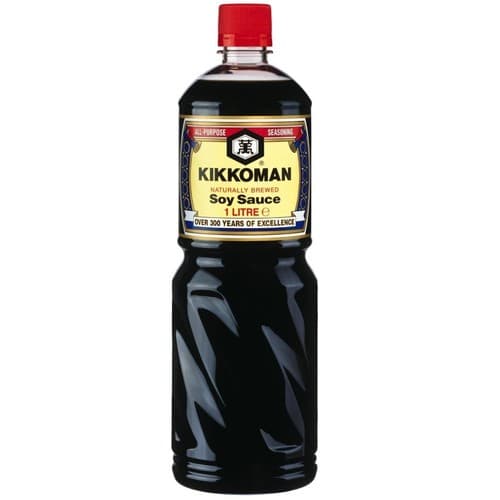 €10.99
Kikkoman Soy Sauce
KIKKOMAN · l · Bonpreu
Good to know
- Chinese name
- 生抽 (shēng chōu) — literally 'fresh/light drawn'
- Primary ingredients
- Soybeans, wheat, salt, and water
- Production
- Brine fermentation of cooked soybeans and roasted wheat, typically several months; the first drawn liquid is the lightest and saltiest
- Color
- Light reddish-brown to amber; markedly paler than dark soy
- Viscosity
- Thin, free-flowing; not syrupy
- Saltiness
- Noticeably higher than dark soy; salt is the dominant note
- Sweetness
- Minimal; no added molasses or caramel, which define dark soy
- Umami
- High, from naturally occurring free glutamates produced during fermentation
- Allergens
- Contains soy and wheat (gluten); tamari is the common gluten-free alternative
- Shelf life
- Unopened: 1–2 years in a cool, dark place; opened: many months refrigerated
- Storage
- Cool, dark cupboard before opening; refrigerate after opening to prevent surface yeast film and flavor drift
- Origin
- China; the light/dark distinction is a Chinese convention later adopted variably elsewhere
Substitutes
- Japanese koikuchi shoyu (regular soy sauce) — Closest all-around substitute; slightly rounder and a touch sweeter, but similar color and salt level.
- Japanese usukuchi shoyu — Works in Japanese recipes; use roughly two-thirds the amount because it is saltier than Chinese light soy.
- Tamari — Gluten-free option with deeper color and rounder body; reduce slightly so it does not overpower delicate dishes.
- Maggi liquid seasoning — Different flavor profile — more savory and herbaceous — but functional in quick stir-fries; not ideal for clean Cantonese steaming.
- Salt plus a few drops of Worcestershire sauce — Emergency substitute only; Worcestershire brings umami and a hint of sweetness, but the flavor profile is not the same.
Pairs with
Also called
thin soy sauce · sheng chou