Beverages
Shaoxing Wine
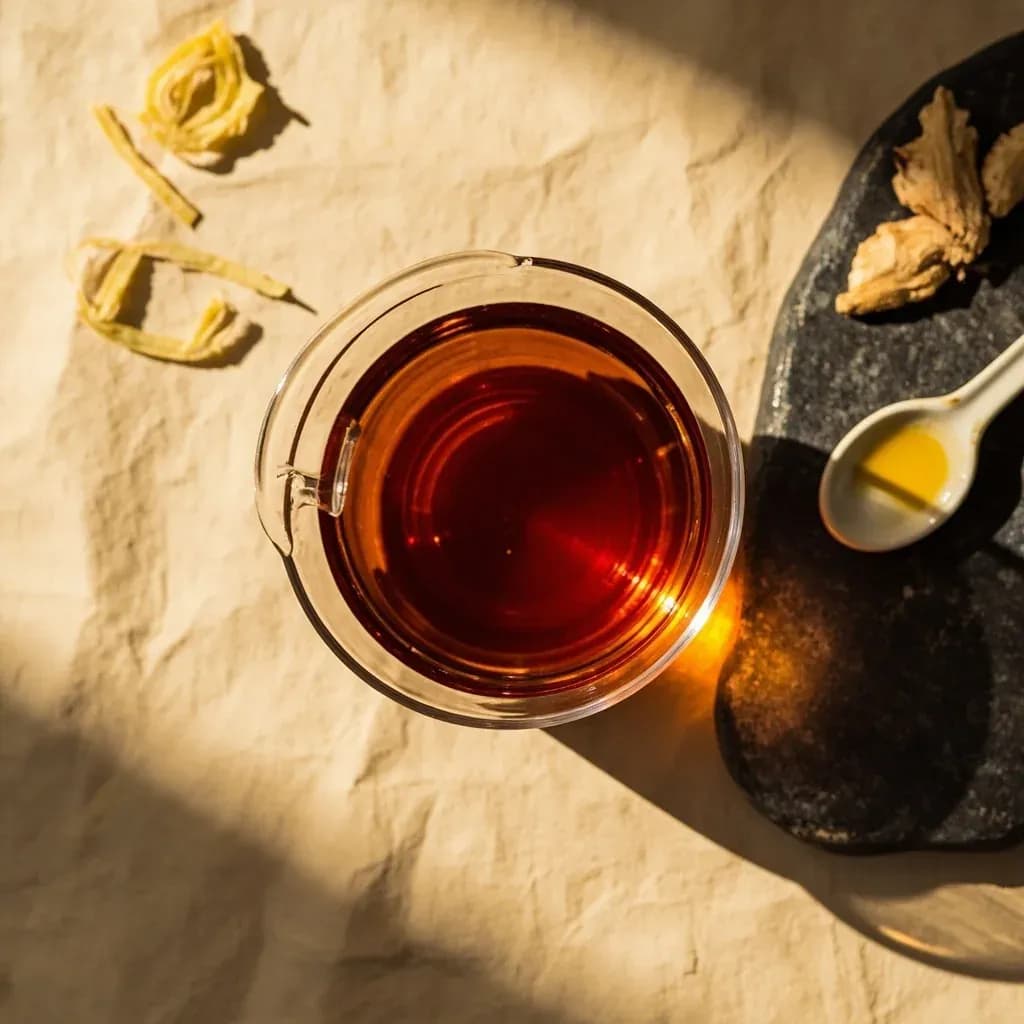
Amber Chinese rice wine used to deglaze and perfume stir-fries and marinades; splash it down a hot wok so it flashes and lifts savory aroma rather than tasting raw.
Shaoxing wine (绍兴酒, shàoxīng jiǔ) is a fermented Chinese rice wine made in and around the city of Shaoxing in Zhejiang province, where it has been produced for over two millennia. The traditional drink — sometimes called huangjiu, or 'yellow wine' — is brewed from glutinous rice inoculated with a wheat-based qu starter, then pressed, pasteurized, and aged. Cooking-grade bottles are typically 14–18% alcohol; premium aged bottlings climb to 20%. The color runs from pale amber to deep mahogany, and the flavor is dry, nutty, and faintly funky, with notes of toasted rice, caramel, and a saline edge that reads almost like miso.
In a Chinese kitchen, Shaoxing functions as the primary aromatic seasoning — the ingredient that lifts the savory register of a dish while tenderizing meat and quieting gamey or offal notes. Its alcohol dissolves and carries fat-soluble aromatics, and its residual sugars and amino acids deepen the umami of soy, mushrooms, and slow-cooked stocks. A splash in a stir-fry perfumes the wok; a generous pour into a long braise becomes part of the braising liquid itself, sweetening as it reduces and lending red-cooked meats their characteristic rounded finish.
How it behaves depends on when you add it. Poured around the rim of a smoking-hot wok, it flashes and vaporizes almost instantly, leaving behind a fleeting, fragrant plume. Simmered for an hour in a red-braising pot, it loses its alcoholic harshness and concentrates into a syrupy, caramel-tinged backbone. What cooks perceive as the wine 'cooking off' in a quick stir-fry is actually the volatile aromatic compounds lifting into the air — the alcohol itself is not fully driven off in 30 seconds over high heat, which is part of why a little goes a long way.
- Measured in
- ml
- Storage
- Pantry
Allergens
Find it in
Suits
Types & varieties
The basic dry table wine; lighter, sharper, the everyday cooking grade often labeled simply 'Shaoxing Huadiao Jiu' abroad
'Extra rice' style with more glutinous rice in the ferment; fuller body, slightly richer; the classic braising wine
Made partly with finished Shaoxing in place of water; noticeably sweeter and rounder, used for finishing and drunken dishes
'Carved flower' — premium wine traditionally bottled in carved urns; deeper, nuttier, often aged 5–10+ years; the variety most cooks mean when they say 'Shaoxing wine'
Aged Huadiao bottled for celebratory occasions; deep amber, complex; used sparingly as a finishing wine
Designated by years of cellaring (3, 5, 10, 15, 20+); older bottles show more caramel, walnut, and soy-sauce-like depth
A separate, salted, lower-grade product blended for kitchen use; not a true substitute when a recipe calls for drinking-grade Shaoxing
Related rice wines from Taiwan, often milder and slightly sweet; functionally similar in Cantonese and Taiwanese cooking
Liaojiu vs. drinking-grade Shaoxing
Most bottles labeled 'Shaoxing wine' outside China are actually 料酒 (liàojiǔ) — a salted, lower-grade product blended for everyday cooking, with added salt and sometimes caramel color. Drinking-grade Shaoxing (Hua Diao, Jiafan, or any bottle marked for the table) is unsalised and far more aromatic. The distinction matters for seasoning: a recipe that already calls for soy sauce and measured salt will over-salt if you swap in 料酒. Reserve cheap salted 料酒 for long, soy-heavy braises where its salt disappears into the liquid, and reach for an unsalted Hua Diao or Jiafan for marinades, steaming, and any dish where the wine's flavor is meant to register on the palate.
- 料酒 = salted, blunt, cheap; roughly 1–2% added salt, lower aroma
- Drinking-grade Hua Diao / Jiafan = unsalised, complex, worth the price for finishing
- Western 'cooking sherry' is similarly salted and is not a stand-in for Spanish dry sherry
How wine behaves in a hot wok
The 'shaa!' moment when wine hits a smoking wok is one of the defining sounds of a Chinese kitchen. The pour should go around the rim of the wok, not directly onto the food, so it hits the hottest metal and vaporizes instantly. The plume of vapor carries the wine's aromatic compounds up and over the dish, perfuming everything in seconds. This is not the same as 'cooking off' the alcohol — in a 30-second stir-fry, much of the ethanol remains. What you are chasing is the volatile fragrance, not the wine's disappearance. In a braise, by contrast, the wine is added early and reduced, and its harsher top notes mellow into a sweet, caramel undertone that deepens the entire pot.
- Stir-fry: add late, pour around the rim, expect a quick flash and aromatic lift
- Braise: add with the liquid, reduce by a third, then simmer until thick and glossy
- Steam: a tablespoon in the steaming water or drizzled over the fish carries aroma into the flesh
Common uses
Tips & pitfalls
- Use drinking-grade Hua Diao or Jiafan for finishing and quick-cooked dishes; cheap salted 料酒 is fine for long braises where the salt won't unbalance the seasoning.
- Add Shaoxing late in a stir-fry — pour it around the rim of the hot wok so it flashes and vaporizes, perfuming the food rather than leaving a raw alcohol taste.
- For marinades, 1–2 tablespoons per 500 g of meat for 20–30 minutes is plenty; longer soaks can turn the surface mushy.
- Never substitute sweet Japanese mirin 1:1 — it is far sweeter and will throw off the seasoning. If forced, use roughly half as much and balance with a splash of dry sherry.
- If a recipe specifies 料酒, do not switch to unsalted Shaoxing without tasting for salt; the reverse is also true — adding salted 料酒 to a dish already carefully seasoned with soy can over-salt.
- An opened bottle keeps for many months refrigerated; if the aroma goes flat, repurpose it into long-simmered braises rather than quick finishing where you need the fragrance.
- When deglazing, let the wine reduce by half before adding other liquid so its harsher top notes cook off and the sweet, caramel base remains.
- Avoid 'cooking sherry' from Western supermarkets as a substitute — most are heavily salted like 料酒 and have a harsher, less aromatic profile.
Nutrition
Nutrition
No USDA FoodData Central match for Shaoxing Wine yet. We surface a per-100 g profile once a generic whole-food entry is matched and verified.
In the shops
Matched grocery products
No matched grocery products for Shaoxing Wine yet.
Good to know
- Category
- Chinese fermented rice wine (huangjiu / 黄酒)
- Origin
- Shaoxing, Zhejiang Province; continuous production for over 2,000 years
- Ingredients
- Glutinous rice (nuomi), wheat-based qu starter, water; traditionally Kuaiji-shaded spring water
- ABV
- Approximately 14–20%, typically 14–18% for culinary grades
- Flavor profile
- Dry, nutty, slightly sweet; notes of caramel, fermented rice, and a faint saline/funky edge with rich umami
- Primary function
- Aromatic seasoning and tenderizer; lifts gaminess, adds savory depth, and carries fat-soluble aromatics
- Storage (opened)
- Re-sealed and refrigerated, 6–12 months; aroma fades but it remains usable in cooking
- Dietary notes
- Contains gluten (wheat qu); alcohol does not fully cook off in quick stir-fries
Substitutes
- Dry sherry — The closest, most accessible stand-in; similar dry-nutty profile and comparable alcohol level; use equal amounts
- Japanese sake (dry / honjozo or junmai) — Cleaner and less funky than Shaoxing but works in a pinch, especially in marinades and braises; use slightly more
- Mirin (hon-mirin) — Too sweet to use 1:1; reduce by half and add a splash of dry sherry or water to balance the sweetness
- Dry white wine + a pinch of sugar — In long braises, a dry Sauvignon Blanc or Pinot Grigio plus a small amount of sugar approximates the sweetness-depth balance
- Mijiu (Taiwanese or Thai rice wine) — Lighter and often sweeter; works in Cantonese and Southeast Asian dishes, less suitable for northern Chinese cooking
- Shaoxing-style Chinese cooking wine (料酒) — Acceptable in long-cooked braises where the added salt is not a problem; not recommended for finishing or salt-sensitive dishes
Pairs with
Also called
Shaohsing wine · Chinese cooking wine · rice wine
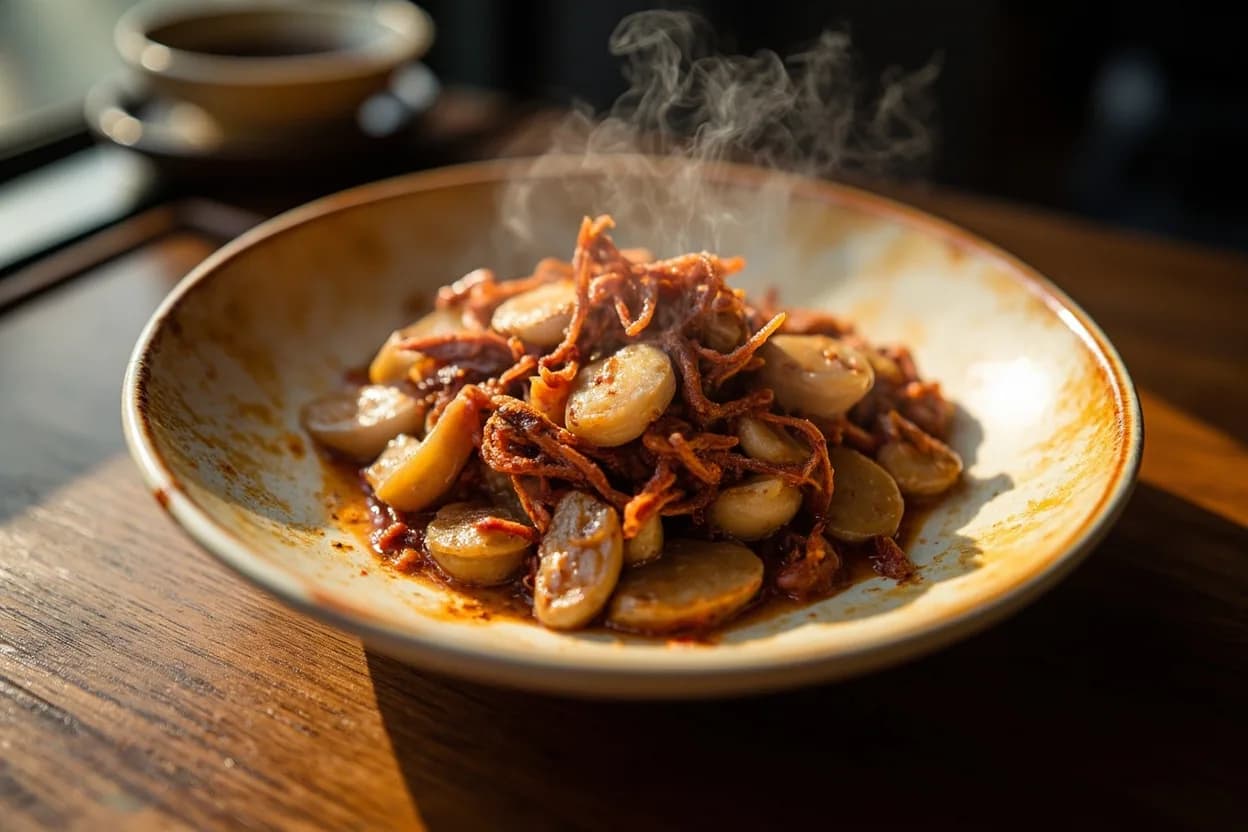
Appears in these dishes
Related

White Rum
Light, clean rum for mojitos, daiquiris, and piña coladas

Dark Rum
Rich, molasses-deep rum for tiki drinks and sipping

Tequila
Bright agave spirit for margaritas, palomas, and shots
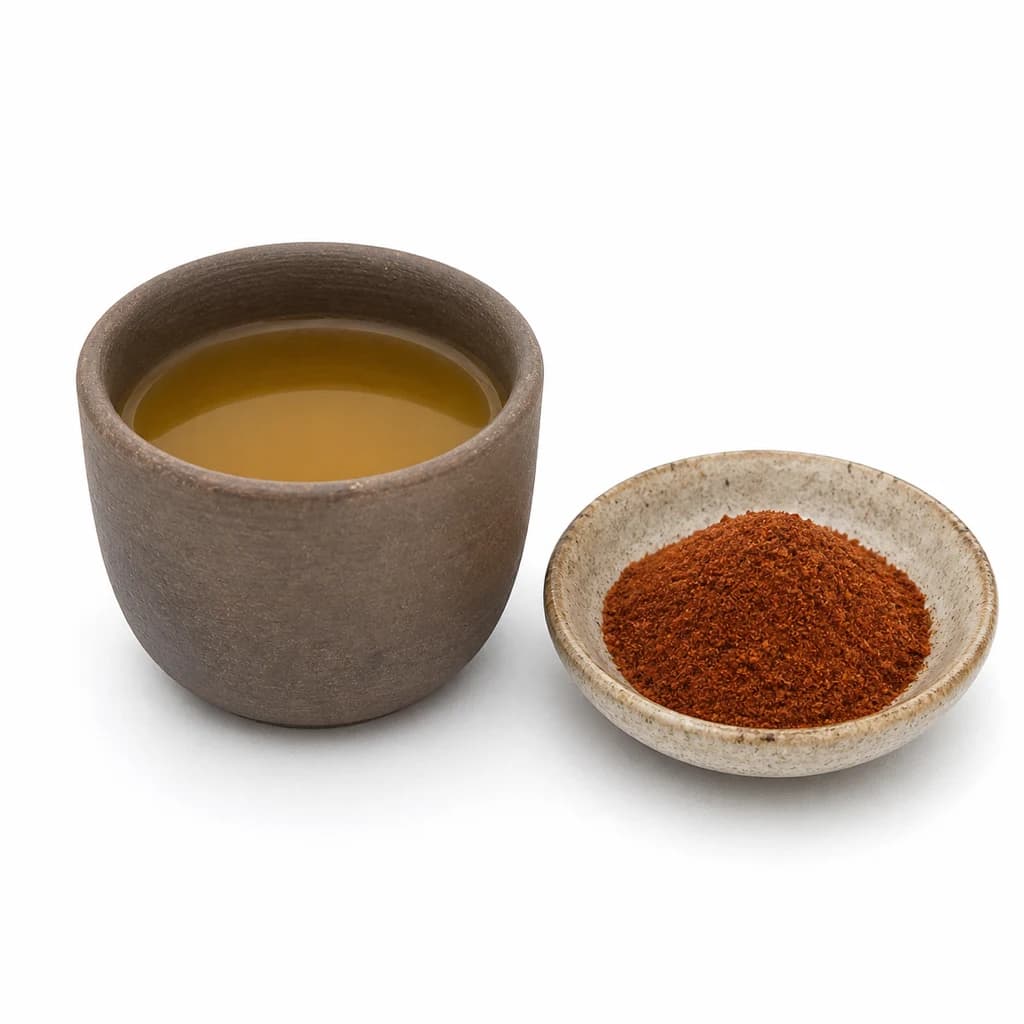
Mezcal
Smoky agave spirit for sipping and smoldering cocktails
Vodka
Clean, neutral spirit for mixing into almost any cocktail
Gin
Botanical, juniper-forward spirit for G&Ts and martinis

Whisky
Warm, oak-aged spirit for sipping and classic cocktails

Brandy
Rich, fruity grape spirit for sipping, sauces, and flambé