Spices
Chinese Five-Spice Powder
Balanced blend of star anise, clove, cinnamon, fennel and Sichuan pepper for Chinese dishes.
Chinese five-spice powder is a fragrant blend that balances the five flavors, typically combining star anise, cloves, cinnamon, fennel seed and Sichuan pepper. It is central to Chinese roast meats, braises and marinades, lending a sweet-warm, licorice-tinged aroma. A small amount seasons a whole dish, so it is used with restraint.
Chinese Five-Spice Powder (五香粉, Wǔ Xiāng Fěn) is a ground spice blend fundamental to Chinese cooking and deeply rooted in the philosophy of wuxing—the ancient concept of five elements governing balance in nature. The blend is meant to bring equilibrium to a dish, with each spice contributing to a harmony of flavors: sweet (fennel, cinnamon), sour, bitter (clove), pungent (star anise, Sichuan pepper), and salty. It functions as a framework for flavor harmony rather than a simple aromatic seasoning. Five-spice appears across virtually every Chinese regional cuisine, from Cantonese char siu to northern red-cooked meats to Sichuan braises, and has become essential in Taiwanese, Vietnamese, and pan-Asian kitchens worldwide.
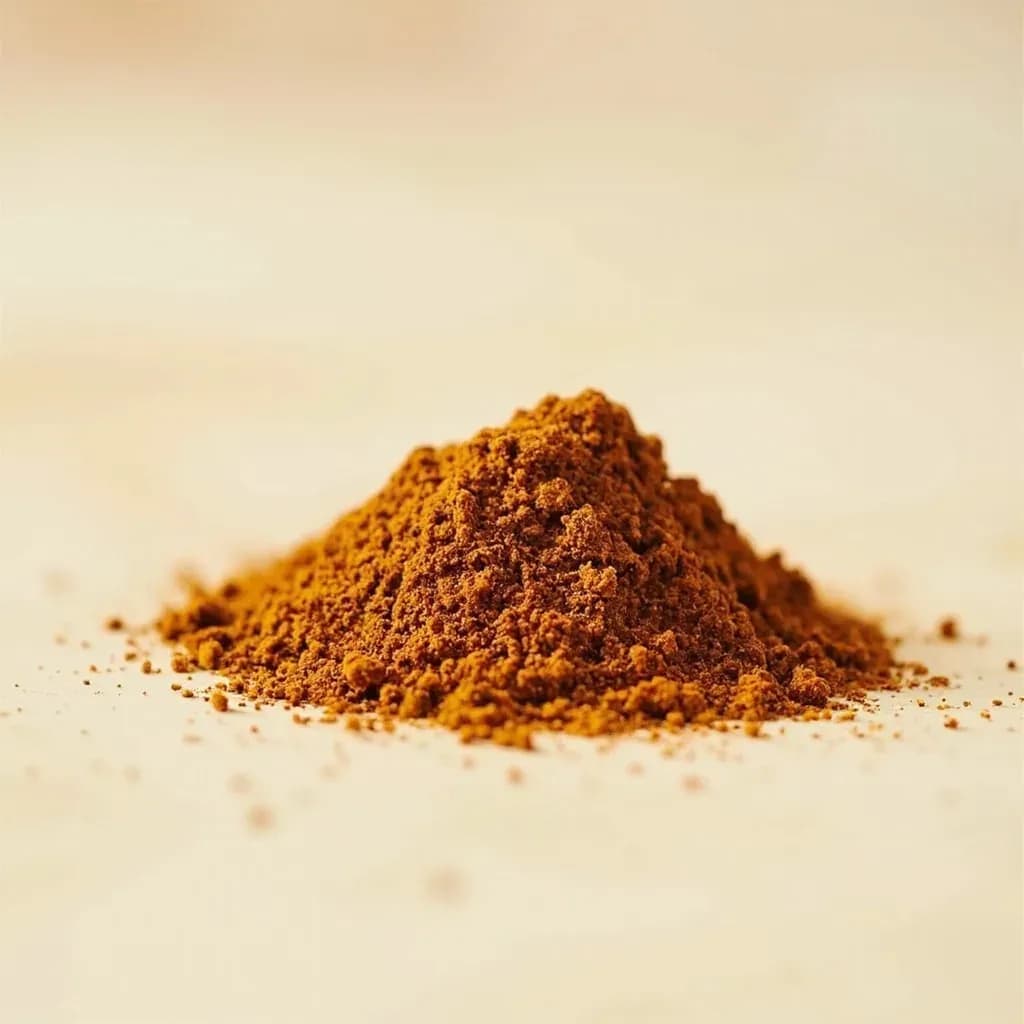
The five core spices—star anise, clove, cinnamon (typically cassia), fennel seed, and Sichuan peppercorns—are ground together to create a reddish-brown to deep-brown powder with a complex profile that is simultaneously sweet, savory, pungent, and faintly numbing. Freshly ground five-spice has notably brighter aroma and deeper flavor than pre-ground versions, which can lose potency within weeks of opening. When purchasing commercial blends, check for minimal ingredients without fillers or excessive cassia ratios that unbalance the intended harmony. Homemade blends allow control over ratios and freshness, and toasting whole spices before grinding noticeably intensifies the final product.
Five-spice powder is extraordinarily versatile—used in marinades, dry rubs, braising liquids, glazes, and as a finishing seasoning. It seasons everything from pork and duck to tofu, vegetables, eggs, and even roasted nuts. Its warm, sweet, and aromatic character makes it one of the most recognizable spice blends in global cooking, yet it remains most alive in the Chinese kitchen traditions from which it evolved.
- Measured in
- g
- Storage
- Pantry
Types & varieties
Heavier on cassia/cinnamon, slightly sweeter; used in Peking duck, red-cooked meats, and northern braises
Emphasizes Sichuan pepper for pronounced numbing heat; essential in mapo tofu and fiery braises
May include white pepper, dried orange peel, or ginger alongside the classic five spices
Morton & Bassett, McCormick, and Frontier vary in ratios; check ingredients for fillers or excessive cassia content
Grind whole spices to taste; allows control over spice emphasis and ensures maximum freshness
Common uses
Tips & pitfalls
- Toast whole spices in a dry pan over medium heat for 30–60 seconds until fragrant before grinding—this activates the essential oils and noticeably intensifies flavor
- Use sparingly at first; the blend is potent and can overwhelm a dish if added in excess
- Grind your own for superior results—pre-ground five-spice loses aromatic punch within weeks of opening
- Combine with fine sea salt in a 1:1 ratio to make a versatile finishing salt for grilled meats and roasted vegetables
- Add early in cooking for deep flavor integration, or sprinkle lightly at the end for aromatic finish
- Store away from heat sources; stovetop proximity degrades the volatile oils faster
- Test freshness by dissolving a pinch in a small amount of hot water—if the aroma is muted or flat, replace the blend
- When making a marinade, allow at least 30 minutes of contact time for the spices to penetrate protein surfaces
- Avoid adding to dishes already containing multiple warm spices (cinnamon, clove, star anise) unless you intend a very bold flavor
- Pair five-spice with cooling ingredients like cucumber, bok choy, or a squeeze of lime when seeking balance in a dish
Nutrition
Energy
1301 kJ · per 100 g
Where the calories come from
Protein
10.8g
22% DV
Carbs
68.5g
25% DV
Fat
6.7g
9% DV
Fiber
28g
100% DV
Sodium
18mg
1% DV
Source · USDA FoodData Central · Spices, cardamom
View on FDC →In the shops
Matched grocery products
No matched grocery products for Chinese Five-Spice Powder yet.
Good to know
- Origin
- China, based on the ancient philosophy of balancing the five elements (wuxing)
- Core Spices
- Star anise, clove, cinnamon (cassia), fennel seed, Sichuan peppercorns
- Flavor Profile
- Warm, sweet, pungent, and aromatic with balanced sweet-salty-bitter-pungent notes and a characteristic numbing finish from the Sichuan pepper
- Typical Ratio
- Common is 1 tsp star anise, 1 tsp fennel, ½ tsp clove, ½ tsp cinnamon, ½ tsp Sichuan pepper (or equal parts by weight)
- Color
- Reddish-brown to deep brown, depending on ratios and freshness
- Shelf Life (ground)
- 6–12 months in an airtight container, away from light and heat
- Shelf Life (whole)
- Up to 2–3 years; grind just before use for brightest flavor
- Form
- Always ground; pre-ground is convenient but freshly ground from whole spices is markedly superior in aroma
Substitutes
- Star anise + cinnamon + a pinch of clove — Closest approximation; missing the fennel and Sichuan pepper complexity but workable for savory dishes
- Allspice — Provides a similar warm, multi-spice effect but lacks the distinct anise and pepper notes
- Garam masala — A different warm-spice blend; not a direct substitute but shares some aromatic qualities for braises and marinades
- Ras el hanout — Offers warm complexity but is Moroccan in character; use cautiously as a creative substitute
Pairs with
Also called
five-spice-blend · five spice · chinese-five-spice · 5-spice
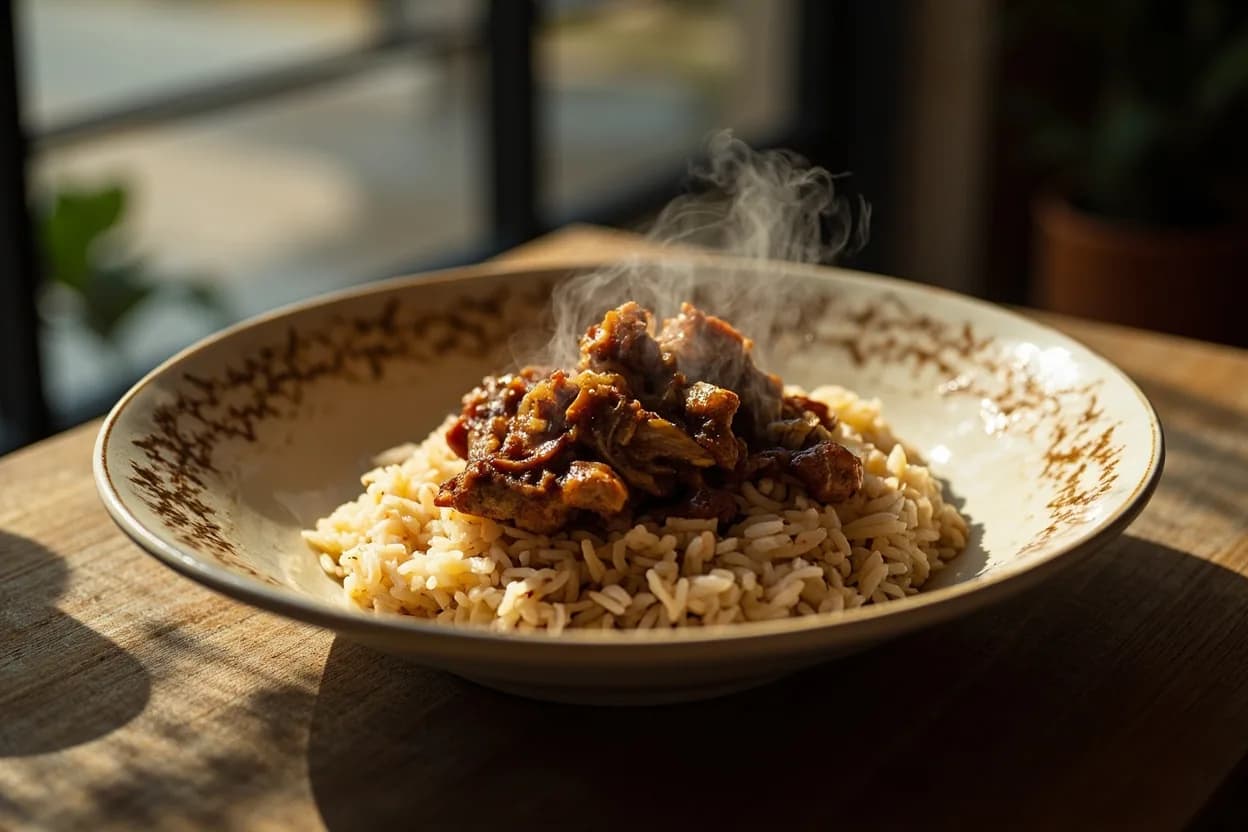
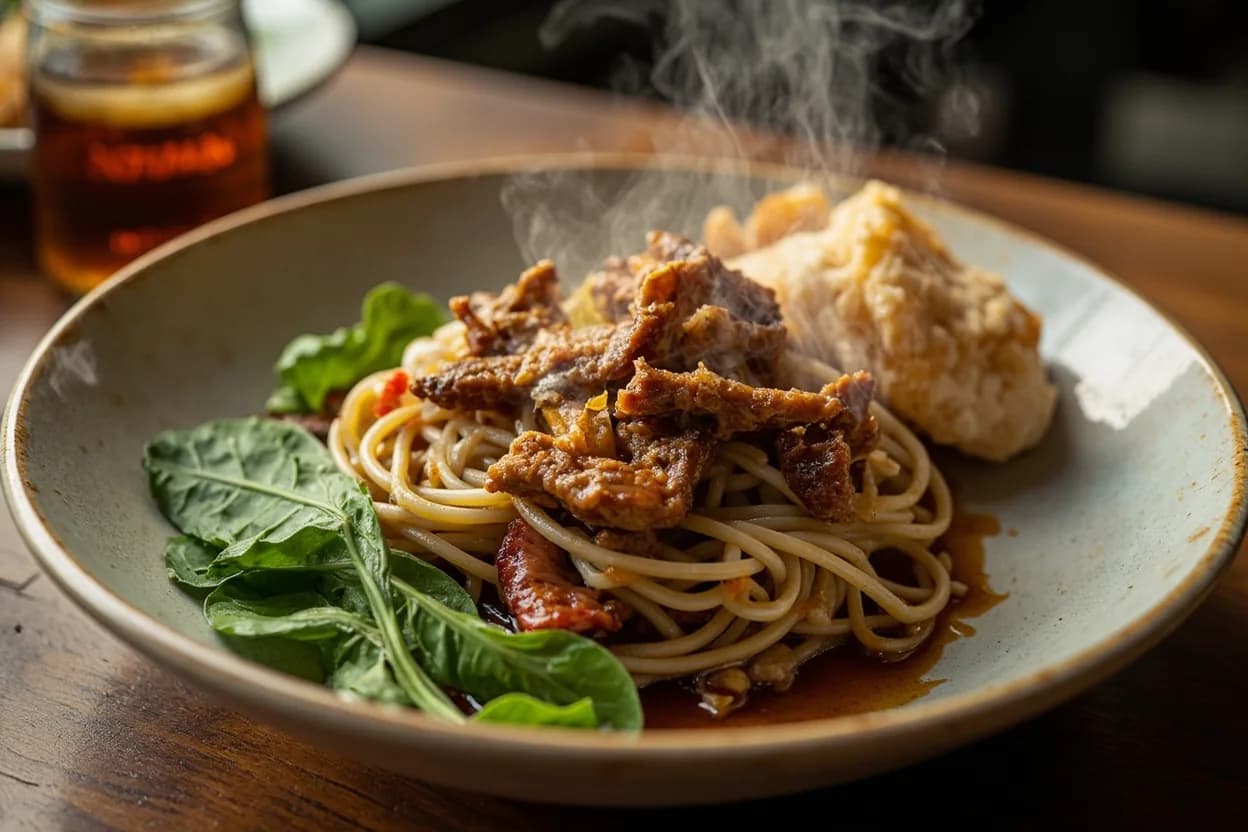
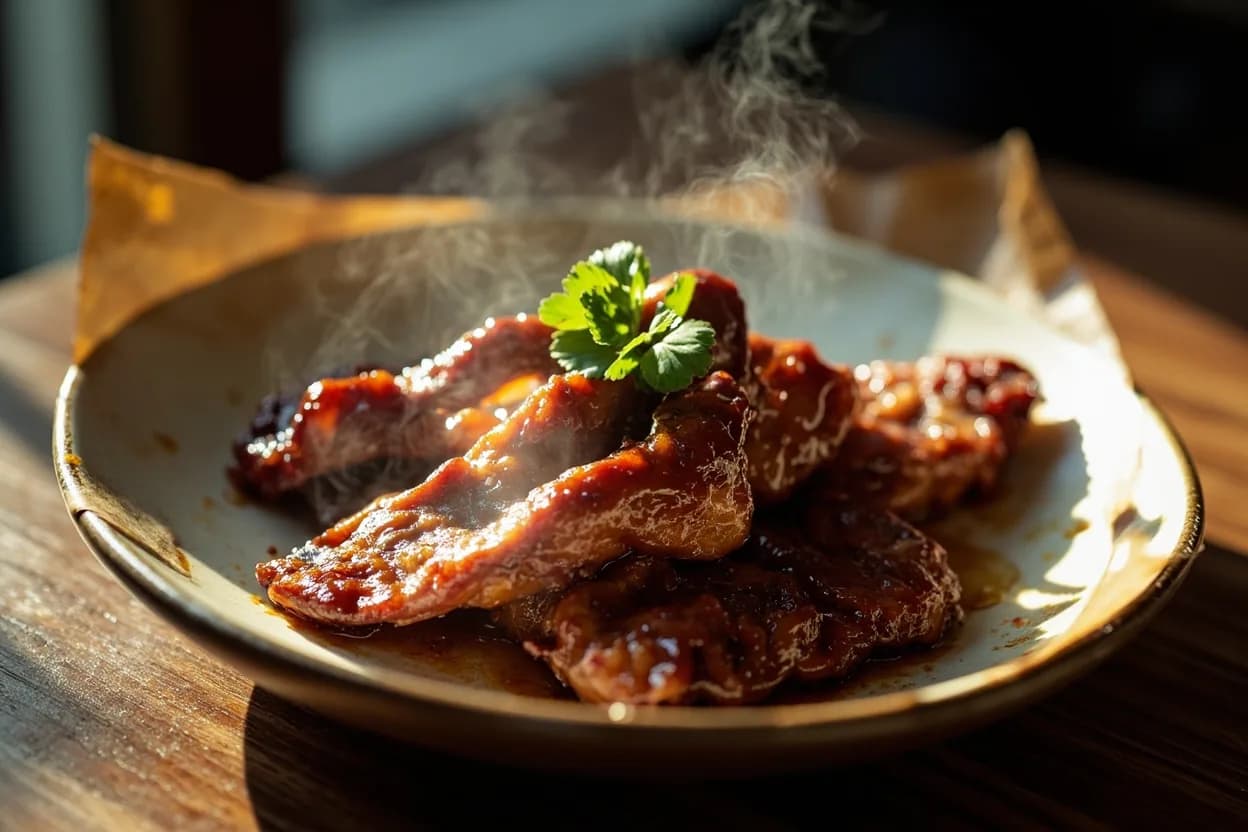
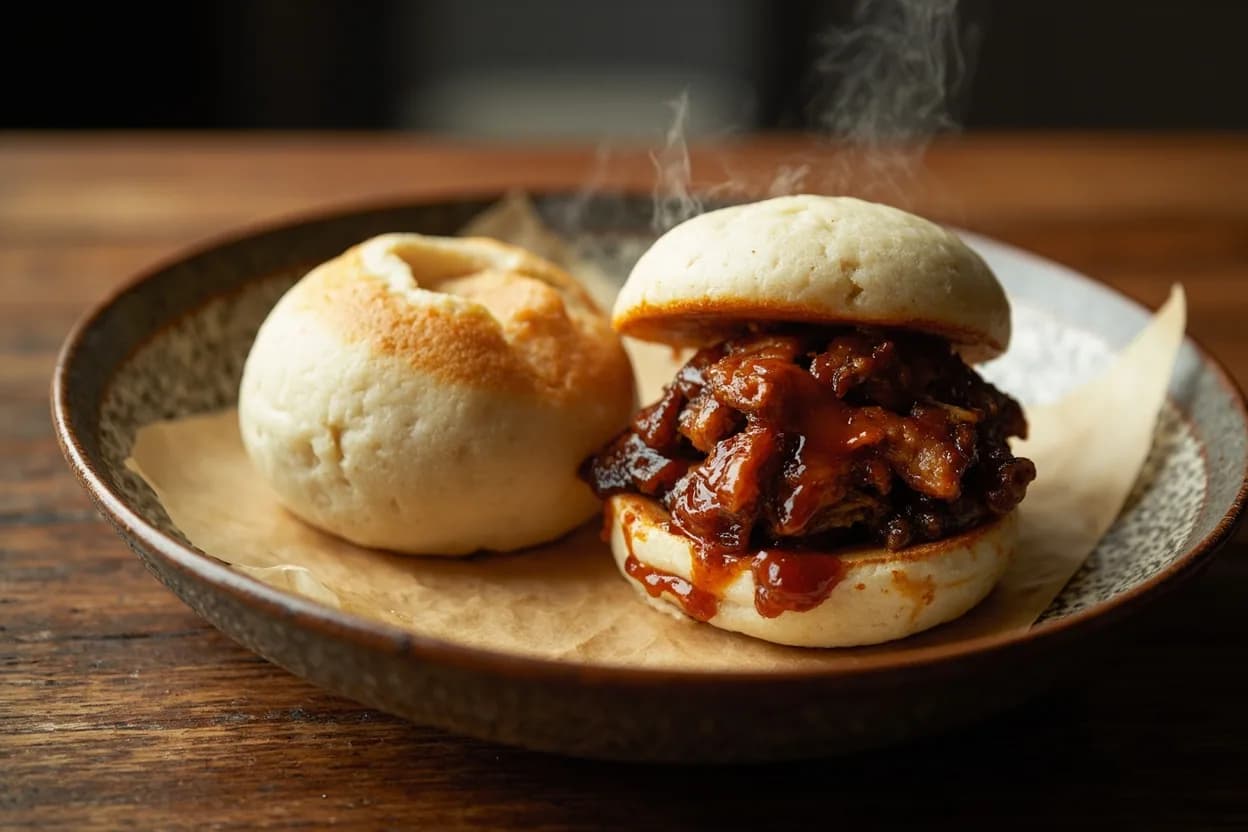
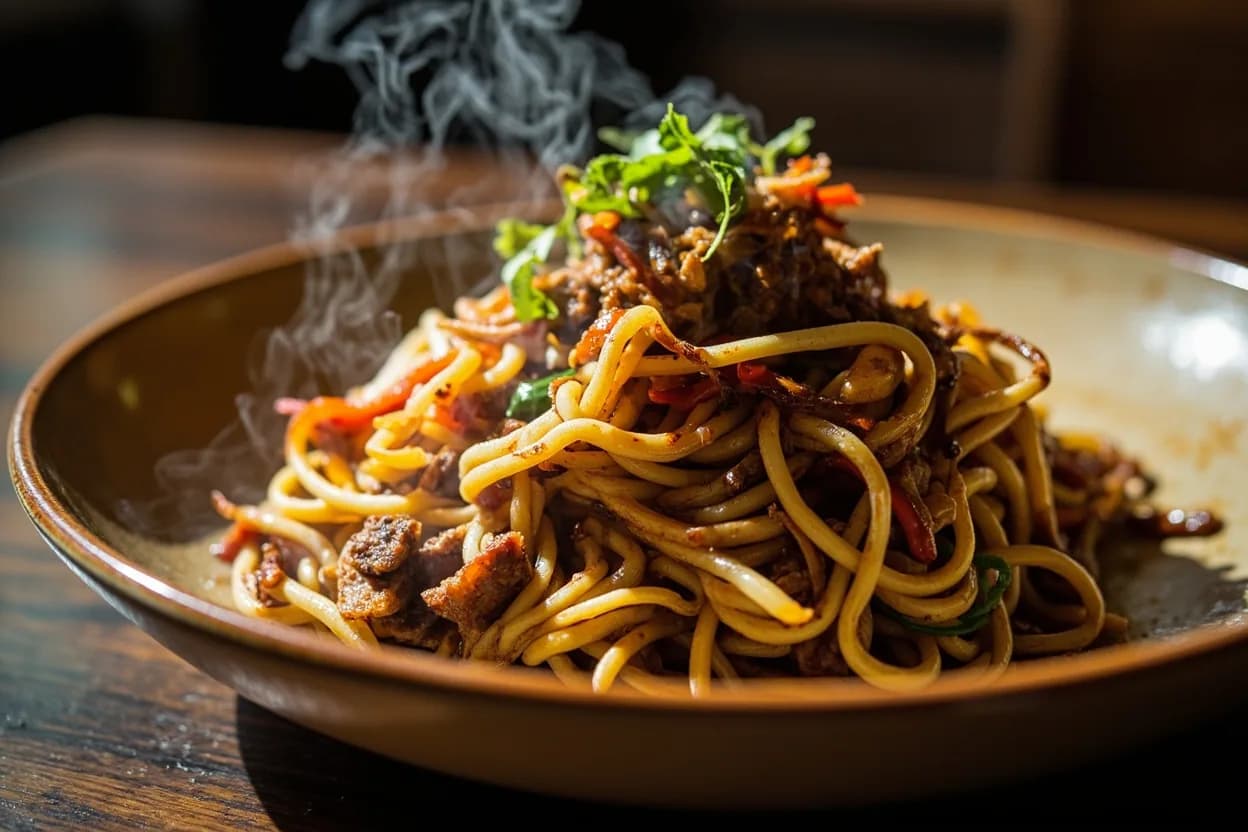
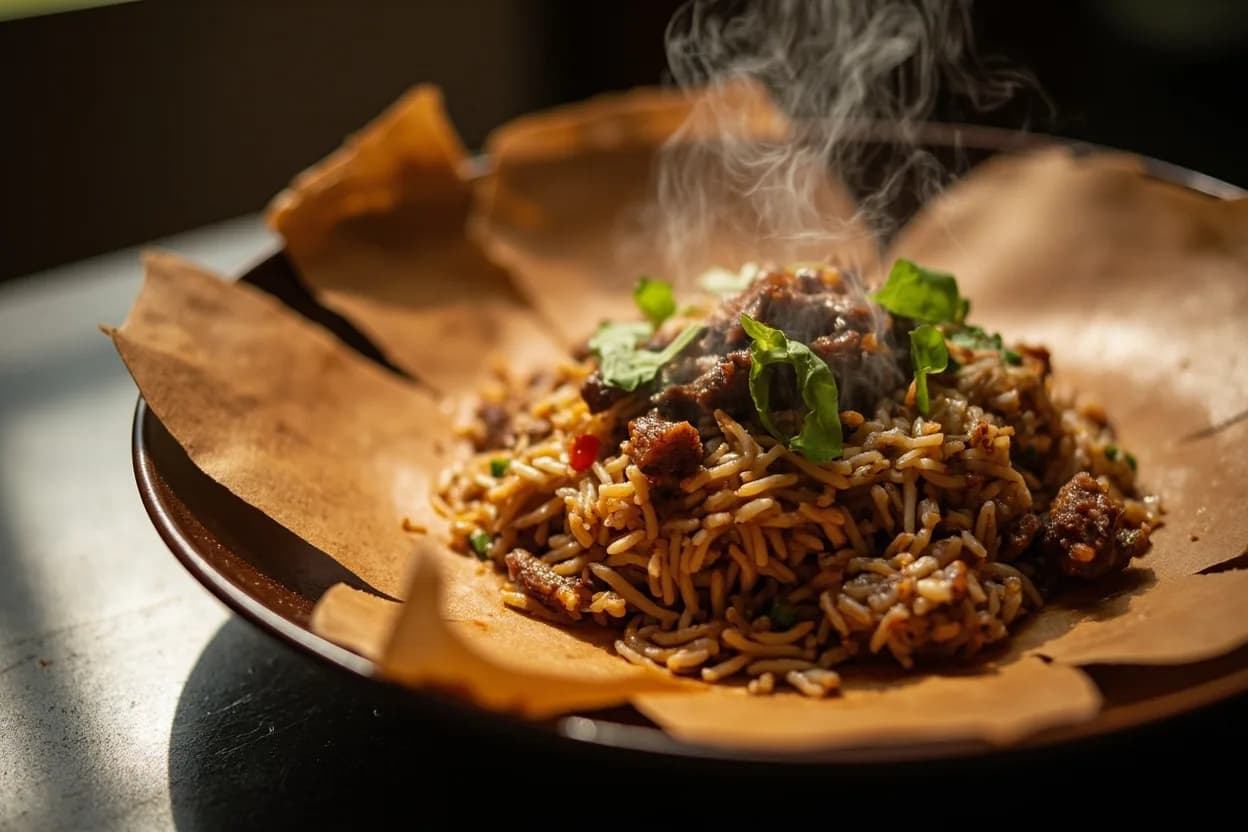
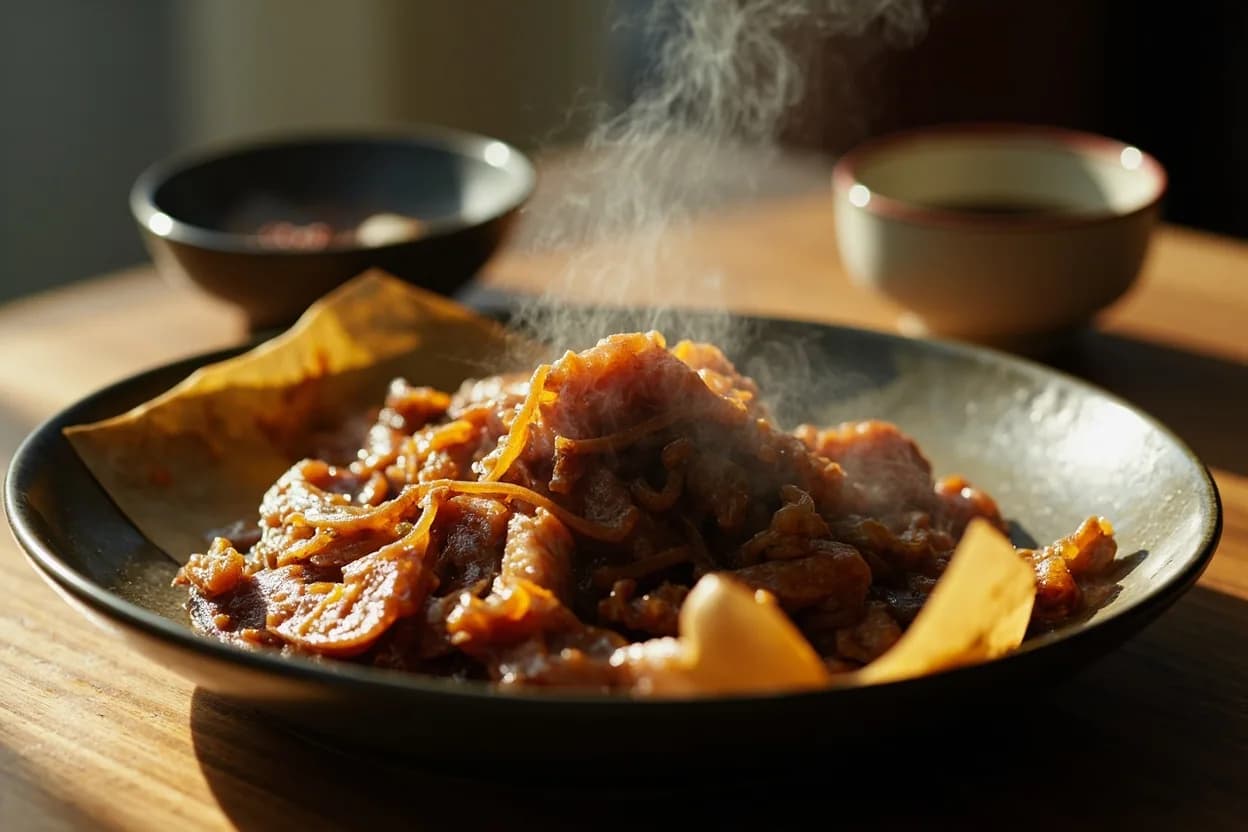
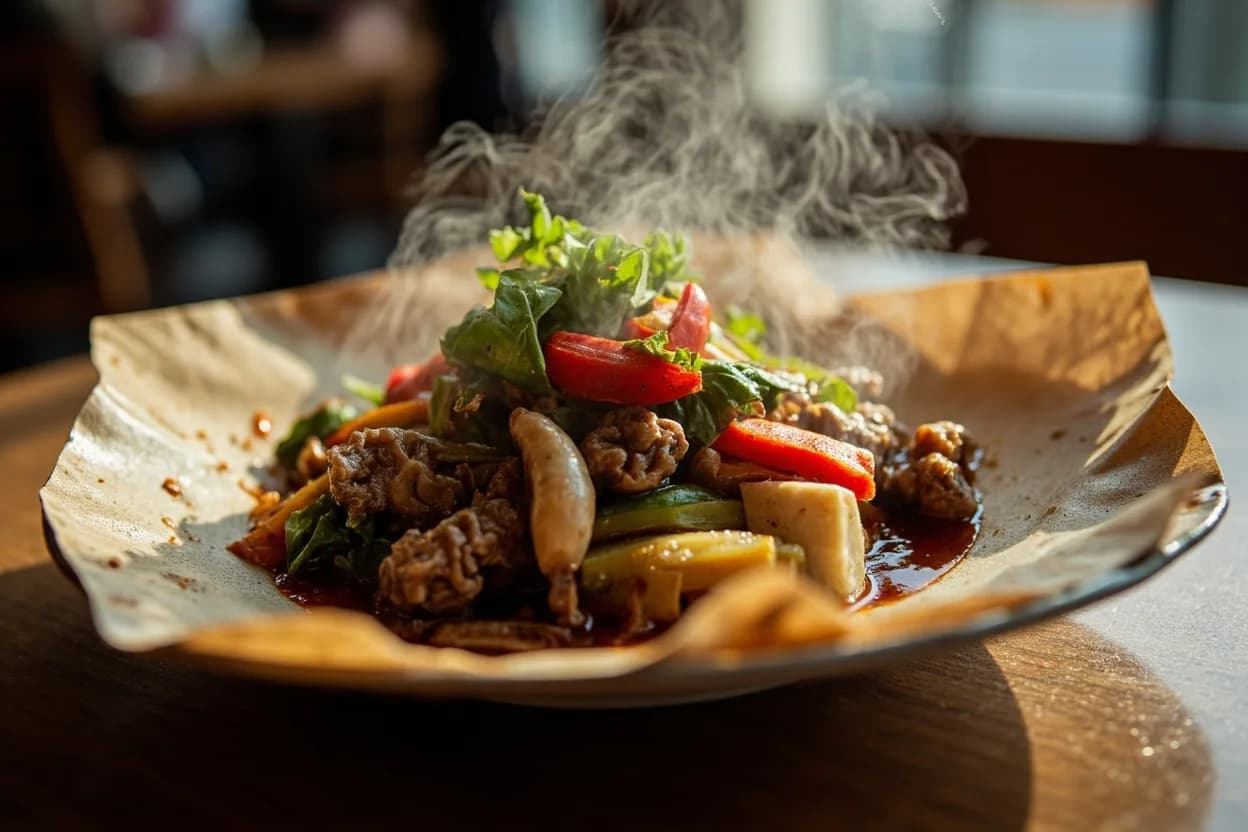
Appears in these dishes
Related
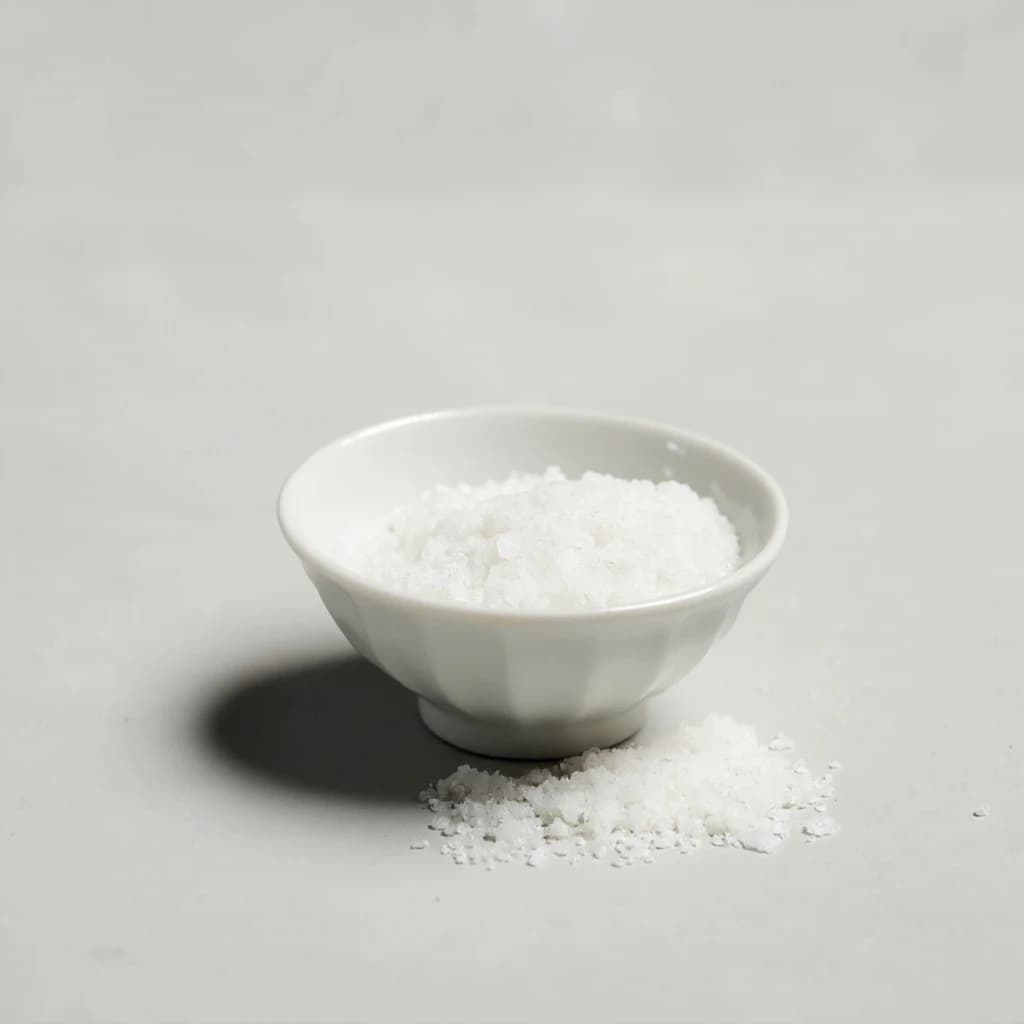
Salt
The one seasoning that makes everything else taste like itself

Black Pepper
Pungent, woody heat — best cracked fresh over anything savory
Amchur
Dried unripe mango ground to a tart, fruity souring powder
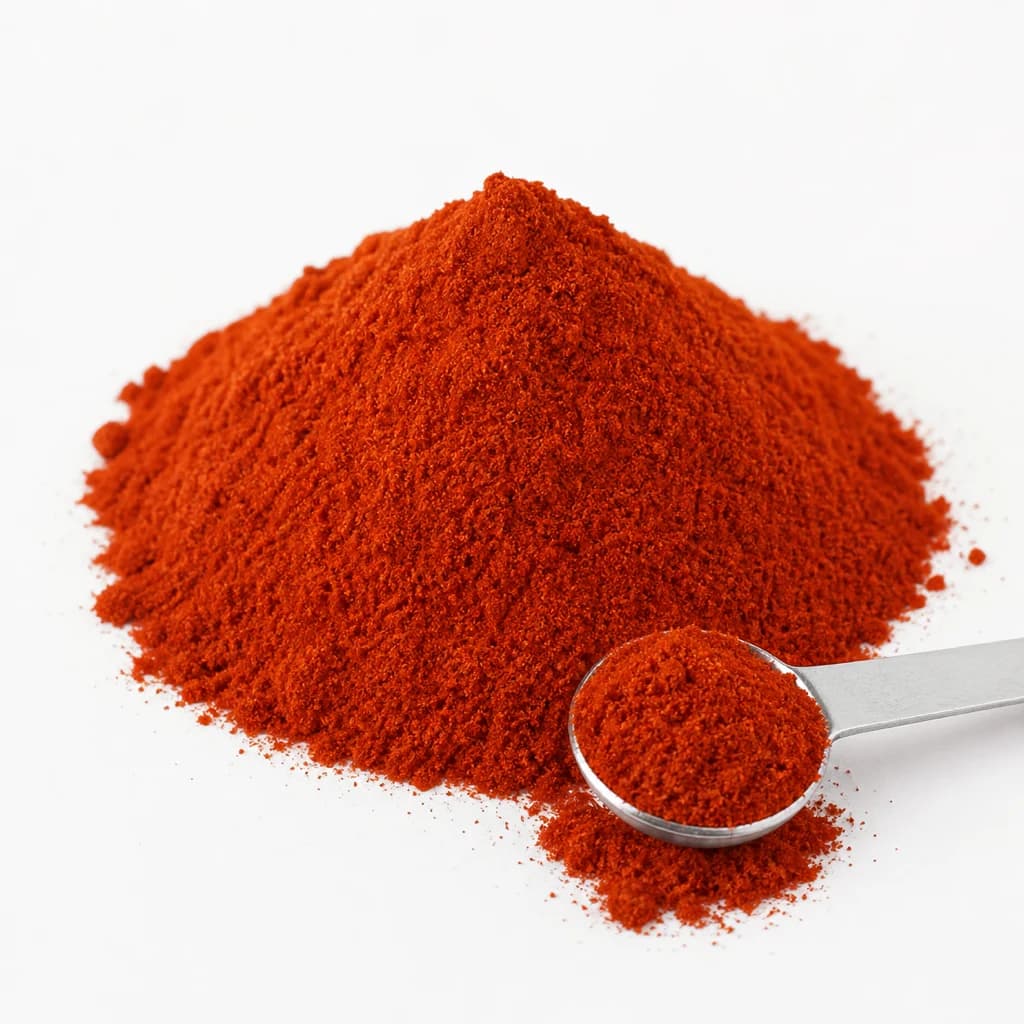
Paprika
Sweet, vivid ground pepper for color and gentle warmth
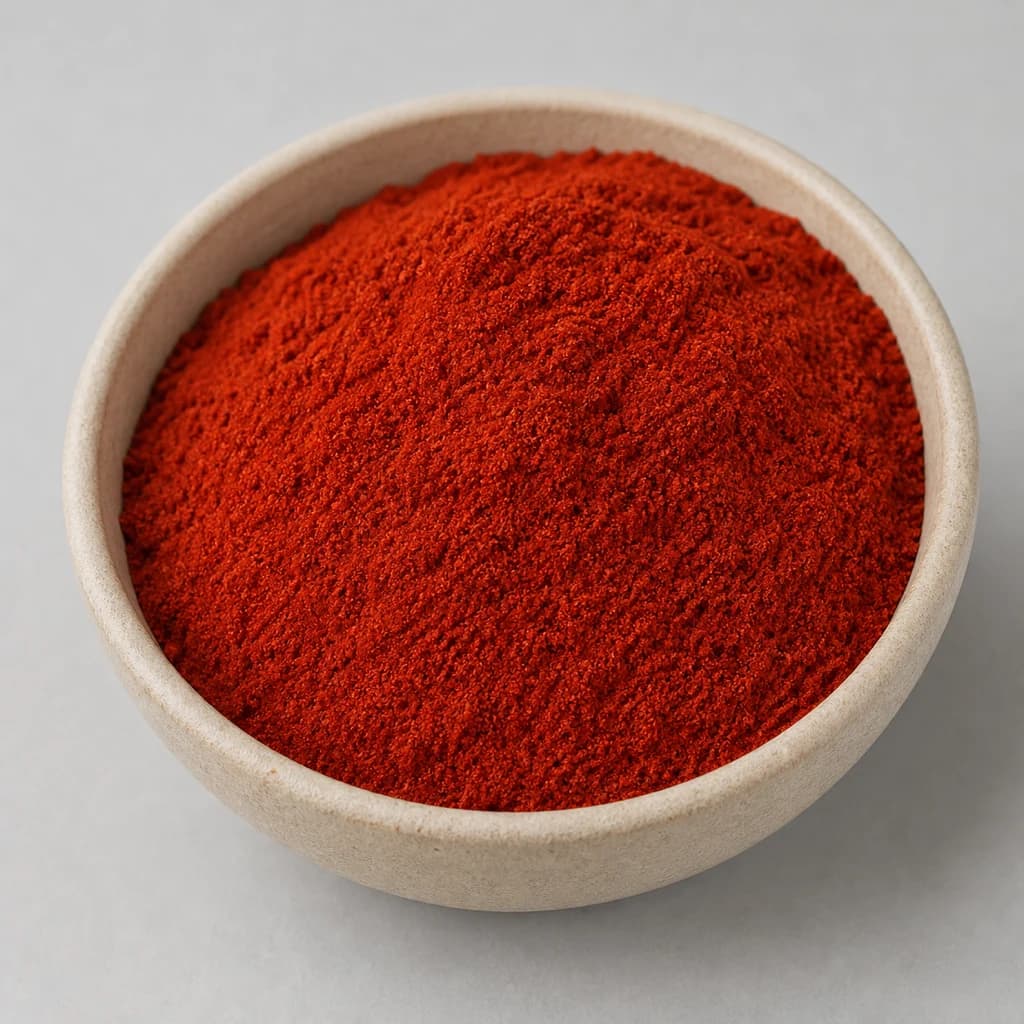
Smoked Paprika
Deep, smoky ground pepper for a campfire warmth
Cumin
Warm, earthy spice central to curries, chili, and tacos
Coriander Seed
Citrusy, warm seed for curries, pickles, and rubs
Turmeric
Golden, earthy spice for curries, rice, and color