Spices
Allspice (Pimento)
Dried berry tasting of clove, cinnamon and nutmeg at once; key to jerk and Caribbean cooking.
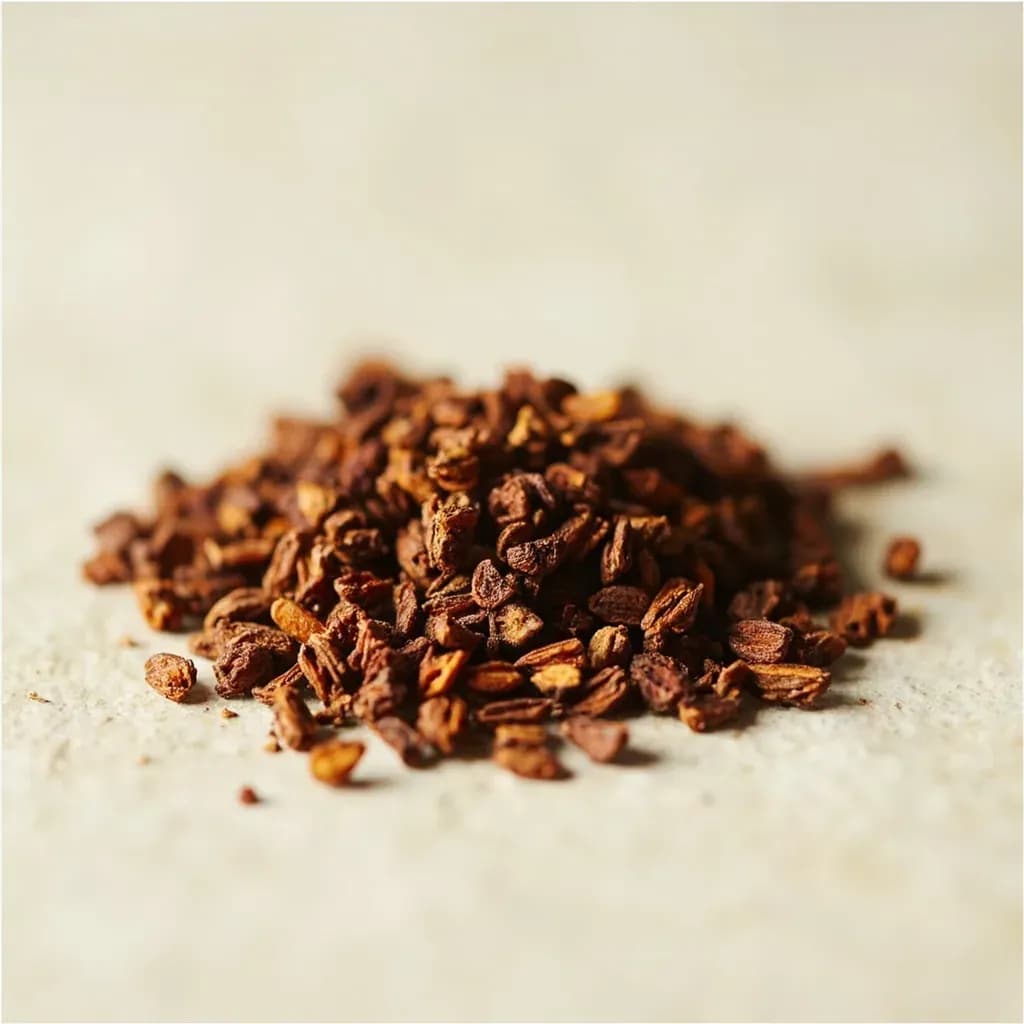
Allspice is the dried unripe berry of a Caribbean tree, named for its flavor that recalls clove, cinnamon and nutmeg combined. It is central to Jamaican jerk seasoning, Caribbean stews, Middle Eastern dishes and baking. Use it whole in braises and pickles, or ground into rubs and spice blends.
Allspice (Pimenta dioica) is a dried unripe berry native to the Caribbean and Central America, harvested green and cured in the sun until it turns reddish-brown. Despite its name, allspice is a single spice—not a blend. The English coined the name in 1661 when they tasted the berry and found it recalled cinnamon, nutmeg, and clove simultaneously, though these spices share no botanical relation. The flavor is dominated by eugenol, the same compound that gives clove its characteristic punch, rounded out by warmer, sweeter notes that evoke cinnamon and a faint nuttiness reminiscent of nutmeg. The berries are small, round, and wrinkled, about the size of a peppercorn, and they have a hollow interior that contains the flavorful seed.
Jamaica remains the spiritual home of allspice, and the Jamaican variety is considered the gold standard—medium-sized, dark brown, with a beautifully balanced warmth that makes it indispensable for authentic jerk seasoning. Mexican allspice tends to be larger, lighter, and more sharply eugenol-forward, lending itself well to mole sauces and Latin American preparations. The spice was historically significant as one of the few ingredients that traveled well from the New World to the Old, and it became a cornerstone of Caribbean, Latin American, Middle Eastern, and European cooking alike. In German cuisine, allspice (called Neugewürz, or "new spice") is essential to dark rye breads and pumpernickel.
In the kitchen, allspice behaves like other whole spices: it blooms in fat, releases its aromatics when crushed or ground, and deepens with long cooking. Ground allspice loses potency quickly—within months—while whole berries remain viable for years. For the best results, buy whole berries and grind as needed. This is not a spice to buy pre-ground and forget in the back of the cupboard.
- Measured in
- g
- Storage
- Pantry
Types & varieties
Considered the finest; medium-sized, dark brown, well-balanced clove-cinnamon-nutmeg character. Most prized for authentic jerk seasoning.
Larger, lighter brown, more pungent and sharply eugenol-forward. Common in mole and Latin American applications.
Similar to Mexican type; widely available commercially. Slightly coarser texture.
The Pimento Naming Confusion
The spelling and pronunciation of this spice has caused centuries of confusion. In Jamaica and among culinary professionals, the preferred name is "pimento" (with one 'm'), which is also the origin of the Spanish word "pimiento." When that Spanish term crossed into English, it shifted to "pimiento" (with two 'm's) and came to mean the red sweet pepper used in everything from stuffed olives to roasted red peppers. This created a persistent and frustrating conflation: allspice (the berry) and pimiento (the pepper) are entirely unrelated ingredients with completely different flavors and applications. The common mistake of confusing or conflating them can lead to surprising results in the kitchen.
- Allspice berry = Pimenta dioica = Jamaican pimento = use whole or ground for warm, eugenol-forward spice
- Pimiento pepper = red sweet Capsicum annuum = use fresh, roasted, or sliced for mild sweetness and color
Toasting Allspice Berries
Stale allspice berries can be revived with a brief dry toast. This simple technique reawakens the essential oils trapped in the dried berry, giving you freshly toasted depth without having to buy new spices.
- Heat a small skillet over medium heat for 30–60 seconds
- Add whole berries in a single layer—listen for a faint crackling
- Remove immediately when fragrant; do not let them smoke
- Cool, then grind as usual
Common uses
Tips & pitfalls
- Test freshness by crushing a berry: it should release an immediate, powerful aromatic burst. If the scent is weak or flat, the spice is old and will contribute little to your dish.
- Toast whole berries briefly (30–60 seconds) in a dry skillet over medium heat to revive stale allspice before grinding—this brings out the essential oils.
- Grind whole berries as needed, just before adding to a dish. A small electric spice grinder or mortar and pestle works well for small batches.
- Store whole berries; grind only what you'll use within a few months. Pre-ground allspice deteriorates rapidly.
- Measure ground allspice with a light hand—its flavor is potent and can dominate a dish if overused. Start with 1/4 to 1/2 teaspoon per serving in most applications.
- For jerk seasoning, combine with scallions, thyme, garlic, scotch bonnet peppers, soy sauce, and lime juice; allow to marinate overnight for best results.
- In baking, allspice performs best in recipes with fat and sugar (cakes, cookies) where its warmth complements caramel and brown sugar notes.
- Common mistake: confusing pimento (the allspice berry) with pimiento (the red sweet pepper). They are entirely different ingredients with different flavors and uses.
Nutrition
Energy
1301 kJ · per 100 g
Where the calories come from
Protein
10.8g
22% DV
Carbs
68.5g
25% DV
Fat
6.7g
9% DV
Fiber
28g
100% DV
Sodium
18mg
1% DV
Source · USDA FoodData Central · Spices, cardamom
View on FDC →In the shops
Matched grocery products
 €2.05
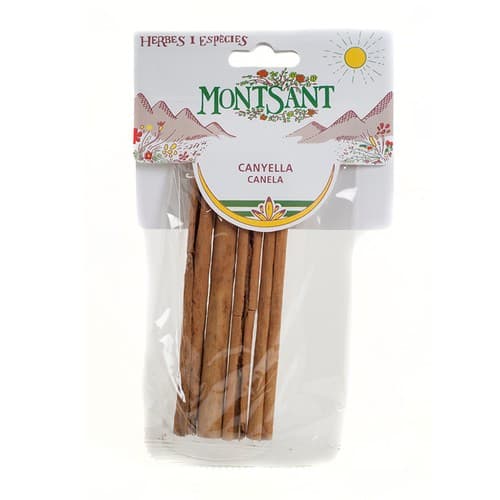
€2.05Montsant Cinnamon
MONTSANT · ud · Bonpreu
 €0.79
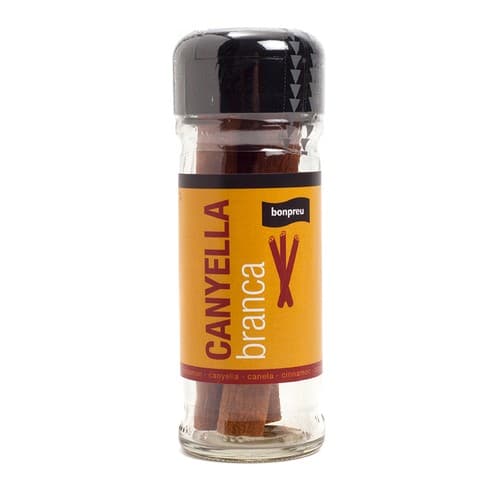
€0.79BONPREU White Cinnamon
BONPREU · kg · Bonpreu
 €1.50
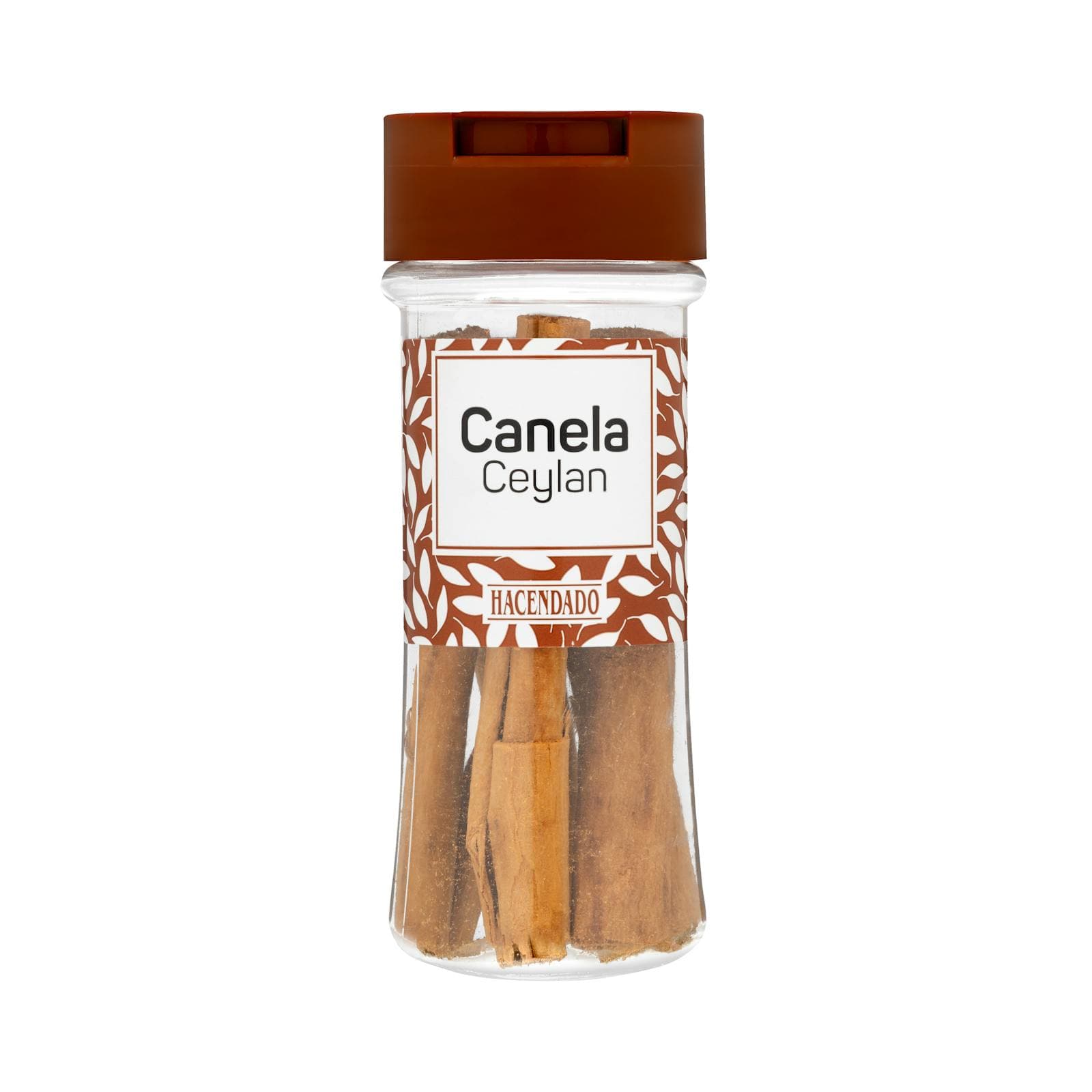
€1.50Ceylon Cinnamon Sticks
Hacendado · 0.019 100 g · Mercadona
Good to know
- Scientific name
- Pimenta dioica (Myrtaceae family)
- Plant part
- Dried unripe berry, harvested green and sun-cured until brown
- Primary origin
- Jamaica and the Greater Antilles; major producers include Jamaica, Mexico, Honduras, Guatemala
- Key flavor compound
- Eugenol (same compound responsible for clove's flavor)
- Peak season
- Harvested July–October; available year-round dried
- Shelf life (whole)
- 2–3 years in airtight container, away from heat and light
- Shelf life (ground)
- 6–12 months before noticeable flavor loss
- Botanical confusion
- Unrelated to the red pimento pepper and unrelated to Zanthoxylum species also called "allspice"
Substitutes
- 1/4 tsp cinnamon + 1/4 tsp ground cloves + a pinch of nutmeg — Combined in equal parts by volume; closest flavor approximation for savory dishes
- Pumpkin pie spice — Contains similar warming spices; use 1:1 in baking applications
- Ground cloves alone — Closest single spice by eugenol content; will lack the cinnamon-nutmeg warmth, so use sparingly
Pairs with
Also called
all-spice · pimento · allspice-berry · jamaica-pepper
Appears in these dishes
Related
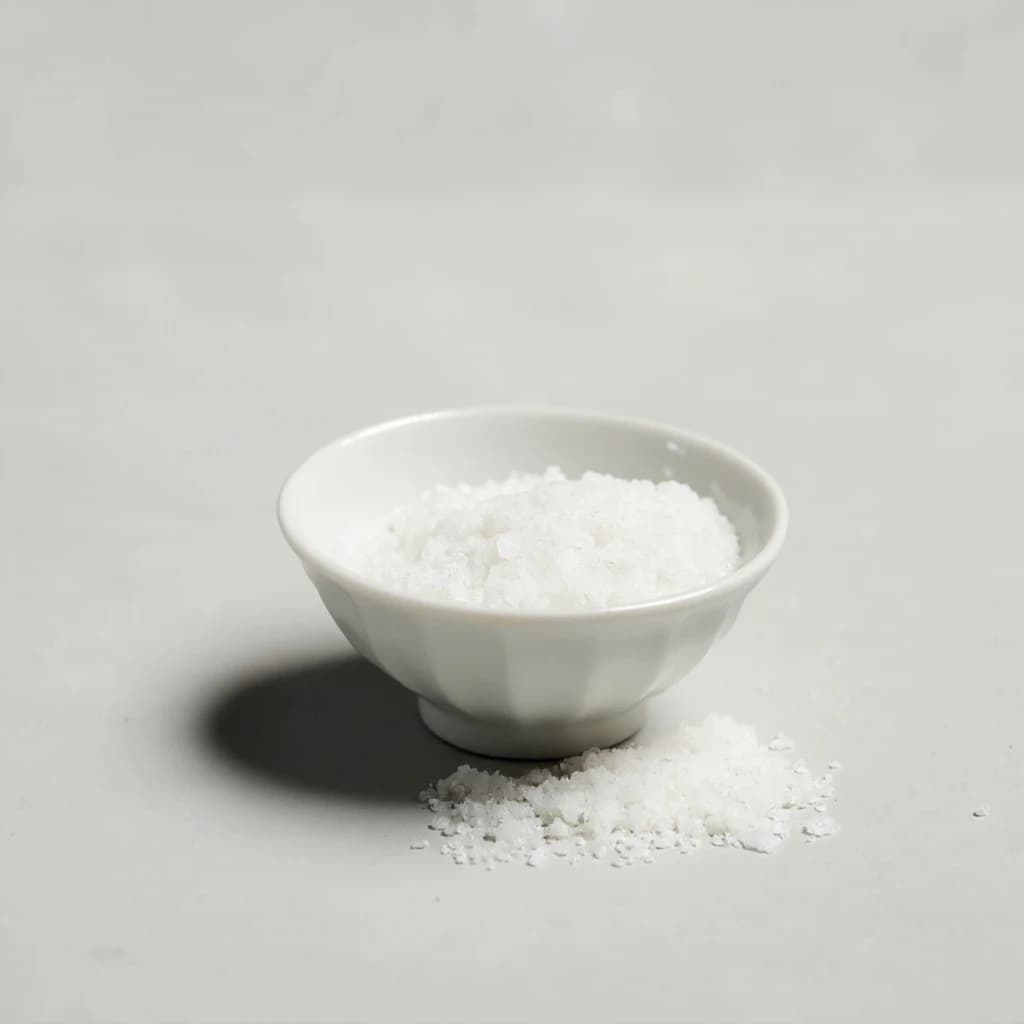
Salt
The one seasoning that makes everything else taste like itself

Black Pepper
Pungent, woody heat — best cracked fresh over anything savory
Amchur
Dried unripe mango ground to a tart, fruity souring powder
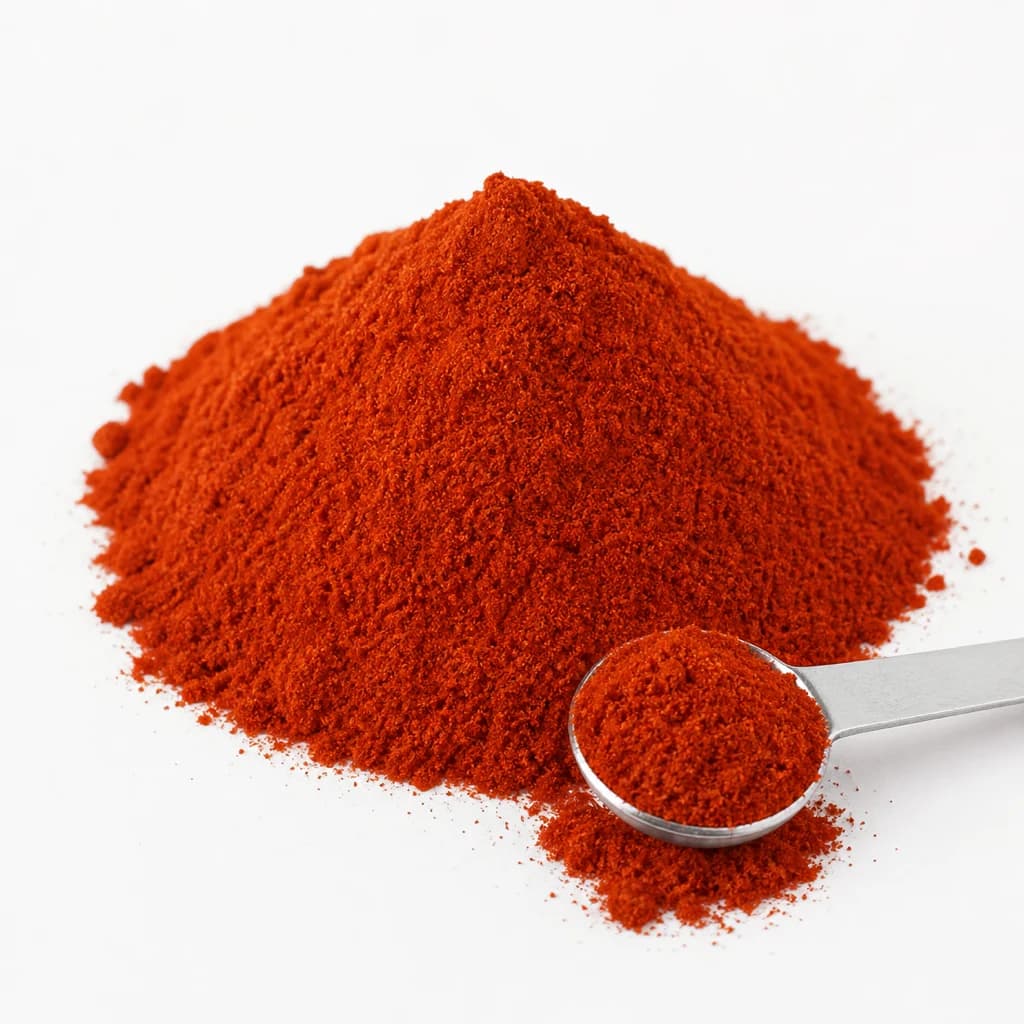
Paprika
Sweet, vivid ground pepper for color and gentle warmth
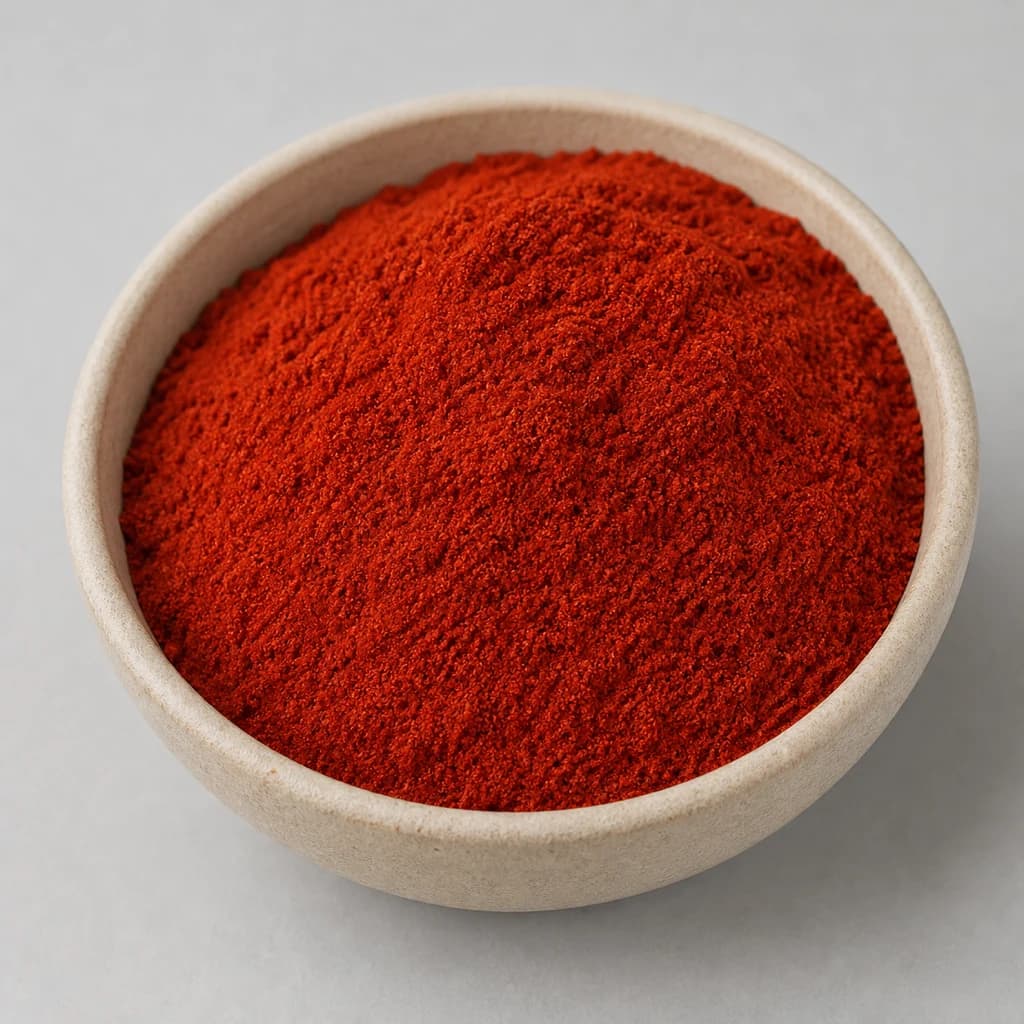
Smoked Paprika
Deep, smoky ground pepper for a campfire warmth
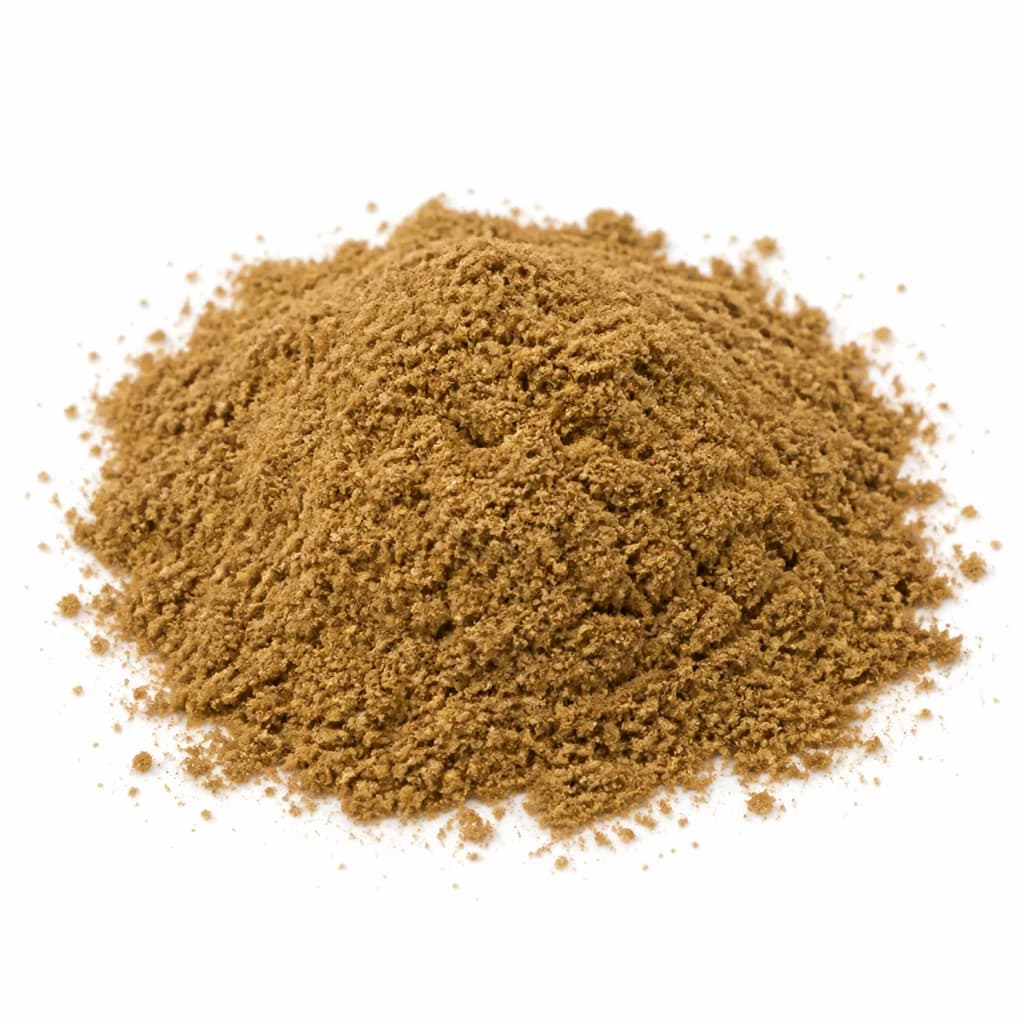
Cumin
Warm, earthy spice central to curries, chili, and tacos
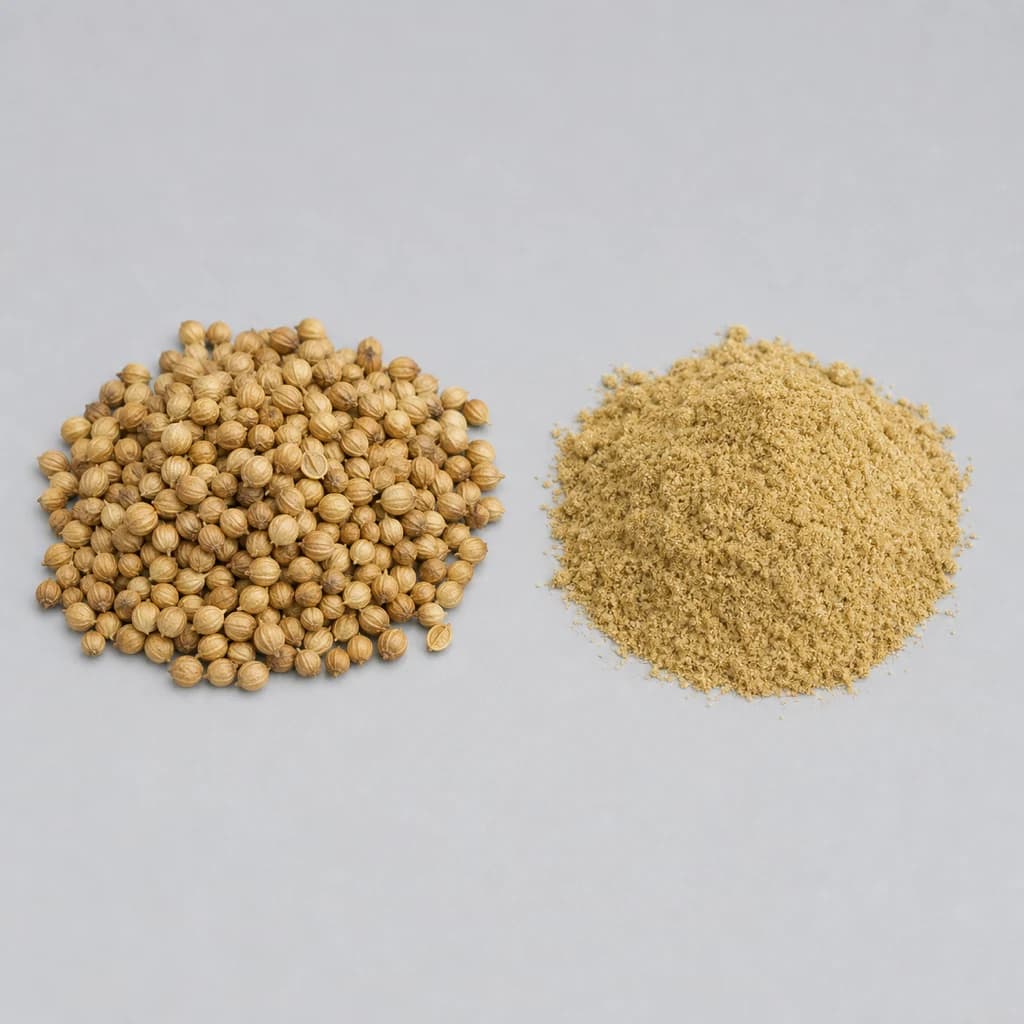
Coriander Seed
Citrusy, warm seed for curries, pickles, and rubs
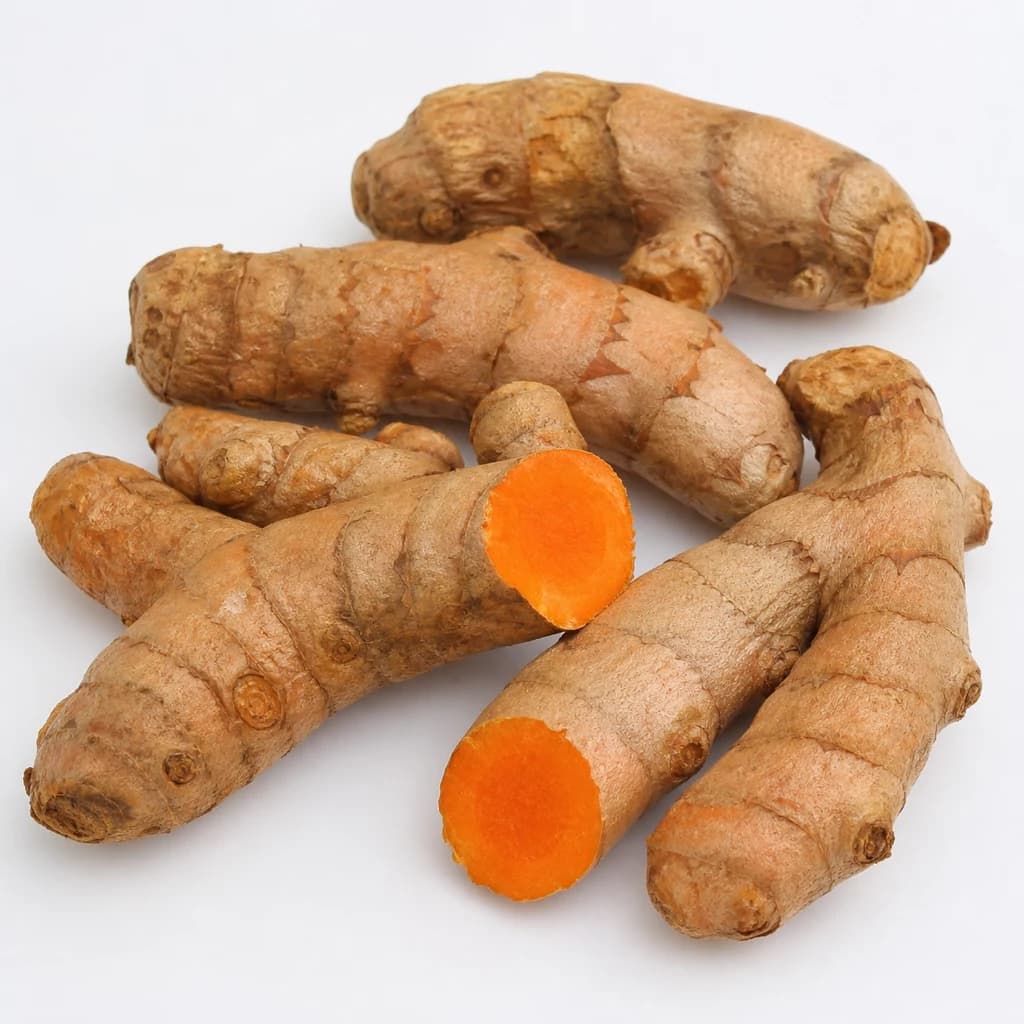
Turmeric
Golden, earthy spice for curries, rice, and color