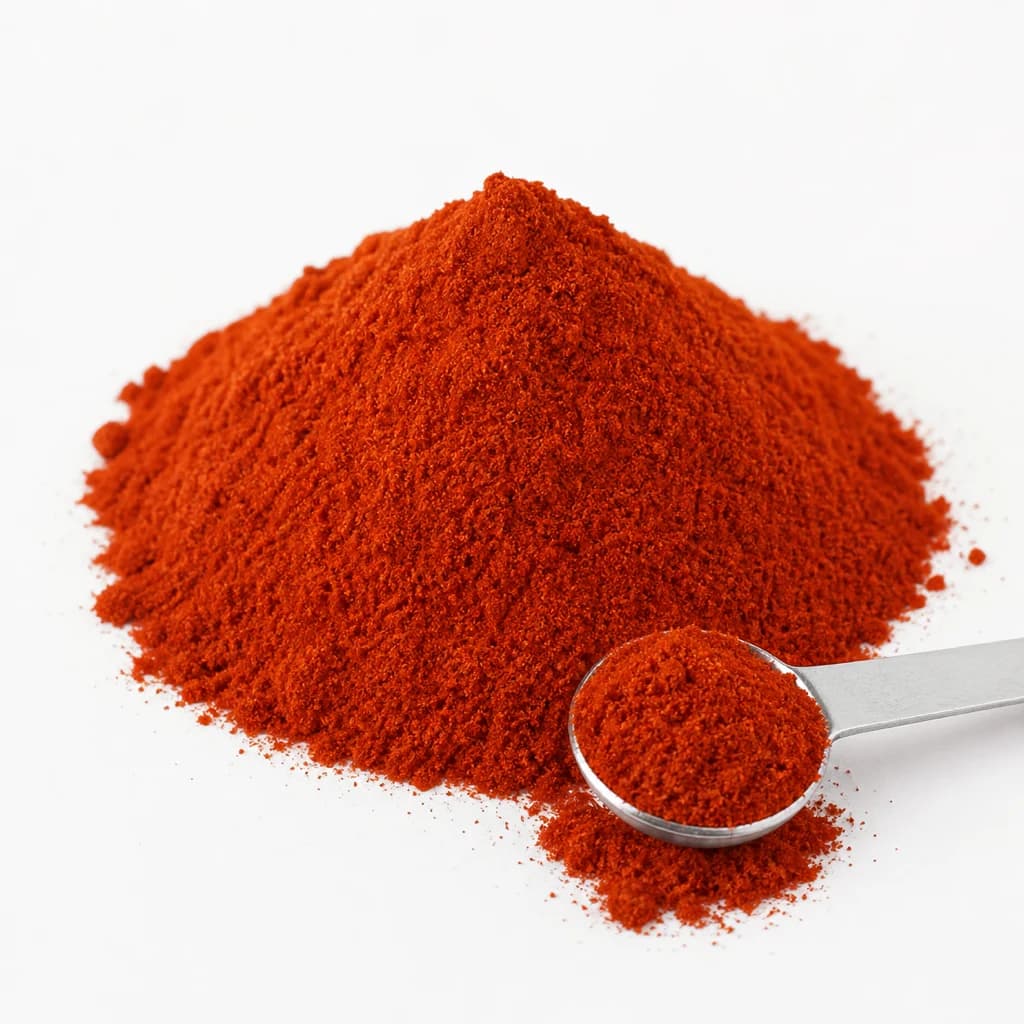
Stored
Finely ground paprika powder: vivid brick-red, dry and free-flowing, ready to measure.
Ground powder is the form buyers encounter most; color and texture are the primary recognition cues.
Spices
Paprika
Sweet, vivid ground pepper for color and gentle warmth
Earthy and mildly sweet, paprika lends a warm red hue and gentle flavor to stews, rubs, and deviled eggs. It blooms best in a little fat. Keep it airtight and dark.
Paprika is ground dried red peppers, ranging from sweet and mild to mildly hot, prized as much for its warm crimson color as its earthy, lightly sweet flavor. Hungarian and Spanish paprikas are the benchmarks; sweet (sweet/edesnemes) is the everyday version, while hot paprika carries a chili kick. Its pigments and flavor are fat-soluble, so paprika blooms best in warm oil or butter — add it off direct high heat to avoid scorching, which turns it bitter. It colors and rounds out stews like goulash and chicken paprikash, rubs, deviled eggs, and dressings.
- Measured in
- g
- Storage
- Airtight
Find it in
Types & varieties
Mild, fruity, no heat — the all-purpose type for color and flavor.
Carries a real chili kick alongside the sweetness.
Graded by sweetness and heat (édesnemes to erős) — the goulash standard.
Oak-smoked Spanish type with a deep, smoky flavor — listed separately.
How to use
Stir paprika into warm oil, butter, or a sweating base of onions to bloom its color and flavor, but pull the pan off high heat first — paprika's sugars scorch quickly and turn acrid. It's the heart of goulash and paprikash and a finishing dust for deviled eggs and hummus.
- Bloom in fat off direct high heat
- Use generously for color and warmth in stews
- Finish deviled eggs and hummus with a dusting
How to buy and store
Paprika fades fast — buy it vivid red and fragrant, store airtight away from light and heat, and replace it yearly. Dull, brownish paprika has lost both its color and flavor. Hungarian and Spanish are the quality benchmarks.
Common uses
Tips & pitfalls
- Bloom paprika in fat, but off high heat — it scorches and turns bitter.
- Use it generously in goulash and paprikash, not as a token pinch.
- Dust over deviled eggs, hummus, and roasted potatoes to finish.
- Buy Hungarian or Spanish paprika for genuine depth.
- Replace yearly — old paprika is dull, flavorless dust.
Nutrition
Energy
1180 kJ · per 100 g
Where the calories come from
Protein
14.1g
28% DV
Carbs
54g
20% DV
Fat
12.9g
17% DV
Fiber
34.9g
125% DV
Sugars
10.3g
of which
Sodium
68mg
3% DV
Source · USDA FoodData Central · approx. Spices, paprika
View on FDC →In the shops
Matched grocery products
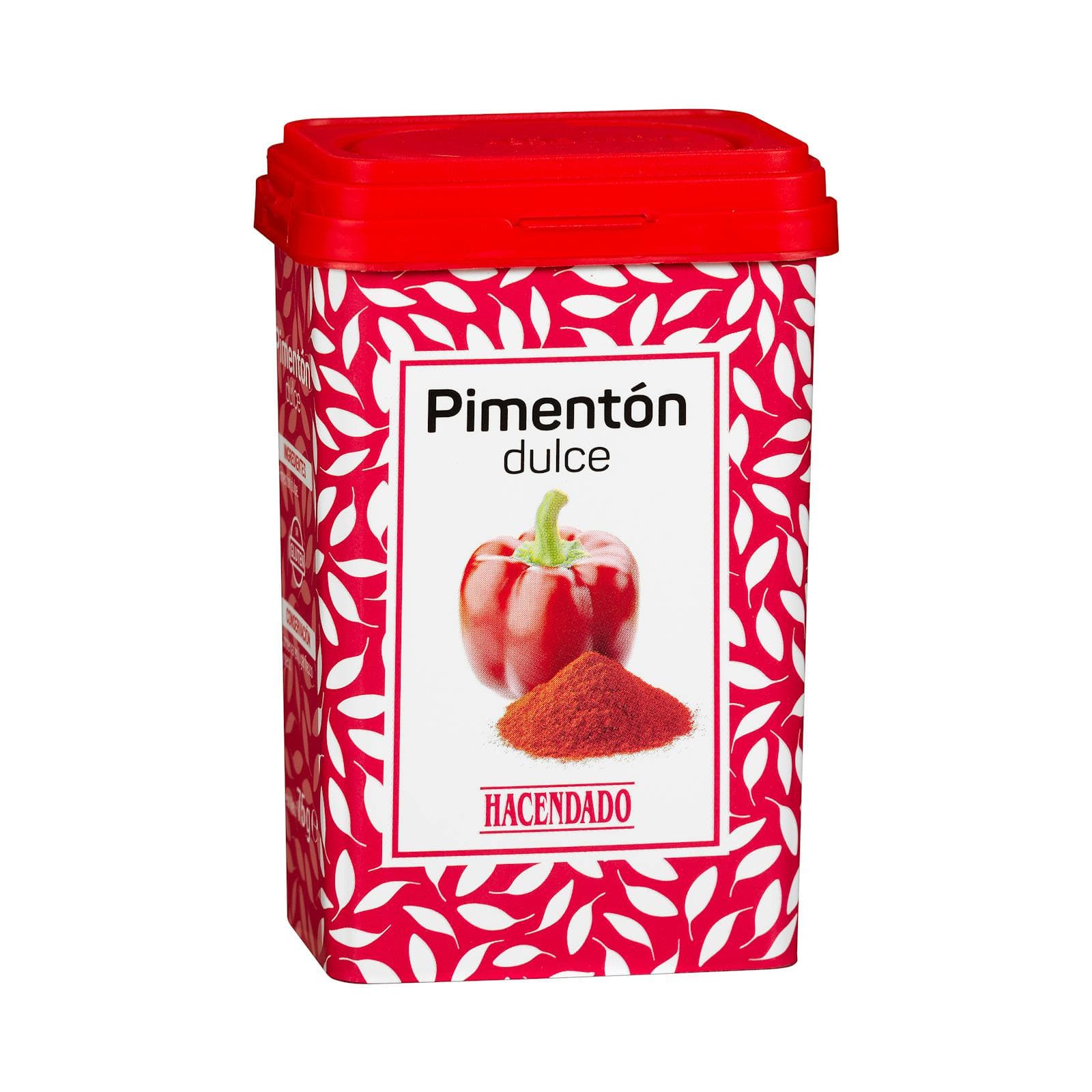 €1.30
€1.30Sweet Paprika
Hacendado · 75 g · Mercadona
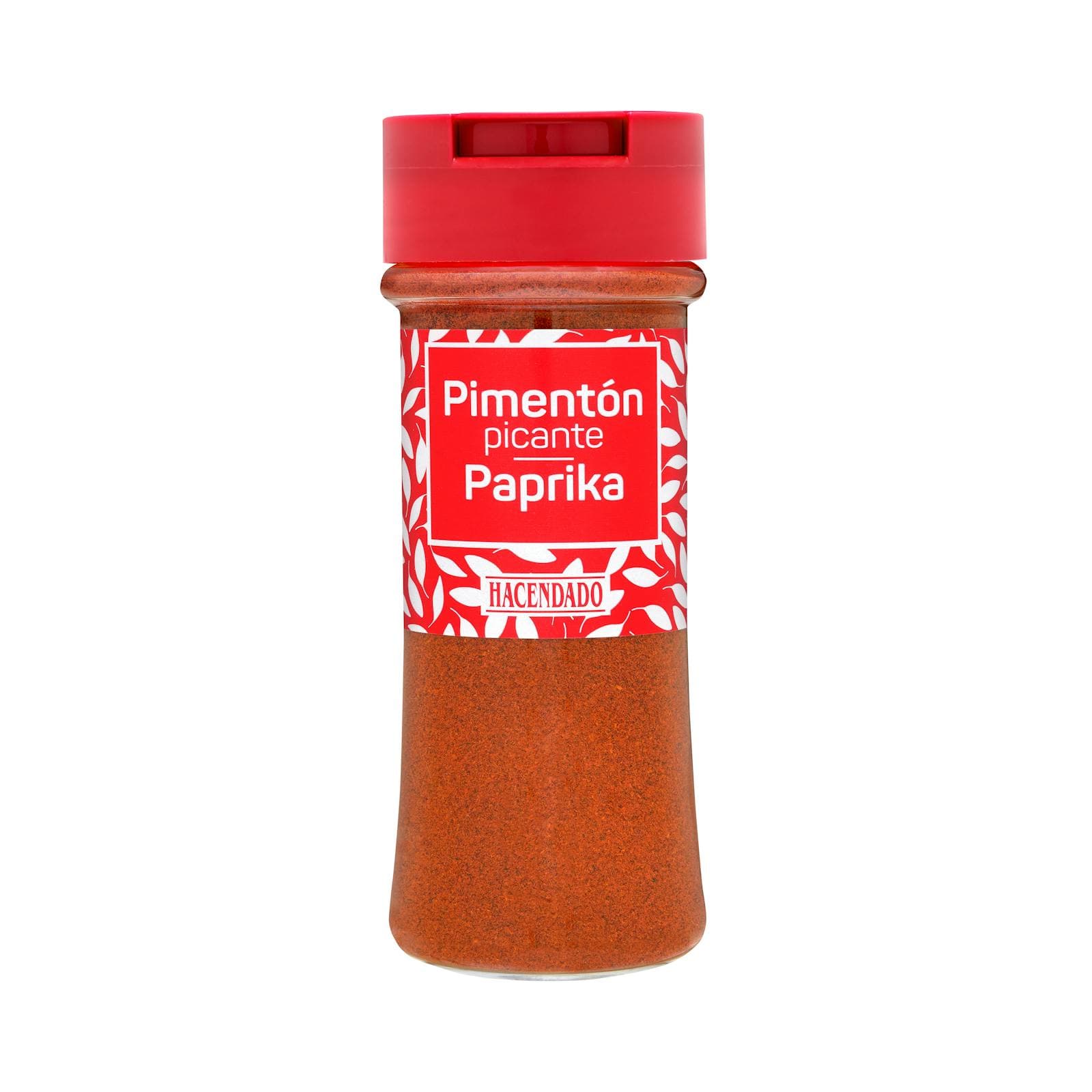 €1.35
€1.35Spicy Paprika
Hacendado · 60 g · Mercadona
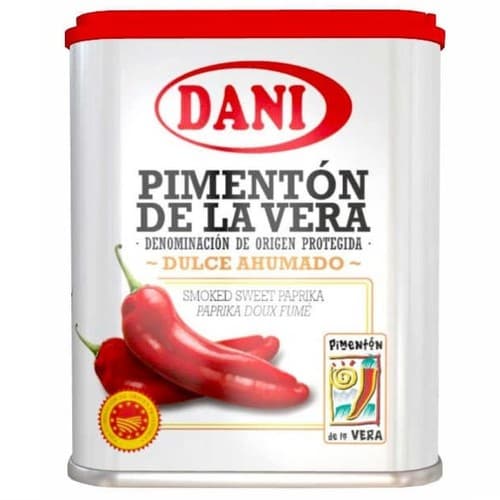 €2.99
€2.99Smoked Sweet Paprika from La Vera
DANI · kg · Bonpreu
 €2.99
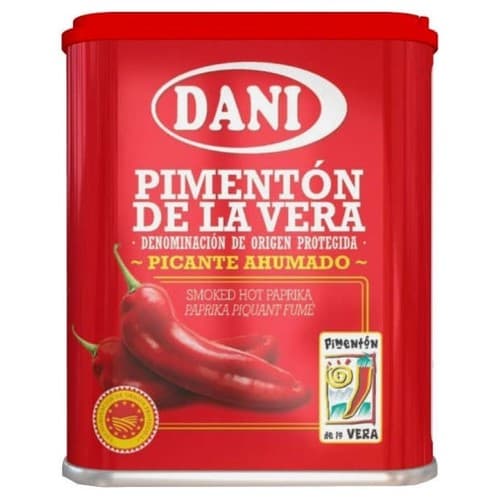
€2.99DANI Smoked Hot Paprika from La Vera
DANI · kg · Bonpreu
Good to know
- Flavor
- Earthy, mildly sweet, warm; sweet to mildly hot
- Form
- Ground; sweet, hot, and smoked types
- Add when
- Bloom in warm fat off high heat — it scorches and turns bitter
- Cuisines
- Hungarian, Spanish, American
- How to buy
- Vivid red and fragrant; Hungarian or Spanish for quality
- How to store
- Airtight, dark, cool; light and heat fade the color
Substitutes
- Smoked paprika — Adds smokiness; use where that note is welcome.
- Mild chili powder or ground red pepper — Approximate the color and warmth, with more heat.
Also called
pimentón · paprika
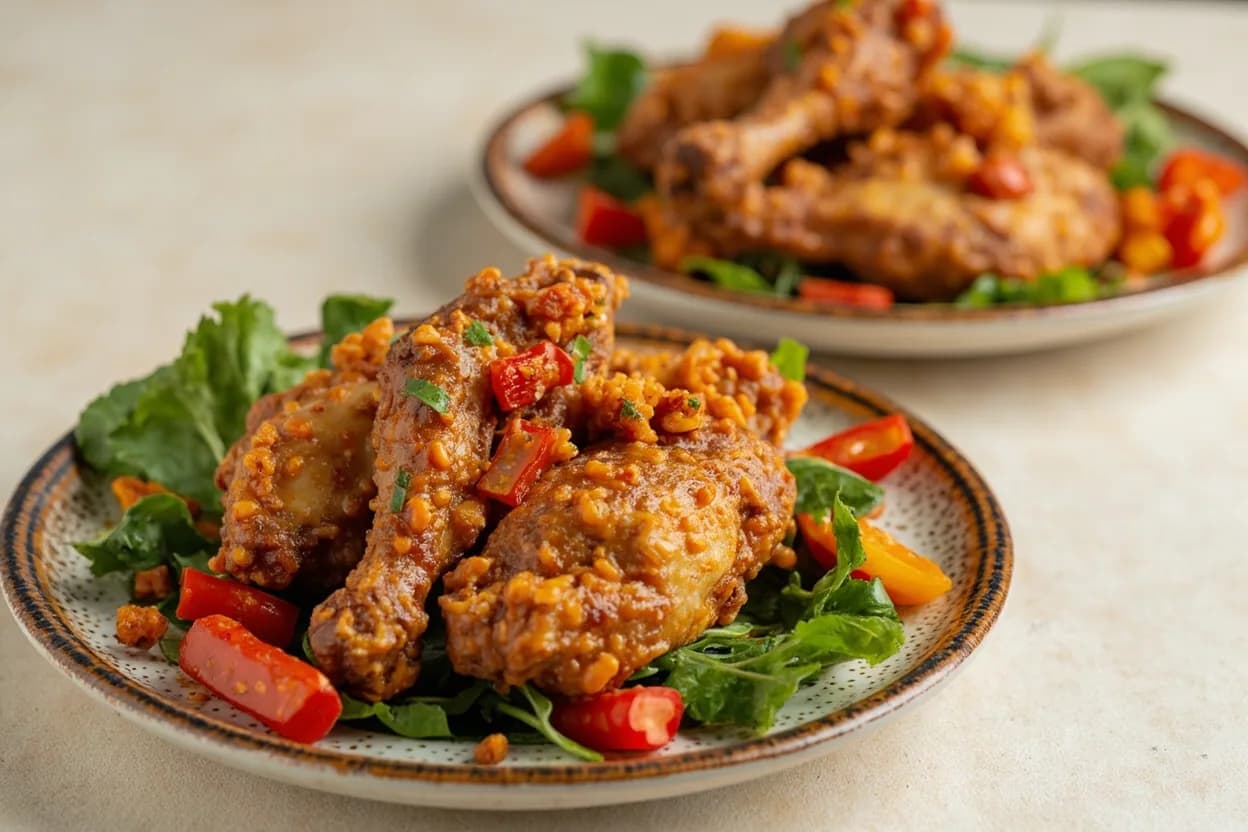
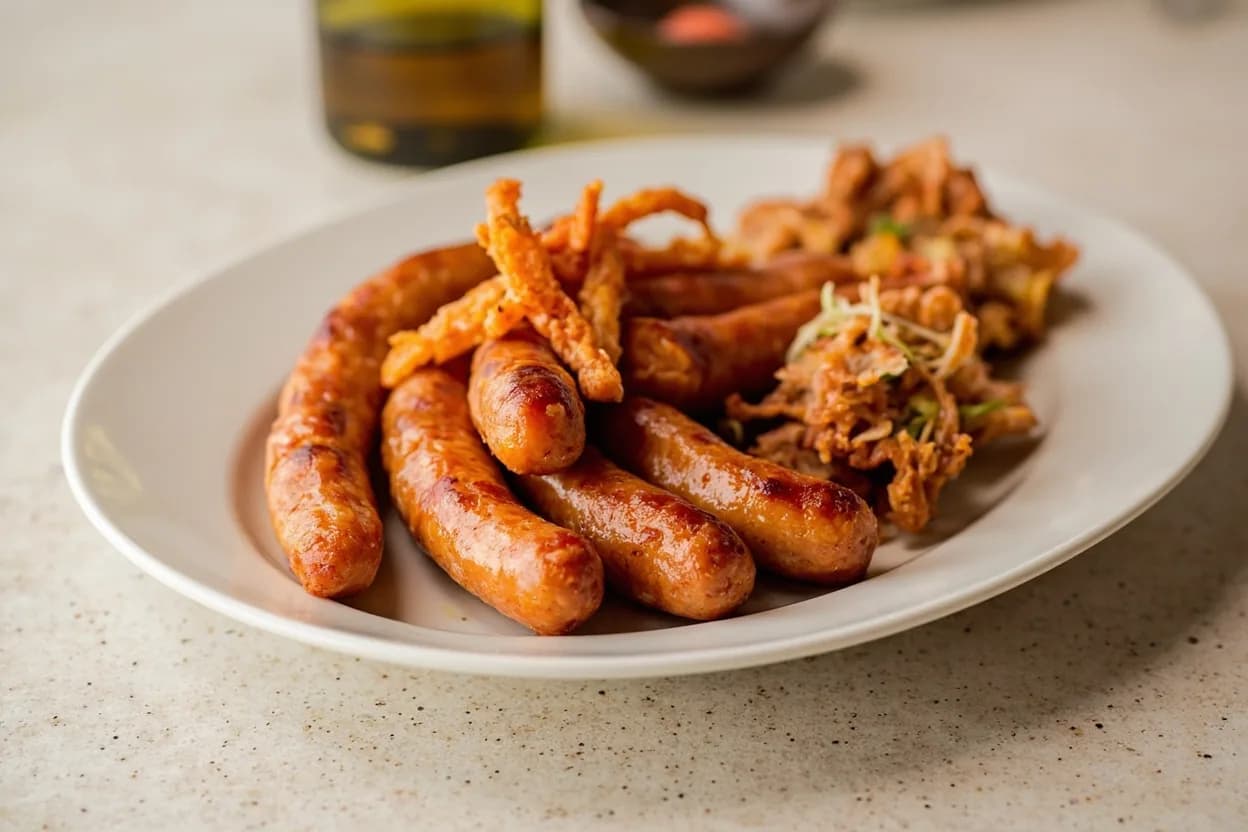
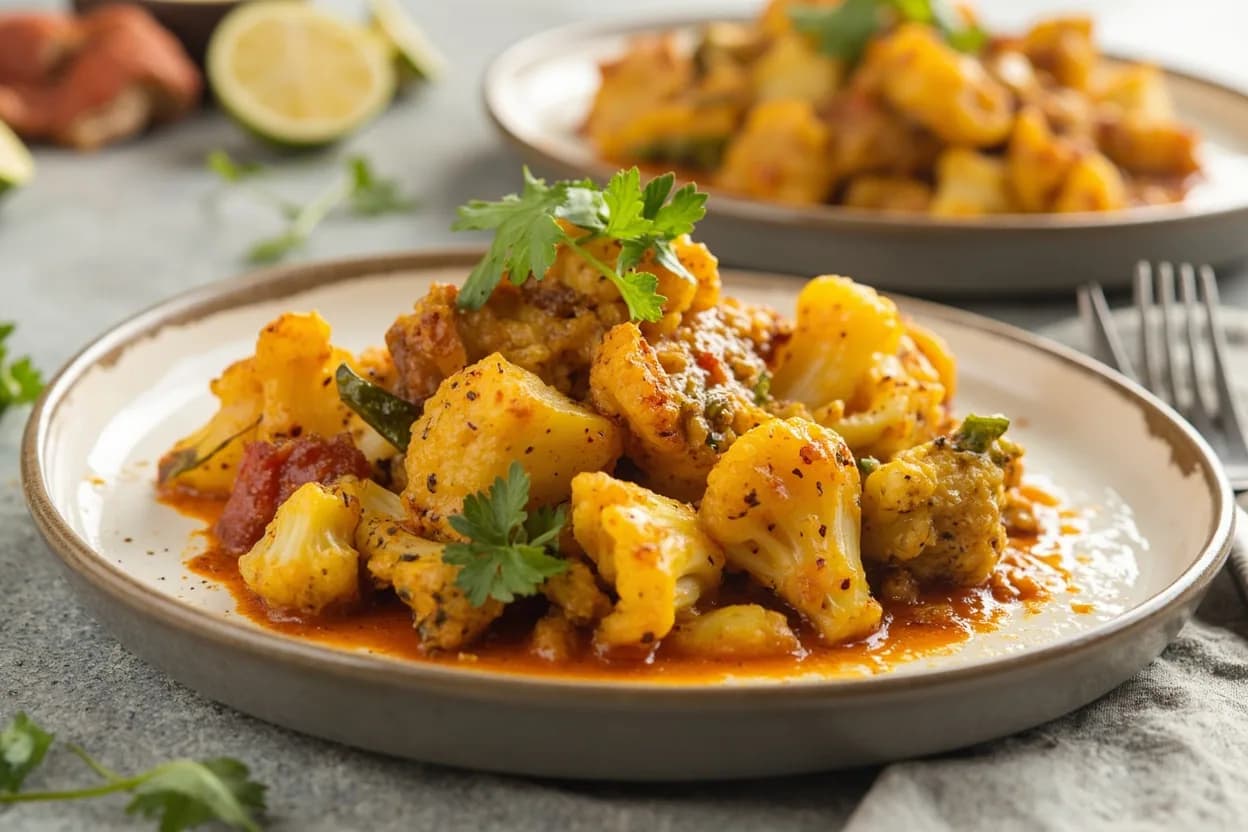
Appears in these dishes
Related
Salt
The one seasoning that makes everything else taste like itself

Black Pepper
Pungent, woody heat — best cracked fresh over anything savory
Amchur
Dried unripe mango ground to a tart, fruity souring powder
Smoked Paprika
Deep, smoky ground pepper for a campfire warmth
Cumin
Warm, earthy spice central to curries, chili, and tacos
Coriander Seed
Citrusy, warm seed for curries, pickles, and rubs
Turmeric
Golden, earthy spice for curries, rice, and color
Cinnamon
Warm, sweet spice for baking, oatmeal, and tagines