Spices
Hungarian Paprika (Édesnemes)
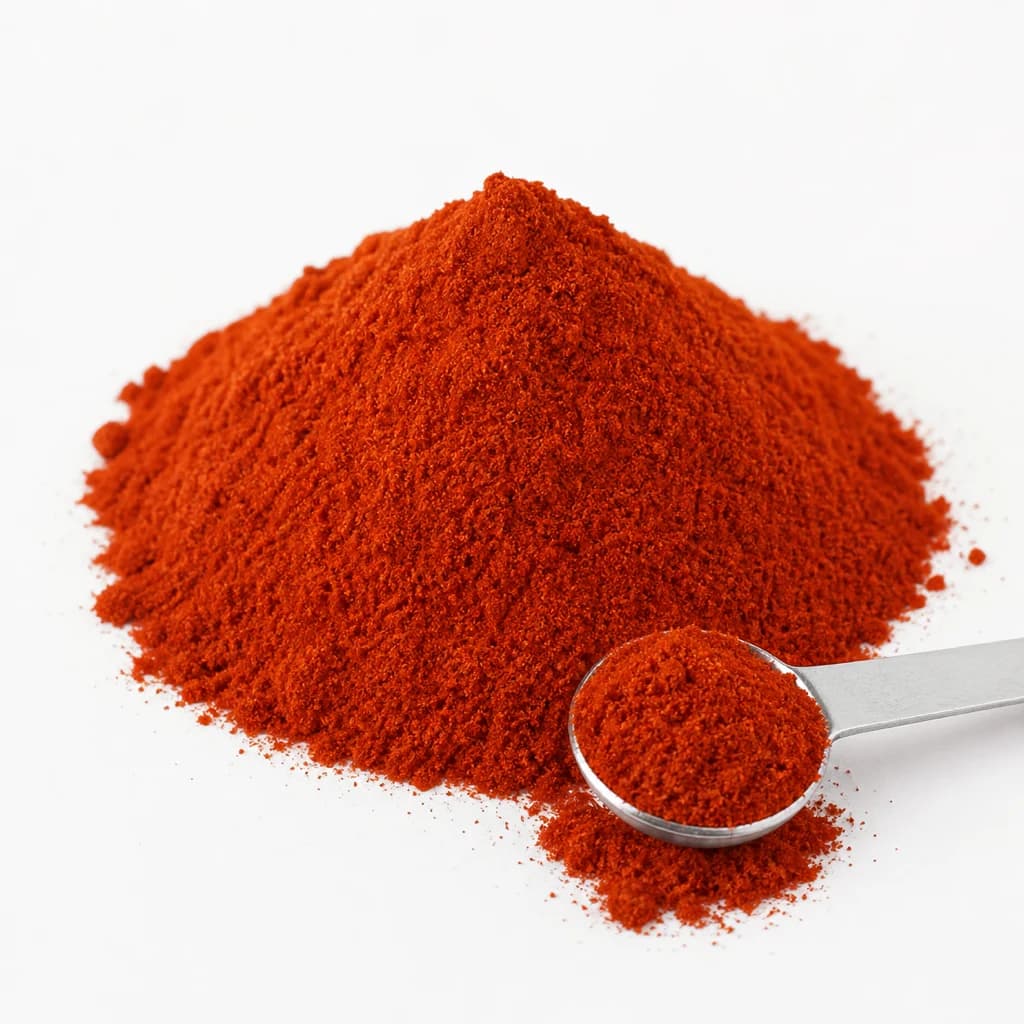
Sweet, bright noble-grade Hungarian paprika, unsmoked. The backbone of goulász and paprikás; stir off the heat to avoid scorching the sugars bitter, then add liquid.
Hungarian paprika, in the grade called édesnemes ("sweet noble"), is a finely ground powder made from selected ripe red peppers of the species Capsicum annuum, dried and milled with the placenta and seeds removed. The word "noble" refers specifically to that deseeding step, which drops the capsaicin content to near zero and lets the fruit's natural sweetness come forward. It is unsmoked, deeply red, and almost shockingly vivid when fresh — qualities that make it both a seasoning and a colorant in the Hungarian kitchen.
It is not interchangeable with the dusty "sweet paprika" jar at the back of a generic spice rack. True édesnemes carries a fruity, almost jam-like sweetness and a rounded warmth that generic paprika flattens to a single note. Most of the great Hungarian dishes — goulash, paprikash, pörkölt, lecsó — are built on it (halászlé traditionally calls for the hot Erős grade instead), and their characteristic color and flavor collapse quickly if the spice is replaced with anything stale, smoked, or out of grade.
In the pan, two facts govern everything. The pigments (capsanthin and related carotenoids) are fat-soluble, so they only release their full red color when bloomed in oil, butter, or schmaltz. And the sugars scorch in hot fat within seconds, turning the spice acrid and the dish muddy brown. Treat it less like an everyday ground spice and more like saffron: bloom gently in warm fat, then add liquid to arrest the heat.
- Measured in
- tbsp
- Storage
- Store In An Airtight Container Away From Light & Heat
Find it in
Suits
Types & varieties
The top grade; only the most perfect peppers, deepest color and fullest flavor; rare and costly.
The everyday workhorse; sweet, mild, vivid red — what most recipes mean by 'Hungarian paprika.'
A sweet-and-hot blend with mild warmth alongside the sweetness.
Lighter in color and a touch more pungent; used when a gentler flavor and paler hue are wanted.
Sweet with a mild bite; common table and garnish paprika.
Pungent grade made with seeds and placenta retained; the seasoning for halászlé and other hot dishes.
Paprika from the Szeged region, traditionally sun-dried on long fences; protected designation.
Paprika from the Kalocsa region, slightly sweeter and softer; protected designation.
The Hungarian grading system
Hungarian paprika is sold by grade rather than by origin alone, and the grade tells you almost everything you need to know about how the jar will behave in the pan. Grades are arranged from finest and most expensive to pungent and everyday:
- Különleges — special grade; only the most perfect peppers, used in small quantities where color and flavor are paramount.
- Édesnemes — noble sweet; the everyday workhorse of Hungarian home cooking and the grade called for in nearly every classic recipe.
- Félédes — half-sweet; a blend of sweet and hot peppers, useful when you want mild warmth without committing to a hot paprika.
- Rózsa — rose; paler and slightly more pungent, often used as a table or finishing paprika.
- Csemege — delicate/mild pungent; sweet with a whisper of heat, the traditional garnish on deviled eggs and cold plates.
- Erős — hot; pungent grade with seeds and placenta retained, used in fisherman's soup and other dishes that need real heat.
- Two regional names — Szegedi and Kalocsai — overlap with the grade system and indicate protected-designation paprika from those traditional growing areas.
The burn point, and why it matters
Of every fact a cook needs to know about édesnemes, this is the one that decides whether a dish is good or ruined: paprika burns. The sugars in the dried pepper char in hot fat within seconds, and burnt paprika tastes acrid and stains the dish muddy brown instead of glowing red. This is why almost every Hungarian recipe tells you, in one form or another, to take the pot off the heat before stirring in the paprika.
- Use warm fat, not smoking fat — the oil should be just hot enough to shimmer or to have cooked the onions until translucent.
- Pull the pan fully off the burner if you're unsure; a few seconds off-heat costs nothing and saves the dish.
- Add liquid (water, broth, tomato) immediately after stirring in the paprika; the liquid drops the temperature and arrests the browning.
- If you scorch it by accident, a fresh pinch of paprika stirred in at the end will not fully restore the color but will rescue the flavor.
Blooming: the foundational technique
Paprika's flavor and color are fat-soluble, which means the only way to get its full character into a dish is to bloom it in fat before adding liquid. This is the technique that gives paprikash its iconic red sauce and goulash its glow:
- Cook onions (and garlic, if using) in oil, butter, lard, or schmaltz until soft and translucent, not browned.
- Reduce the heat to low or take the pot off the burner entirely.
- Stir in the paprika and let it sizzle gently for 10–20 seconds — just long enough to release the color into the fat.
- Add the next liquid (broth, tomato, water) to stop the cooking and carry the pigment through the sauce.
Storage and freshness
Ground paprika is one of the most perishable spices in the kitchen, and édesnemes is no exception. Color, aroma, and sweetness all fade within months of milling, and exposure to light, heat, and air accelerates the loss.
- Buy in small tins sized to a few months of cooking; avoid supermarket jars large enough to outlast their flavor.
- Store in an airtight tin or jar away from the stove, the dishwasher, and direct sunlight.
- A jar more than 12 months open is past its prime — use it for a dusting on deviled eggs and replace it for serious cooking.
- For the freshest possible flavor, buy whole dried Hungarian peppers and grind small amounts as needed; some cooks dry-roast the pods briefly before milling for a deeper note.
Common uses
Tips & pitfalls
- Bloom the paprika in warm fat off or away from direct heat; sizzling oil will scorch the sugars in seconds and turn the dish bitter.
- If you're sautéing onions as a base, pull the pan off the heat briefly while stirring in the paprika, then return to low heat before adding liquid.
- Buy small tins you can finish within a few months — flavor and color collapse quickly once opened, and old paprika is the single most common reason a Hungarian dish looks dull.
- Look for vivid, even red; orange, brown, or dull tones mean old, sun-damaged, or scorched stock and should be replaced.
- Never store paprika near the stove or in sunlight — light and heat are its worst enemies, and a spice rack over the range is the worst place for it.
- Season in layers for deeper flavor: a little into the onions, more with the meat, and a final pinch at the end for color and aroma.
- If you've accidentally scorched the paprika and the dish has gone dull brown, a fresh pinch stirred in at the end will improve the flavor even if the color can't fully recover.
- Whole dried Hungarian peppers keep for years; if you can, dry-roast and grind your own in small batches for markedly better flavor.
- Do not substitute smoked Spanish pimentón for édesnemes unless you specifically want a smoky, Spanish-style result — the dishes will taste entirely different.
- Do not confuse édesnemes (noble, sweet, unsmoked) with Erős (hot); the Hungarian word for hot is erős, not édes, and they sit at opposite ends of the grade scale.
Nutrition
Nutrition
No USDA FoodData Central match for Hungarian Paprika (Édesnemes) yet. We surface a per-100 g profile once a generic whole-food entry is matched and verified.
In the shops
Matched grocery products
 €1.30
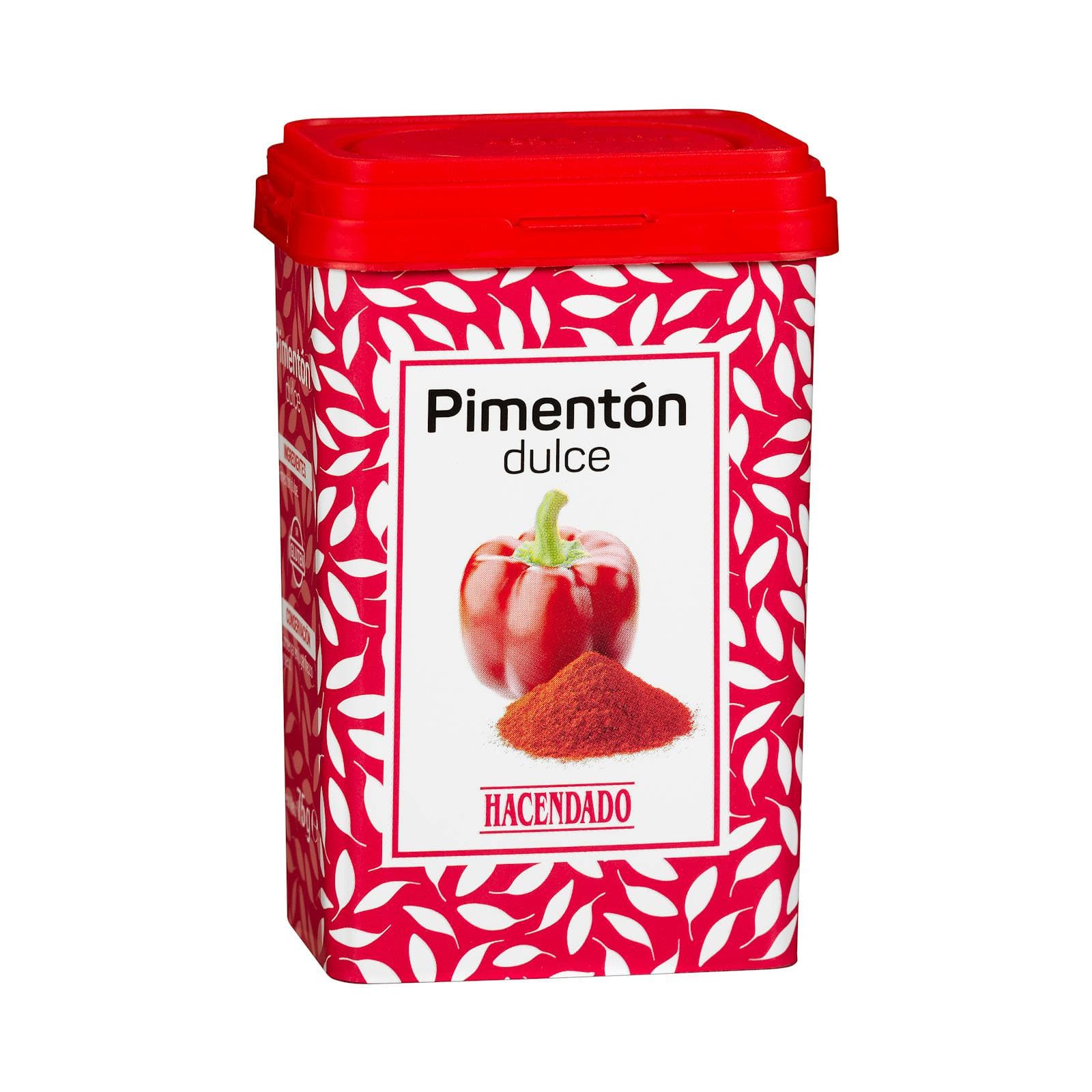
€1.30Sweet Paprika
Hacendado · 75 g · Mercadona
 €1.35
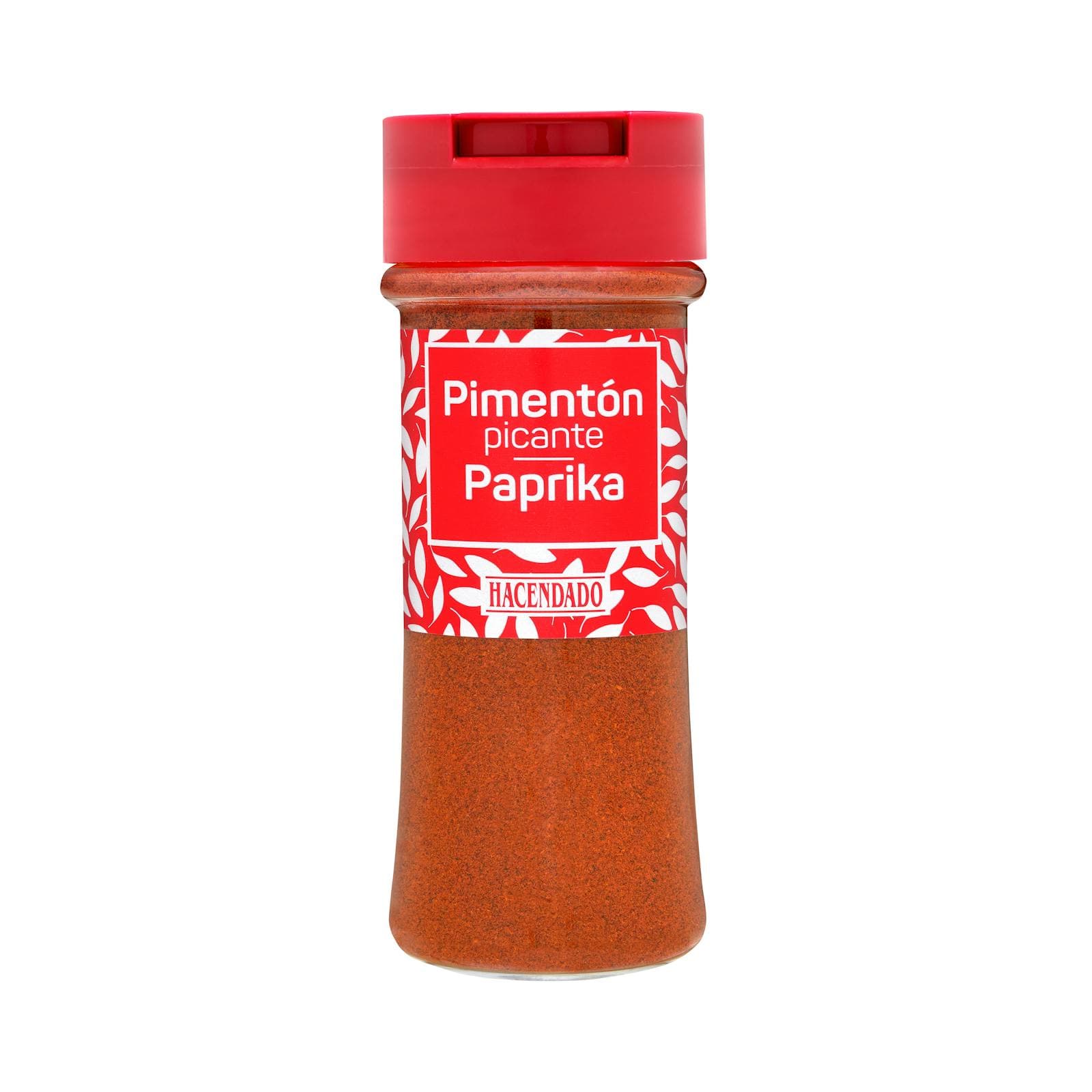
€1.35Spicy Paprika
Hacendado · 60 g · Mercadona
 €2.99
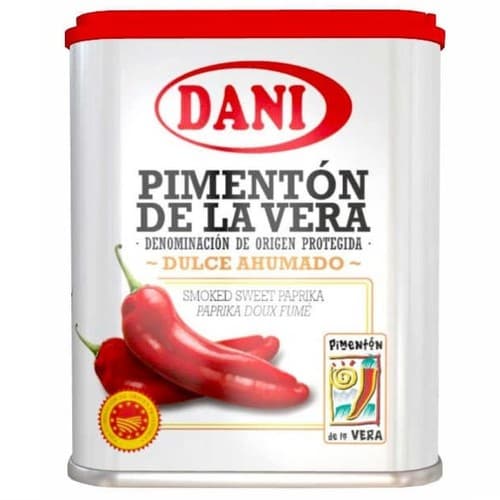
€2.99Smoked Sweet Paprika from La Vera
DANI · kg · Bonpreu
 €2.99
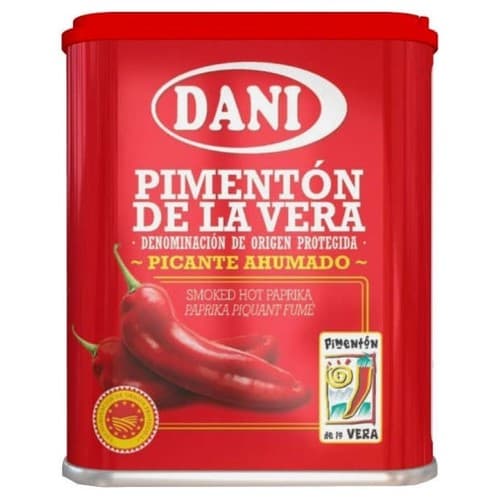
€2.99DANI Smoked Hot Paprika from La Vera
DANI · kg · Bonpreu
Good to know
- Type
- Ground dried red sweet pepper (Capsicum annuum), noble grade
- Origin
- Hungary, principally the Szeged and Kalocsa regions
- Grades
- Különleges, Édesnemes, Félédes, Rózsa, Csemege, Erős — from finest and sweetest to pungent
- Color
- Vivid red when fresh; orange, brown, or dull tones indicate age, sun damage, or scorching
- Flavor
- Sweet and fruity, with rounded warmth; no smoke, virtually no heat at noble grade
- Solubility
- Fat-soluble color (capsanthin); must be bloomed in fat to release its full red
- Burn point
- Very low — sugars scorch in seconds in hot oil, producing bitterness and dull color
- Storage
- Airtight, dark, cool; best used within 6–12 months of opening
- Smoked?
- No — smoked paprika is the Spanish pimentón, a separate product
Substitutes
- Spanish sweet paprika (pimentón dulce, unsmoked) — Closest in sweetness and color; use 1:1, but expect a slightly earthier, less fruity flavor.
- Generic supermarket sweet paprika — Acceptable in stews and eggs; lacks the fruity depth of true édesnemes and will give a flatter dish.
- Pimentón de la Vera (smoked Spanish) — Use only if you want smoke; add in smaller amounts because the smoky note will dominate and shift the dish toward Spanish flavors.
- Aleppo pepper — Mild heat and fruity depth, but coarser texture and duller color; not ideal for color-critical dishes like paprikash.
- New Mexico or Chimayó chile powder — Mild and fruity, but the profile leans vegetal and earthy; a rough substitute at best.
Pairs with
Also called
edesnemes · noble sweet paprika · magyar paprika · sweet hungarian paprika