Spices
Caraway Seed
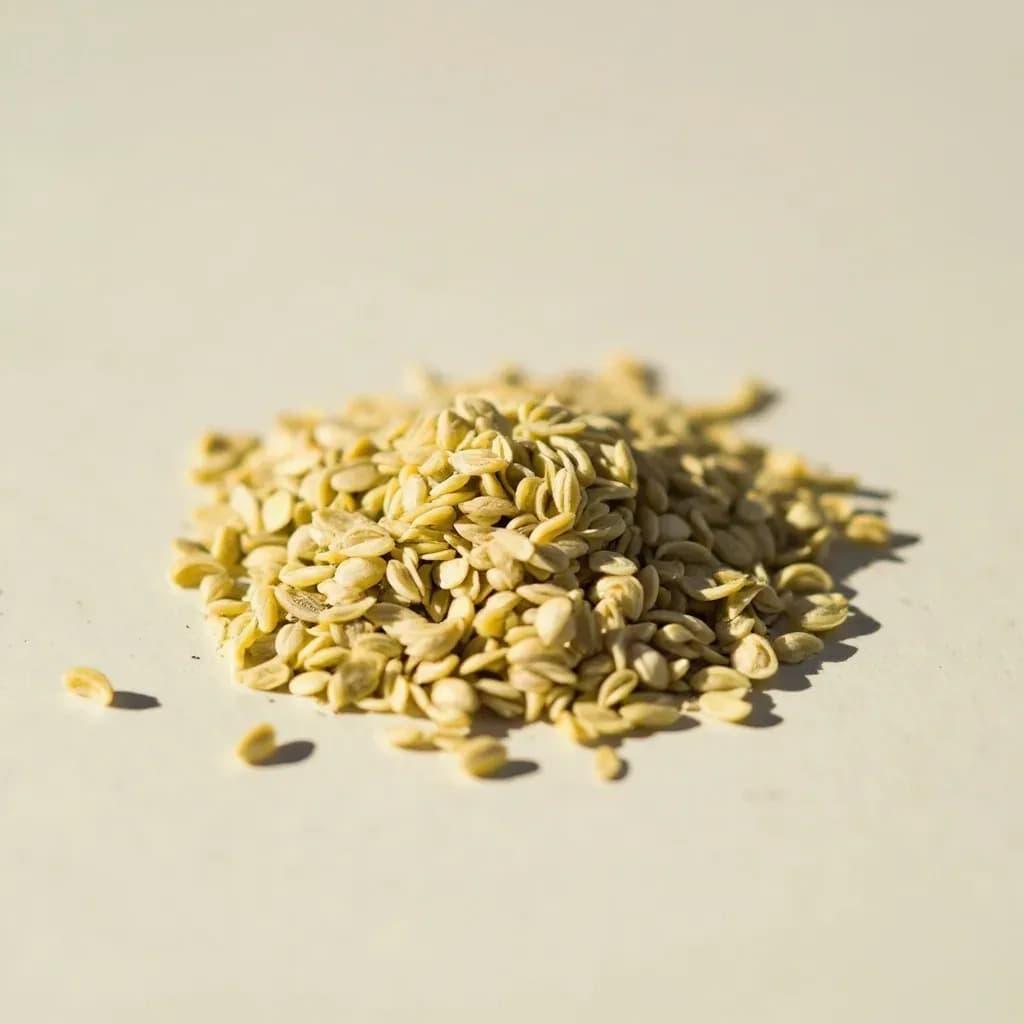
Curved brown seed with a warm anise-licorice note; defines rye bread and sauerkraut.
Caraway seeds are slender, ridged brown seeds with a warm, earthy flavor and a distinctive anise-licorice edge. They are essential to rye bread, sauerkraut, many Central European stews and cheeses, and some North African blends. Toast them lightly to bring out their aroma before adding to dough or braises.
Caraway seed is the dried fruit of Carum carvi, a biennial member of the Apiaceae family native to western Asia, North Africa, and Europe. The crescent-shaped seeds are technically schizocarps—not true seeds—and ripen to a dark reddish-brown in late summer of their second year. Despite their anise-like flavor, caraway is botanically unrelated to fennel and anise; the similarity comes from the compound carvone rather than anethole, the molecule responsible for true anise flavor. The entire plant is edible: young leaves taste like parsley, and the taproot (sometimes called German parsley) is sold as a vegetable in some markets. Caraway's essential oils—primarily carvone, with limonene and carveol—develop fully only when seeds ripen on the plant, which is why homegrown or freshly harvested seeds often outperform older commercial stock. The spice has been cultivated since antiquity, appearing in Neolithic European sites, and remains foundational across German, Jewish, Austrian, and Eastern European cooking traditions.
In the kitchen, caraway behaves as a slow-release aromatic: whole seeds added early in cooking impart a background warmth, while those added near the end or toasted separately contribute bright, distinct flavor. The seeds can be used whole, lightly crushed (by rolling with a heavy object), or ground—though grinding should happen immediately before use, as ground caraway loses its volatile oils within weeks. The characteristic sweet-anise quality pairs with rich, fatty, or starchy foods because carvone acts as a palate-cleansing agent, cutting through heaviness and adding dimension. Heat unlocks these oils, but brief toasting is essential: under-toasted seeds taste flat, while overheated seeds turn bitter within seconds as the oils caramelize and burn.
Caraway's cultural range is remarkable for a single spice. In baking, it defines rye breads and pumpernickels throughout German and Jewish traditions. In fermentation, it seasons sauerkraut and pickled vegetables. In charcuterie, it flavors sausages, cured pork, and spirits like kümmel and akvavit. In sweets, it appears in stollen, fruit kuchen, and Eastern European fruit soups. This versatility makes caraway essential in any well-stocked pantry—and the fact that it has no truly adequate substitute in Northern European baking means recipes calling for it should be honored rather than improvised around.
- Measured in
- g
- Storage
- Pantry
Types & varieties
Larger, sweeter seeds; dominant in commercial baking and confectionery
Pungent, more intense flavor; preferred for spirits, charcuterie, and sauerkraut
Slender seeds with stronger essential oil content; found in Eastern European markets
Whole Plant, Whole Kitchen
Beyond the seed, caraway offers two other edible components worth seeking out. Young spring leaves taste mild and herbaceous, somewhere between parsley and chervil—add them raw to salads or finely chopped over potatoes. The taproot, called caraway root or German parsley, resembles a pale parsnip and can be roasted, braised, or sliced into soups. It has a subtle celery-parsley flavor and holds up well to long cooking. In some European markets, particularly Austrian and German, you'll find the whole young plant sold as a bunched green, worth trying when you encounter it.
- Young leaves: use raw in salads or as a garnish; mild parsley-like flavor
- Caraway root: peel and roast, braise, or add to stock; behaves like parsnip or parsley root
- Seek out at farmers' markets in spring or specialty European grocers year-round
Common uses
Tips & pitfalls
- Toast whole seeds in a dry skillet over medium heat 30–60 seconds until fragrant and a few seeds pop—this activates the essential oils and deepens flavor. Watch constantly; the oils turn bitter within seconds of overheating.
- Always grind caraway fresh from whole seeds. Pre-ground caraway loses potency within weeks as carvone evaporates. Use a mortar and pestle or spice grinder, grinding just before you need it.
- For bread doughs, add seeds early in kneading so they distribute evenly throughout the loaf rather than clumping in one area. This is especially important for dense rye breads where even distribution determines whether each slice carries flavor.
- In sauerkraut, add caraway when massaging salt into the cabbage. As fermentation progresses over weeks, the caraway flavor mellows and integrates rather than staying sharp and isolated.
- Never burn caraway—the oils turn acrid and bitter fast. If a recipe calls for toasted caraway and you've overshot, discard and start over; the burned note will dominate any dish.
- Pair with citrus zest or lemon juice to brighten and lift the anise notes, especially in rich dishes like pork roast or potato gratin.
- In slow-cooked stews and braises, add caraway in the last 30 minutes to preserve aromatic character. Long cooking drives off the volatile compounds that give caraway its character.
- When a recipe calls for caraway in Northern European baking, charcuterie, or sauerkraut, omit it rather than substitute. No other seed replicates its specific flavor profile in these contexts.
Nutrition
Energy
372 kJ · per 100 g
Where the calories come from
Protein
4.1g
8% DV
Carbs
17.3g
6% DV
Fat
0.5g
1% DV
Sodium
1mg
0% DV
Source · USDA FoodData Central · approx. Seeds, lotus seeds, raw
View on FDC →In the shops
Matched grocery products
No matched grocery products for Caraway Seed yet.
Good to know
- Botanical name
- Carum carvi (Apiaceae family)
- Plant part
- Dried schizocarp fruit; technically not a true seed
- Primary flavor compound
- Carvone, with limonene and carveol (not anethole, unlike true anise)
- Shape and color
- Crescent-shaped, ridged, 2–3 mm; dark reddish-brown when ripe
- Heat and aroma
- Low heat activates oils; toasting 30–60 seconds intensifies fragrance dramatically
- Storage
- Whole: airtight, cool, dark—2–3 years; ground: weeks to months before potency fades
- Yield
- 1 tsp whole seeds ≈ ¼ tsp ground
- Harvest timing
- Late summer of second year; seeds must fully ripen on plant for full flavor
Substitutes
- Fennel seed — Similar anise character but sweeter, less pungent; use ¾ the amount. Weak substitute for savory applications; avoid in bread.
- Anise seed — Stronger licorice flavor, different citrus notes; use ½ the amount. Not appropriate in bread—the texture and flavor profile differ significantly.
- Cumin — Earthy, warm, not anise-flavored; acceptable in Indian and Middle Eastern contexts but unsuitable for traditional European applications.
- Dill seed — Same botanical family, faint caraway character; acceptable in pickles and bread; a weak substitute elsewhere.
Pairs with
Also called
caraway-seed · caraway-ground
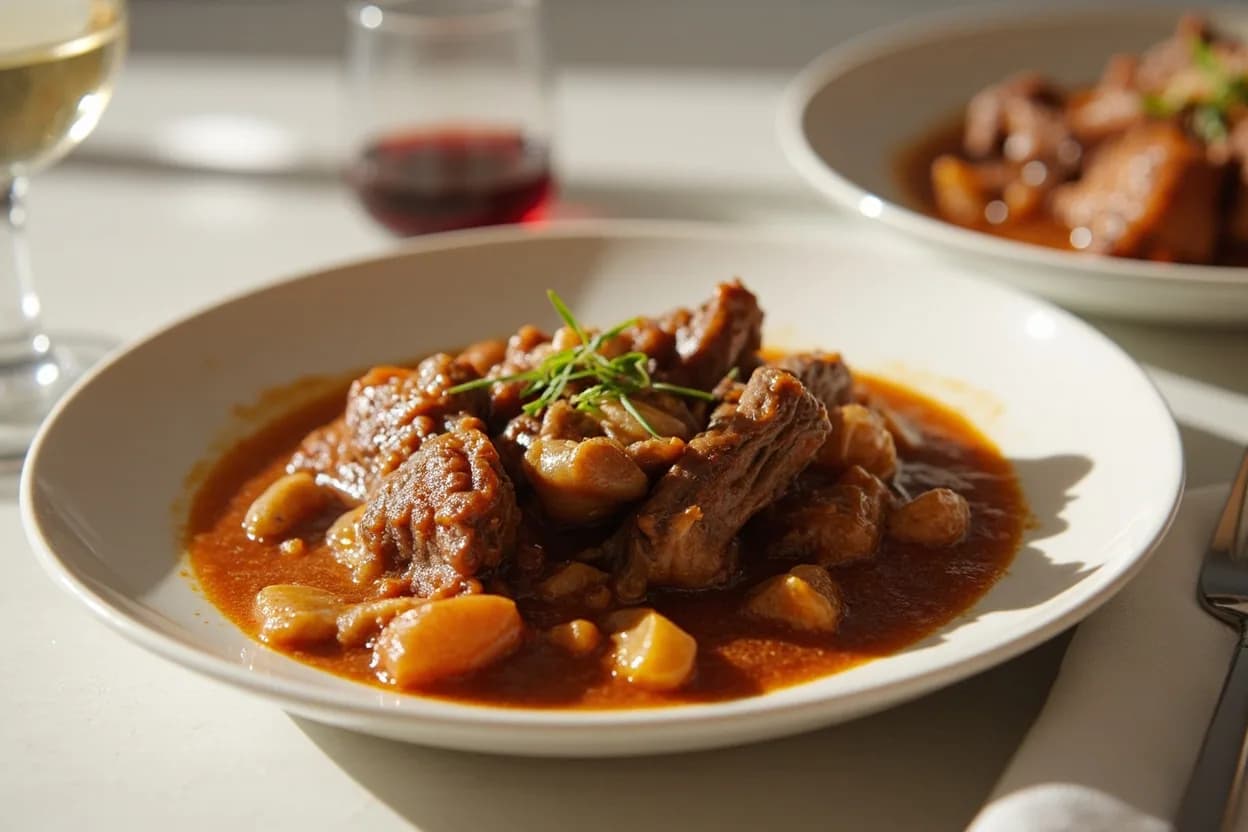
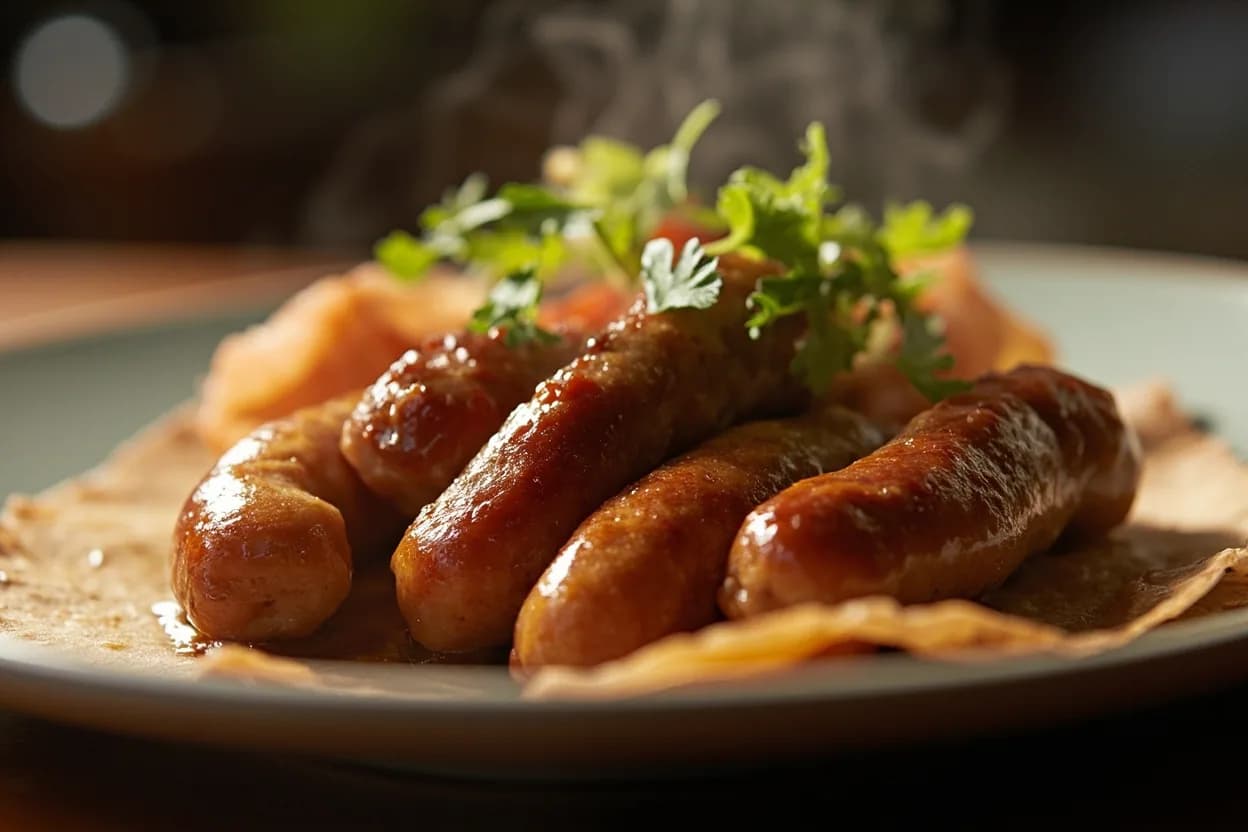
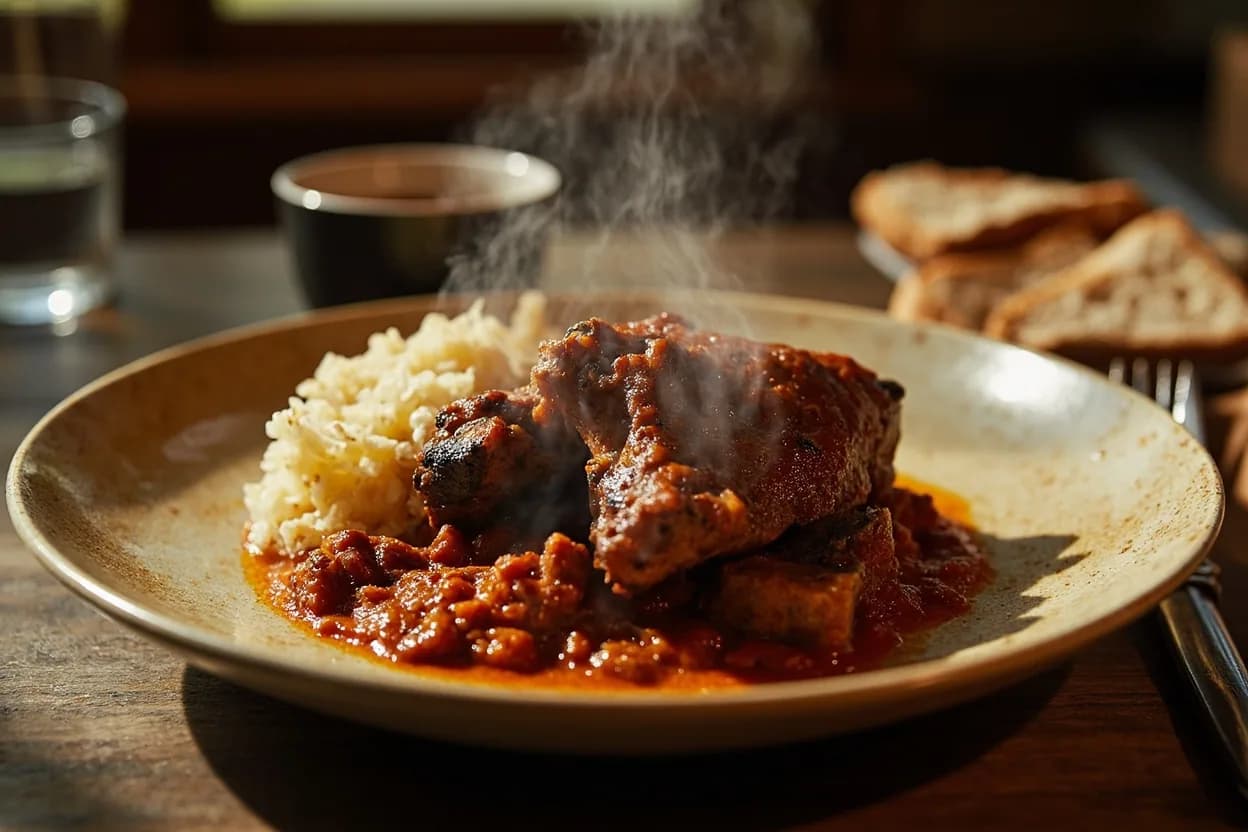
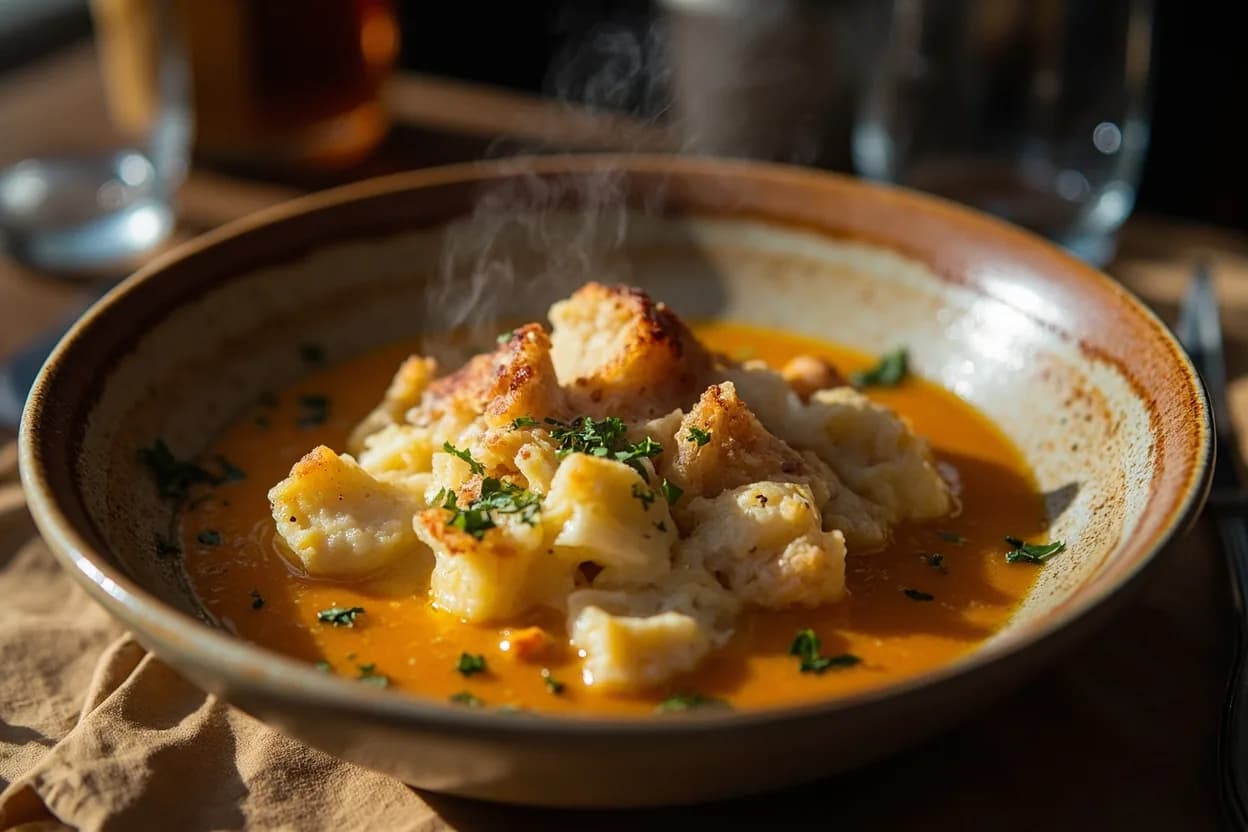
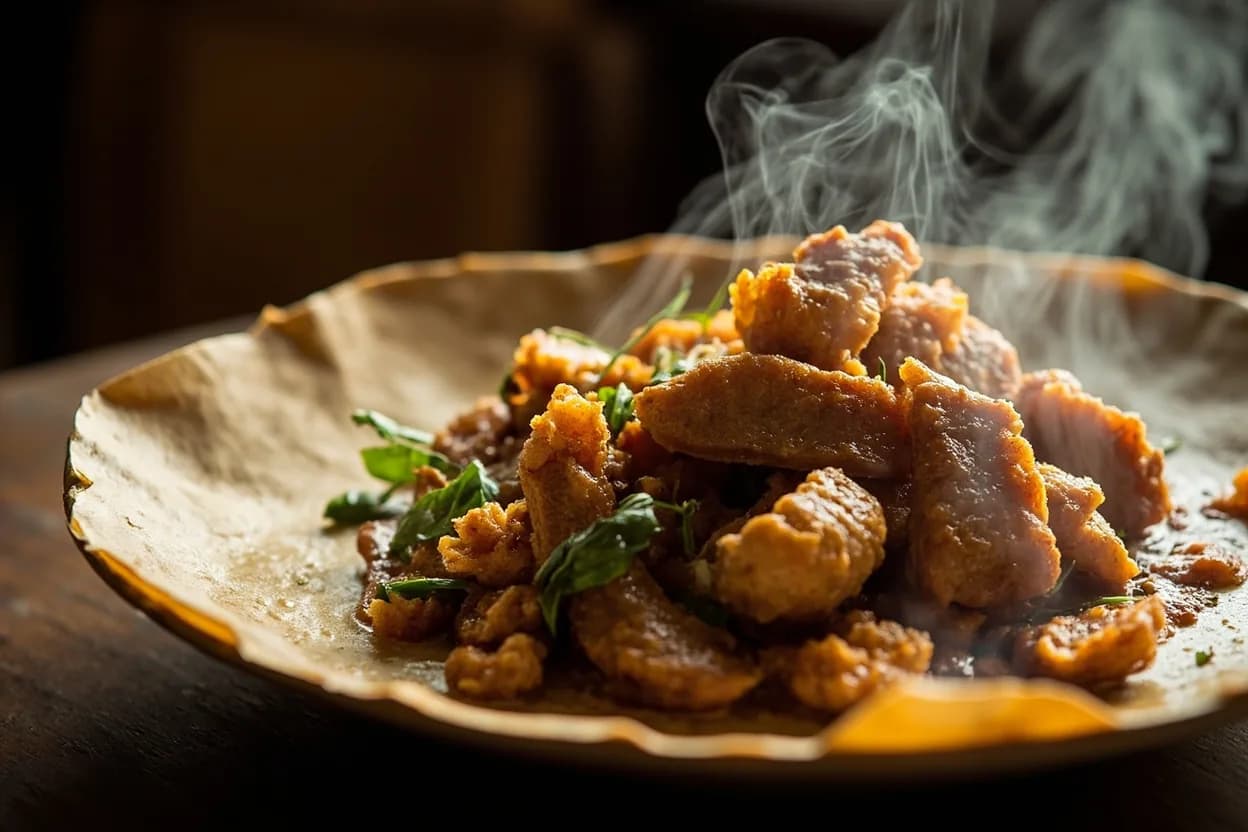
Appears in these dishes
Related
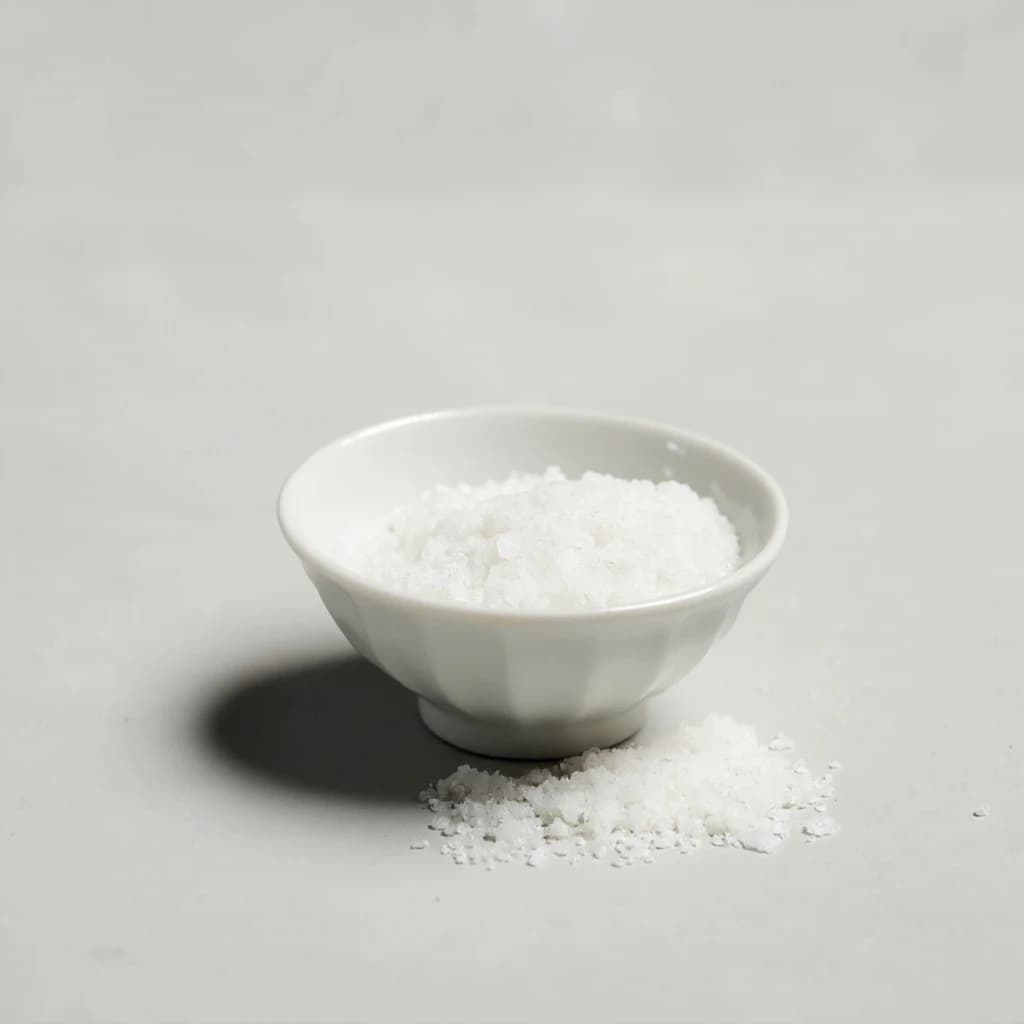
Salt
The one seasoning that makes everything else taste like itself

Black Pepper
Pungent, woody heat — best cracked fresh over anything savory
Amchur
Dried unripe mango ground to a tart, fruity souring powder
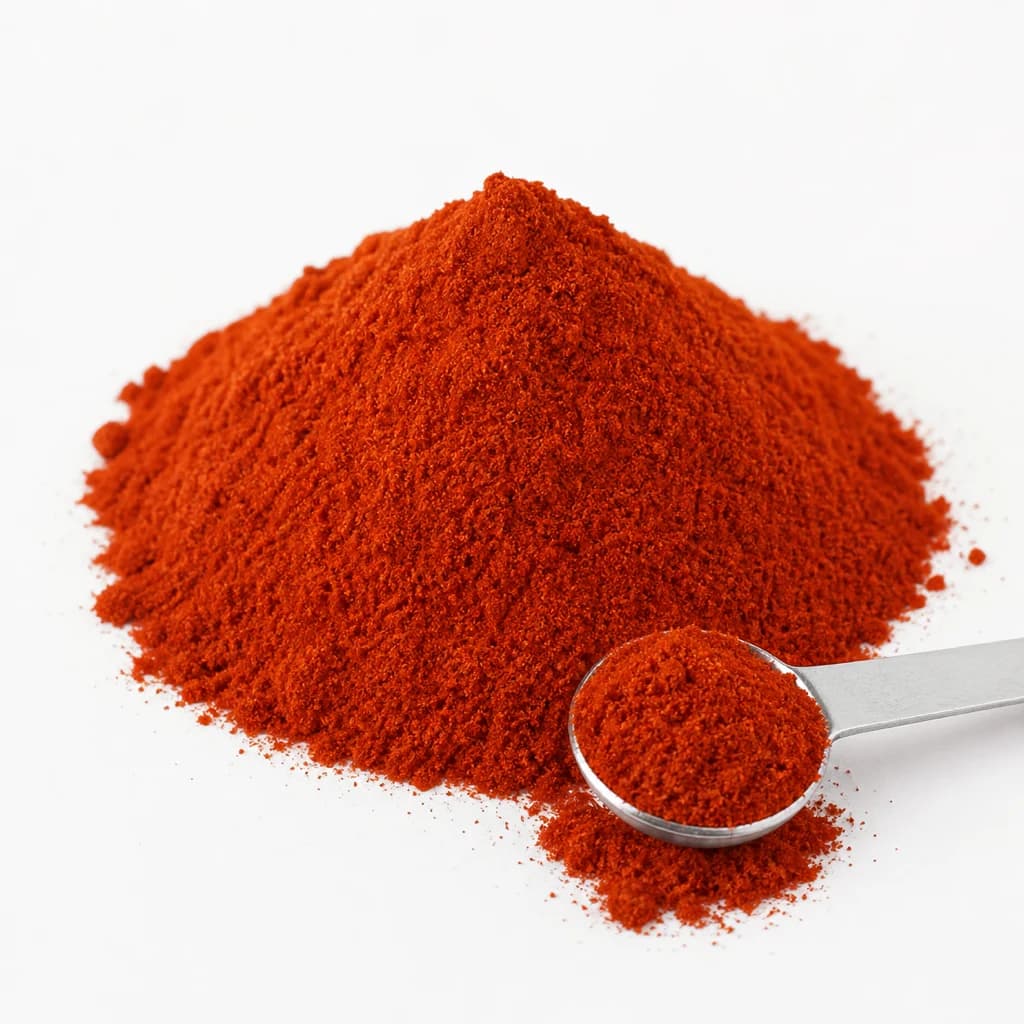
Paprika
Sweet, vivid ground pepper for color and gentle warmth
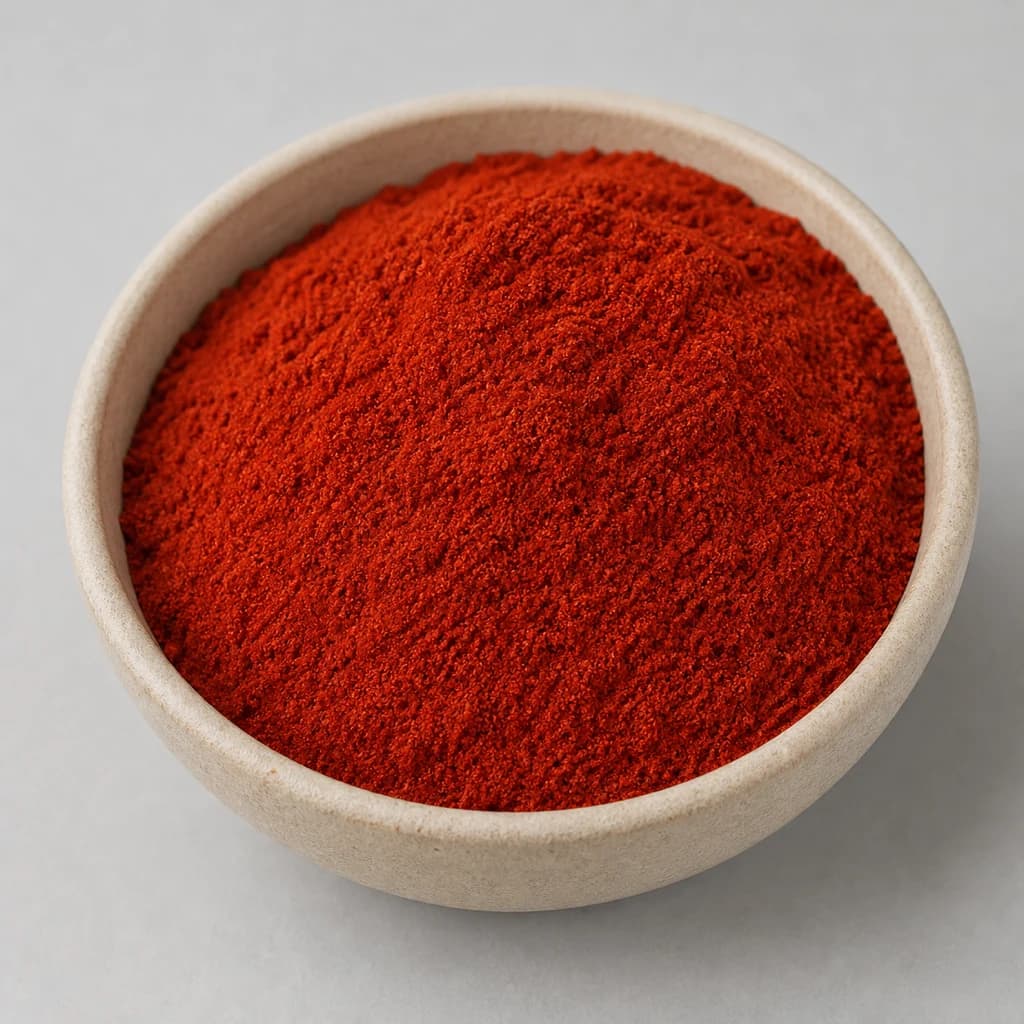
Smoked Paprika
Deep, smoky ground pepper for a campfire warmth
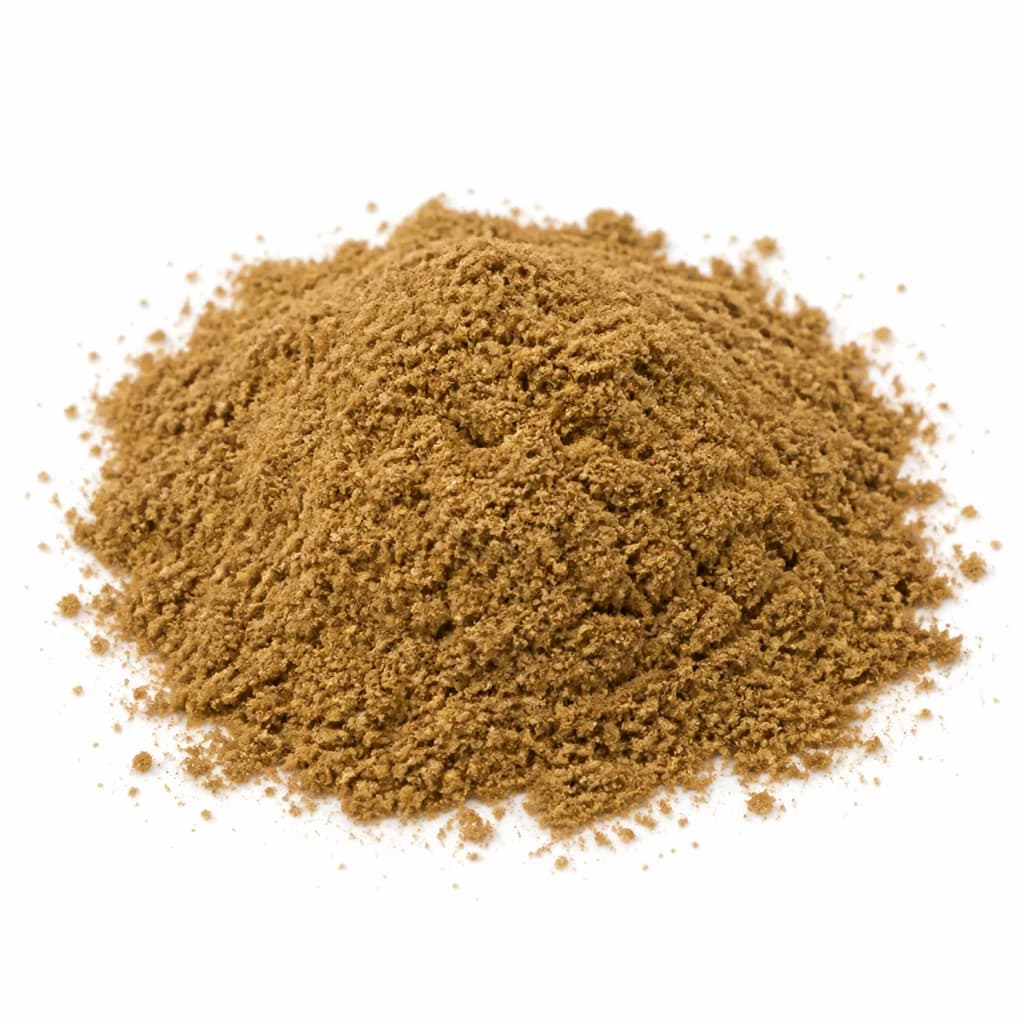
Cumin
Warm, earthy spice central to curries, chili, and tacos
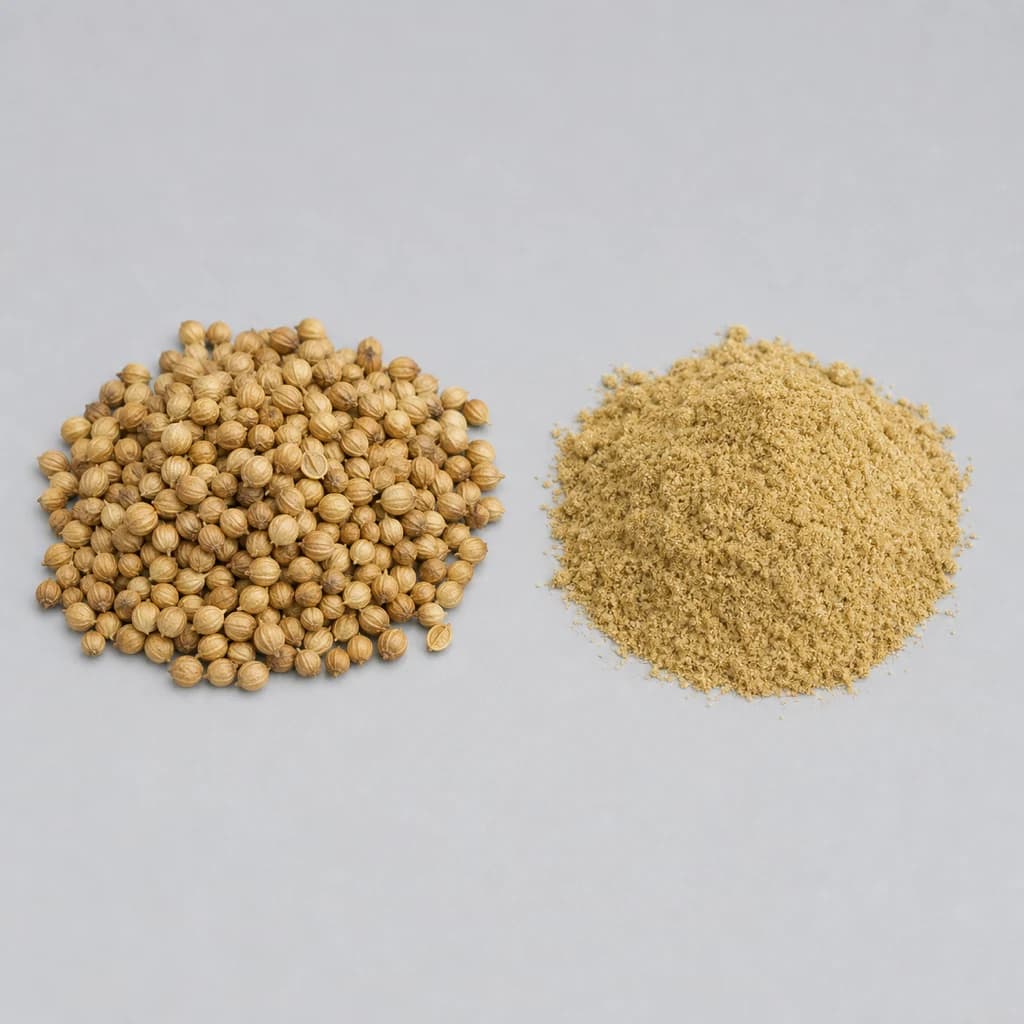
Coriander Seed
Citrusy, warm seed for curries, pickles, and rubs
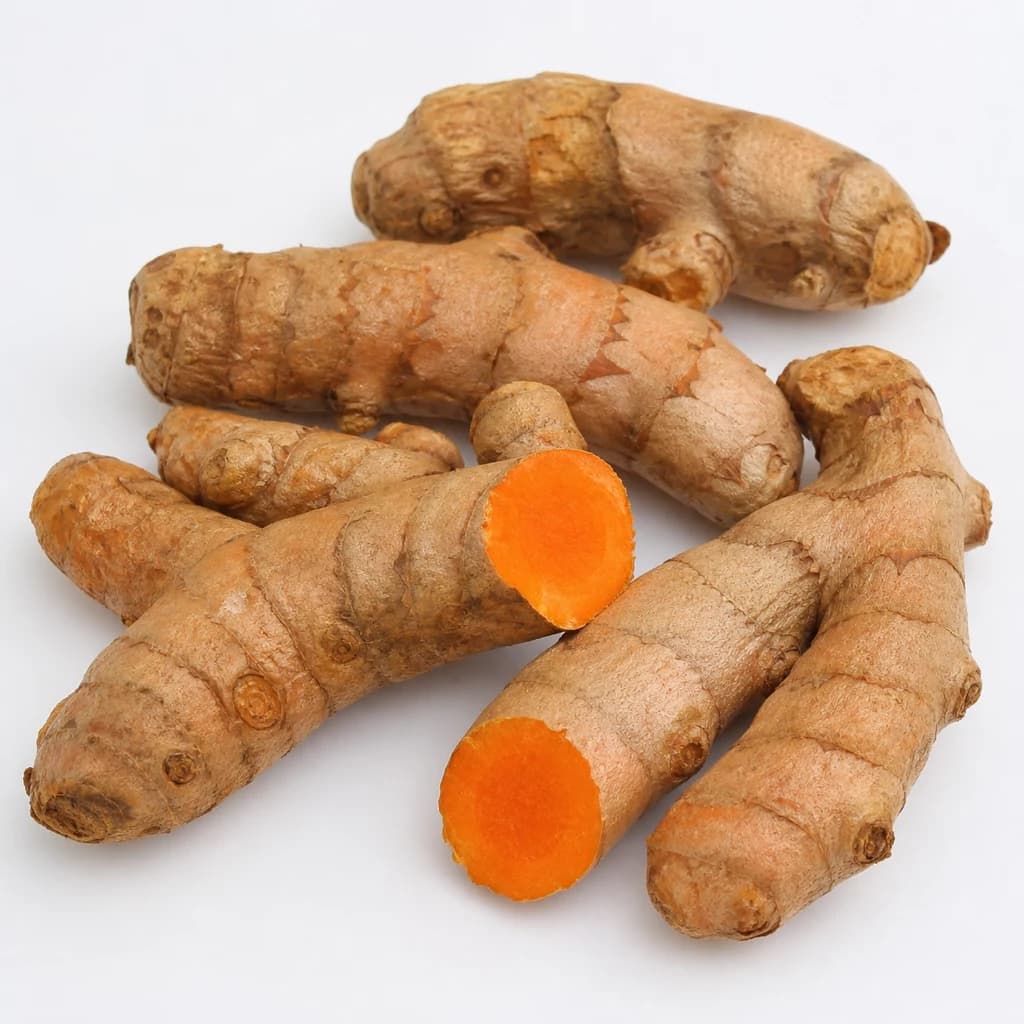
Turmeric
Golden, earthy spice for curries, rice, and color