Spices
Anise Seed
Small seeds with intense sweet licorice flavor, stronger than fennel. Use sparingly in biscotti, sausage, and breads; a pinch perfumes a whole batch.
Anise seed is the small, ridged, dried fruit of Pimpinella anisum, a feathery annual in the umbellifer family cultivated across the Eastern Mediterranean for at least three thousand years. Its flavor — sweet, pungent, and unmistakably licorice-like — comes from anethole, the same aromatic compound that gives star anise and fennel seed their kinship, though true anise seed is sharper, warmer, and more medicinal than either relative. The seeds are tiny but deceptively powerful: a teaspoon can scent an entire batch of biscotti, a kilo of sausage, or a liter of spirit, which is why restraint is the first lesson of working with them.
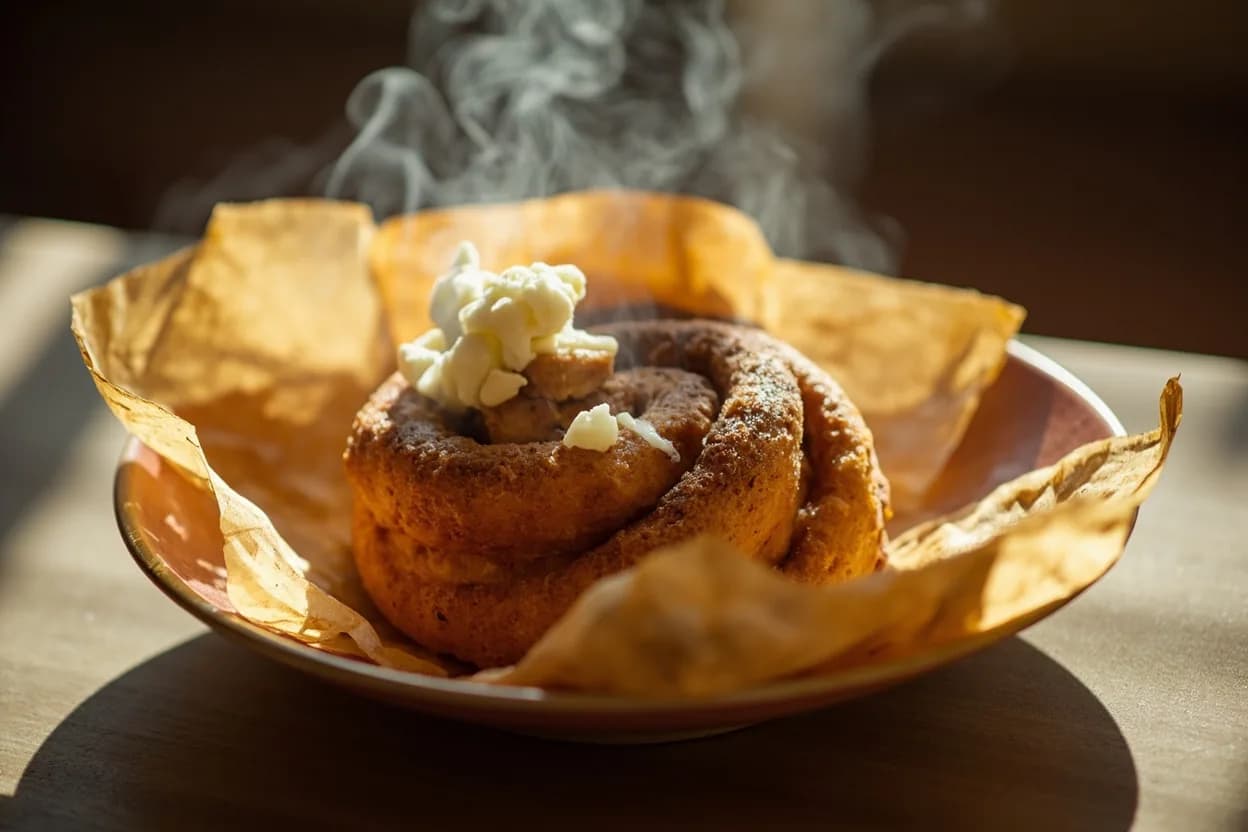
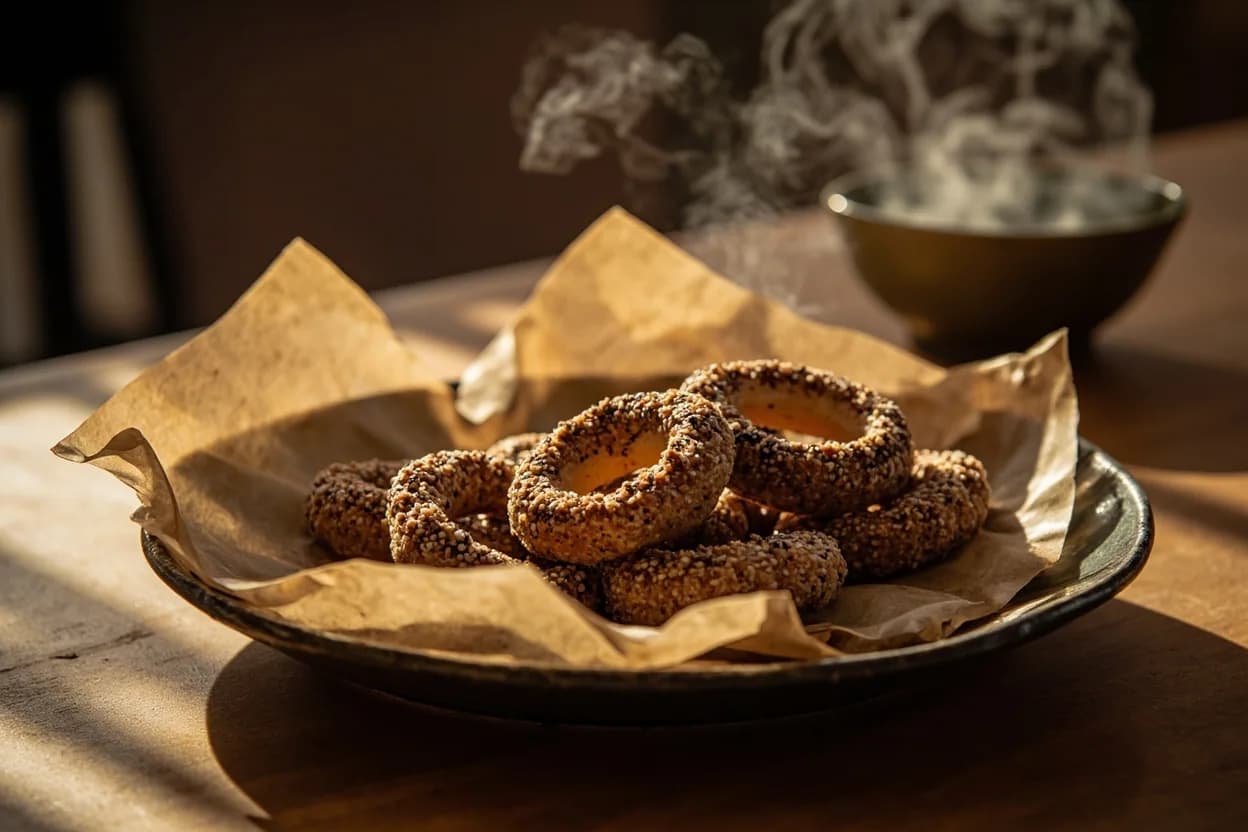
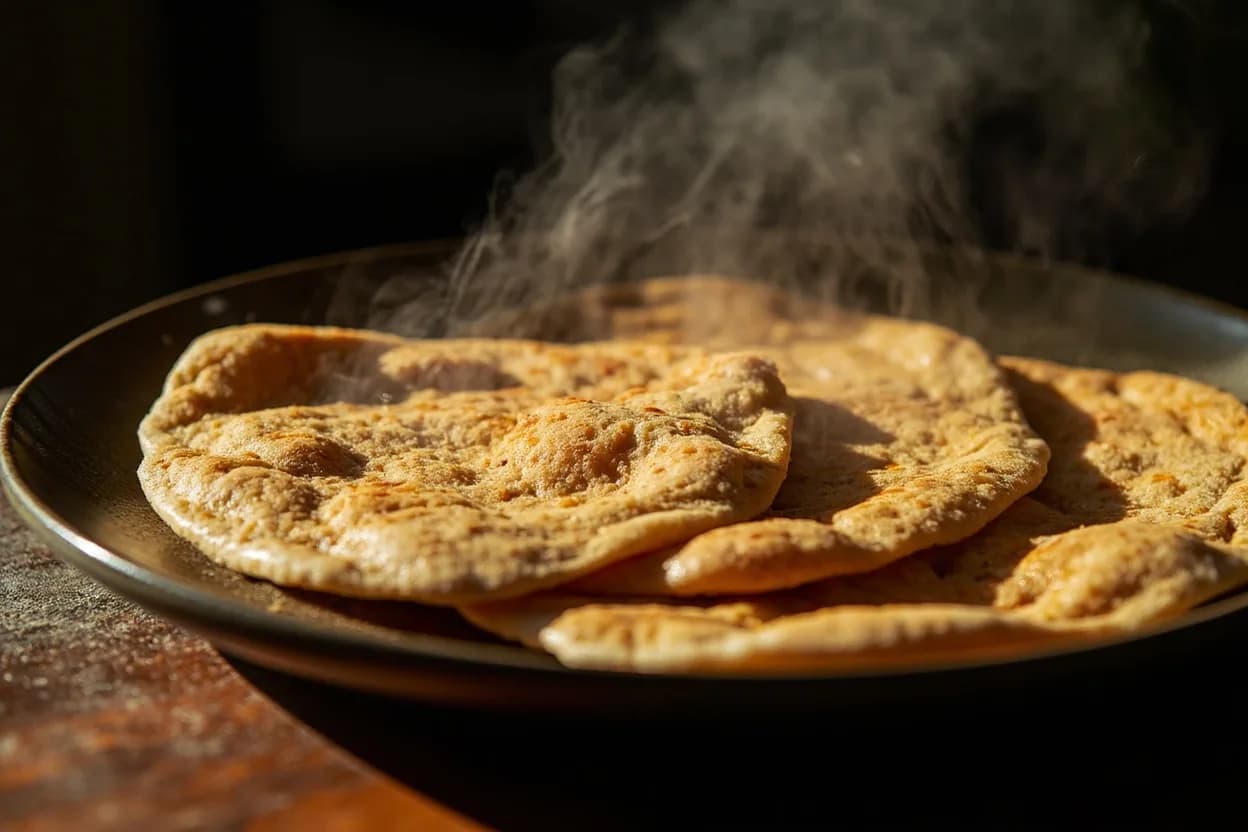
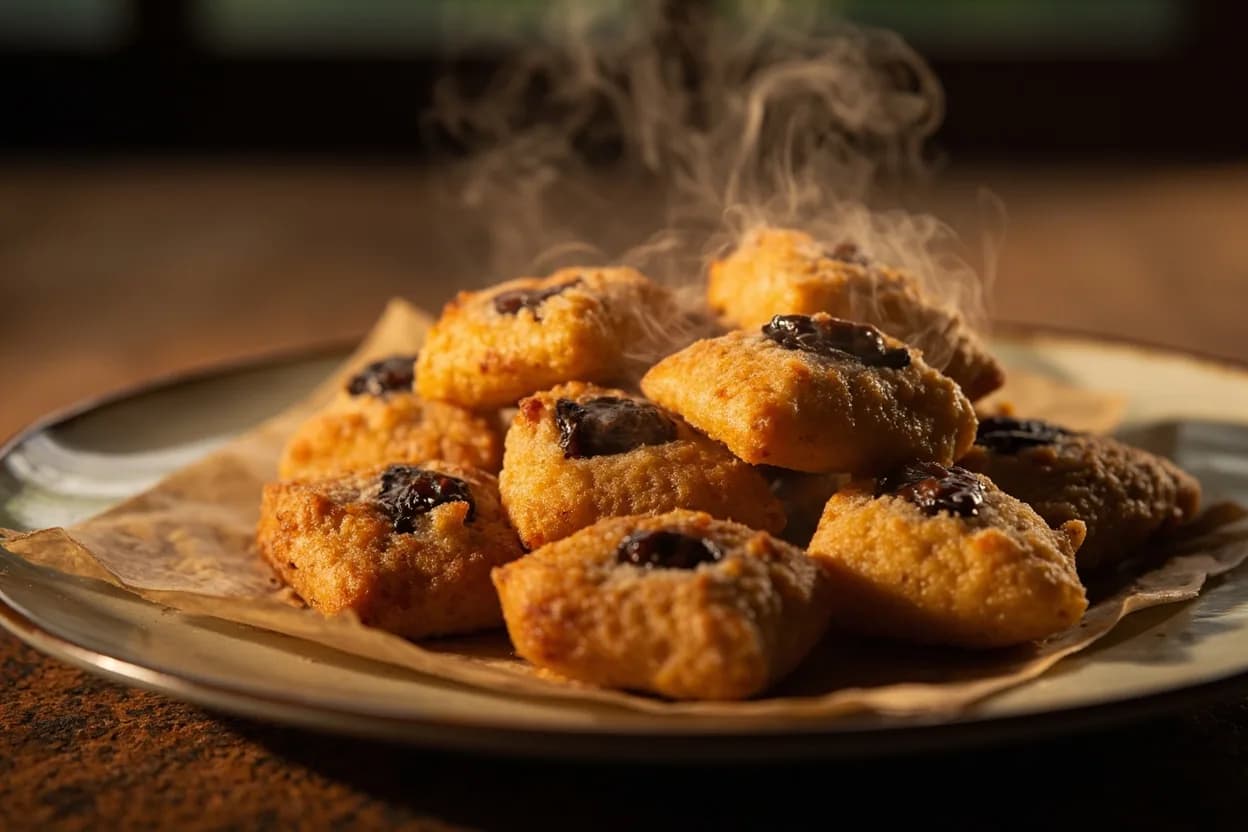
In the kitchen, anise seed does the work that most sweet spices only suggest. It anchors Italian biscotti and Sicilian pizzelle, threads through Northern European rye breads, perfumes pork sausages from Portugal to Calabria, and defines the louche of ouzo, sambuca, pastis, and rakı. It also has a long history as a digestive, steeped in milk or water after a heavy meal or scattered as mukhwas at the end of an Indian dinner. Because the volatile oils that carry its aroma dissipate quickly once the seed is broken, cooks who care about flavor buy whole and grind or toast as needed.
Anise seed is not star anise, and it is not fennel. They share a chemical signature but are different plants with different intensities, and treating them as interchangeable is the single most common mistake, showing up in flat sausage, bitter biscotti, and over-sweetened infusions. Treat anise seed as its own ingredient, use it whole whenever you can, and a small amount will do more than a heavy hand of anything else in the spice drawer.
- Measured in
- tsp
- Storage
- Store Whole In An Airtight Container Away From Light & Heat
Find it in
Suits
Types & varieties
Generally regarded as the benchmark quality — plump, pale, and intensely aromatic; the reference standard in Mediterranean and European baking.
Used in Iberian sausages, breads, and anise liqueurs; slightly earthier than Egyptian.
Common in Levantine and Anatolian baking, rakı, and savory spice blends; aromatic, often slightly smaller seeds.
The small greenish seeds sold across South Asia as 'saunf' are almost always fennel, not true anise; flavors are related but not identical. True anise does appear in some regional mukhwas and Ayurvedic preparations.
Anethole and the Anise Family
Anise seed sits at the center of a small group of botanically distinct plants that share one signature compound: anethole, the volatile oil responsible for licorice flavor. Understanding this family prevents the most common cooking mistakes with the spice. Anise seed and fennel seed are close botanical relatives in the Apiaceae; star anise is not — it is the dried fruit of an evergreen in the Schisandraceae order, a magnolia relative native to southern China and Vietnam. The overlap in flavor comes from parallel evolution of the same biosynthetic pathway, not shared ancestry, which is why the three cannot be swapped one-for-one in a recipe.
- Anise seed (Pimpinella anisum): grayish-green, ridged, 3–5 mm; sweet and sharp with a warm medicinal edge.
- Fennel seed (Foeniculum vulgare): longer, paler, and greener; flavor is softer, more herbal, and grassy.
- Star anise (Illicium verum): a hard rust-brown eight-pointed pod; aroma is more intense and slightly more bitter; roughly 3–4 times as potent by weight.
- For substitution, treat star anise as the most concentrated, fennel as the mildest, and true anise seed as the reference point in between.
- All three can flavor anise spirits, but only true anise seed is the traditional base for ouzo, sambuca, pastis, and rakı in their classic forms.
Common uses
Tips & pitfalls
- Buy whole seeds and grind just before use — anethole and the other volatile oils dissipate quickly once the seed is broken.
- Smell before you buy: fresh anise should be pungent and sweet at arm's length; a dull, dusty, or musty seed is past its prime and will taste flat or slightly bitter.
- Toast whole seeds in a dry skillet over low heat for 30–60 seconds before grinding or adding to dough — it wakes the oils without scorching them.
- A little goes a long way: one of the strongest spices by volume. Err on the side of less in sweet doughs; you can add, but cannot subtract.
- Do not confuse anise seed with star anise. They share anethole but are unrelated botanically, and star anise is roughly 3–4 times more potent — substitute at one-third to one-half the amount and taste.
- Do not confuse anise seed with fennel seed. Fennel is milder, greener, and more grassy; anise is sweeter, sharper, and more medicinal. They are not interchangeable in classic recipes like Italian sausage or biscotti.
- Grind with a small amount of sugar to keep the seeds from clumping and to prevent gumminess in spice mills.
- Store away from light and heat — the volatile oils migrate; a glass jar in a closed cabinet beats a clear one on a spice rack.
- When steeping in milk or cream for custards and panna cotta, cover the pan while infusing so the aromatic oils do not escape with the steam.
- Avoid adding raw ground anise to wet batters and letting them sit; the flavor dulls. Mix in just before baking when possible.
Nutrition
Energy
372 kJ · per 100 g
Where the calories come from
Protein
4.1g
8% DV
Carbs
17.3g
6% DV
Fat
0.5g
1% DV
Sodium
1mg
0% DV
Source · USDA FoodData Central · approx. Seeds, lotus seeds, raw
View on FDC →In the shops
Matched grocery products
No matched grocery products for Anise Seed yet.
Good to know
- Botanical name
- Pimpinella anisum
- Plant family
- Apiaceae (umbellifer family, the same as fennel, celery, and parsley)
- Primary flavor compound
- Anethole, the same phenylpropanoid that defines star anise, fennel, and licorice candy
- Flavor profile
- Sweet, pungent, distinctly licorice-like; warmer and more medicinal than fennel
- Color and form
- Grayish-green to grayish-brown, ridged oval seeds 3–5 mm long; sold whole, occasionally ground
- Storage
- Airtight, cool, dark, and dry; whole seeds keep 2–3 years, ground seeds lose potency within months
- Toast behavior
- A brief 30–60 second dry toast in a skillet releases aromatic oils and deepens the flavor
- Common confusion
- Not the same species as star anise (Illicium verum) or fennel seed (Foeniculum vulgare), despite overlapping flavor
Substitutes
- Star anise — Closest aromatic match but stronger; use about one-third the amount and crush a single pod. Best when a long infusion is possible, as in poaches, braises, and syrups.
- Fennel seed — Milder and grassier; works in breads and sausage when anise is missing, but the result is softer and less sweet. Use the same volume.
- Anise extract — Drop-for-drop replacement in baked goods; potent, so start with half the volume you would use in seed form and adjust to taste.
- Licorice root — Viable for infusions and teas; far more medicinal and bitter, not recommended for sweet baking.
- Tarragon — Surprising but useful in savory applications such as sauces, chicken, and fish; shares the same anethole-driven anise note, though the herbaceous character is very different.
Pairs with
Also called
aniseed · anise seeds · sweet cumin