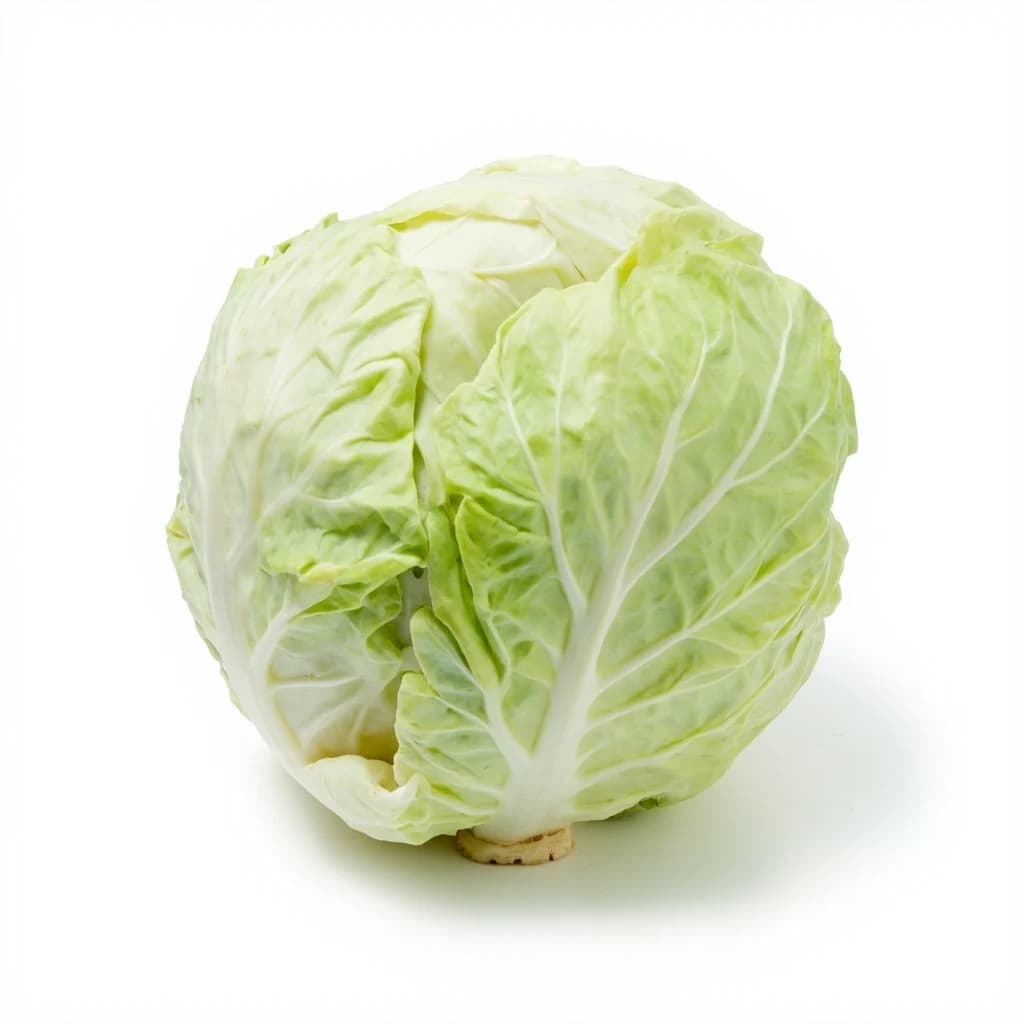
Natural form
A whole green cabbage head showing its tightly layered, dense round form.
Shows the reader the default market form — compact globe, pale green outer leaves with visible veining — so they can identify it uncut.
Produce
Cabbage
Crunchy, keeps-forever leaf for slaws, braises, and ferments
Crisp raw and silky braised, cabbage shreds into slaw, ferments into kraut, and sweetens when roasted. It keeps for weeks in the fridge — a reliable stand-by.
Cabbage is the reliable, long-keeping workhorse of the crisper — crisp and peppery raw, silky and sweet when braised or roasted, and the foundation of ferments from sauerkraut to kimchi. A dense head shreds into slaw, wraps around fillings, melts into soups, and caramelizes in wedges. Cheap, nutritious, and nearly indestructible in storage, it's one of the most versatile and underrated vegetables in the kitchen.
- Measured in
- piece
- Storage
- Refrigerate
- Shelf life
- 30 days
Find it in
Types & varieties
Dense and all-purpose; slaw, braises, rolls
Firmer, peppery, colorful; great pickled or braised (add acid to keep color)
Crinkled, tender, mild; best for wraps and stuffing
Frilly, mild, juicy; for kimchi and stir-fries
Tender, quick-cooking, sweet
How to choose
Pick heads that feel heavy and rock-solid for their size, with tightly packed, crisp, glossy leaves and no cracking, browning, or slimy spots. (Napa and savoy are naturally looser.) A small bug-nibbled outer leaf is harmless — just peel it off. Heavy means dense and fresh.
How to store
Whole, unwashed cabbage is a champion keeper — it lasts weeks to over a month in the crisper. Once cut, wrap the remaining piece tightly and use within a few days; the cut face will need a thin trim if it dries or browns. The outer leaves protect the head, so leave them on until you cook.
How to cut and cook
Quarter through the core, cut out the dense triangular core, then shred, slice, or leave in wedges. Shred fine for slaw, wide for stir-fry. To soften the sulfurous edge, cook it fast (high-heat sauté, roast) rather than long and slow at a simmer, which is what makes cabbage smell strong. Wedges roasted hard go caramelized and sweet.
- Cut out the hard core first
- Cook hot and fast to avoid sulfur smell
- Roast wedges for caramelized sweetness
Common uses
Tips & pitfalls
- Salt shredded cabbage and let it drain for crisper, longer-lasting slaw
- Roast thick wedges at high heat until the edges char and sweeten
- Add a splash of vinegar to red cabbage so it stays vivid, not blue
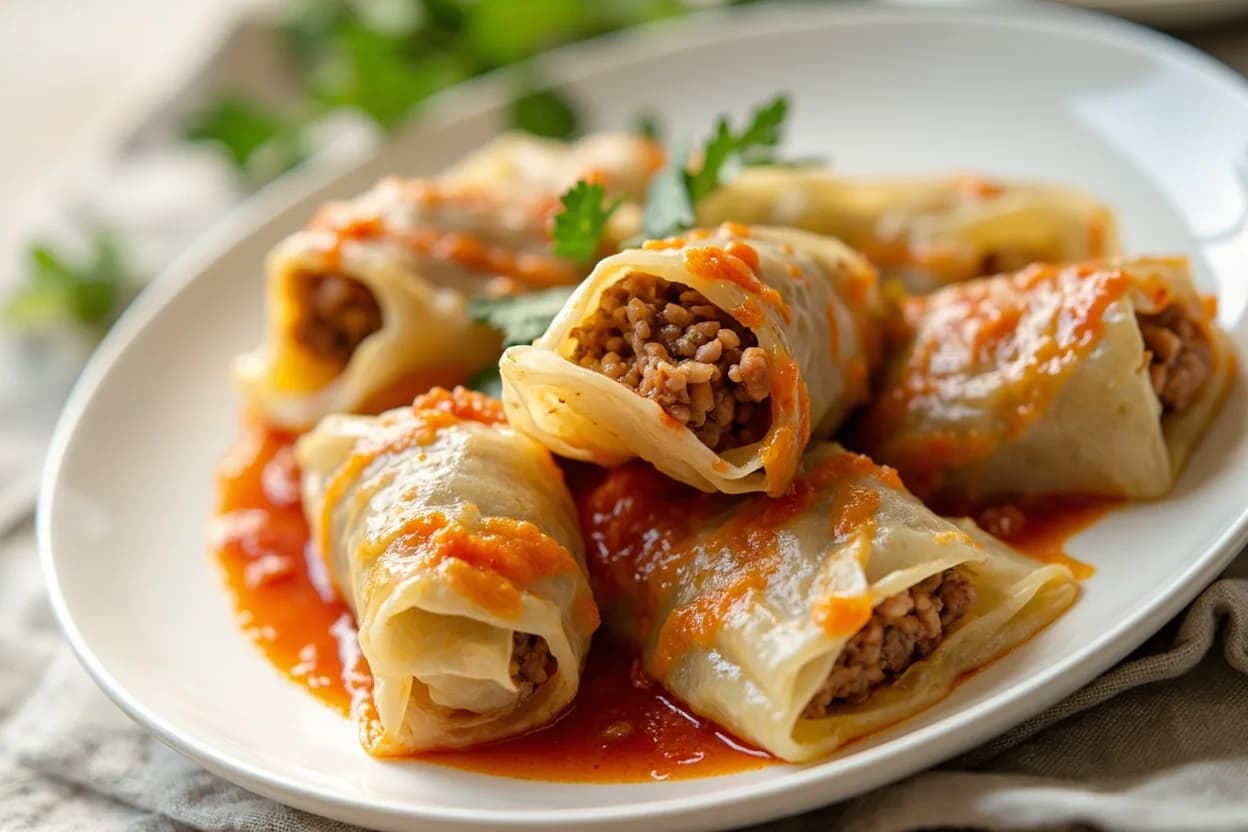
- Blanch whole leaves to make them pliable for stuffed rolls
- Ferment a glut into sauerkraut or kimchi
Nutrition
Energy
105 kJ · per 100 g
Where the calories come from
Protein
1.3g
3% DV
Carbs
5.8g
2% DV
Fat
0.1g
0% DV
Fiber
2.5g
9% DV
Sugars
3.2g
of which
Sodium
18mg
1% DV
Source · USDA FoodData Central · Cabbage, raw
View on FDC →In the shops
Matched grocery products
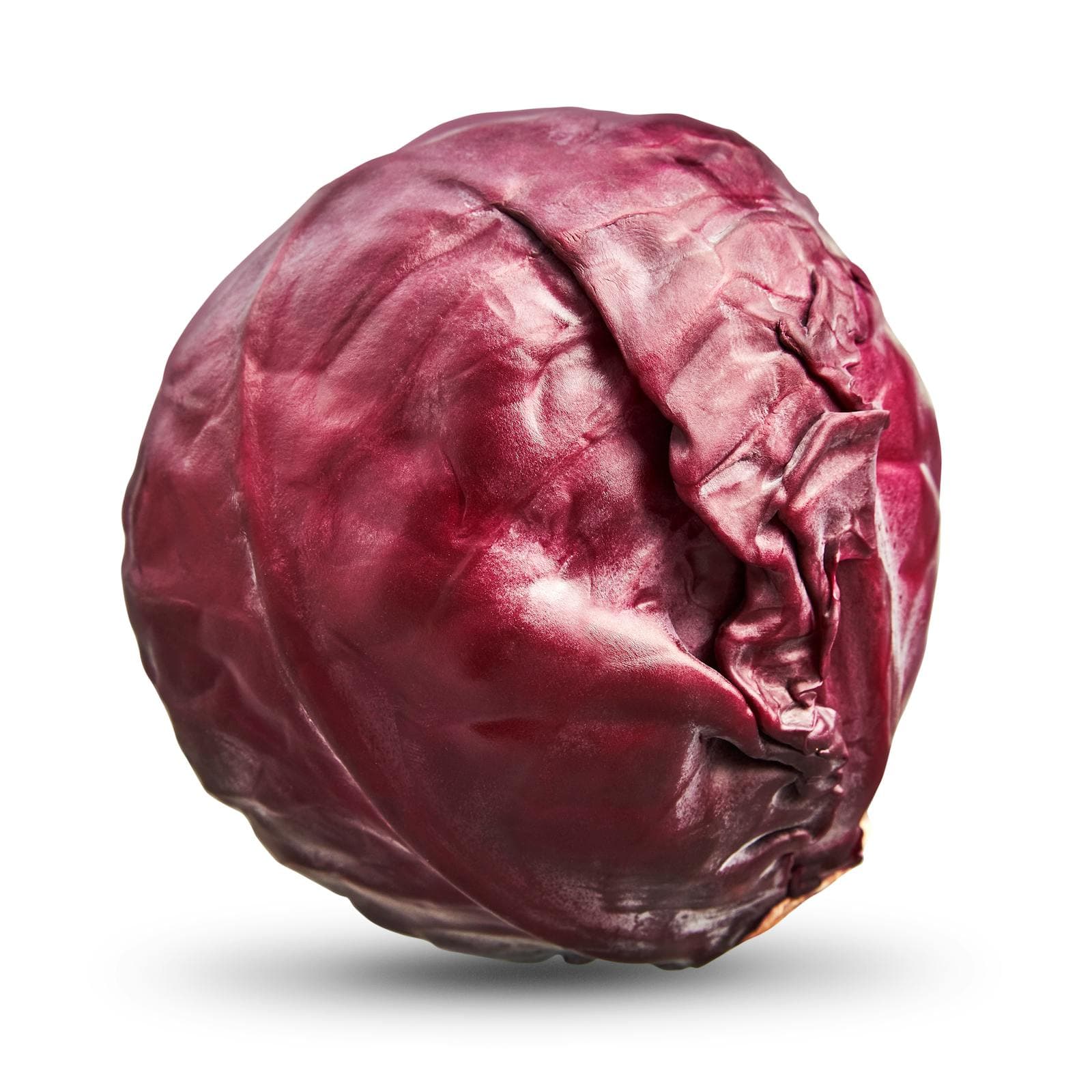 €1.72
€1.72Red Cabbage
860 g · Mercadona
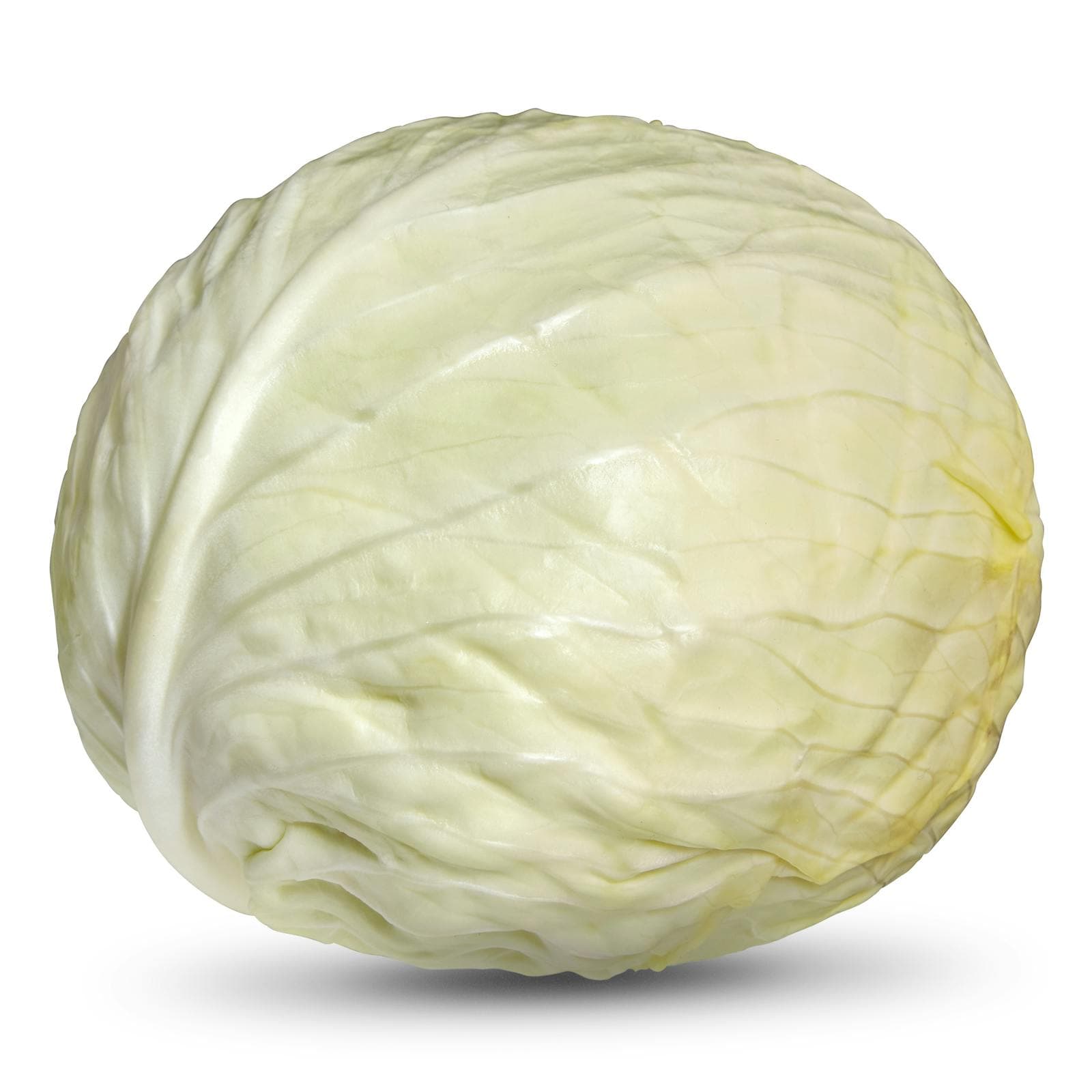 €1.60
€1.60Smooth Cabbage
890 g · Mercadona
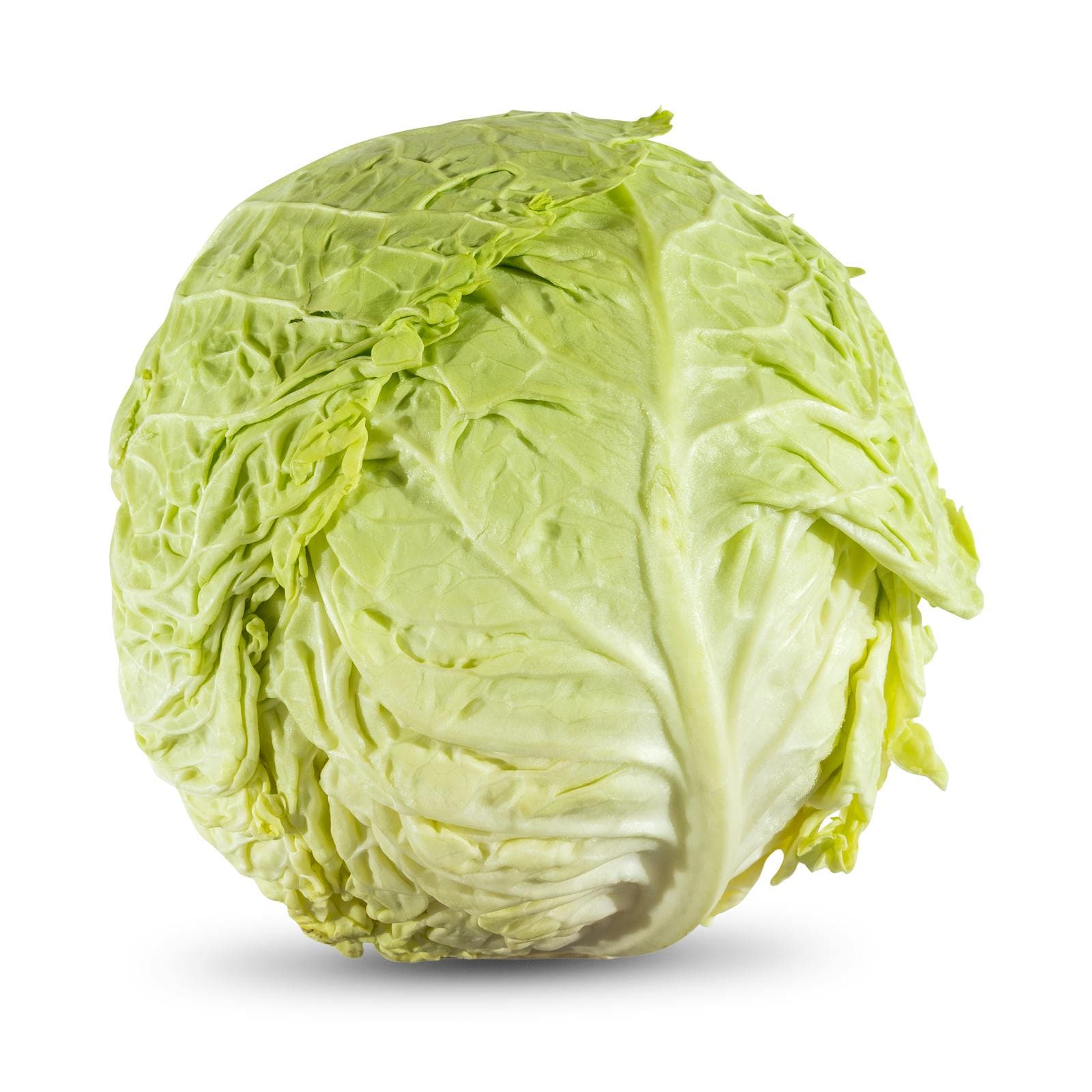 €1.70
€1.70Curly Cabbage
920 g · Mercadona
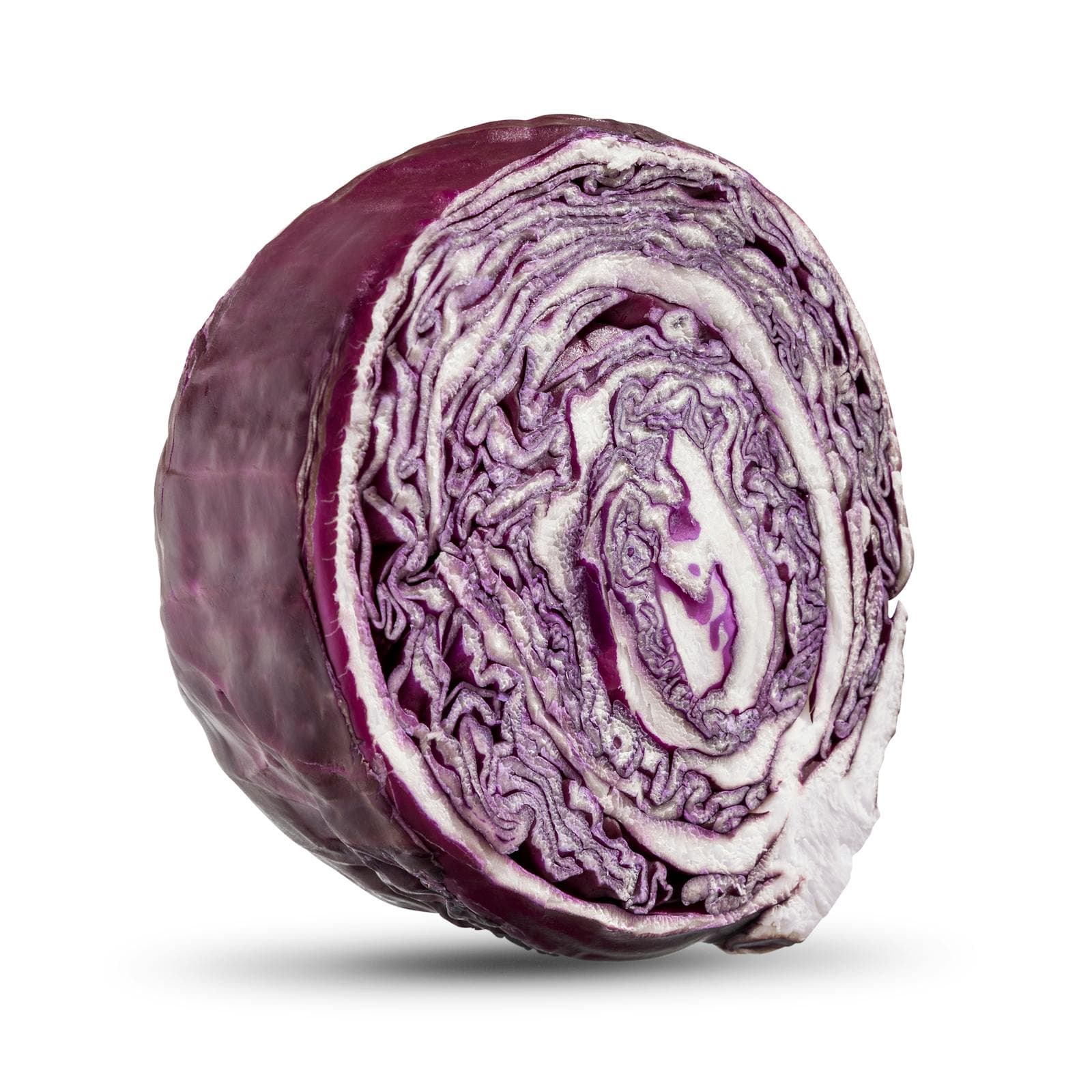 €0.95
€0.95Half Red Cabbage
450 g · Mercadona
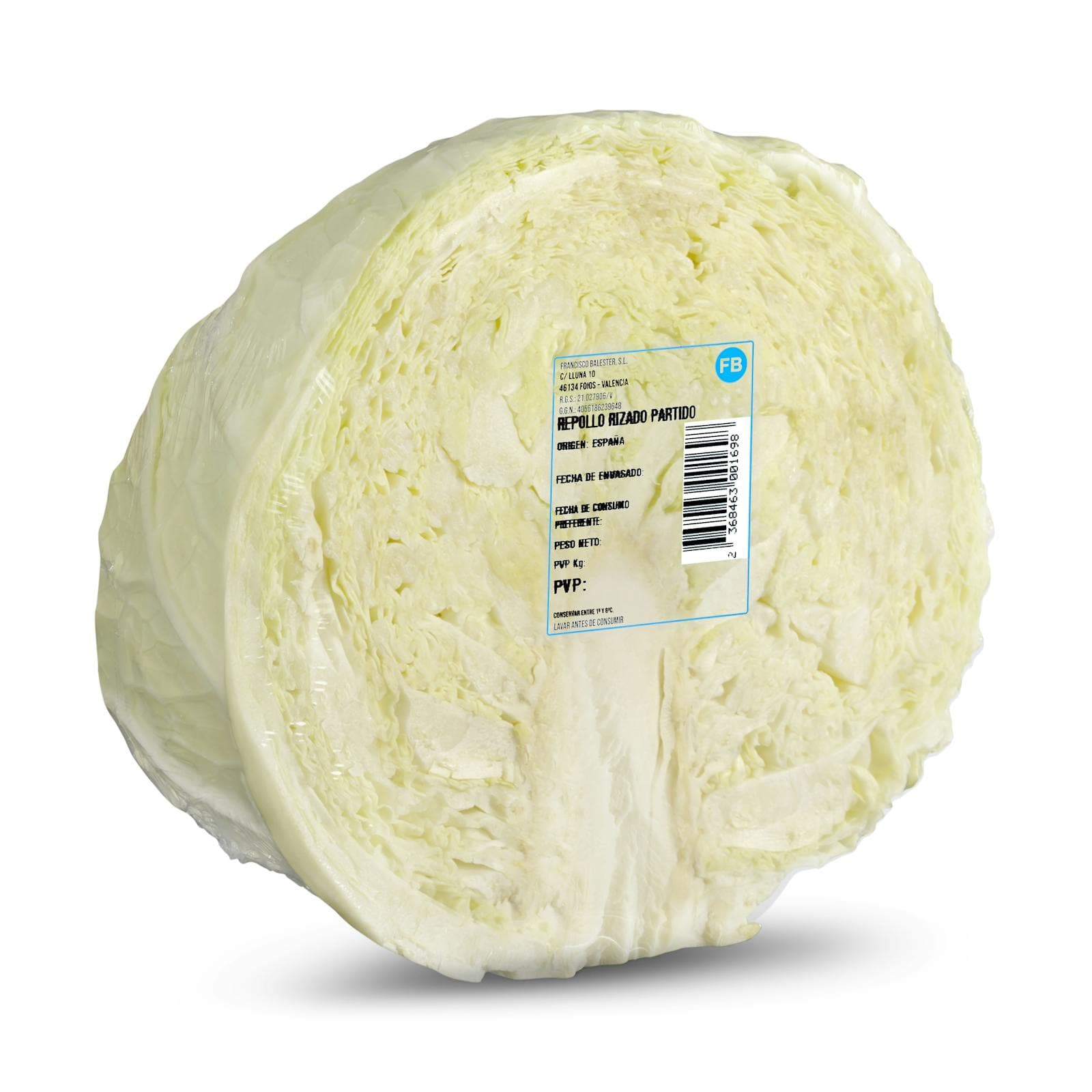 €1.75
€1.75Half Curly Cabbage
796 g · Mercadona
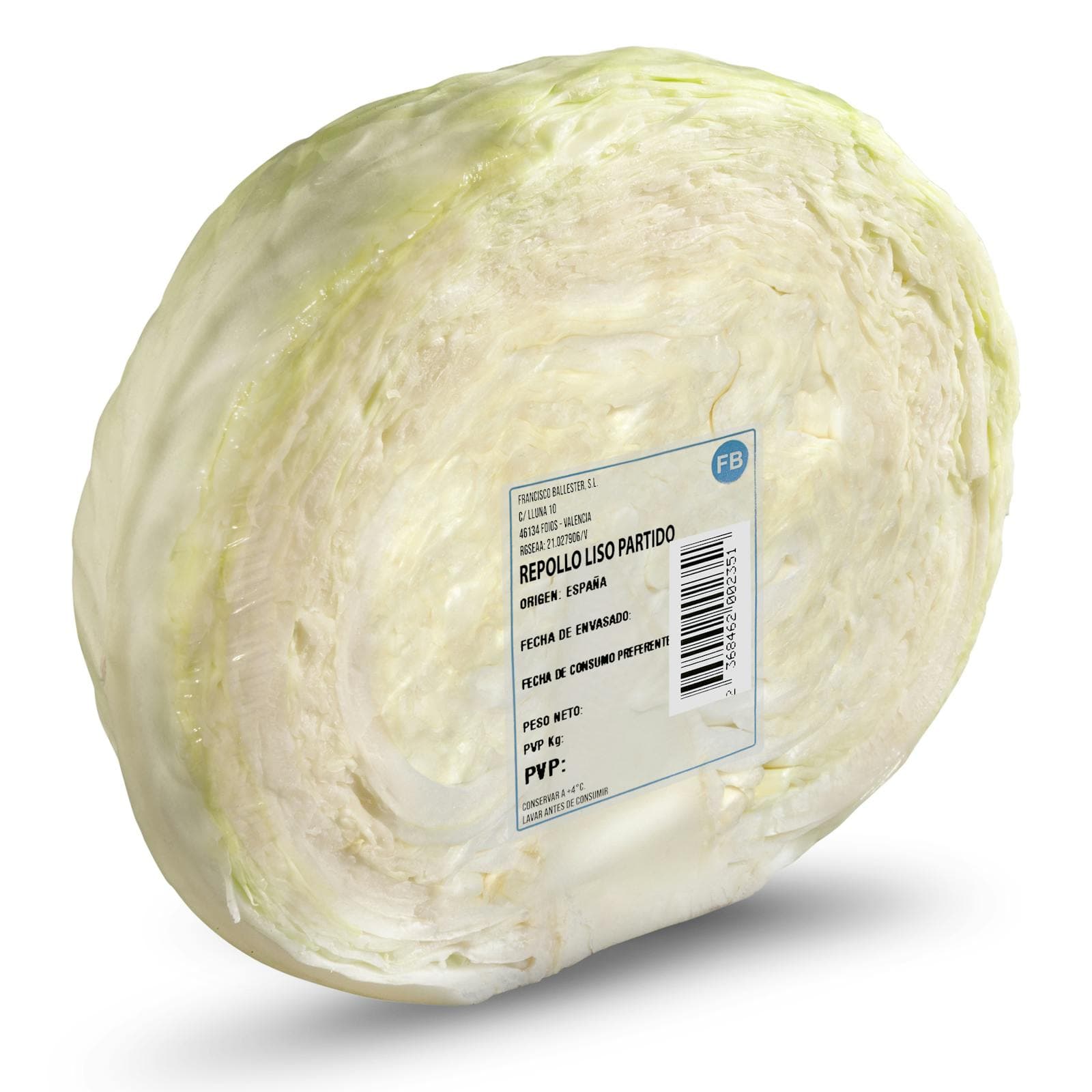 €1.94
€1.94Half Smooth Cabbage
900 g · Mercadona
Good to know
- Peak season
- Fall through winter; available year-round
- Flavor
- Peppery and crisp raw; sweet, mellow, nutty when cooked
- Origin
- Coastal Europe; bred from wild cabbage (Brassica oleracea), the same species that gave kale, broccoli, and cauliflower
- Nutrition
- ~25 kcal/100g; vitamin C, K, fiber, glucosinolates
- How to buy
- Heavy, tight, firm head; crisp outer leaves; no cracks or sliminess
Substitutes
- Napa cabbage — Milder and quicker-cooking; great in stir-fries and slaw
- Brussels sprouts — Shredded, for a slaw or sauté (they're mini cabbages)
- Kale / collards — For a heartier braised green
Also called
green cabbage · white cabbage · savoy cabbage · repollo · col · col verda
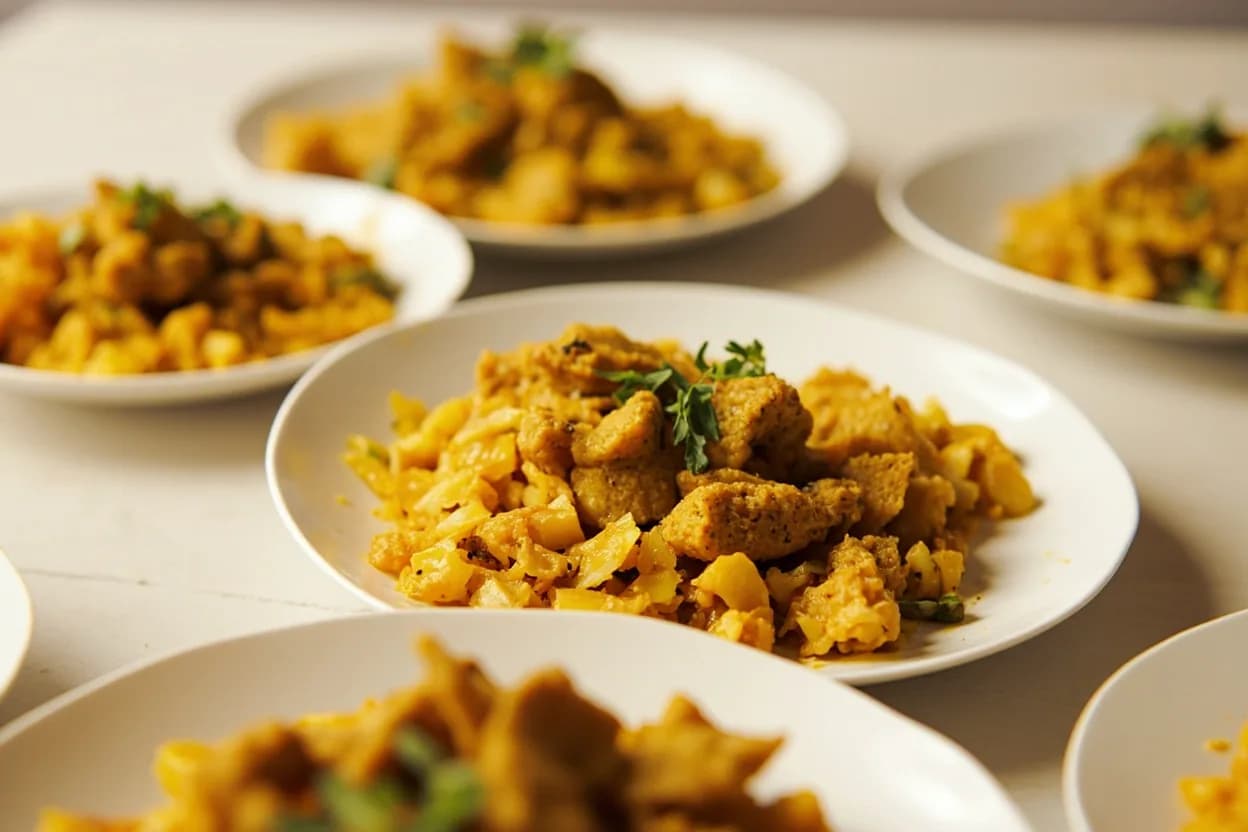
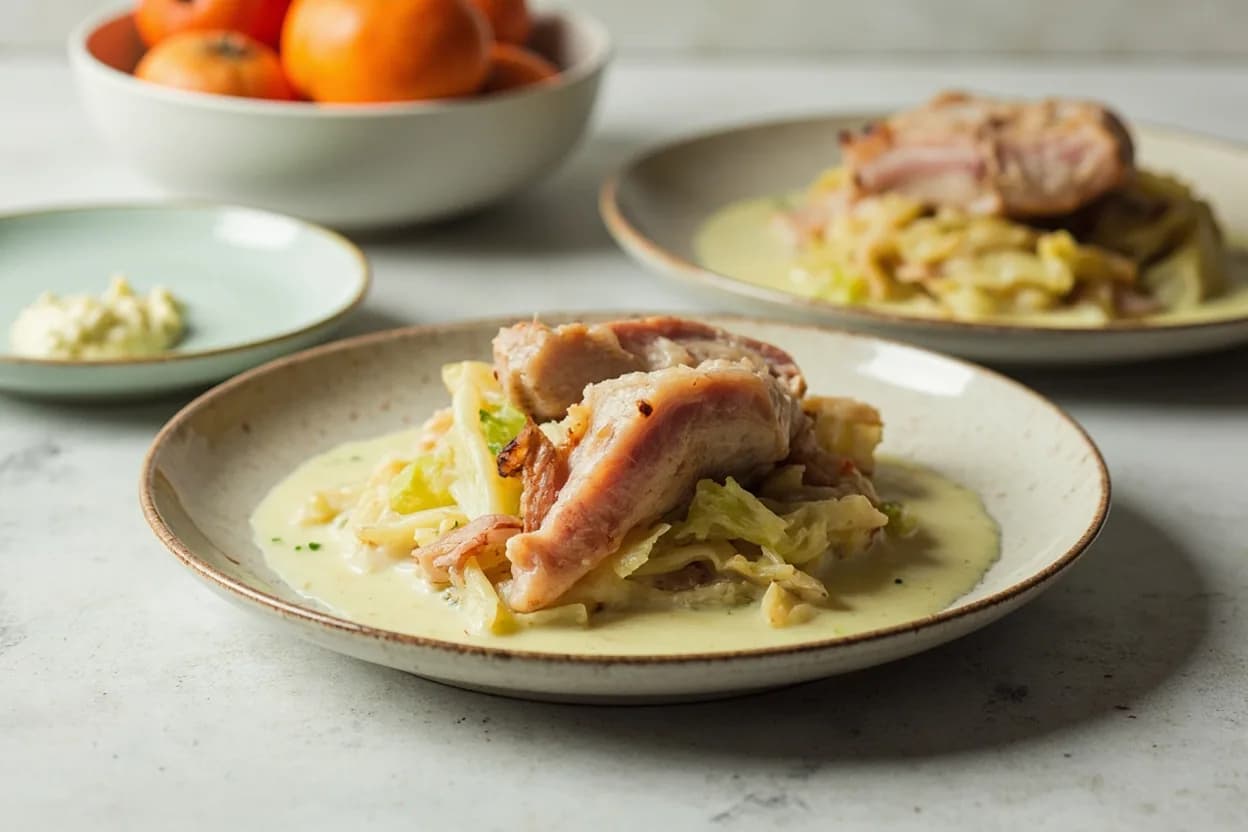
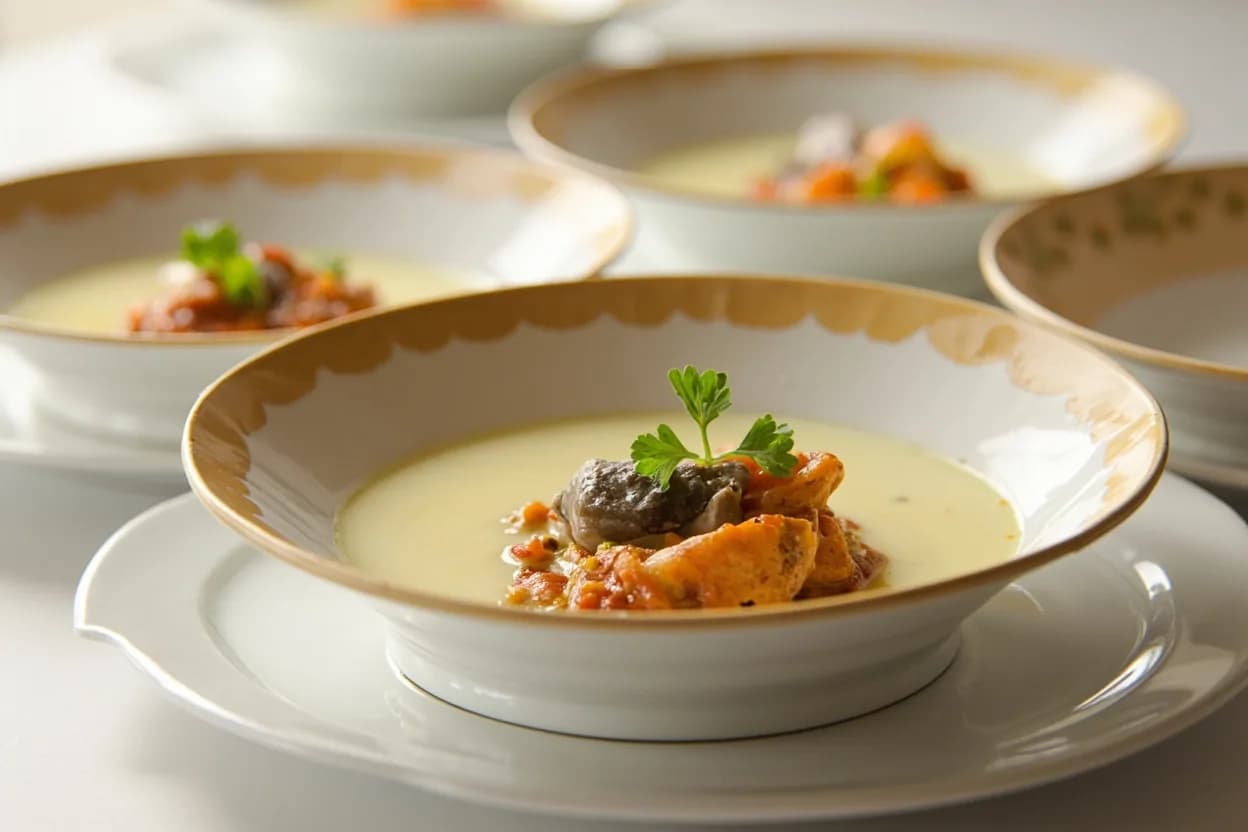
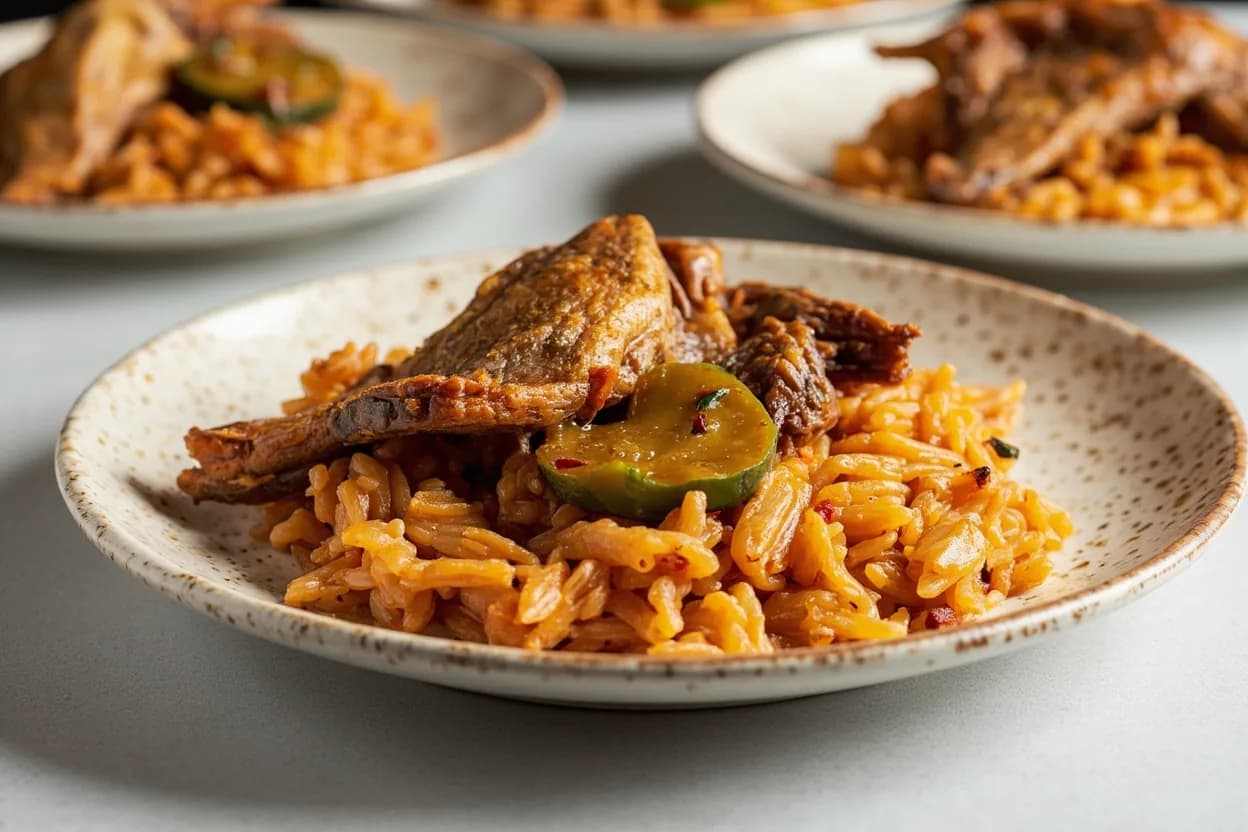
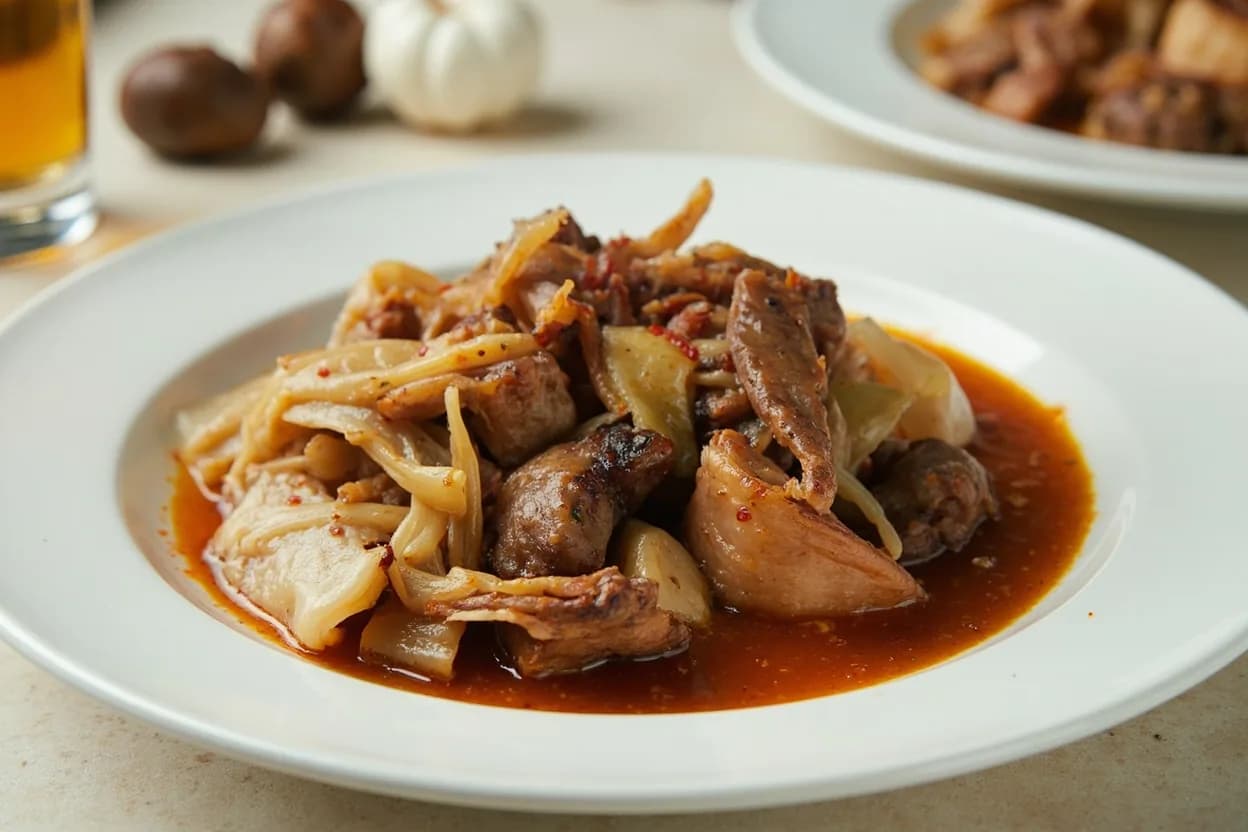
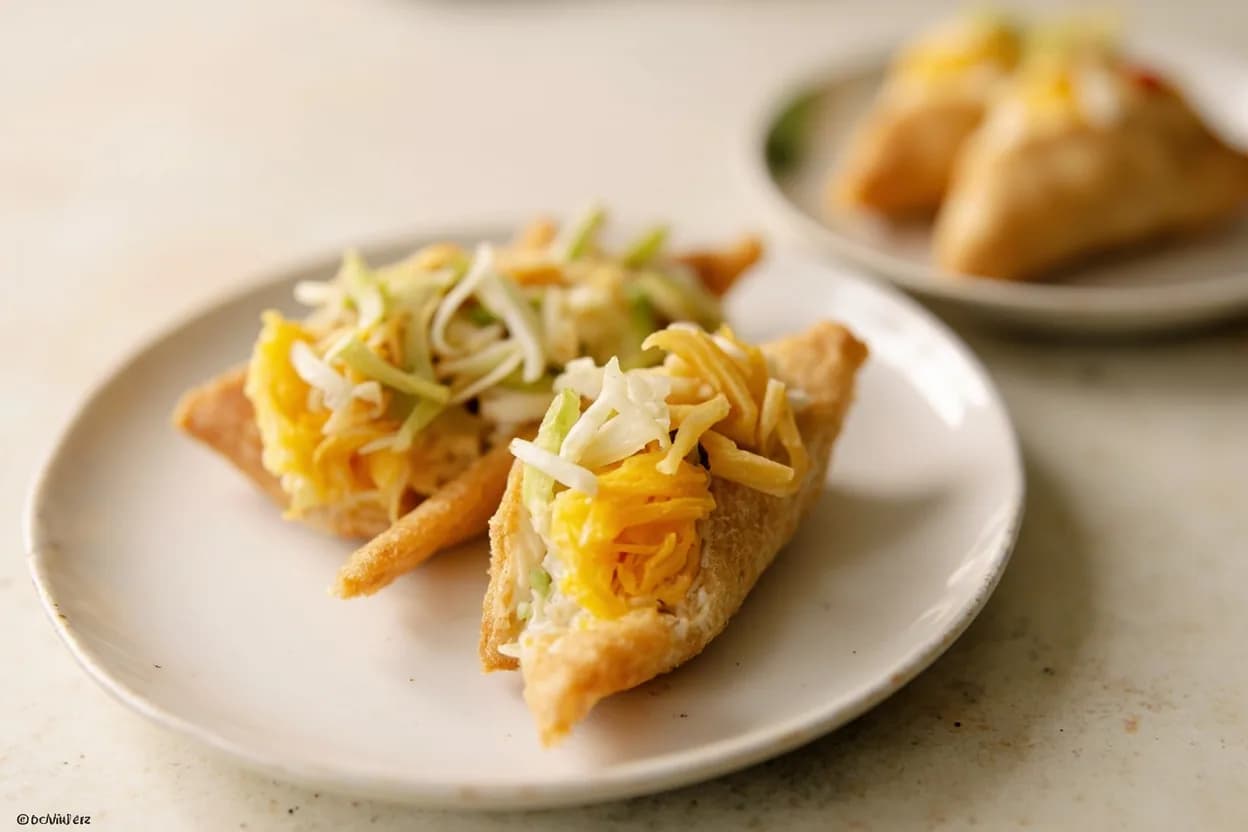
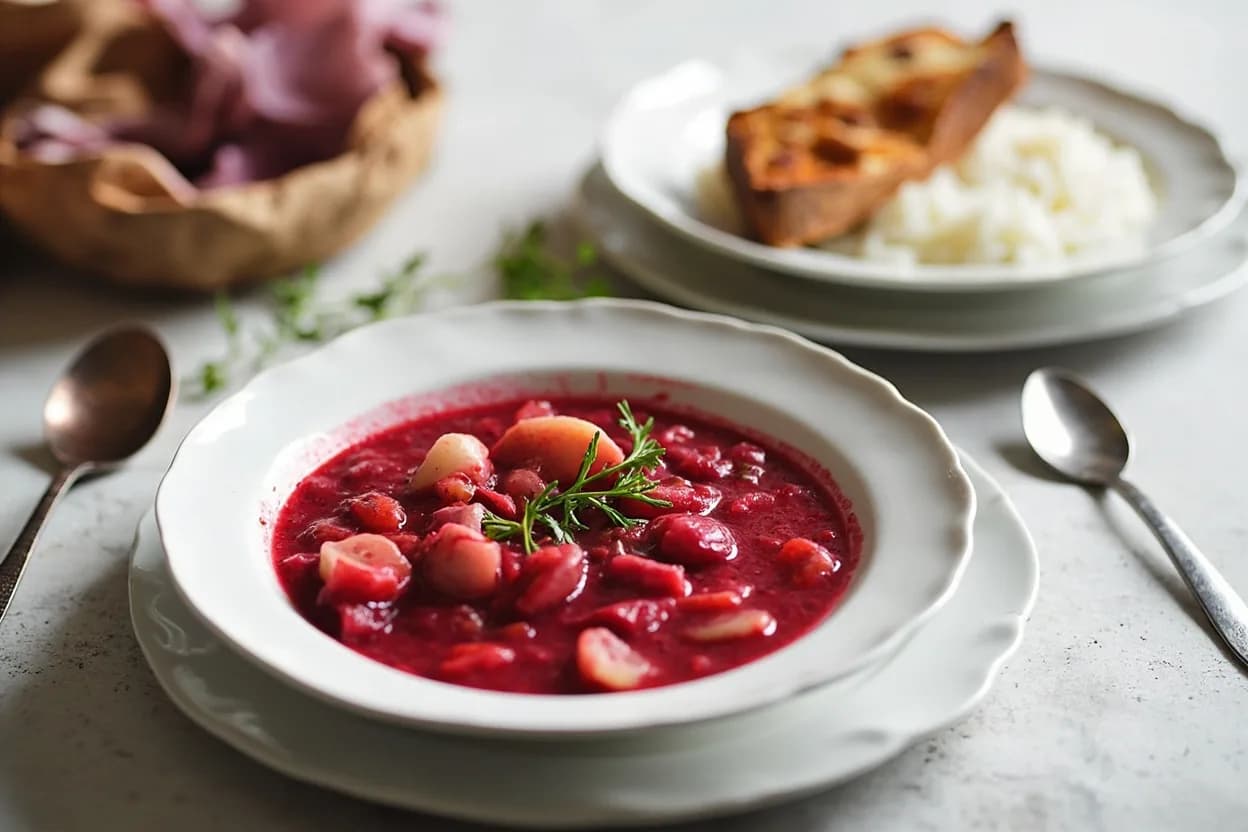
Appears in these dishes
Related
Tomato
Juicy, sun-sweet fruit for sauces, salads, and slow-cooked depth
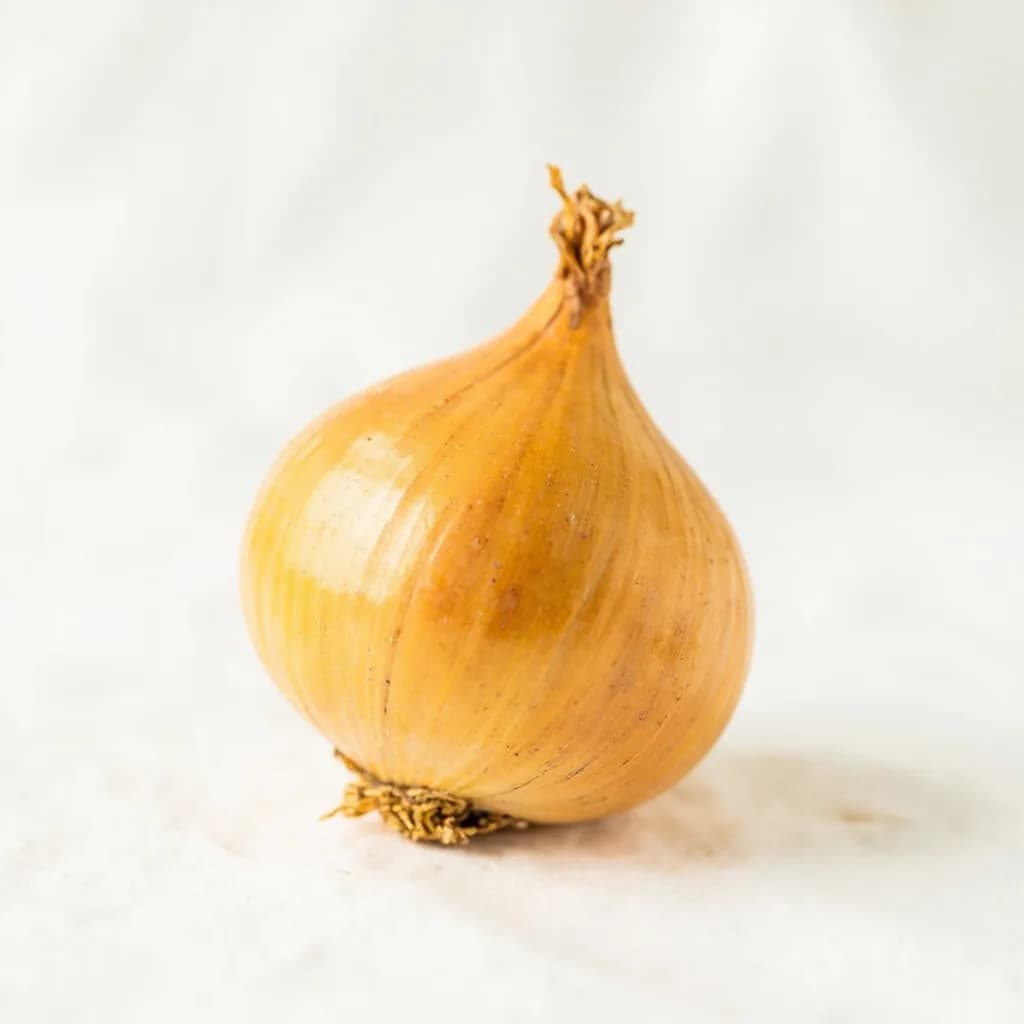
Yellow Onion
The aromatic backbone of soups, sofritos, and braises
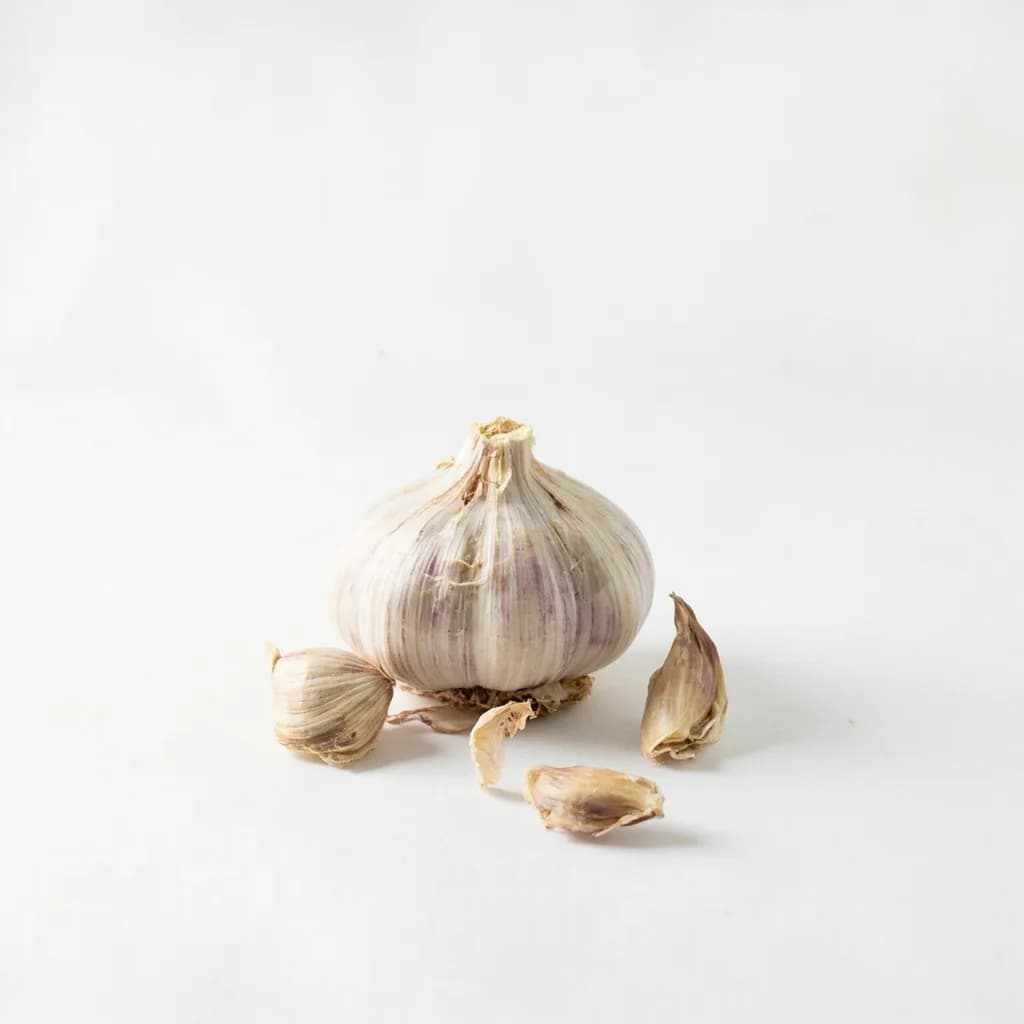
Garlic
Pungent cloves that perfume nearly every savory dish
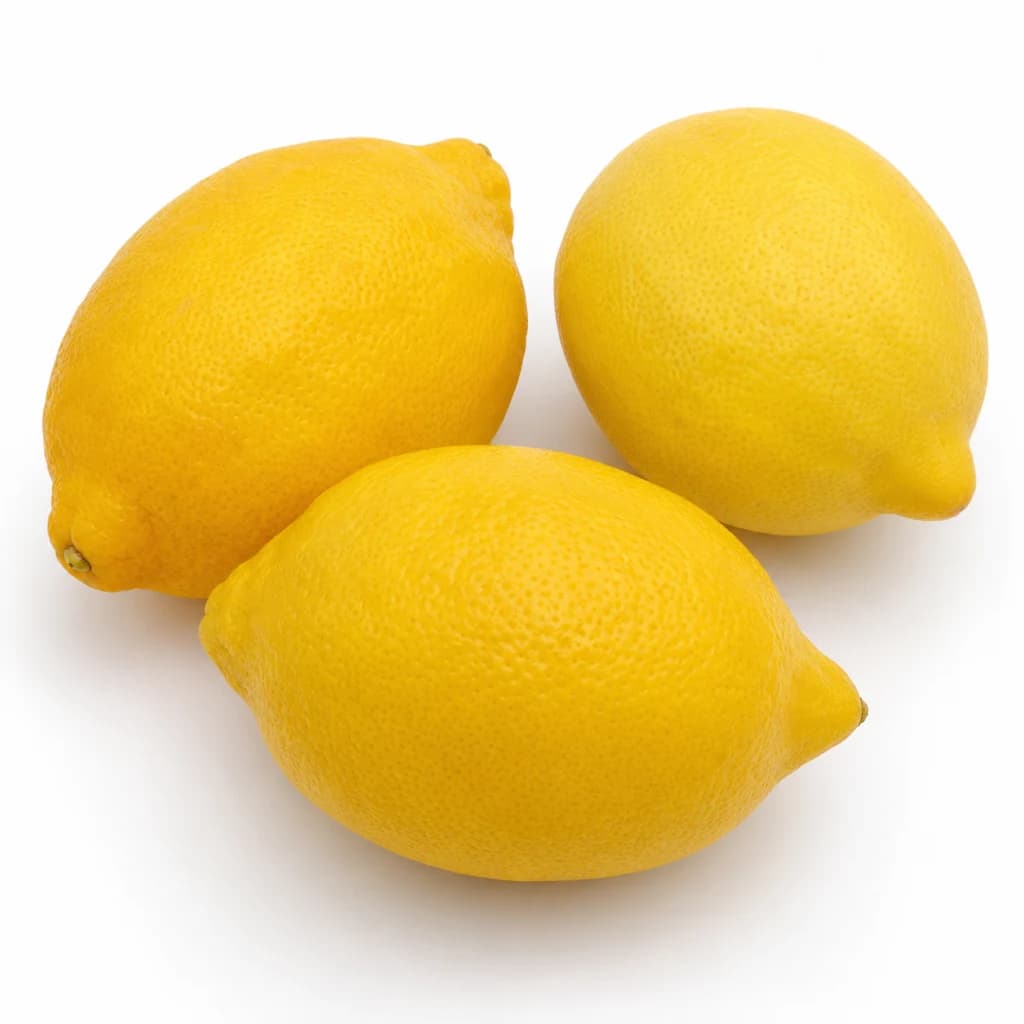
Lemon
Bright, acidic citrus that wakes up almost any dish
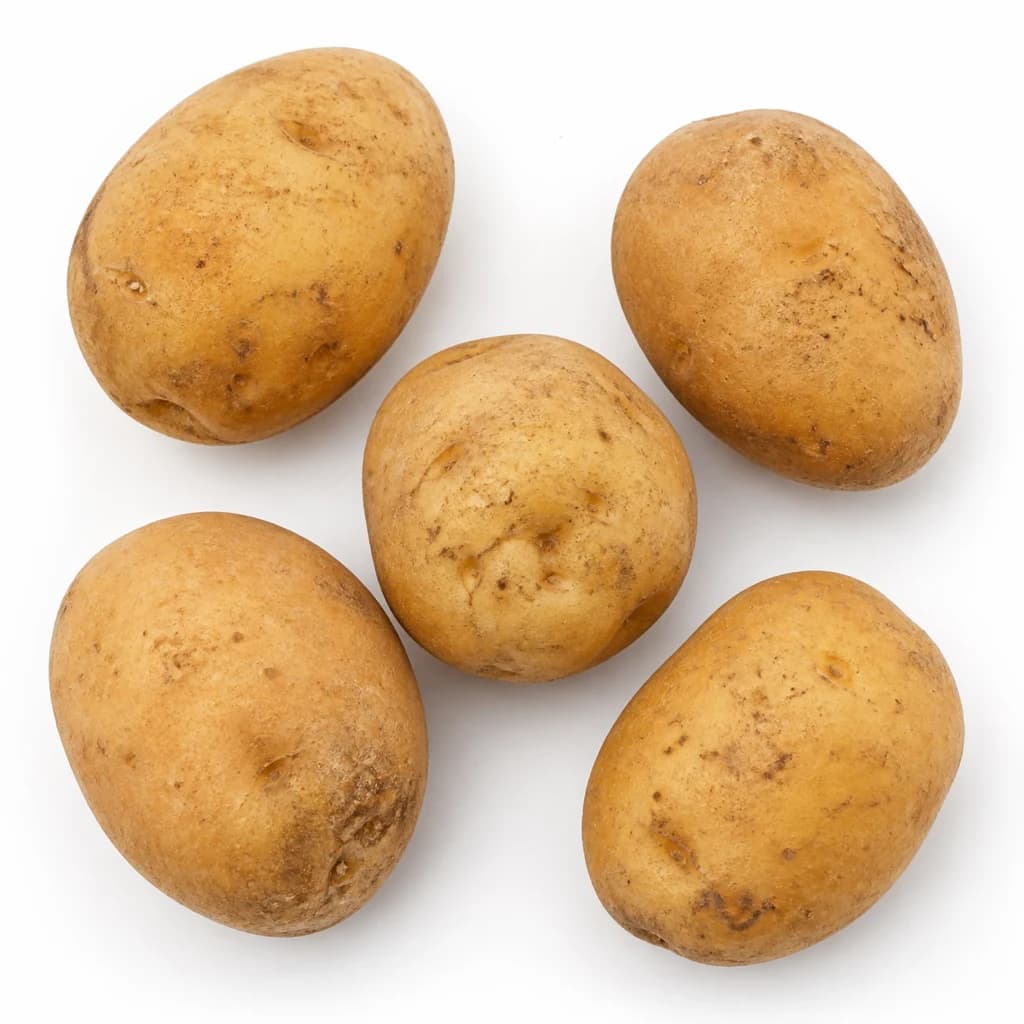
Potato
Humble, hearty staple — roast, mash, fry, or boil
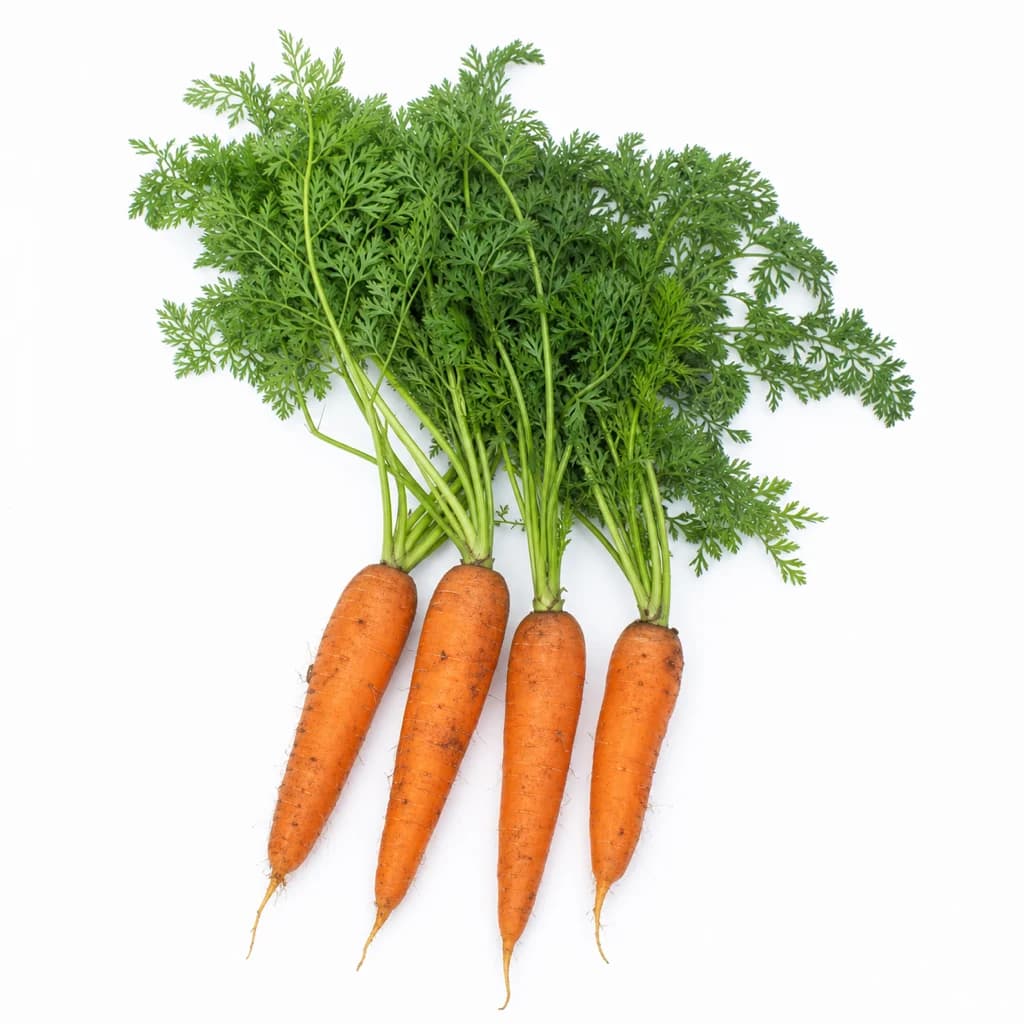
Carrot
Sweet, crunchy root — raw, roasted, or the base of a sofrito
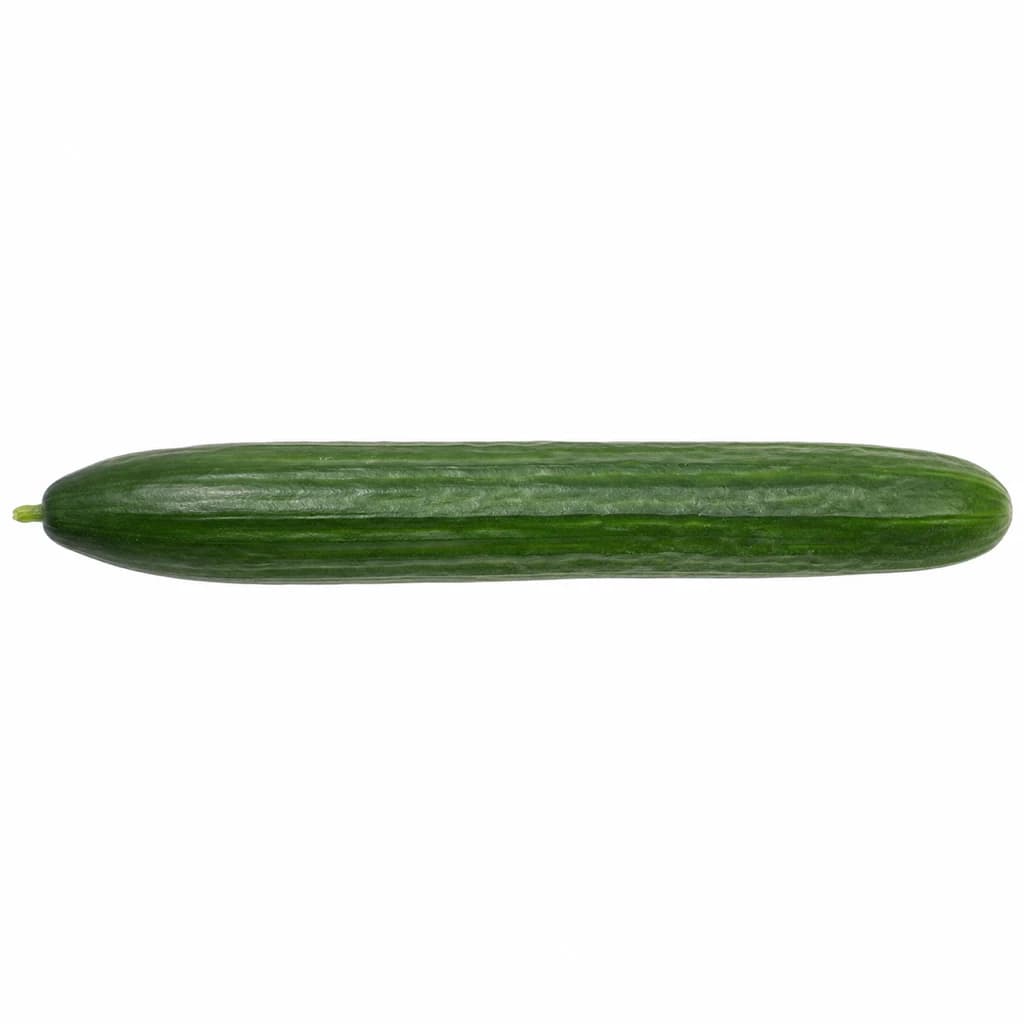
Cucumber
Cool, crisp, and watery — for salads, pickles, and tzatziki

Lettuce
Crisp leaves for salads, wraps, and a fresh crunch